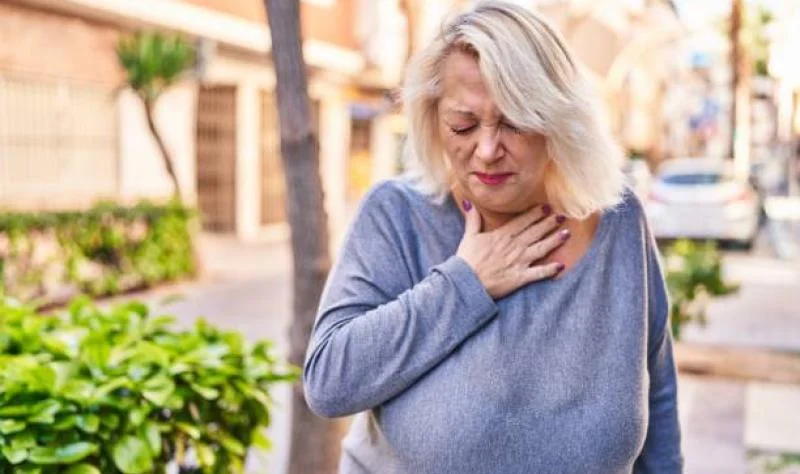
A recent study shows that COVID-19 continues to significantly impact older Americans, causing high rates of illness, hospitalization, and death, especially among those over 65, despite declines compared to earlier pandemic years. The study highlights the need for increased vaccination and better access to treatments to protect this vulnerable group.
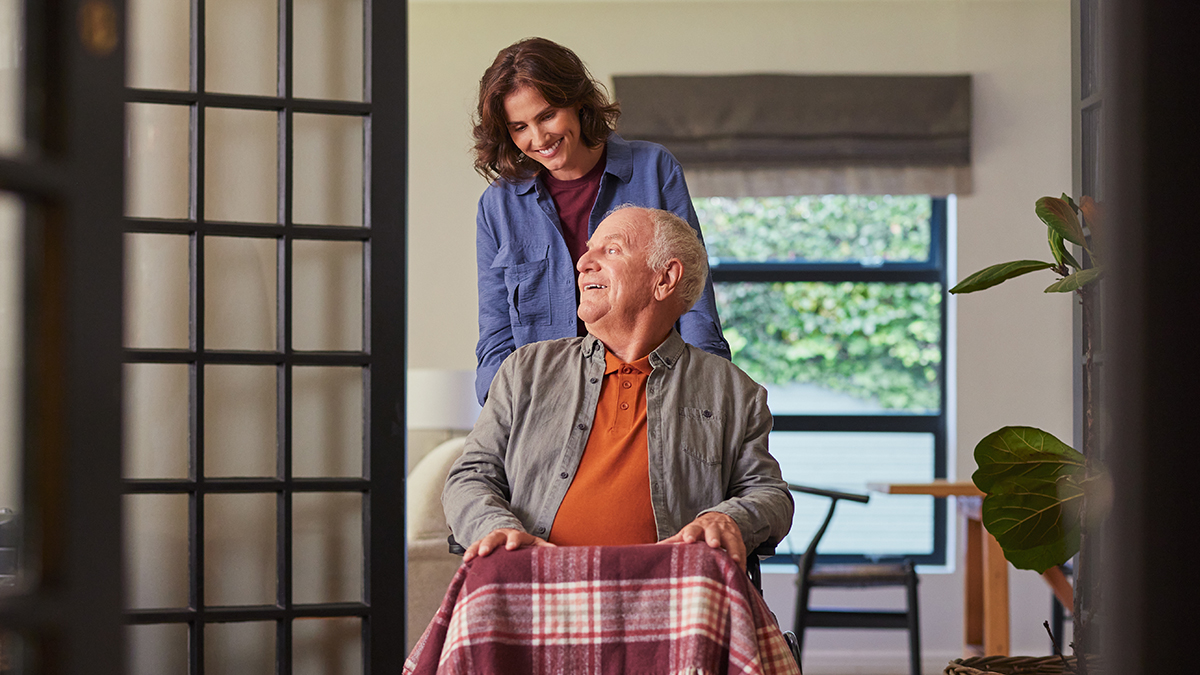
A study finds that helping others through volunteering or informal support can slow cognitive decline in adults over 50 by 15-20%, with 2-4 hours of weekly help being most beneficial, highlighting the importance of social engagement for brain health.
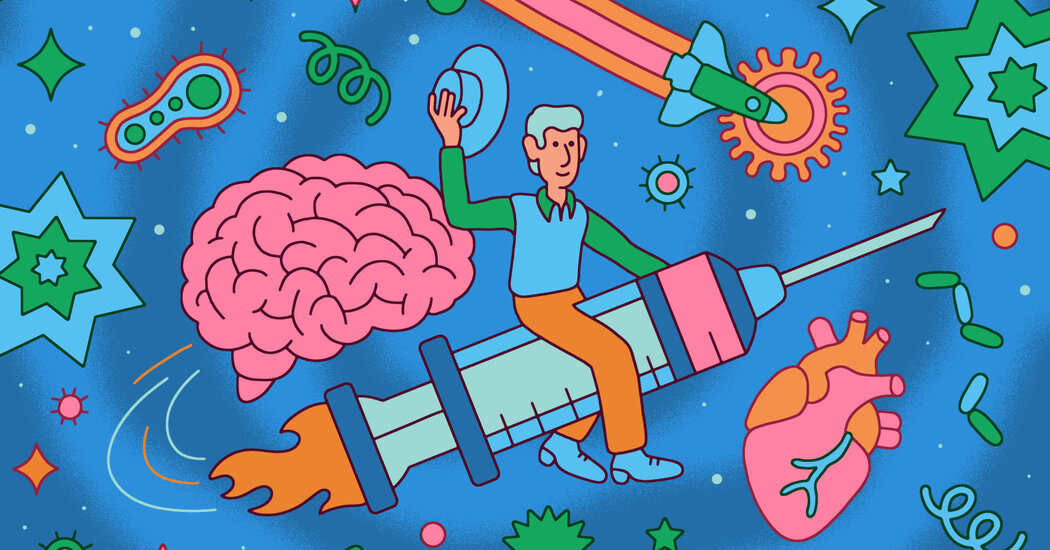
Vaccines not only protect older adults from specific diseases like shingles, R.S.V., and influenza but also offer additional benefits such as reducing the risk of dementia and decreasing hospitalization rates, highlighting their broader health advantages.
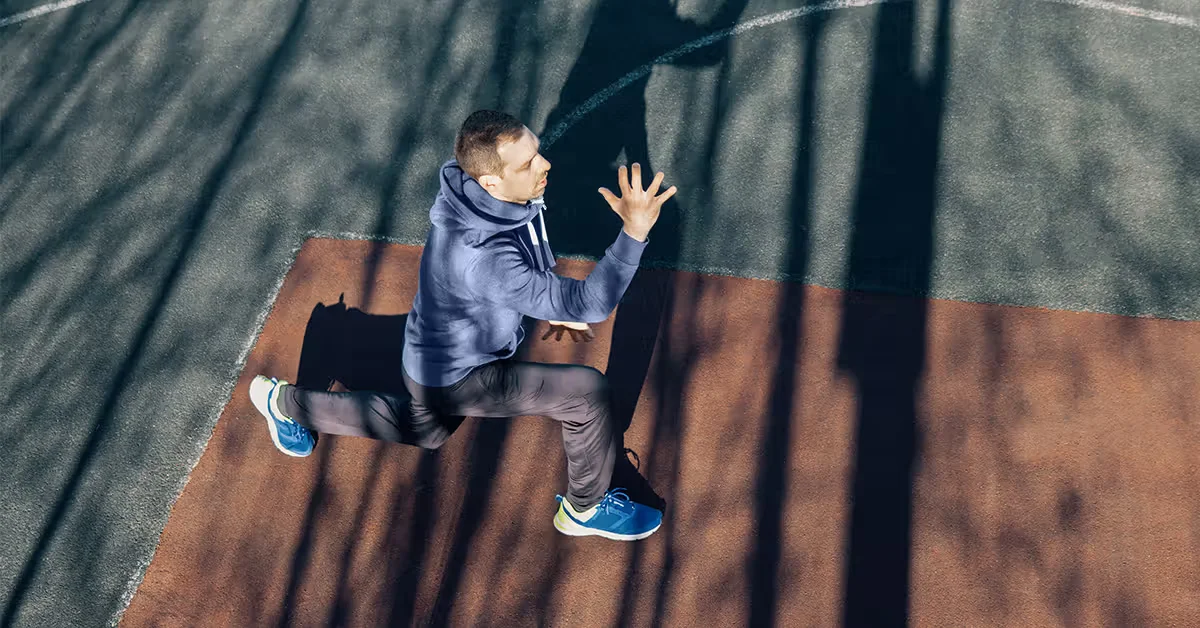
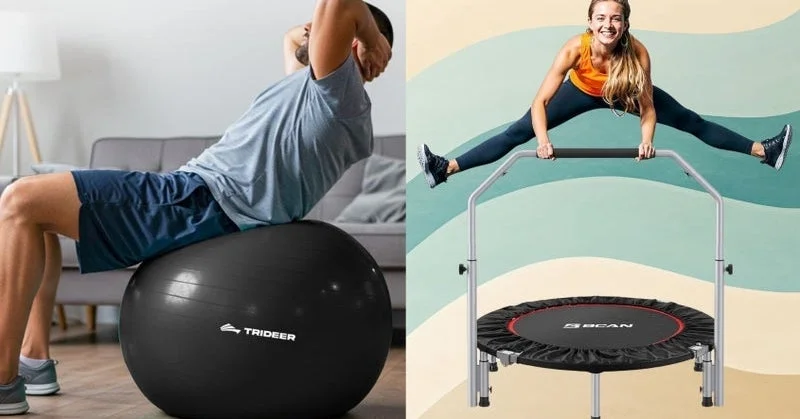
Core strengthening is crucial for older adults as it helps prevent falls, supports proper posture, and makes daily activities safer. Many older adults neglect exercises that target deep trunk muscles, which are essential for maintaining mobility and stability as they age.
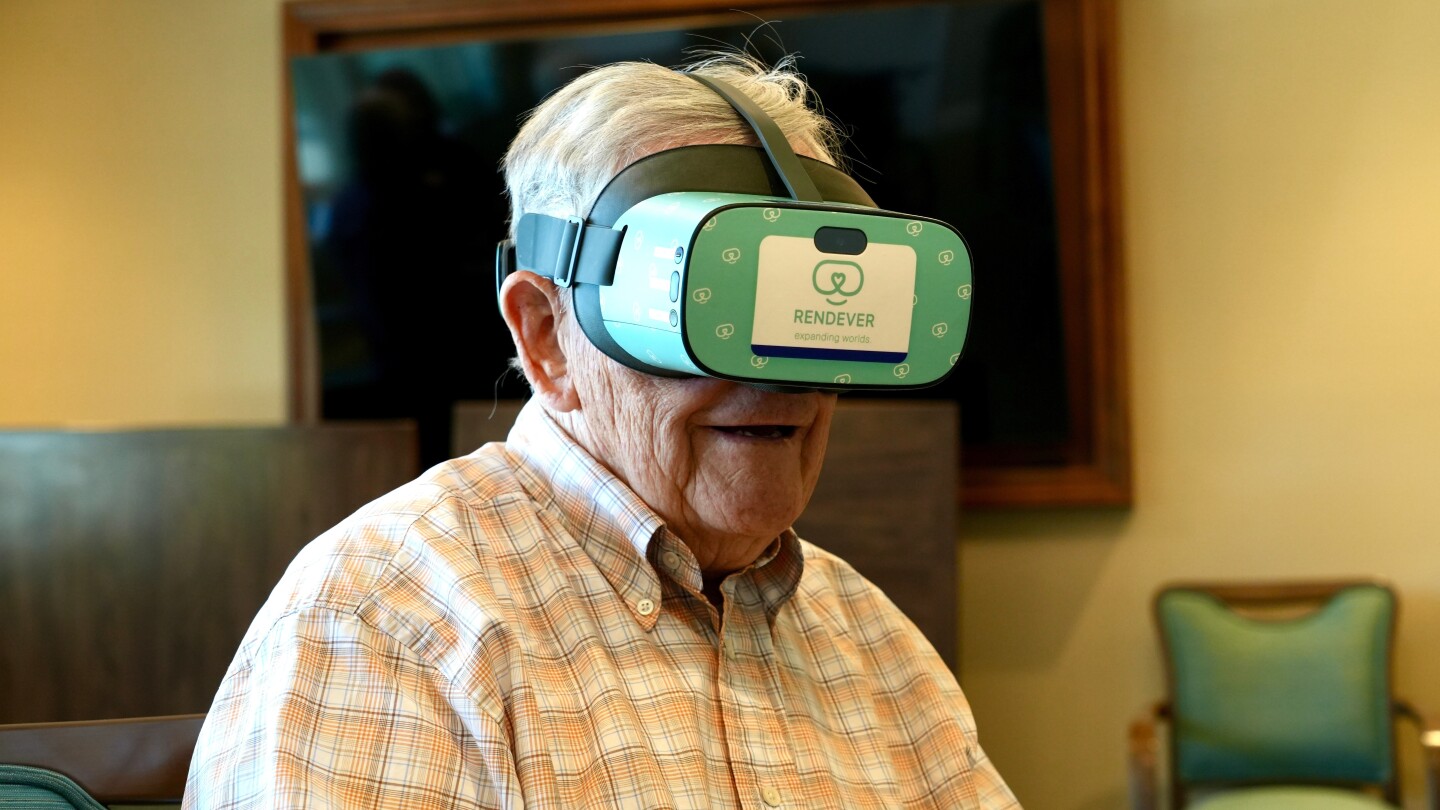
Virtual reality technology is being used in retirement communities to enhance social interaction, mental stimulation, and emotional well-being among older adults by allowing them to experience travel, revisit childhood memories, and engage in immersive activities, potentially reducing social isolation and cognitive decline.
For adults over 65, the RSV vaccine is recommended, but booster doses are not currently advised due to limited evidence of benefit, despite waning immunity after a year.
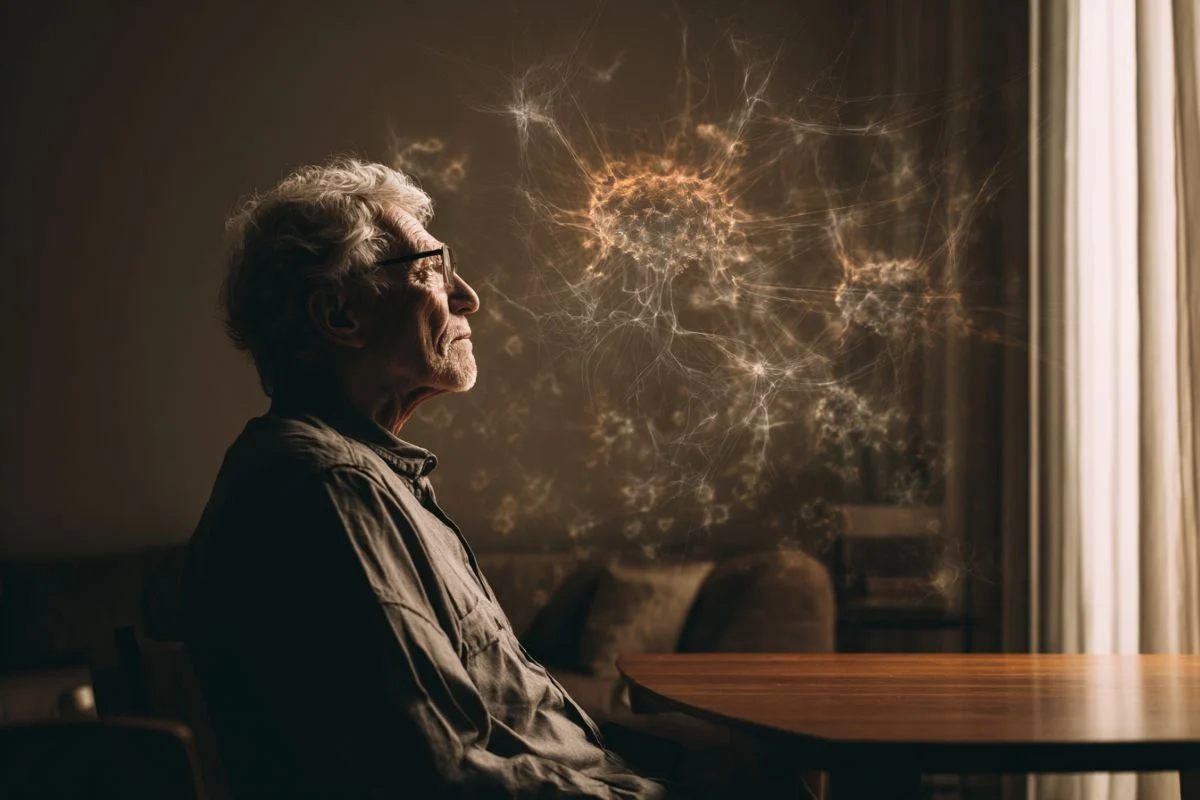
A large-scale study finds that objective social isolation directly accelerates cognitive decline in older adults, independent of loneliness, across all demographic groups, highlighting the importance of social connections for neurological health and Alzheimer's prevention.
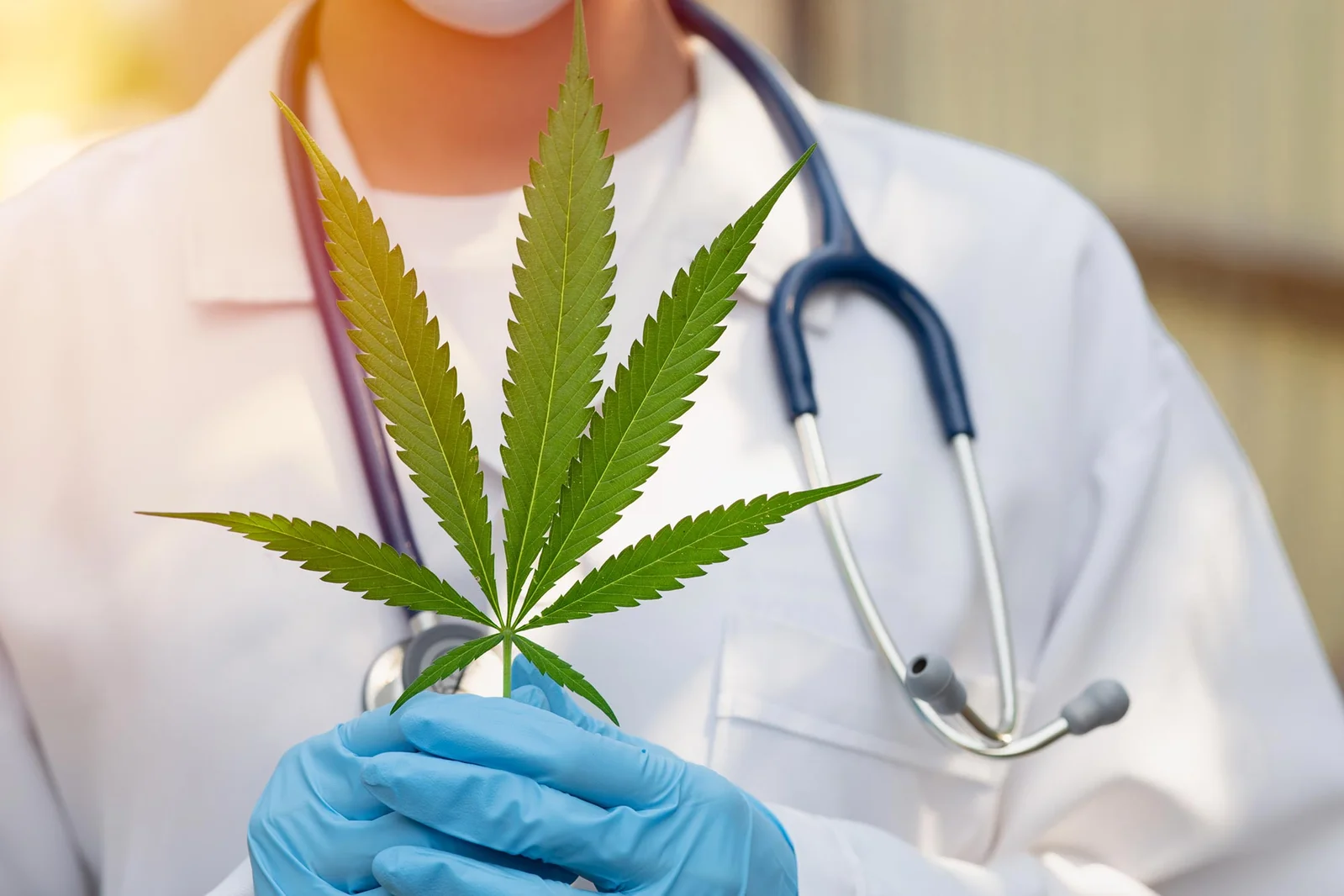
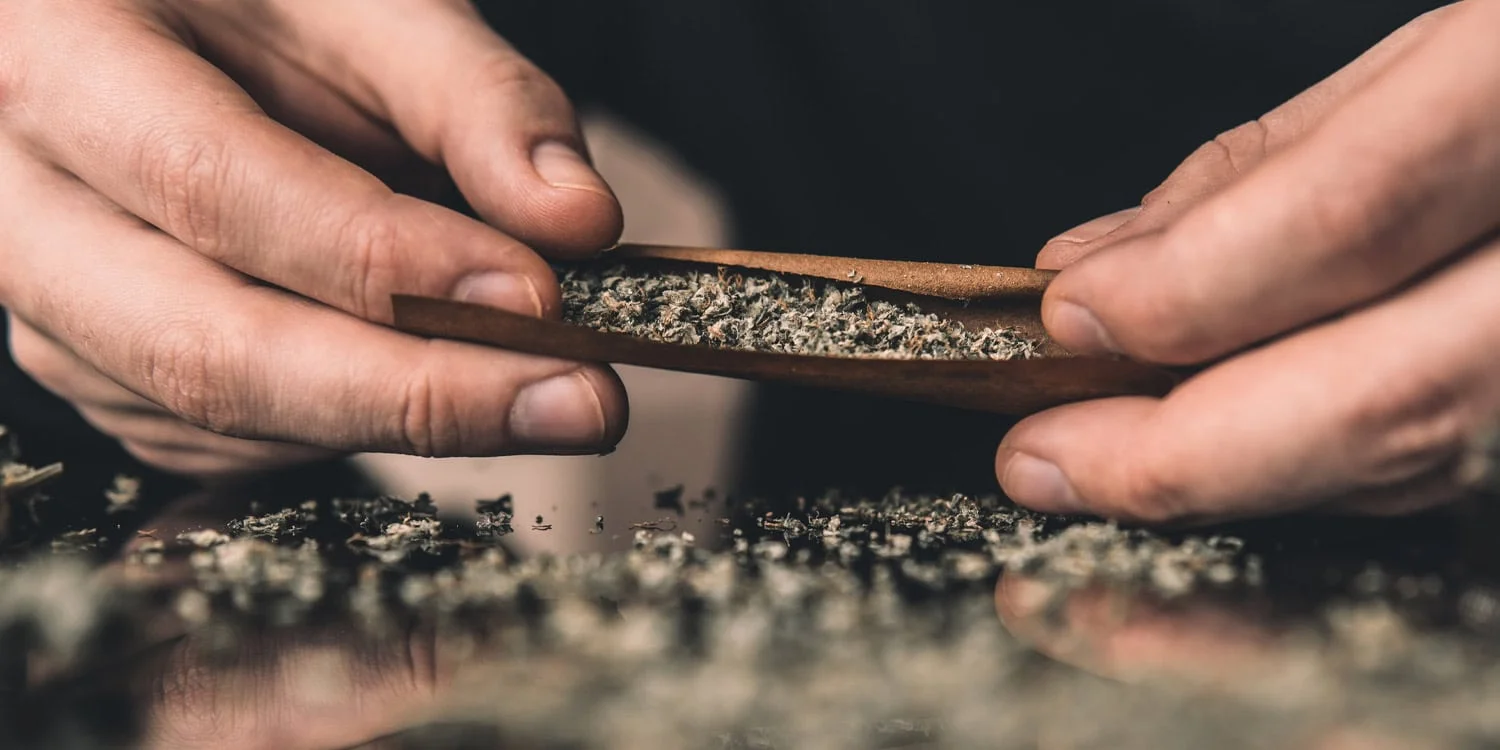
A study in the Journal of Psychopharmacology found that frequent cannabis use in older adults causes specific temporary cognitive declines, especially in processing speed and executive function, despite strong subjective intoxication feelings. The research highlights nuanced effects, with some cognitive functions unaffected or even improved, and emphasizes the need for further research on age-related differences and long-term impacts.
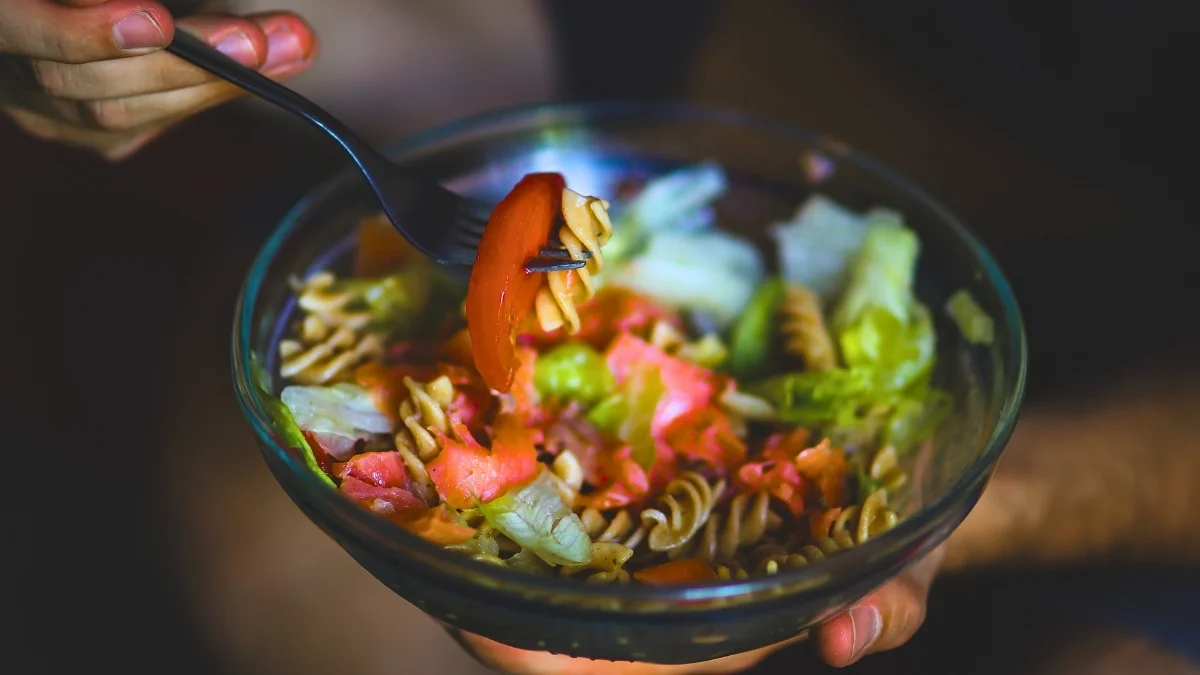
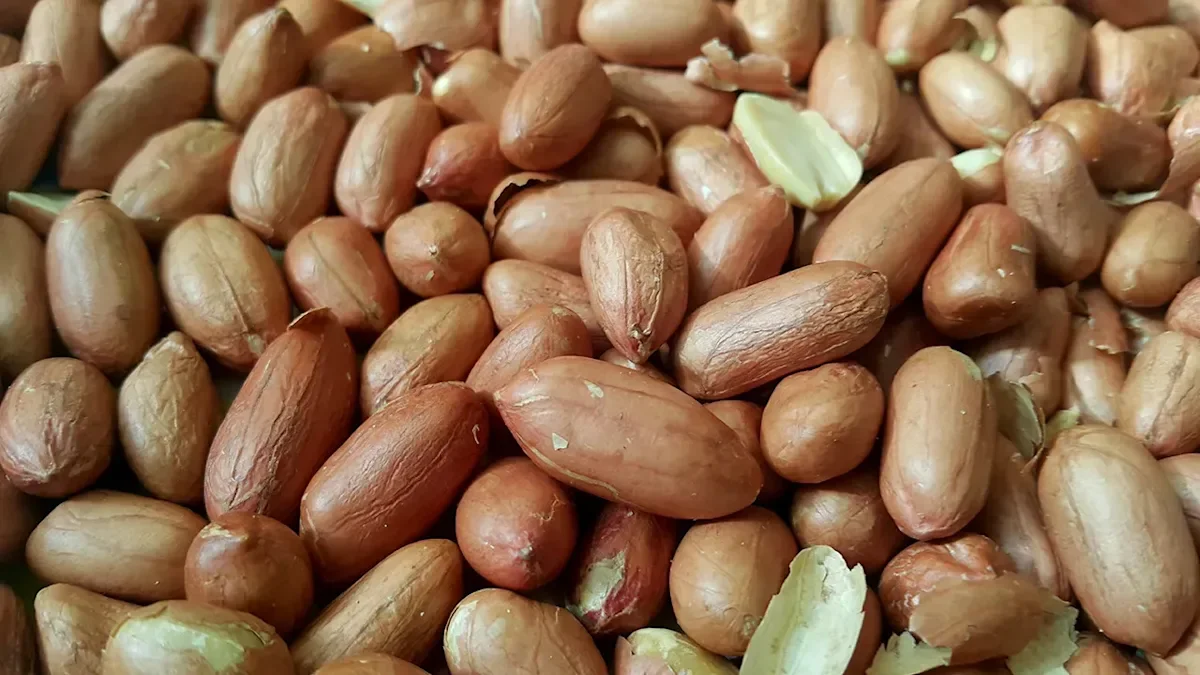
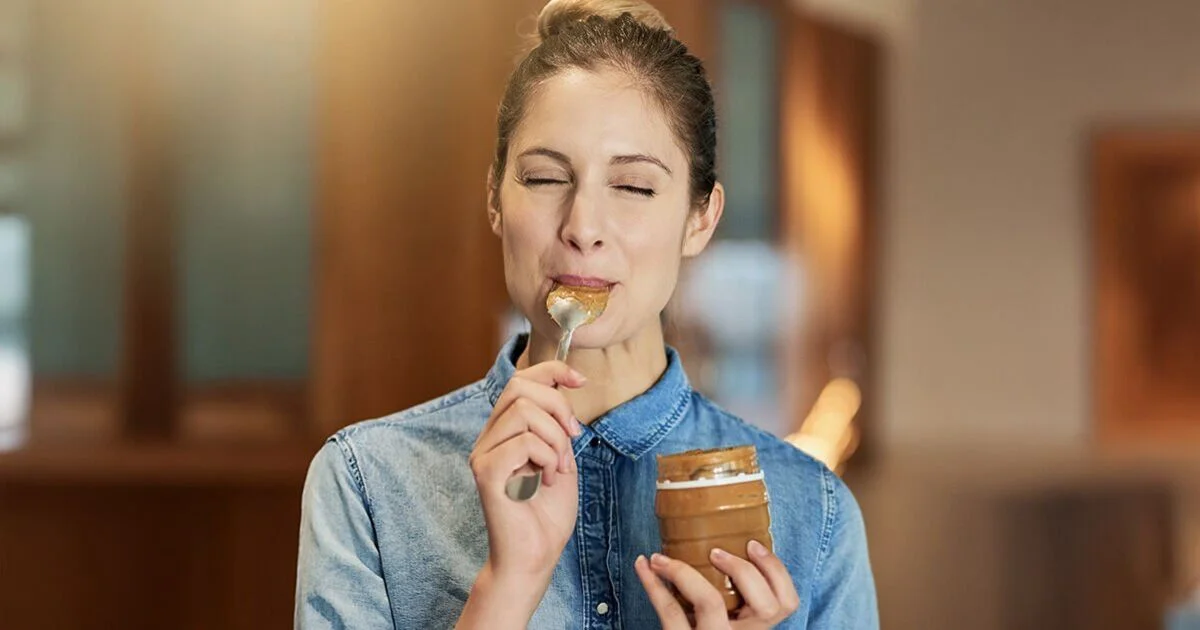
A study shows that daily consumption of unsalted, skin-roasted peanuts can increase brain blood flow and improve memory in older adults, likely due to nutrients like L-arginine, antioxidants, and healthy fats, though further research is needed to confirm long-term effects.
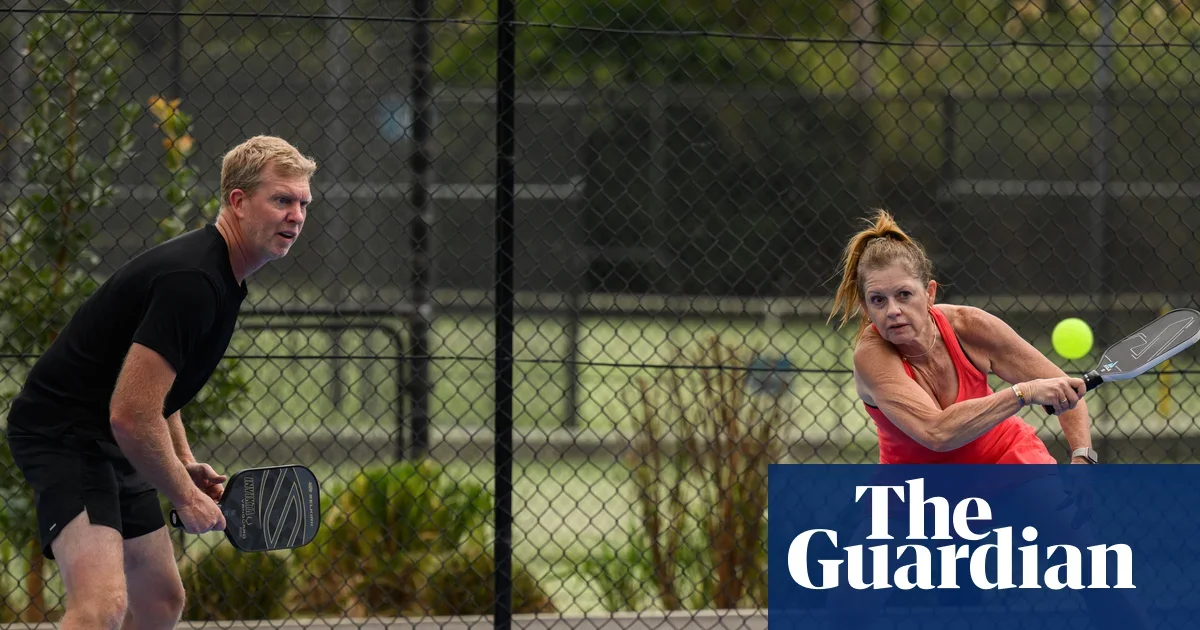
The article argues that injuries among older pickleball players are less risky than inactivity, emphasizing that active movement like pickleball is beneficial for health, especially for women during menopause, and should be encouraged as a form of medicine to maintain strength and independence.
Dumbbell exercises are a practical and effective way for older adults to build strength, improve balance, and prevent falls, with key movements like goblet squats, bench presses, deadlifts, shoulder raises, and rows supporting functional daily activities. Regular practice, proper form, and gradual progression are essential for safety and effectiveness.
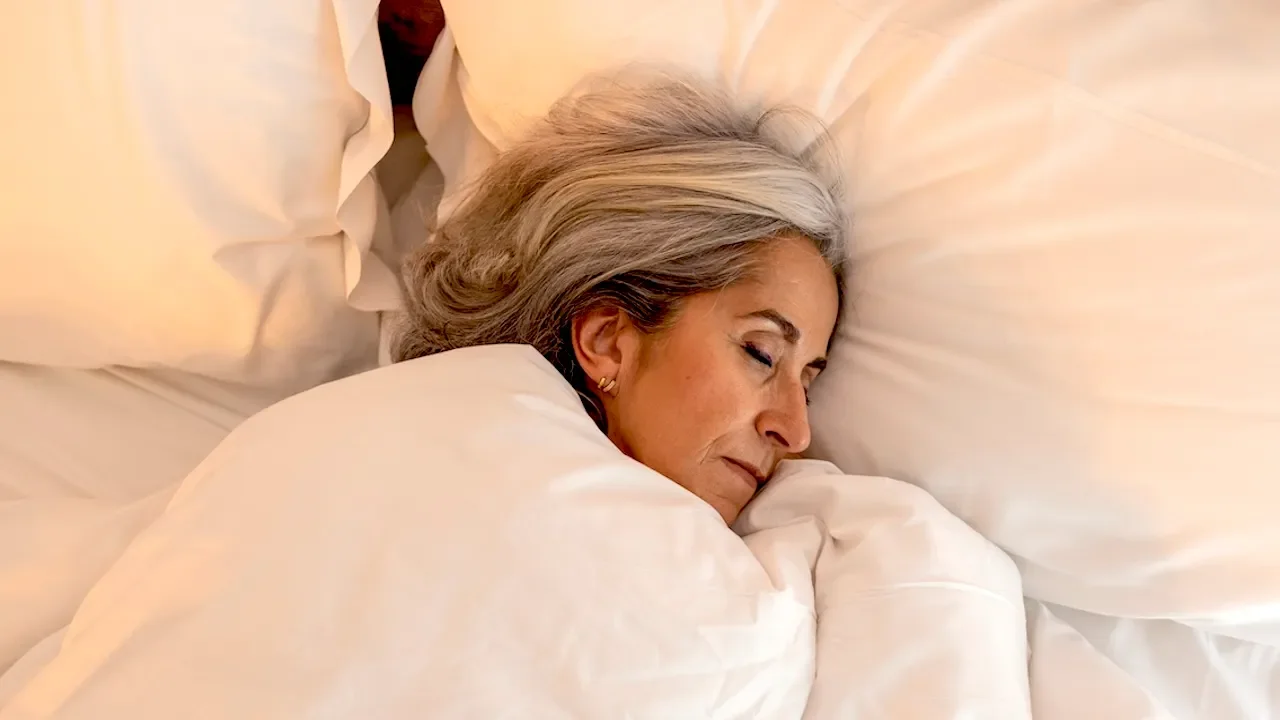
A recent study published in Sleep journal reveals that long-term use of common prescription sleep aids, especially benzodiazepines, worsens sleep quality in older adults by reducing deep, restorative sleep and potentially impairing memory and brain health, suggesting that alternative treatments like cognitive behavioral therapy may be more effective.
The Gym Venice specializes in training individuals over 40, focusing on safe, customized strength training to combat age-related muscle loss, improve bone density, and enhance overall health, with a particular emphasis on accommodating physical limitations and promoting aging gracefully.
A study of over 10,800 people over 70 found that listening to music reduces dementia risk by 39%, and playing instruments reduces it by 35%, suggesting music as an accessible way to support brain health in aging.
For adults over 60, the most important mistake to avoid when sick is neglecting hydration, as it is crucial for maintaining mucous membrane moisture, supporting immune function, and preventing complications like dehydration, which can be more severe in older adults due to natural age-related changes and medication effects.