Tag

Plasma

All articles tagged with #plasma

Scientists Uncover Explanation for Rain on the Sun

Originally Published 2 months ago — by ScienceAlert

Featured image for Scientists Uncover Explanation for Rain on the Sun
Source: ScienceAlert

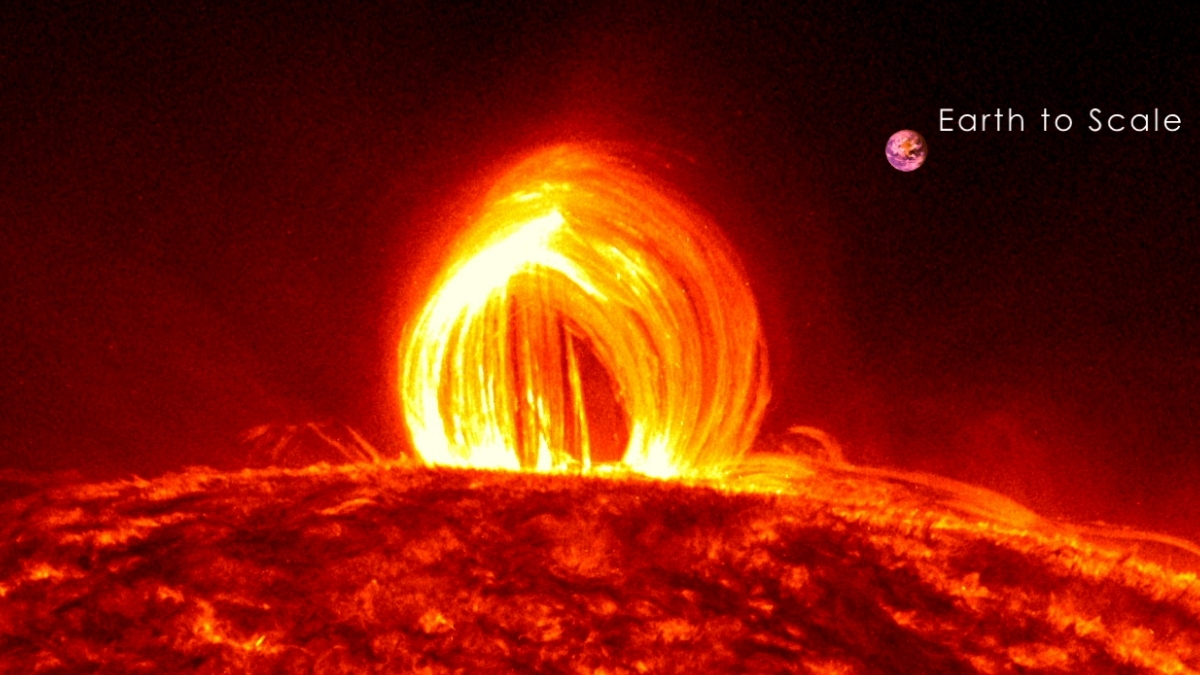
Researchers at the University of Hawai'i have discovered that the mysterious rain on the Sun, composed of superheated plasma, is influenced by shifting flows of elements like iron, silicon, and magnesium in the Sun's corona. This finding helps explain the rapid formation of coronal rain and suggests new insights into solar atmospheric dynamics and coronal heating. The study challenges previous models assuming constant elemental distribution and opens avenues for further research into solar phenomena.

Scientists Uncover the Mystery Behind 'Rain' on the Sun

Originally Published 3 months ago — by Earth.com

Featured image for Scientists Uncover the Mystery Behind 'Rain' on the Sun
Source: Earth.com

Scientists have long struggled to explain the rapid formation of 'solar rain'—cool, dense plasma blobs that fall during solar flares. Recent research shows that allowing elemental abundances, especially low FIP elements like iron, to vary in models explains the quick cooling and condensation observed. This new understanding improves the accuracy of solar models, helping to better interpret solar activity and predict space weather effects.

Scientists Capture Unprecedented High-Resolution Images of the Sun's Corona and Sunspots

Originally Published 7 months ago — by Space

Featured image for Scientists Capture Unprecedented High-Resolution Images of the Sun's Corona and Sunspots
Source: Space

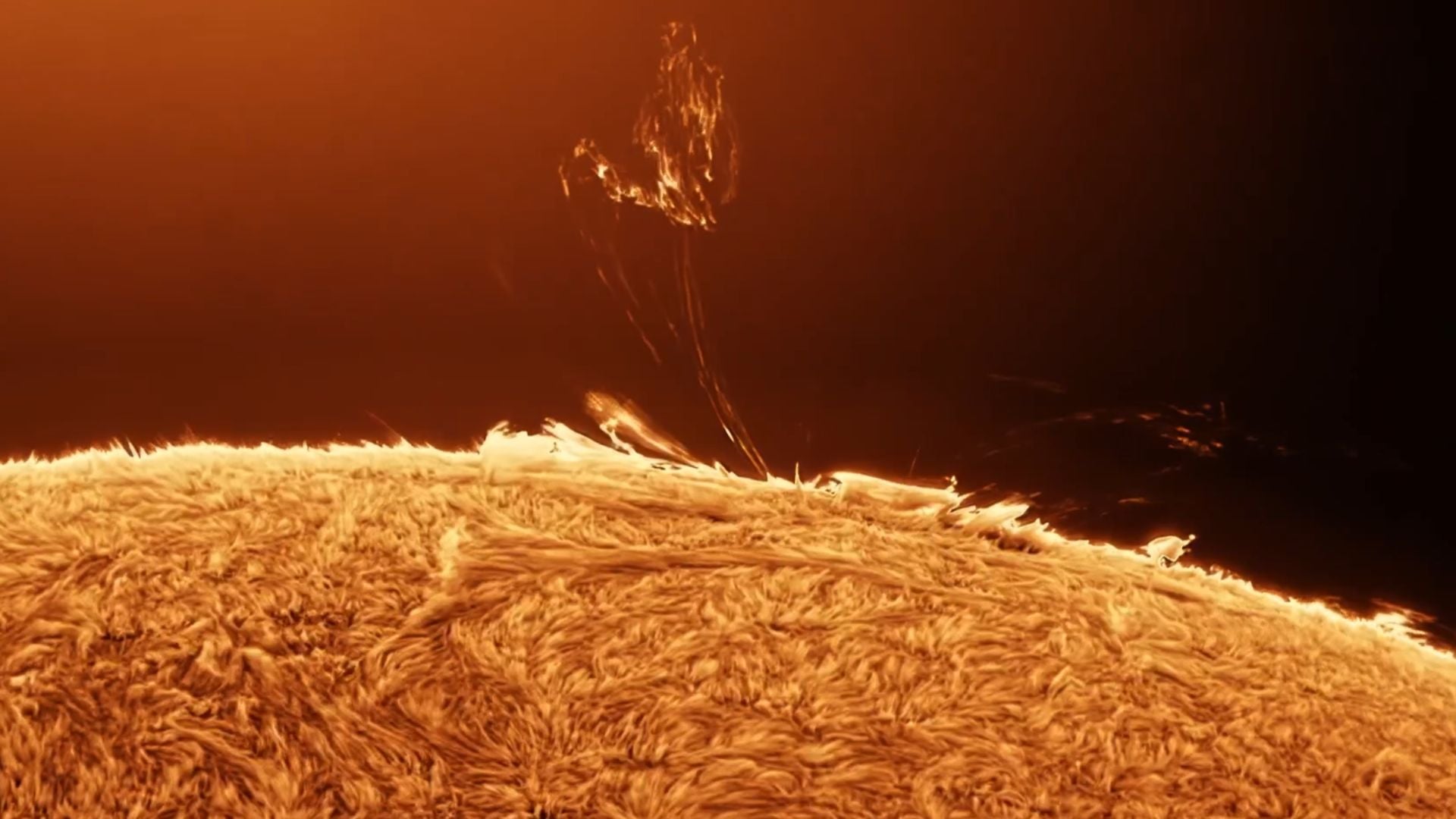
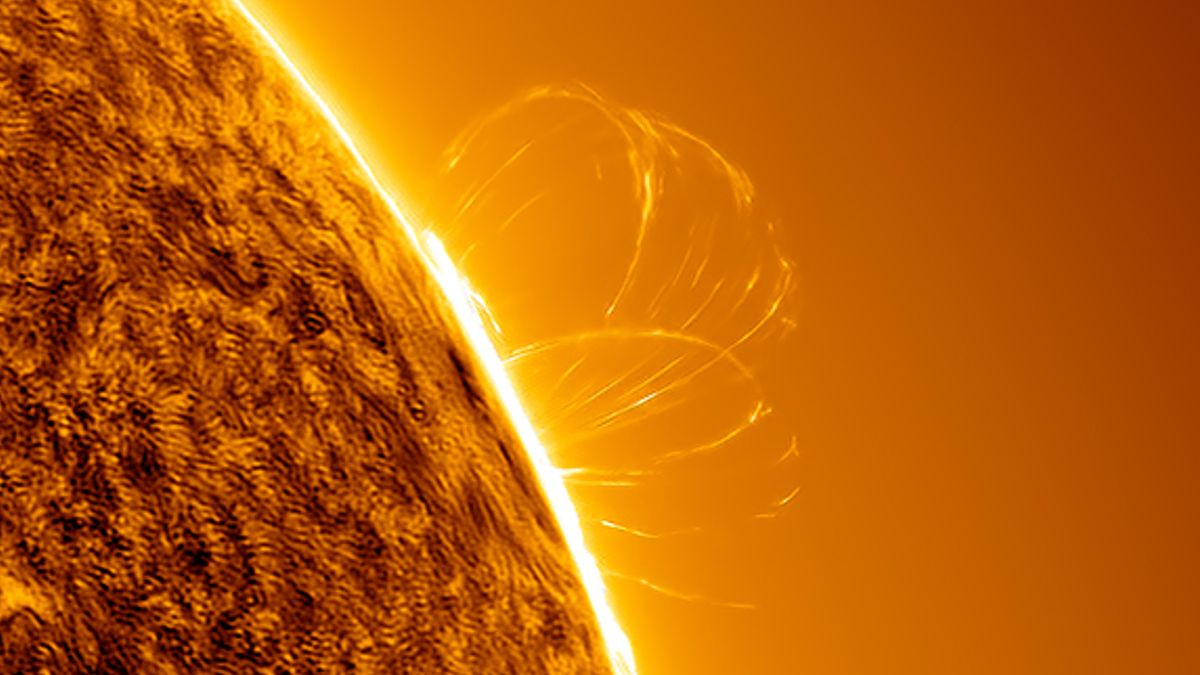
Scientists have achieved the sharpest-ever images of the sun's corona using advanced adaptive optics, revealing new features like delicate coronal rain, a rapidly forming plasma 'plasmoid', and dynamic solar prominences, which could help solve longstanding mysteries about solar heating and space weather phenomena.

US Fusion Breakthrough: Stellarator Advances Promise Limitless Energy

Originally Published 1 year ago — by Interesting Engineering

Featured image for US Fusion Breakthrough: Stellarator Advances Promise Limitless Energy
Source: Interesting Engineering

Researchers at the Princeton Plasma Physics Laboratory have made a significant breakthrough in stellarator fusion technology by developing a computational method to optimize plasma confinement. This method uses a proxy function to predict particle loss rates, allowing for the exploration of various magnetic configurations that improve particle retention. This advancement could enhance the efficiency and stability of stellarators, bringing fusion energy closer to practical use.

Astrophysicist Unveils Theory on Crab Nebula's Zebra Stripes

Originally Published 1 year ago — by Phys.org

Featured image for Astrophysicist Unveils Theory on Crab Nebula's Zebra Stripes
Source: Phys.org

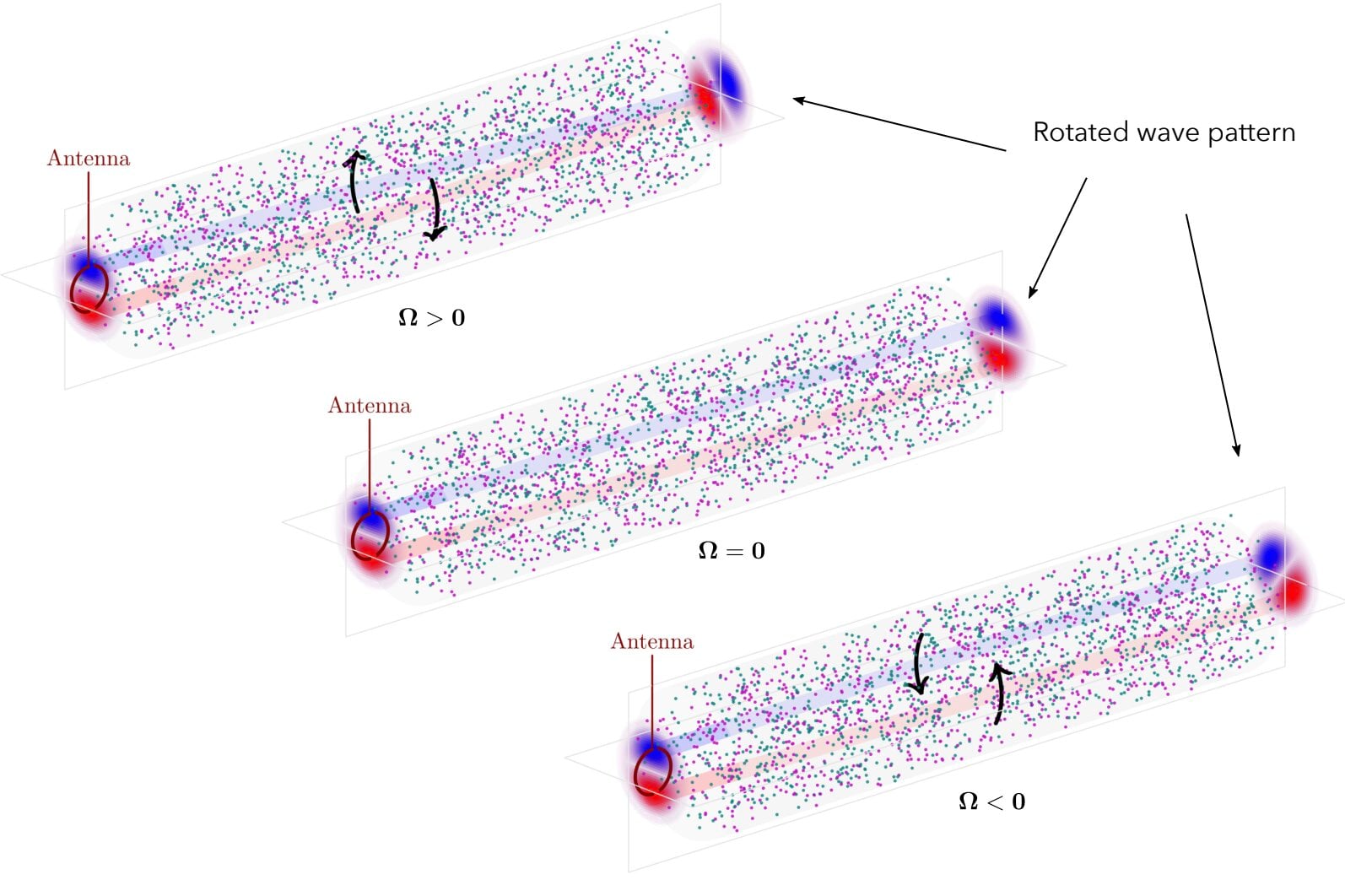
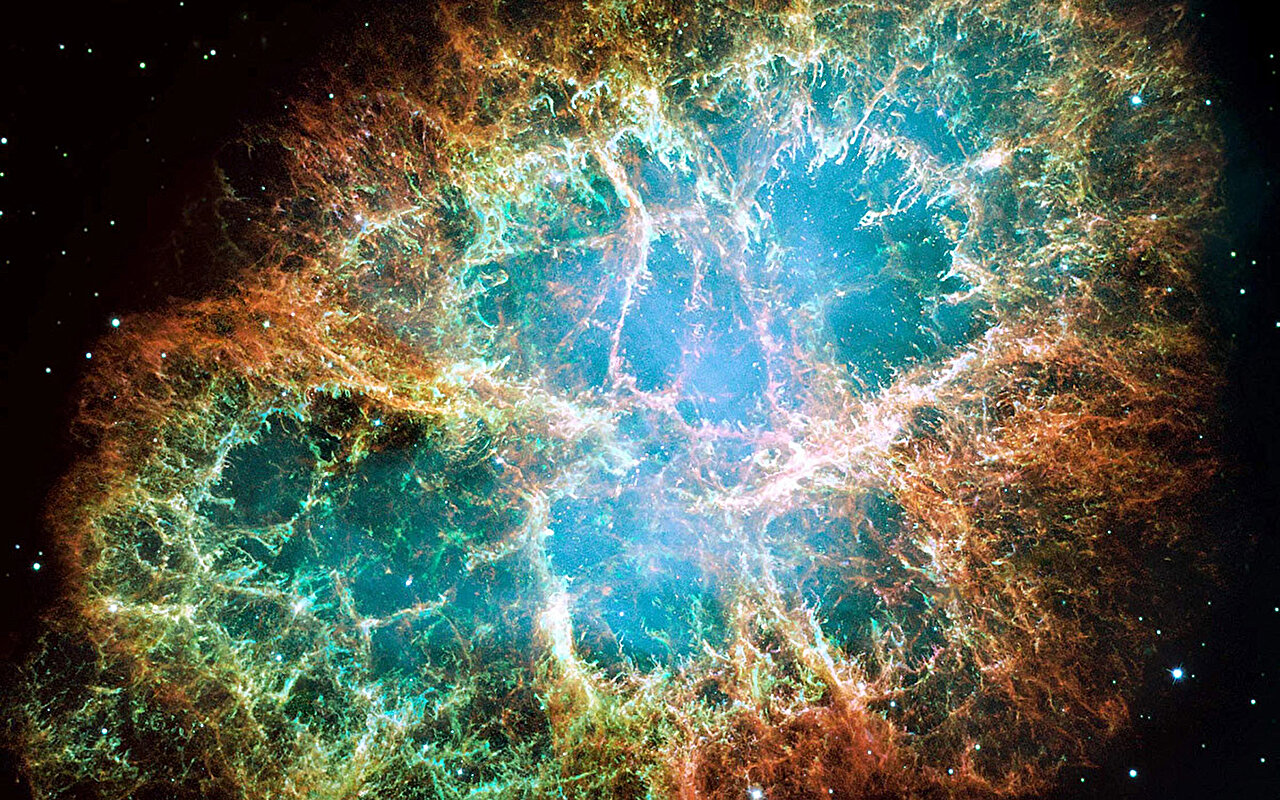
A theoretical astrophysicist from the University of Kansas, Mikhail Medvedev, has proposed a solution to the mysterious 'zebra' pattern observed in the Crab Nebula's radio emissions. By modeling wave diffraction and using wave optics, Medvedev suggests that the pattern is caused by the diffraction of electromagnetic pulses through the pulsar's plasma, which varies in density. This new understanding could enhance the study of pulsars and their magnetospheres, offering insights into their plasma density and distribution.

Sun's Magnetic Field Likely Originates Near Surface, Study Finds

Originally Published 1 year ago — by Livescience.com

Featured image for Sun's Magnetic Field Likely Originates Near Surface, Study Finds
Source: Livescience.com

Scientists have discovered that the sun's magnetic field likely originates from instabilities in the plasma across the outermost layers of the solar surface, rather than deep within the star. This finding, based on complex computer simulations and helioseismology data, could improve predictions of solar flares and storms, which can impact Earth's technology and infrastructure. The study, published in Nature, challenges the prevailing focus on deep solar dynamo action and suggests that surface perturbations play a crucial role in magnetic field formation.

"New Discovery Links Sun's Magnetic Field Origin to Improved Solar Storm Forecasts"

Originally Published 1 year ago — by Space.com

Featured image for "New Discovery Links Sun's Magnetic Field Origin to Improved Solar Storm Forecasts"
Source: Space.com

New research suggests that the sun's magnetic field, responsible for sunspots and solar flares, originates from a shallow region near its surface rather than deeper within. This discovery, made using NASA supercomputer simulations, could improve predictions of solar activity and geomagnetic storms. Interestingly, the study also found similarities between the sun's magnetic field generation and the plasma behavior around feeding black holes, challenging previous theories about the solar dynamo's deeper origins.

"Pulsing Pink 'Flames' Spotted During Total Solar Eclipse: NASA's Latest Discovery"

Originally Published 1 year ago — by Daily Mail

Featured image for "Pulsing Pink 'Flames' Spotted During Total Solar Eclipse: NASA's Latest Discovery"
Source: Daily Mail

NASA photographer captures stunning images of pink solar prominences, massive loops of anchored plasma on the sun's surface, during the total solar eclipse in Dallas, Texas. These planet-sized pink flames, visible due to the eclipse, are ten times the diameter of Earth and emit a pinkish-reddish hue due to the transformation of hydrogen gas into plasma. The prominences are formed by magnetic fields trapping electrically charged hydrogen plasma, and their release into space can lead to powerful eruptions. The 2024 eclipse showed heightened solar activity compared to the 2017 eclipse, with more intense solar energy and prominences visible.

"Artificial Sun Achieves Record-Breaking 100 Million Degrees for 48 Seconds in South Korea"

Originally Published 1 year ago — by Space.com

Featured image for "Artificial Sun Achieves Record-Breaking 100 Million Degrees for 48 Seconds in South Korea"
Source: Space.com

South Korea's KSTAR nuclear fusion reactor has set a new record by sustaining a plasma loop at 100 million degrees Celsius for 48 seconds, surpassing its previous record of 31 seconds. This achievement marks a significant step in the quest for clean, near-unlimited energy through nuclear fusion. The breakthrough was made possible by tweaking the reactor's design, including using tungsten to improve efficiency. Scientists aim to sustain temperatures of 180 million degrees for 300 seconds by 2026, as they continue to work towards harnessing the power of nuclear fusion.

"Debunking the Myth: What You Really Saw During the Total Eclipse"

Originally Published 1 year ago — by Livescience.com

Featured image for "Debunking the Myth: What You Really Saw During the Total Eclipse"
Source: Livescience.com

During the recent total solar eclipse, observers saw large plasma plumes around the sun, which were initially mistaken for explosive solar flares. However, experts clarified that these were actually prominences, long-lived plasma structures, and not solar flares. Solar activity data confirmed that there was only one minor solar flare that did not produce a coronal mass ejection during the eclipse. The sun's unexpected inactivity with almost no sunspots reduced the chances of solar flares occurring during the eclipse, despite the sun being near the peak of its solar cycle.