A study reveals that PTSD has different biological roots in men and women, with men showing deficits in stress-regulating lipids and women exhibiting heightened systemic inflammation, suggesting the need for sex-specific treatments.
Recent advances in neuroscience suggest that manipulating memories could become a therapeutic tool for mental health conditions like PTSD, depression, and dementia, by altering emotional responses and restoring lost memories, although ethical and practical challenges remain for human application.
A study on 9/11 first responders found that many suffer from PTSD, with over 6,000 cases identified, highlighting the long-term mental health impact of the disaster and the importance of addressing stigma around seeking help.
Childhood trauma can have lasting effects into adulthood, manifesting as signs like hypervigilance, people-pleasing, anger outbursts, and risky behaviors. Recognizing these signs is crucial for seeking support and beginning recovery, as trauma impacts mental health and relationships.
New research shows that astrocytes, not neurons, are key to stabilizing emotional memories by being biologically tagged with adrenoreceptors after intense experiences, and re-engaging during recall. Manipulating these astrocytes affects memory stability and fear responses, opening potential therapeutic avenues for PTSD and trauma-related conditions.
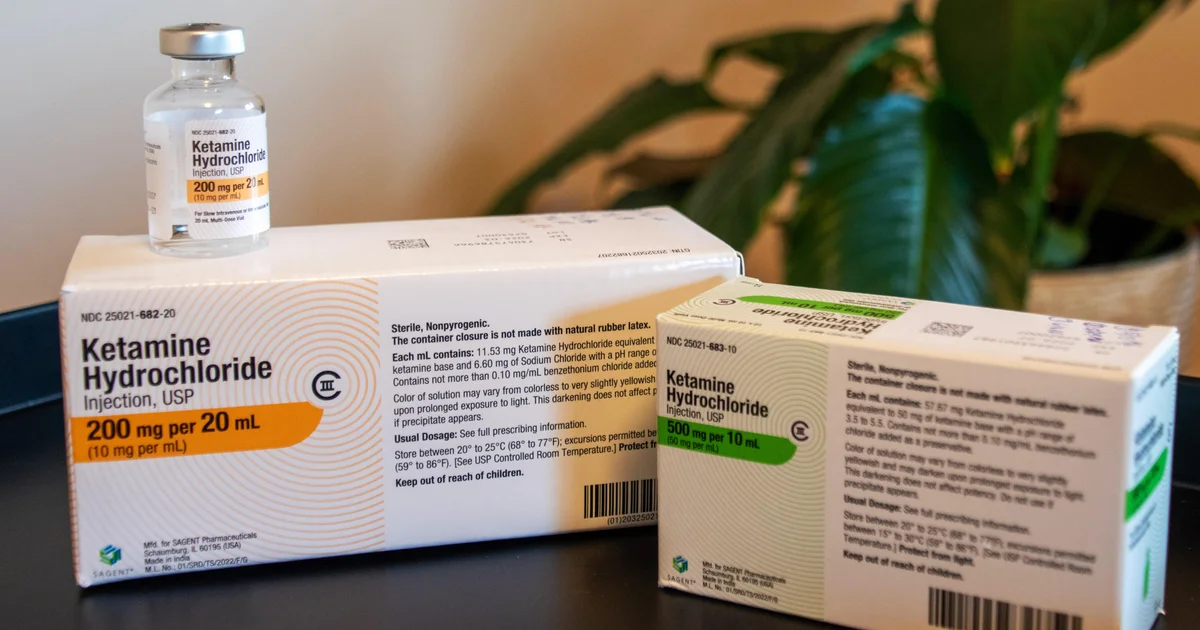
The article discusses the potential use of ketamine-assisted psychotherapy as a treatment for depression and PTSD among first responders, highlighting its rapid effects, regulatory challenges, and the stigma associated with its use, with personal stories illustrating its impact.
A study reveals that specific subregions of the amygdala, particularly the basolateral part, show altered connectivity patterns in individuals with PTSD, affecting emotional regulation, sensory processing, and self-awareness, which deepens understanding of the disorder's neural basis.
A new outpatient procedure called Stellate Ganglion Block (SGB) shows promise as a safe and effective treatment for PTSD by temporarily reducing the overactive fight-or-flight response linked to the amygdala, offering hope especially for veterans and resistant cases.
A study finds that individuals with war-related trauma who strongly resonate with others' stress responses tend to have more severe PTSD symptoms, suggesting that heightened stress resonance may be a symptom rather than a vulnerability factor. The research highlights the complex relationship between empathy, stress responses, and PTSD in refugees and migrants.
Charlotte Chapman-Hart, a woman with a rare neurological condition, was misdiagnosed with an eating disorder after rapid weight loss caused by medication side effects, leading to traumatic hospital experiences and PTSD. Her story highlights the importance of accurate diagnosis and attentive healthcare for rare diseases.
The article discusses the psychological and physical impact of drone warfare in Ukraine, highlighting how soldiers and civilians are suffering from drone-related trauma, including a new condition called 'droneophobia,' as the sound of drones haunts them even after returning to civilian life.
A new study identifies excess GABA produced by astrocytes via MAOB enzyme as a key factor in PTSD, and demonstrates that the MAOB inhibitor KDS2010 can reverse PTSD-like symptoms in mice, opening new avenues for glial-targeted therapies in humans.
A study reveals how the amygdala and hippocampus coordinate to encode and retrieve emotional memories, with specific gamma activity patterns in the amygdala shaping hippocampal responses that are later reactivated during recall, providing insights into emotional memory vividness and potential treatments for PTSD.
Researchers at the Salk Institute identified a new brain circuit involving CGRP neurons in the thalamus that mediates the emotional aspect of pain, challenging traditional views and offering potential new treatments for chronic pain and related psychiatric conditions like PTSD and migraines.
A Yale study at the single-cell level reveals that PTSD involves impaired inhibitory neuron signaling, microglial activity differences, and endothelial cell dysfunction in the brain's prefrontal cortex, offering potential pathways for targeted therapies.