Recent advances in neuroscience suggest that memory can be manipulated in lab settings, with potential applications for healing mental health issues, though ethical concerns remain about its use in humans.
Recent advances in neuroscience suggest that manipulating memories could become a therapeutic tool for mental health conditions like PTSD, depression, and dementia, by altering emotional responses and restoring lost memories, although ethical and practical challenges remain for human application.
Scientists have made significant progress in understanding and manipulating memories, with potential therapeutic benefits such as erasing traumatic memories or restoring lost ones, but ethical considerations and public dialogue are crucial as the field advances.
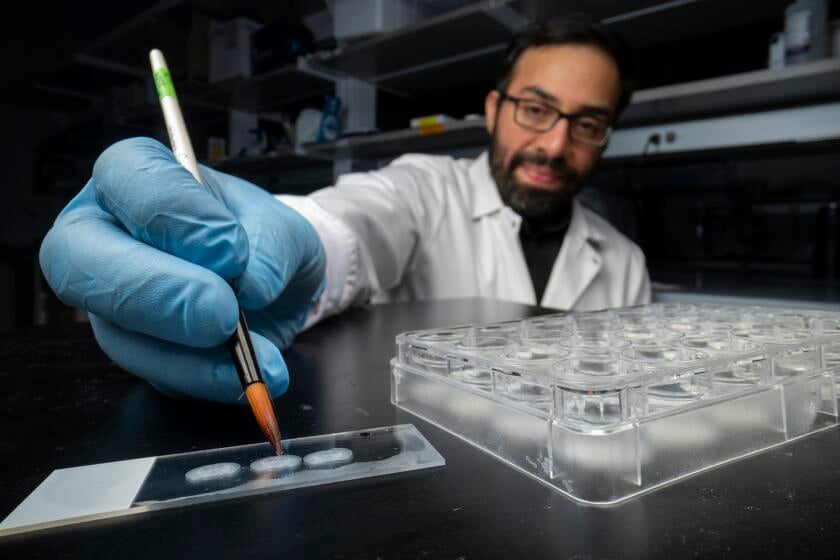
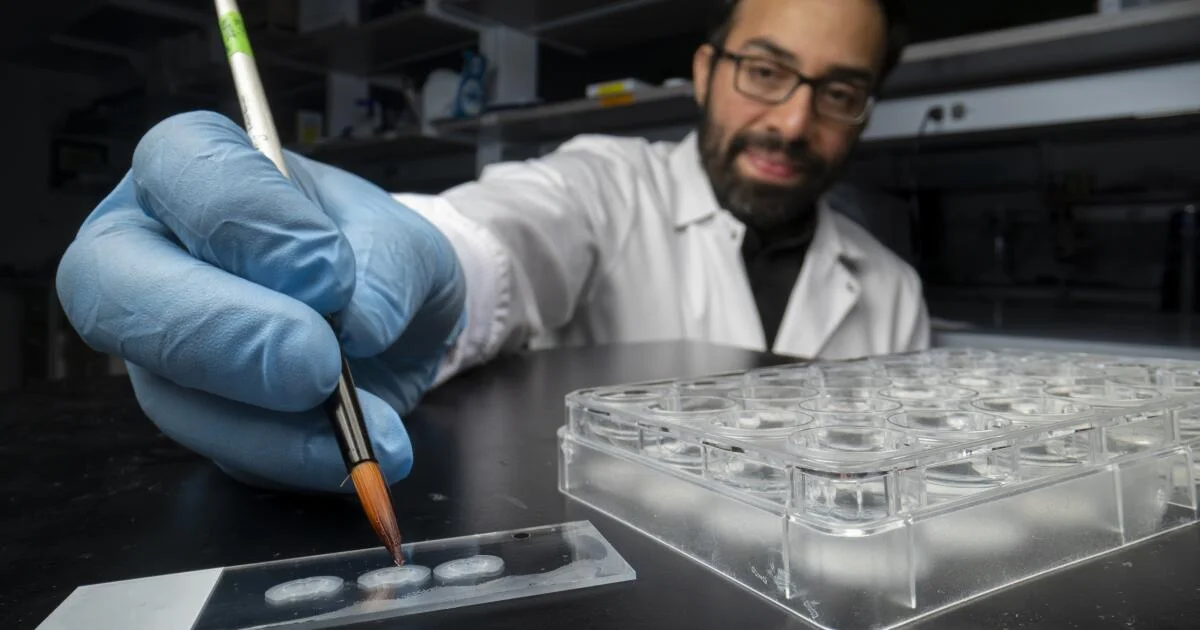
Steve Ramirez, a neuroscientist at Boston University, is pioneering research on how memories can be artificially created, modified, or erased, with potential applications for treating PTSD and neurodegenerative diseases. His experiments with mice demonstrate the ability to implant false memories and manipulate existing ones, laying the groundwork for future human therapies and a deeper understanding of memory's malleability.
Steve Ramirez, a neuroscientist at Boston University, is pioneering research on how memories can be artificially created, modified, or erased in the brain, with potential applications for treating PTSD and neurodegenerative diseases, while acknowledging the ethical and scientific challenges involved.
Scientists are making progress in understanding how memories form, are stored, and can be manipulated. While memory manipulation could have potential benefits for treating PTSD and memory disorders, researchers emphasize the need for caution and ethical considerations. Studies have shown the ability to erase specific memories or reduce the emotional impact of traumatic memories in animals, but there are currently no drugs or treatments that can achieve memory manipulation in humans. The research aims to selectively erase the emotional content of traumatic memories while keeping the memory intact. However, concerns about potential side effects, ethical implications, and unequal access to memory technology remain.