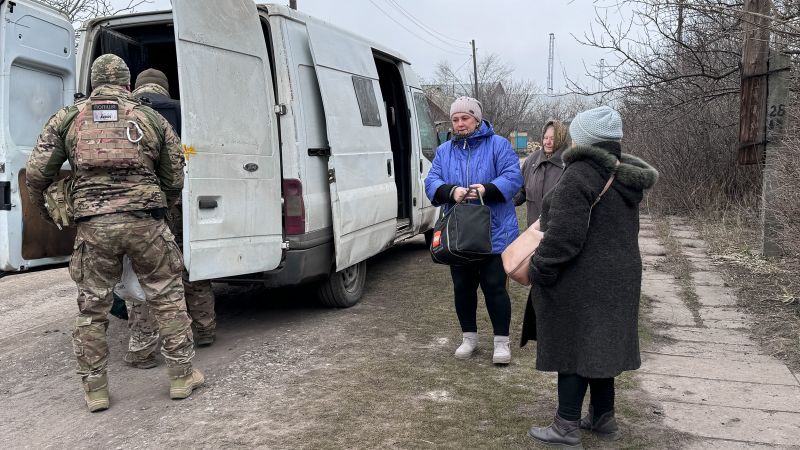
The article provides an extensive update on the Russian occupation in Ukraine as of September 11, 2025, covering military developments, civilian conditions, and international responses, with references to various reports, assessments, and news sources detailing ongoing conflicts, human rights issues, and strategic movements.
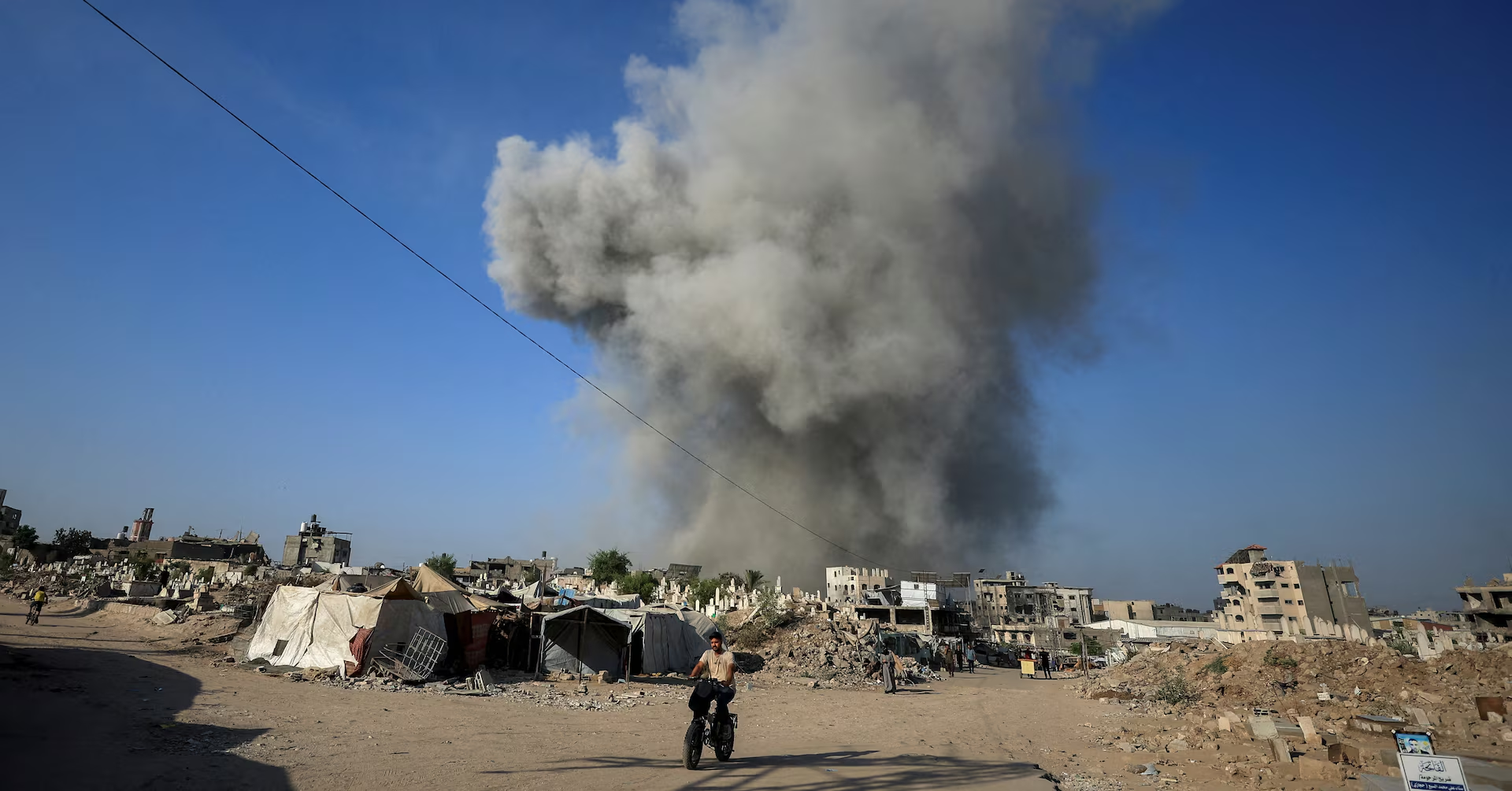
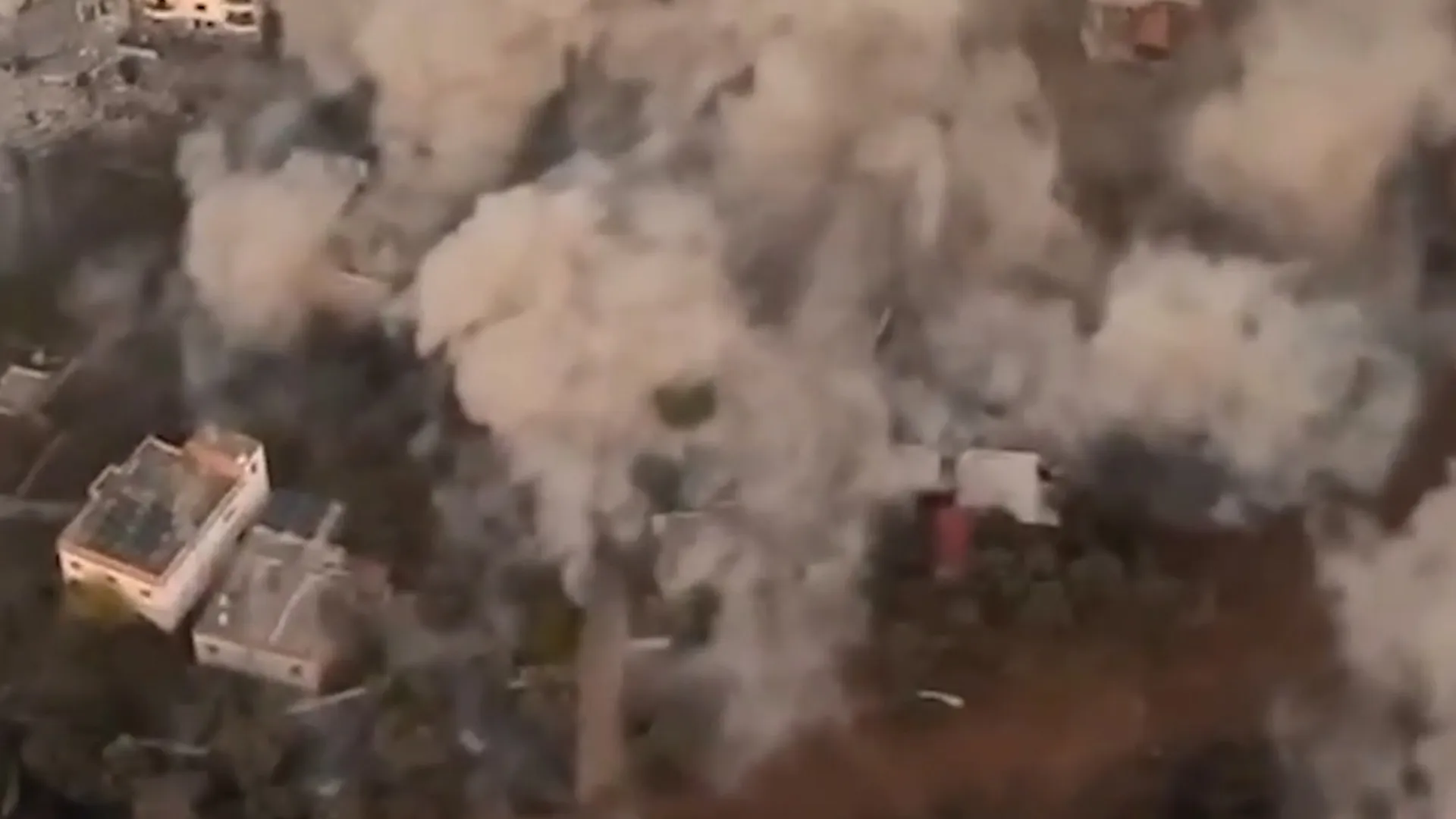
Israel continues its military assault on Gaza City, targeting outskirts and preparing for a full takeover, amid ongoing violence, displacement, and a worsening humanitarian crisis including famine and casualties, with international efforts for ceasefire negotiations ongoing.
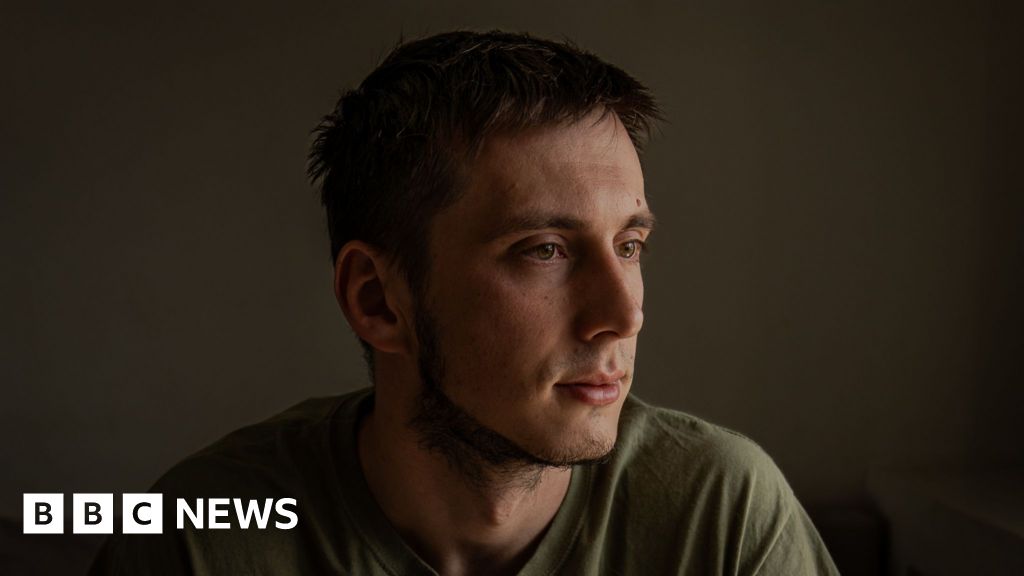
The article discusses the psychological and physical impact of drone warfare in Ukraine, highlighting how soldiers and civilians are suffering from drone-related trauma, including a new condition called 'droneophobia,' as the sound of drones haunts them even after returning to civilian life.
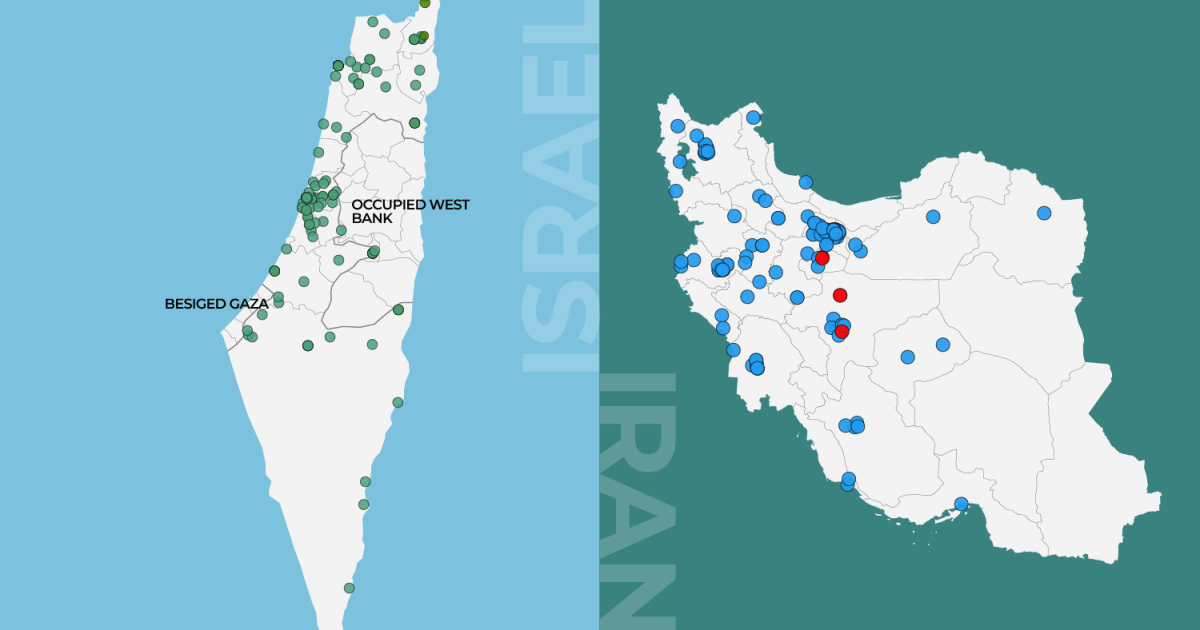
A 12-day intense conflict between Israel and Iran involved extensive air strikes, missile exchanges, and significant casualties, with Iran suffering thousands of injuries and hundreds of deaths, while Israel experienced fewer casualties. The conflict prompted mass evacuations in Iran and widespread damage in both countries, with the US intervening militarily to de-escalate the situation.
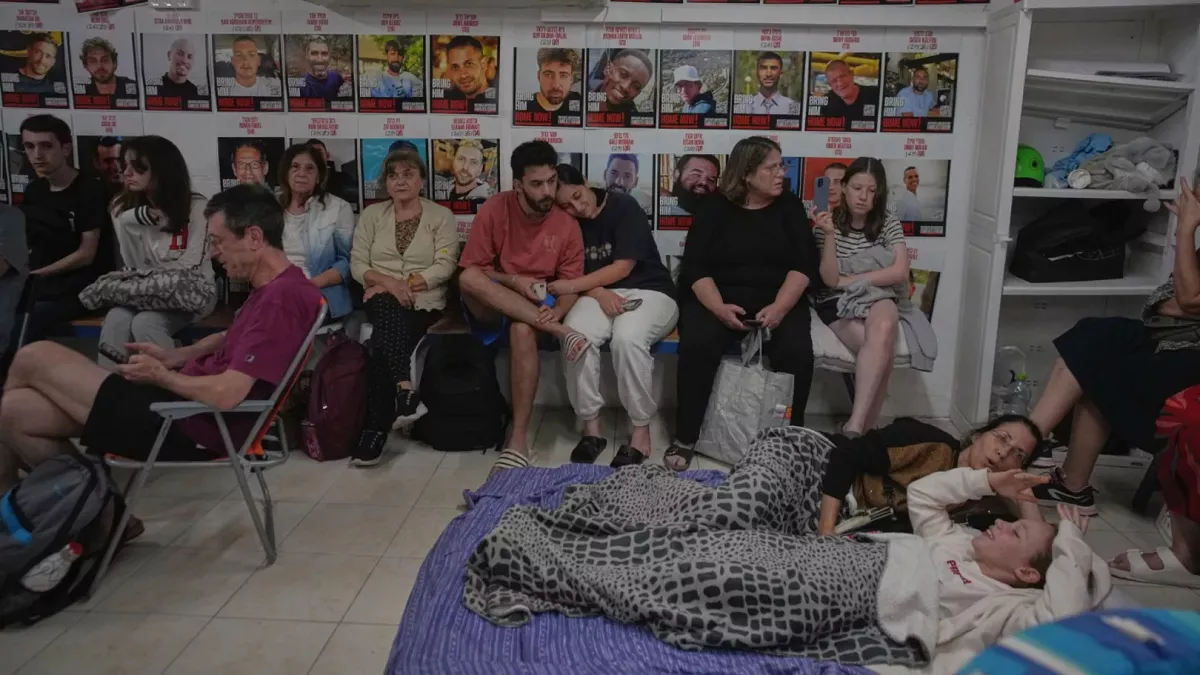
Israeli civilians face daily fears and disruptions due to escalating missile attacks from Iran, with many experiencing personal losses, displacement, and psychological stress amid ongoing conflict and security concerns.
The podcast discusses the ongoing conflict between Israel and Iran, highlighting the civilian toll in both countries, the impact of missile strikes, and the contentious nature of Iran's nuclear program, with insights from correspondents on the ground and experts.
Satellite images have revealed significant destruction in over a dozen villages in southern Lebanon due to Israeli attacks, highlighting the severe impact on civilians in the region.
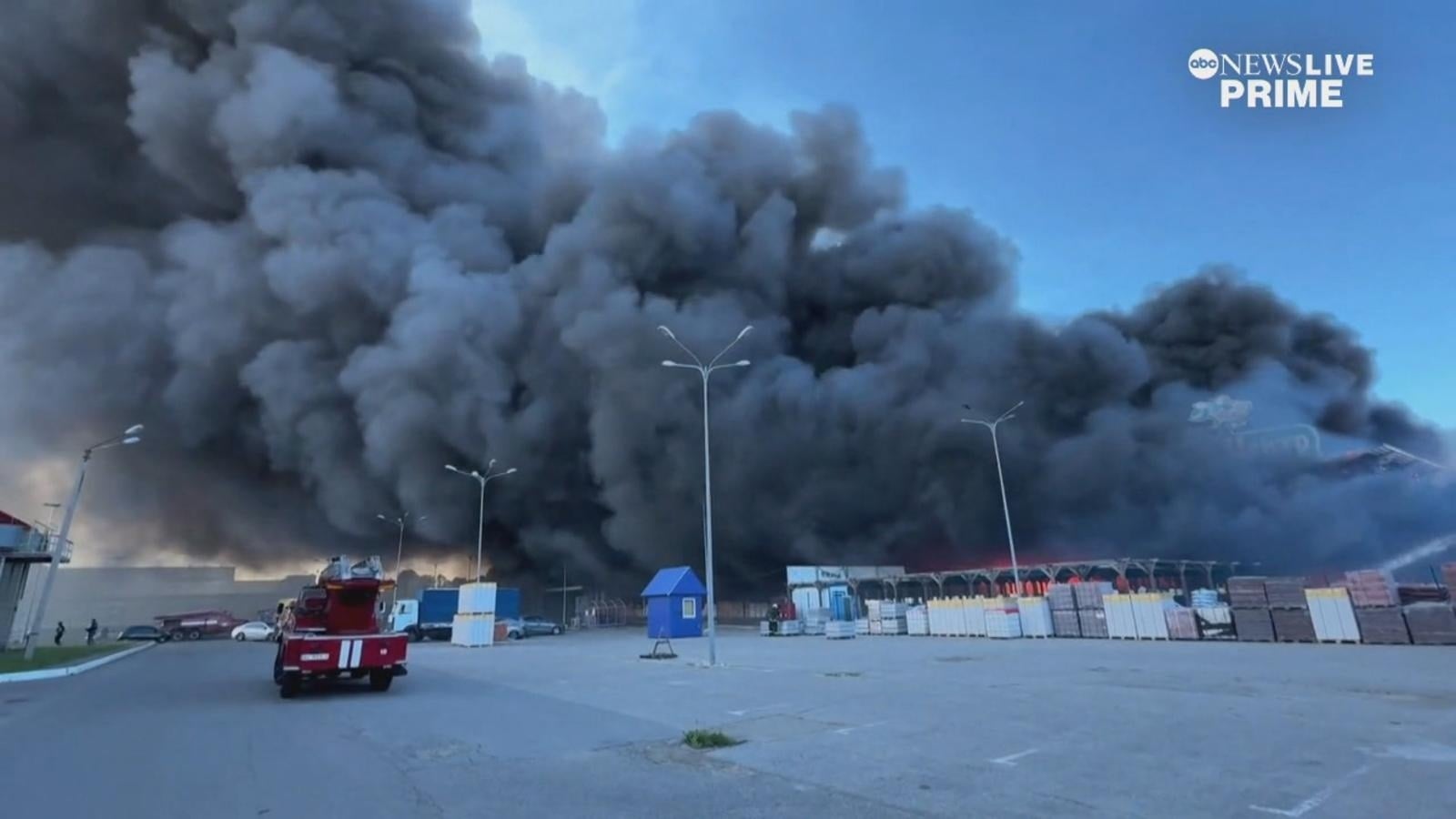
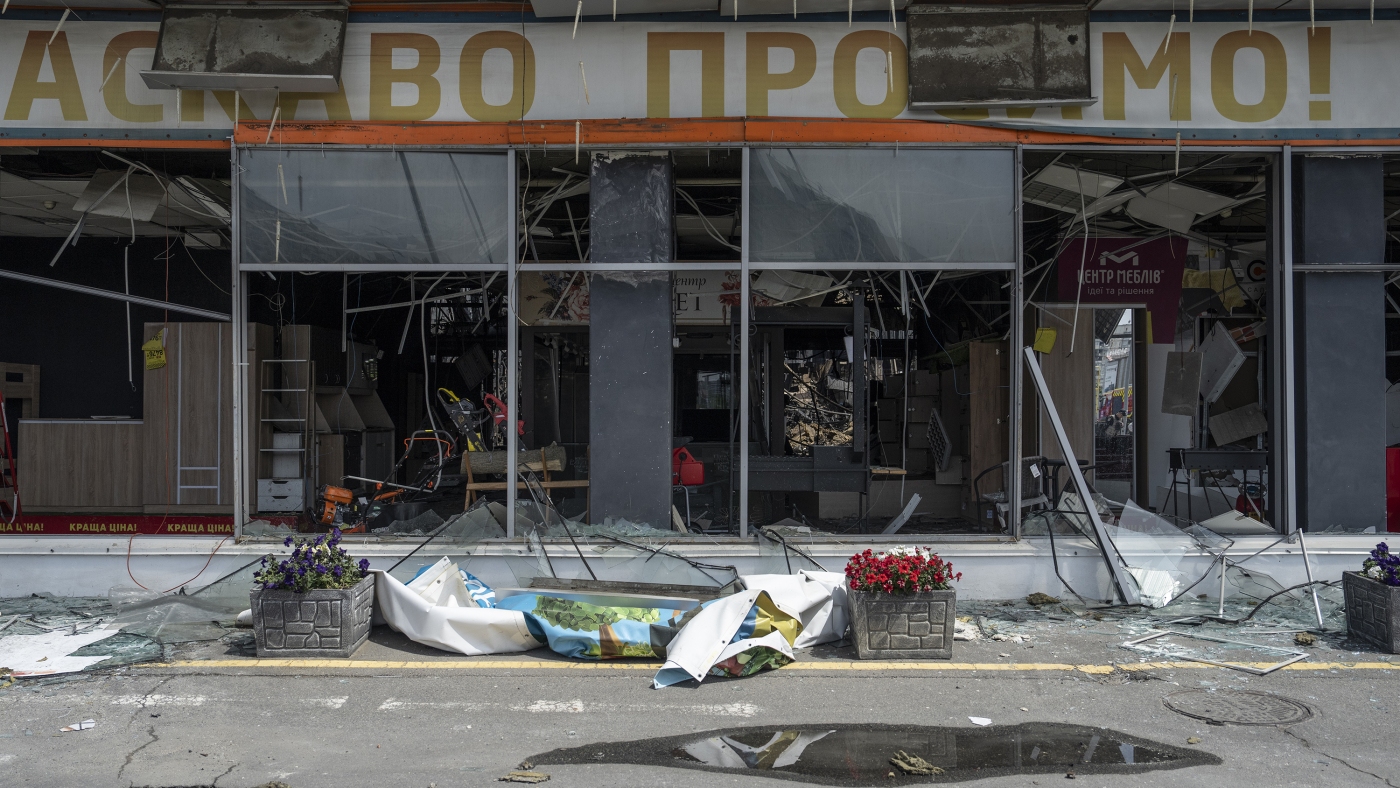
Two years after repelling Russian forces, Kharkiv, Ukraine's second-largest city, faces relentless bombardment from Russia, making life increasingly difficult for its residents. Despite the continuous attacks, locals strive to maintain normalcy, with firefighters and volunteers working tirelessly to manage the crisis. The recent U.S. decision to allow Ukraine to strike back across the border has provided some relief, reducing the frequency of bombings in Kharkiv.
Kharkiv, Ukraine's second-largest city, has endured relentless Russian missile strikes, particularly in May, causing significant casualties and destruction. Despite the constant threat, the city's residents continue their daily lives, with some even participating in cultural events like the Kharkiv Music Fest. The U.S. has lifted some restrictions on Ukraine using American-made weapons to target Russian military positions, but the situation remains dire. Many residents have fled, and those who remain face ongoing danger and uncertainty.
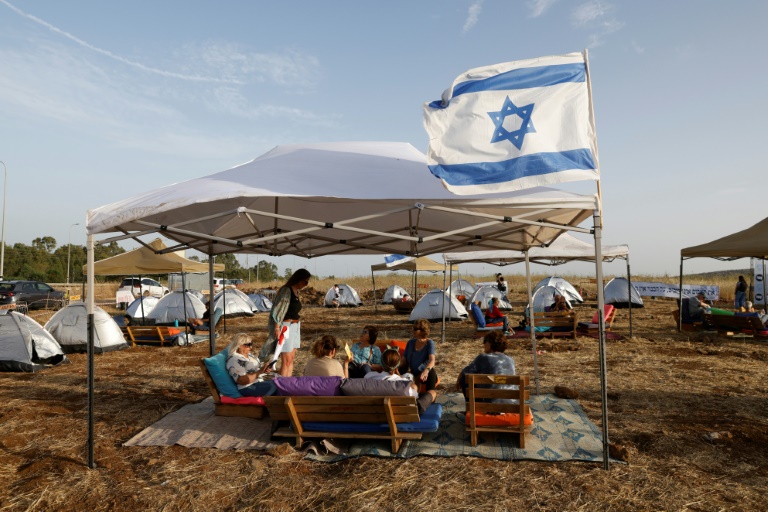
Hezbollah's ongoing cross-border attacks have caused significant damage in northern Israel, leading to the evacuation of towns and villages and resulting in numerous casualties. The conflict, which began after Hamas's attack on October 7, has seen thousands of rockets and missiles launched, heavily impacting residential areas. Reconstruction efforts are expected to take months to a year, with many residents demanding urgent action to restore security.
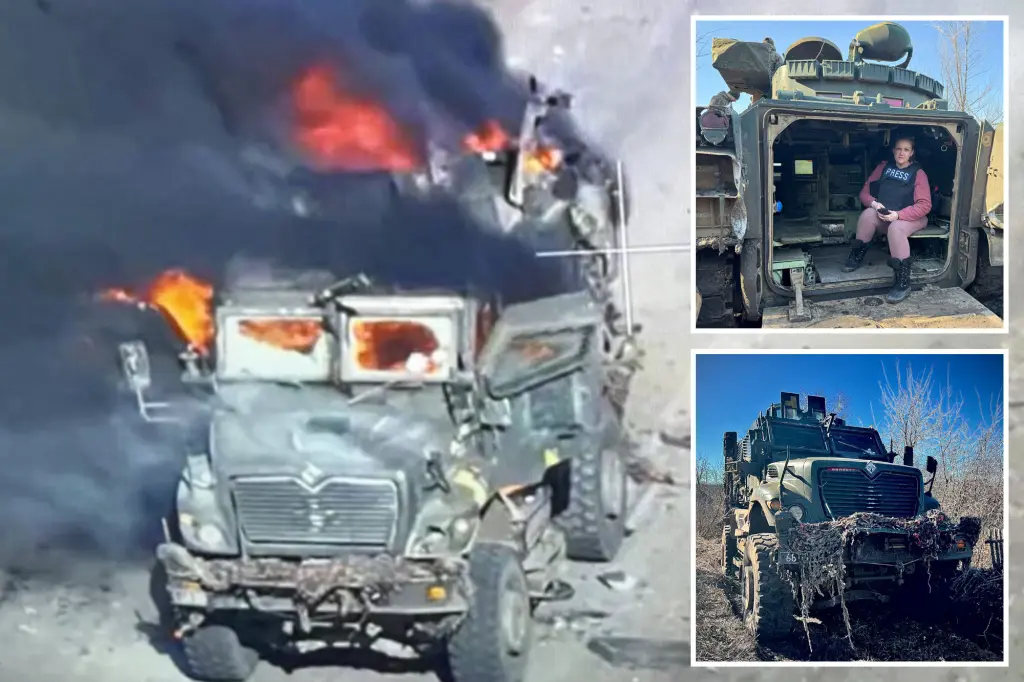
NY Post reporter Caitlin Doornbos traveled to Ukraine to report on the impact of Western military aid on the country's fight against Russian forces. She witnessed firsthand the crucial role of American-made equipment in protecting Ukrainian troops and the civilian population. Despite facing constant Russian attacks, Ukrainians remain determined to defend their freedom and democracy, emphasizing the value of Western support in their ongoing struggle.
Russian forces are gaining momentum in eastern Ukraine, with soldiers and civilians fearing the potential consequences. Ukrainian soldiers near the front lines are facing a lack of ammunition and are concerned about the stalled military aid from the United States. The ongoing assaults and relentless artillery fire have left locals anxious and resigned to the possibility of a Russian advance, while some express frustration over the impact on civilian life. The situation highlights the growing threat and impact of Russia's advance in the region.
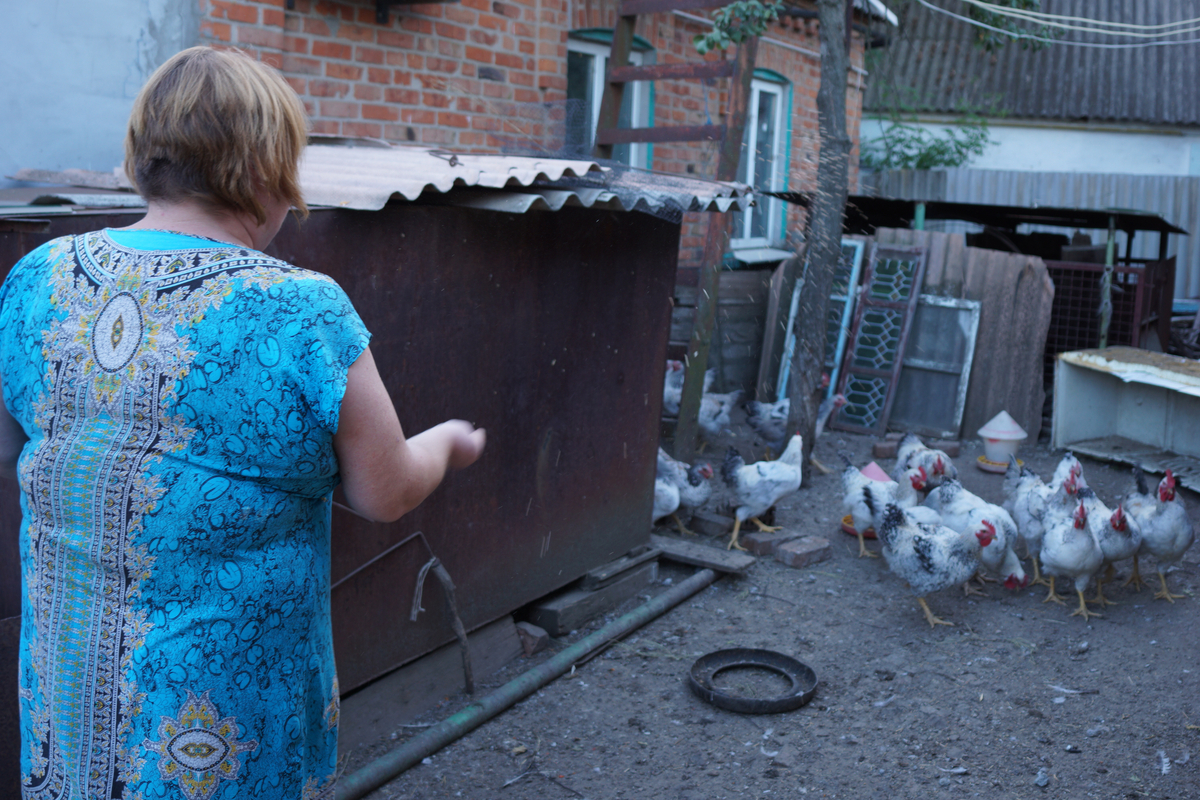
Myroslava and her family, living in a frontline village in Ukraine, have experienced the horrors of the ongoing conflict with Russia. They have witnessed phosphorus munitions and cluster bombs being used, with their house being struck multiple times. Despite the constant artillery fire and fear, Myroslava refuses to leave her mother behind and remains determined to stay with her child. They rely on their own home-grown vegetables for food and endure the challenges of daily life amidst the destruction. Myroslava's son, Tymofiy, remains optimistic and proud to have witnessed the conflict from beginning to end.