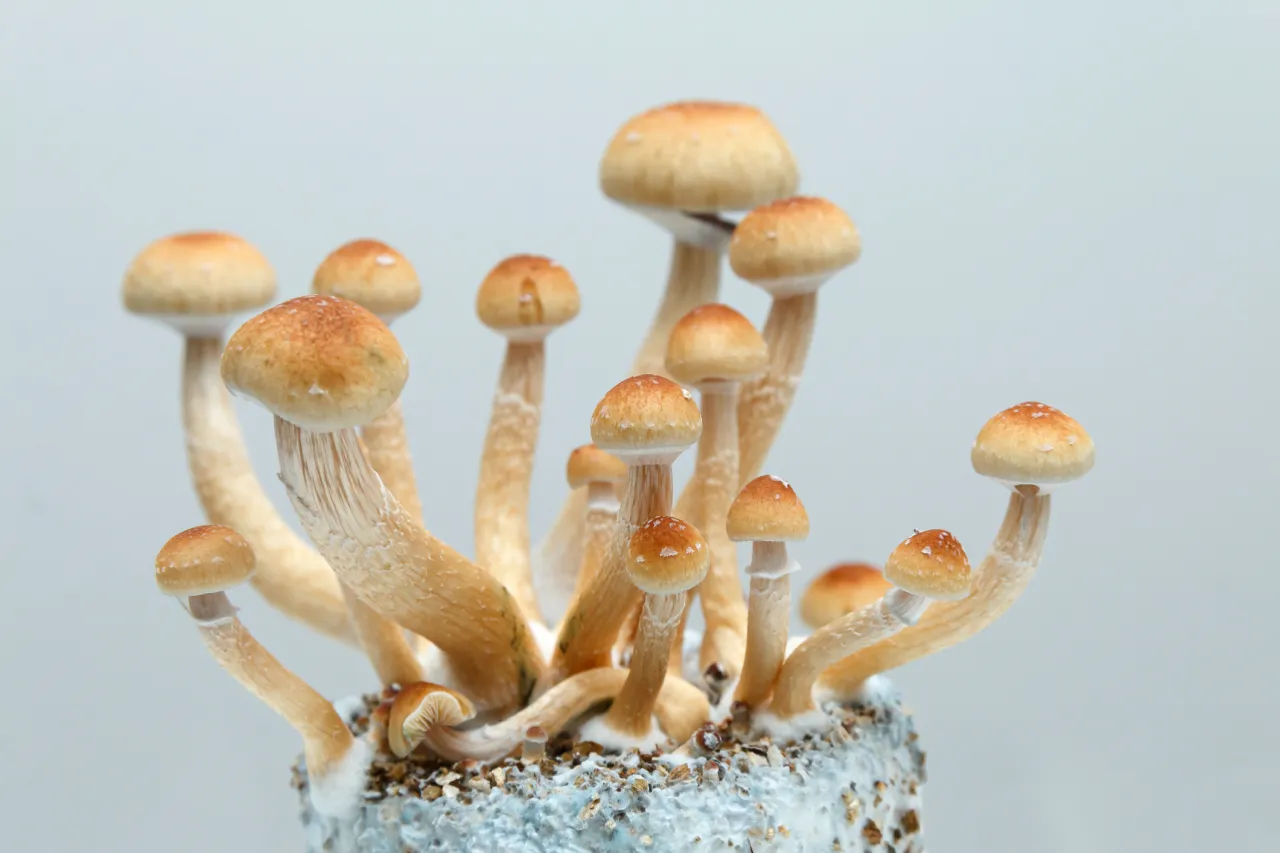
The Cleveland Clinic is preparing for a new study on treating depression with psilocybin, the psychoactive ingredient in "magic" mushrooms, following a previous clinical trial of LSD for anxiety disorders. More than 50 sites have joined the trial to research the drug's impact on patients with unresolved depression, with participants expected to receive capsules containing psilocybin or a placebo and be monitored by therapists. The FDA has acknowledged the therapeutic potential of psilocybin, and interest in psychedelic drugs for psychiatric treatment is growing among psychiatrists.

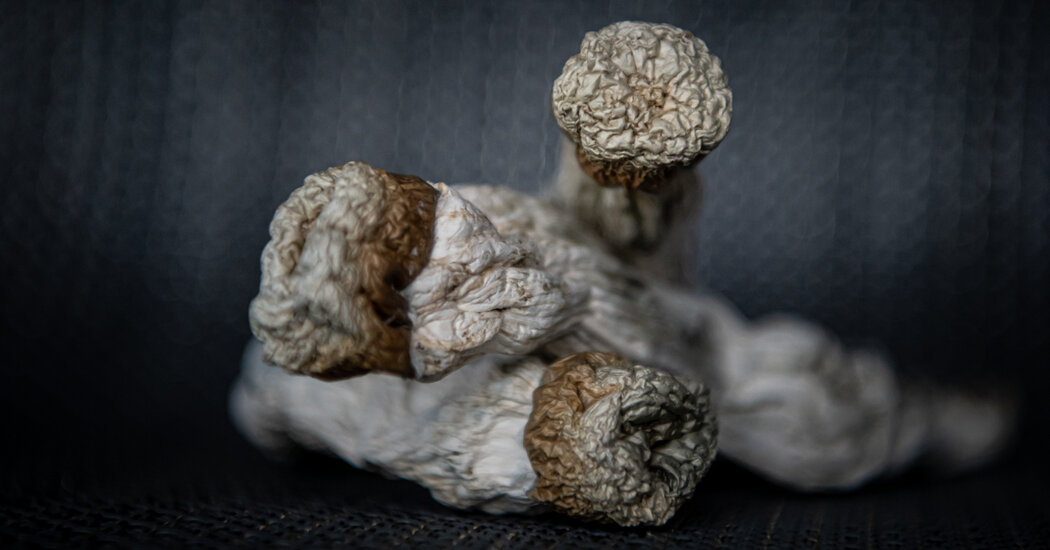
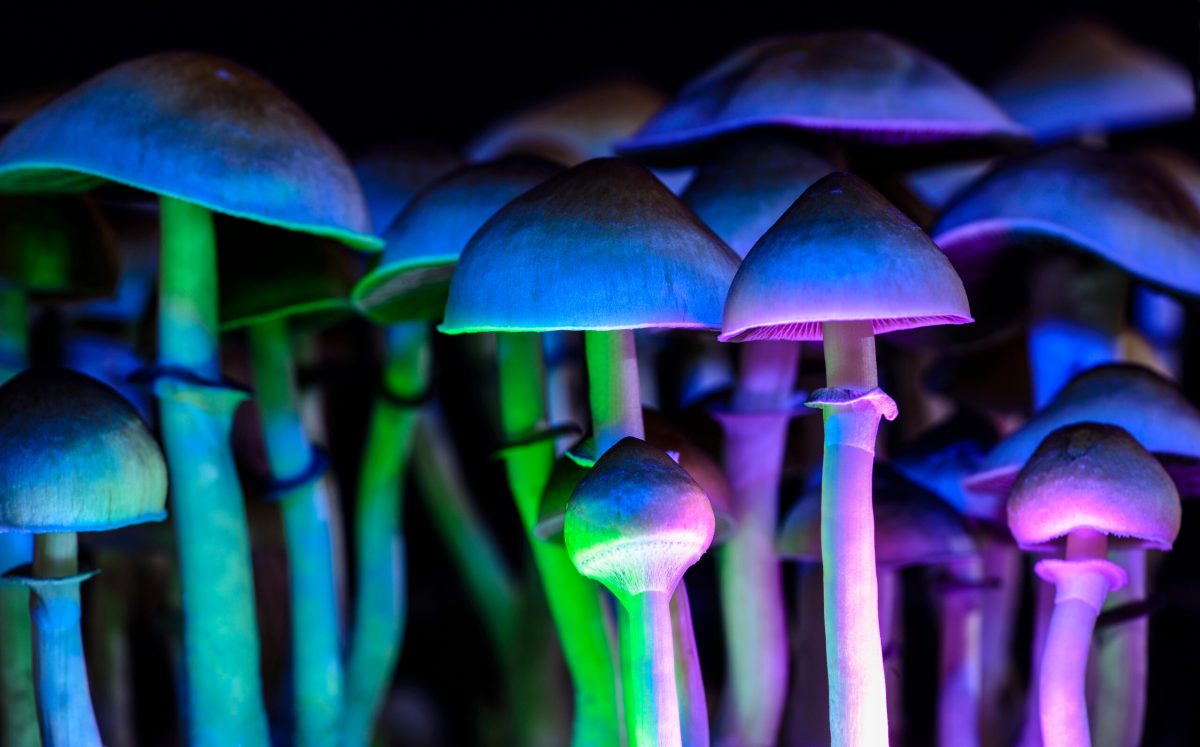
A study led by researchers from New York University's Grossman School of Medicine and the National Drug Early Warning System has found that seizures of psilocybin, a compound found in magic mushrooms, have nearly quadrupled in the U.S. over five years, indicating a potential increase in popularity and availability of the psychedelic drug. While psilocybin is being explored for therapeutic use, its recreational and unsupervised use poses risks, as evidenced by reported adverse effects and emergency medical treatments. The study highlights the need for better understanding of the changing popularity and effects of psilocybin, especially in light of loosened restrictions and decriminalization efforts in some American cities.
New research suggests that low doses of MDMA, also known as ecstasy, may help reduce the challenging effects associated with psychedelic drugs like LSD and psilocybin. The study found that co-using a low dose of MDMA with psilocybin or LSD resulted in significantly lower levels of negative experiences such as grief and fear, while also increasing positive experiences like self-compassion, love, and gratitude. However, the study has limitations, including a small sample size and reliance on self-reported data, and further research is needed to determine the safety and potential benefits of combining MDMA with psilocybin or LSD.
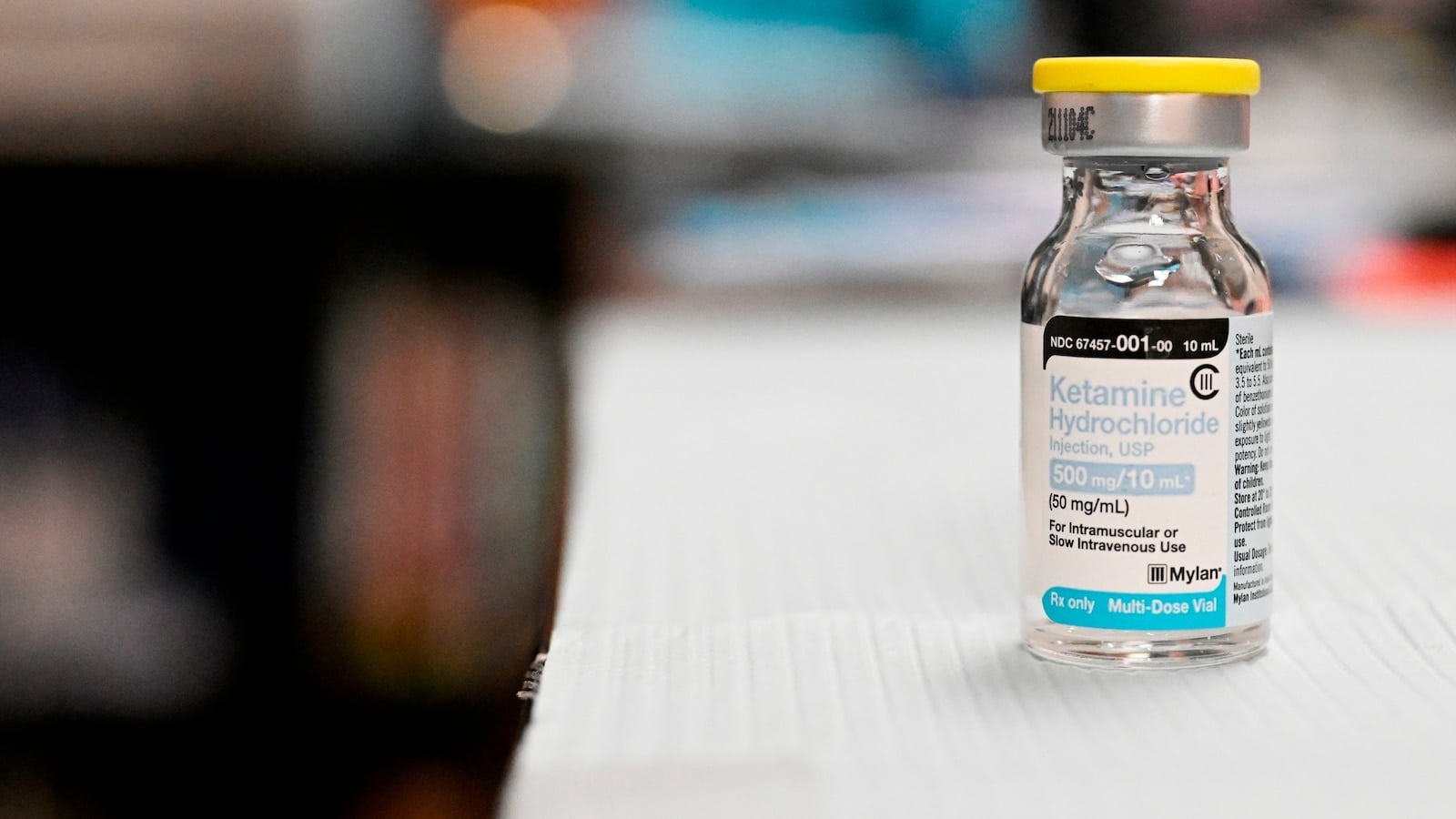
Ketamine therapy for mental health, although not FDA-approved, has seen a proliferation of for-profit clinics offering off-label treatments for depression, anxiety, and other mental health issues. The industry is growing rapidly, with concerns about variability in treatment protocols and lack of insurance coverage. While some practitioners advocate for its use as a desperate need for effective treatment, others warn of its potential risks and the need for standardized protocols. The emergence of ketamine therapy has also sparked fresh scrutiny following high-profile cases like Matthew Perry's death.
A recent study sponsored by the Multidisciplinary Association for Psychedelic Studies (MAPS) suggests that MDMA, commonly known as Ecstasy or Molly, can effectively reduce symptoms of post-traumatic stress disorder (PTSD). The study involved 104 participants with PTSD who were randomly assigned to receive either MDMA or a placebo pill during three therapy sessions. Results showed that 86% of the MDMA group experienced improvement in PTSD symptoms compared to 69% in the placebo group. Additionally, 72% of the MDMA group no longer met the criteria for a PTSD diagnosis after the study. The therapy could potentially be approved by the FDA by 2024, following further research and evaluation.
Biotech firms are working on developing next-generation psychedelics that aim to either shorten the duration of the psychedelic trip or eliminate the hallucinogenic effects altogether. These advancements are driven by the potential for mainstream adoption of psychedelic drugs, which would require regulatory approval as prescription medicine and could open up the possibility of health insurance coverage. While some believe that shorter trips or non-hallucinogenic psychedelics could make treatment more accessible and efficient, others argue that the mystical experience and longer trips are crucial for therapeutic effects. The development of these new compounds could revolutionize mental health treatment, particularly for conditions such as depression and anxiety.
Psychedelic drugs such as LSD, DMT, and Ecstasy are being explored as potential treatments for brain injuries and neurological disorders. Research suggests that these drugs can limit brain damage, stimulate the birth of new neurons, and reopen critical learning windows in the brain. Studies have shown that psychedelics can improve mood disorders like depression and anxiety, and now scientists are investigating their potential for conditions such as stroke, traumatic brain injury, Alzheimer's, Parkinson's, and autism spectrum disorder. These drugs may enhance socialization skills, reduce inflammation, and promote the recovery of injured neurons. The potency of psychedelics means that only one or a few doses may be required, offering a unique treatment pathway for brain injuries.
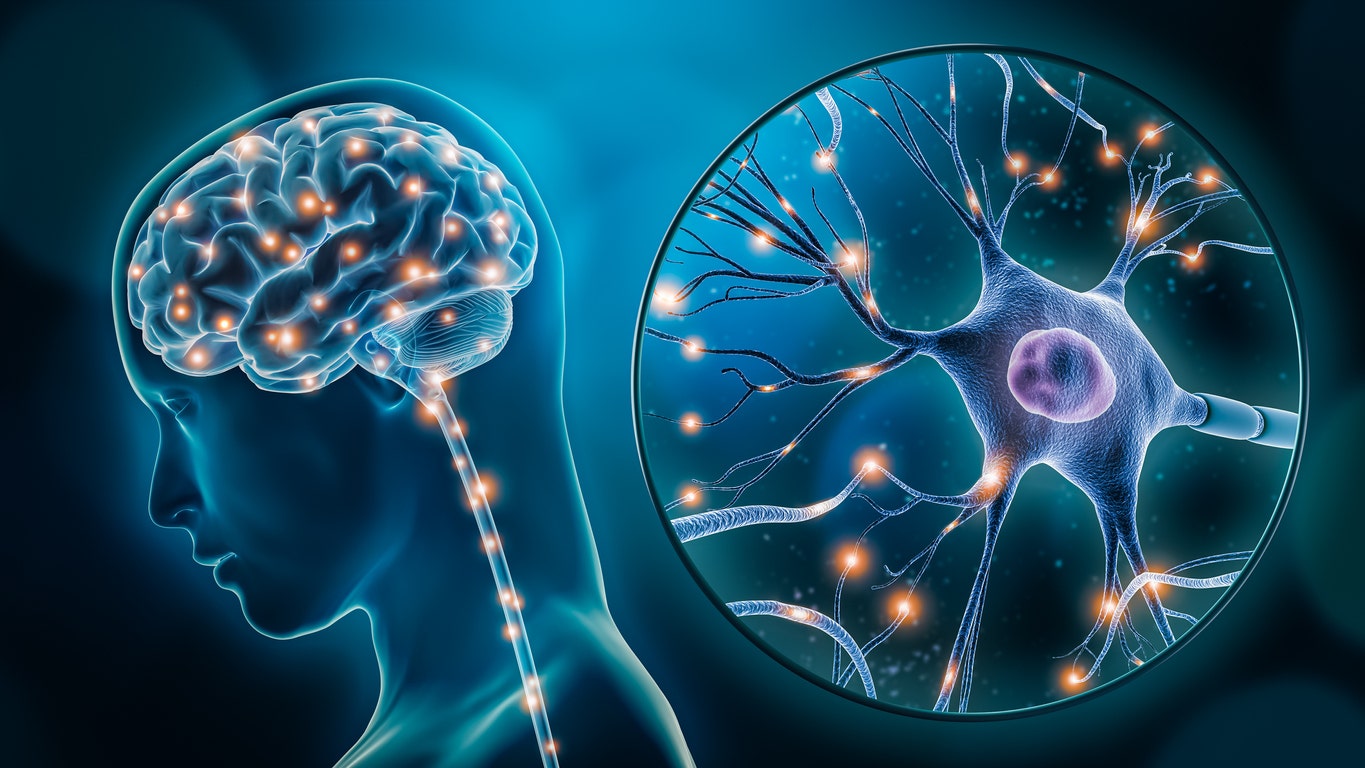
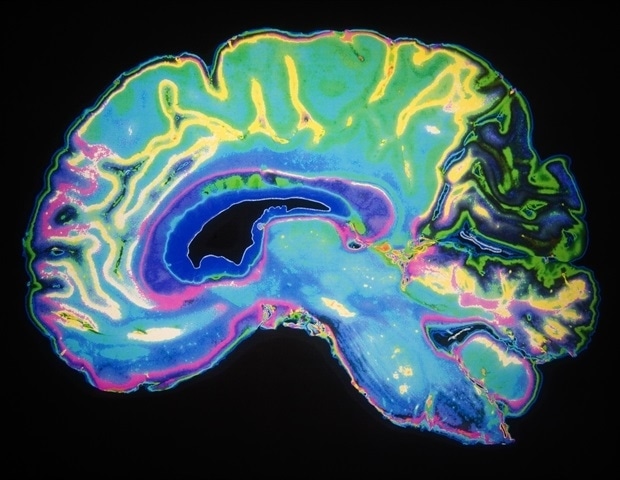
Researchers at Lund University have discovered that psychedelic drugs, such as LSD and ketamine, cause synchronized brain waves in rats. Using a technique that simultaneously measures electrical signals from 128 areas of the brain, the researchers found that both LSD and ketamine resulted in the same wave patterns, despite affecting different receptors in the brain. The study suggests that this wave phenomenon, rather than individual neuron activity, is strongly linked to the psychedelic experience. The findings could potentially be used as a research model for psychoses and may provide insights into the mechanisms behind consciousness.
Minneapolis Mayor Jacob Frey plans to issue an executive order instructing police officers to prioritize other matters over the enforcement of certain illegal psychedelic drugs, such as psychoactive mushrooms. This move aligns with a growing trend of cities adopting more permissive stances on psychedelics, as they are increasingly recognized for their potential therapeutic benefits in treating mental health conditions. While some health professionals express concerns about the unregulated use of psychedelics, efforts to decriminalize and expand access to these substances have gained bipartisan political support. The order does not legalize psychedelics but designates them as the lowest enforcement priority, excluding synthetic drugs like LSD and MDMA.
Jaden Smith revealed that his mom, Jada Pinkett Smith, introduced their family to psychedelic drugs, and he has had "beautiful" experiences on them. He believes that psychedelics have allowed him to explore a new level of love and empathy for his siblings. Jaden also discussed how hallucinogenic drugs have made advances in treating depression and helped him better understand the ego and self-identity. He emphasized the importance of guided experiences with professionals for a mystical journey beyond personal barriers.
The FDA has issued its first draft guidance for researchers investigating the use of psychedelic drugs for potential treatment of medical conditions, including psychiatric or substance use disorders. The guidance highlights fundamental considerations for designing clinical trials for psychedelic drugs, including safety measures to prevent misuse throughout clinical development. The FDA is encouraging the public to provide comments on the draft guidance within 60 days.
A study in mice suggests that psychedelic drugs, including MDMA, ketamine, and psilocybin, reset the brain to a youthful state in which it can easily absorb new information and form crucial connections between neurons. The drugs could allow long-term changes in many types of behavioral, learning, and sensory systems that are disrupted in mental-health conditions. The researchers found that the drugs confer a state called metaplasticity on the neurons, making the cells more responsive to a stimulus such as oxytocin. The end result depends on the context in which the drugs were taken.
A recent study by researchers at Johns Hopkins Medicine reveals that psychedelic drugs may be capable of reopening “critical periods” in the brain, when mammals are more receptive to learning from their environment. The effect varies in duration, from two days to four weeks, depending on the drug. This discovery offers potential applications in treating conditions like stroke and deafness, as well as providing insight into the functioning of these drugs and their impact on molecular mechanisms.
Researchers studying the effects of LSD and psilocin on mice have found that the drugs' molecular mechanism that cause the psychedelic effects appears to be entirely separate than the way the compounds alleviate depression. This means it may be possible to develop drugs that can help with depression without requiring the patient to trip. However, extensive human tests would be needed to confirm that revamped psychedelics both relieve depression and are not hallucinogenic.
Psychedelic drugs like psilocybin, ketamine, and MDMA have shown promise in treating mental health issues such as anxiety, post-traumatic stress disorder, and alcoholism. However, experts warn that caution should be exercised when using these drugs as they can have potential harmful effects. The FDA is likely to approve MDMA and psilocybin as mental health treatments in the next two years. Ketamine is already in use. The drugs target the same brain system but in different ways, creating a state of neuroplasticity that allows people to address their chronic psychiatric issues from a new perspective.