The falling price of cocaine has led drug traffickers to reuse narco-submarines instead of sinking them, as market saturation reduces profitability. Spanish police have observed increased activity of these semi-submersibles, along with a rise in synthetic drug laboratories across Europe, indicating evolving trafficking strategies amid changing market conditions.

Italian police arrested 384 people and seized 1.4 tons of drugs in a nationwide crackdown, including cannabis and firearms, and closed several cannabis shops following inspections.
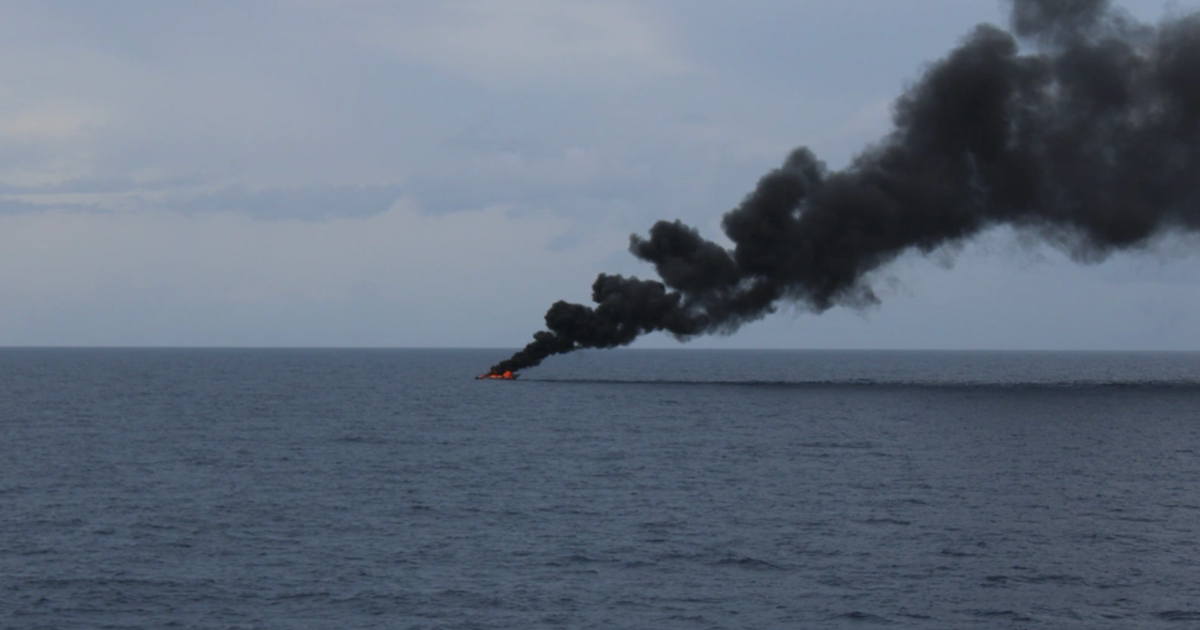
The U.S. Coast Guard has seized over $220 million worth of cocaine from multiple drug vessels off the coasts of Central and South America, with some vessels reportedly set on fire during operations, highlighting ongoing efforts to combat drug trafficking in the Pacific Ocean.
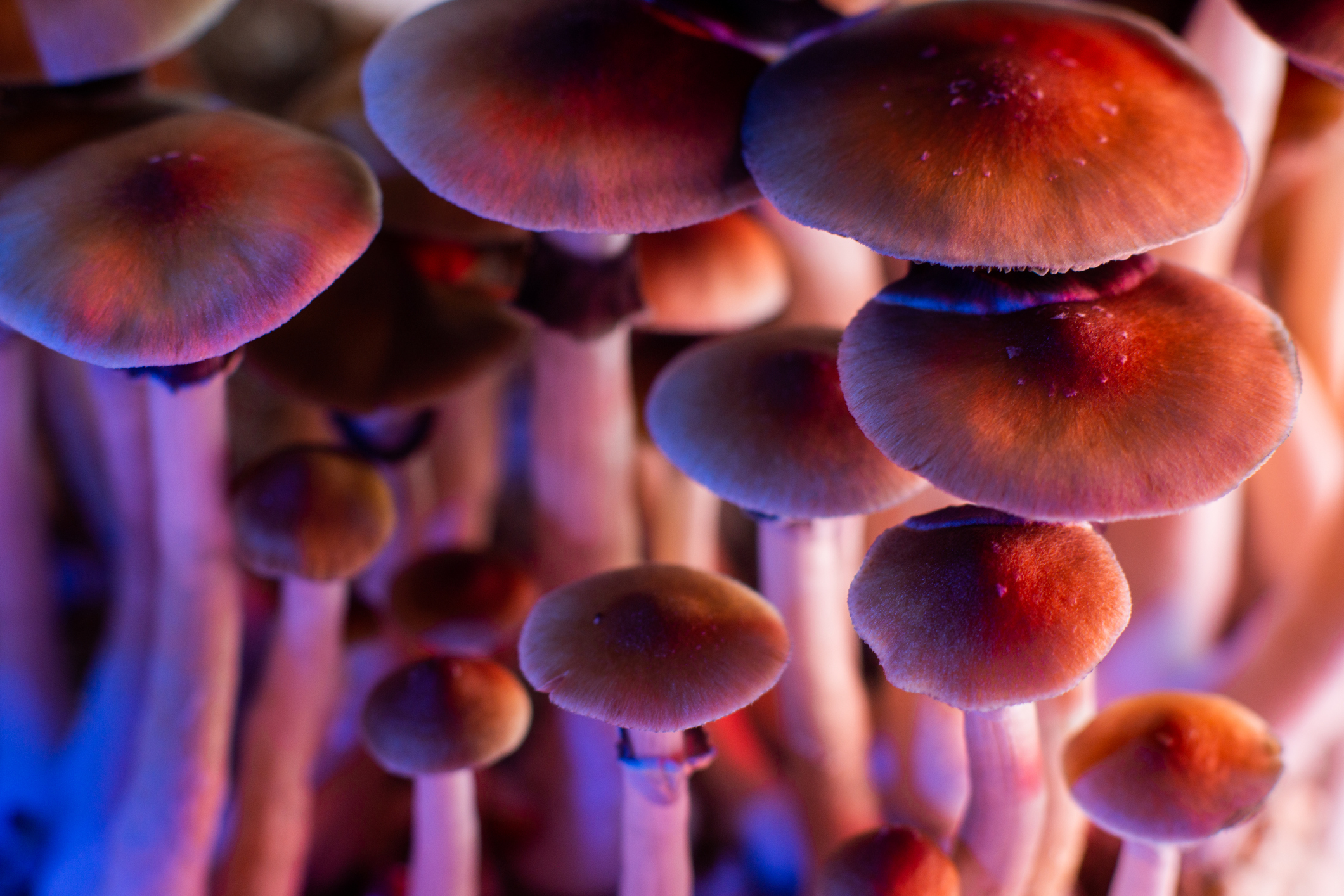
A study led by researchers from New York University's Grossman School of Medicine and the National Drug Early Warning System has found that seizures of psilocybin, a compound found in magic mushrooms, have nearly quadrupled in the U.S. over five years, indicating a potential increase in popularity and availability of the psychedelic drug. While psilocybin is being explored for therapeutic use, its recreational and unsupervised use poses risks, as evidenced by reported adverse effects and emergency medical treatments. The study highlights the need for better understanding of the changing popularity and effects of psilocybin, especially in light of loosened restrictions and decriminalization efforts in some American cities.
Law enforcement seizures of psilocybin mushrooms, also known as "magic mushrooms" or "shrooms," increased significantly in the United States between 2017 and 2022, with the total weight seized peaking in 2021. The majority of seizures occurred in the Midwest and the West. While psilocybin is not currently approved for medical use, there is growing interest in its potential to treat mental health disorders. However, recreational use outside of medical supervision can lead to adverse effects, and the increasing decriminalization of psilocybin at the state level may influence nonmedical use.
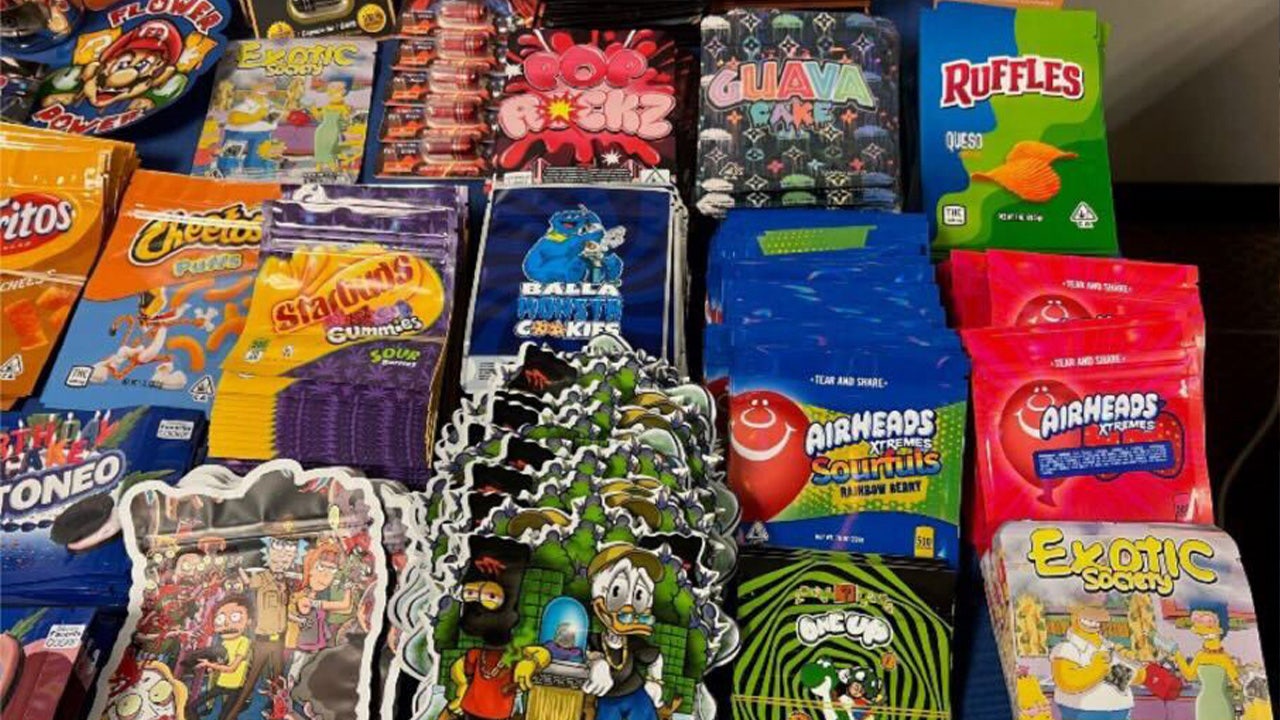
North Carolina officials have seized nearly $170,000 worth of THC-infused snacks and candy packaged using counterfeit brands like Skittles and Oreos. The operation, led by the North Carolina Secretary of State, targeted vape shops in eastern North Carolina and resulted in the removal of edibles that could be deceptive and appealing to children and teenagers. The packaging featured cartoon characters or other images attractive to young people. The officials also seized weapons and other illegal drugs, and one individual was arrested on felony drug charges. Reports of cannabis edible poisonings in children under 12 have increased by nearly 700% since 2018.
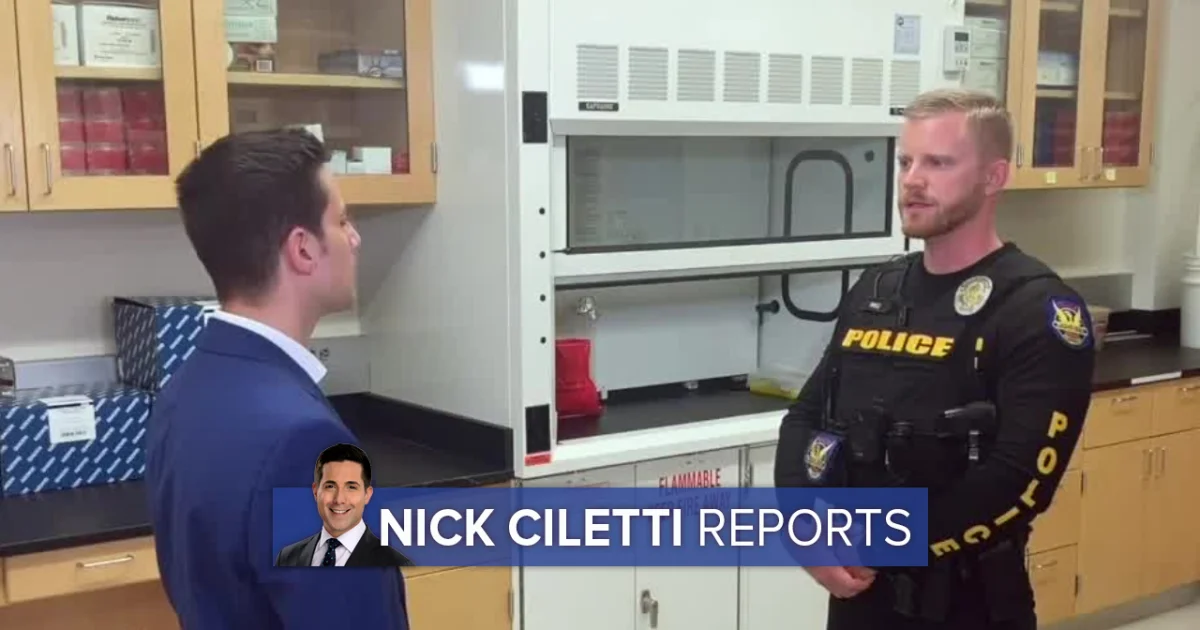
The growing fentanyl issue remains a concern for Phoenix police, as new numbers from the Drug Enforcement Administration reveal that agents have seized over 62.4 million fentanyl pills and 9,700 pounds of fentanyl powder in 2023 alone. In the Desert Horizon precinct of Phoenix, officers have already seized 1.9 million fentanyl pills by August 31 of this year, surpassing the 1.4 million seized in 2022. The availability and abundance of fentanyl, along with its decreasing price, have contributed to its widespread use, making Phoenix a hub for fentanyl trafficking.
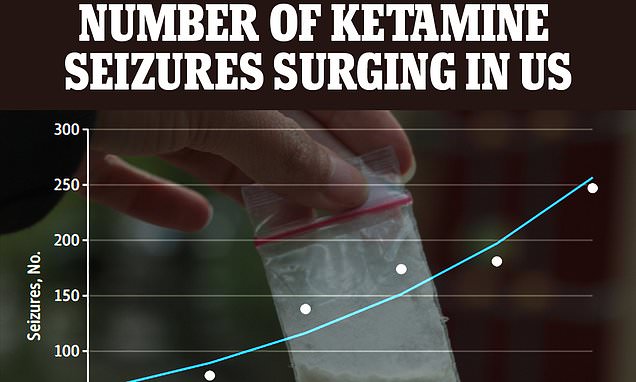
Illicit shipments of ketamine have surged 350% in the US since 2017, with seizures rising from 55 to 247 in 2022, according to a study by researchers in New York and Florida. The annual weight of street ketamine seized during busts rose from 127lbs to 1,550lbs. The drug is seeing a return to popularity as a party drug and as an off-label treatment for mental health issues. The rise in seizures is being driven by more people using the drug at raves and drug enforcement agencies being more vigilant. There are concerns that illegal ketamine may be contaminated with fentanyl, leading to overdose.