Tag

Prehistoric Animals

All articles tagged with #prehistoric animals

Ancient Bones Unveil Secrets of a Lost World

Originally Published 6 days ago — by Indian Defence Review

Featured image for Ancient Bones Unveil Secrets of a Lost World
Source: Indian Defence Review

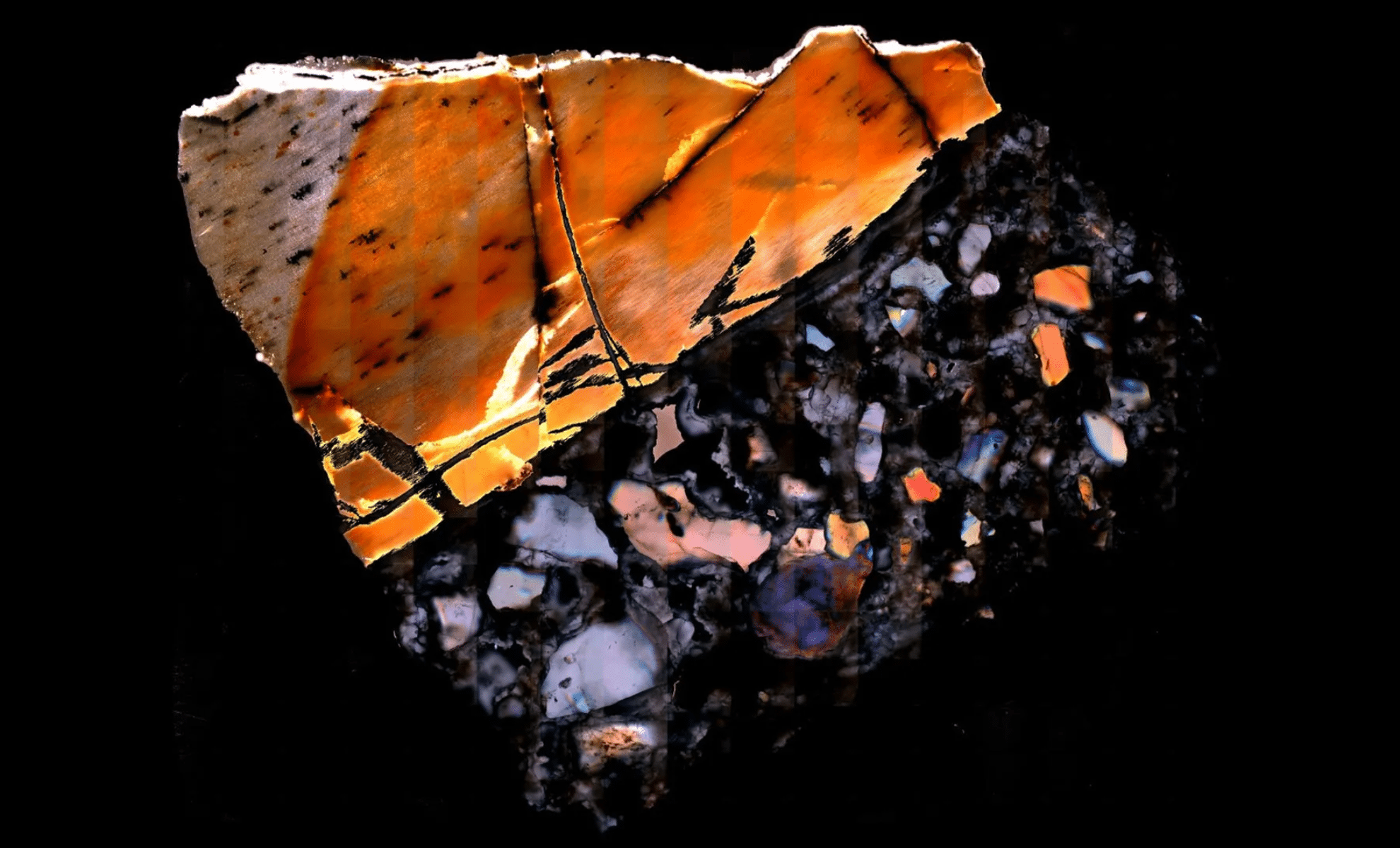
Scientists have successfully extracted and analyzed metabolic molecules from 3-million-year-old fossilized bones, revealing insights into the diets, health, and environments of prehistoric animals, including evidence of ancient diseases and climate conditions, marking a breakthrough in paleontological research.

Unexplained South American Tunnels Linked to Animal Footprints

Originally Published 26 days ago — by Times of India

Featured image for Unexplained South American Tunnels Linked to Animal Footprints
Source: Times of India

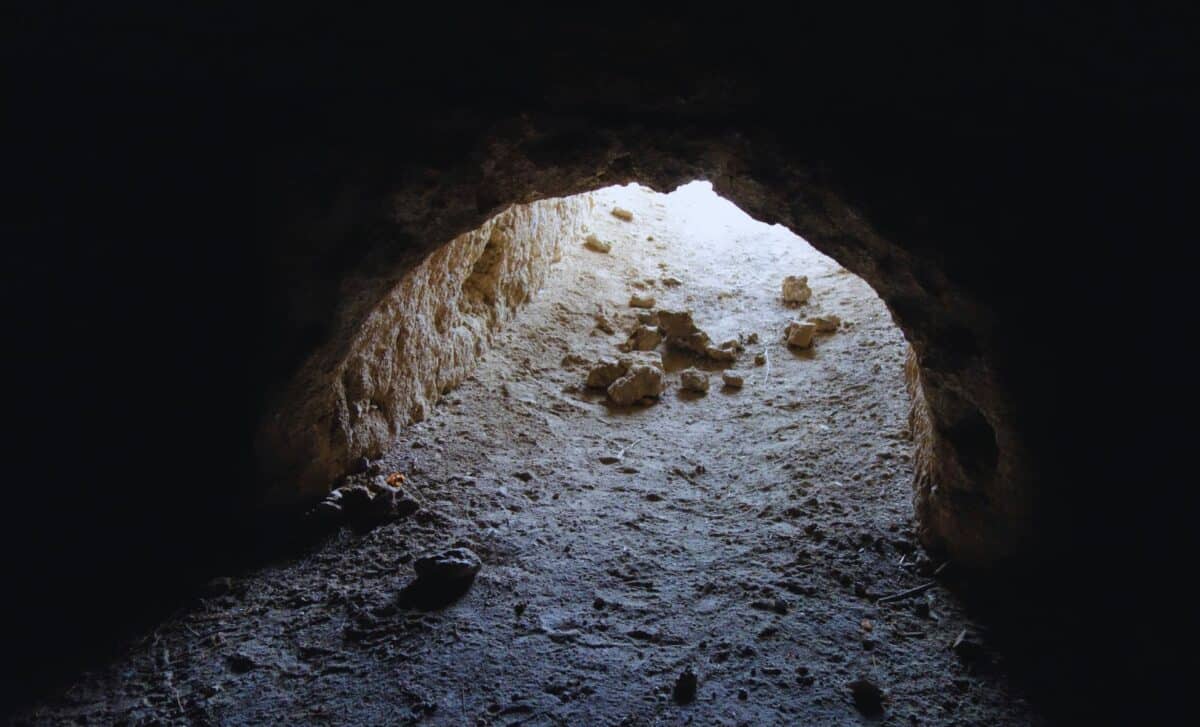
Large underground tunnels in South America, initially thought to be human-made, are now believed to be the work of extinct giant ground sloths, based on footprints and tunnel characteristics, revealing new insights into Pleistocene ecosystems and animal behavior.

Scientists Discover Massive Underground Tunnels in South America of Non-Human Origin

Originally Published 27 days ago — by The Daily Galaxy

Featured image for Scientists Discover Massive Underground Tunnels in South America of Non-Human Origin
Source: The Daily Galaxy

Scientists have discovered massive underground tunnels in southern Brazil and northern Argentina, carved into solid rock by giant ground sloths, not humans, suggesting these ancient animals created extensive burrow networks for shelter or protection, with evidence including claw marks and tunnel dimensions matching the size of Megatherium.

Ancient South American Tunnels: Mysteries Beyond Human and Natural Origins

Originally Published 3 months ago — by LADbible

Featured image for Ancient South American Tunnels: Mysteries Beyond Human and Natural Origins
Source: LADbible

Recent discoveries in Brazil reveal ancient tunnels not made by humans but likely created by giant extinct ground sloths, challenging previous assumptions about their origins and providing new insights into prehistoric animal behavior and human interactions during the Ice Age.

Why Prehistoric Animals, Especially Dinosaurs, Were So Large

Originally Published 7 months ago — by BBC Wildlife Magazine

Featured image for Why Prehistoric Animals, Especially Dinosaurs, Were So Large
Source: BBC Wildlife Magazine

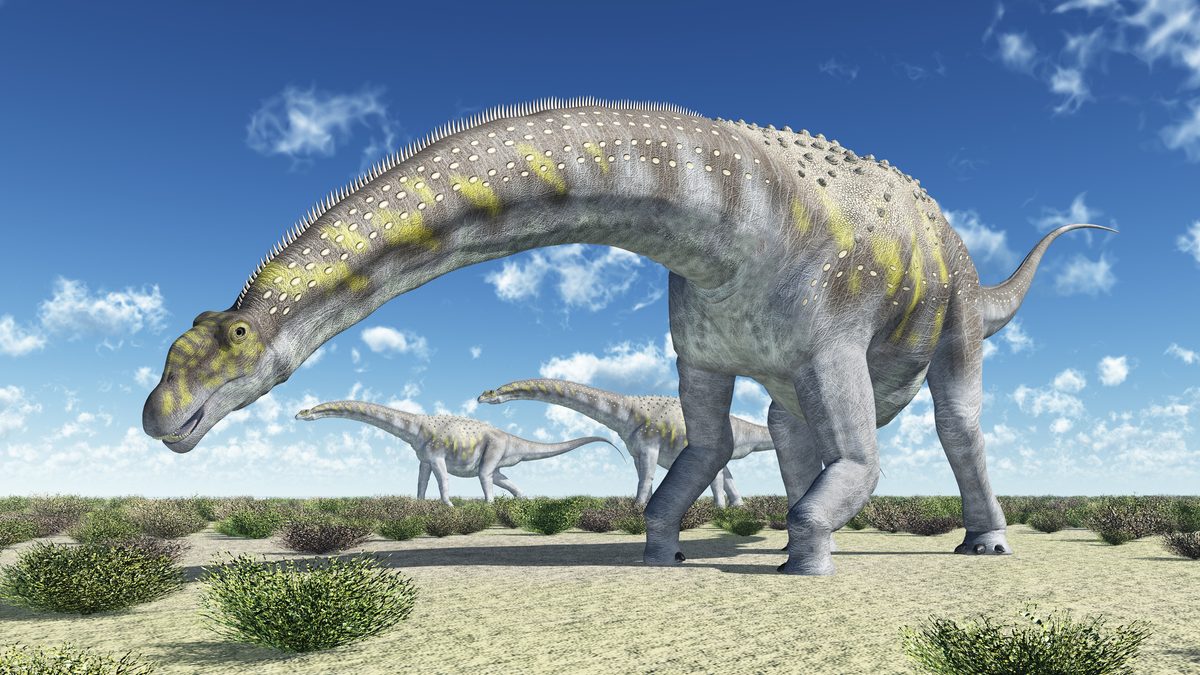
Prehistoric animals, especially dinosaurs, achieved enormous sizes due to evolutionary adaptations like hollow bones and efficient respiratory systems, with giants like the blue whale and Argentinosaurus exemplifying this trend. While larger size offers advantages such as better defense and diet variety, it also comes with risks like higher extinction vulnerability. The trend towards gigantism is supported by theories like Cope's Rule, but not universally accepted. Today, large animals are fewer, partly due to human impact and climate change, raising concerns about future megafauna.

35,000-Year-Old Mummified Saber-Toothed Kitten Discovered in Siberia

Originally Published 1 year ago — by CNN

Featured image for 35,000-Year-Old Mummified Saber-Toothed Kitten Discovered in Siberia
Source: CNN

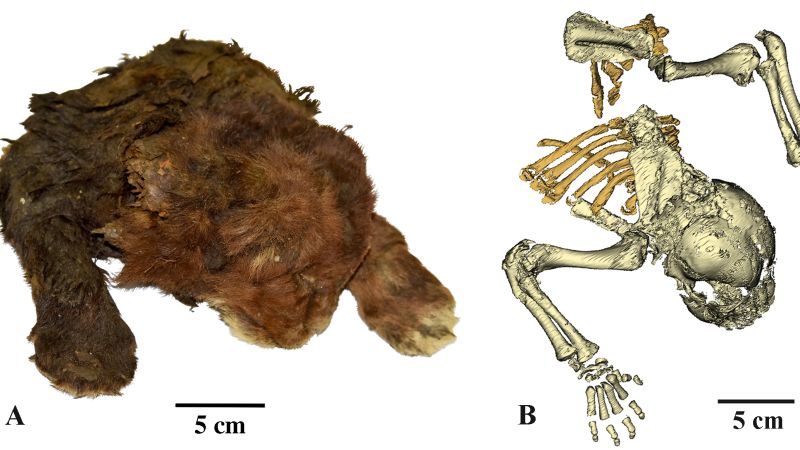
Paleontologists in Russia's Yakutia region have discovered the first known mummy of a saber-toothed cat, a 35,000-year-old cub preserved in Siberian permafrost. The nearly intact remains, including soft fur and footpads, provide the first evidence from Asia of the species Homotherium latidens. This discovery offers new insights into the anatomy and lifestyle of these prehistoric predators, revealing differences from modern lions, such as darker fur and adaptations for large incisors.

Frozen Baby Woolly Mammoths Unveil Prehistoric Pachyderm Secrets

Originally Published 2 years ago — by IFLScience

Featured image for Frozen Baby Woolly Mammoths Unveil Prehistoric Pachyderm Secrets
Source: IFLScience

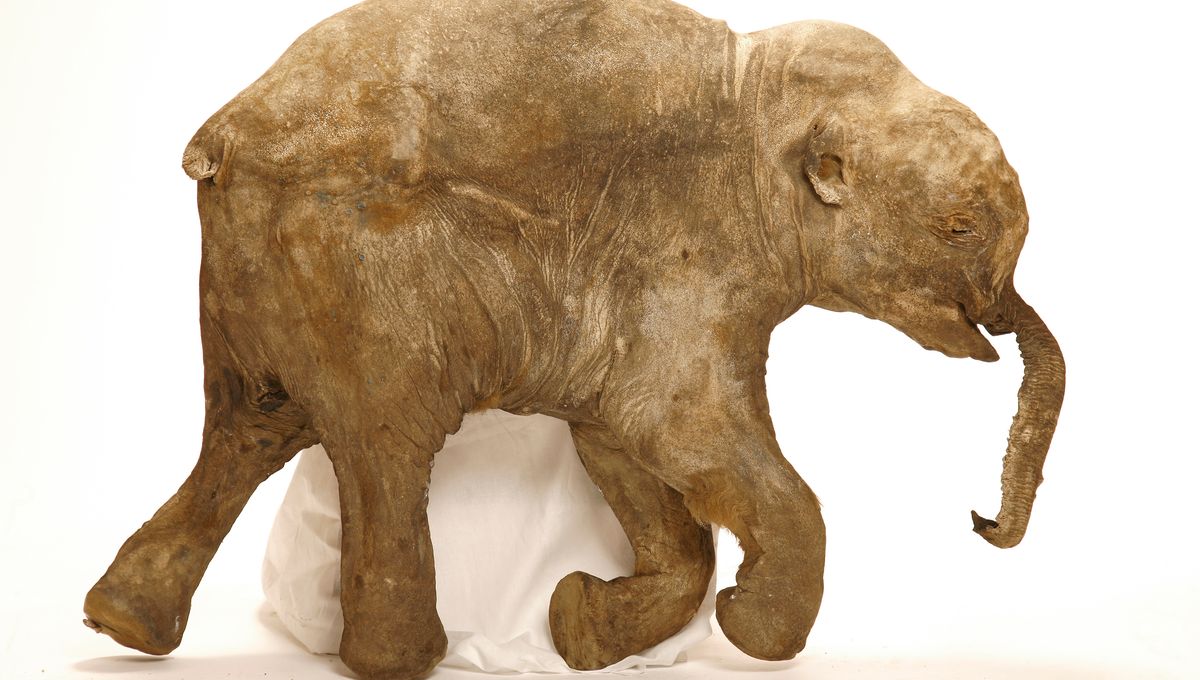
Two perfectly preserved baby woolly mammoths, Lyuba and Khroma, who lived over 40,000 years ago, have provided valuable insights into the development and lives of these prehistoric pachyderms. Full-body CT scans of their skeletons have allowed for a comparative study of their skeletal development, shedding light on the changes that occur as a mammoth body develops. Mitochondrial DNA analysis of Lyuba's remains has revealed how mammoth populations spread and diversified across the Northern Hemisphere. While efforts to extract DNA for de-extinction purposes continue, a startup called Colossal aims to create a woolly mammoth-Asian elephant hybrid to rewild the Arctic tundra and potentially mitigate the impact of climate change.

Ancient Permian Monsters Preceded the Age of Dinosaurs

Originally Published 2 years ago — by IFLScience

Featured image for Ancient Permian Monsters Preceded the Age of Dinosaurs
Source: IFLScience

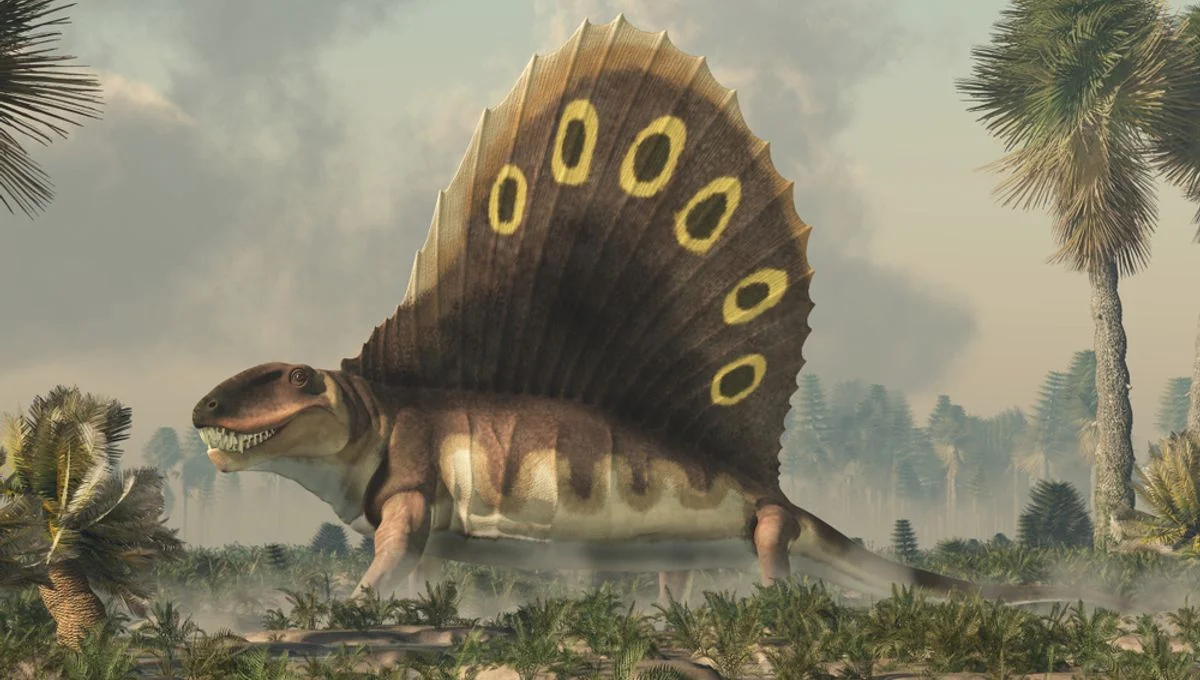
Before the rise of the dinosaurs, the Permian period was home to a diverse range of prehistoric animals, including synapsids like Dimetrodon, Cotylorhynchus, Edaphosaurus, Scutosaurus, and Inostrancevia. These creatures, which lived between 299 to 251 million years ago, were not dinosaurs but played important roles in the ecosystem. Unfortunately, a mass extinction event wiped out around 90 percent of life on Earth during the Permian Extinction. However, this extinction paved the way for the rise of the dinosaurs and subsequent biodiversity booms in the Triassic period.

Ancient Apex Predators: Unveiling South America's Fierce Prehistoric Beasts

Originally Published 2 years ago — by Yahoo News

Featured image for Ancient Apex Predators: Unveiling South America's Fierce Prehistoric Beasts
Source: Yahoo News

A 265-million-year-old fossil discovered in Brazil has revealed the existence of a large, predatory species called Pampaphoneus biccai that dominated South America 40 million years before dinosaurs. The fossil, which includes a complete skull and other bones, provides unprecedented information about the morphology of this gnarly-looking beast. Researchers estimate that Pampaphoneus biccai could reach nearly three meters in length and weigh over 880 pounds. This discovery sheds light on the community structure of terrestrial ecosystems before the largest mass extinction in history and highlights the global importance of Brazil's fossil record.