Recent discoveries in Brazil reveal ancient tunnels not made by humans but likely created by giant extinct ground sloths, challenging previous assumptions about their origins and providing new insights into prehistoric animal behavior and human interactions during the Ice Age.
Scientists have discovered massive underground tunnels in South America, attributed to extinct megafauna like giant ground sloths, challenging previous assumptions about prehistoric environments and suggesting complex interactions between humans and these ancient creatures.
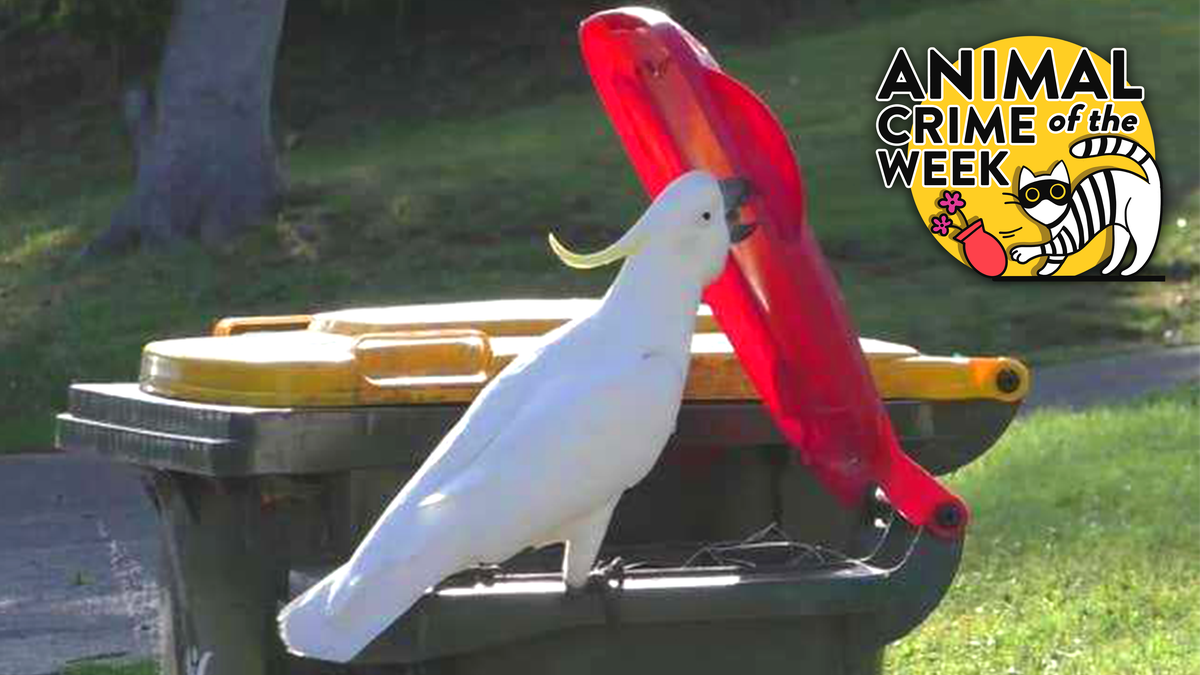
Sulphur-crested cockatoo parrots in Sydney, Australia have developed a habit of breaking into trashbins and pilfering garbage, leading to a cultural clash with human neighbors. Scientists studying the birds have found that the behavior has spread across different neighborhoods, showcasing a clear example of animal culture. This has sparked an "arms race" between the parrots and humans, with both sides adopting new tactics to outsmart each other. The outcome of this trash dispute remains uncertain, highlighting the unexpected ways in which animals and humans interact.
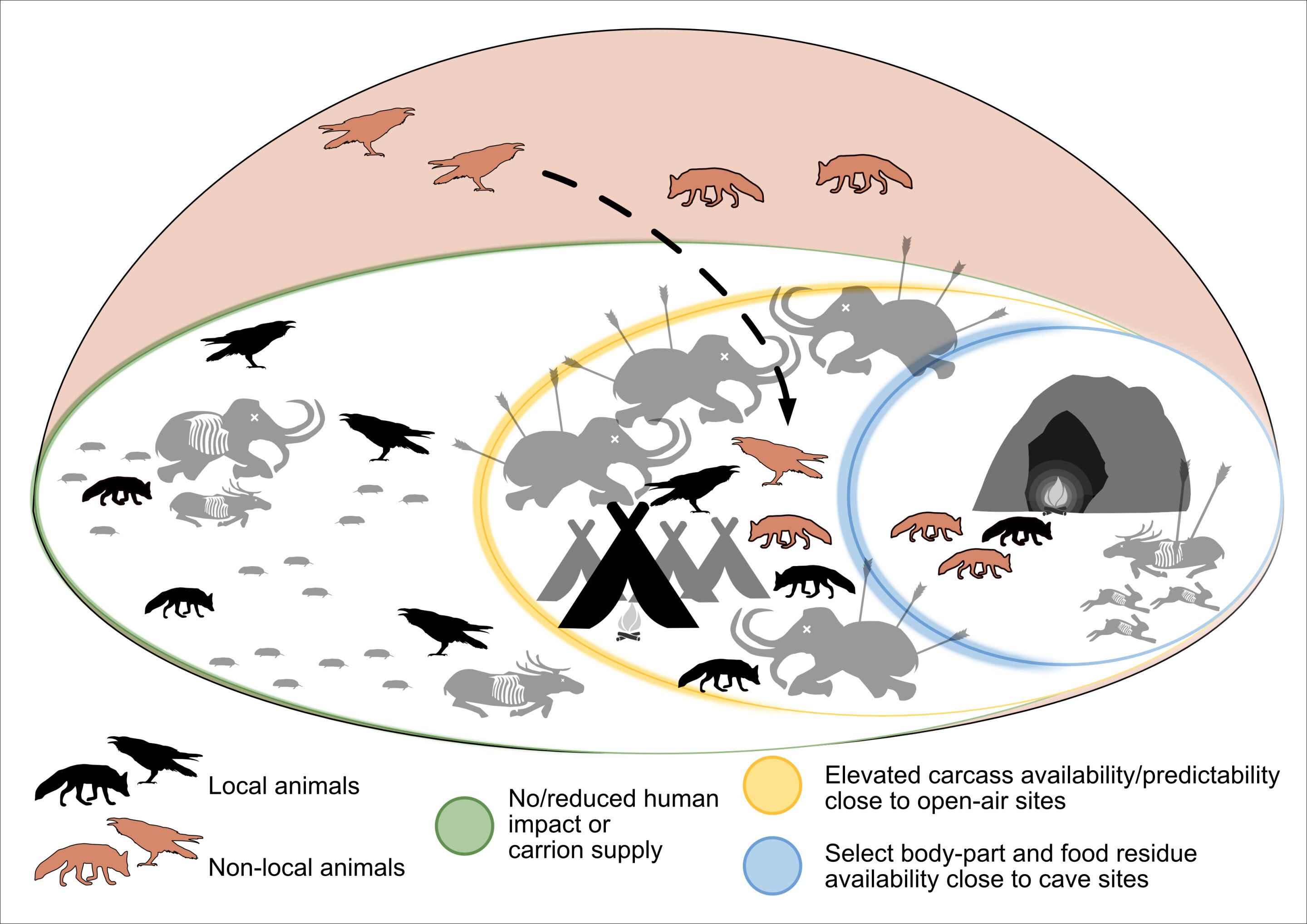
A study by researchers from the Universities of Tübingen, Helsinki, and Aarhus presents new evidence that ravens helped themselves to people's scraps and picked over mammoth carcasses left by human hunters during the Pavlovian culture more than 30,000 years ago in what is now Moravia in the Czech Republic. The large number of raven bones found at the sites suggests that the birds in turn were a supplementary source of food, and may have become important in the culture and worldview of these people. The animals' behavior was oriented toward what humans were doing in their environment, and humans, in turn, took advantage of it, catching ravens, possibly for their feathers and meat.
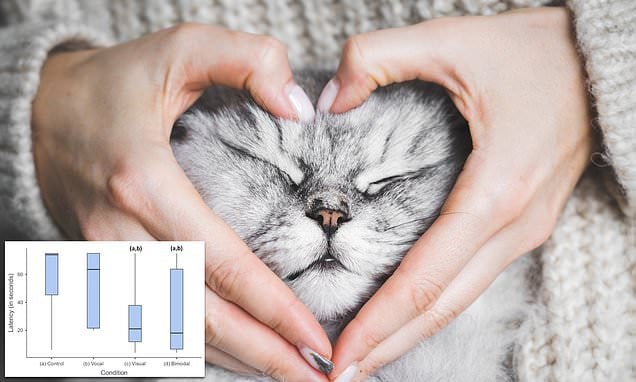
Scientists from Paris Nanterre University conducted a study in a cat cafe to determine the best way to attract cats. They found that cats responded most quickly to human strangers when they offered vocal and visual cues together, like calling their name while reaching out their hand. When the human ignored the animals completely, they were more likely to wag their tail - a sign of frustration or agitation. The researchers hope their findings will improve the quality of human-cat relationships and cat welfare.