
Scientists have discovered the skull of a fearsome prehistoric predator called Pampaphoneus biccai in Brazil, which lived 265 million years ago, 40 million years before dinosaurs. This carnivorous beast, belonging to the dinocephalia clade, had large canine teeth and a strong bite capable of chewing bones. Pampaphoneus was a towering 3 meters tall and weighed an estimated 400 kilograms. The well-preserved fossil provides new insights into the species and its ecological role, shedding light on the terrestrial ecosystems before the largest mass extinction event in history.
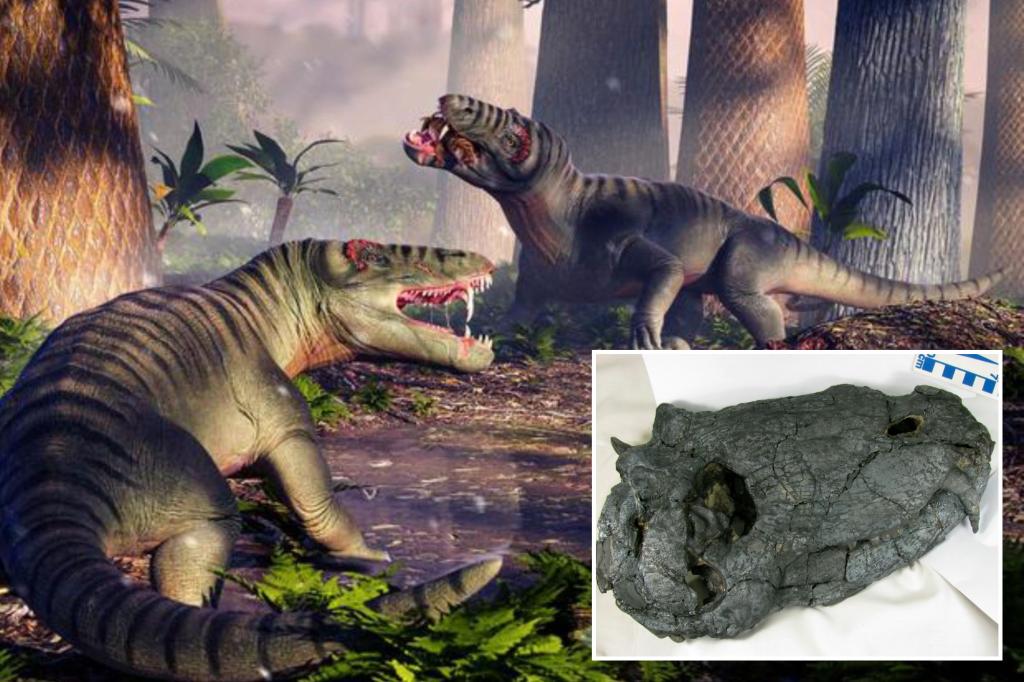
A 265-million-year-old fossil discovered in Brazil has revealed the existence of a large, predatory species called Pampaphoneus biccai that dominated South America 40 million years before dinosaurs. The fossil, which includes a complete skull and other bones, provides unprecedented information about the morphology of this gnarly-looking beast. Researchers estimate that Pampaphoneus biccai could reach nearly three meters in length and weigh over 880 pounds. This discovery sheds light on the community structure of terrestrial ecosystems before the largest mass extinction in history and highlights the global importance of Brazil's fossil record.
A new archaeological study has revealed the existence of Pampaphoneus biccai, apex predators that dominated the Earth 40 million years before the dinosaurs. The discovery of a nearly complete skull in Brazil provides insight into the community structure of terrestrial ecosystems prior to the largest mass extinction event in history. Pampaphoneus biccai, part of the therapsid family, was the largest terrestrial predator known from the Permian period in South America. These prehistoric beasts had thick cranial bones and were comparable to modern-day big cats in their ecological role.
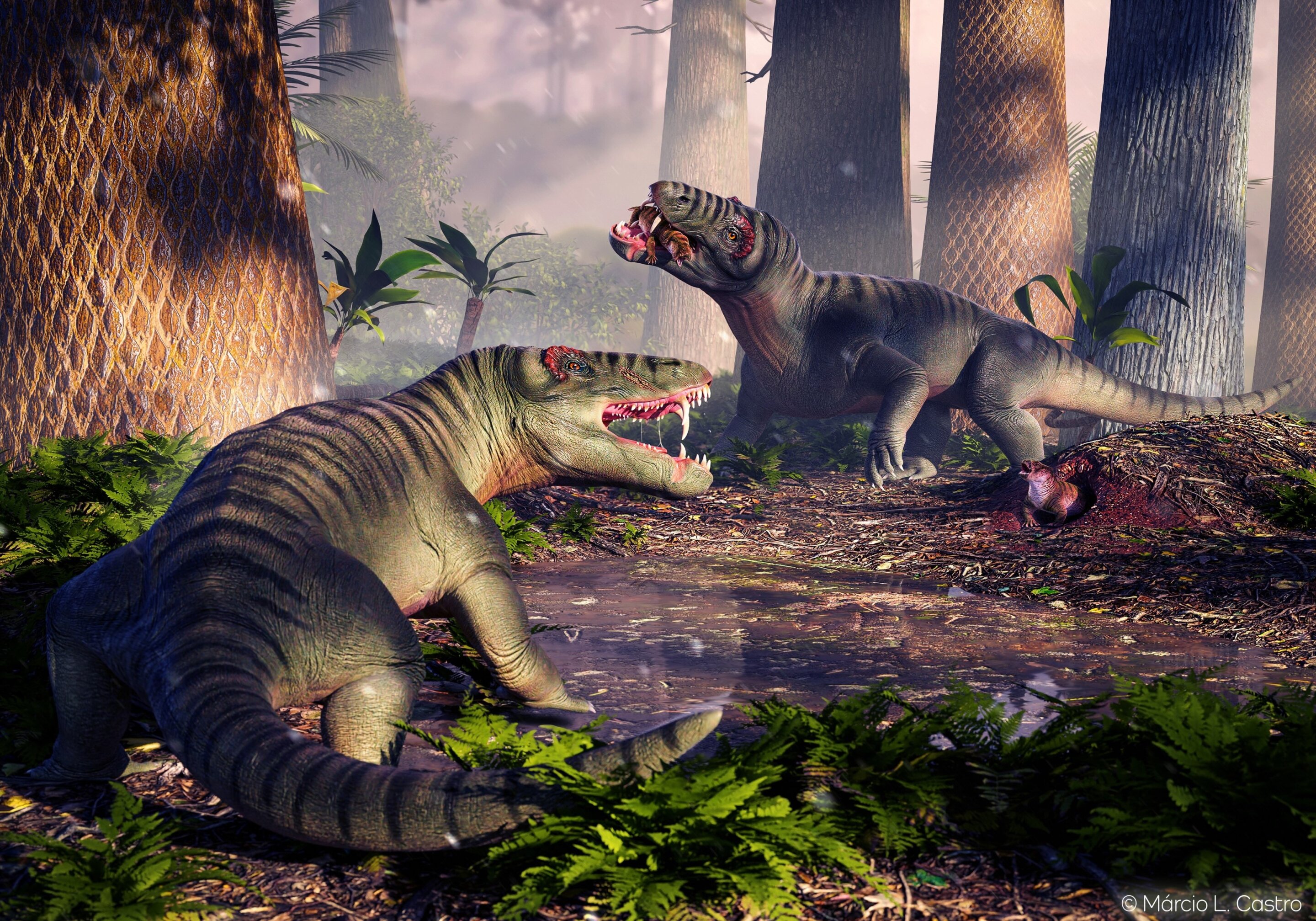
A 265-million-year-old fossil species, Pampaphoneus biccai, has been discovered in Southern Brazil, revealing the oldest and largest predator in South America before the rise of dinosaurs. Belonging to the dinocephalian clade, Pampaphoneus was a medium to large-sized carnivorous creature with a complete skull and skeletal bones. The fossil provides valuable insights into the community structure of terrestrial ecosystems prior to a major extinction event. The discovery highlights the significance of Brazil's fossil record and the paleontological potential of the Pampa region.