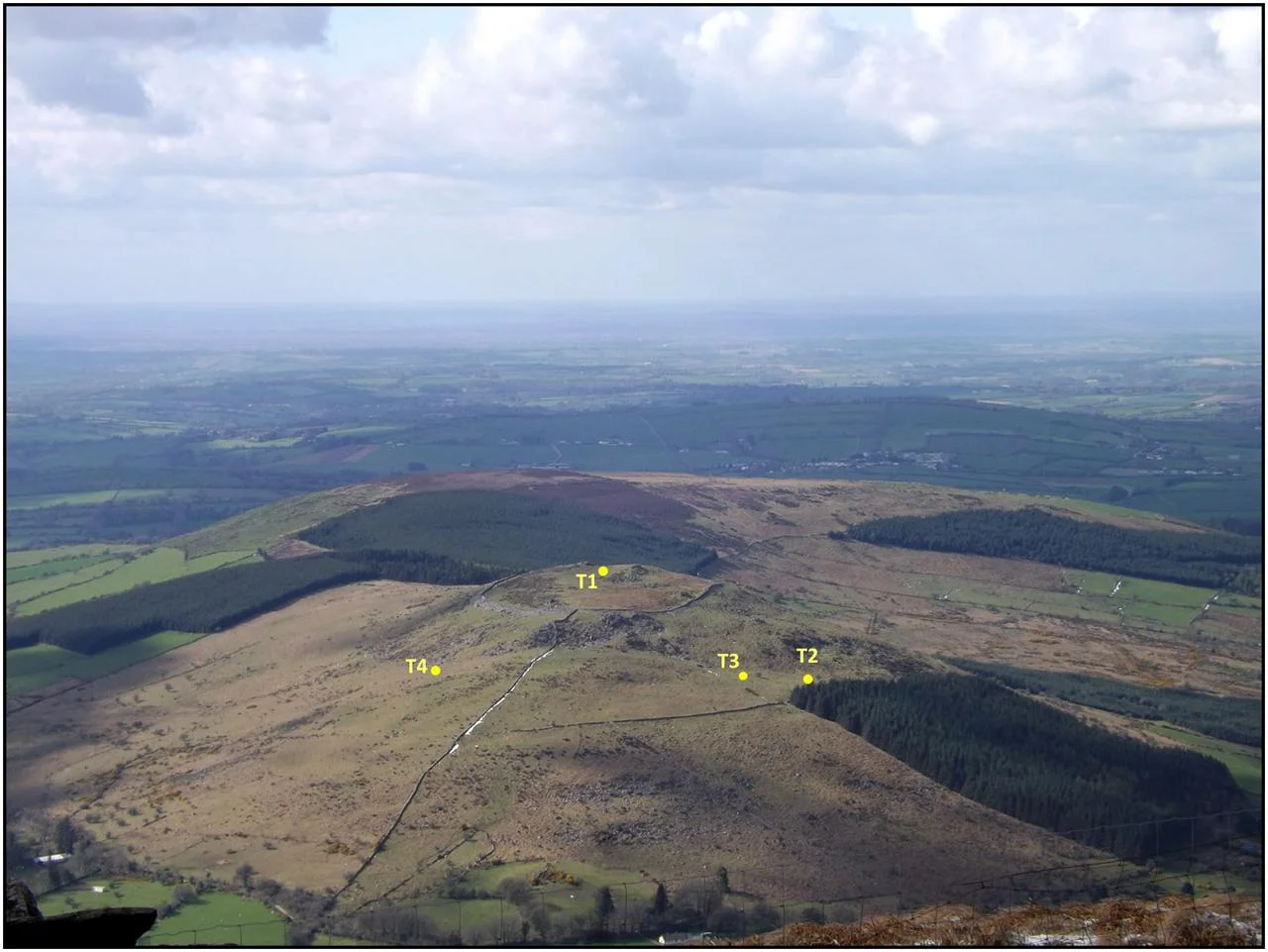
Scientists have uncovered Ireland’s largest prehistoric hillfort settlement at Brusselstown Ring, revealing over 600 dwellings and challenging previous notions of Bronze Age social organization, suggesting a large, egalitarian community with sophisticated planning, which was gradually abandoned in the third century BCE.
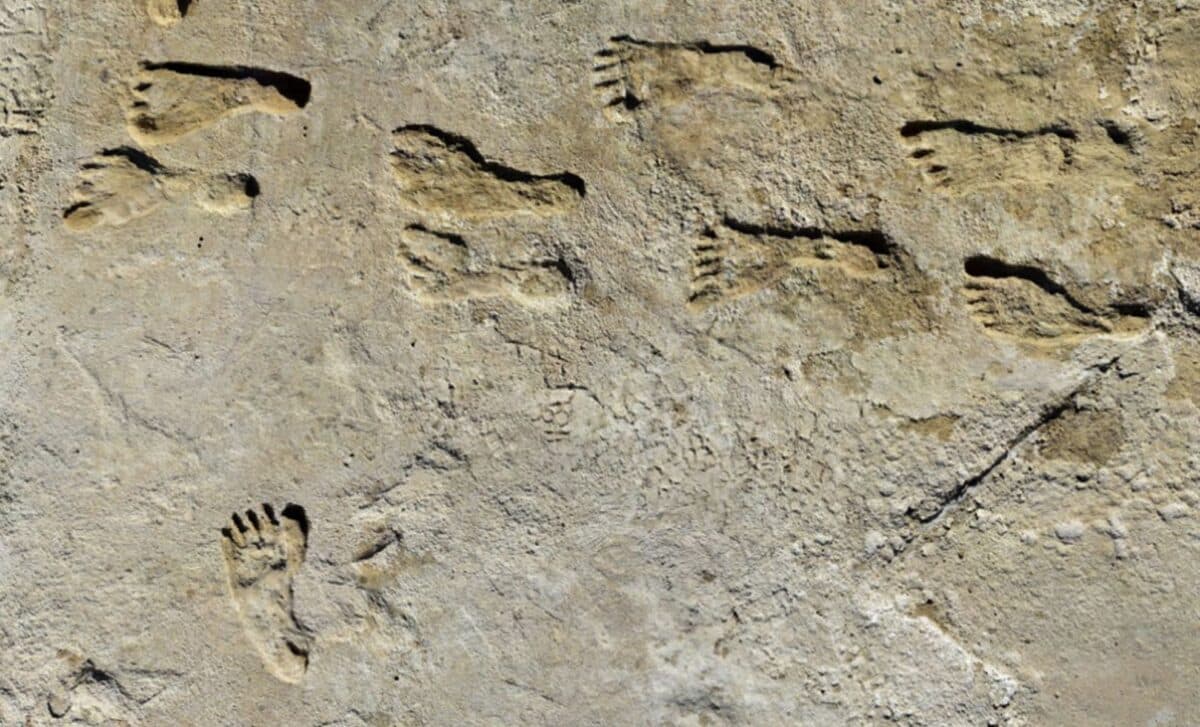
Scientists discovered the oldest known human footprints in North America at White Sands National Park, dating back 23,000 to 21,000 years, challenging previous timelines and suggesting early human presence during the Last Glacial Maximum. The footprints, mainly of teenagers and children, provide insights into daily life and are under threat from erosion.
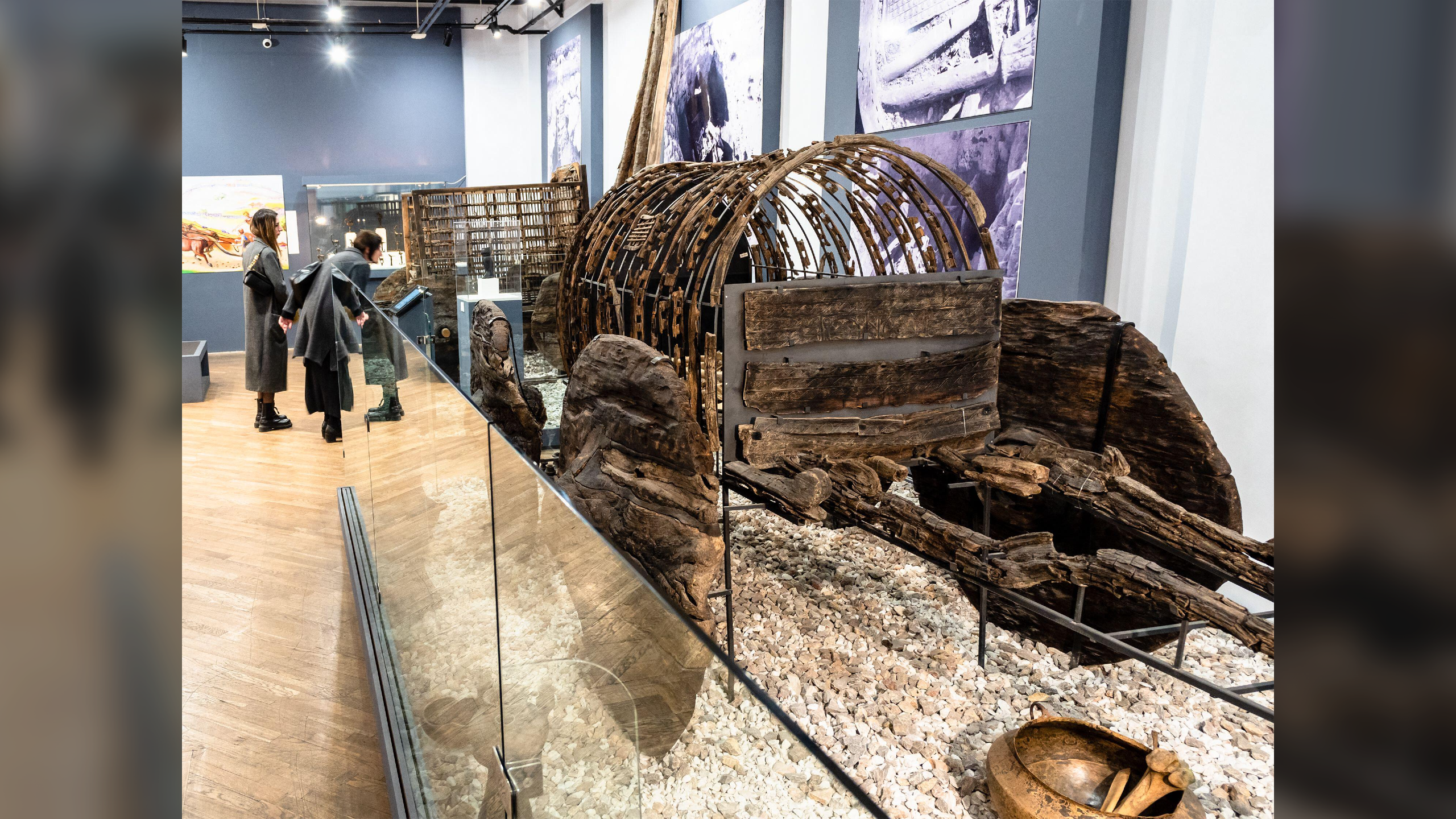
The Lchashen wagon, a well-preserved 3,500-year-old covered wagon from Armenia, was discovered in a Bronze Age cemetery and exemplifies early wheeled vehicle innovation, likely used for transporting a deceased leader to the afterlife.
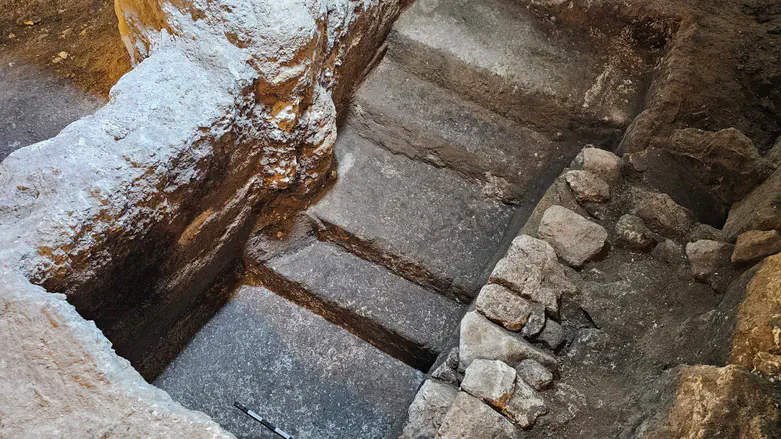
A mikveh from the Second Temple period was discovered beneath the Western Wall Plaza, dating to around 70 CE, with ash remains from the Temple's destruction, highlighting the historical and religious significance of Jerusalem's ancient ritual practices.
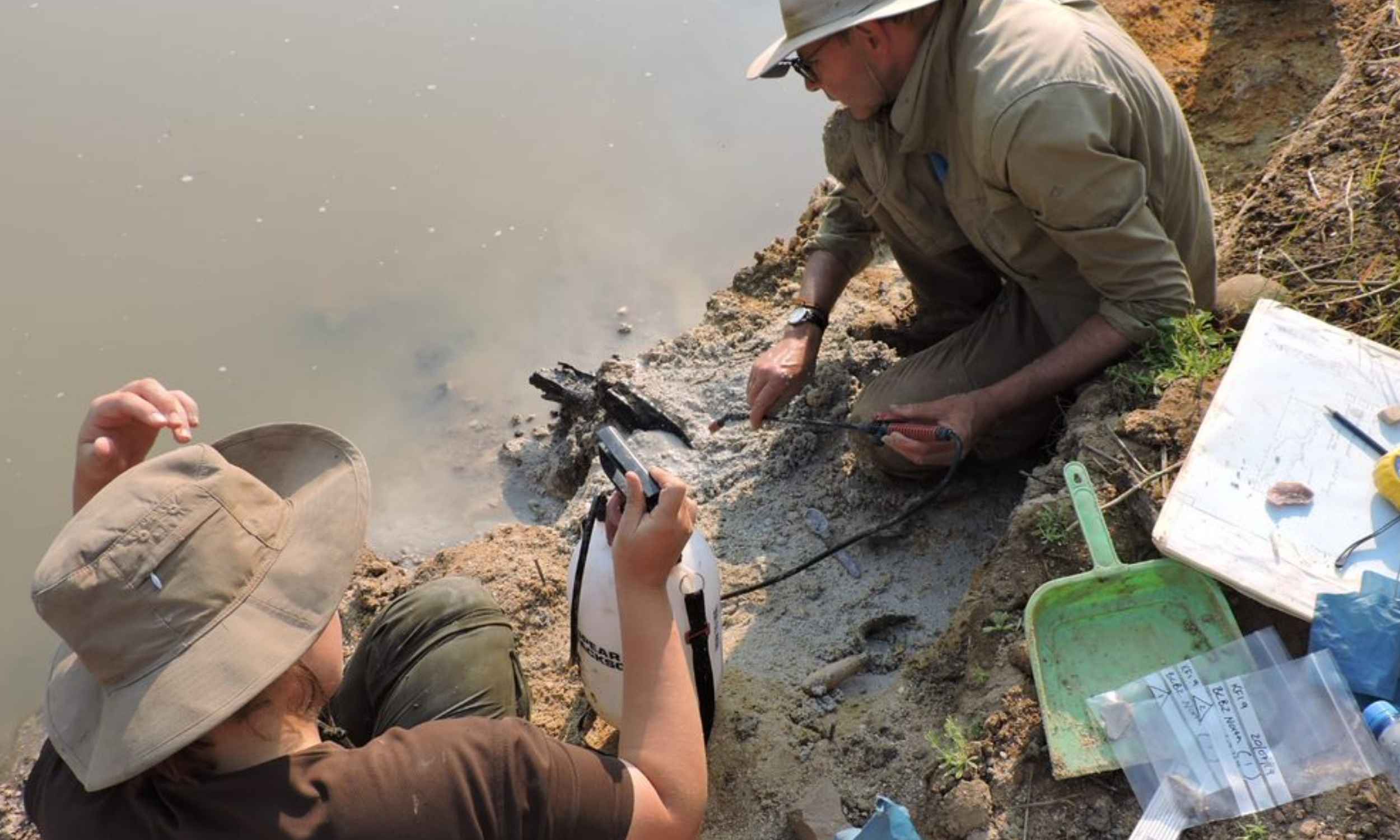
Archaeologists at Kalambo Falls in Zambia discovered a wooden structure dating back approximately 476,000 years, predating Homo sapiens, indicating early humans engaged in deliberate construction and environmental reshaping using timber, with implications for understanding prehistoric technology and behavior.
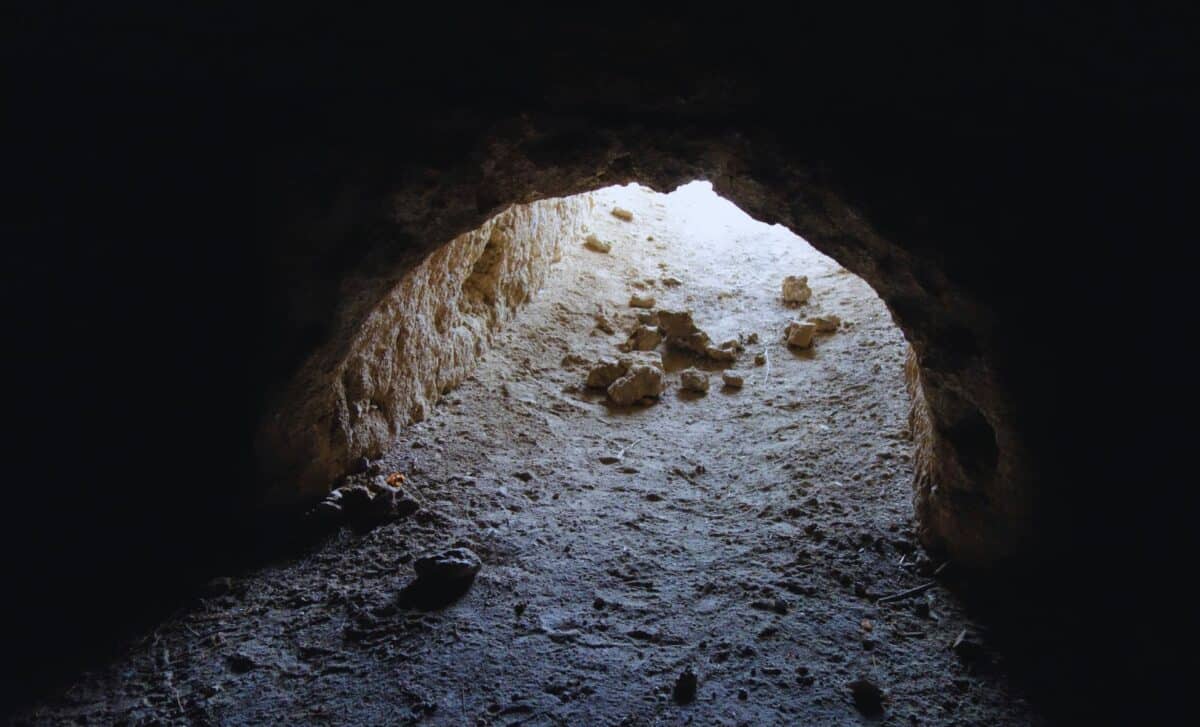
Scientists have discovered massive underground tunnels in southern Brazil and northern Argentina, carved into solid rock by giant ground sloths, not humans, suggesting these ancient animals created extensive burrow networks for shelter or protection, with evidence including claw marks and tunnel dimensions matching the size of Megatherium.
An Italian archaeological team has uncovered the remains of a sun temple belonging to Pharaoh Nyuserre from Egypt's Fifth Dynasty near Cairo, revealing significant architectural features and artifacts, including wooden pieces of the ancient game Sunnat. This discovery adds to the understanding of Egypt's solar cult and ancient funerary complexes, complementing recent finds like statues of Pharaoh Amenhotep III in Luxor.
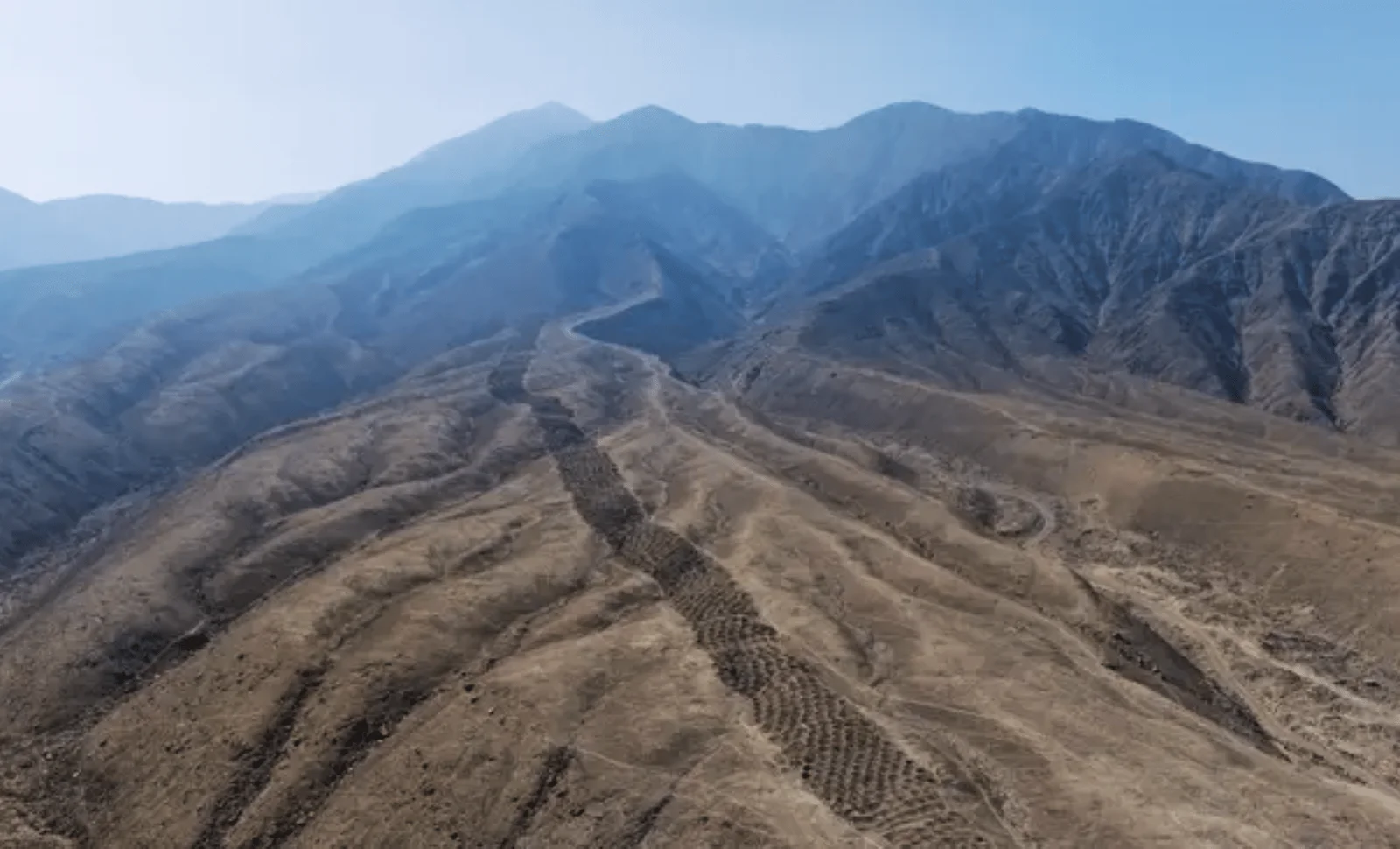
Archaeologists have uncovered evidence suggesting that the mysterious 5,200 holes in Monte Sierpe, Peru, served as a marketplace and later as an accounting system, revealing insights into pre-Inca trade and social organization, and indicating the site was built by the Chincha culture before the Inca Empire.
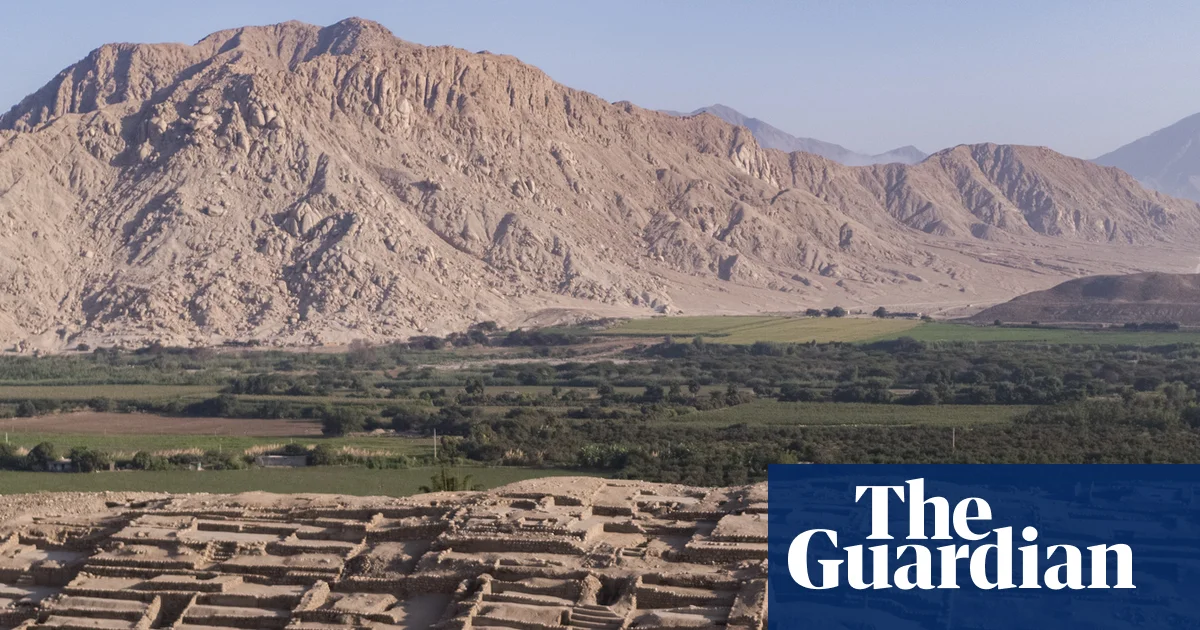
Archaeologists in Peru have uncovered evidence of how the ancient Caral civilization survived a severe drought around 4,200 years ago by relocating and leaving messages and imagery to future generations, demonstrating early adaptation to climate change without violence, and highlighting their sophisticated society and trade networks.
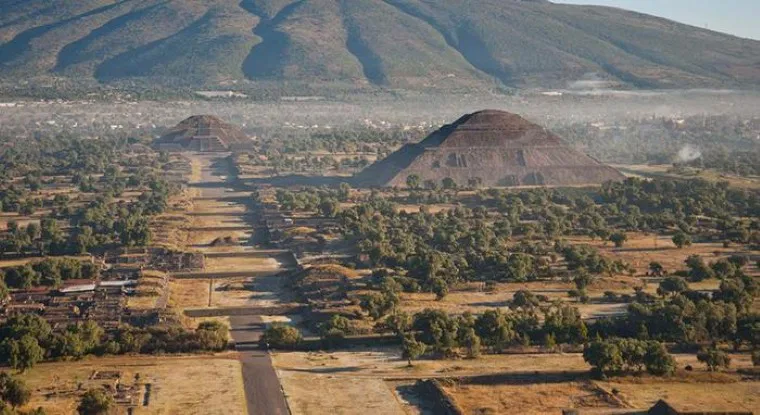
Researchers analyzing artwork from the ancient city of Teotihuacan suggest it may contain a rudimentary language that evolved into Aztec languages, potentially explaining the city's mysterious abandonment around 600 AD and shedding light on its builders' identity.
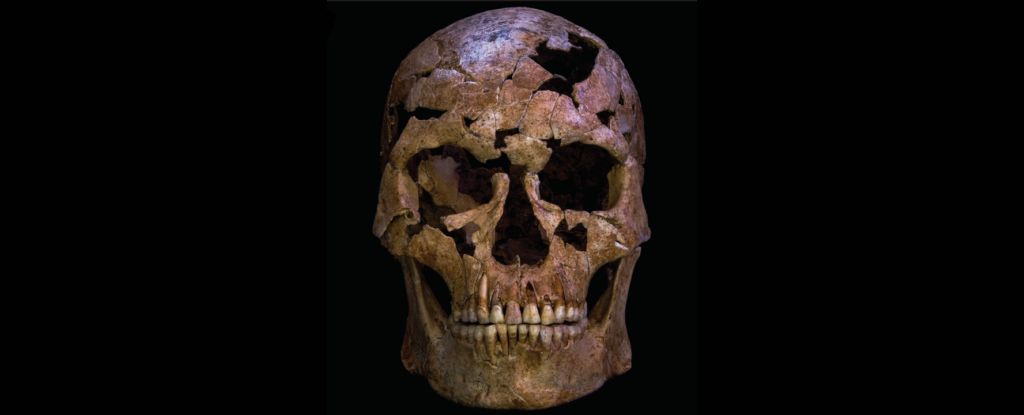
Ancient bones found in a Vietnamese cave, dating back 12,000 years, show evidence of interpersonal violence, possibly making it one of the earliest known murder cases in Southeast Asia, with signs of a projectile injury leading to infection and death.
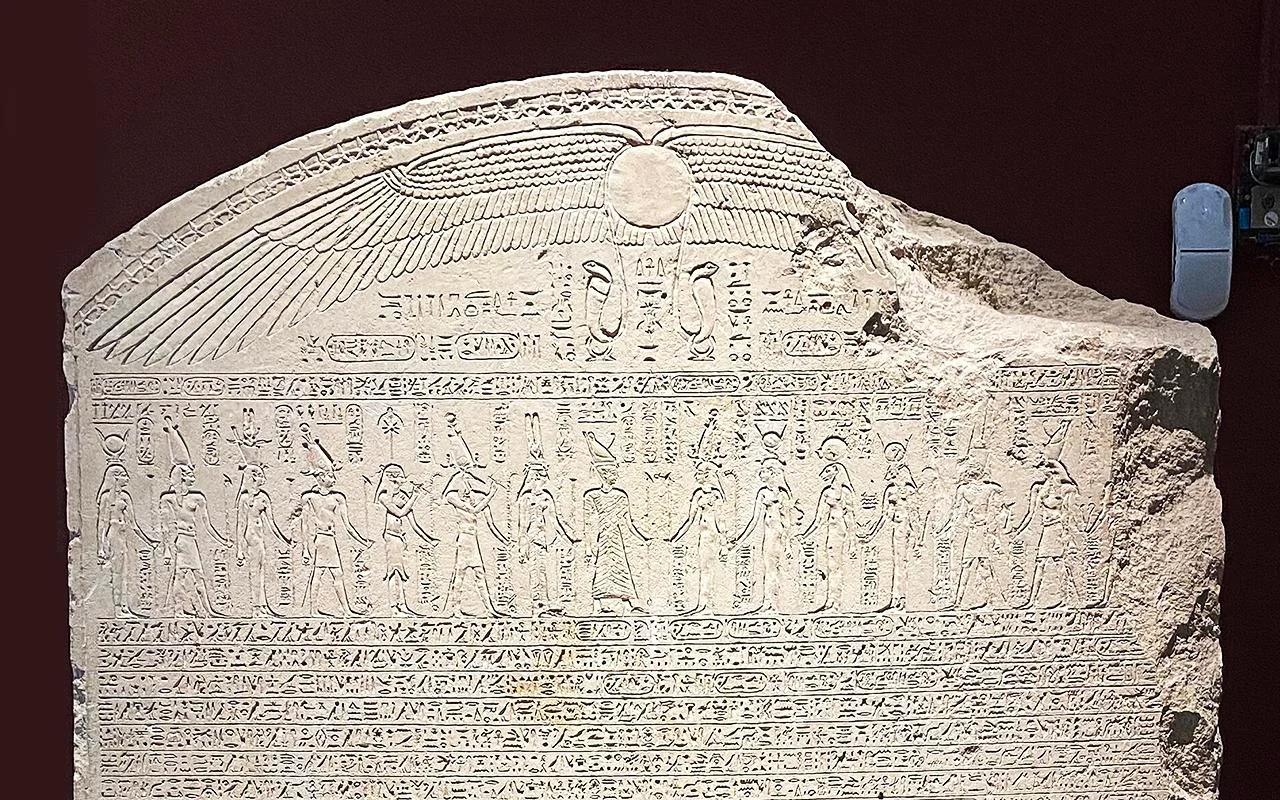
Egyptian archaeologists have discovered a complete, intact copy of the 238 BCE Canopus Decree at Tell El-Fara’in, the first full copy found in over 150 years. The decree, inscribed entirely in hieroglyphs, details royal donations, religious festivals, and administrative reforms during Ptolemaic rule, providing valuable insights into ancient Egyptian governance, religion, and language.
Scientists identified a 2,500-year-old sticky substance in ancient bronze jars from Paestum as honey, using advanced chemical techniques, shedding light on its ritual and practical uses in antiquity.
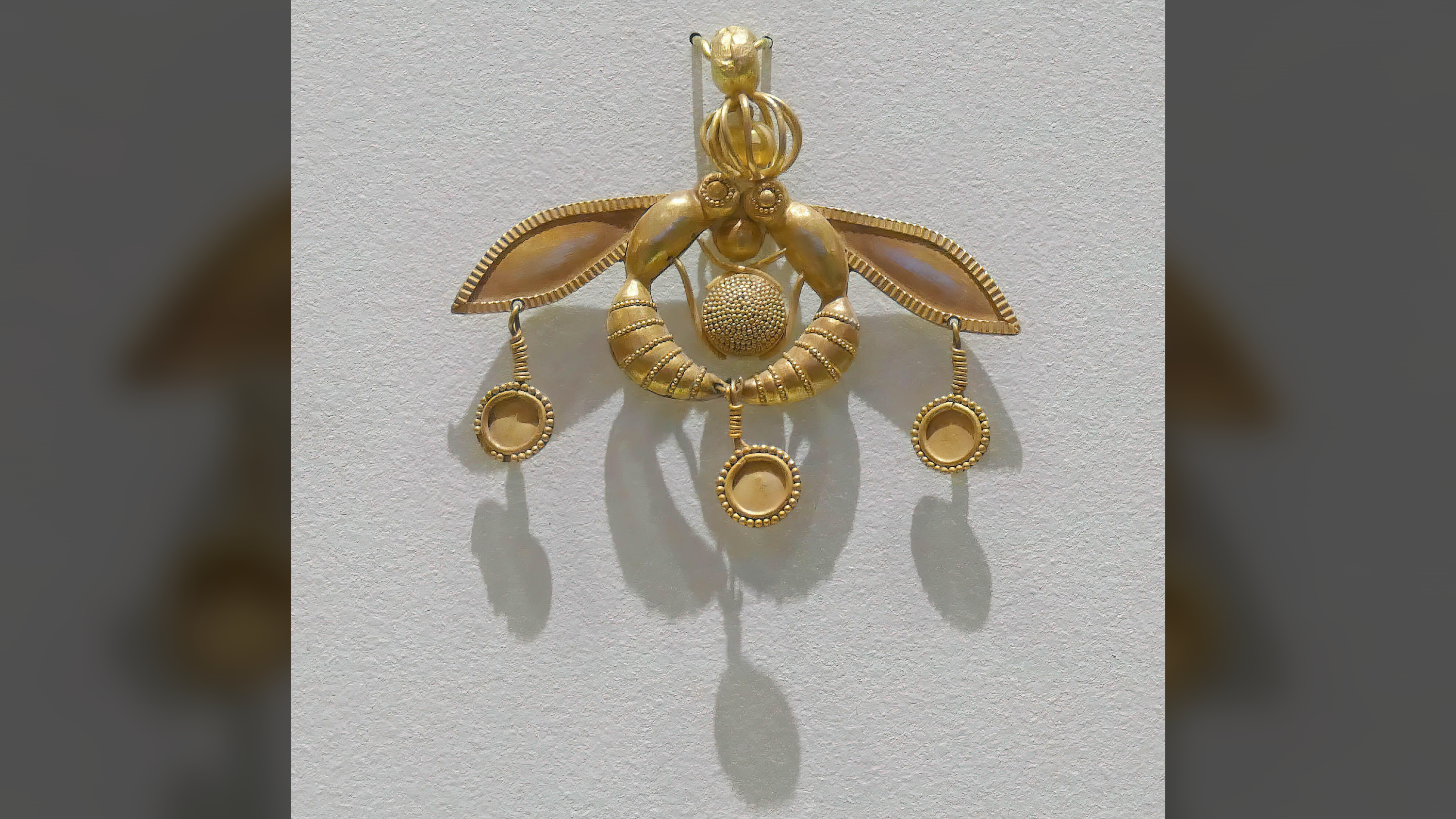
A 3,800-year-old gold pendant depicting insects was discovered in a Minoan cemetery in Crete, sparking debate over whether it represents bees or wasps and their symbolic significance in ancient Minoan culture.
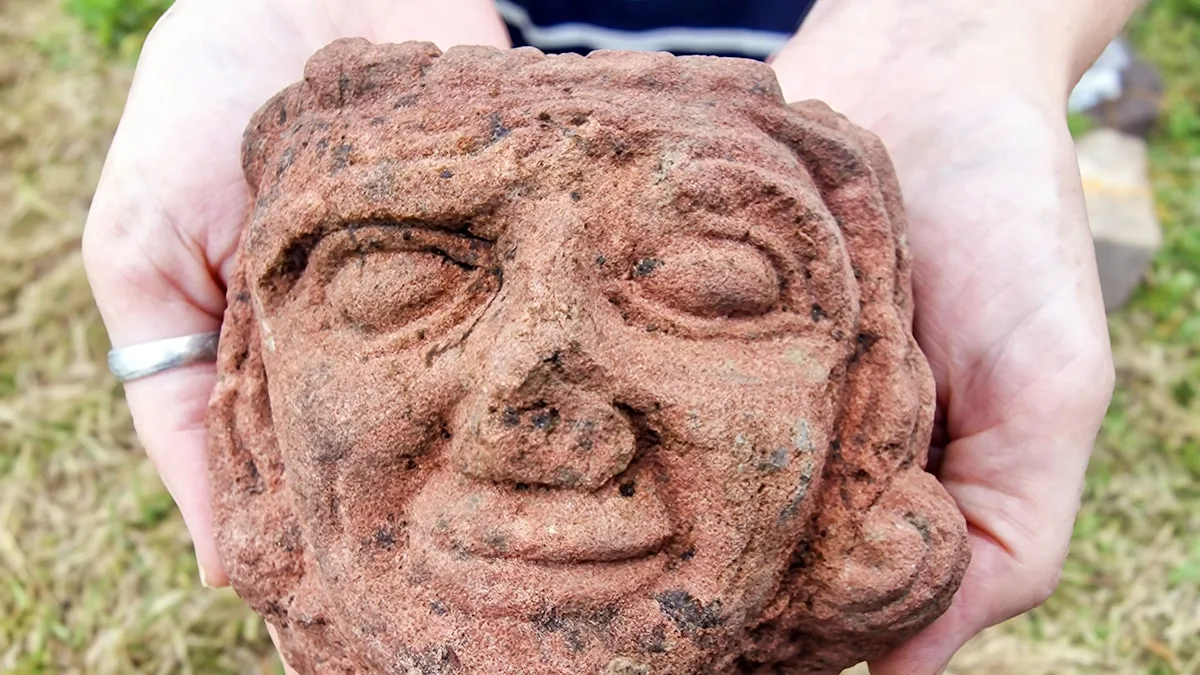
Archaeologists in Orkney, Scotland, uncovered a 900-year-old carved sandstone head resembling a smiling face, possibly linked to Viking-era settlements and the nearby St. Magnus Cathedral, revealing insights into the region's medieval history.