Tag

Human Exploration

All articles tagged with #human exploration

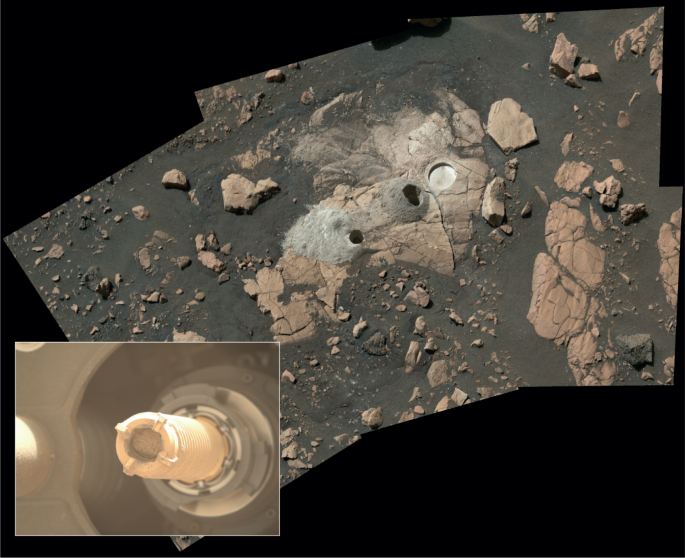
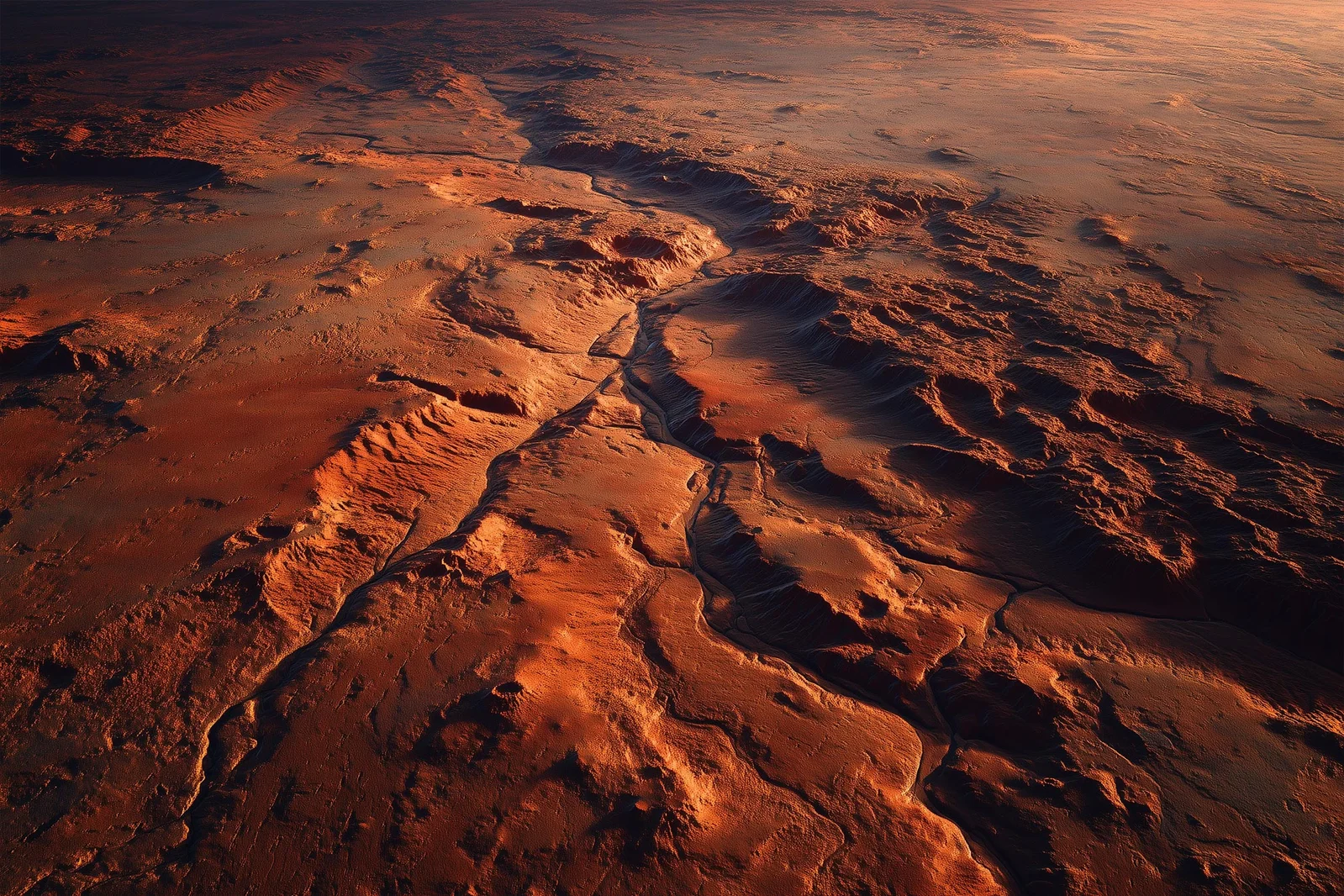
NASA's Mars Missions Reveal Water Ice and New Mysteries Beneath the Surface

Originally Published 1 month ago — by SciTechDaily

Featured image for NASA's Mars Missions Reveal Water Ice and New Mysteries Beneath the Surface
Source: SciTechDaily

Scientists have discovered shallow water ice beneath the surface of Mars in a mid-latitude region, which could serve as a crucial resource for future human missions by providing water, fuel, and insights into the planet's habitability. The findings suggest promising landing sites and highlight the importance of further exploration to confirm the ice's characteristics, aiding planning for future exploration efforts.
Journey to Mars: The Spin Begins

Originally Published 2 months ago — by The Space Review

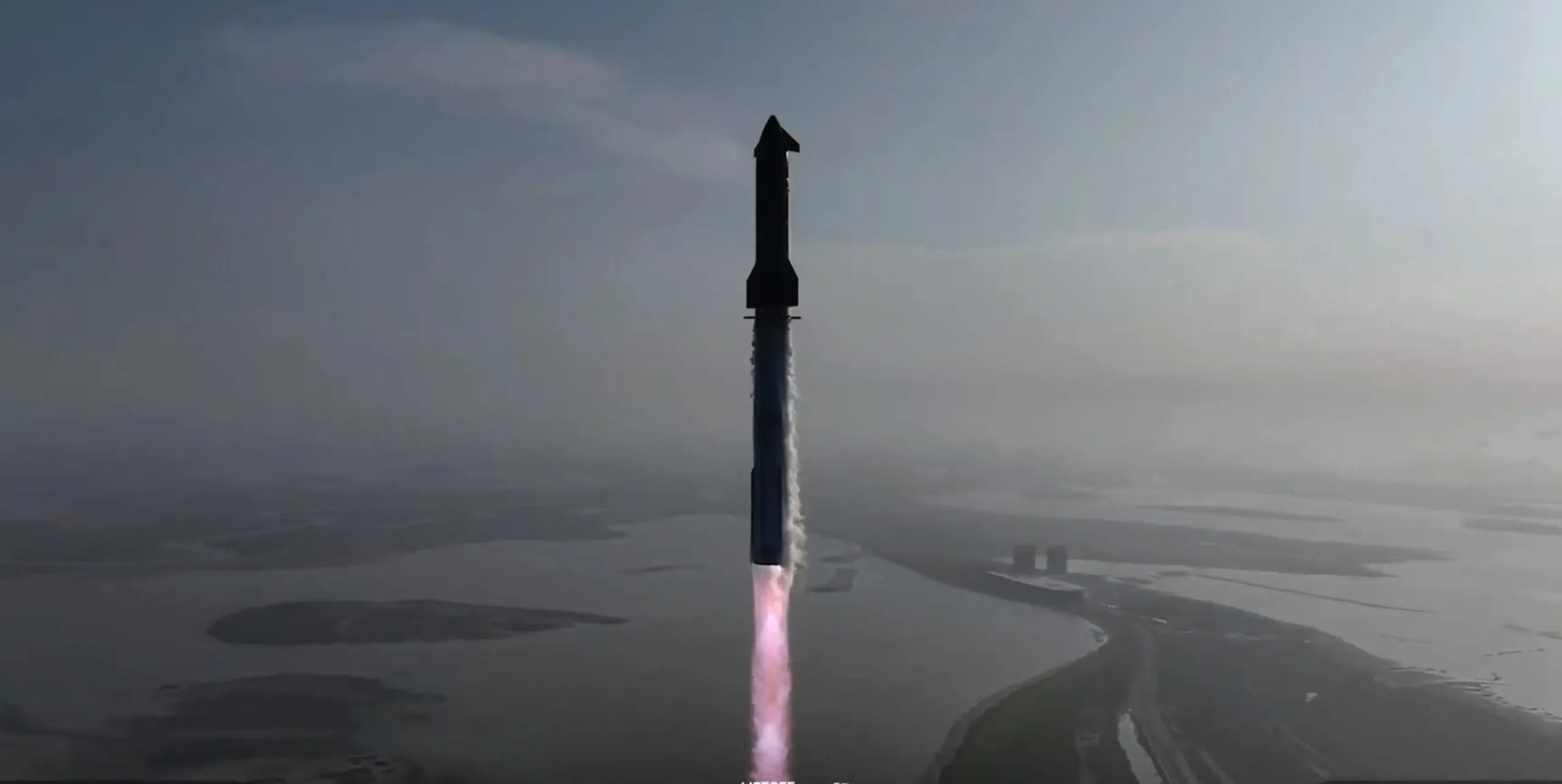
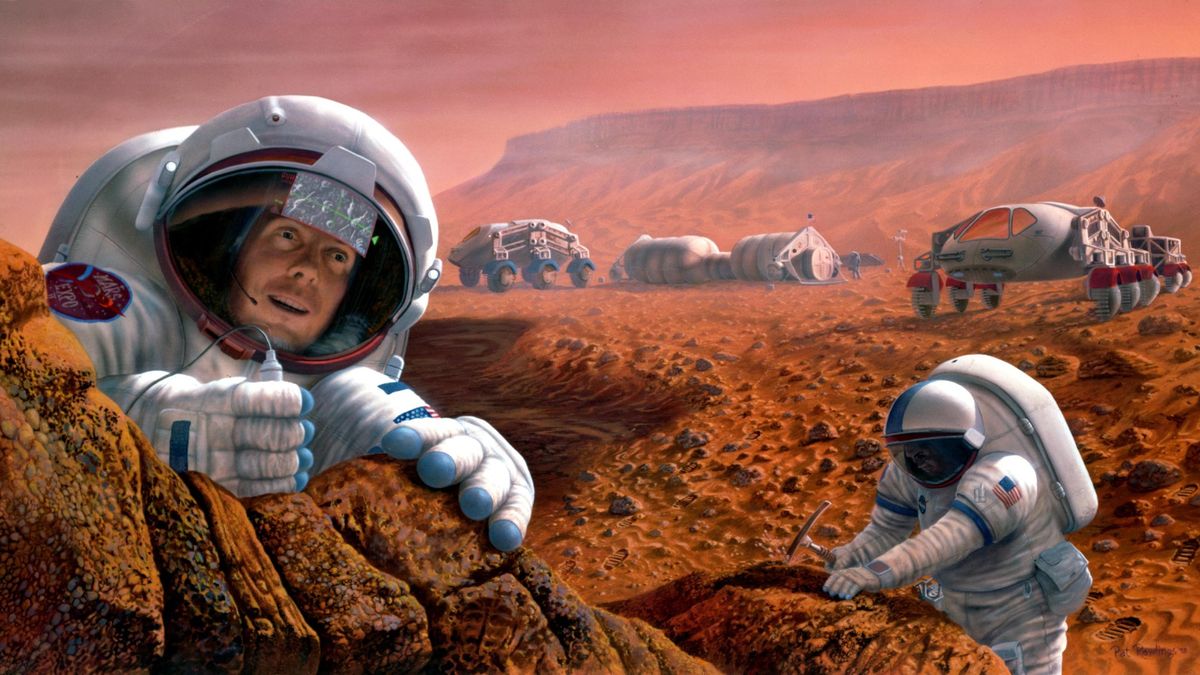
In 1984, a visionary group called the 'Mars Underground' developed a detailed concept for a sustainable human mission to Mars, featuring a Mars cycler spacecraft, use of Martian resources, and a permanent base, which significantly influenced public and scientific perspectives on Mars exploration.

"Human-Led Mars Exploration Outperforms Machines in Scientific Discovery"

Originally Published 1 year ago — by Space.com

Featured image for "Human-Led Mars Exploration Outperforms Machines in Scientific Discovery"
Source: Space.com

NASA is considering the potential for human exploration on Mars to maximize scientific output, as it could surpass what mechanized Mars machinery can achieve. The agency is seeking input on science and technology investments for sustained human exploration throughout the solar system. A recent study emphasizes the importance of incorporating science into the discussion of human Mars missions, highlighting the unique capabilities of human explorers in conducting on-the-spot field measurements, executing local area mapping, and gaining subsurface access. The study also outlines high-priority science objectives for Mars exploration, including astrobiology, climate and volatiles, and geology/geophysics/geochemistry.

"Ice Water Deposits Found at Mars Equator by ESA's Mars Express Orbiter"

Originally Published 2 years ago — by Euronews

Featured image for "Ice Water Deposits Found at Mars Equator by ESA's Mars Express Orbiter"
Source: Euronews

Europe's Mars Express orbiter may have discovered massive ice water deposits below the surface of Mars, estimated to be around 3.7 kilometers thick, challenging previous assumptions about the planet's history and potential for sustaining life. The discovery, located at the equator rather than the poles, has excited scientists about the potential for future human exploration missions, although the protective layer of dust or ash above the ice may complicate access.

Revolutionizing Mars Exploration: A Fresh Approach.

Originally Published 2 years ago — by Nature.com

Featured image for Revolutionizing Mars Exploration: A Fresh Approach.
Source: Nature.com

A new deal for the exploration of Mars is needed to balance the critical astrobiological goals with safer human exploration. Current planetary protection guidelines may be insufficient as it is impossible to ensure that all human-associated processes and operations are conducted within entirely closed systems. Terrestrial microorganisms will accompany human crews to Mars and may find ways to adapt and survive, leading to contamination. The common ground between human spaceflight and astrobiology can be used as the foundation for a new deal.

"Exploring NASA's 3D-Printed Mars Habitat for Simulating Life on the Red Planet"

Originally Published 2 years ago — by USA TODAY

Featured image for "Exploring NASA's 3D-Printed Mars Habitat for Simulating Life on the Red Planet"
Source: USA TODAY

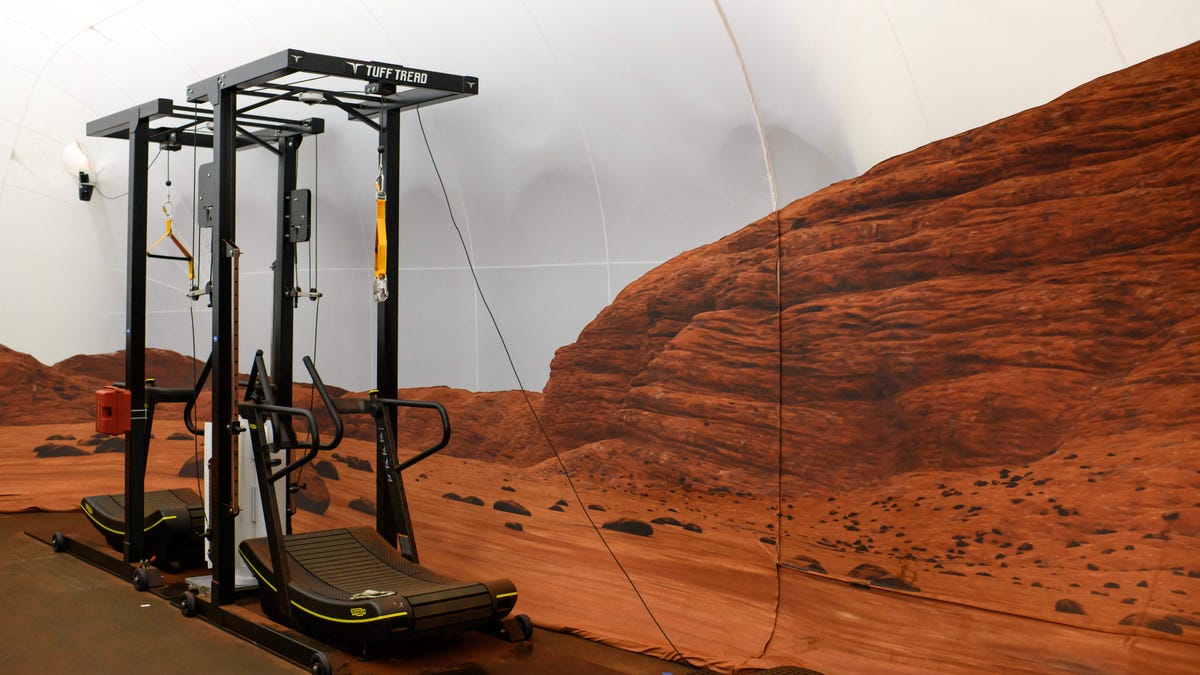
NASA has unveiled a 3D-printed simulation habitat called Mars Dune Alpha to prepare for future missions to Mars and better understand the impacts of long isolation on human health. Volunteers will live in the simulation habitat at Johnson Space Center in Houston for a year at a time over the course of three experiments called the Crew Health and Performance Exploration Analog (CHAPEA), during which NASA will monitor their physical and mental health. The facility will begin its first trial with four volunteers this June.

Indian-origin engineer to lead NASA's Moon to Mars program

Originally Published 2 years ago — by Indiatimes.com

Featured image for Indian-origin engineer to lead NASA's Moon to Mars program
Source: Indiatimes.com

Indian-American software and robotics engineer Amit Kshatriya has been appointed as the first head of NASA's newly-established Moon to Mars Programme, which aims to carry out the agency's human exploration activities on the Moon and Mars for the benefit of humanity. Kshatriya will be responsible for programme planning and implementation for human missions to the Moon and Mars.

Glacier Discoveries on Mars Hint at Buried Water Ice

Originally Published 2 years ago — by East Idaho News

Featured image for Glacier Discoveries on Mars Hint at Buried Water Ice
Source: East Idaho News

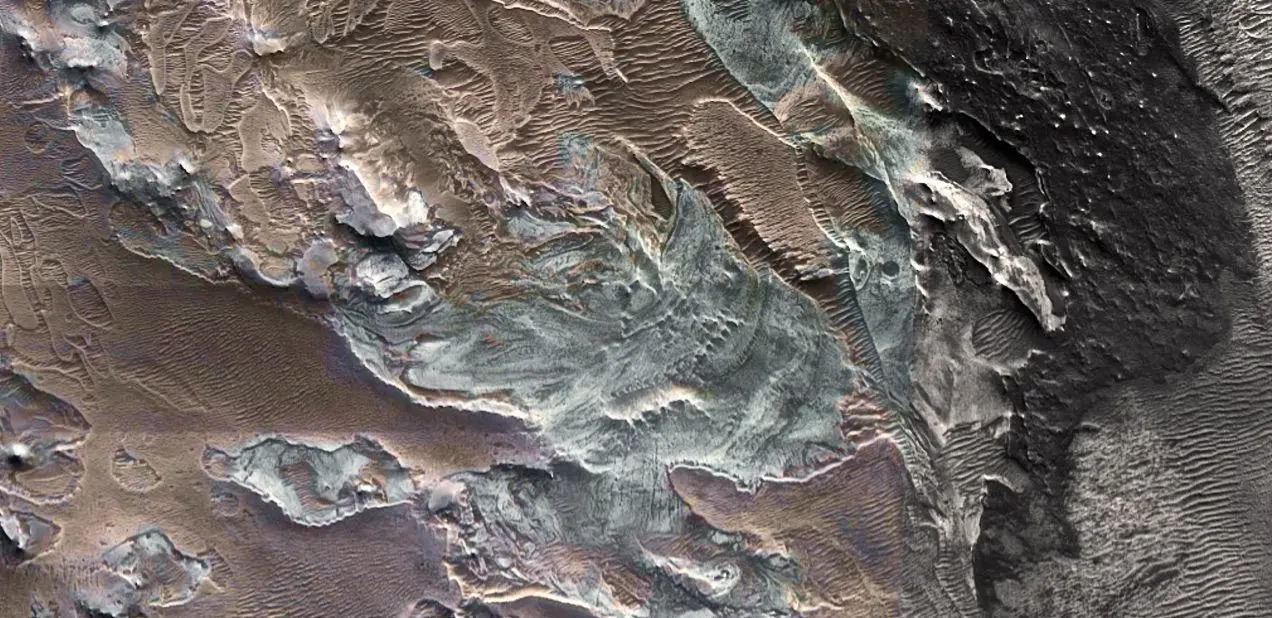
A "relict glacier" has been discovered on Mars, suggesting that surface water ice may still exist on the planet. The discovery was made near Mars' equator, which could have significant implications for future human exploration. The glacier is believed to be relatively young geologically speaking, and its imprint was preserved by sulfate salts. While more research is needed to determine if and how much ice may be preserved under the salts, the discovery could change our understanding of how Mars can sustain human life.

Equatorial Glacier Found on Mars Raises Hope for Human Exploration

Originally Published 2 years ago — by SciTechDaily

Featured image for Equatorial Glacier Found on Mars Raises Hope for Human Exploration
Source: SciTechDaily

Scientists have discovered a relict glacier near the equator of Mars, indicating the presence of surface water ice on the planet in recent history. The glacier is estimated to be 6 kilometers long and up to 4 kilometers wide, with a surface elevation ranging from +1.3 to +1.7 kilometers. The discovery suggests the potential existence of ice at shallow depths in the region, which could have crucial implications for future human exploration. The glacier's fine-scale features, its associated sulfate salts deposit, and the overlying volcanic materials are all very sparsely cratered by impacts and must be geologically young, likely Amazonian in age, the latest geologic period which includes modern Mars.