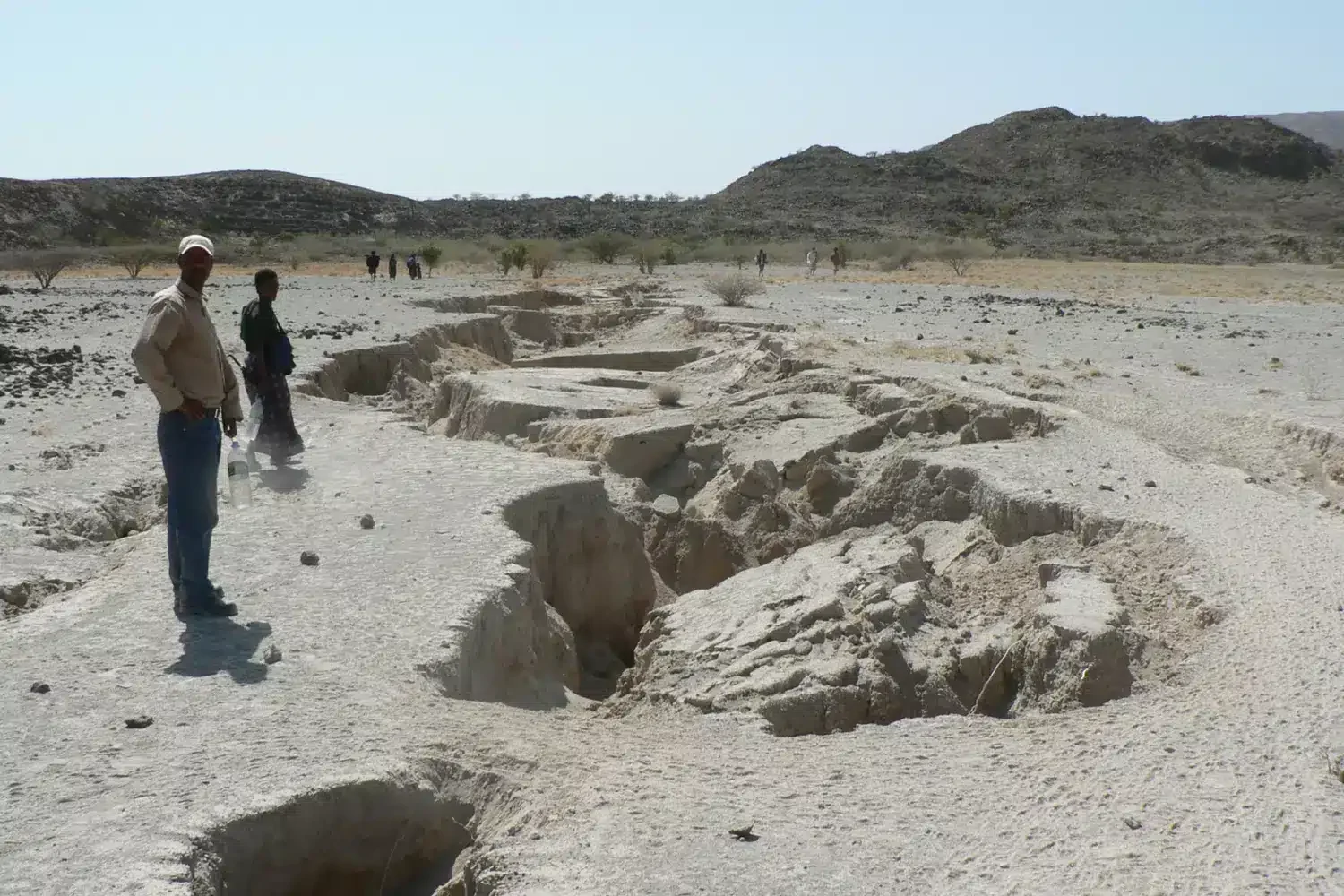
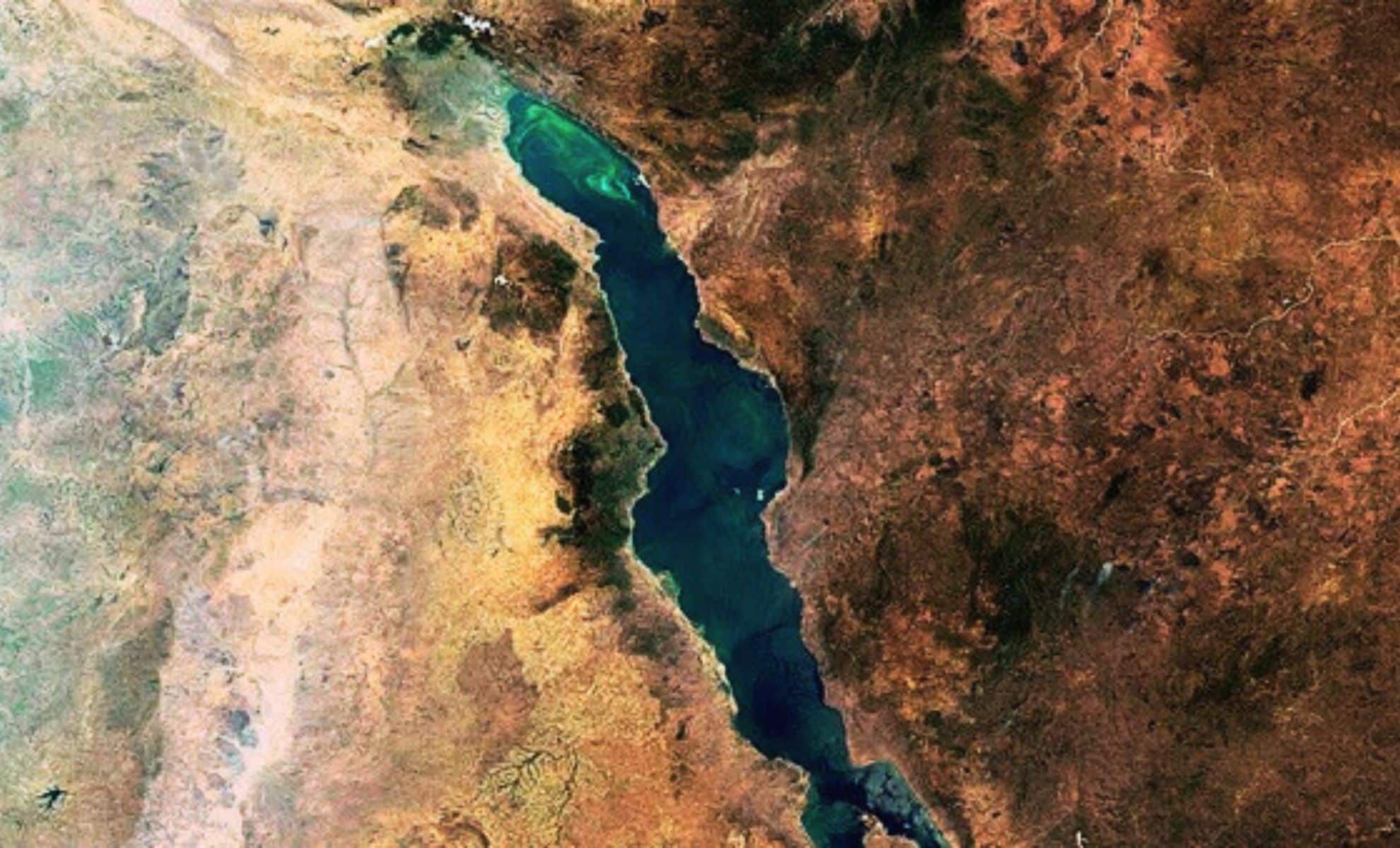
The African continent is undergoing a significant geological transformation as tectonic forces are splitting the landmass along the Great Rift Valley, potentially leading to the formation of a new ocean, with ongoing seismic activity and plate movements providing valuable insights into Earth's geological processes.
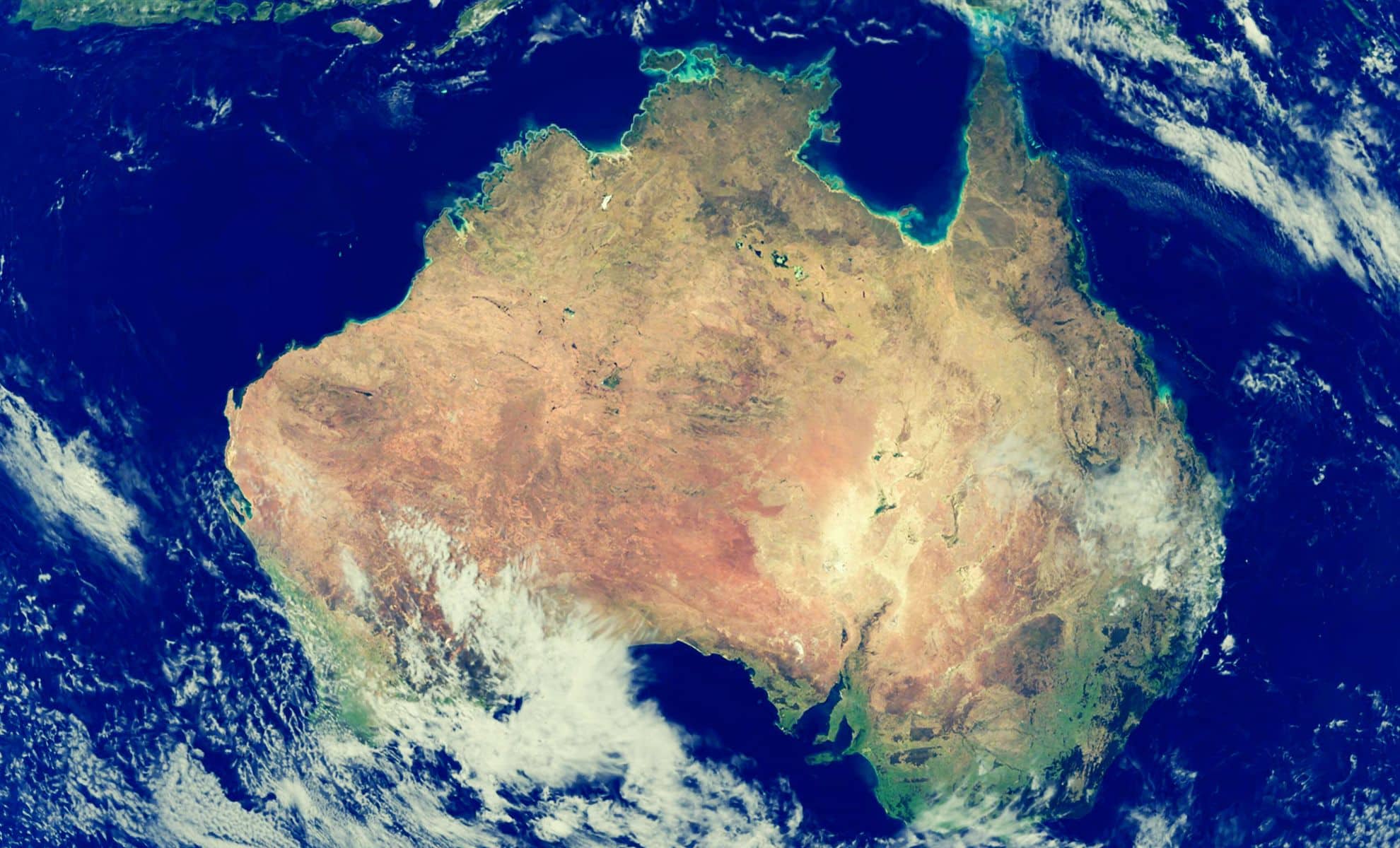
Australia is drifting northward towards Asia at about 7 cm per year, a process that is accelerating and will likely lead to a collision forming a new supercontinent called Amasia, with significant geological, ecological, and technological consequences, including seismic activity, habitat loss for unique Australian species, and disruptions to GPS systems and climate patterns.
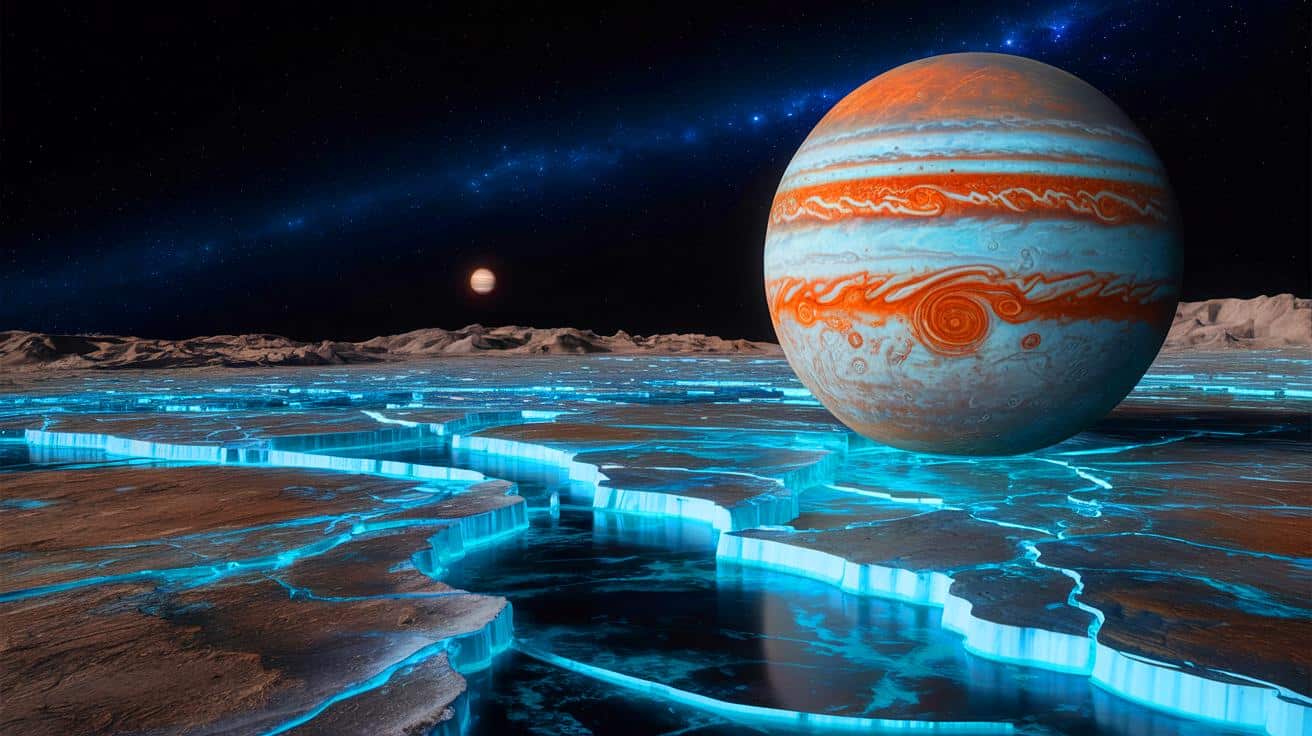
Recent discoveries from the James Webb Space Telescope reveal that Europa's icy surface is dynamic and geologically active, with chaos terrains indicating ongoing processes and a hidden ocean beneath the ice that may support life, prompting further exploration by NASA's Europa Clipper mission.
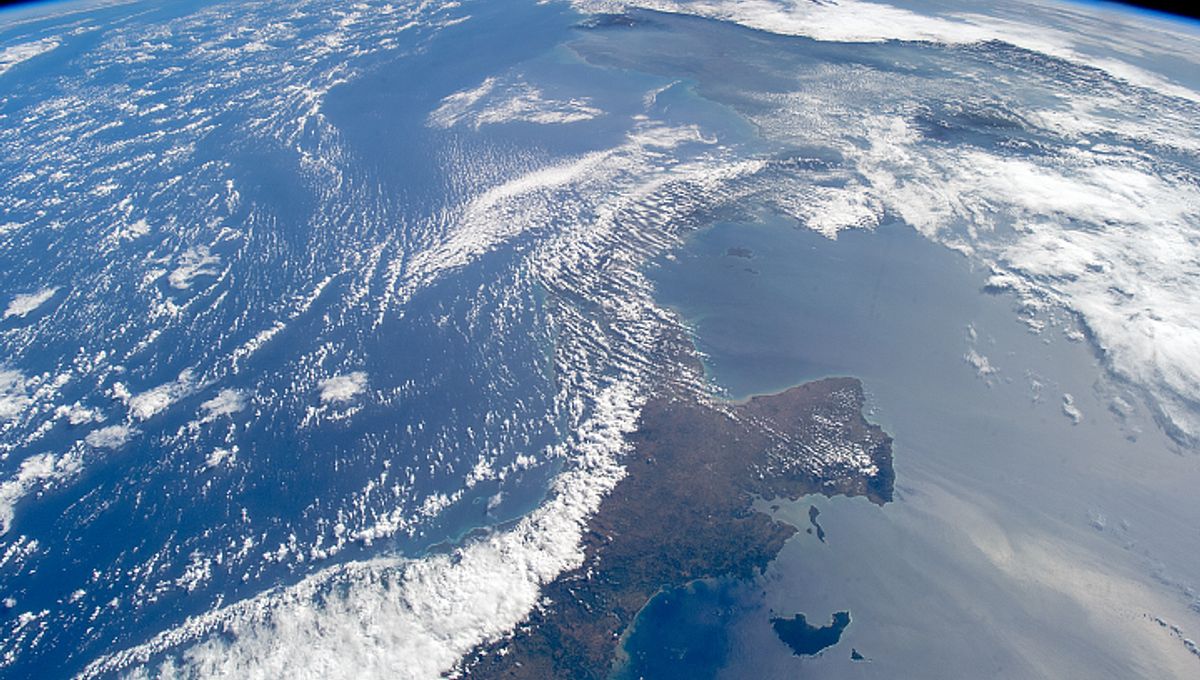
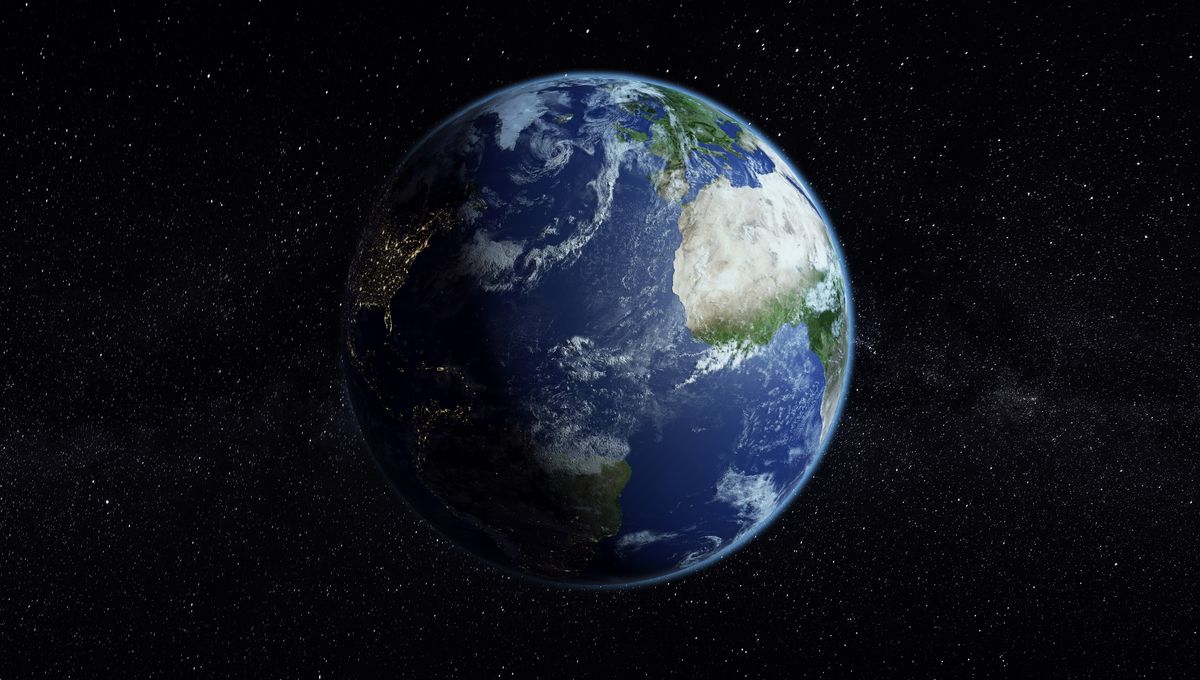
East Africa is experiencing accelerated tectonic rifting, with the potential to create a new ocean basin as the continent gradually splits apart, a process that is happening faster than previously predicted due to geological activity and plate movements.
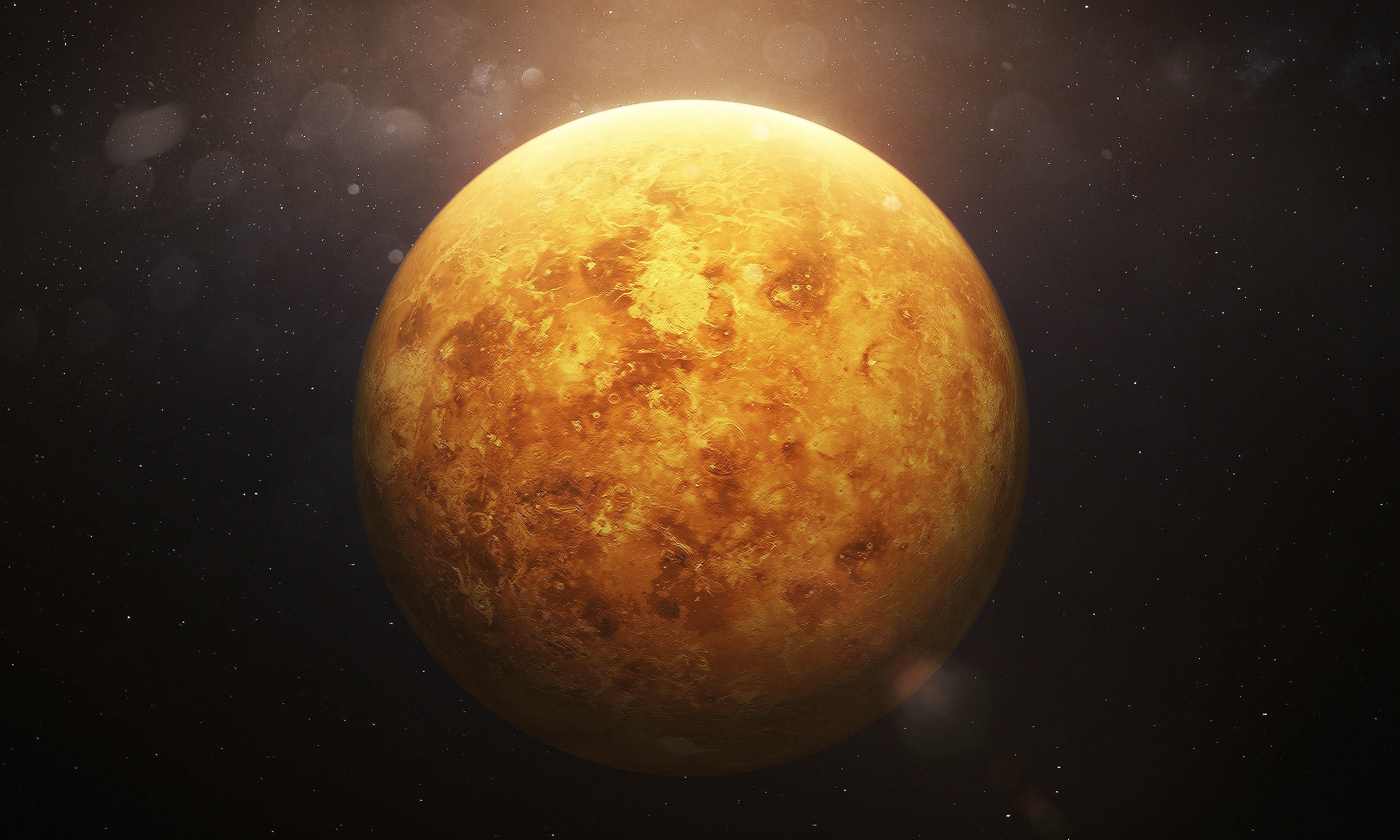
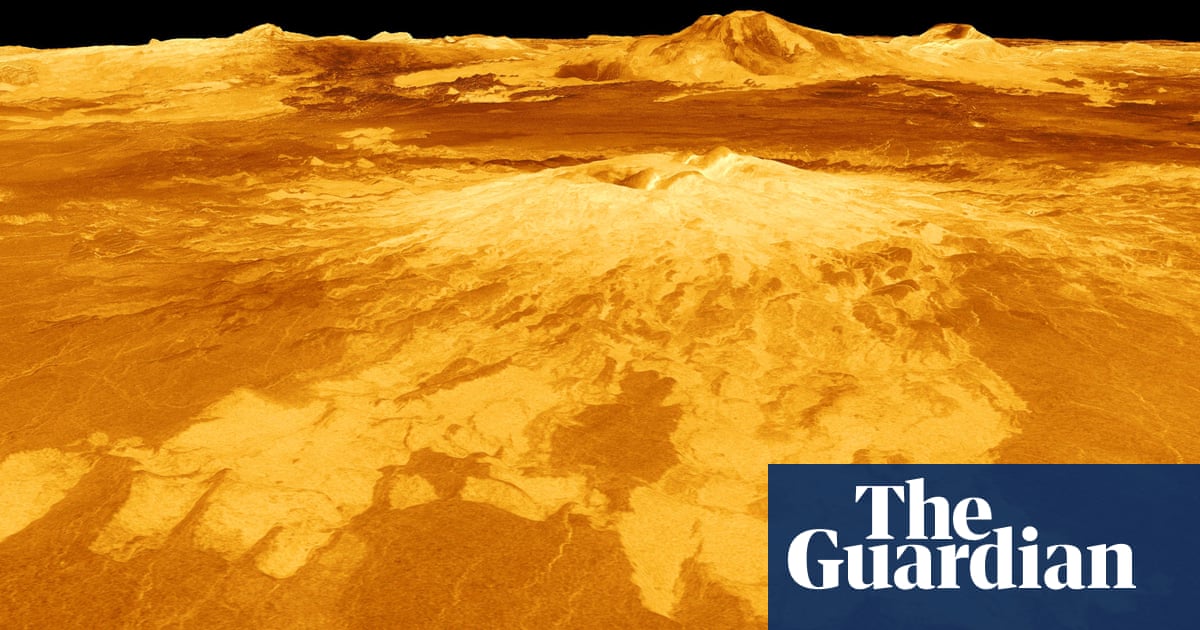
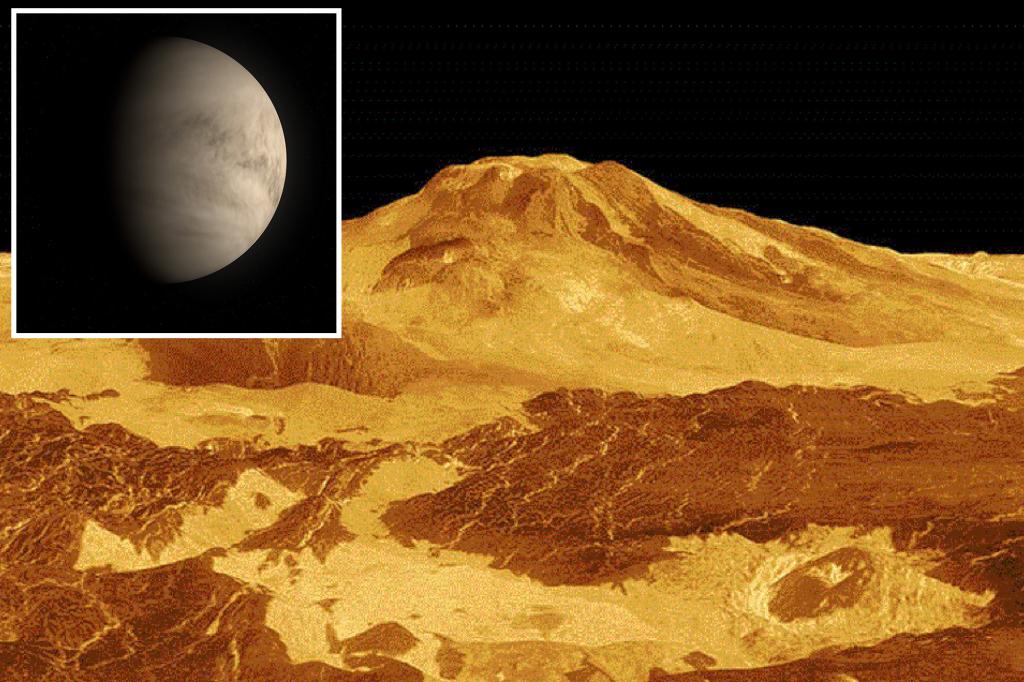
NASA's recent analysis of radar and gravity data from the Magellan orbiter reveals that Venus, often considered geologically dead, is still active with ongoing tectonic and volcanic processes, challenging previous assumptions about the planet's inactivity and offering insights into planetary evolution.
A 1-minute video illustrates the movement of Earth's tectonic plates over the past 1.8 billion years, highlighting the formation and breakup of supercontinents, the dynamic nature of Earth's crust, and potential future tectonic shifts such as the formation of new supercontinents and the splitting of Africa.
Recent observations of Europa reveal alternating crystalline and amorphous ice forms, chemical signatures indicating material exchange with a subsurface ocean, and external influences from Jupiter's magnetic and gravitational forces, suggesting a dynamic, potentially habitable environment beneath its icy surface.
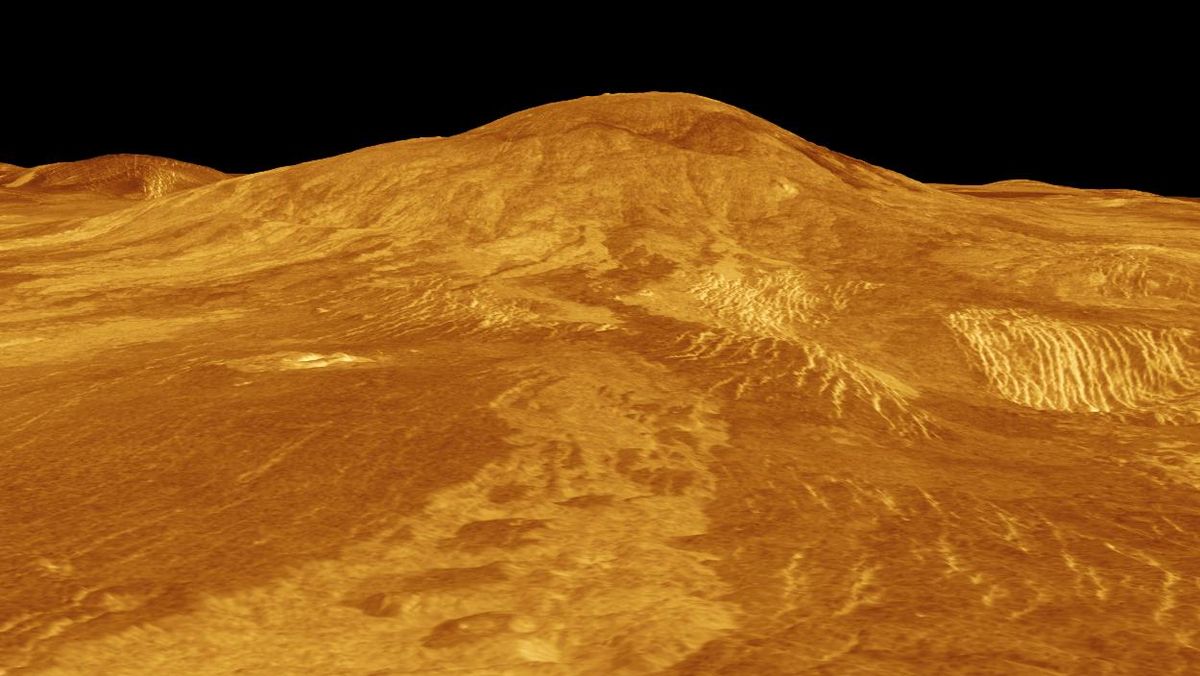
Recent analysis of decades-old data from NASA's Magellan spacecraft reveals evidence of volcanic eruptions on Venus in the early 1990s, suggesting the planet is geologically active. Lava flows from Sif Mons and Niobe Planitia were identified, indicating Venus may have ongoing volcanic activity similar to Earth. This discovery, along with previous findings, heightens interest in future Venus missions to understand its geological evolution.
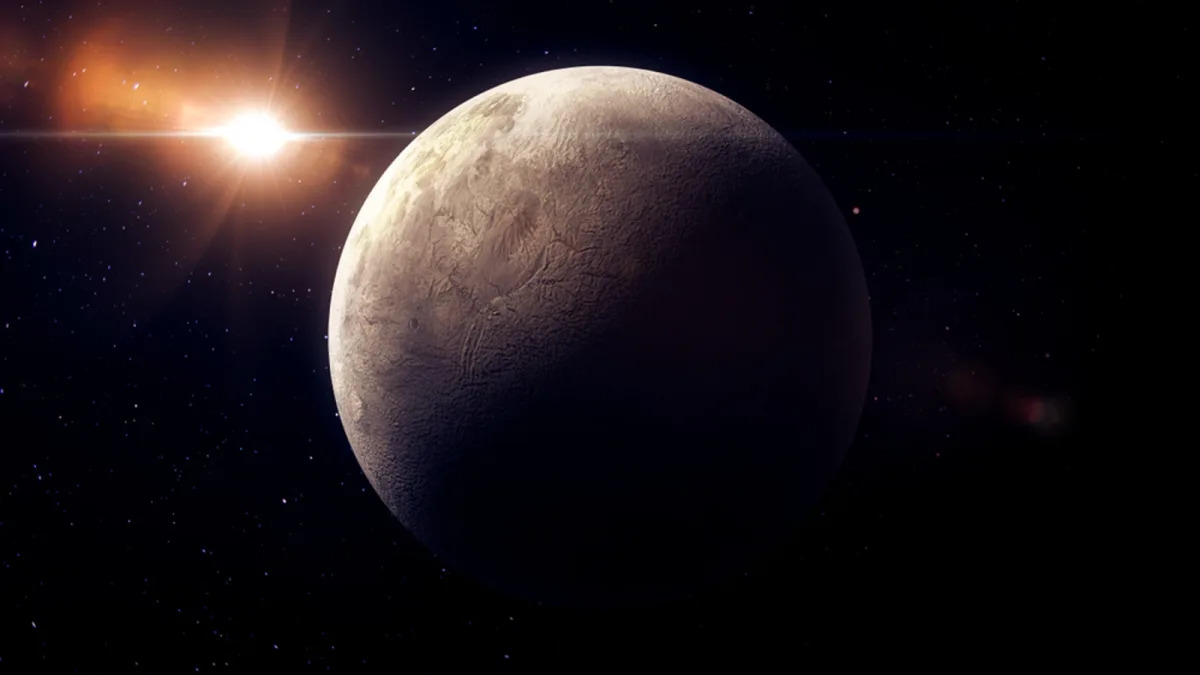
The James Webb Space Telescope has detected potential geological activity on the dwarf planets Eris and Makemake, suggesting they could support alien life. The presence of thermogenic methane in their atmospheres indicates ongoing or recent geological processes, challenging previous assumptions about the activity of small celestial bodies. These findings raise the possibility of life on these planets and highlight the need for further exploration to assess their geological potential.
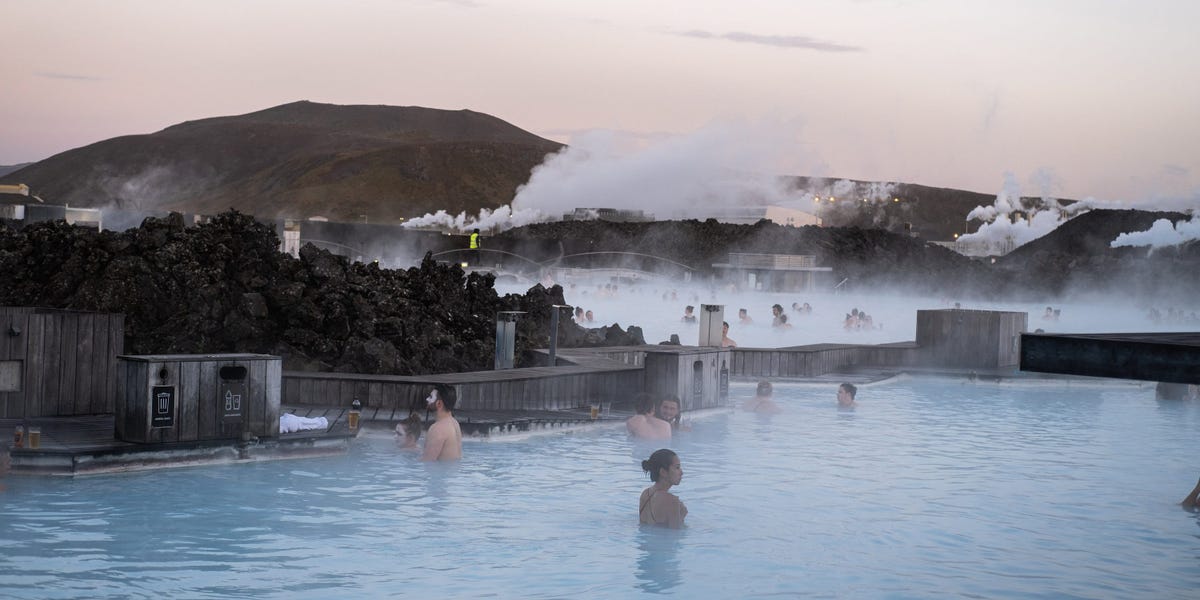
Iceland has declared a state of emergency and ordered the evacuation of the coastal town of Grindavík due to a high risk of a volcanic eruption. The Icelandic Met Office has detected over 800 earthquakes in the region where magma is accumulating, indicating a considerable likelihood of an eruption. The Reykjanes Peninsula, where Grindavík is located, has experienced frequent volcanic activity since 2021, suggesting a new era of geological activity. The evacuation is primarily precautionary, and authorities have assured that there is no immediate danger similar to the 2010 Eyjafjallajökull eruption that disrupted air travel in northern Europe.
Researchers from New York University and the Carnegie Institution for Science have discovered that Earth has a cyclical pattern of major geological events occurring roughly every 27.5 million years. By analyzing the ages of 89 major geological events over the past 260 million years, they found that these events were clustered at 10 different time points. The next step is to determine the cause of this cycle, with potential links to global tectonics, climate change, and astronomical cycles. The last cluster of events occurred around 7 million years ago, so there is still plenty of time before the Earth's next major geological activity.
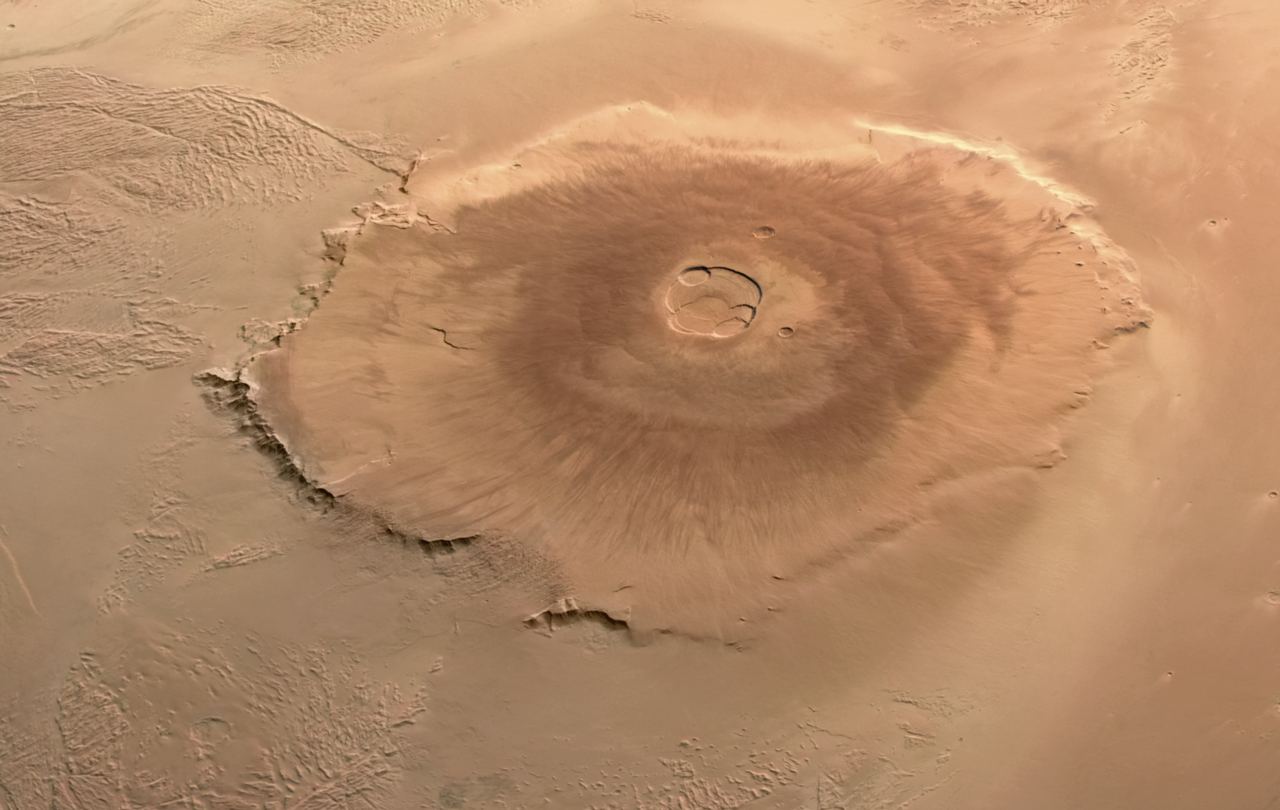
Olympus Mons, the tallest volcano in the Solar System located on Mars, could have been a massive volcanic island in an ancient Martian ocean, according to a recent study. Researchers analyzed features on the slopes of Olympus Mons and the elevated shorelines of the Tharsis Montes volcanic region, finding morphological similarities with volcanic islands on Earth. The study suggests that Olympus Mons and the surrounding region were formed during Mars' Hesperian Period, when the planet had a denser atmosphere, flowing water, and a warmer environment. Understanding the duration of Mars' water environment is crucial for astrobiology studies and determining the potential for the emergence of life on the planet.
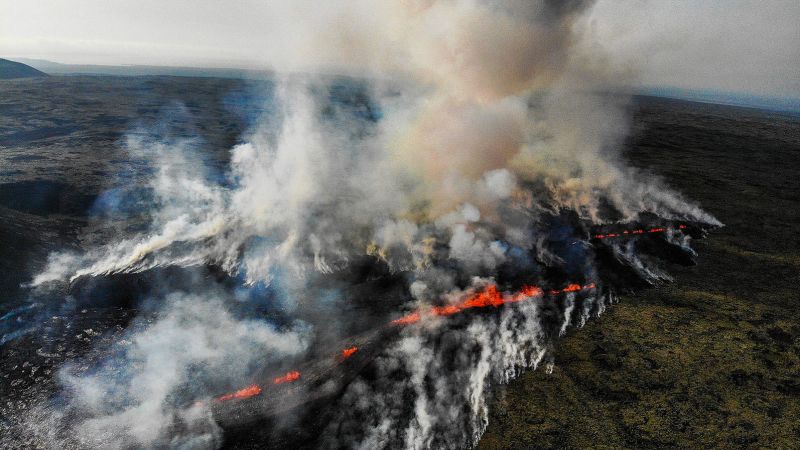
A volcanic eruption has occurred in Iceland's Reykjanes Peninsula following weeks of minor earthquakes. The eruption, characterized as "minor" by the Icelandic Meteorological Office, has resulted in the emergence of lava fountains from a 200-meter fissure on the slopes of the Litli Hrútur mountain. While no ash has been emitted and no disruptions have been reported at Keflavik Airport, the office has warned of dangerously high levels of volcanic gases and advised people to stay away from the area. The wind may carry these gases north, potentially affecting the Icelandic capital. Trails to the volcano have been closed due to life-threatening gas pollution, and authorities are working to restore access once the pollution subsides.
A new map created from radar imagery collected during Nasa’s Magellan mission in the 1990s has catalogued more than 85,000 volcanoes on Venus, 99% of which are less than 5km in diameter. The data, which is publicly available, will help scientists better understand the inner workings of the planet and where to search for evidence of recent geological activity. The researchers hope to learn more about magma availability and eruption rates on Venus, as volcanoes in the 20km- to 100km-diameter range are relatively scarce.
New evidence suggests that there is geological activity happening on Venus, as old images captured by NASA's Magellan spacecraft reveal proof of recent volcanic activity. The images show that over eight months, a volcanic vent increased in size and changed shape, confirming modern geological activity on Venus. This is particularly interesting as Venus is Earth's closest planetary neighbor and has long been assumed to be a dying planet.