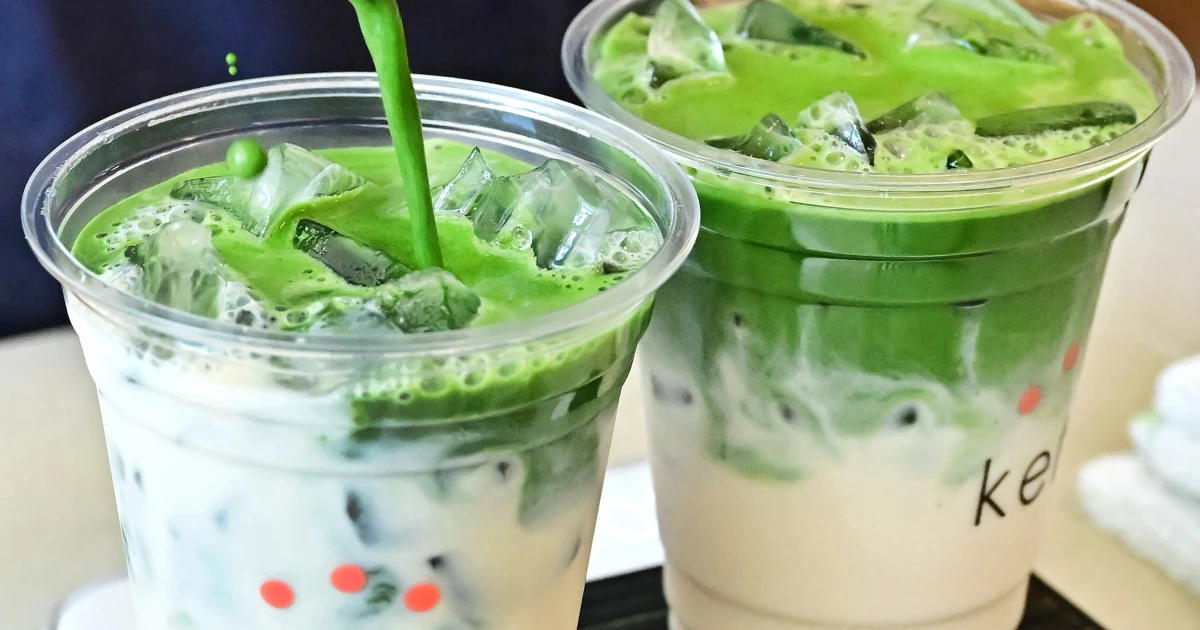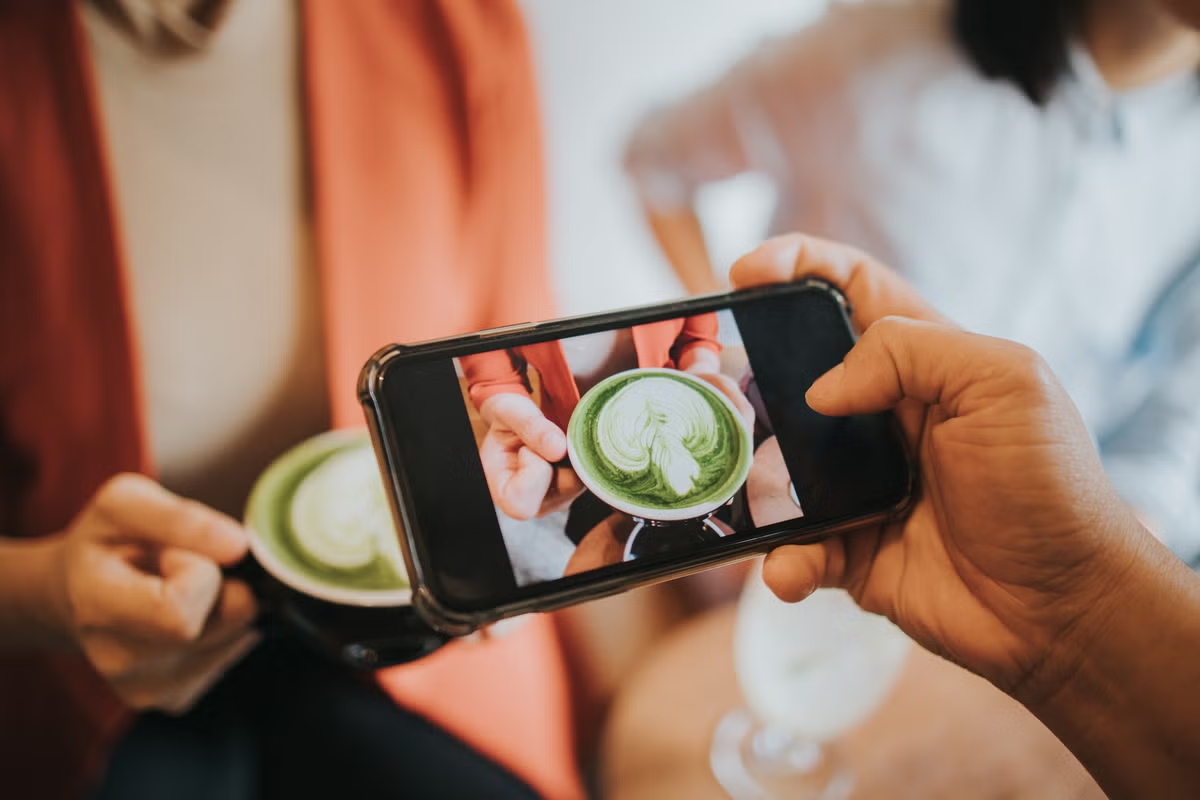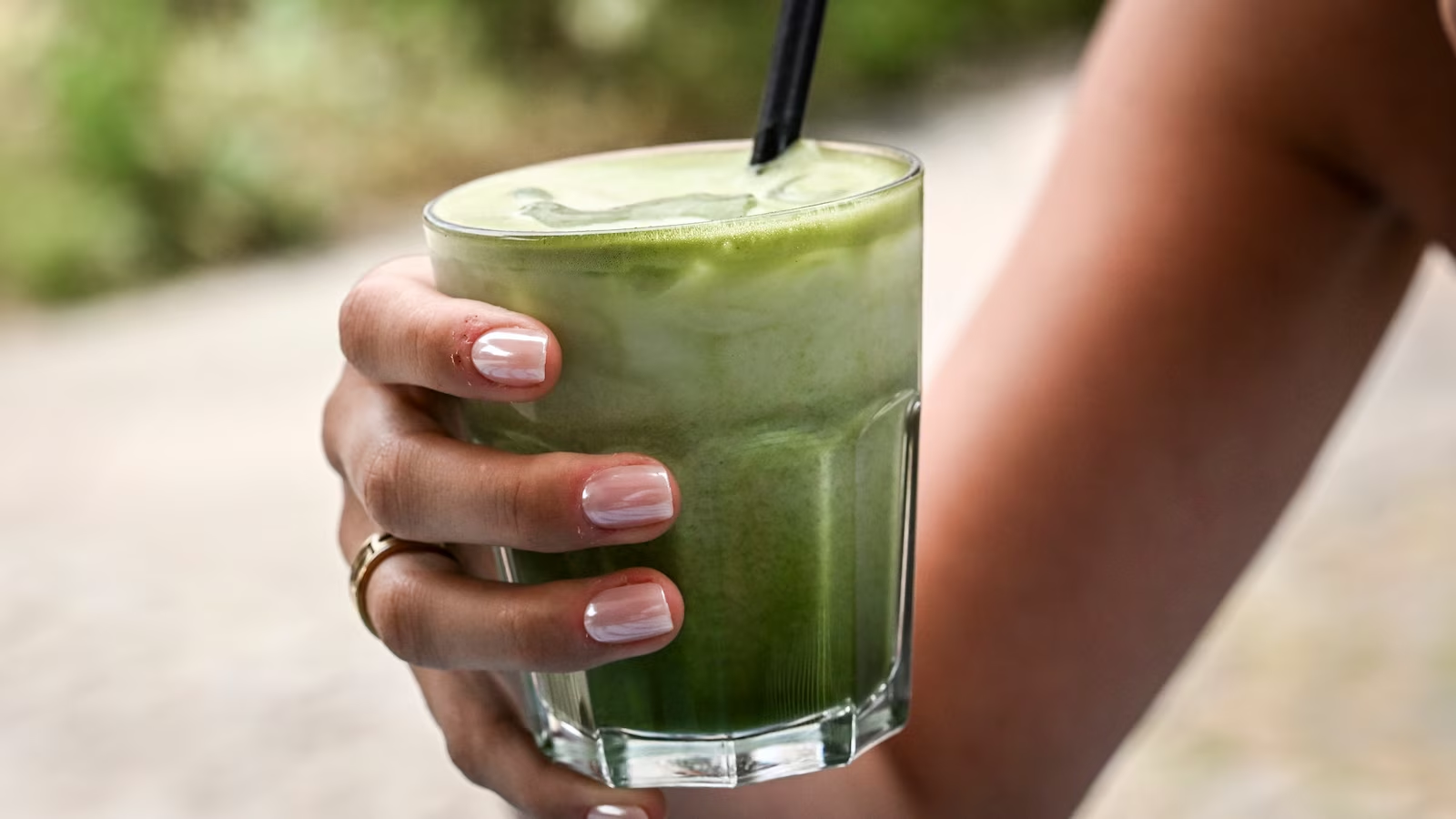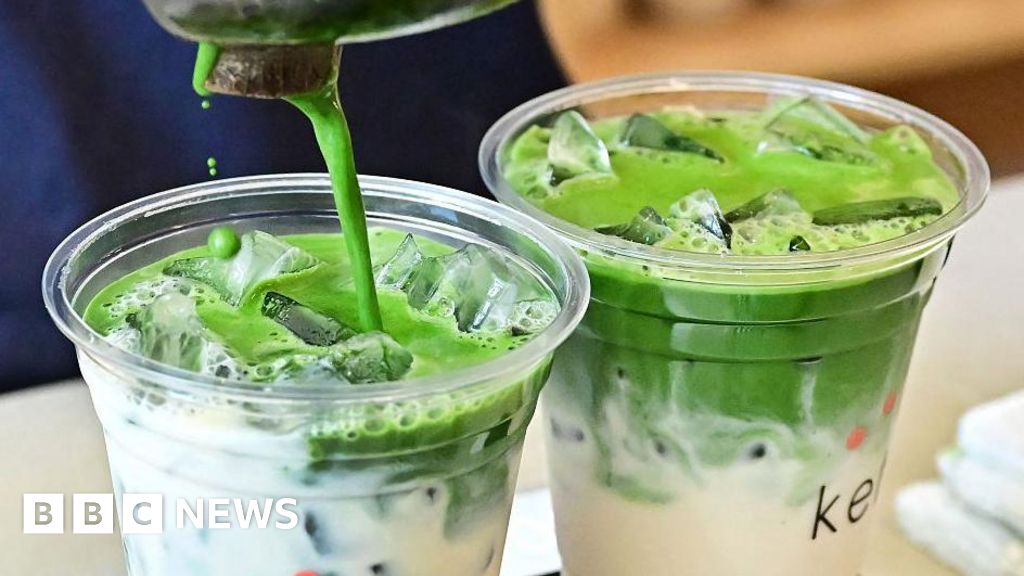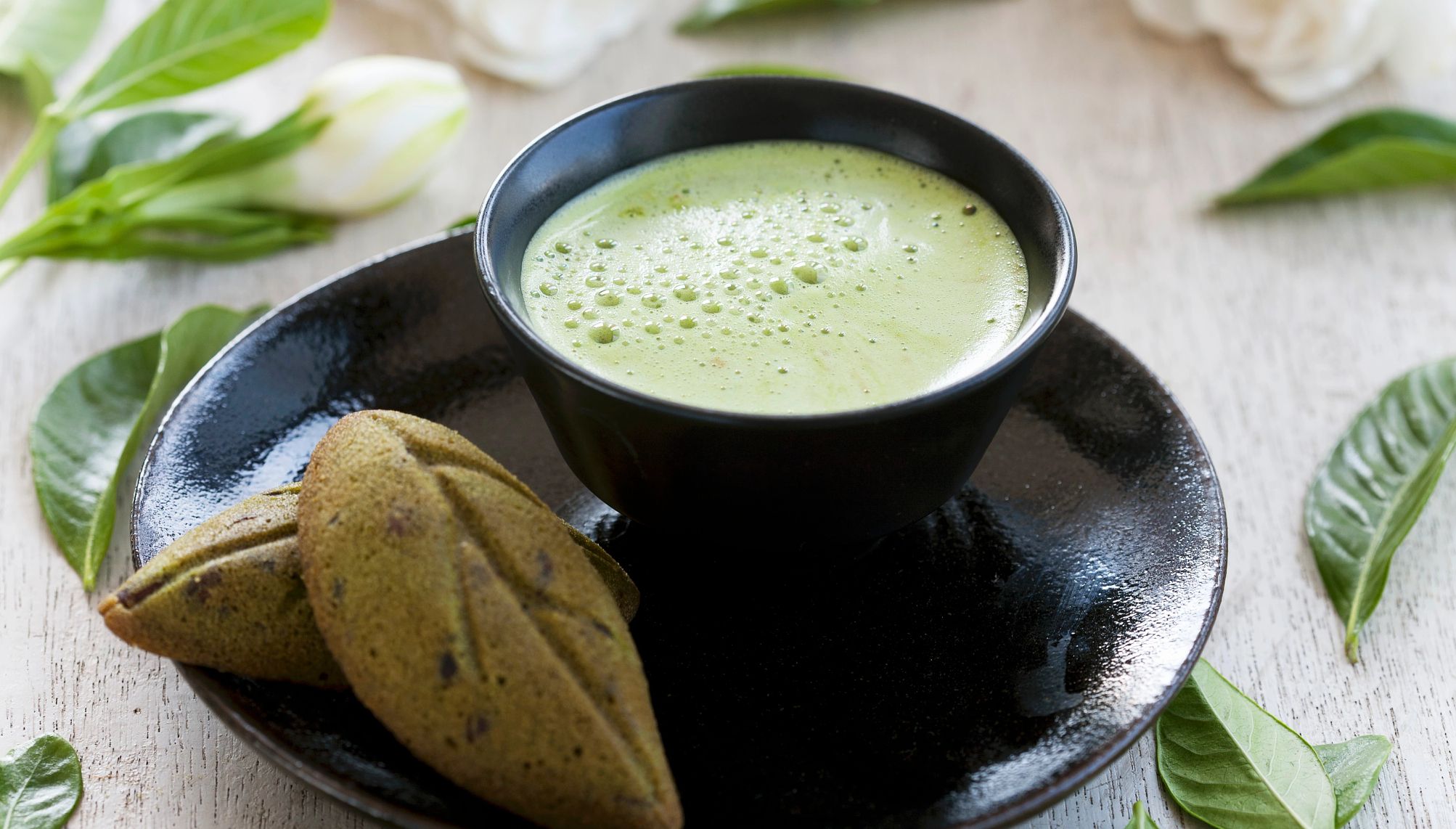
Unilever has updated its laundry detergents to better remove modern stains like matcha, Aperol, and bubble tea, which are increasingly common among Gen Z due to changing lifestyles and food trends. The company’s new stain index highlights these emerging stains, prompting reformulation of products like Persil and Surf to address these colorful and stubborn marks, reflecting evolving consumer habits and social media influences.
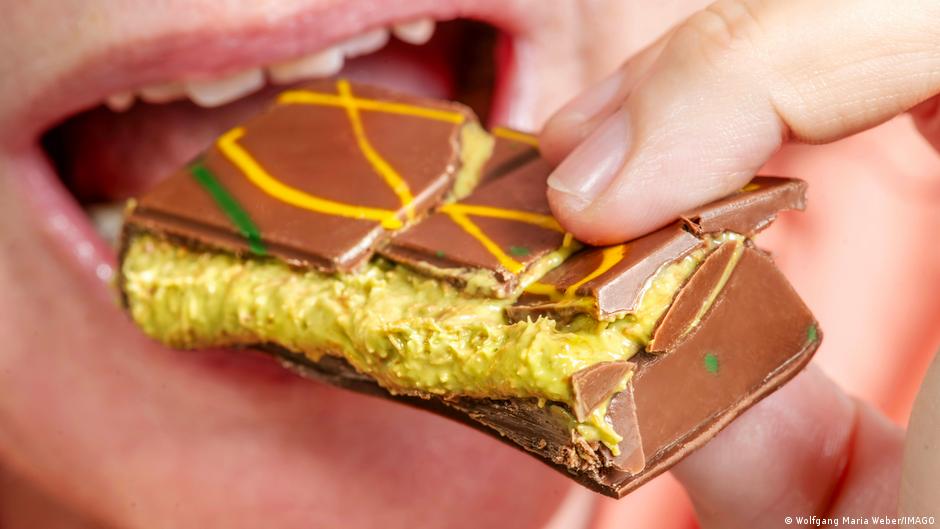
The article discusses the negative environmental and social impacts of popular food trends like Dubai chocolate, matcha, and quinoa, highlighting issues such as water overuse, climate change effects, and market-driven land degradation, and emphasizes the need for sustainable practices in food production.
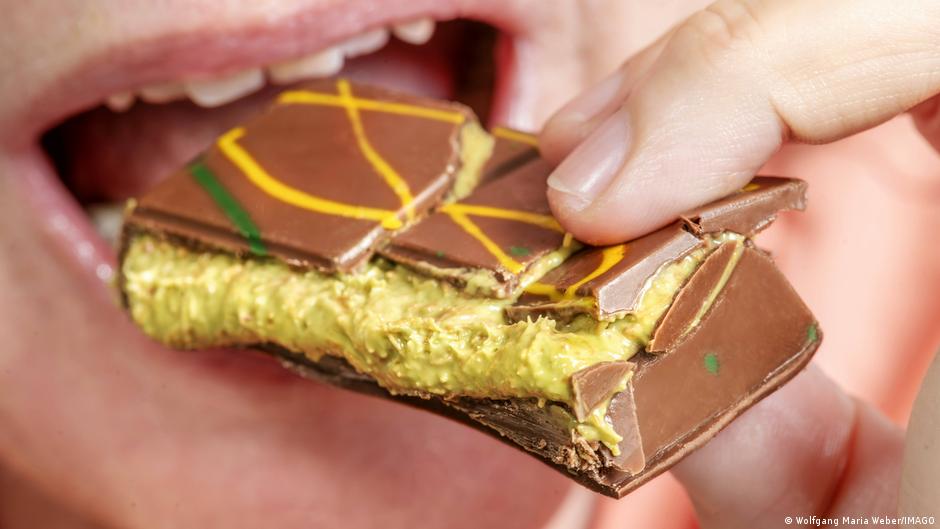
The article discusses the negative environmental and social impacts of popular food trends like Dubai chocolate, pistachios, matcha, and quinoa, highlighting issues such as water overuse, climate change effects, and monoculture farming, and emphasizes the need for more sustainable practices in food production.
A week-long experiment of replacing coffee with matcha revealed that it provides a smoother, sustained energy boost, promotes mindfulness, and offers health benefits like antioxidants and potential stress reduction, though the earthy flavor may not appeal to everyone. Despite not becoming a daily fan, the author gained a new appreciation for matcha's cultural significance and health perks, recommending it as a healthy alternative for those who enjoy its taste or seek a calmer caffeine source.
Global demand for matcha is causing prices to soar due to poor harvests in Japan, rising demand in China, tariffs, and labor shortages, making high-quality matcha more expensive and challenging for consumers and suppliers alike.
The global surge in matcha's popularity has caused a significant shortage, driven by high demand and limited production in Japan, leading to rising prices and supply constraints for retailers and consumers worldwide.
While matcha offers health benefits like antioxidants and improved focus, excessive consumption may hinder iron absorption, especially in vegetarians relying on plant-based iron sources, potentially leading to iron deficiency. To enjoy its benefits without risks, it's advised to avoid drinking matcha with meals and to consume it plain.
The article discusses how US tariffs and high demand are causing a shortage of Japanese matcha, a traditional green tea powder, impacting farmers and the industry amid a growing global and US market driven by health trends and modern consumption methods.
The global demand for matcha, a traditional Japanese green tea, is soaring due to social media influence and Japan's tourism boom, leading to shortages and rising prices. Climate change, an aging farming population, and tariffs are further constraining supply, prompting calls for mindful consumption and trade adjustments. Despite current shortages, industry experts anticipate a stabilization in prices within a few years.
Neuroscientist Robert Love recommends matcha tea as the best morning drink for brain health, claiming it is "10 times more beneficial" than green tea in reducing dementia symptoms. Matcha, a finely ground green tea, is rich in caffeine, polyphenols, and L-theanine, which can enhance gut health, reduce stress, and improve relaxation. Studies suggest matcha may improve cognitive functions and sleep quality in elderly adults with cognitive decline. Love suggests blending matcha with MCT oil and monk fruit sugar for optimal benefits.
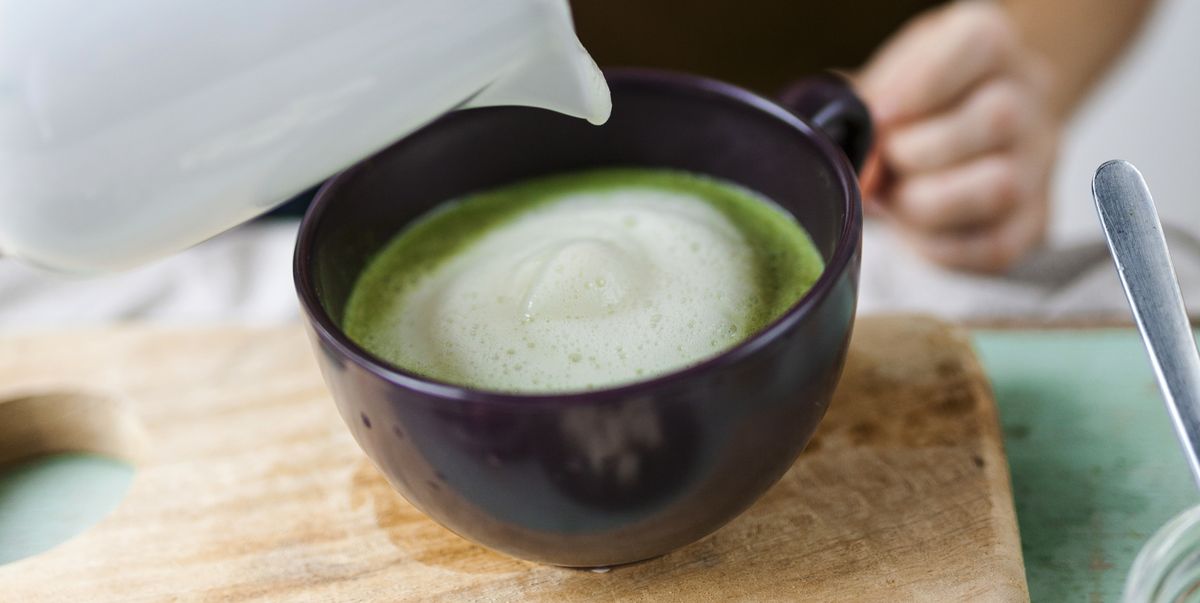
Matcha, a powdered form of green tea, is gaining popularity due to its vibrant appearance and potential health benefits. It contains phytonutrients like chlorophyll, theanine, caffeine, and catechins, which may offer antioxidant, anti-inflammatory, and cognitive benefits. However, evidence on matcha's health effects is limited, with some studies suggesting it may reduce stress and improve cognitive function. While matcha might have more nutritional benefits than green tea due to its production process, more research is needed to confirm these effects.
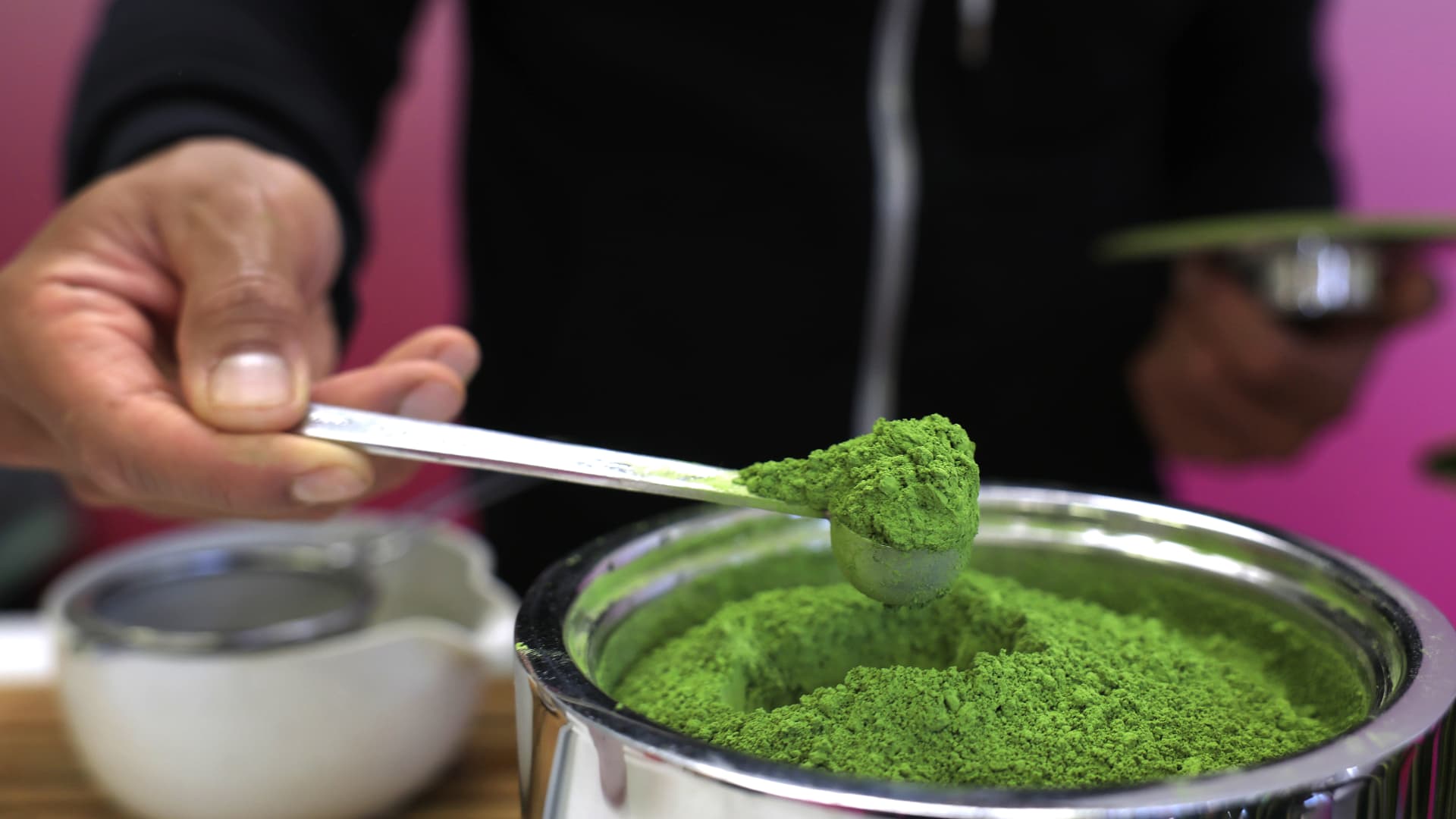
Matcha, a highly concentrated, powdered form of green tea, is gaining popularity for its potential health benefits, including improved memory, heart health, gut health, stress reduction, and immune system support. Its high concentration of polyphenols, particularly EGCG catechins, contributes to these benefits. While more research is needed to confirm some of its potential advantages, matcha is best consumed in its pure form without added sugars, and individuals should be mindful of its caffeine content. Overall, matcha can be a valuable addition to a healthy diet, offering a range of potential health benefits.