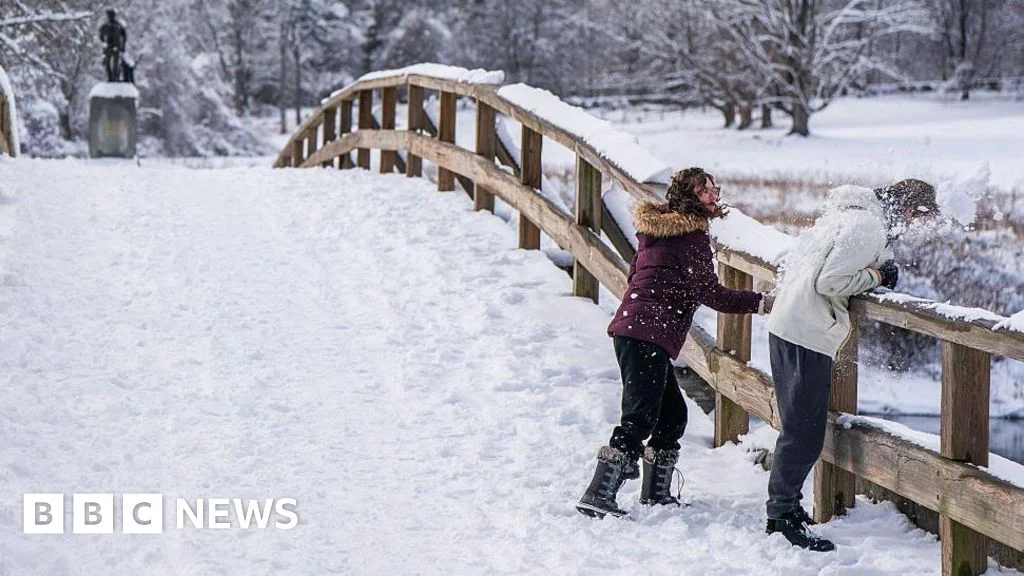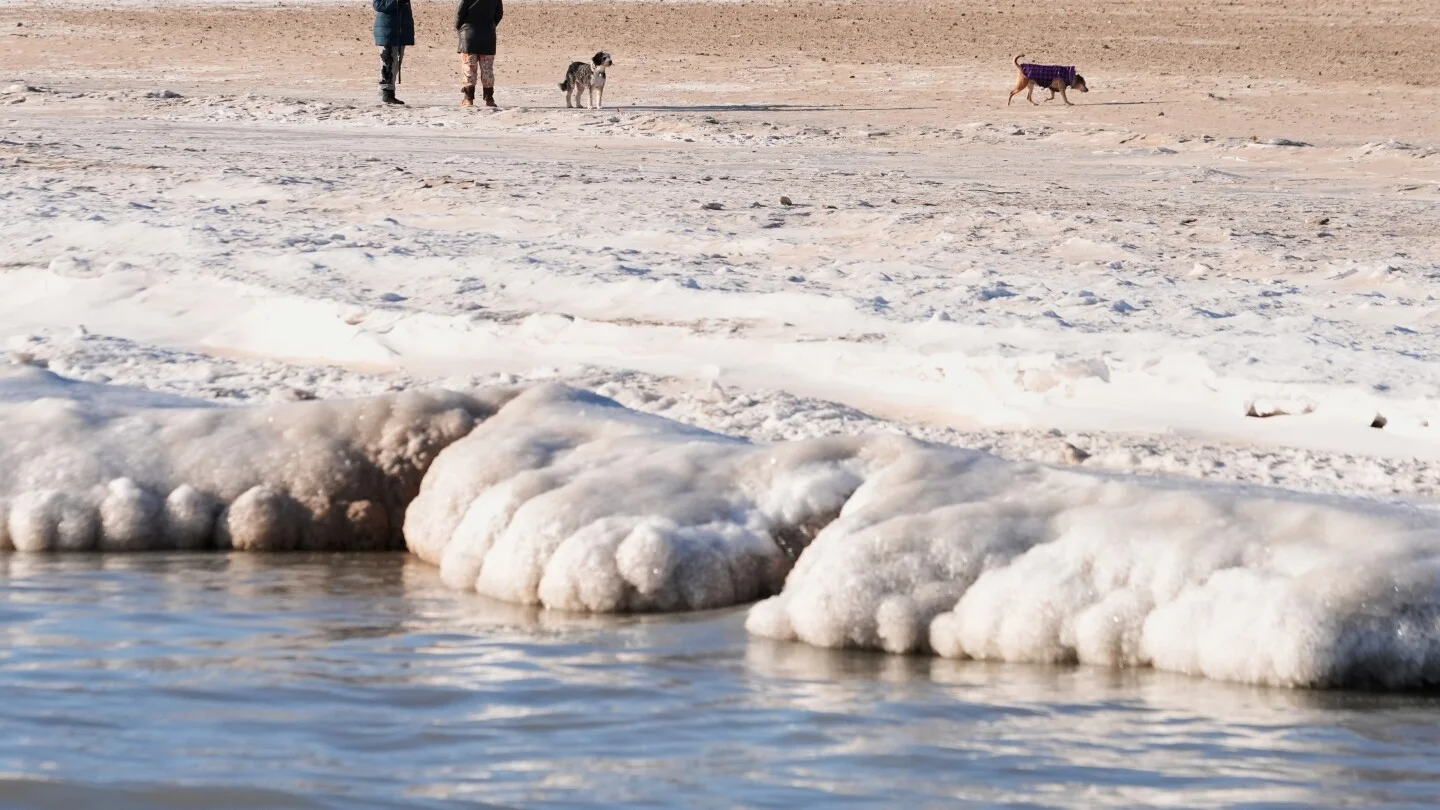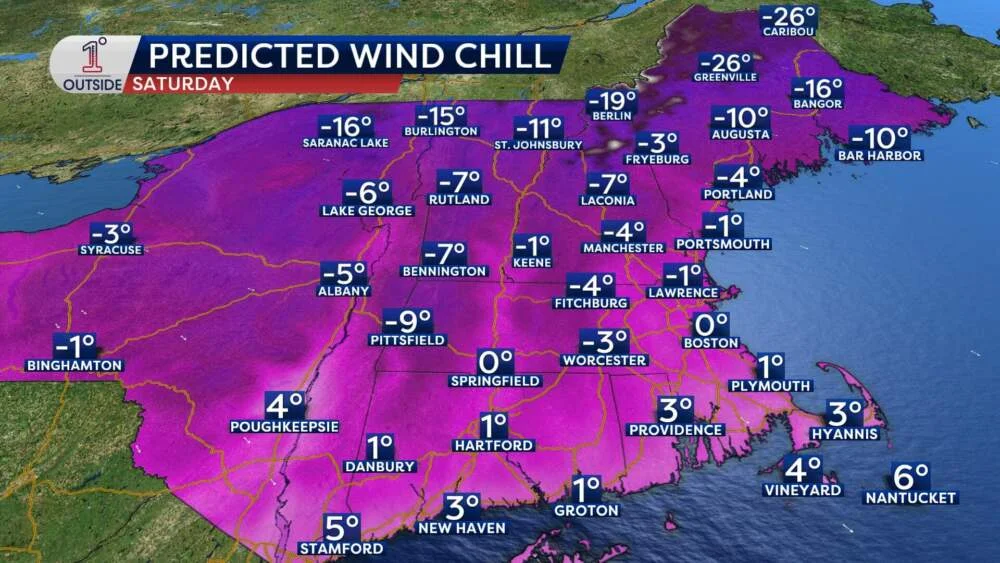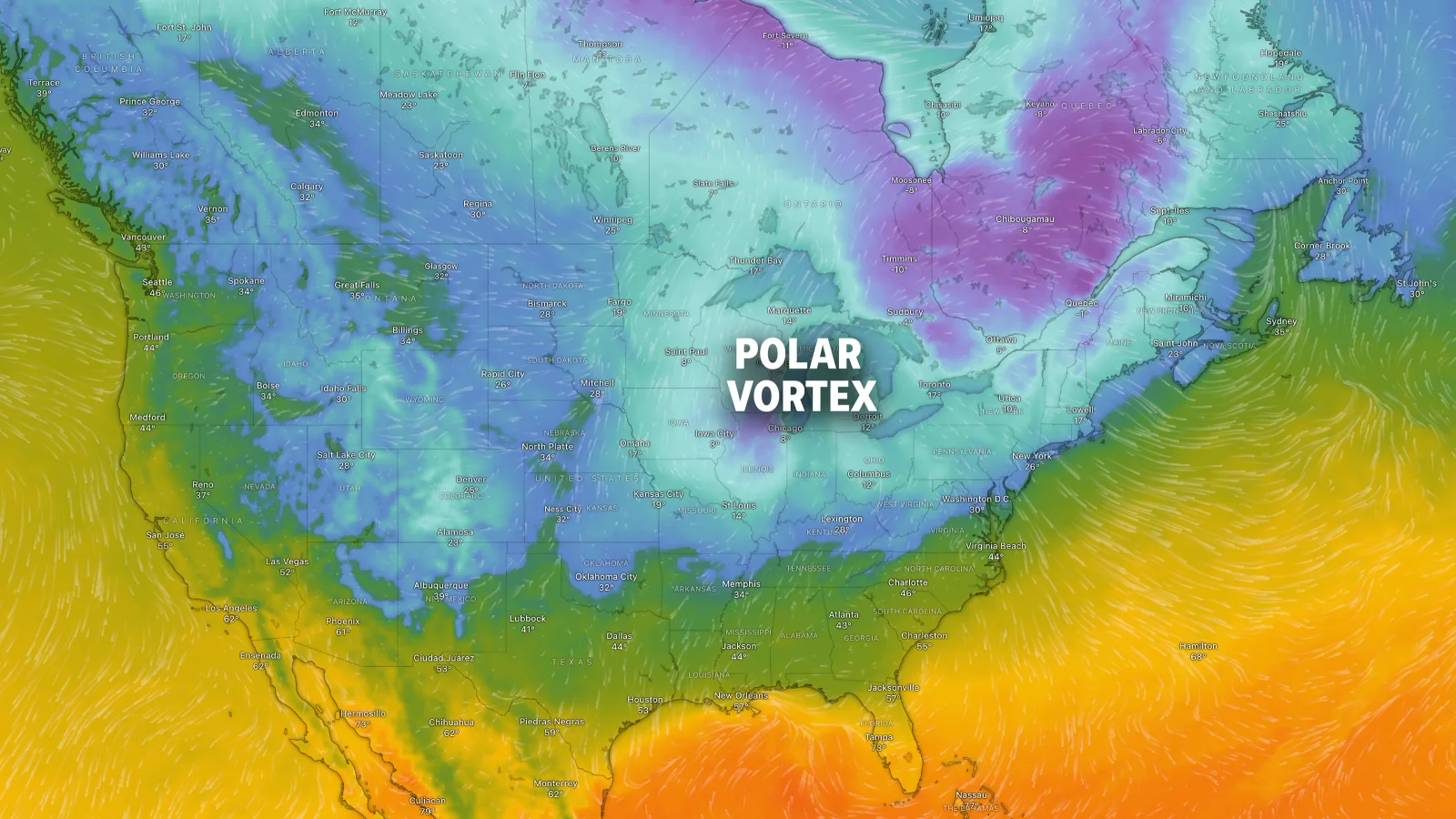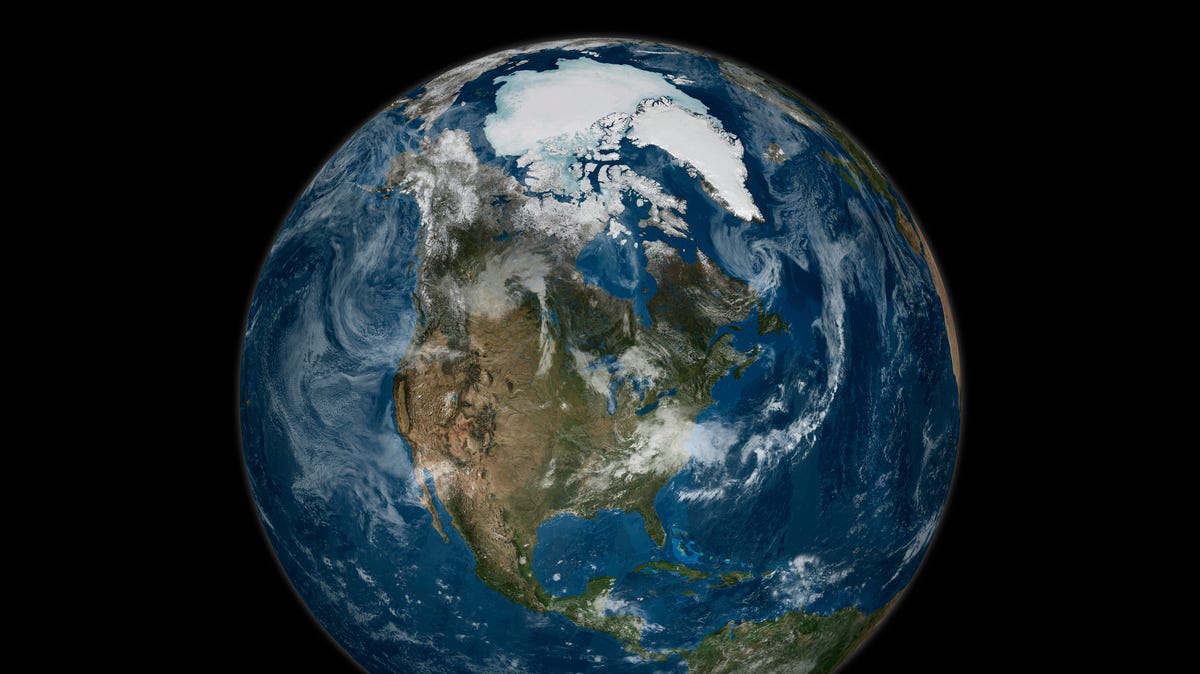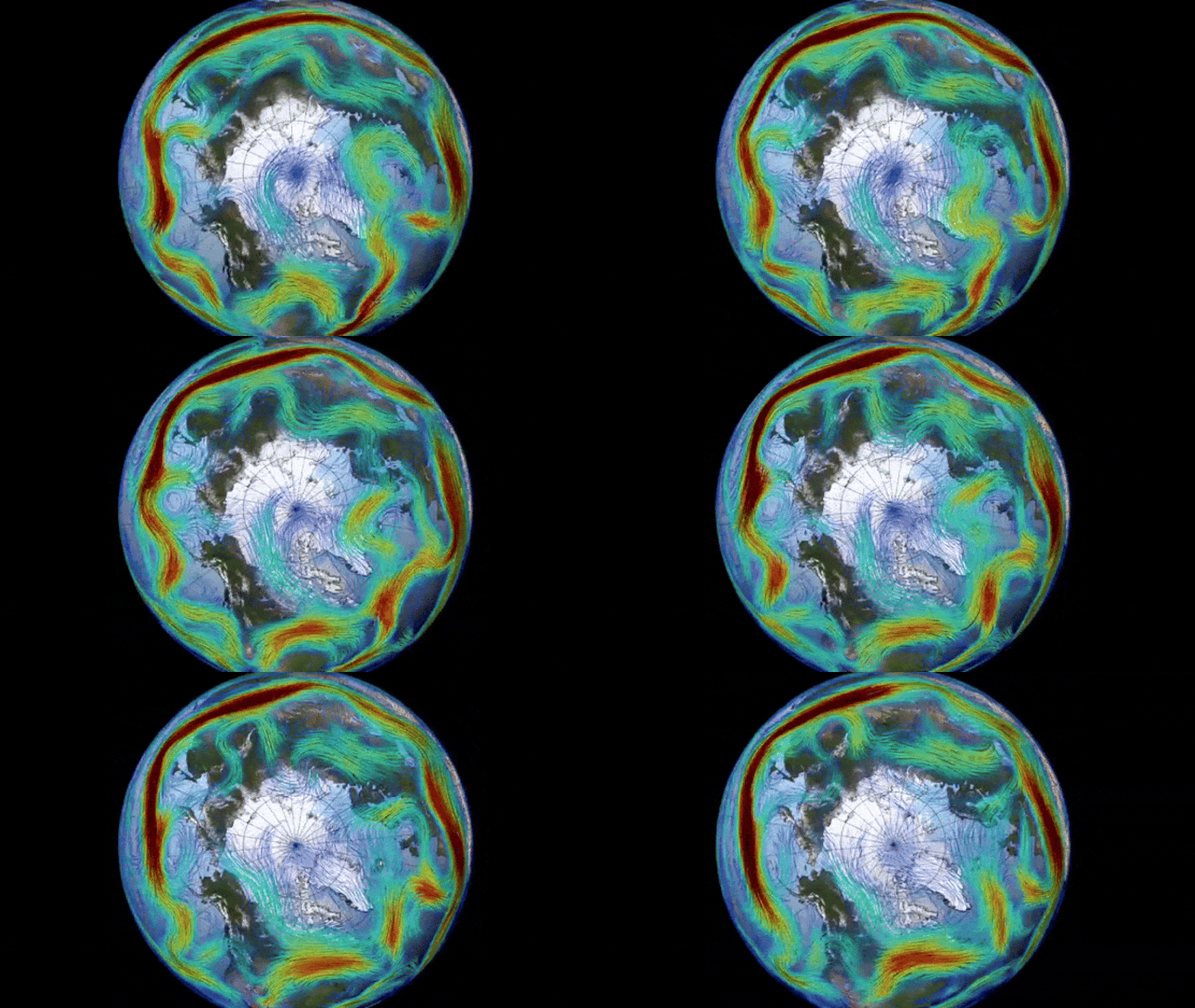
A triple-dip polar vortex is expected to bring frigid Arctic air to much of the central and eastern US over the coming weeks, causing significant cold surges, snow, and increased energy demands, with temperatures potentially dropping below -25°F in some areas.
Scientists have discovered a surge in ozone levels within Mars's north polar vortex, which is much colder than surrounding areas and may provide insights into the planet's past atmospheric conditions and potential habitability. This finding is significant for upcoming missions like ExoMars, aiming to explore signs of ancient life, and highlights the unique atmospheric phenomena on Mars that could reshape our understanding of the planet.
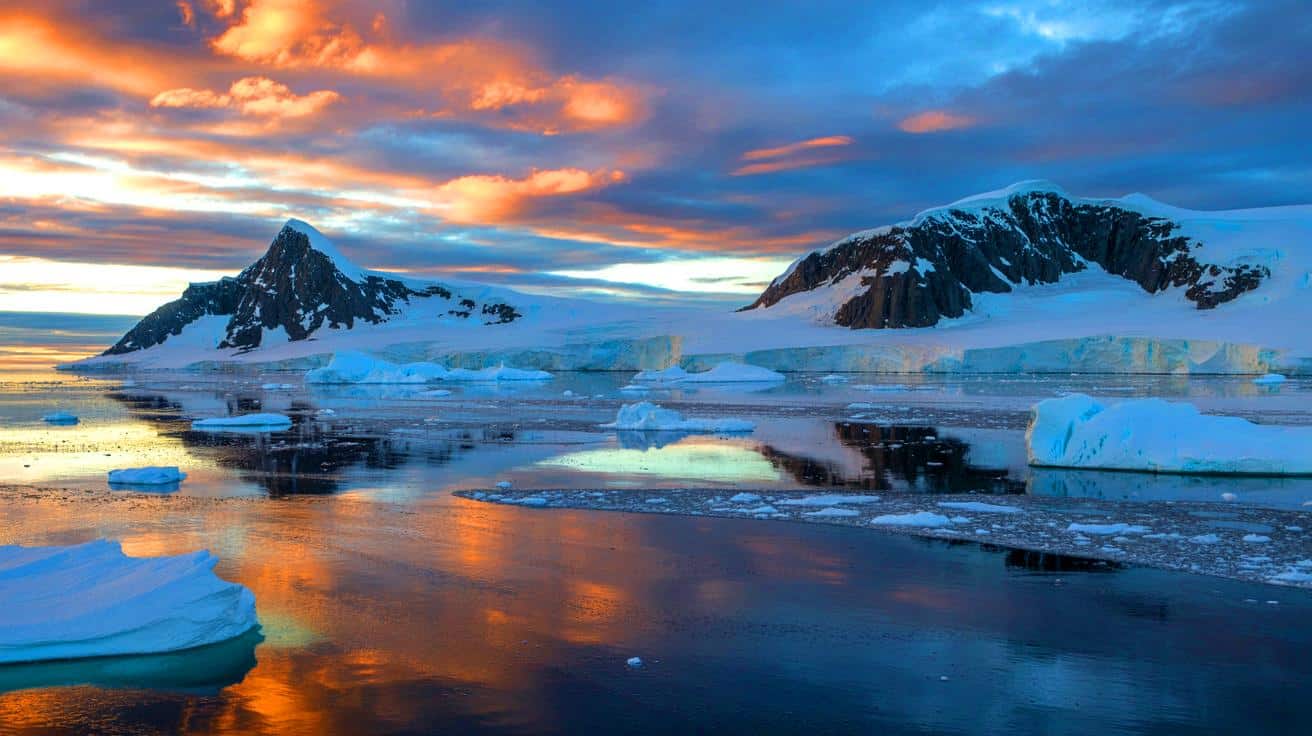
Recent unprecedented temperature surges in Antarctica, linked to collapsing stratospheric currents and a slowing polar vortex, are accelerating ice melt, disrupting ecosystems, and impacting global climate patterns, highlighting urgent need for international action on climate change.
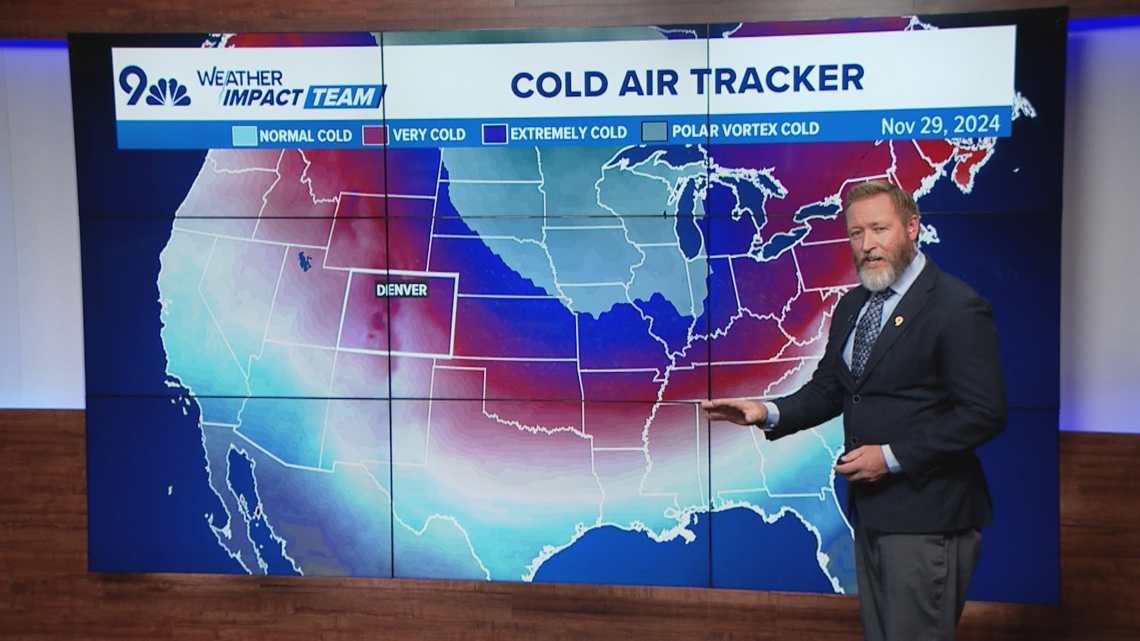
Thanksgiving week will see significant weather changes in the U.S. due to remnants of a bomb cyclone and a polar vortex. The bomb cyclone will bring a cold front to Colorado with light snow, while a second Pacific cyclone could cause a snowstorm in Denver on Wednesday. A polar vortex will bring extreme cold to the eastern states starting Friday, affecting post-Thanksgiving travel, with heavy snow expected from the Great Lakes to New England.
The polar vortex above the Arctic is spinning in the opposite direction following a surprise warming event in Earth's atmosphere, causing a record-breaking "ozone spike" above the North Pole. While such reversals have previously led to extreme cold weather in the U.S., this event is not expected to cause a similar "big freeze." The disruption did not alter the jet stream's shape, so weather patterns are likely to remain largely unaffected. However, the change in air temperature has led to a temporary increase in ozone levels around the Arctic, which is expected to dissipate once the polar vortex returns to normal.
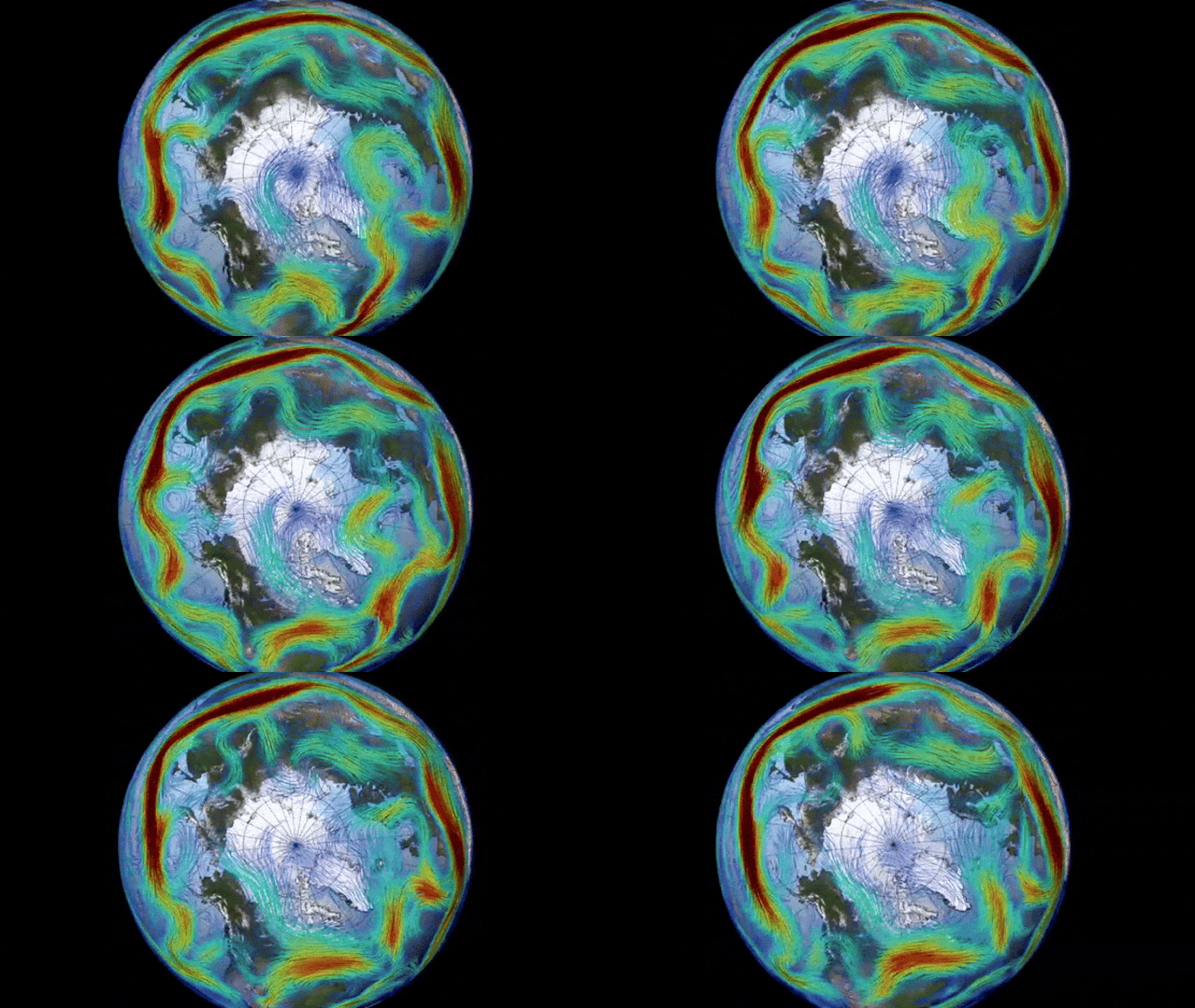
The Arctic's polar vortex has been spinning backwards since March 4, a rare event caused by sudden stratospheric warming and an increase in polar ozone. This reversal, one of the six strongest since 1979, has not led to extreme cold or storms. The polar vortex, a region of circulating winds that confines cold air to the polar regions, can cause major weather events when disrupted. The reversal was caused by sudden atmospheric warming from planetary waves. The winds are expected to slow down by the end of March, leading to a resumption of westerly winds.
The polar vortex above the Arctic is spinning in the opposite direction following a surprise warming event, causing a record-breaking "ozone spike" and disrupting the jet stream. While this reversal is not expected to lead to extreme cold weather in the U.S., it has drawn in large amounts of ozone from lower latitudes, creating a temporary ozone spike. The event, caused by sudden stratospheric warming, is the second of its kind this year and is linked to the current major El Niño phase, potentially making further disruptions more likely over the next year.
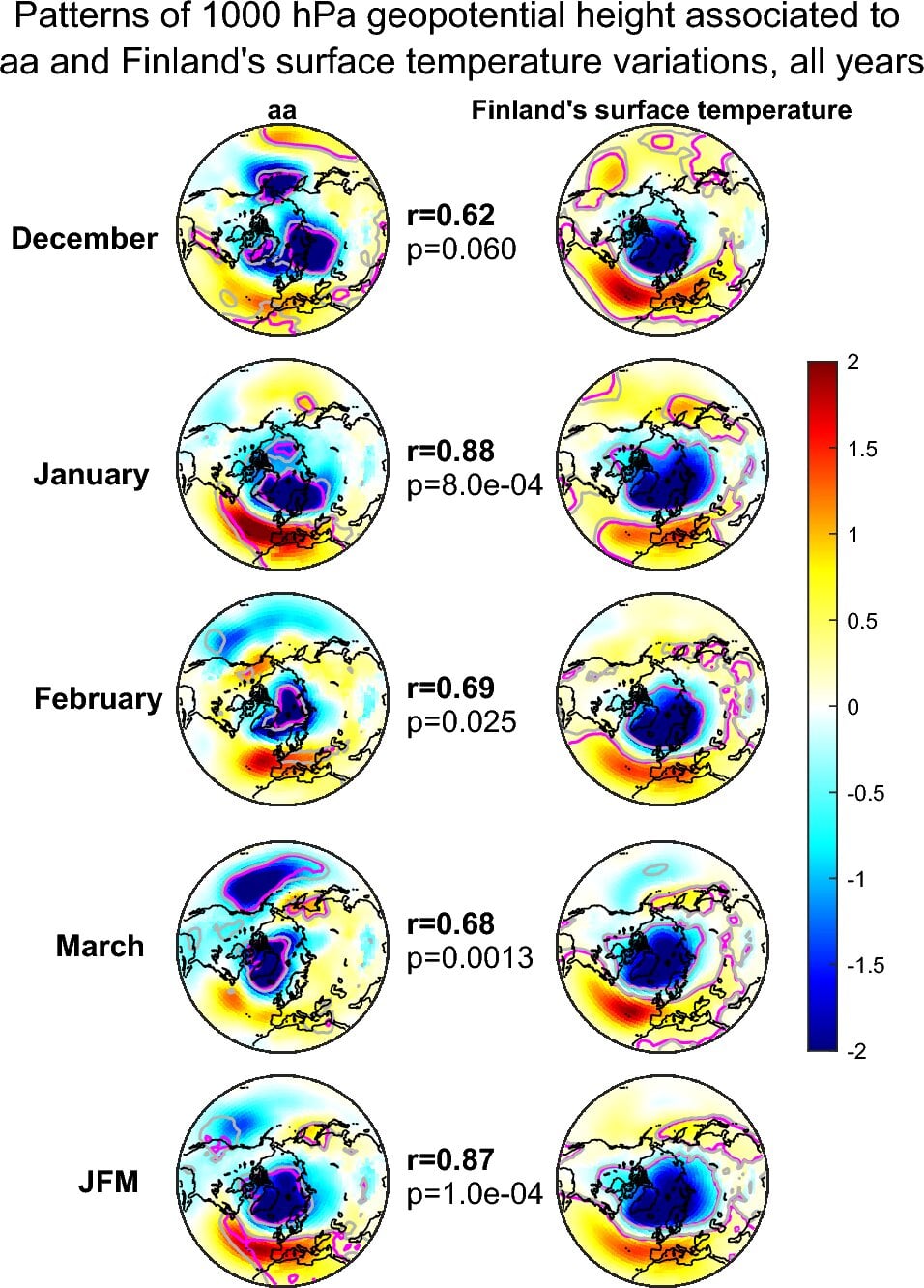
The Space Climate Research Group at the University of Oulu, Finland, has found that energetic particle precipitation from space, known as the aurora borealis, affects winter weather variations and influences Finland's electricity consumption. The study, published in Scientific Reports, reveals that particle precipitation significantly influences winter temperatures and electricity consumption through the polar vortex, with strong particle precipitation corresponding to higher winter temperatures and lower electricity consumption. This connection is valid in winters when the equatorial stratospheric winds blow from the east, and understanding this influence may help predict winter temperatures and electricity consumption several months or even years in advance.
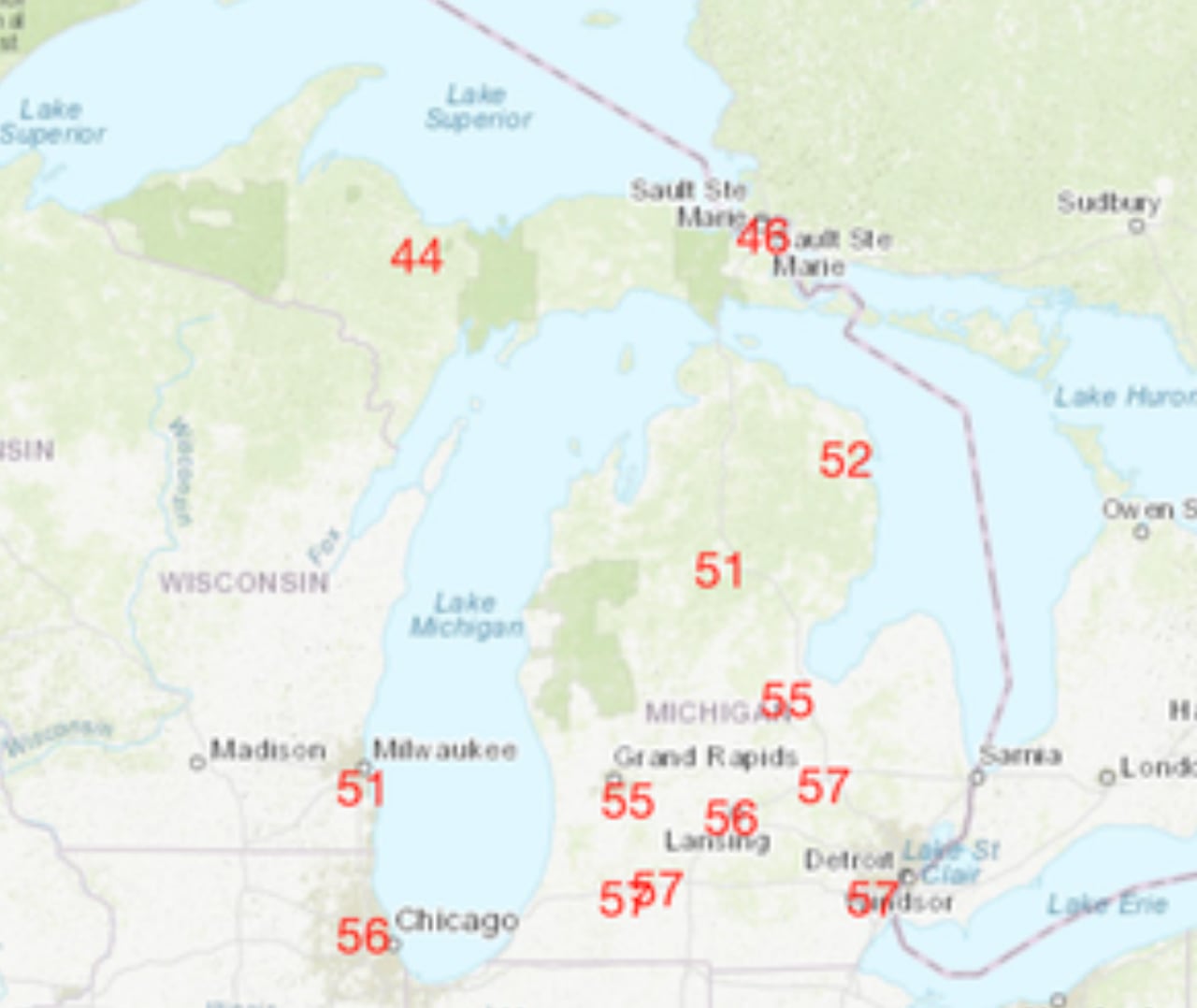
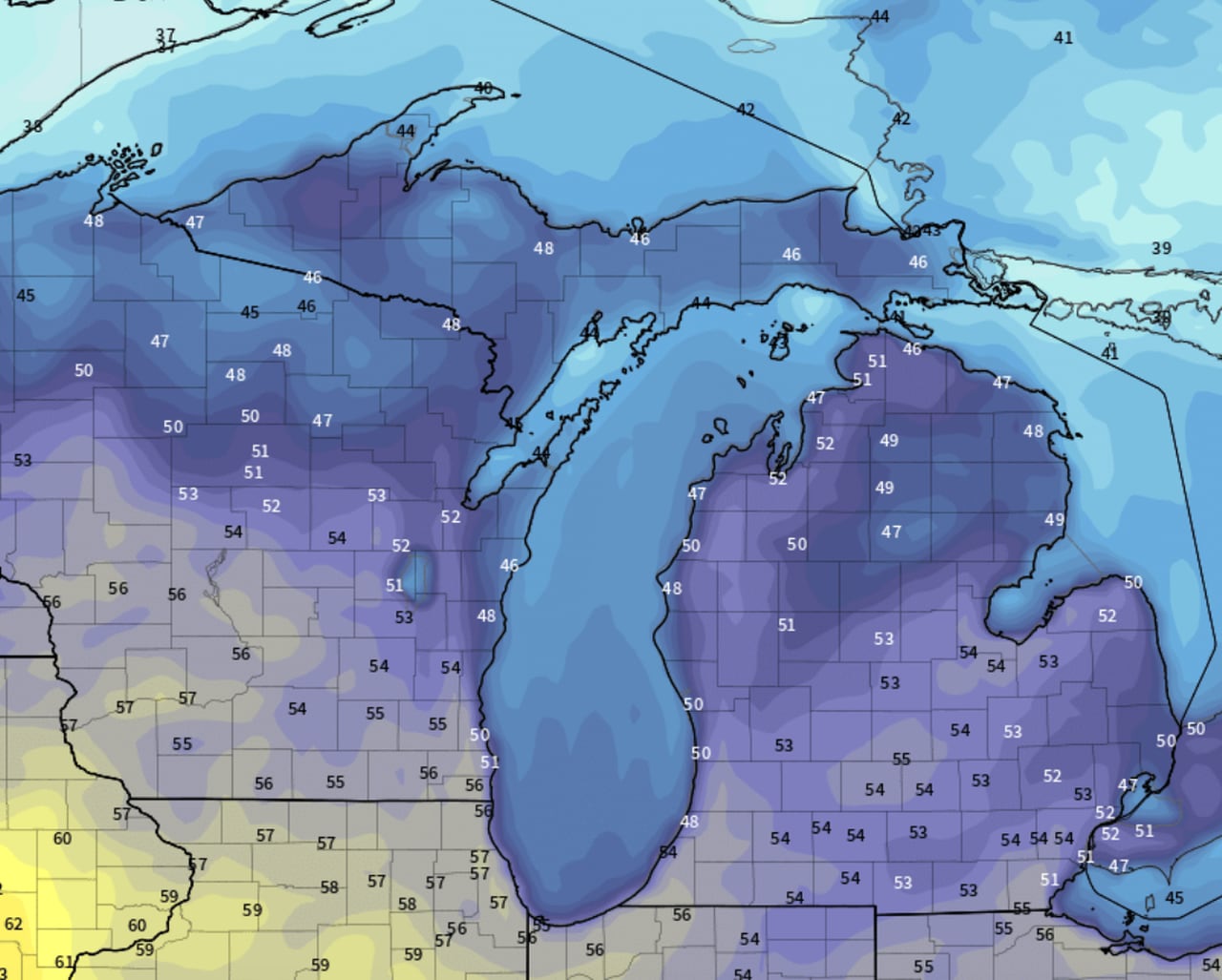
Michigan is set to experience record warmth over the next few days, with both high and low temperature records expected to be broken. Some cities may see temperatures up to 18 degrees warmer than normal, and the warm spell is expected to be widespread across the state. This unusual warm-up is a rare occurrence and is predicted to break records set over the past 125 years.
Michigan is experiencing an exceptionally rare warm-up, with temperatures averaging over 40 degrees for the next five days, at least 17 degrees warmer than normal. Cities like Grand Rapids, Ann Arbor, Flint, and Traverse City are all set to break or tie temperature records for this time period. This warm spell is not just a typical winter thaw, but a significant event that is likely to be remembered in the record books.
Researcher Judah Cohen, who studies the polar vortex, predicts a "polar vortex disruption" around mid-February, potentially leading to a return of cold air to the eastern U.S., including Michigan. His forecast suggests below-normal temperatures for the second half of February, possibly extending into the first two weeks of March. This pattern of a mild winter followed by wintry conditions in March has been common in the past decade, but the increasing heating power of the sun indicates that spring will eventually prevail.
The recent polar vortex has caused frigid temperatures across the US, affecting various objects including football helmets. This extreme cold provides an opportunity to demonstrate the ideal gas law, which explains the relationship between temperature, volume, and pressure of a gas in a closed container. By modeling a gas as a collection of discrete particles, it's possible to show how temperature changes can cause a balloon to shrink, as slower-moving particles result in fewer collisions with the balloon's walls and lower impact force, leading to a decrease in volume.
While much of the United States is experiencing a cold snap with record-breaking low temperatures and blizzard conditions, Phoenix is enjoying milder temperatures due to a pattern of warm air building underneath a ridge of high pressure. The city is expected to climb back into the low- to mid-70s late this week, into the weekend, after experiencing some low temperatures in recent days. However, a pattern change is expected to bring rain and a slight dip in temperatures to the area.
While the United States experiences frigid temperatures, much of the rest of the world is unusually warm, a phenomenon attributed to climate change. The Arctic, warming three to four times faster than the rest of the planet, is influencing extreme weather patterns, such as the polar vortex, which is bringing icy conditions to the U.S. and warmer temperatures to other regions. Scientists link these events to Arctic Amplification and changing jet stream patterns, emphasizing the complex interactions within the climate system and the global impact of a warming planet.
A piece of the polar vortex will bring an arctic blast to New Orleans and southeast Louisiana, with very cold air, strong winds, and dangerous wind chills. There's a chance for wintry precipitation in the form of freezing rain and sleet, requiring several WDSU First Warning Weather Alert Days. Temperatures will drop to the mid-20s, prompting Hard Freeze Warnings, and wind chills will make it feel even colder. Residents are advised to take precautions to stay warm, protect pipes, shelter outdoor animals, and safeguard delicate plants.