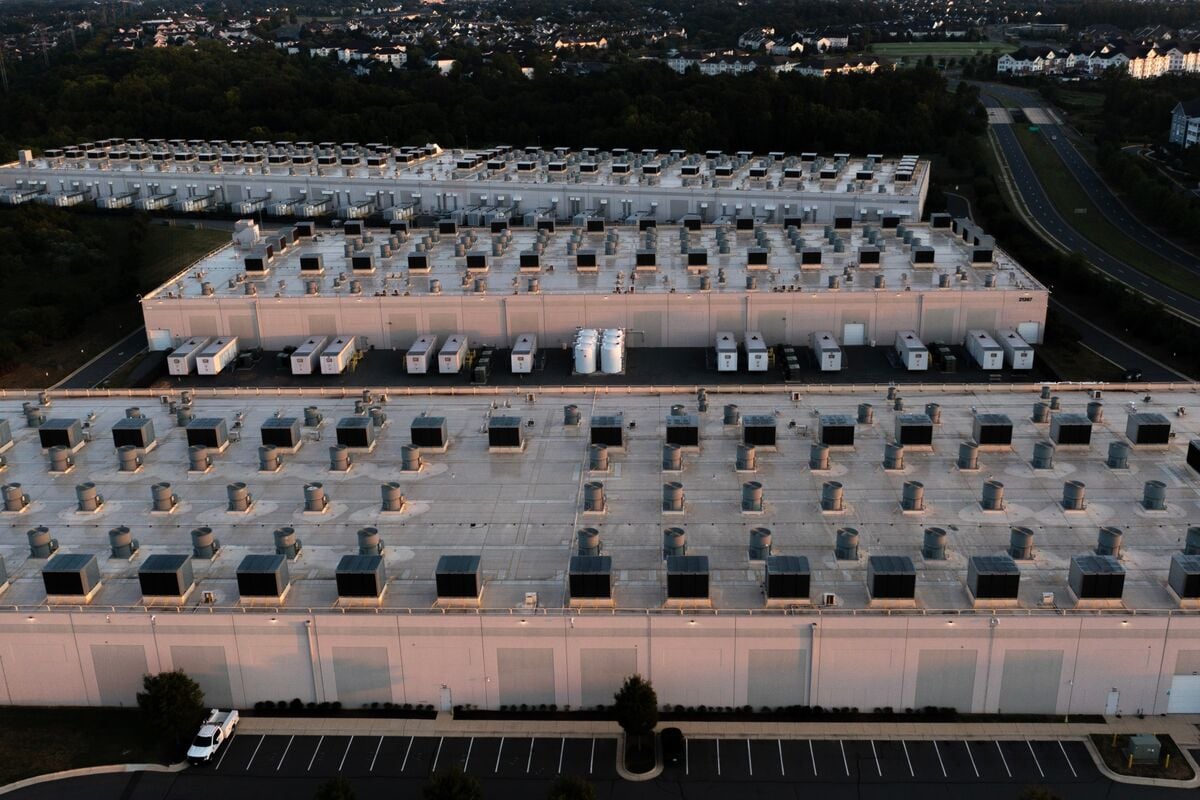
The Trump administration's Energy Department plans to amend rules to facilitate faster connection of large energy-consuming data centers, including AI infrastructure, to the electrical grid, aiming to boost AI innovation and domestic manufacturing, amid a booming data center industry.
US data centers are significantly increasing their power consumption, leading the US Energy Department to nearly double its forecast for electricity use in 2026, driven mainly by a 5% rise in commercial demand due to data center expansion.
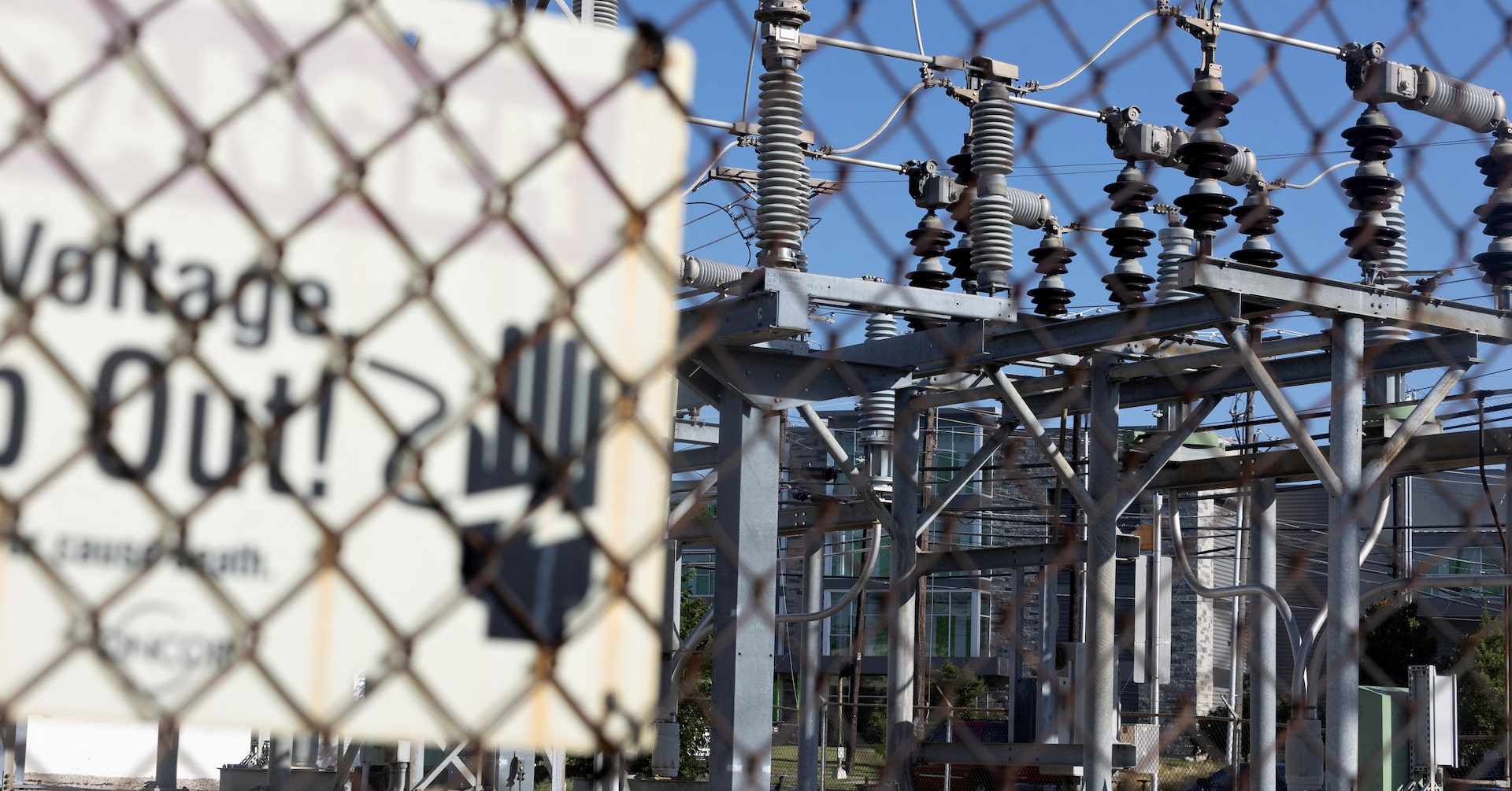
Data centers in the U.S. could consume up to 9% of the nation's electricity by 2030, driven by the expansion of computing hubs and technologies like generative AI, according to the Electric Power Research Institute. This surge in power demand could strain the electric grid, leading to higher power bills and potential outages, highlighting the need for improved energy efficiency and grid investment.
The AI industry, particularly OpenAI's ChatGPT, is consuming a significant amount of electricity, with estimates suggesting it uses over 17,000 times the daily electricity of an average US household. As the AI sector continues to grow, it could potentially consume between 85 to 134 terawatt-hours annually by 2027, representing a substantial portion of global electricity consumption. Despite the challenges in accurately estimating energy usage in the booming AI industry, concerns are rising about the environmental impact of AI's energy-intensive operations.
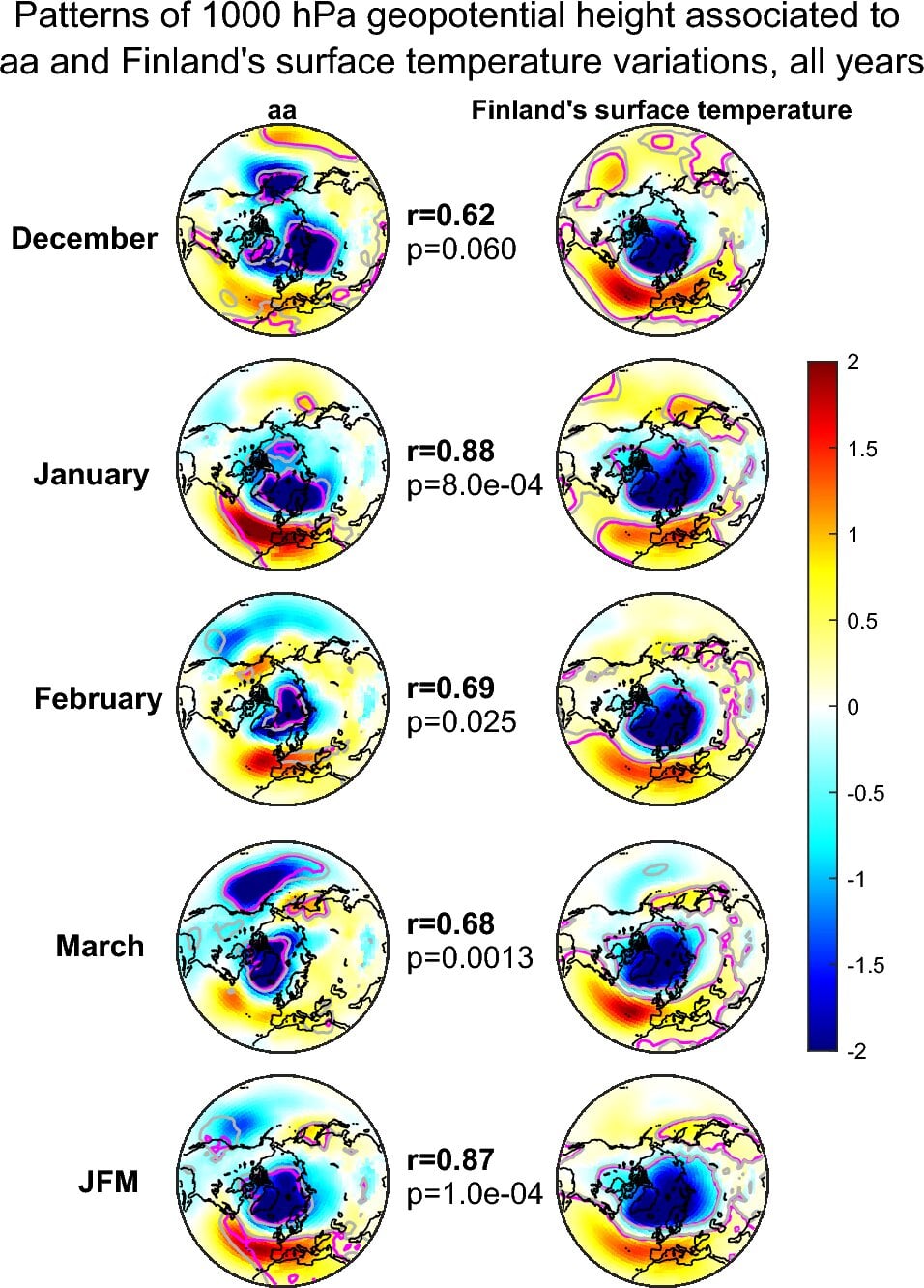
The Space Climate Research Group at the University of Oulu, Finland, has found that energetic particle precipitation from space, known as the aurora borealis, affects winter weather variations and influences Finland's electricity consumption. The study, published in Scientific Reports, reveals that particle precipitation significantly influences winter temperatures and electricity consumption through the polar vortex, with strong particle precipitation corresponding to higher winter temperatures and lower electricity consumption. This connection is valid in winters when the equatorial stratospheric winds blow from the east, and understanding this influence may help predict winter temperatures and electricity consumption several months or even years in advance.
The White House has released a report justifying its proposed 30% excise tax on cryptocurrency mining firms, citing the lack of "economic benefits" and the environmental impact of crypto mining. The tax would be based on associated electricity costs and would start at 10% in 2024, increasing each year until it reaches 30%. The tax applies equally to digital asset miners that earn income by validating transactions on proof-of-work networks like Bitcoin and proof-of-stake networks like Ethereum. The report estimates that crypto miners in the U.S. consumed around 50,000 gigawatt hours of electricity in 2022 between Bitcoin and Ethereum.