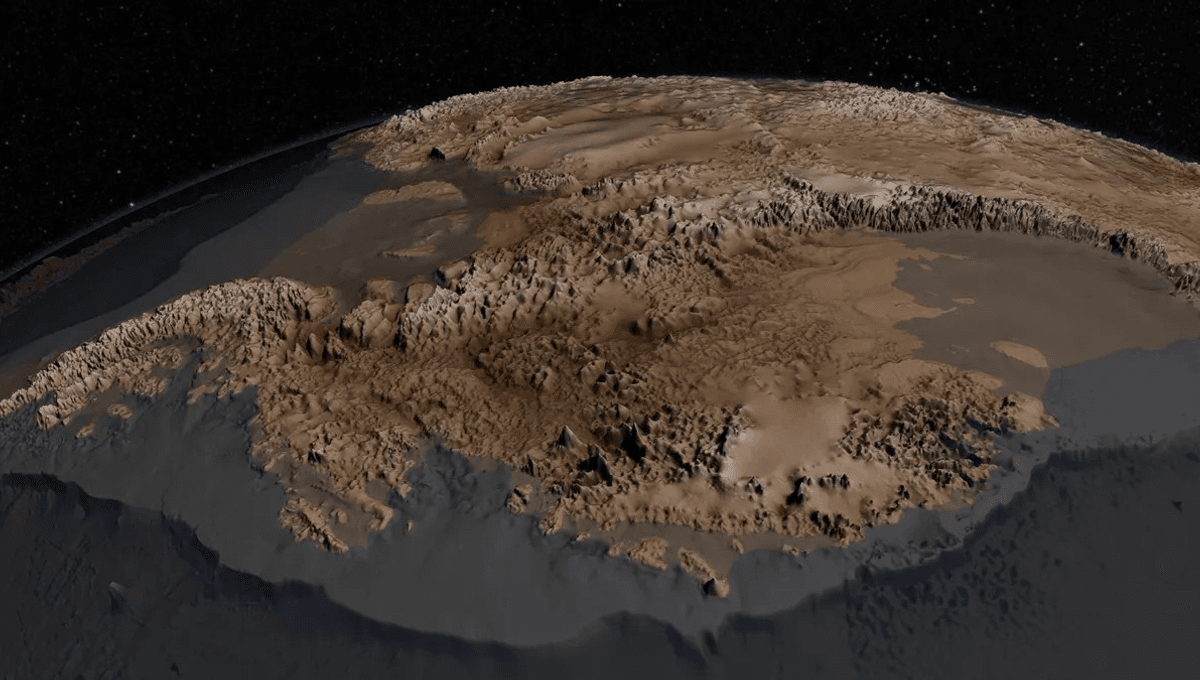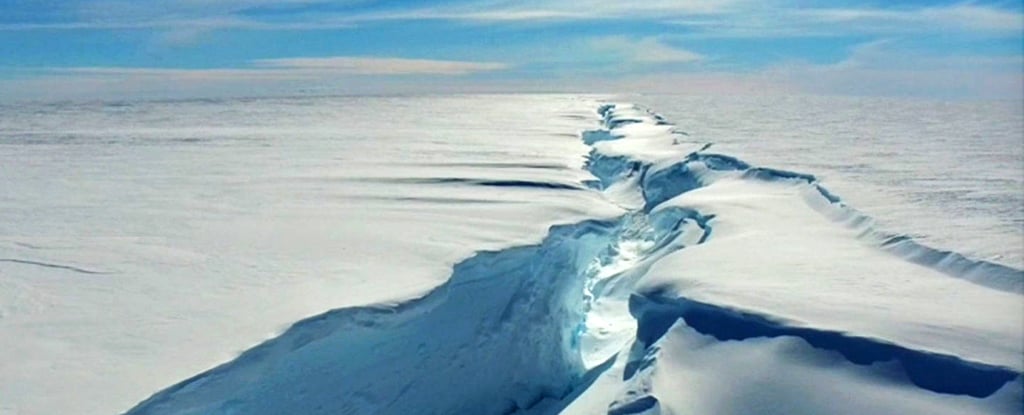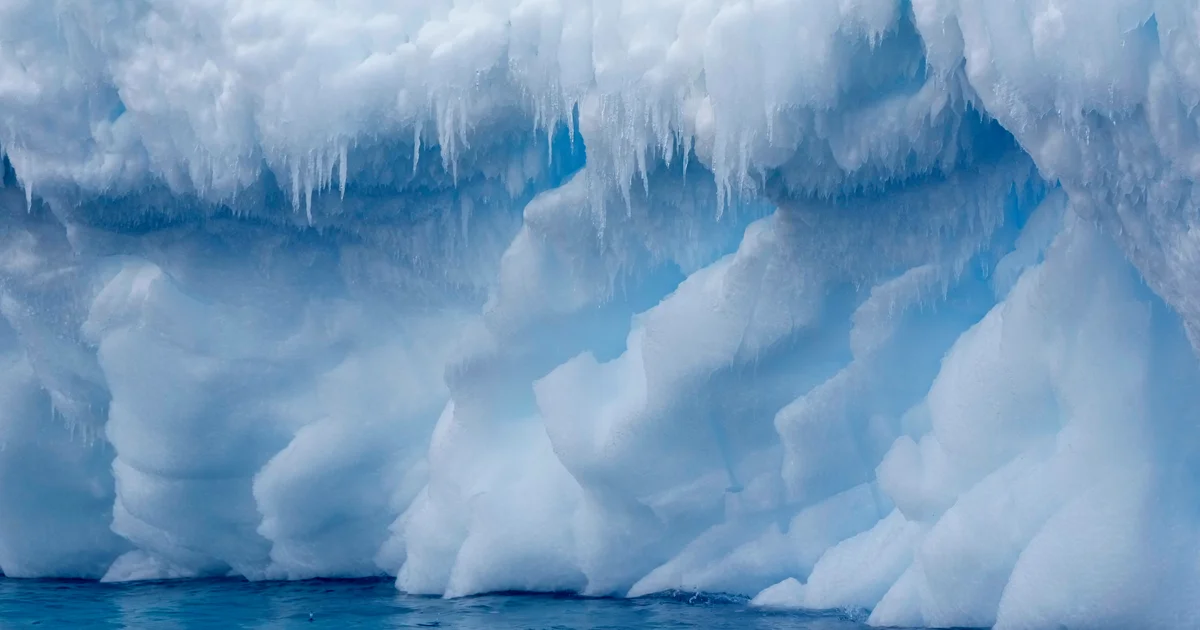
Advances in imaging technology have revealed Antarctica's rugged land beneath its ice, showing that if all ice melted, sea levels could rise by 58 meters. The Bedmap2 map, created in 2013, provides detailed insights into the continent's subglacial landscape, which influences ice flow and melting. Current climate change is causing Antarctica's ice sheets to thaw at a rapid rate, contributing to global sea level rise, with scientists now developing an even more detailed Bedmap3.
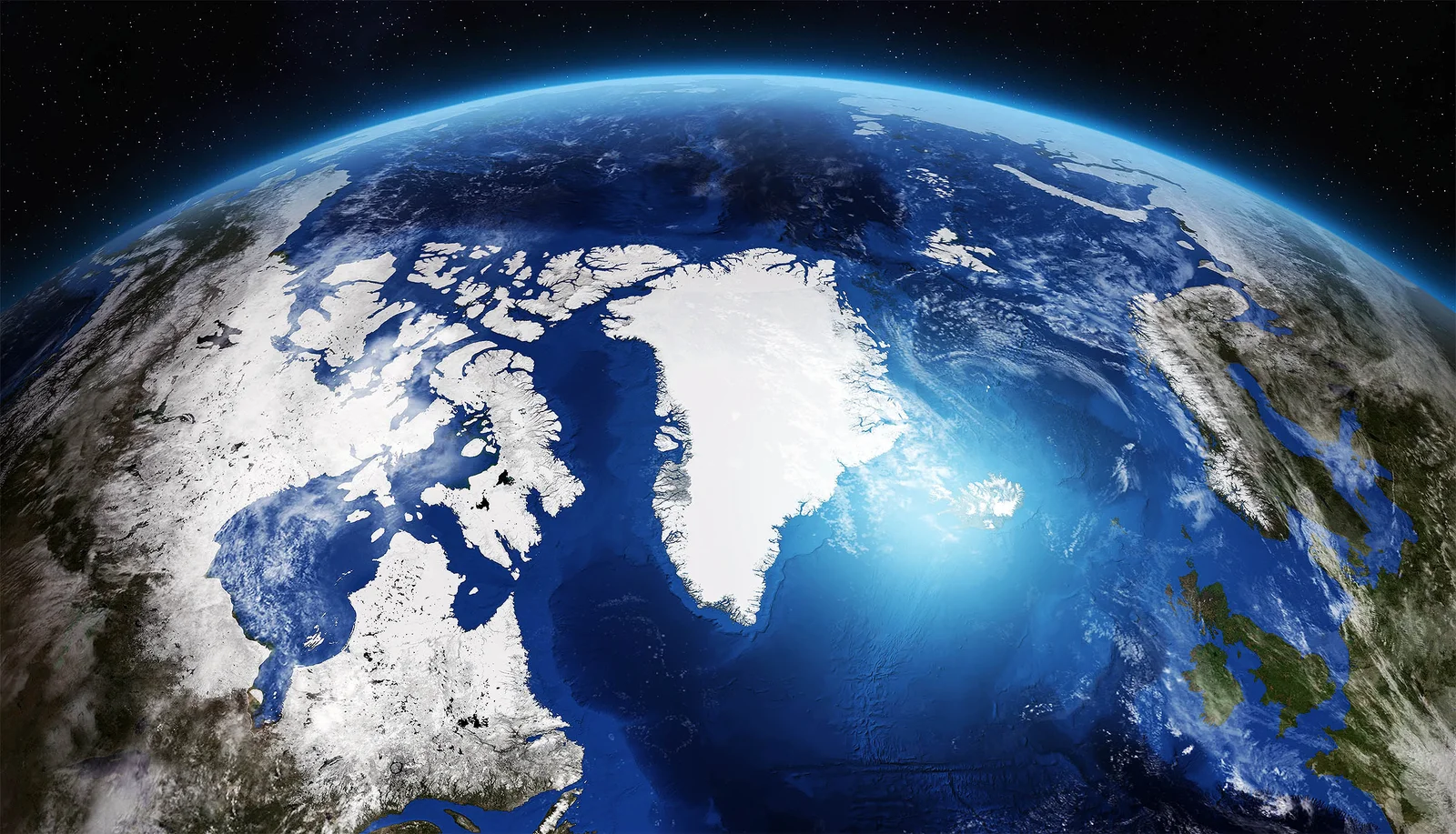
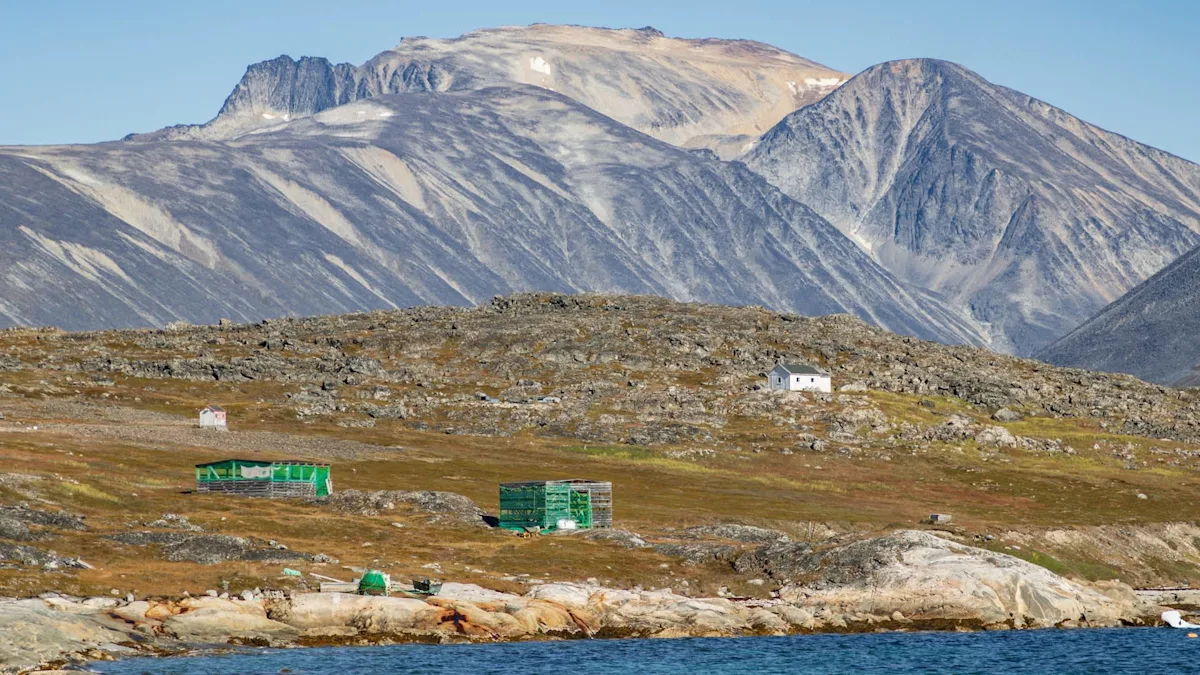
Greenland is gradually shifting northwest and changing shape due to ice accumulation, melting, and geological forces, which could impact navigation and understanding of climate change effects. Researchers used 20 years of GPS data to analyze these movements, revealing complex interactions between tectonics, glacial rebound, and ice melt, with implications for future modeling and navigation in the region.
Greenland has been shifting northwest by about two centimeters annually over the past 20 years due to ice melt caused by climate change, affecting its size and shape, with implications for geoscience and navigation; this movement underscores the accelerating impact of global warming on the Arctic, prompting increased awareness and conservation efforts worldwide.
Recent unprecedented temperature surges in Antarctica, linked to collapsing stratospheric currents and a slowing polar vortex, are accelerating ice melt, disrupting ecosystems, and impacting global climate patterns, highlighting urgent need for international action on climate change.
An Italian scientist tragically died after falling into a moulin on the Mendenhall Glacier in Alaska, highlighting the dangers of glacier melt and related glacial hazards like outburst floods, which are increasing due to climate change. The incident underscores the broader environmental and public health impacts of melting ice, including rising sea levels and the release of ancient pathogens, prompting calls for global action and research into mitigation strategies.
A recent study confirms that climate projections from the mid-1990s accurately predicted global sea-level rise over the past three decades, though they underestimated ice melt contributions. Satellite data has been crucial in tracking these changes, revealing that sea levels are rising faster than initially thought, with regional variability influenced by ice sheet dynamics. The findings underscore the importance of refining localized forecasts to better prepare vulnerable regions for future sea-level rise.
New research indicates that Antarctic sea ice is melting rapidly and irreversibly, potentially reaching a global climate tipping point that could accelerate climate change effects, including sea level rise and disruption of ocean currents, with some changes already beyond reversal.
A recent study confirms rapid and unprecedented changes in Antarctica, including shrinking sea ice, melting ice shelves, slowing ocean currents, and potential collapse of ice sheets, which threaten global sea levels and climate stability, emphasizing the urgent need for global action to reduce greenhouse gas emissions.
Experts warn that abrupt and irreversible climate shifts in Antarctica, driven by global warming, could cause sea levels to rise meters and have catastrophic consequences for future generations, emphasizing the urgent need to limit CO2 emissions to prevent crossing critical tipping points.
Scientists warn that recent temperature readings near the melting point at Greenland's summit indicate accelerated ice melt, which could significantly raise sea levels and threaten coastal communities worldwide, emphasizing the urgent need for global efforts to reduce greenhouse gas emissions.
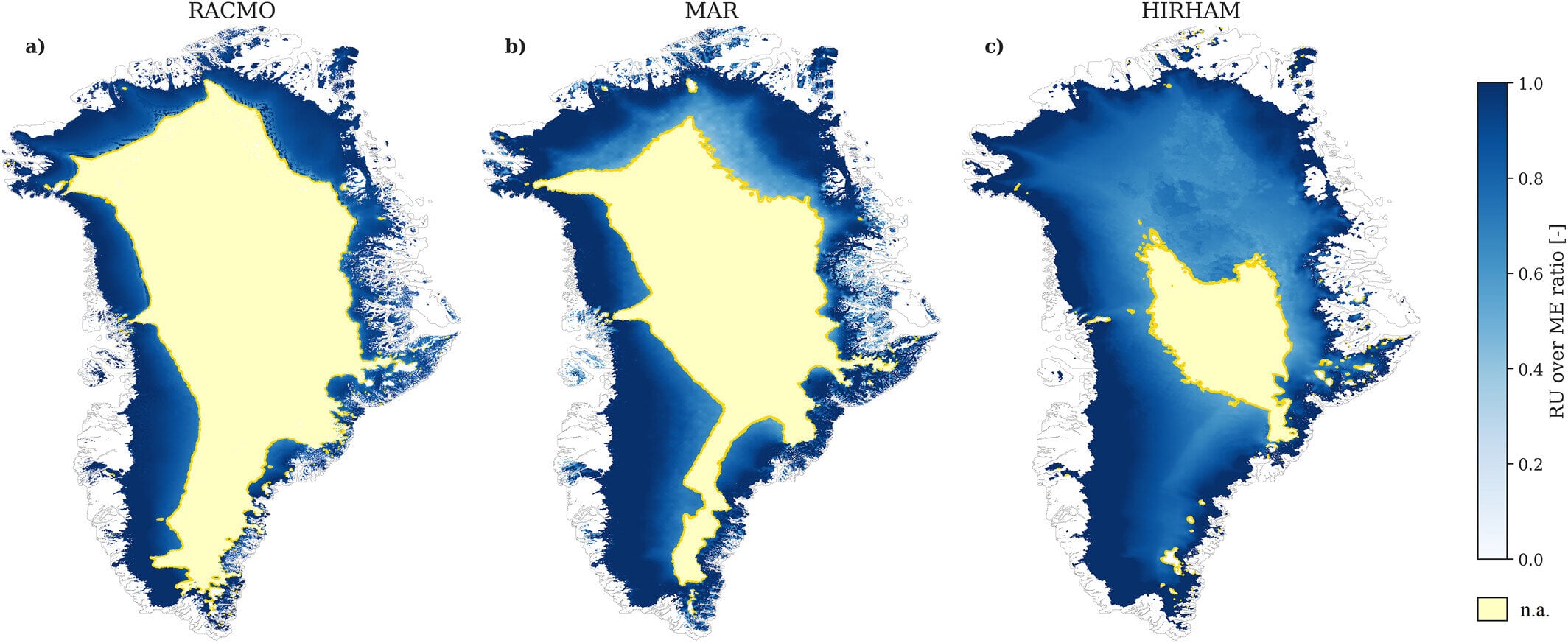
Greenland's ice sheet is melting at an accelerating rate, with projections indicating a loss of 964 to 1735 gigatons of ice annually by 2100 under high greenhouse gas emissions scenarios. This could result in a sea level rise of up to one meter, threatening millions in coastal areas. The study, using three regional climate models, highlights the need for improved models to better predict future impacts and underscores the urgency of reducing emissions to mitigate irreversible ice loss.
Scientists have discovered a hidden landscape beneath Antarctica's Dotson Ice Shelf, revealing a terrain of peaks and valleys shaped by melting ice and ocean currents. This discovery provides new insights into the processes driving ice melt and their implications for global sea level rise. The melting ice affects not only sea levels but also the ecosystems of the Amundsen Sea, as meltwater fuels phytoplankton blooms crucial for carbon absorption. Despite challenges in Antarctic research, such as the loss of a submersible, the findings highlight the need for further exploration of these remote environments.
New research indicates that climate change-induced ice melt is redistributing Earth's mass towards the equator, slowing its rotation, shifting its axis, and even affecting its inner core. This dynamic could eventually rival the moon's tidal forces in influencing Earth's spin, with significant implications for timekeeping and space navigation.
A new study by ETH Zurich reveals that melting ice due to climate change is causing Earth's spin axis to shift and lengthening the days by redistributing mass towards the equator, which slows down the planet's rotation. This phenomenon, driven by human activity, is now outweighing the moon's tidal influence and affecting Earth's internal dynamics, including its core.
The Thwaites Glacier is experiencing accelerated melting as warm water reaches miles inland past its grounding line, contributing to significant ice loss.