Tag

Plasma Waves

All articles tagged with #plasma waves

science-and-technology2 years ago

"Unveiling the Impact of Collisions on Ion Surfing in Fusion Experiments and Beyond"

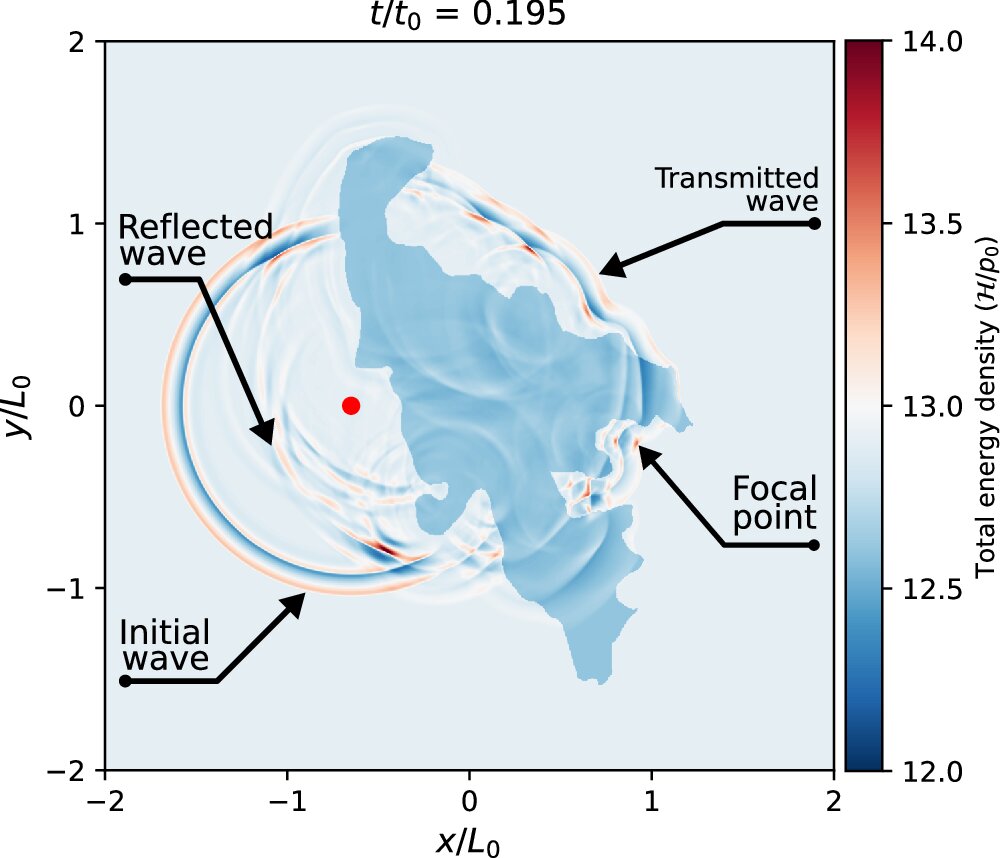
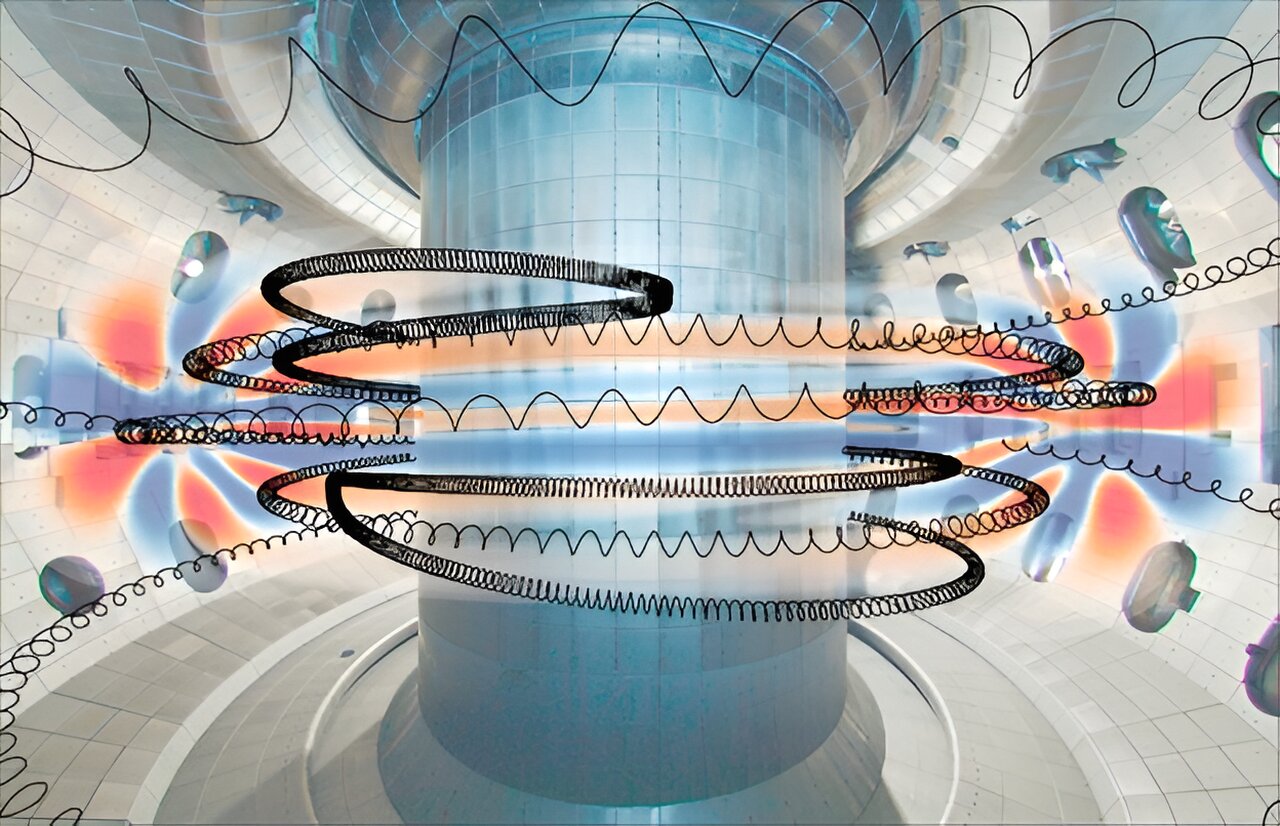
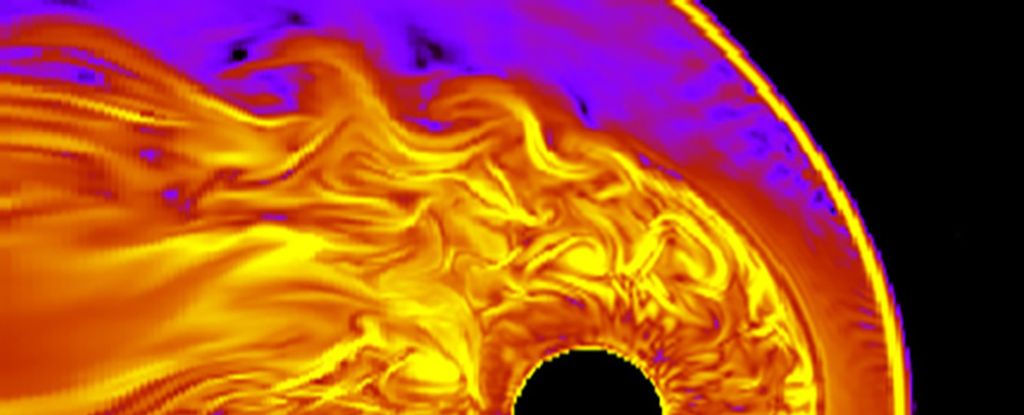
Collisions between fast ions and plasma waves in fusion experiments can affect the efficiency of energy transfer and the behavior of particles. Different types of collisions, such as diffusive scattering and convective drag, compete to determine the resonance between fast ions and waves. Researchers have used mathematical calculations and computer simulations to understand these interactions and develop models for sustaining fusion reactions. This understanding can also be applied to astrophysical research and gravitational interactions in galaxies. The study reveals that drag collisions can shift the speed at which resonance occurs, creating new resonances and extending the range of interaction. The derived resonance function provides insights into wave-particle interactions in plasmas and can be used to improve simulations for developing commercial fusion power plants.

science-and-technology2 years ago

Eerie Solar System Sounds Unveiled by NASA

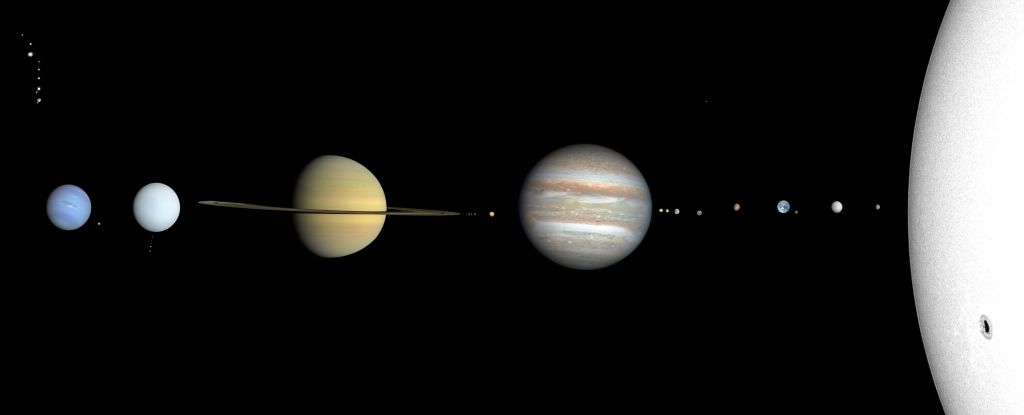
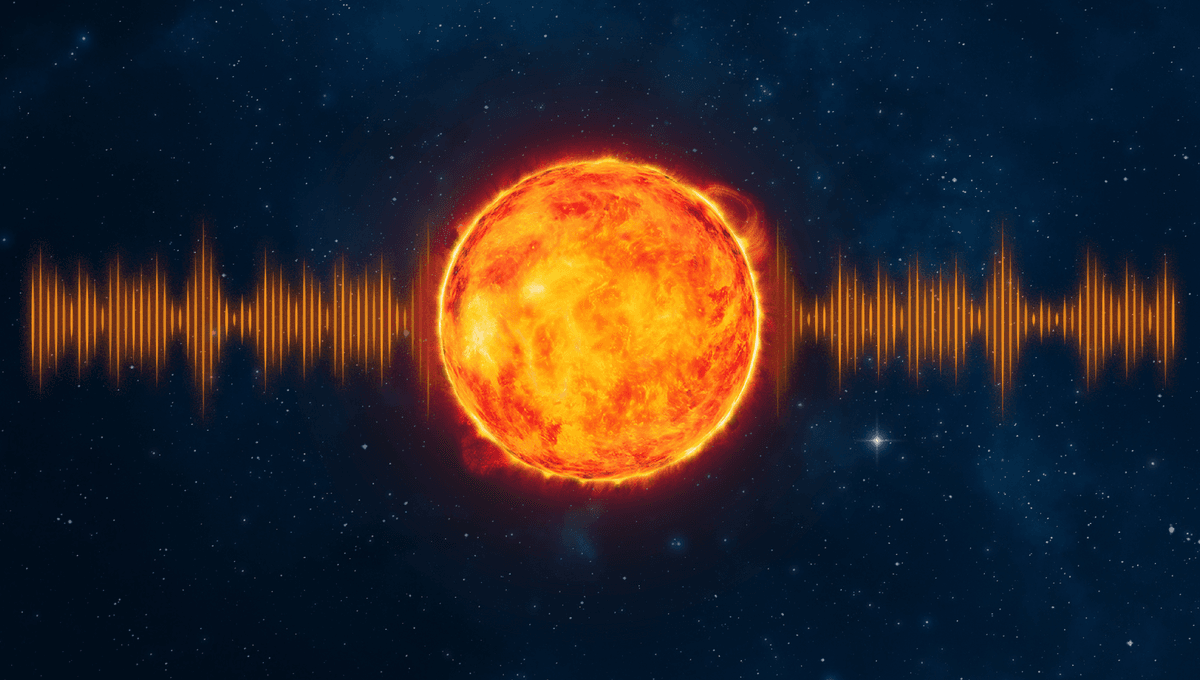
NASA has released eerie solar system recordings that capture the sounds of our cosmos. By converting plasma waves into sound, scientists have discovered that each celestial object in our solar system emits its own unique sound. From the roaring hum of the Sun to the chirps of Jupiter's moons, these recordings offer an audible look into the cosmos. The recordings also extend beyond our solar system, capturing sounds from supermassive black holes and other celestial phenomena. While these recordings may not replace your favorite tunes, they provide a new way to experience the wonders of space.

space-science2 years ago

"NASA Unveils Eerie Soundscapes from the Solar System"

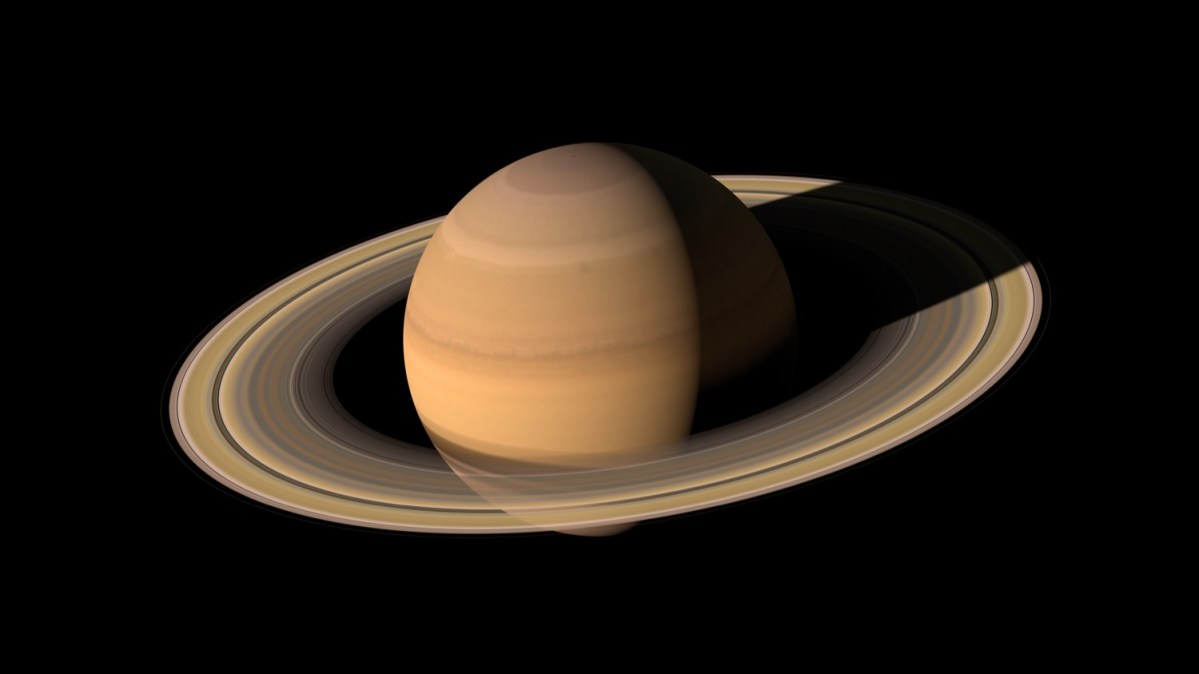
NASA has released haunting recordings of the Solar System, converting plasma waves and radio waves into sound. Each celestial body has its own unique sounds, from the Sun's constant roar to Saturn's eerie sci-fi movie soundtrack. Even Jupiter's moons emit robotic blips and bleeps, while Mars captures the haunting sounds of its winds. Converting light into sound helps scientists uncover hidden details and provides a mesmerizing experience for those seeking to explore the vastness of space.

astronomy2 years ago

"Enormous Plasma Waves Emanate from Massive Star, Potentially Causing Gigantic Tidal Phenomena"

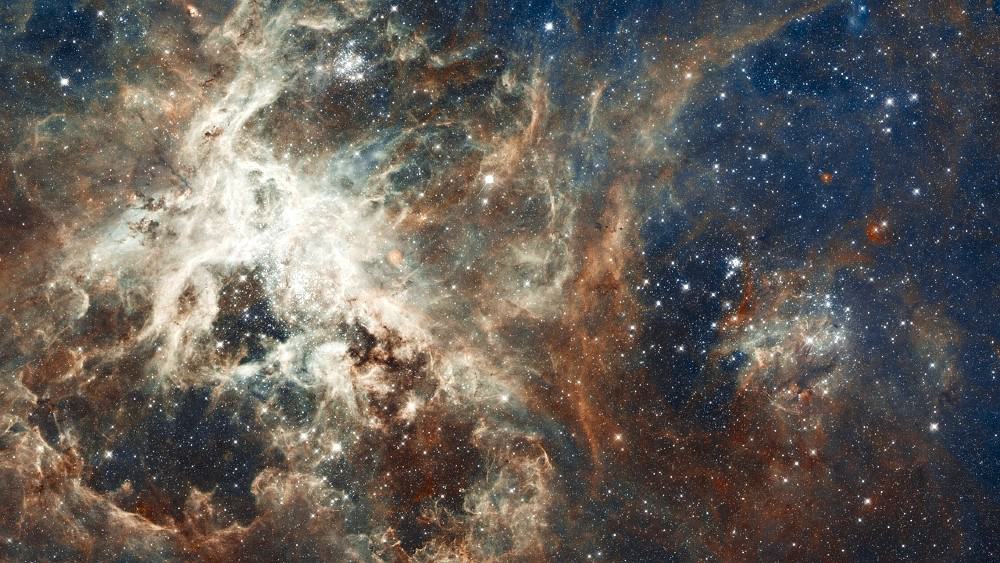
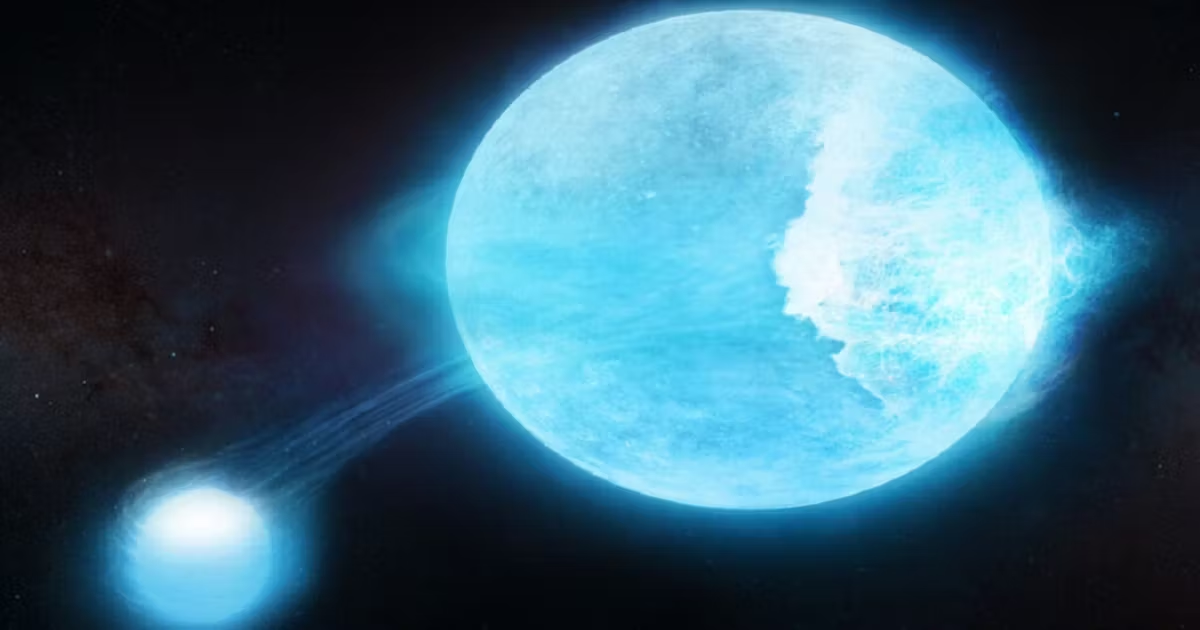
Astronomers have used computer simulations to study the massive tides on the star MACHO 80.7443.1718, which create plasma waves 2 million miles high, three times larger than the Sun. These waves are caused by the gravitational forces between the star and its smaller companion, resulting in extreme tides that rise and fall in a regular rhythm. The breaking of these plasma waves affects the star's rotation and orbit, with each wave releasing a significant amount of energy. This discovery suggests that MACHO 80.7443.1718 is just the first of a new class of objects with extreme plasma tidal waves.

space2 years ago

Unraveling Jupiter's Enigmatic Plasma Waves

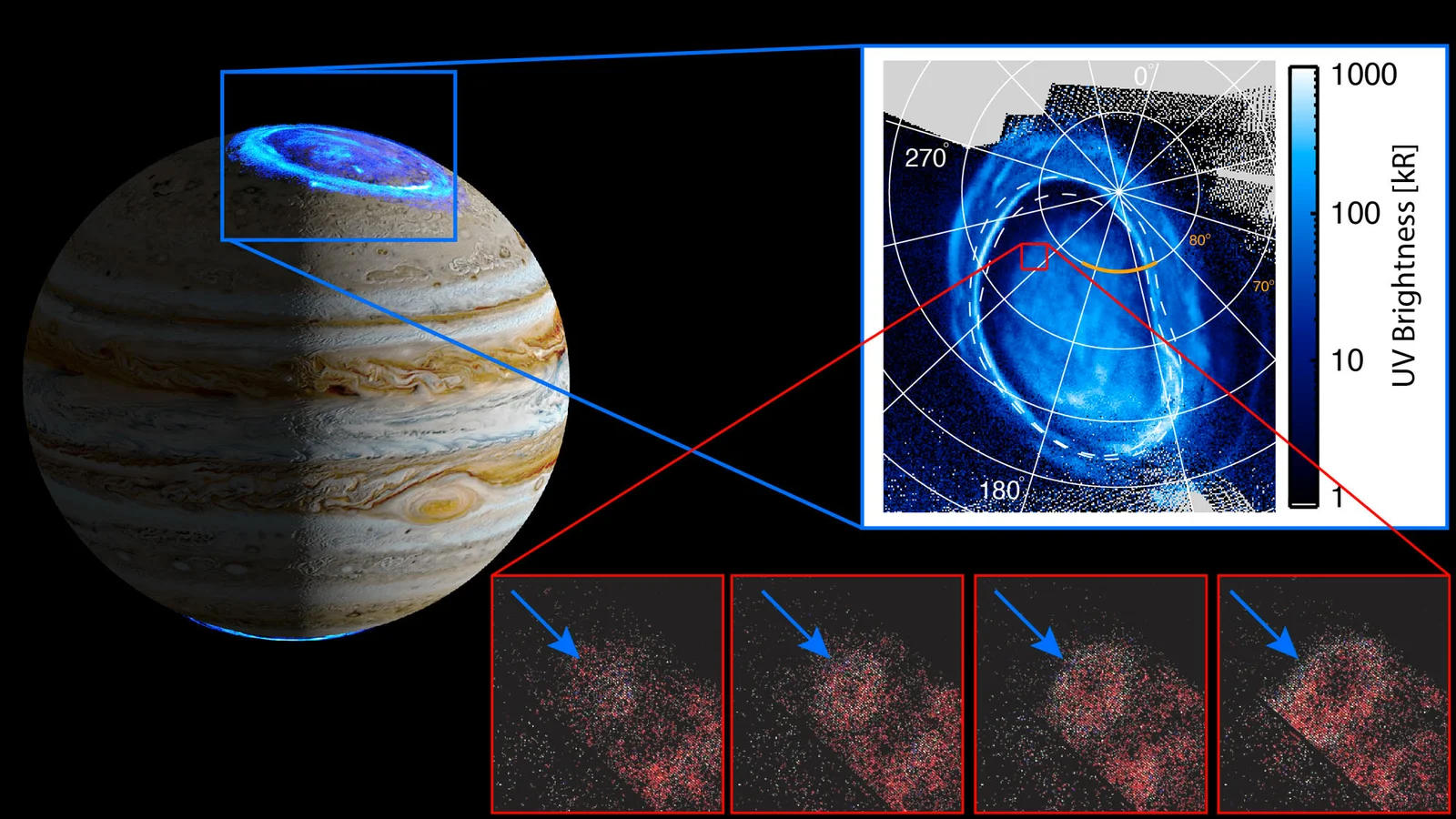
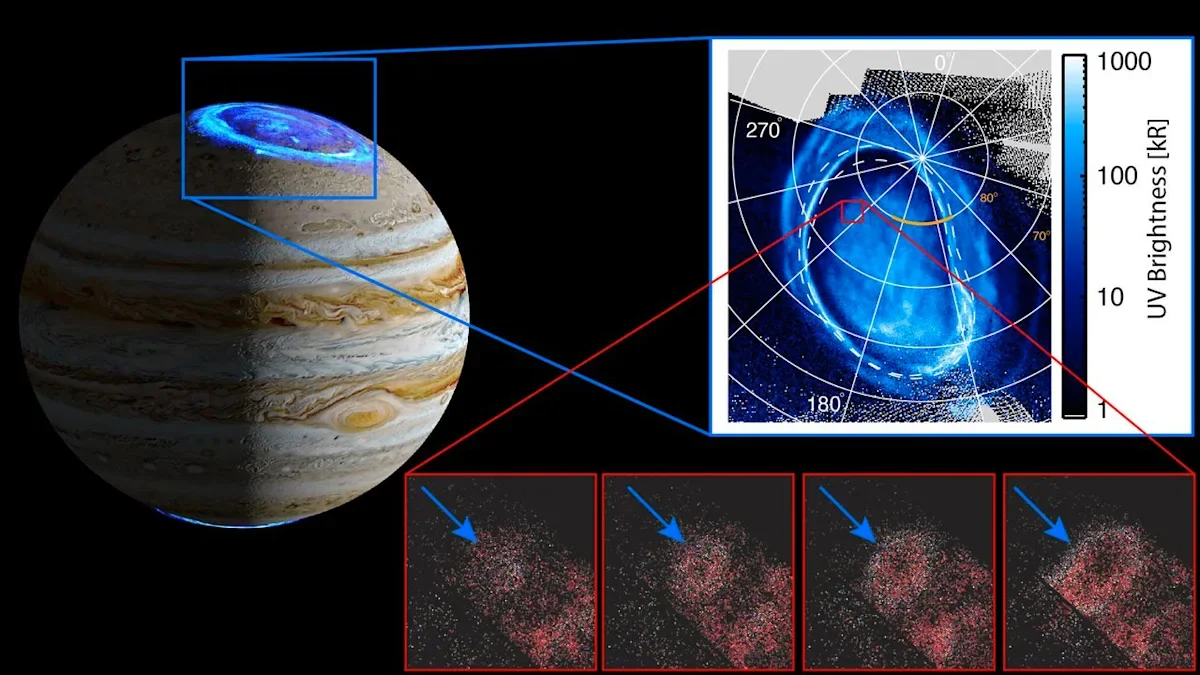
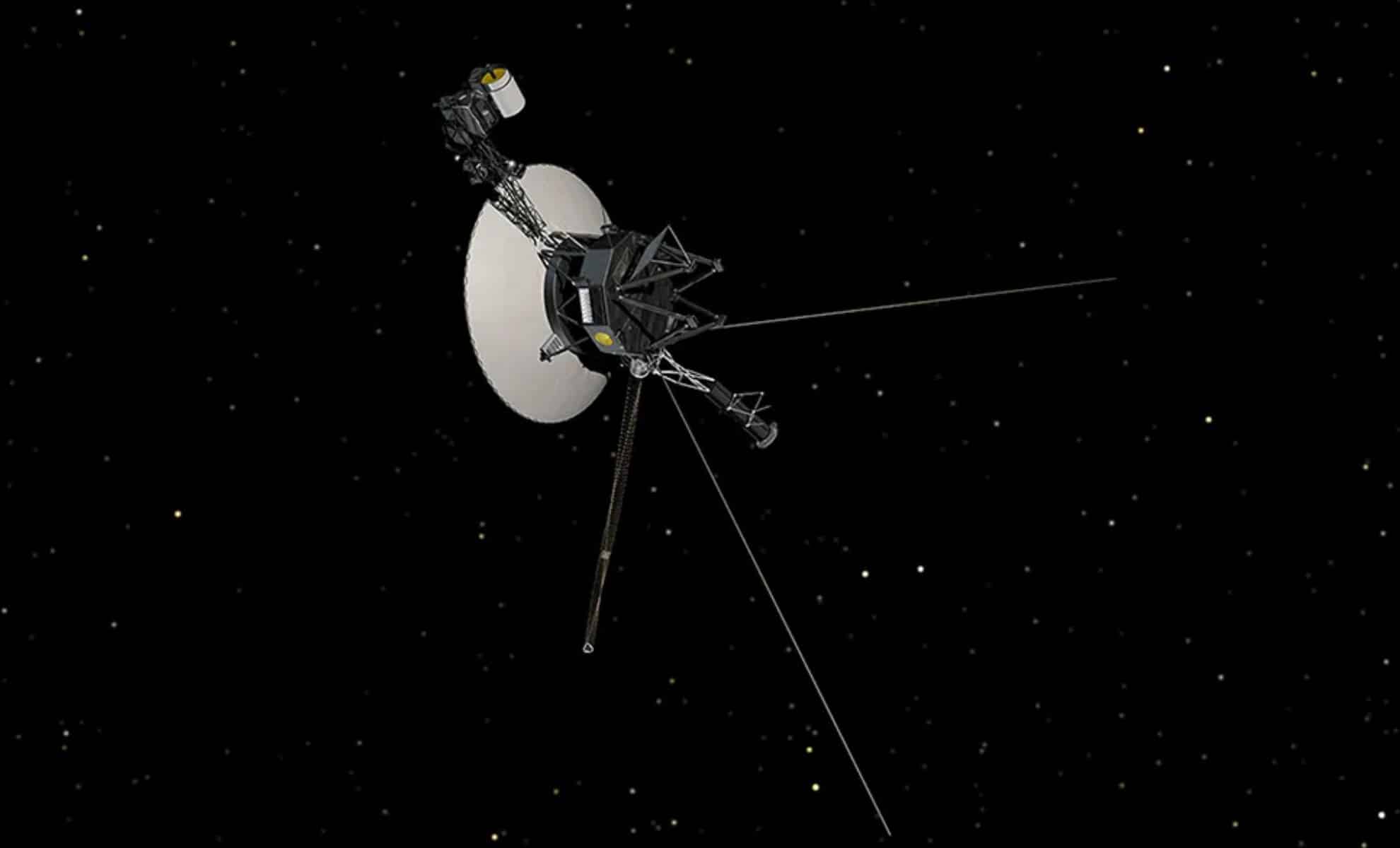
NASA's Juno spacecraft has observed humongous plasma waves, known as Kelvin-Helmholtz instabilities (KHIs), in Jupiter's atmosphere. These waves occur when plasma from the solar wind interacts with the magnetopause, the outer level of Jupiter's magnetic field. The difference in velocity between the magnetopause and solar wind creates swirling vortex waves. Juno has provided the most extensive observations of these waves on Jupiter, shedding light on their formation and behavior. The waves result from plasma interactions and can push charged particles throughout the magnetopause. While similar waves exist on Earth, they are more prevalent above Jupiter.

space-science2 years ago

"Discovery: Jupiter's Magnetosphere Reveals Massive Swirling Plasma Waves"

Giant swirling plasma waves, known as Kelvin-Helmholtz waves, have been detected at the boundary of Jupiter's magnetosphere by NASA's Juno spacecraft. These waves, caused by differences in velocity between two fluids, provide insights into the transfer of mass and energy from the solar wind to Jupiter's environment. Similar waves have been observed in Earth's magnetosphere and near Saturn, but their formation is not well understood. Studying these waves at Jupiter's magnetopause could help scientists understand the dynamics at play in the outer reaches of the Solar System.

space-science2 years ago

The Silent Void: Debunking the Myth of Soundless Space

While there is no sound that humans can hear in the vacuum of space, there are still waves that propagate through the low-density plasma in interplanetary space. The solar wind, released by the Sun, creates plasma waves that can be converted into radio waves and then back into sound when they reach Earth's ionosphere. These waves have implications for star formation and can be used in asteroseismology to study the interior properties of stars. Additionally, supermassive black holes can generate plasma ripples that produce musical notes, although they are too deep for humans to hear. In the Solar System, there are possibilities of finding extraterrestrial sounds on planets with atmospheres, such as Venus and Mars.

science2 years ago

Coldest region of the sun holds key to heating its million-degree corona, study reveals.

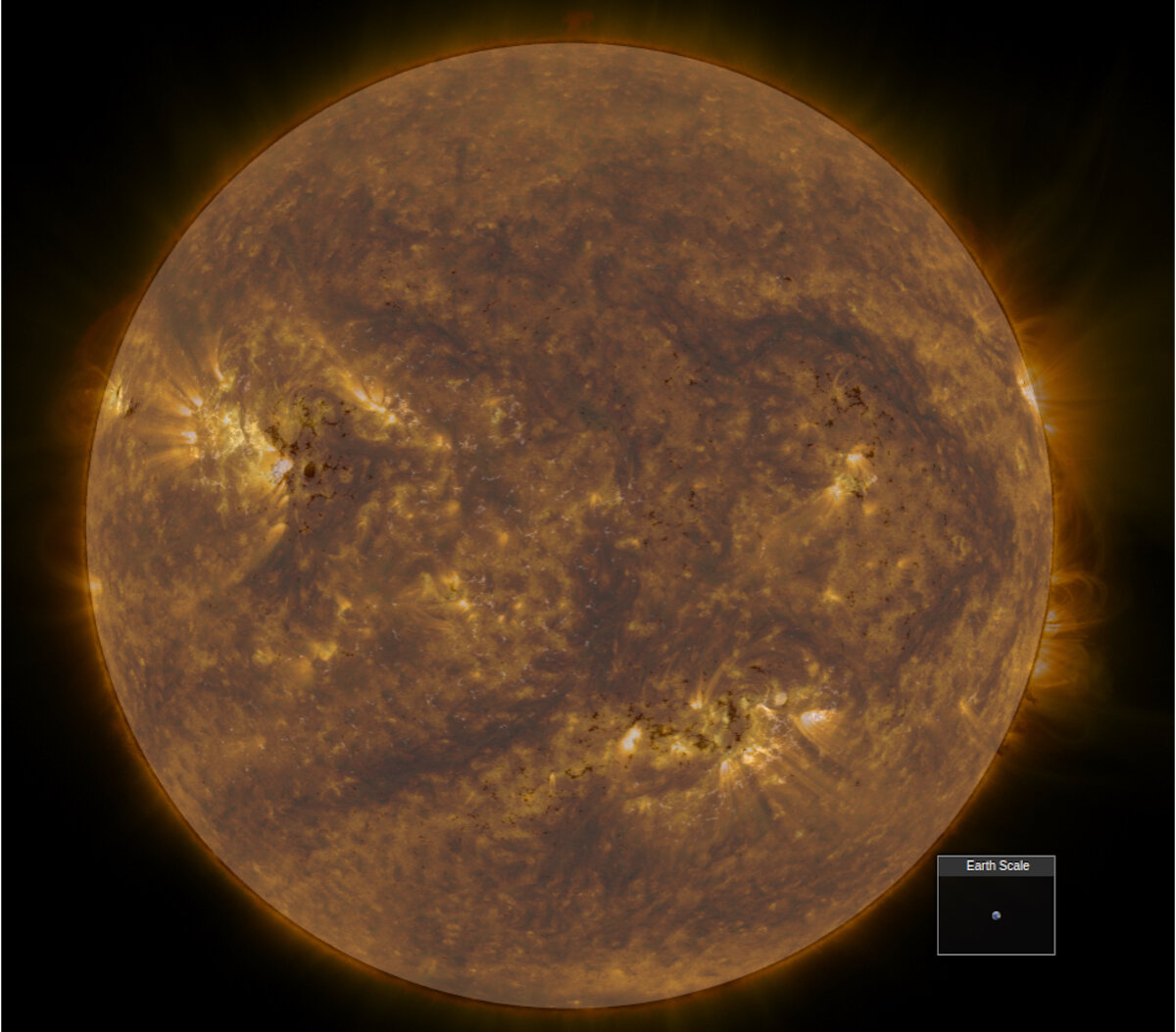
Scientists have discovered intense wave energy from a cool, dark, and strongly magnetized plasma region on the sun, capable of traversing the solar atmosphere and maintaining temperatures of a million degrees Kelvin inside the corona. The discovery was made using the 1.6-meter Goode Solar Telescope at Big Bear Solar Observatory. The finding is the latest key to unraveling a host of related mysteries pertaining to Earth's nearest star, including the coronal heating problem, which has existed for nearly a century.

science2 years ago

"NASA Explores the Mysterious Sounds of Space and Sun with New Technology"

NASA has released a new sound clip captured by the HARP project, which turns data about Earth's magnetosphere into sound bites. The clip contains eerie sounds created when waves of plasma hit Earth's magnetic field lines and make them vibrate. The HARP project aims to enable citizen scientists to listen to the sound clips and highlight unusual patterns for researchers to investigate more closely. The team has already made a surprising discovery from their preliminary sound bites, which contain patterns that go against what they previously predicted.