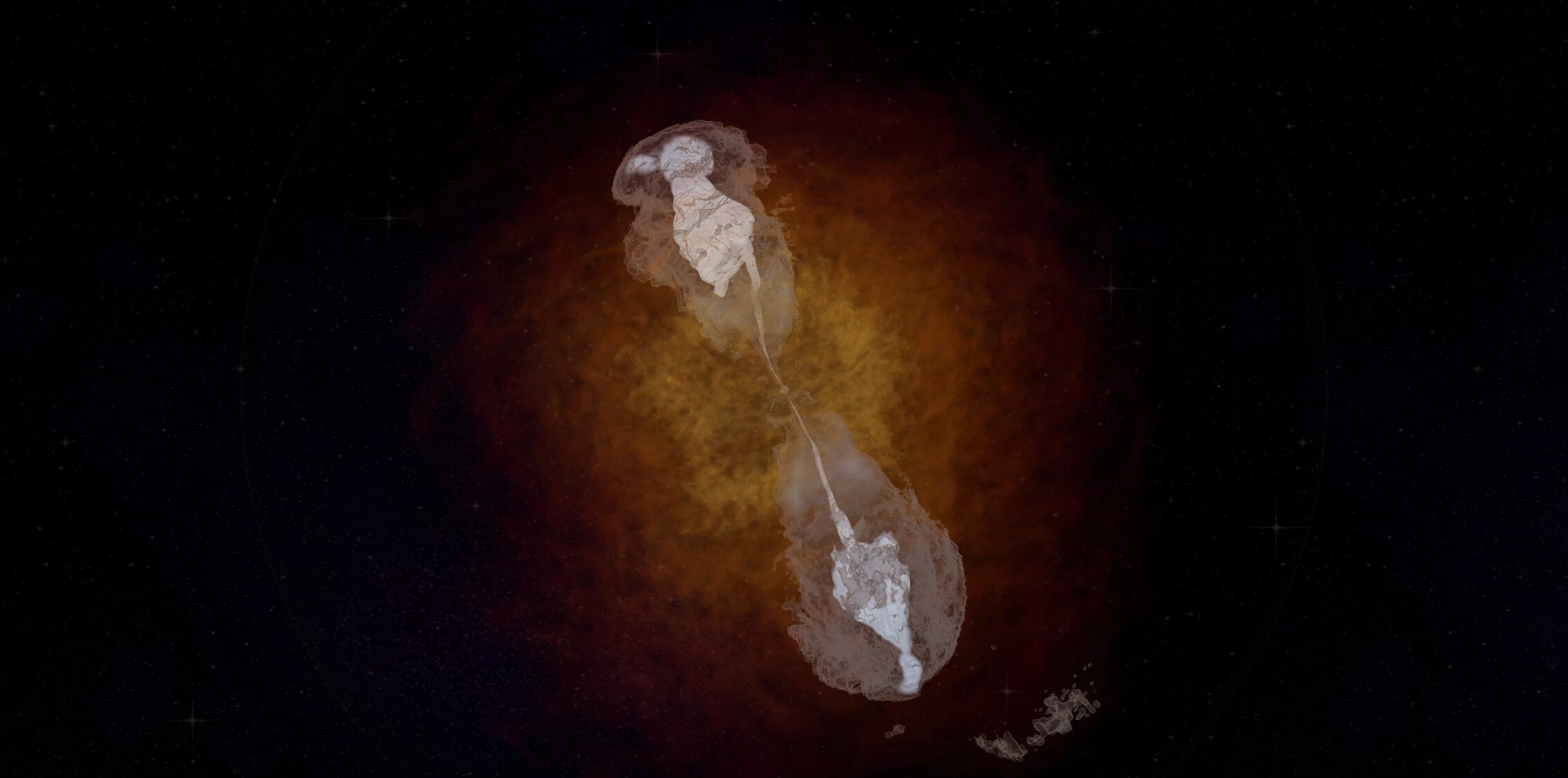
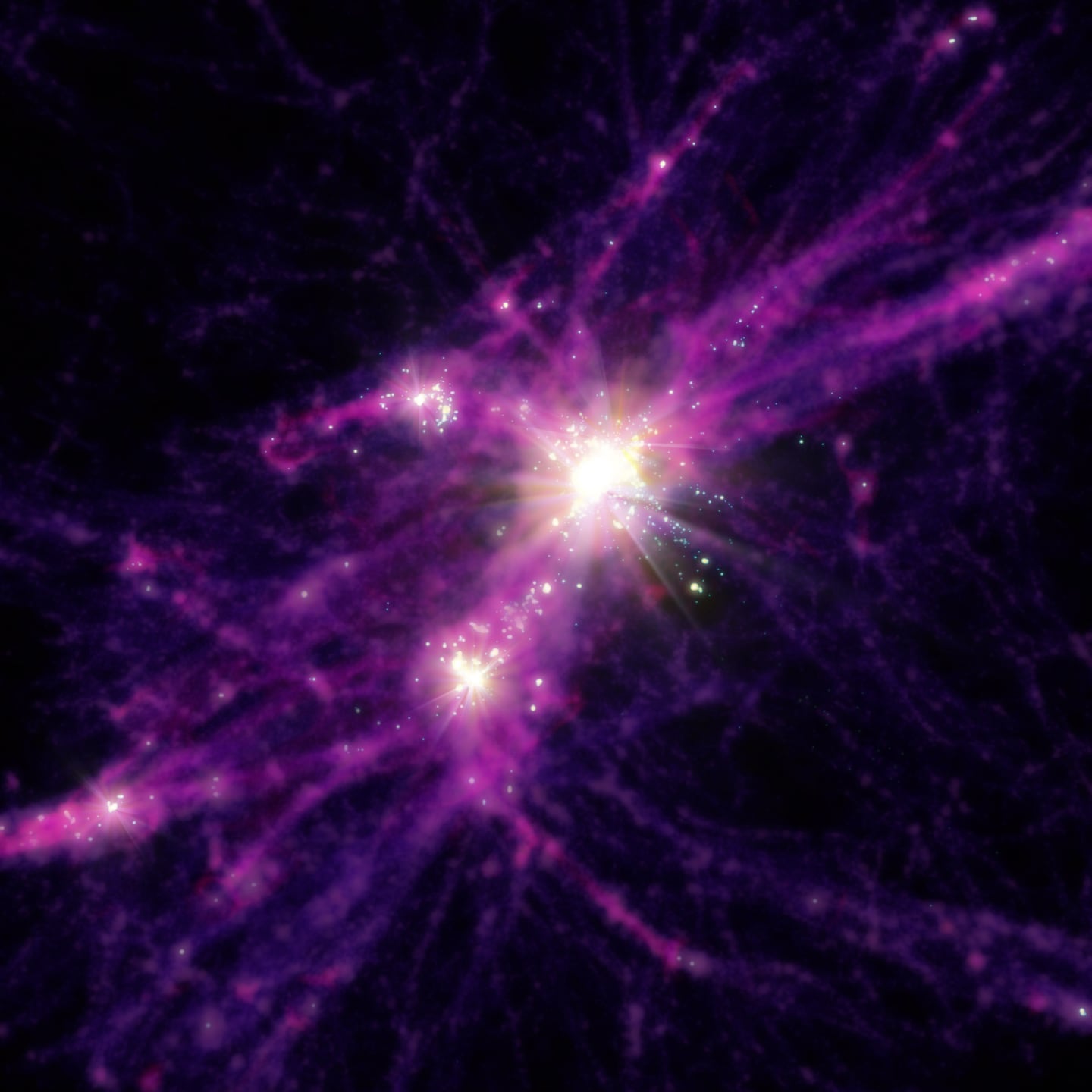
A study using extensive computer simulations suggests that magnetic fields in the early universe were billions of times weaker than a fridge magnet, yet their traces influence the cosmic web, helping refine our understanding of cosmic evolution and star formation.
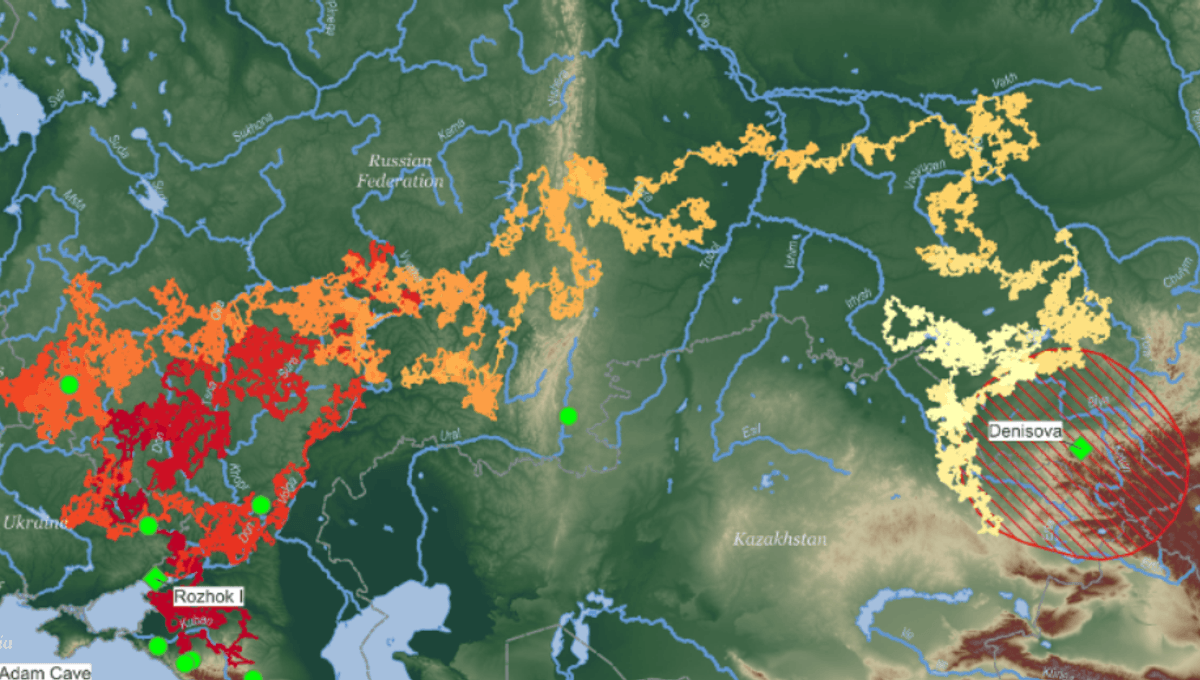
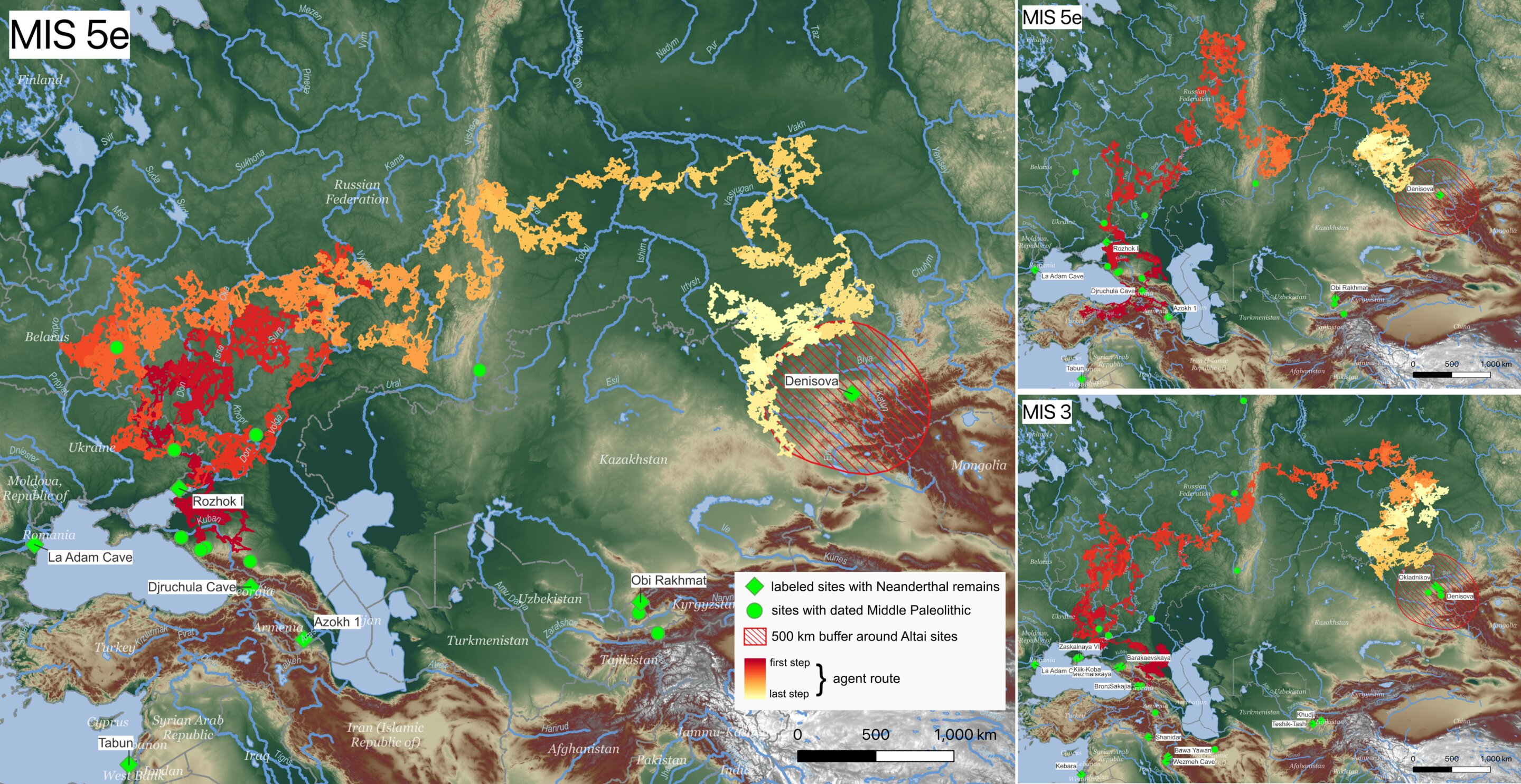
New computer simulations have mapped the likely migration routes of Neanderthals across Eurasia between 120,000 and 60,000 years ago, suggesting they used river valleys to traverse rugged terrain rapidly during warm periods, reaching Siberia's Altai Mountains within 2,000 years. This research provides insight into their swift movement despite geographical obstacles and highlights their extensive range before extinction around 40,000 years ago.
Anthropologists used computer simulations to map possible rapid migration routes of Neanderthals across Eurasia, suggesting they could have traveled over 2,000 miles in less than 2,000 years during warm periods, primarily following river valleys and crossing challenging terrains, which sheds light on their interactions with other ancient human groups.
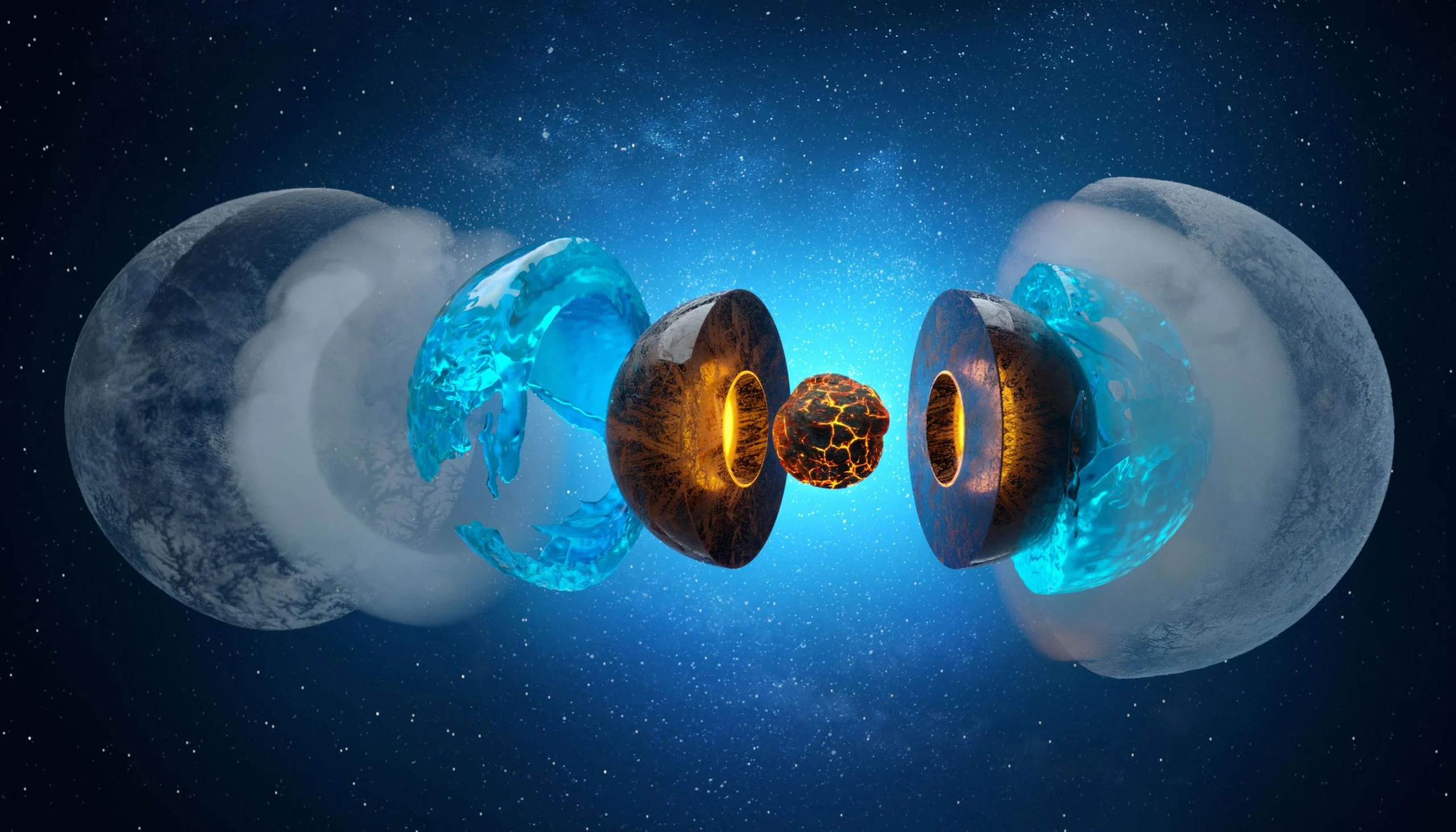
New research from UC Berkeley suggests that Uranus and Neptune have distinct internal layers of water and hydrocarbons, explaining their unusual magnetic fields. These layers, formed under extreme pressure and temperature, prevent convection, leading to disorganized magnetic fields unlike Earth's. The study, supported by computer simulations and machine learning, challenges previous theories and offers insights into the composition of similar exoplanets.
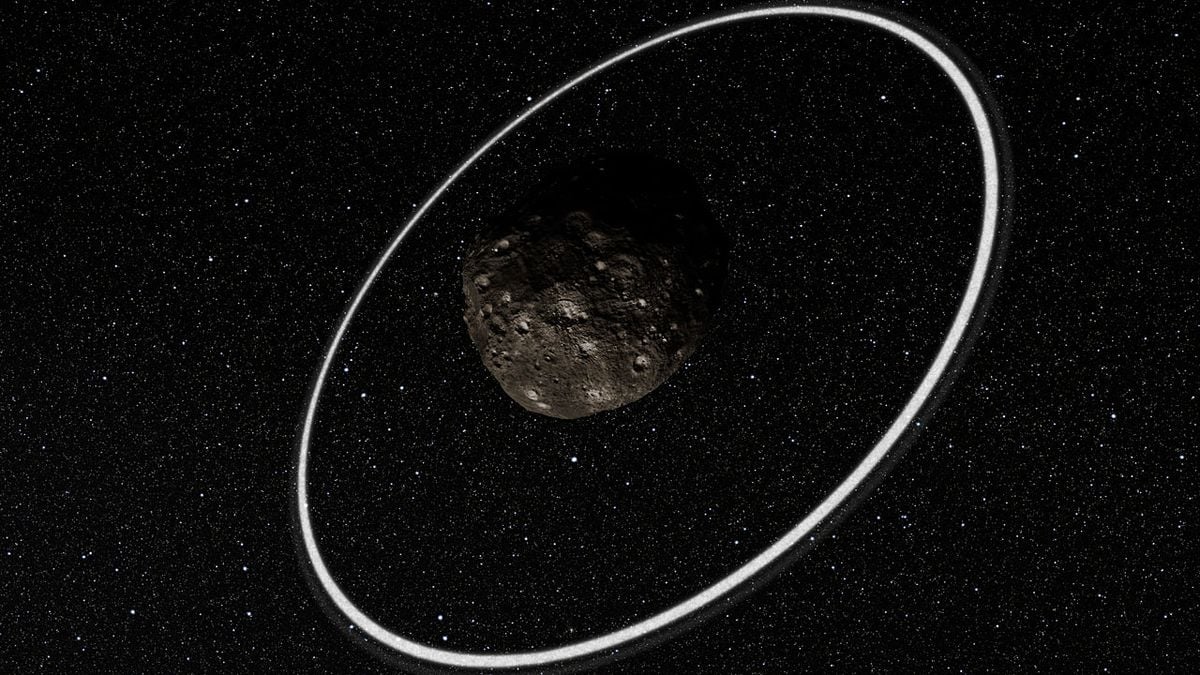
Computer simulations suggest that a small, unseen moonlet may be responsible for shaping the thin rings around the distant minor planet Chariklo, a Centaur located between Jupiter and Neptune. These rings, which are not like the rings of giant planets, are thought to be sculpted by the influence of a small satellite, keeping them narrow and preventing them from dispersing. The rings are primarily made of water ice, and their formation and stability are still under investigation.
A new study suggests that the bar shape of the Milky Way, a barred spiral galaxy, may have been caused by a collision with another galaxy, specifically the Gaia Sausage, which occurred about 8-11 billion years ago. Computer simulations show that without this collision, there could have been a 2 billion-year delay in the formation of the bar. While the study doesn't prove a direct causal relationship, it strongly implies that the collision triggered the formation of the Milky Way's bar structure. Further research and sky surveys will help us better understand the dynamics of our galactic structure.
Computer simulations suggest that long gamma-ray bursts, some of the universe's most energetic and mysterious light shows, may be generated when dense dead stars collide and create infant black holes surrounded by a disk of gas and dust. This finding helps explain the existence of long gamma-ray bursts that cannot be linked to the collapse of massive stars. The simulations show that when neutron stars collide and merge, a long gamma-ray burst can be launched alongside jets and winds of energetic particles. This unified model for gamma-ray bursts could also shed light on the origins of short gamma-ray bursts and requires further refinement and observational data.
Computer simulations conducted by researchers suggest that long gamma-ray bursts, some of the universe's most energetic and mysterious light shows, may be generated when dense dead stars collide and create infant black holes surrounded by a disk of gas and dust. The simulations show that when neutron stars collide and merge, a long gamma-ray burst can be launched alongside the event's jets and energetic particles. These findings could help explain the existence of long gamma-ray bursts that cannot be linked to the collapse of massive stars. The research provides a unified model for gamma-ray bursts and offers insights into the origins of these phenomena.
A new astrophysics model based on cutting-edge computer simulations and theoretical calculations has provided insights into the origin of long gamma-ray bursts (GRBs). The model confirms that some long GRBs are generated by cosmic mergers, such as the merging of black holes or neutron stars, which create an infant black hole surrounded by a large disk of material. This unified model helps explain observed long GRBs that couldn't be linked to collapsing stars and provides a framework for understanding the physics behind these energetic events. The researchers hope to refine the model further and identify the origins of short GRBs as well.
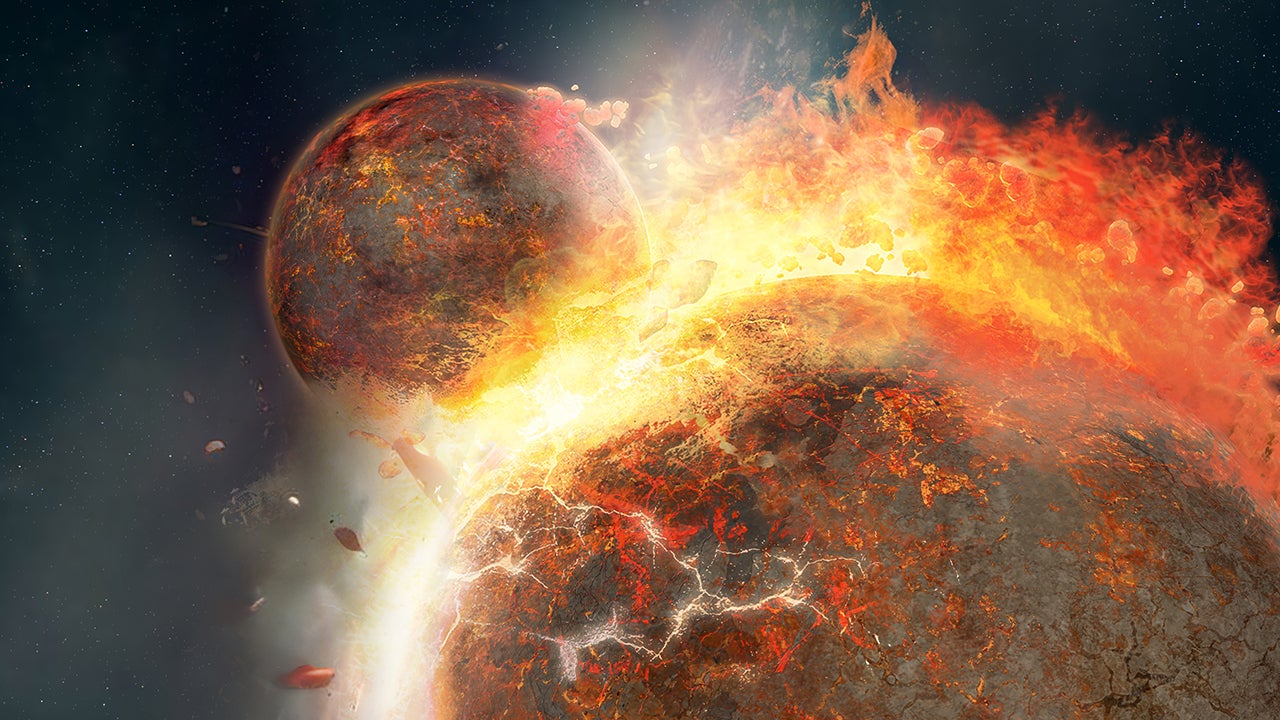
Scientists believe that remnants of an ancient Mars-sized planet called Theia, which collided with Earth 4.5 billion years ago and gave rise to the formation of the moon, may be buried deep within Earth's mantle close to the core. Computer simulations support the theory that two continent-sized masses of material located under Africa and the Pacific Ocean are remnants of Theia. These masses, known as large low-velocity provinces (LLVPs), have a different composition and higher density than the surrounding mantle. The simulations suggest that Theia's matter, which partially melted Earth's mantle during the collision, settled into these LLVPs over time. Further research will explore how this alien material may have influenced Earth's evolution and the formation of its first continents.
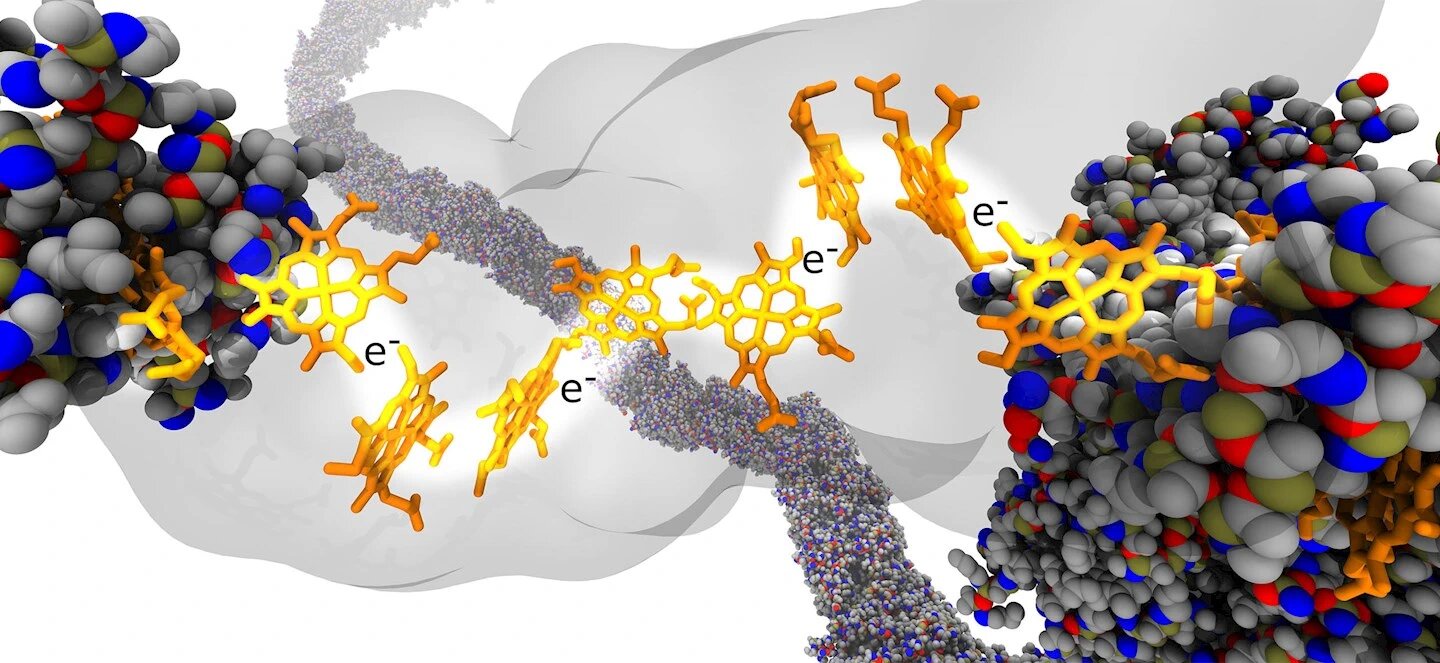
Researchers have used computer simulations to study the movement of electrons through biological nanowires made of proteins. By manipulating variables such as the length and thickness of the nanowires, they discovered that electron transport depends on the motion of the proteins within the wire. Understanding how to optimize electron flow in biological nanowires is crucial for potential applications in connecting biological processes to conventional electronics.
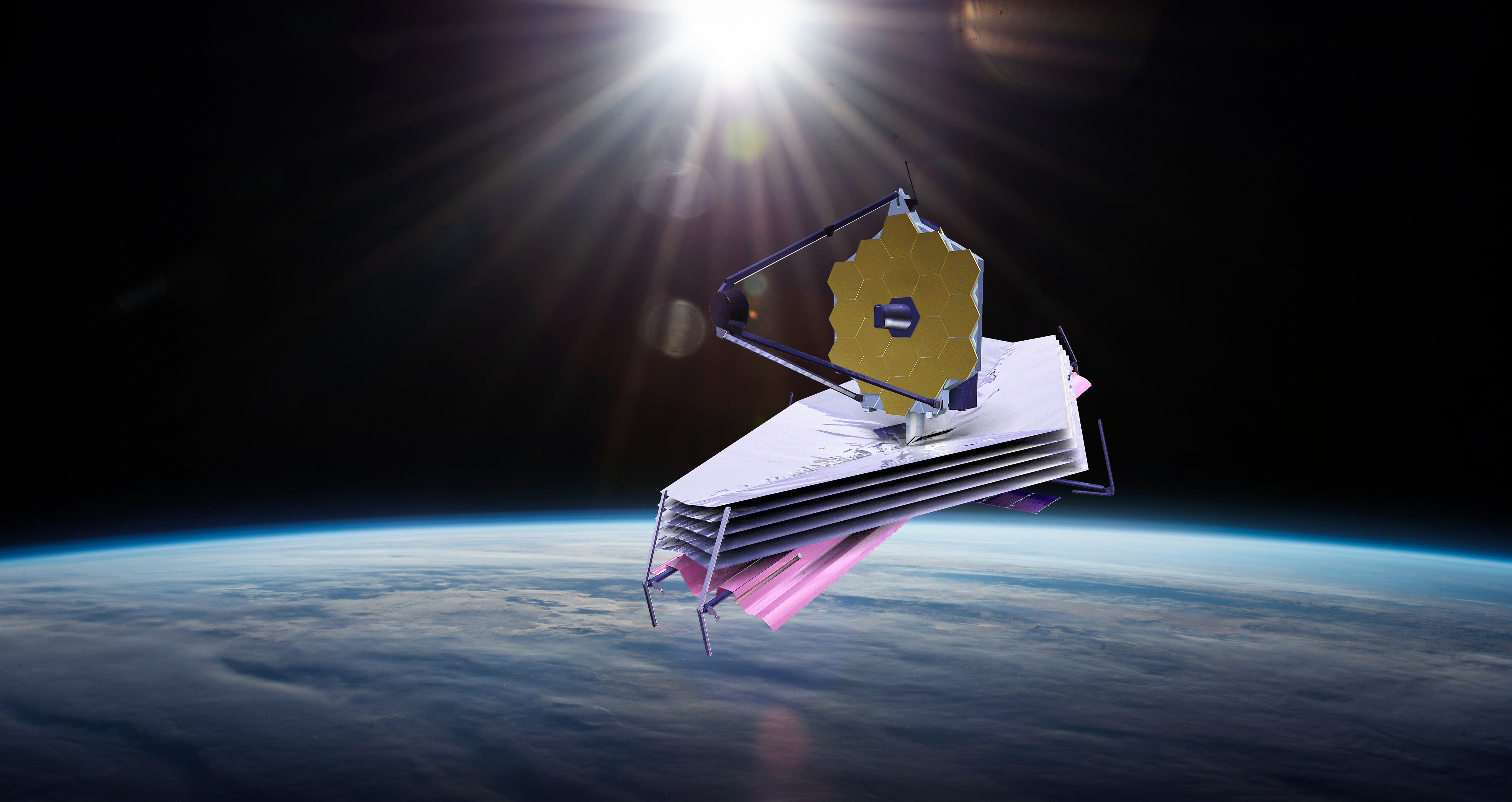
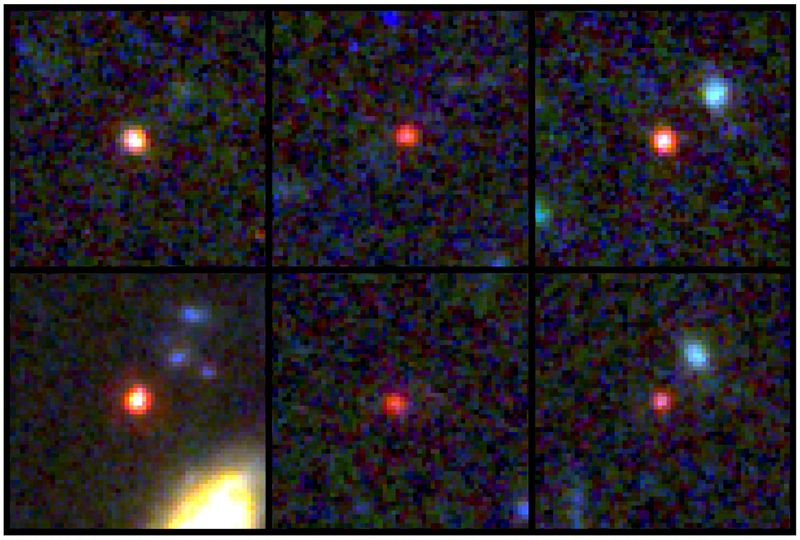
The James Webb Space Telescope has captured images of seemingly massive and mature galaxies from the cosmic dawn period, challenging scientists' assumptions about galaxy formation. However, a recent analysis suggests that these galaxies may appear larger and more mature due to "bursty star formation," where they emit flashes of bright light in intermittent bursts. Computer simulations indicate that the number of bright galaxies observed in the images is consistent with the standard model of the universe, but further research is needed to fully understand galaxy formation during the early stages of the universe.
Scientists have finally found an explanation for the unusually bright images of early galaxies captured by the James Webb telescope. A new study published in The Astrophysical Journal Letters suggests that bursts of star formation in these galaxies could have caused the high levels of brightness observed. Computer simulations supported this theory, indicating that the deviations from the standard model of cosmology were associated with these star formation events. This finding reassures astronomers that our model of the universe's evolution is not entirely broken, but rather incomplete.
Scientists have used computer simulations to explain the existence of massive and mature galaxies during the early stages of the universe, a phenomenon that defied expectations. The simulations showed that star formation in these early galaxies occurred in occasional bursts, rather than at a steady pace, causing them to appear brighter and larger than they actually were. This resolves the mystery without challenging the standard cosmological model. The findings were based on observations made by the James Webb Space Telescope, which has provided valuable insights into the early history of the universe.
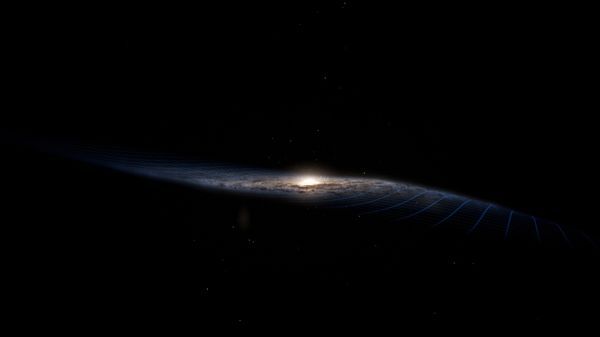
A new study suggests that a gigantic blob of invisible dark matter has caused the Milky Way galaxy to warp. Measurements taken since the mid-20th century reveal that the galaxy is bent out of shape, mostly at its borders. Computer simulations indicate that a collision, likely from another galaxy, caused the dark matter halo around our galaxy to tilt up by as much as 50 degrees before slowly swinging down to its current 20-degree angle elevation. This discovery provides compelling evidence that our galaxy is embedded in a tilted dark matter halo.