Tag

Conjunction

All articles tagged with #conjunction

Mars Engages in Spectacular Conjunctions and Sky Events This Week

Originally Published 6 months ago — by Live Science

Featured image for Mars Engages in Spectacular Conjunctions and Sky Events This Week
Source: Live Science

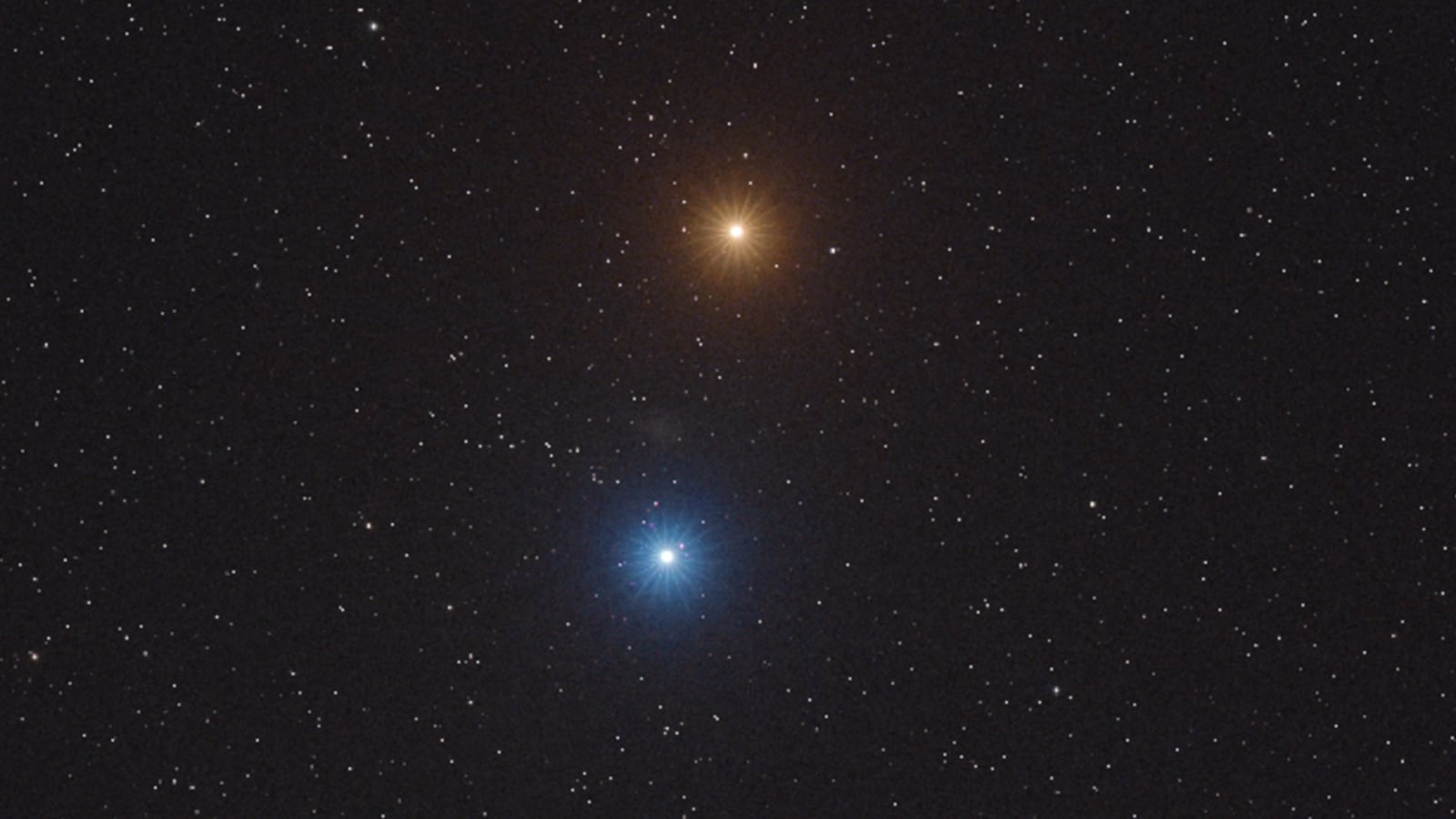
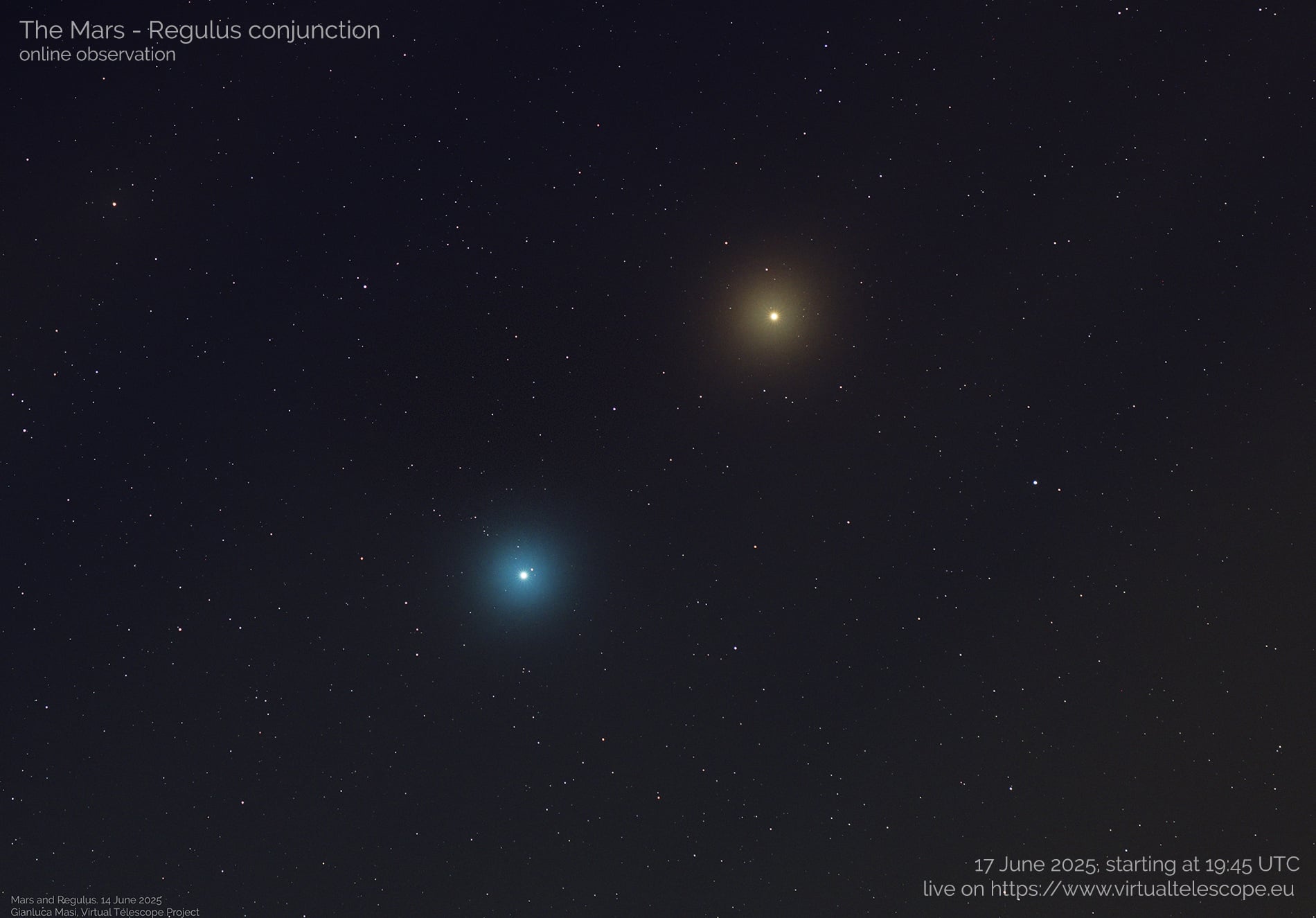
A striking photo captured by the Virtual Telescope Project shows Mars and the star Regulus appearing very close in the night sky on June 16, with the two objects nearly identical in brightness but contrasting in color, highlighting a rare celestial conjunction that can be observed with telescopes or binoculars.

Witness the Rare Moon-Mars Conjunction Tonight

Originally Published 1 year ago — by Space.com

Featured image for Witness the Rare Moon-Mars Conjunction Tonight
Source: Space.com

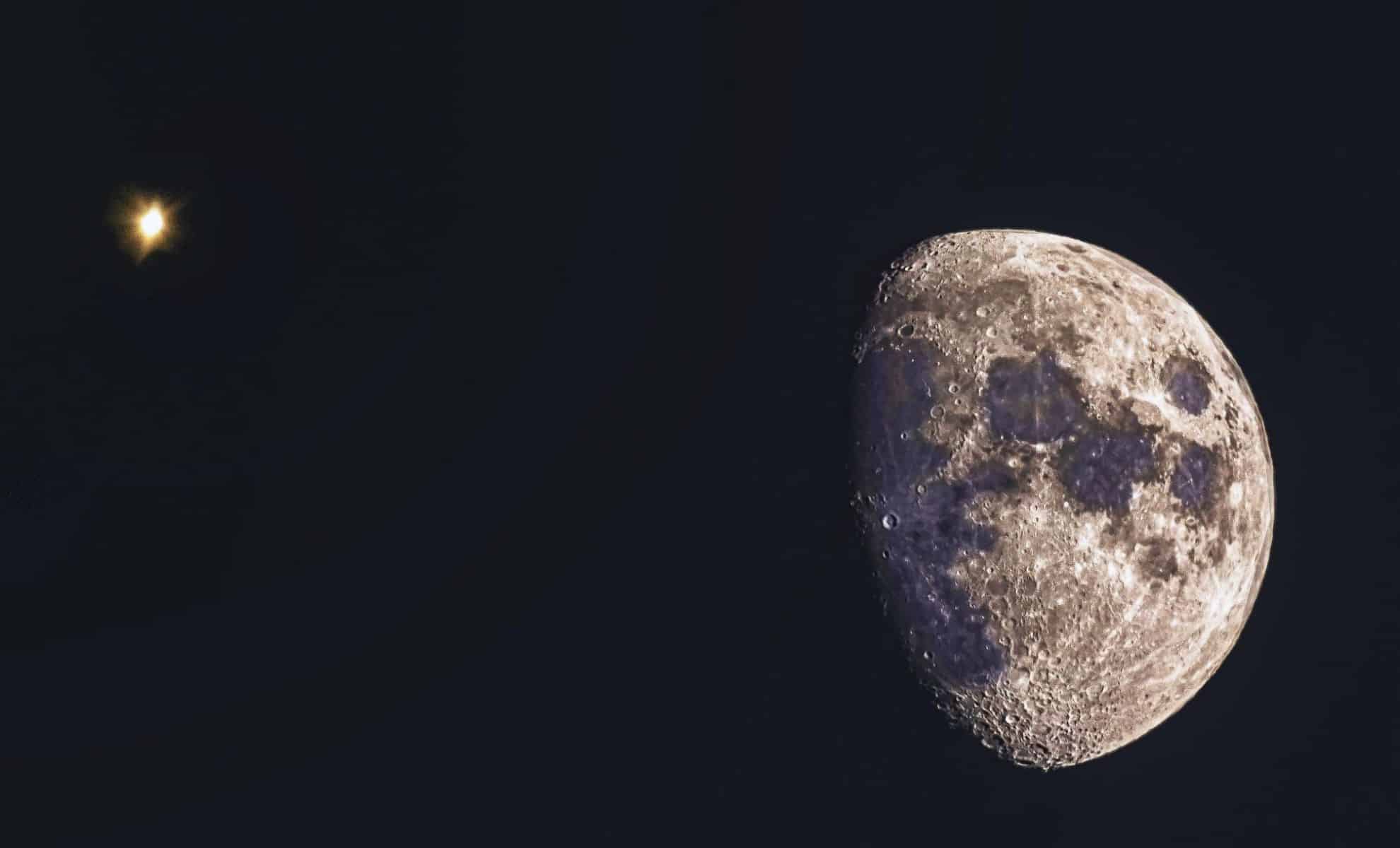
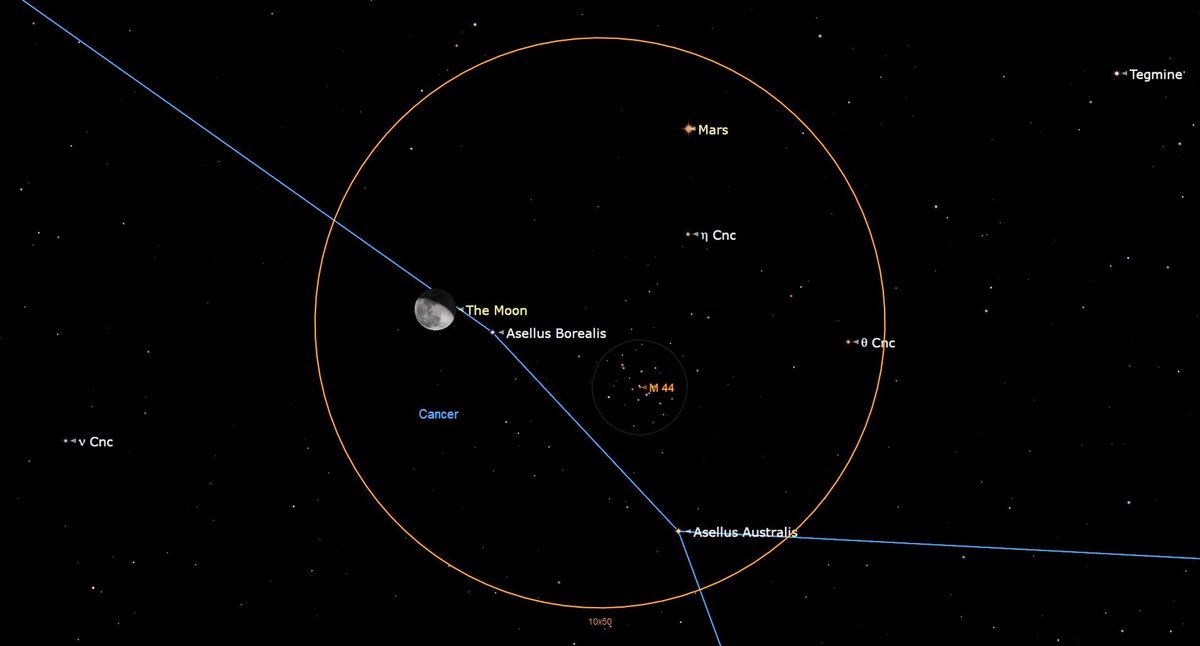
Tonight, Mars and the moon will appear close together in the night sky, forming a conjunction in the Cancer constellation. The moon, in its waning gibbous phase, will rise about four hours after sunset, with Mars visible just above it. This celestial event offers a great opportunity for skywatchers to observe the Red Planet's increasing brightness and the detailed lunar surface through binoculars or a telescope. Mars will soon enter retrograde motion in December, appearing to move westward due to Earth's orbit.

"NASA Captures Stunning 'Double Planet' View Missed by Others"

Originally Published 1 year ago — by Forbes

Featured image for "NASA Captures Stunning 'Double Planet' View Missed by Others"
Source: Forbes

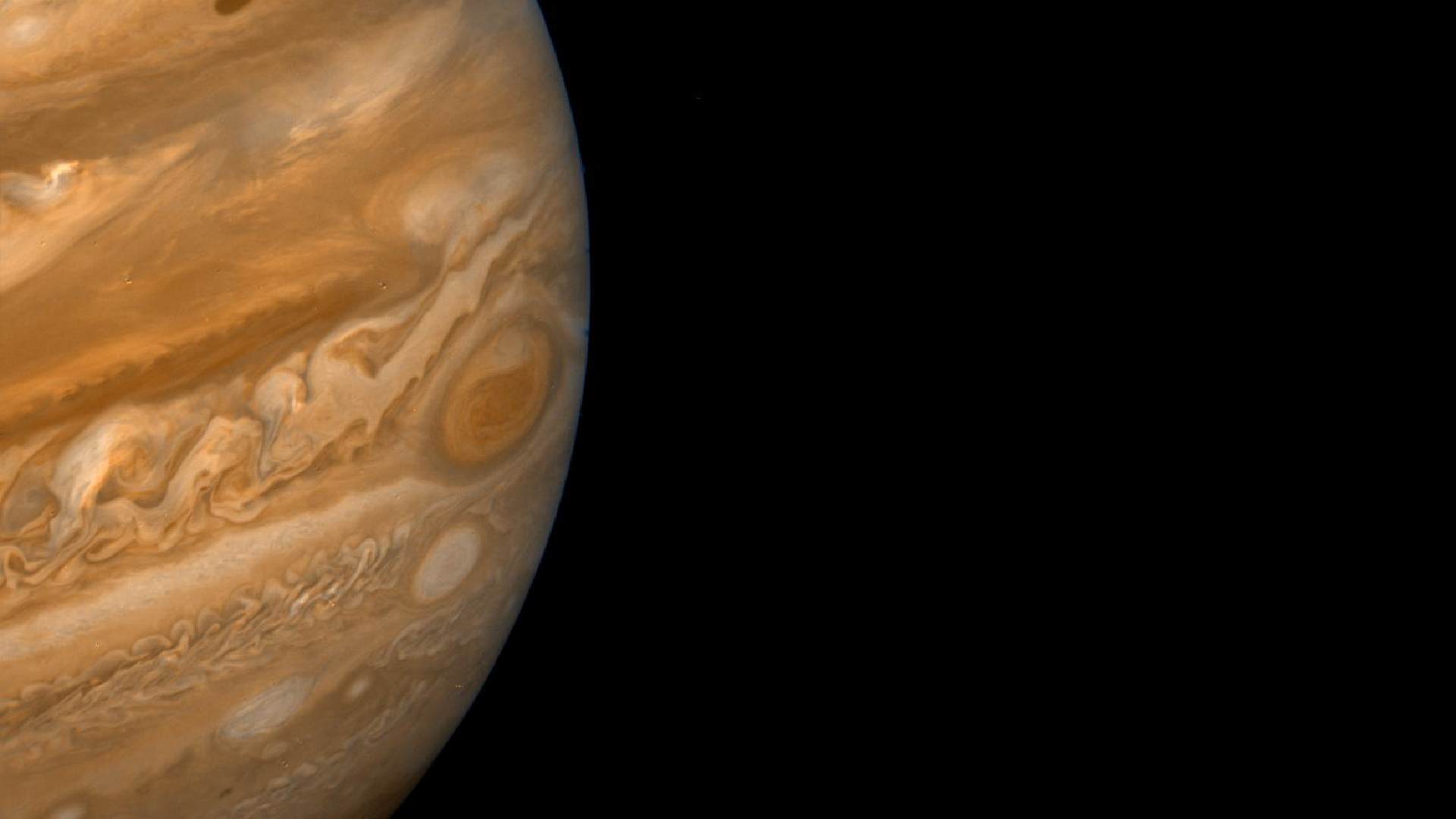
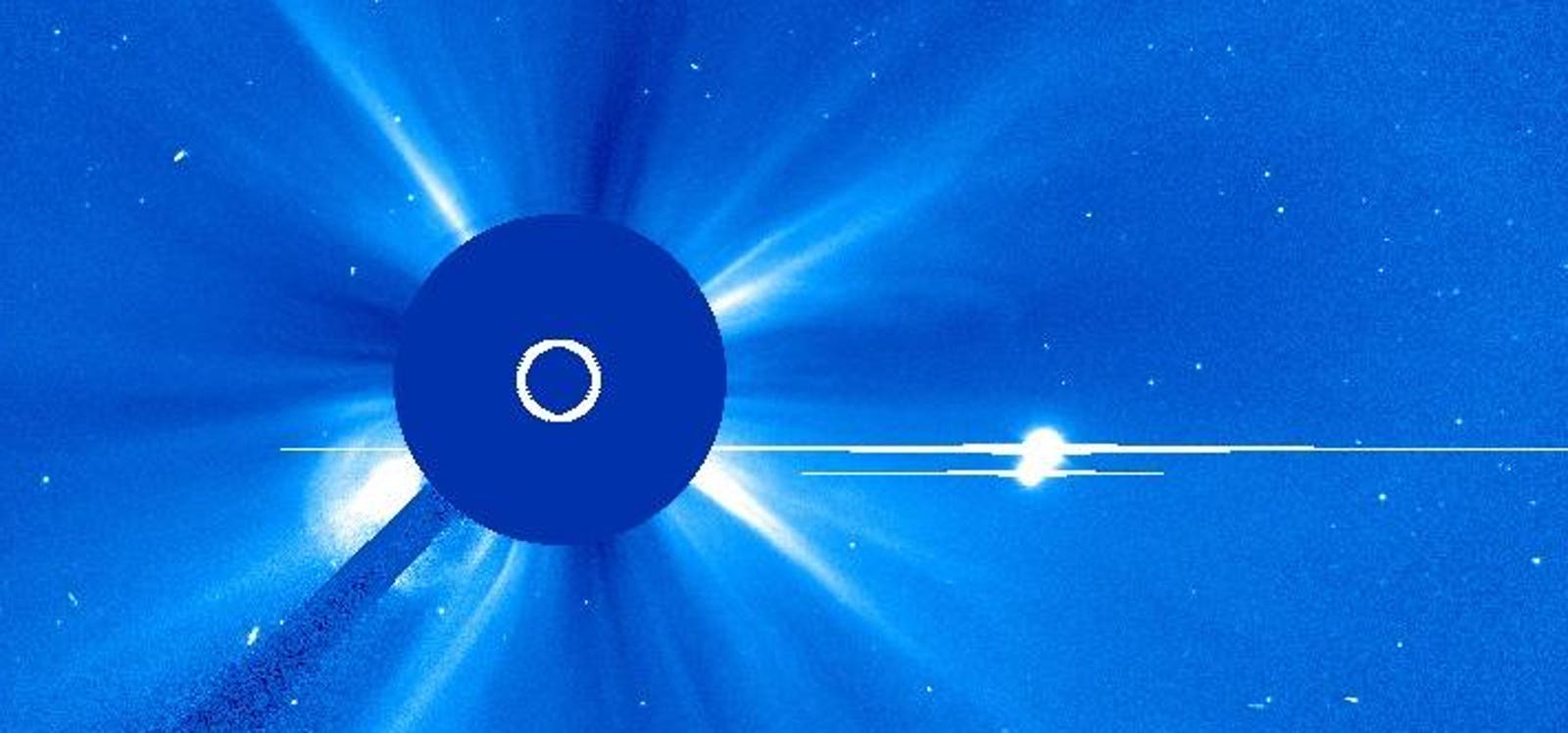
A rare conjunction of Venus and Jupiter occurred on May 23, but it was missed by everyone except NASA due to its proximity to the sun. NASA's SOHO spacecraft, equipped with a coronagraph, was able to observe the event by creating an artificial eclipse, revealing the planets and the nearby Pleiades star cluster.

"Rare Celestial Event: Thin Crescent Moon Converges with Saturn Tonight"

Originally Published 2 years ago — by Space.com

Featured image for "Rare Celestial Event: Thin Crescent Moon Converges with Saturn Tonight"
Source: Space.com

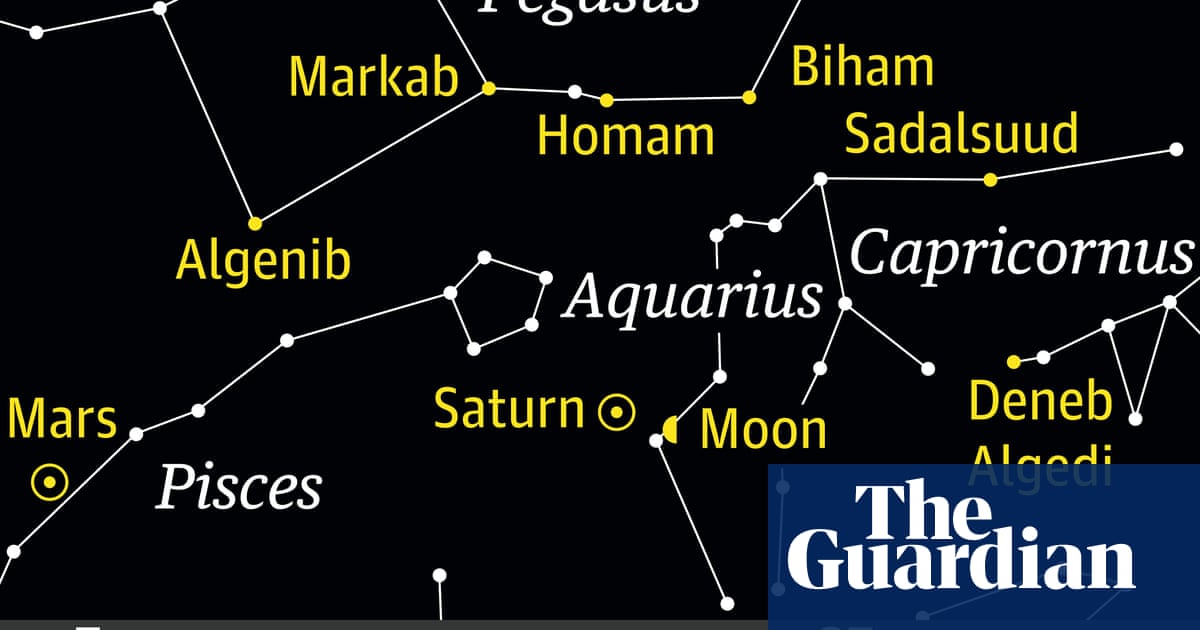
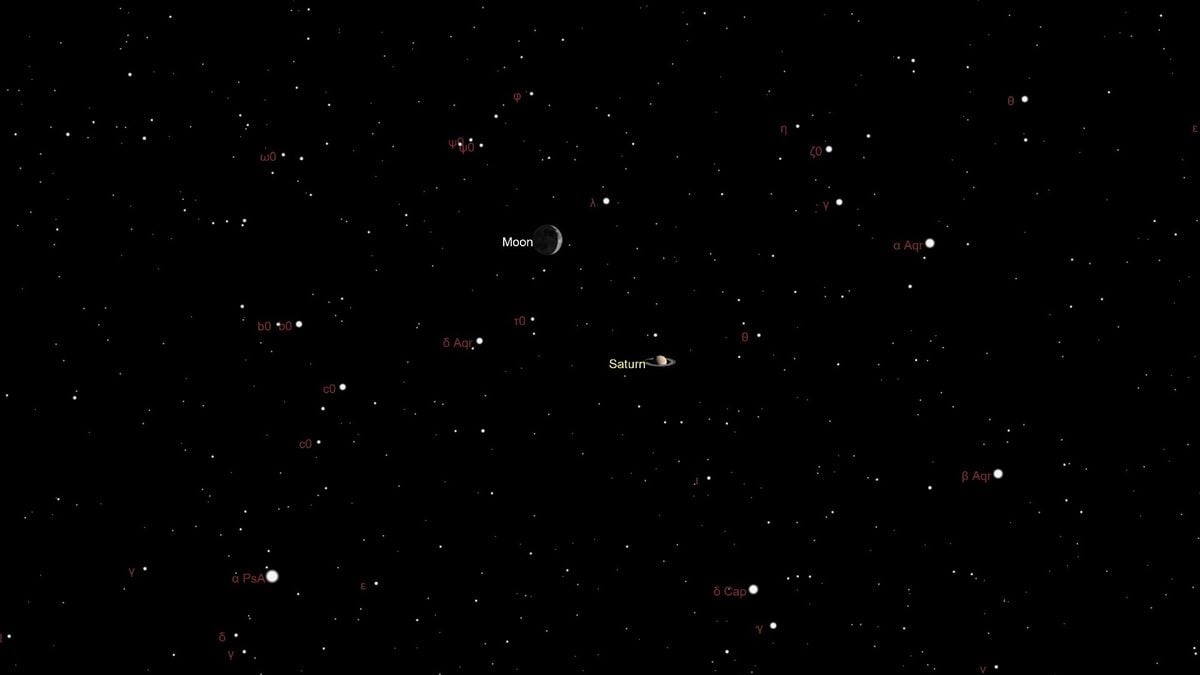
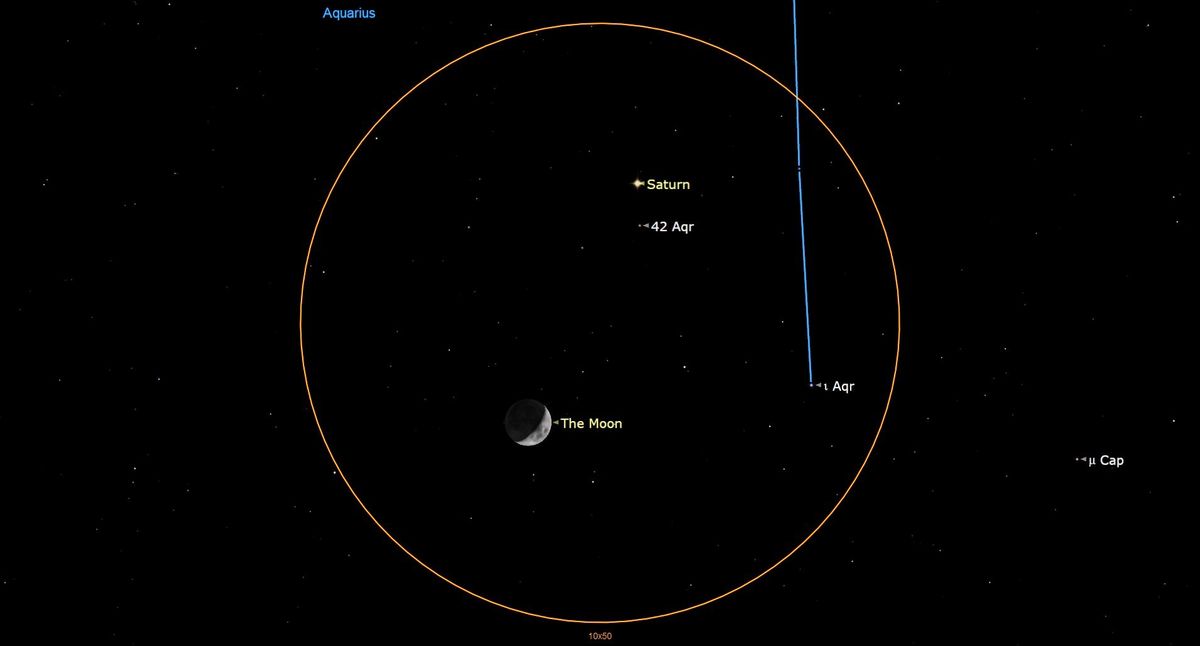
On January 14, the thin crescent moon will meet up with Saturn in a close approach, forming a conjunction in the constellation Aquarius. Skywatchers in New York City can observe the event shortly after sunset. While the moon will dominate Saturn in size and brightness, they will be too widely separated to be visible together in a telescope's field of view. The article also provides tips for photographing the moon and Saturn, and invites readers to share their images of the conjunction with Space.com.

Celestial Holiday: Saturn and Crescent Moon's Serendipitous Encounter

Originally Published 2 years ago — by Space.com

Featured image for Celestial Holiday: Saturn and Crescent Moon's Serendipitous Encounter
Source: Space.com

The moon and Saturn will have a close approach on December 17, visible from New York City and other locations. The moon will be half-illuminated, and both celestial bodies will share the same right ascension. The moon and Saturn will be located in the constellation of Aquarius during the meet-up. The conjunction will be more visible after sunset until they set to the southwest. The moon will appear much larger than Saturn due to its closer proximity to Earth.

Celestial Delight: Witness the Enchanting Venus-Moon Conjunction

Originally Published 2 years ago — by Livescience.com

Featured image for Celestial Delight: Witness the Enchanting Venus-Moon Conjunction
Source: Livescience.com

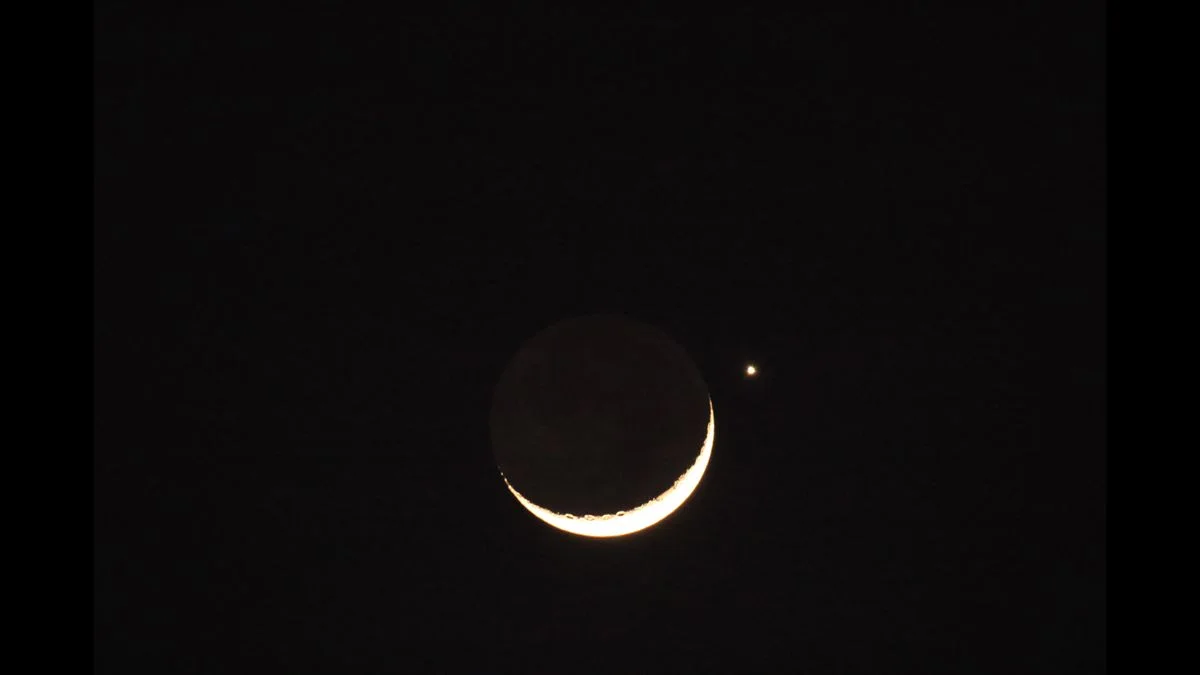
On Thursday, November 9, early risers will have the opportunity to witness a close conjunction between the crescent moon and Venus, creating a smiley face in the sky. Visible in the eastern sky starting at about 3 a.m. across North America, the moon will be just 15% lit during the event. While North America will experience a lovely conjunction, some parts of Greenland, Iceland, Europe, Russia, and Africa will witness Venus briefly disappearing behind the moon.

Celestial Spectacle: Moon and Venus Embrace in Early Morning Sky

Originally Published 2 years ago — by Space.com

Featured image for Celestial Spectacle: Moon and Venus Embrace in Early Morning Sky
Source: Space.com

On October 10, the moon and Venus will have a close approach in the sky, known as a conjunction. The 25-day-old waning crescent moon will be visible from New York City soon after it rises, followed by Venus a little later. Both will be in the constellation Leo during the conjunction. While they won't be visible together in a telescope's narrow field of view, they can be seen together in wider field of view binoculars. Venus, despite being the second planet from the sun, is the hottest body in the solar system due to its dense atmosphere and runaway greenhouse effect. Skywatchers will have another opportunity to spot Venus on October 20 when it reaches its highest point in the sky during its current period of early morning appearances.

Celestial rendezvous: Moon and Jupiter unite in night sky on Sept. 4!

Originally Published 2 years ago — by Space.com

Featured image for Celestial rendezvous: Moon and Jupiter unite in night sky on Sept. 4!
Source: Space.com

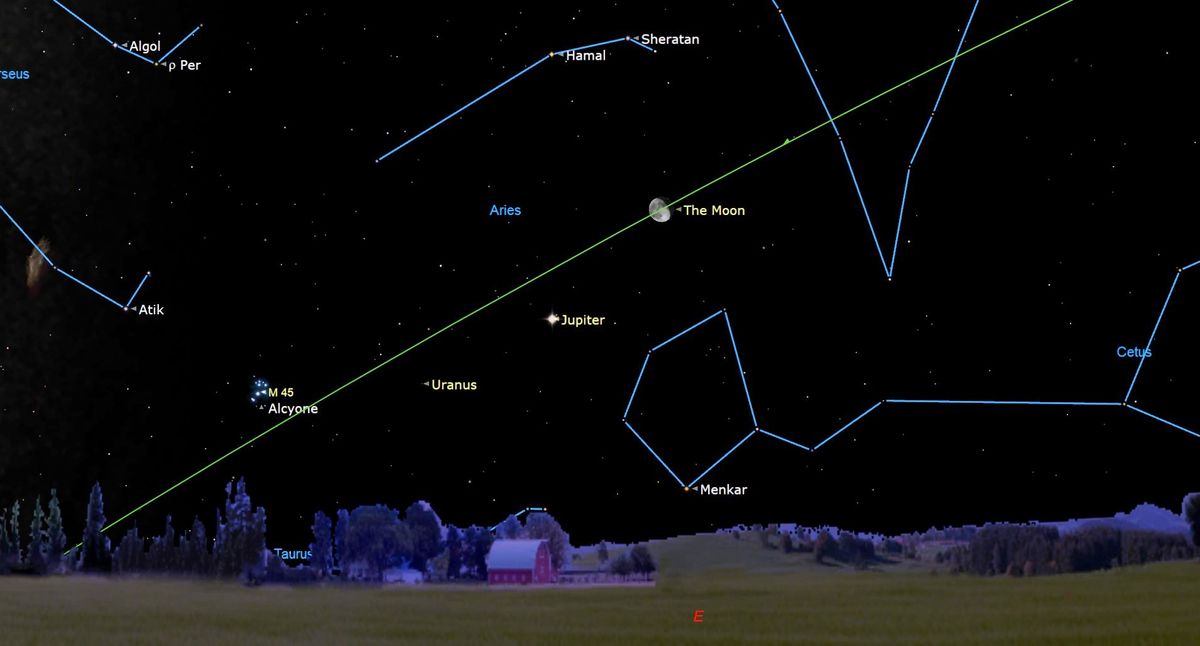
Tonight, the moon and Jupiter will have a close approach in the night sky, visible from New York City. The moon will be in its waning gibbous phase, with around 64% of the lunar disk illuminated by the sun. Jupiter will appear just above and to the right of the moon. Although the moon will outshine Jupiter and dominate the night sky, Jupiter is actually much larger in size. The two celestial bodies will also join in a conjunction, sharing the celestial equivalent of longitude in the sky known as right ascension. While they will be too widely separated to be seen together in the narrow field of view of a telescope, they should be visible together with binoculars.

"Rare Super Blue Moon: A Celestial Spectacle to Witness Tonight"

Originally Published 2 years ago — by Space.com

Featured image for "Rare Super Blue Moon: A Celestial Spectacle to Witness Tonight"
Source: Space.com

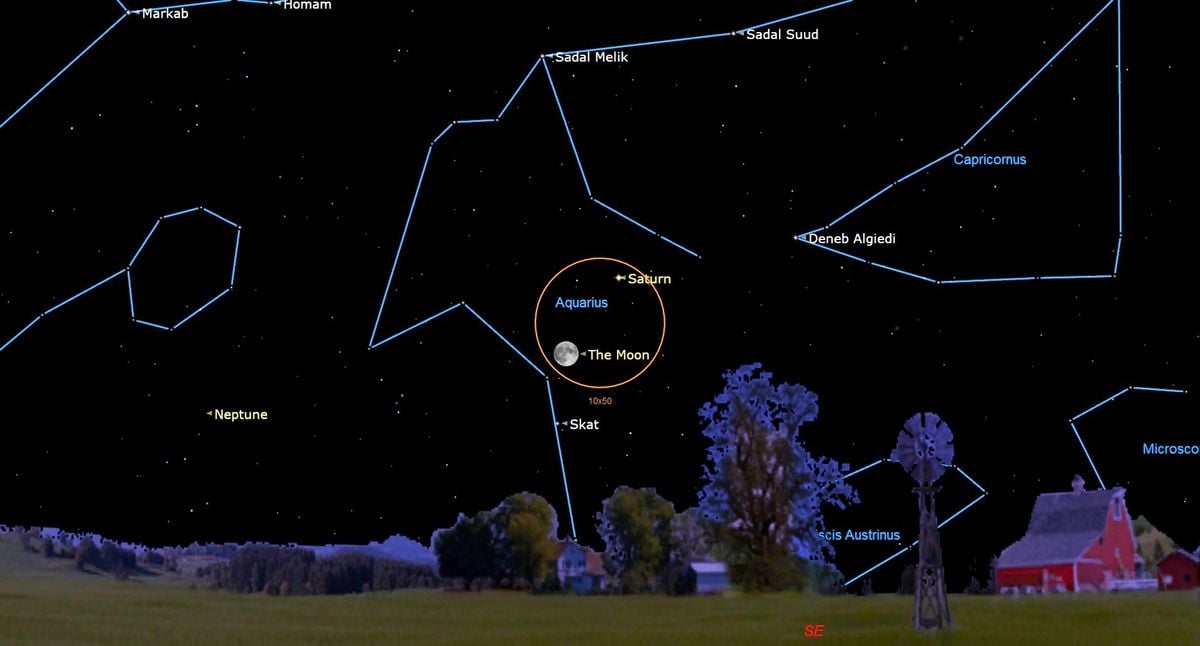
Tonight, the Super Blue Moon will pass within two degrees of Saturn, providing a perfect opportunity for skywatchers to spot the gas giant planet. The moon and Saturn will share a conjunction, appearing in the constellation of Aquarius. While they will be too widely separated to be viewed together with a telescope, they can be seen together with binoculars. The moon will dominate Saturn in apparent size, but in reality, Saturn is much larger. Its volume is so massive that it would take around 3,800 moons to fill the space it occupies. Skywatchers can use telescopes or binoculars to observe this celestial event.