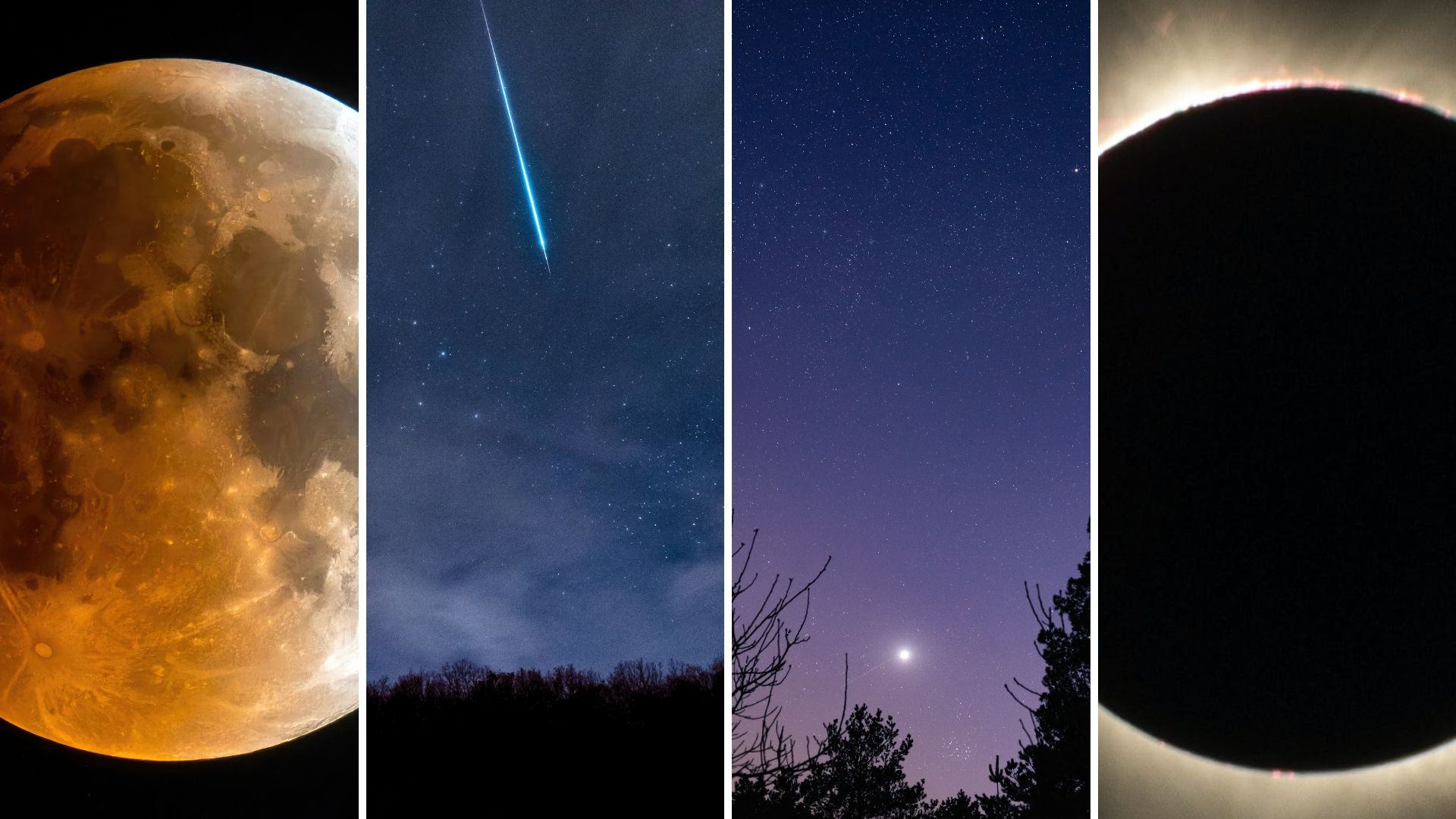
2026 offers numerous exciting skywatching events including eclipses, planetary conjunctions, meteor showers, and a supermoon, providing spectacular opportunities for astronomy enthusiasts to observe the night sky.
The 2026 horoscope predicts significant astrological events like eclipses and planetary shifts that will influence each zodiac sign, encouraging growth, change, and new opportunities across personal and social spheres.
The article discusses upcoming astronomical events in 2026, including solar and lunar eclipses, meteor showers, and planetary alignments, and offers tips for viewing these phenomena from dark sky locations, along with information on new observatories and space missions like Artemis II.
2026 will feature major astronomical events including a total solar eclipse, lunar eclipses, planetary occultations, meteor showers, and notable planetary conjunctions, making it an exciting year for skywatchers.
The article outlines major astrological events in 2026, including four eclipses, planetary retrogrades, and sign changes, which are expected to influence personal growth, relationships, and career for each zodiac sign, emphasizing themes of renewal, reflection, and self-discovery.
September 2025 features notable celestial events including Saturn at opposition, a full Corn Moon, a partial solar eclipse, and the autumnal equinox, along with opportunities to observe the Northern Lights, the Great Square of Pegasus, and the Andromeda Galaxy, making it an exciting month for stargazing in the Northern Hemisphere.
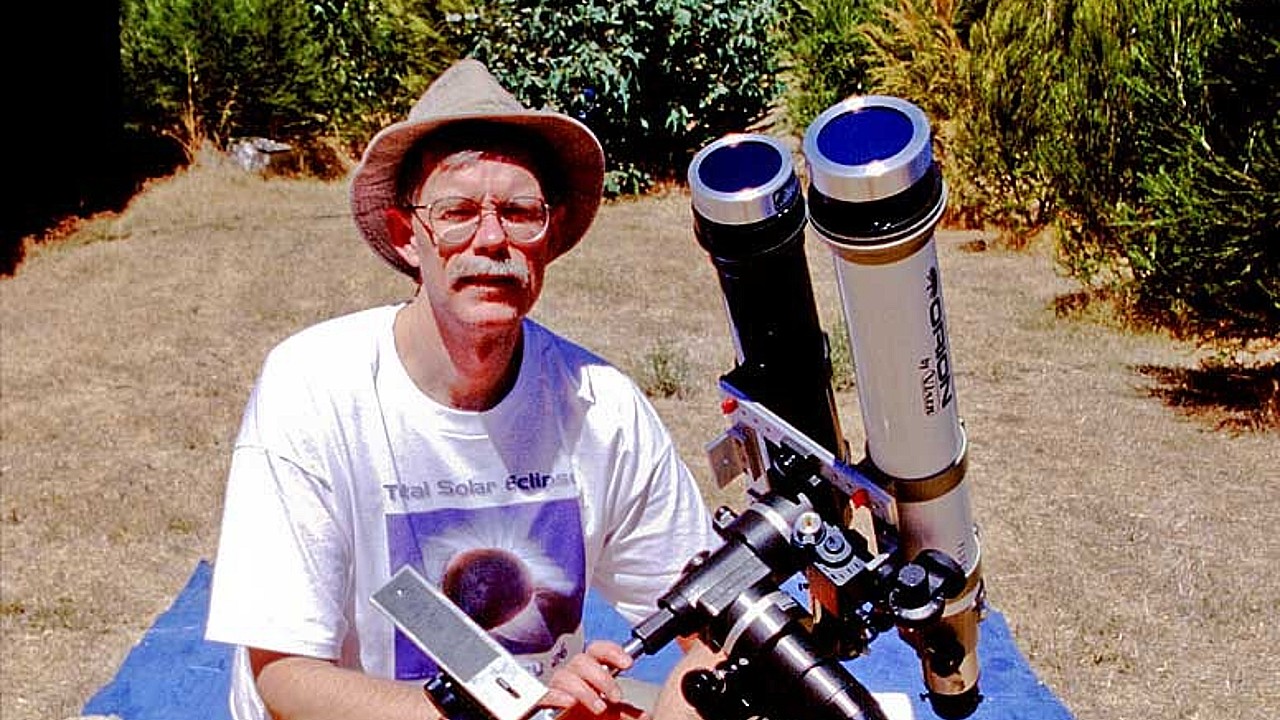
Fred Espenak, renowned astronomer known as 'Mr. Eclipse' for his expertise in eclipse calculations, passed away at 71 due to pulmonary fibrosis. He was celebrated for his extensive work on eclipse predictions, publications, and public outreach, leaving a lasting legacy in the astronomy community.
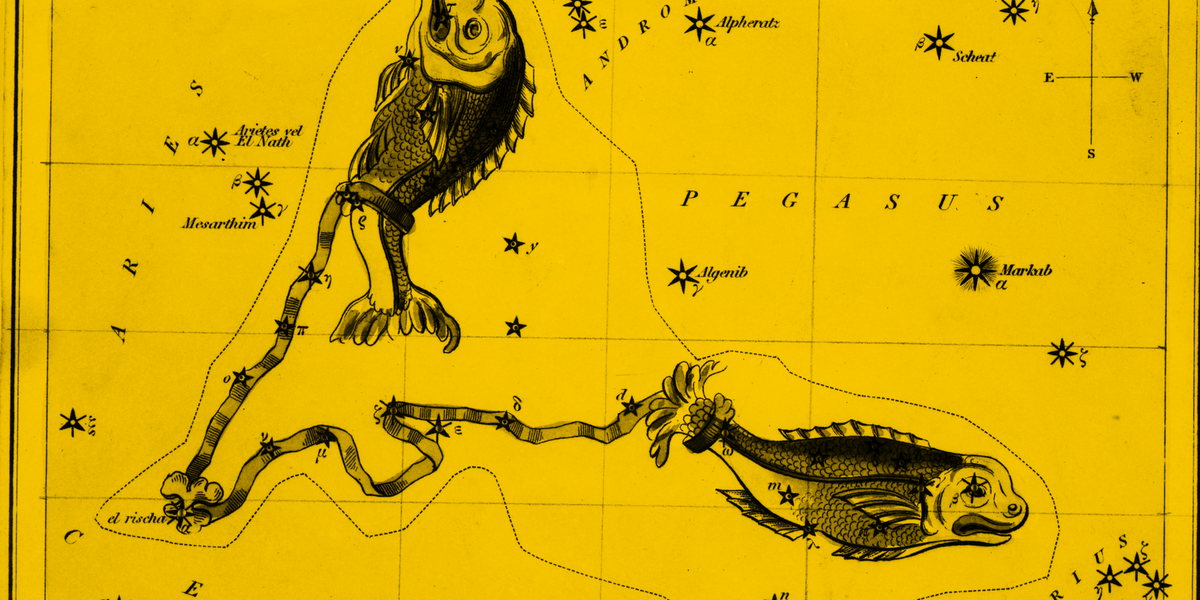
March 2024 brings significant energetic shifts with planetary movements, Aries season, and the start of eclipse season. Key dates include the New Moon in Pisces on March 10th, Venus entering Pisces on March 11th, Aries season beginning on March 20th, Mars entering Pisces on March 22nd, and the Lunar Eclipse in Libra on March 25th. Each zodiac sign is advised to focus on different aspects such as setting boundaries, seeking intimacy, embracing creativity, and releasing outdated beliefs.
The year 2024 will feature a plethora of celestial events including meteor showers, eclipses, and supermoons, with the highlight being a total solar eclipse on April 8 visible across the U.S., Mexico, and Canada. Other events include the Wolf Moon on January 25, the Lyrids Meteor Shower in April, the Eta Aquarid Meteor Shower in May, and the Geminid Meteor Shower in December. Stargazers can also look forward to various full moons, equinoxes, and planetary alignments throughout the year.
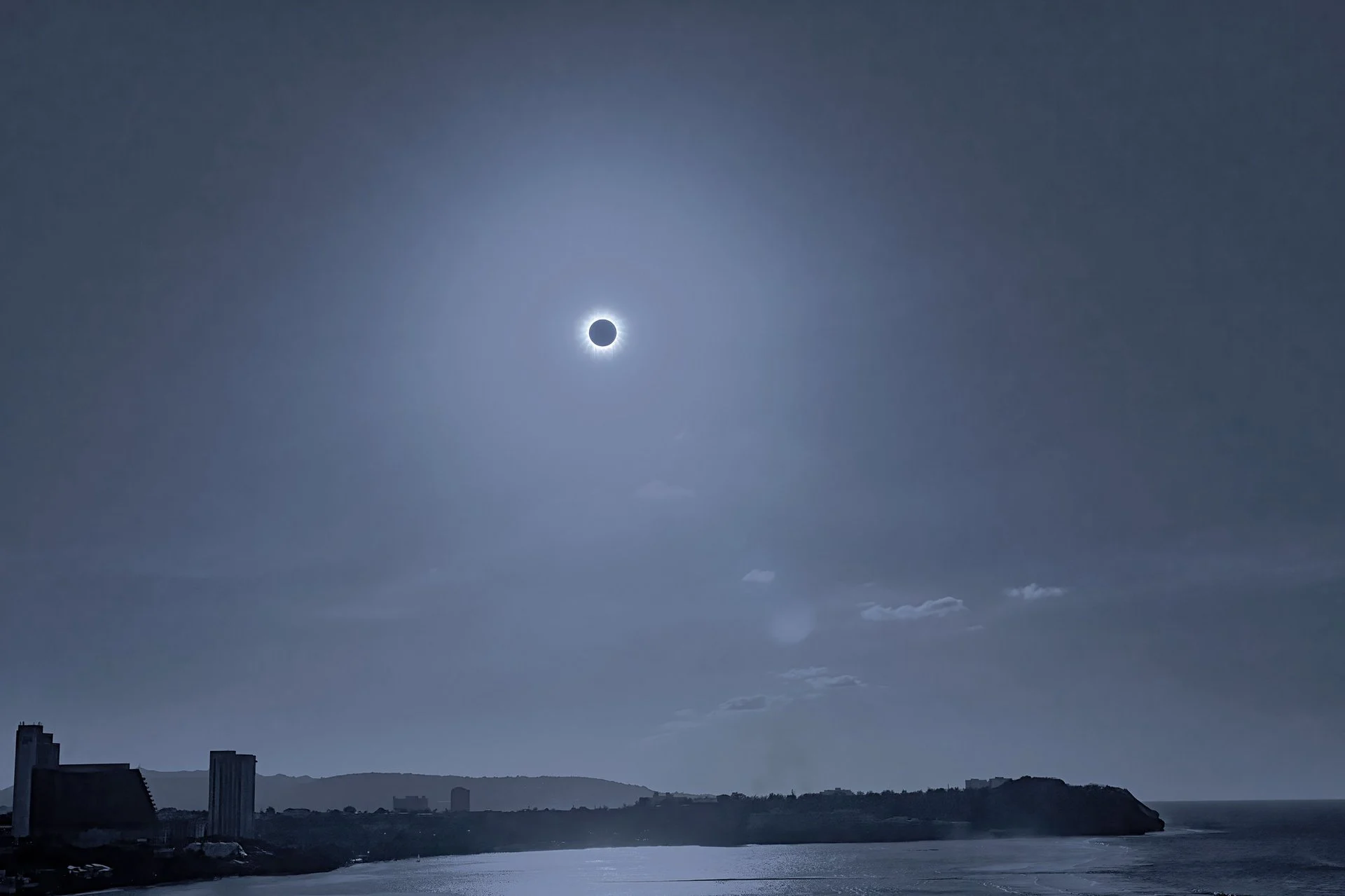
Eclipses have had a significant impact on human history, influencing decisions, changing the outcome of battles, and shaping our understanding of the universe. Examples include a solar eclipse in 585 BC that ended a war between the Lydians and the Medes, an eclipse that saved Christopher Columbus and his crew from starvation in 1504, and a lunar eclipse in 1806 that solidified the influence of Native American leaders Tecumseh and his brother. The most historically consequential eclipse occurred in 1919 when a solar eclipse confirmed Albert Einstein's theory of general relativity. Eclipses continue to captivate and shape human history.
October will offer a series of astronomical events for stargazers, including the Draconids meteor shower on October 8, an annular solar eclipse on October 14 (visible in parts of North America), the Orionids meteor shower on October 20, and a partial lunar eclipse on the final weekend of October (best seen from Europe, Africa, and Asia). The events provide opportunities to witness shooting stars, a "ring of fire" eclipse, and the Hunter's Moon.
Two different types of eclipses are set to occur over Central Texas in the coming months, prompting Chief Meteorologist David Yeomans to provide a lesson on their unique characteristics. The article offers insights into the types of eclipses, what differentiates them, and the specific dates of occurrence. Additionally, readers can find information on observing tips from experienced eclipse chasers, the impact on local schools, and the duration of the eclipses in their respective areas.
Lost Maples State Natural Area in Vanderpool, Texas has been ranked as having the best fall foliage in the U.S. by New York Travel Guides. Known for its bigtooth maple trees, the park offers over 10 miles of trails, 30 campsites, and scenic views of the Sabinal River. In addition to fall foliage, Lost Maples is also in the path of two upcoming eclipses, including an annular eclipse on October 14 and a total eclipse on April 8. Visitors are advised to reserve passes online for entry.
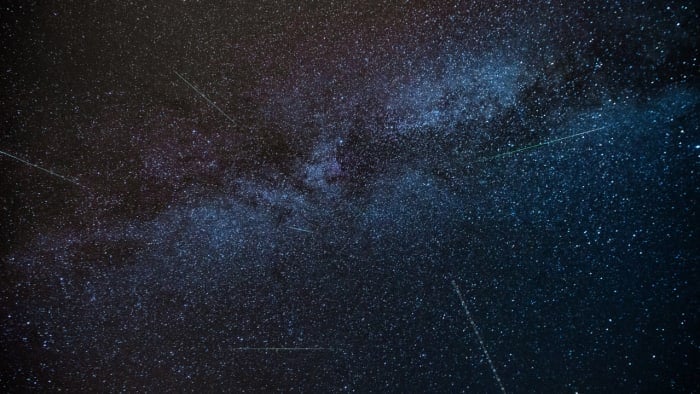
Astro-tourism, the act of traveling to natural, dark-sky locations to witness astronomical events, is gaining popularity as light pollution prevents most people from seeing the Milky Way from their homes. In addition to chasing eclipses, such as the upcoming annular solar eclipse in 2023 and total eclipse in 2024, astro-tourists can also enjoy meteor showers, which occur when Earth passes through comet dust. Tips for aspiring astro-tourists include considering the phase of the Moon, checking weather conditions, finding dark-sky locations using light pollution maps, arriving early to adapt to the dark, and using red light to preserve night vision.
Taurus horoscope for June 2023 suggests that the recent eclipses in Taurus and Scorpio have brought changes in their lives. The most recent eclipse on May 5, 2023, was mainly friendly, but the one last year on November 8, 2022, and the one last month were among the most difficult. Uranus, the planet of unexpected outcomes, played a strong role in both eclipses. If Taurus readers felt the impact of these eclipses, they might still be dealing with the residue of the changes. Those born near May 5 or have natal planets at 15 degrees Taurus, Leo, Scorpio, or Aquarius may notice the effects of the May 5 eclipse on the full moon in June.