Tag

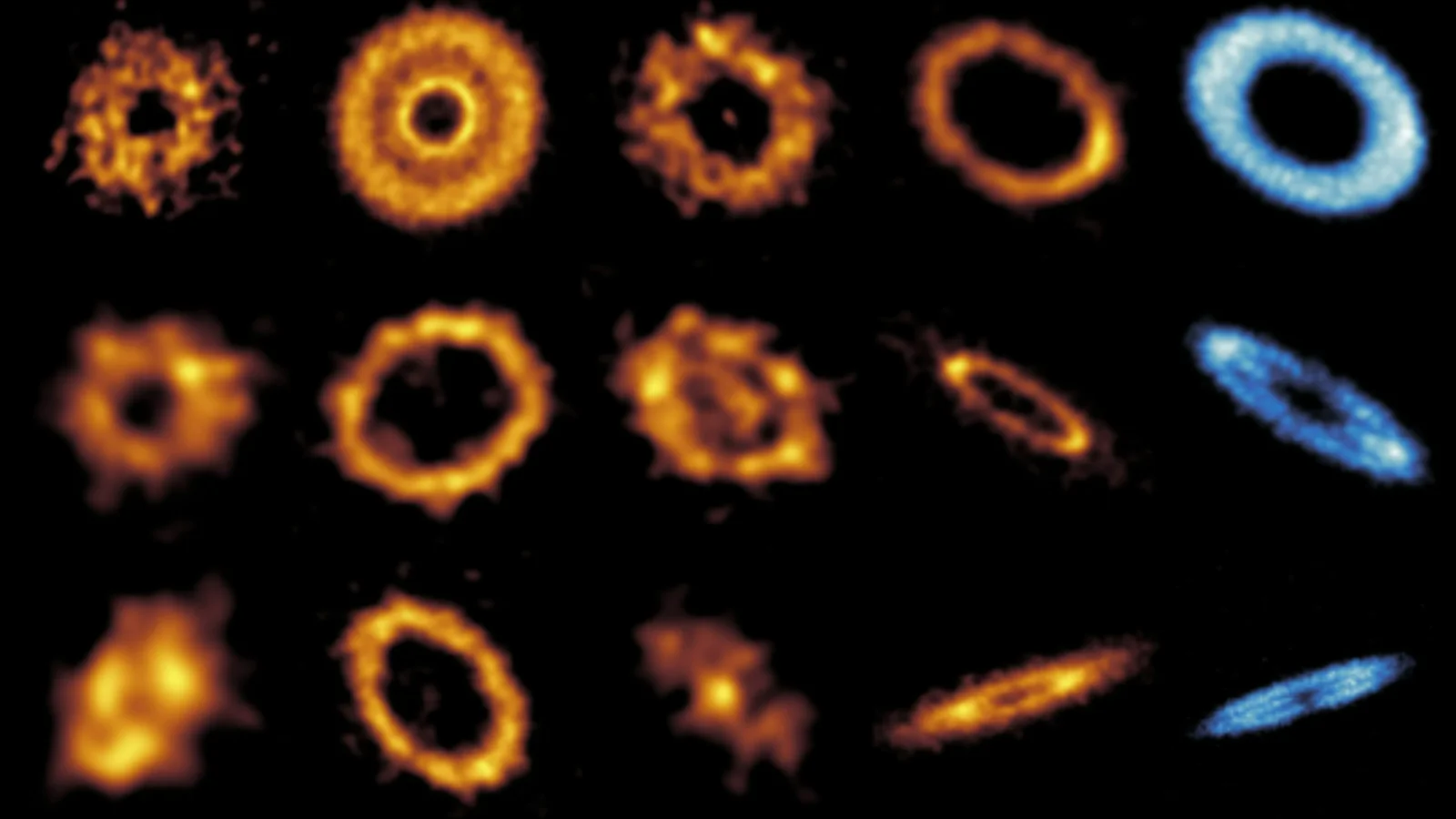
Debris Disks

All articles tagged with #debris disks

astronomy2 years ago

"Webb Telescope Reveals Recent Trauma in Nearby Star System"

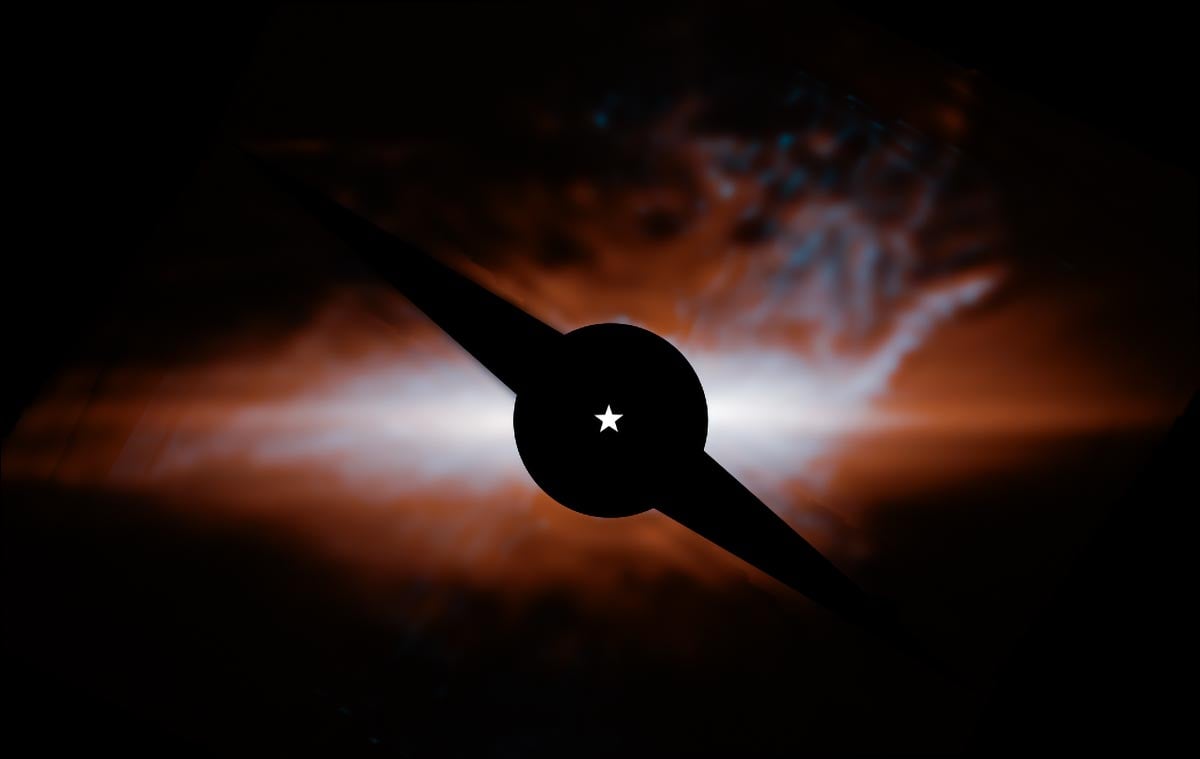
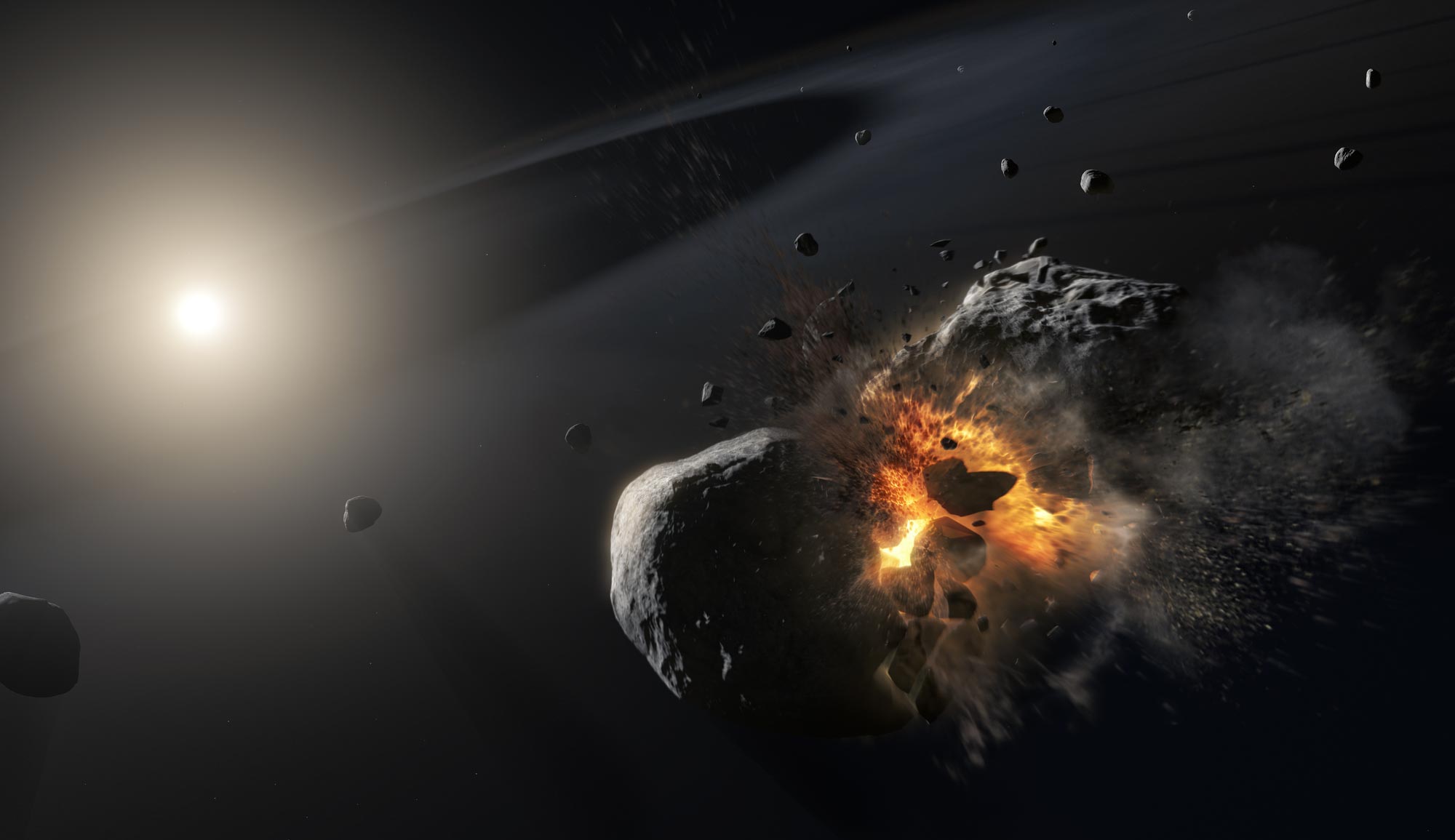
The James Webb Space Telescope has discovered a previously unseen feature in the Beta Pictoris star system, indicating a recent cosmic event within the past 100 years. This finding, made possible by the telescope's infrared vision, suggests that something traumatic happened to the star system, leading to the creation of a dusty tail-like feature. The discovery has sparked interest among astronomers, who are now studying the system to understand the cause of this event and its implications for the Beta Pictoris system's composition and dynamics.

astronomy2 years ago

"NASA's Webb Reveals Bizarre 'Cat's Tail' Dust Structure in Beta Pictoris"

The James Webb Space Telescope has discovered a cat's tail-shaped dust structure within the Beta Pictoris system, indicating recent dust production events and complex interactions within the system's debris disks. This finding expands our understanding of planetary system dynamics and provides new insights into the composition and temperature differences of the debris disks. The structure, estimated to span 10 billion miles, is believed to be the result of a dust production event, possibly a collision, that occurred around a hundred years ago. This discovery highlights the ongoing surprises and complexities within the Beta Pictoris planetary system.

astronomy2 years ago

Reevaluating a Star's Asteroid Belt: Surprising Discoveries Uncovered.

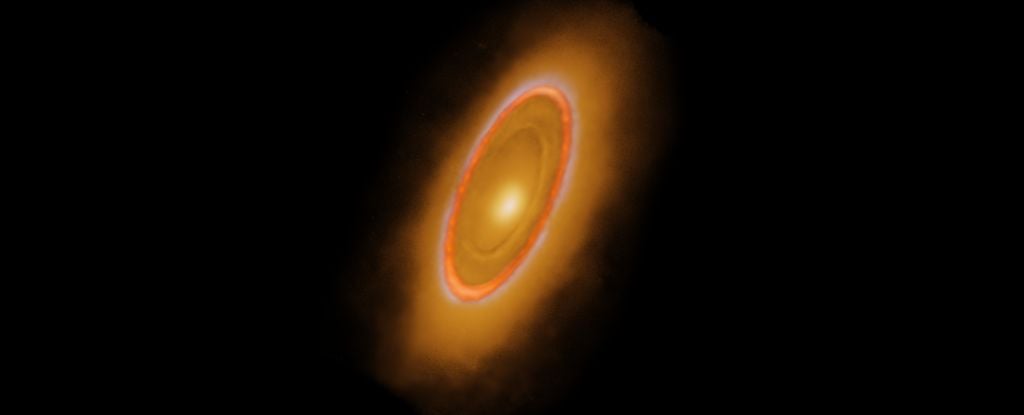
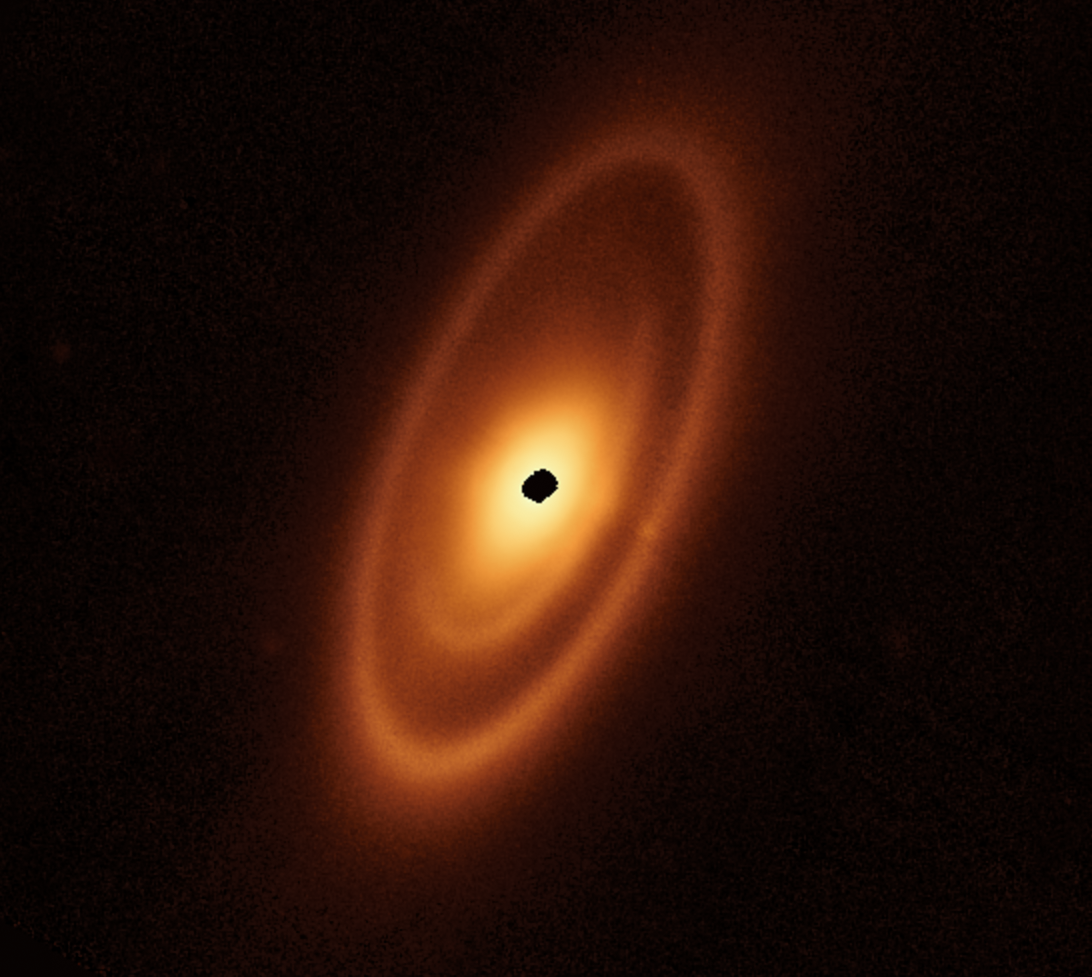
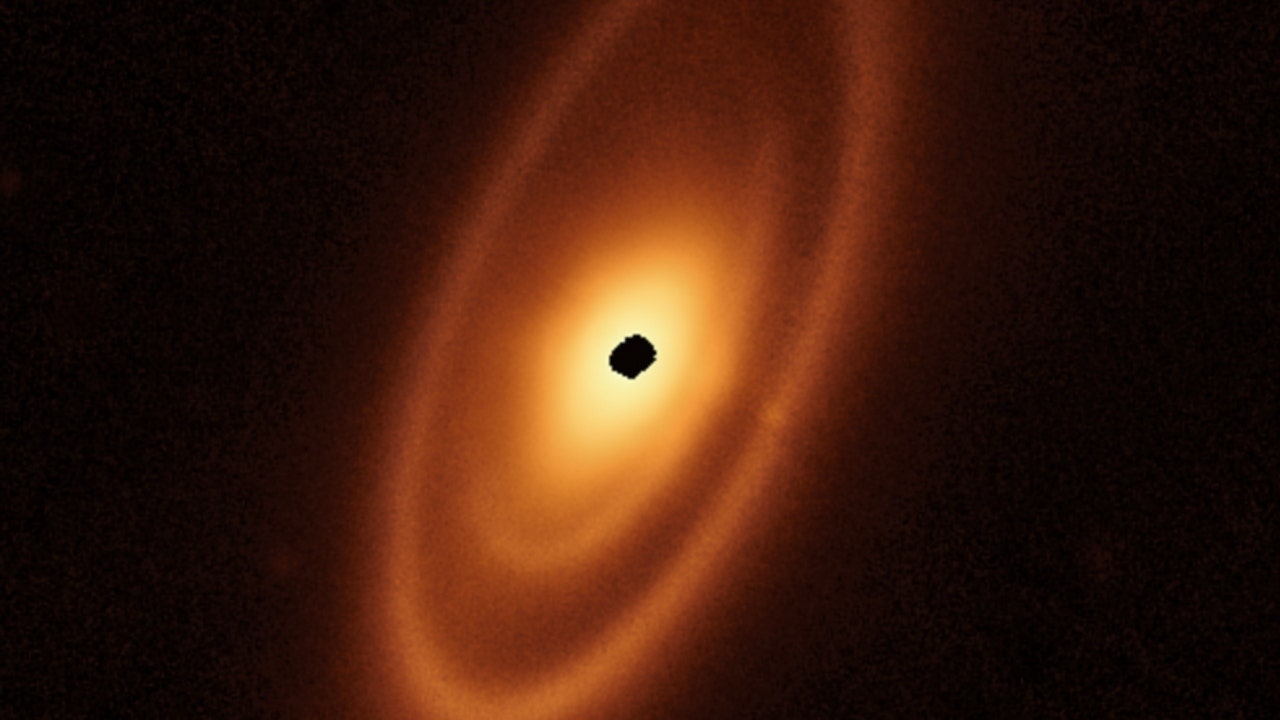
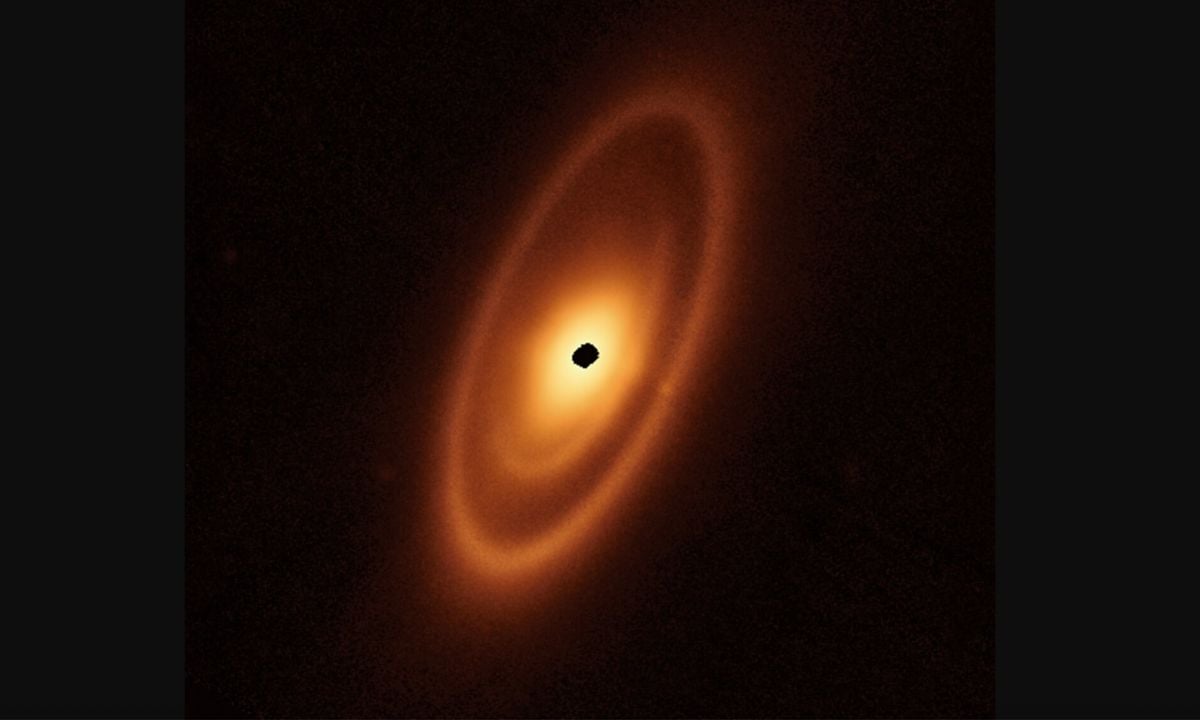
Using the James Webb Space Telescope, astronomers have discovered that the star Fomalhaut, which is home to one of the first asteroid belts discovered outside the Solar System, is actually orbited by a nested series of three concentric belts, extending out to a distance of 150 astronomical units. These debris fields around the young star could help astronomers piece together the processes involved in planetary formation and the dynamics of a young planetary system, leading to a better understanding of how our own Solar System came into being.

astronomy2 years ago

James Webb Telescope Uncovers Surprising Discoveries in Space

The James Webb Space Telescope has directly imaged three dusty disks surrounding a young star called Fomalhaut, including an asteroid belt and two previously undiscovered inner disks. The disks were created from collisions between large bodies of gas, rock, and other cosmic material and serve as places for left-over material from the formation of the star to clump together and potentially form planets or asteroids. Webb's observations allowed scientists to measure the sizes of the disks and compare their characteristics to that of our own asteroid and Kuiper belts. Astronomers believe that the disks were likely carved out by the gravitational forces of planets orbiting Fomalhaut.

astronomy2 years ago

"Webb Telescope Reveals Hidden Asteroid Belts Beyond Our Solar System"

The James Webb Space Telescope has captured the first asteroid belt ever seen outside the solar system, revealing three nested belts extending out to 14 billion miles from the star Fomalhaut. The structures are more complex than the asteroid and Kuiper dust belts of our solar system, and the inner belts were revealed by the telescope for the first time. The belts are the debris from collisions of larger bodies, and by looking at the patterns in these rings, scientists can start to make a little sketch of what a planetary system ought to look like. As Webb images more systems, more will be learned about the configurations of planets that carved the belts with their gravitational forces.

astronomy2 years ago

Webb Telescope Discovers Hidden Planets and Asteroid Belt in Fomalhaut System

NASA's James Webb Space Telescope has discovered three nested debris belts surrounding the young star Fomalhaut, located 25 light-years away. These belts, which could be carved by the gravitational forces of unseen planets, provide insights into the structure of exoplanetary systems. The dusty belts are the debris from collisions of larger bodies, analogous to asteroids and comets, and are frequently described as 'debris disks.' The inner belts, which had never been seen before, were revealed by Webb for the first time.

science-and-astronomy2 years ago

"New photo captures alien asteroid belt through James Webb Space Telescope"

The James Webb Space Telescope has discovered the first asteroid belt outside our solar system, which is more complex than expected. The belt surrounds the young star Fomalhaut and consists of three nested belts extending out to 14 billion miles from the star. The inner belts were revealed by the telescope for the first time. The dust belts are thought to be debris from collisions between larger bodies like asteroids and comets, and are therefore referred to as "debris disks." The discovery could reveal how planets move through these pancake-flat disks and provide details about the structure of planetary systems other than our own.