Tag

Asteroid Collision

All articles tagged with #asteroid collision

science23 days ago

Hubble Captures First Direct Images of Asteroid Collisions Near Earth

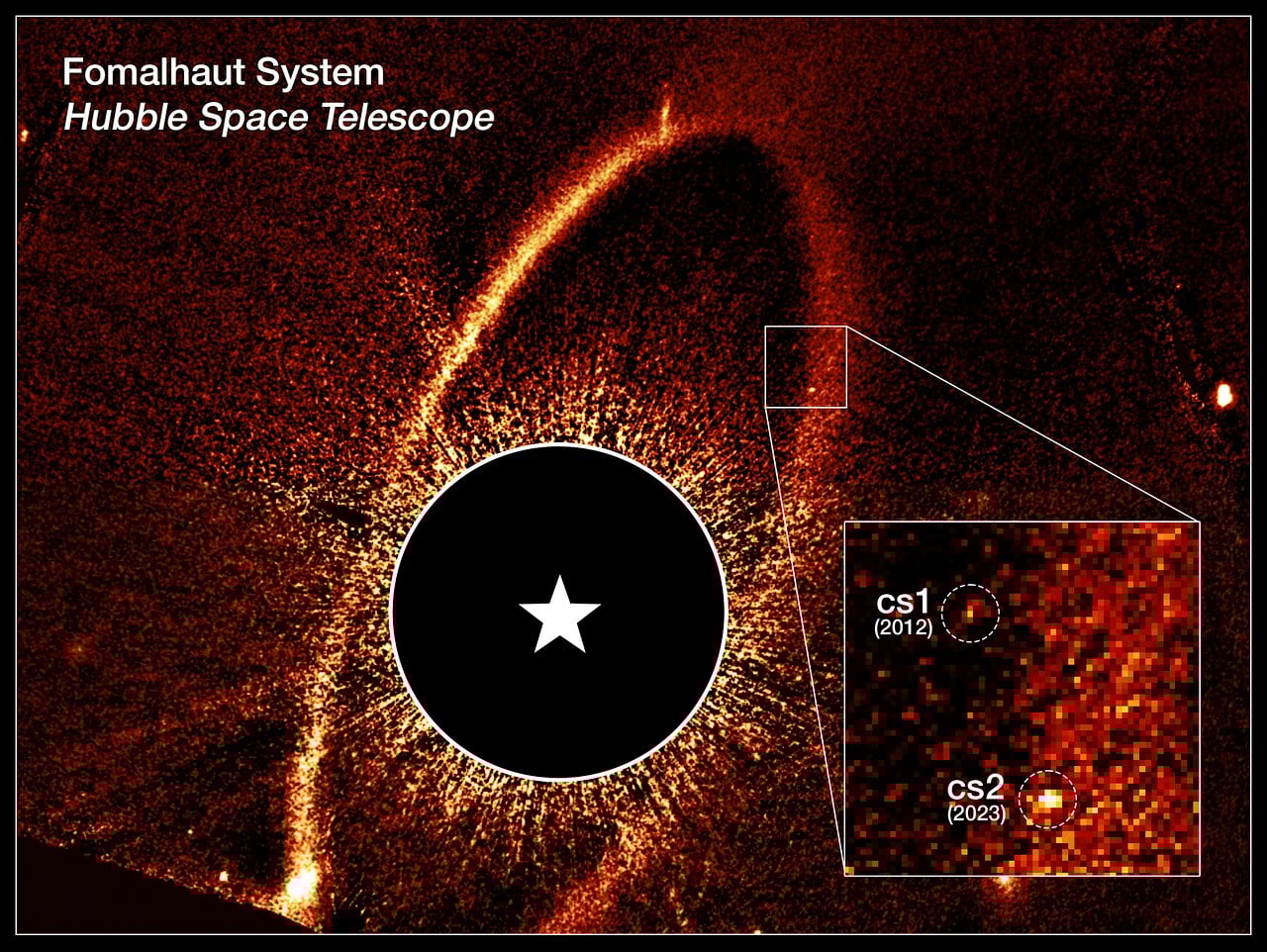
Astronomers observed a rare collision between two asteroids around the star Fomalhaut, providing insights into planet formation processes and highlighting the dynamic and collision-rich environment of this nearby star system. The event also helped distinguish between actual planets and dust clouds, refining methods for exoplanet detection.
space-exploration1 year ago

"DART Mission: NASA Alters Asteroid's Shape and Orbit"

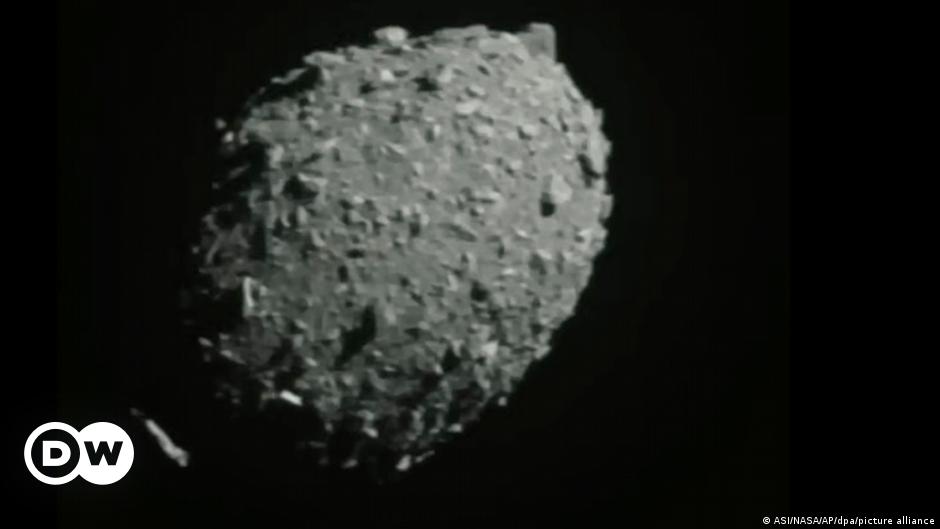
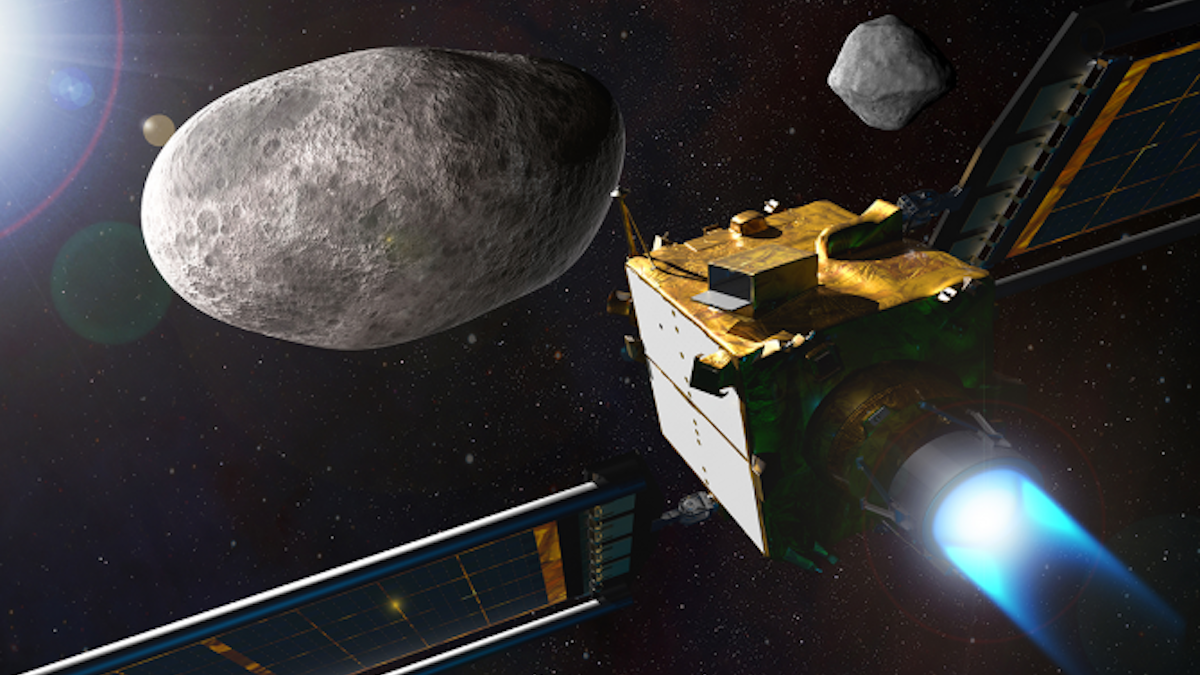
NASA's DART spacecraft successfully changed the trajectory and shape of the Dimorphos asteroid, demonstrating the potential to avert a disastrous impact on Earth. The intentional collision altered the asteroid's shape from a symmetrical oblate spheroid to an oblong watermelon due to its loosely packed debris composition. The collision reduced Dimorphos' orbit time around its parent asteroid, Didymos, and upcoming ESA's Hera spacecraft will provide further insights into the asteroid's changed shape and orbit.

space1 year ago

"New Research: Updated Chances of Asteroid Apophis Colliding with Earth in 2029"

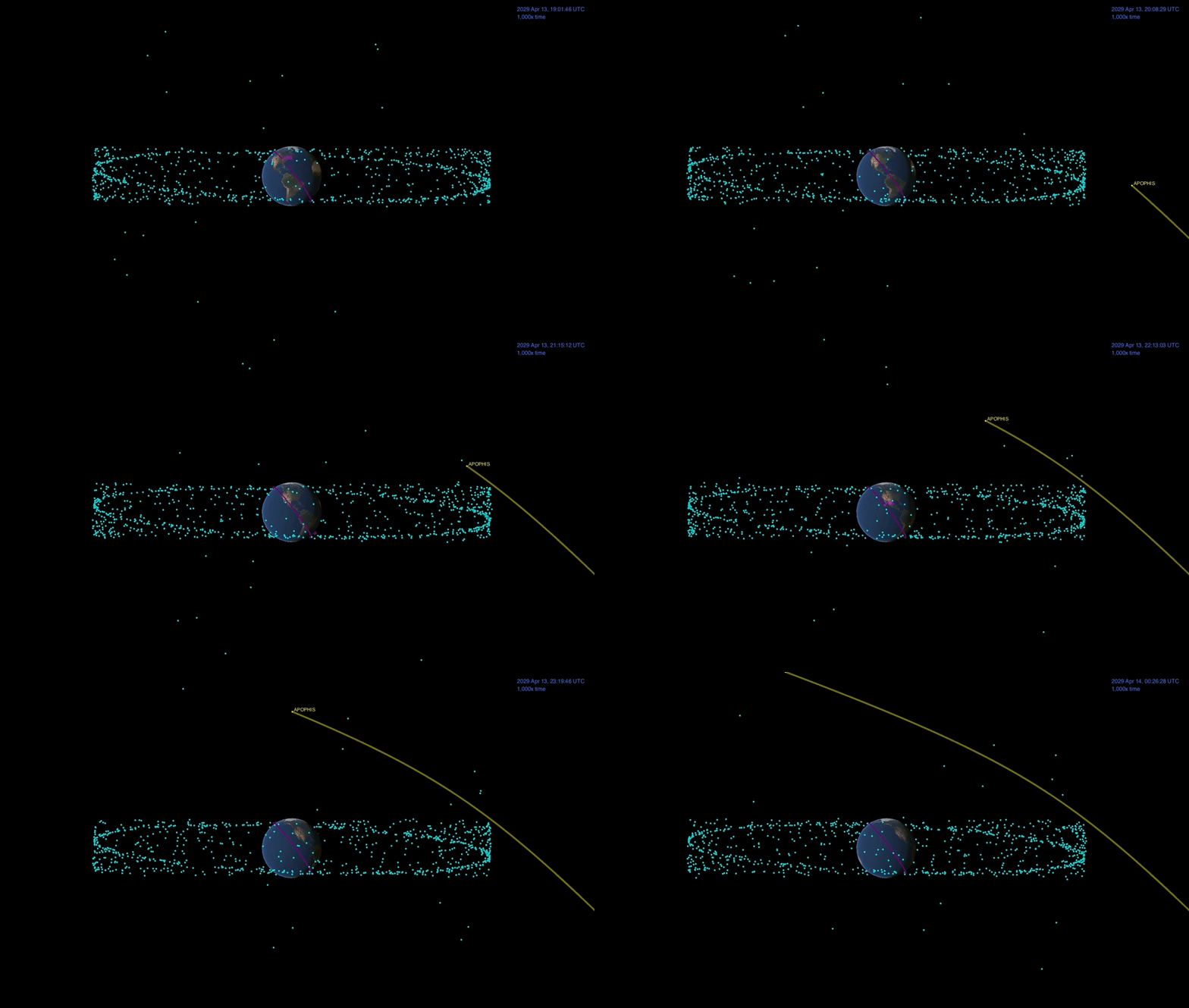
The asteroid Apophis is set to pass close to Earth in 2029, but a new study suggests it's unlikely to collide with other space rocks that could alter its orbit and redirect it toward our planet. While the risk of collision is ruled out for the next 100 years, a new analysis of 1.2 million asteroids and comets in our solar system indicates that no such collisions are anticipated. However, there is a possibility of a close encounter with another asteroid named 4544 Xanthus in 2026, which could perturb Apophis' future path. Further observations are needed to confirm the presence of material in Xanthus' orbit and its potential impact on Apophis.

astronomy1 year ago

"Metal Scar: Evidence of a Dying Star's Cannibalistic Past"

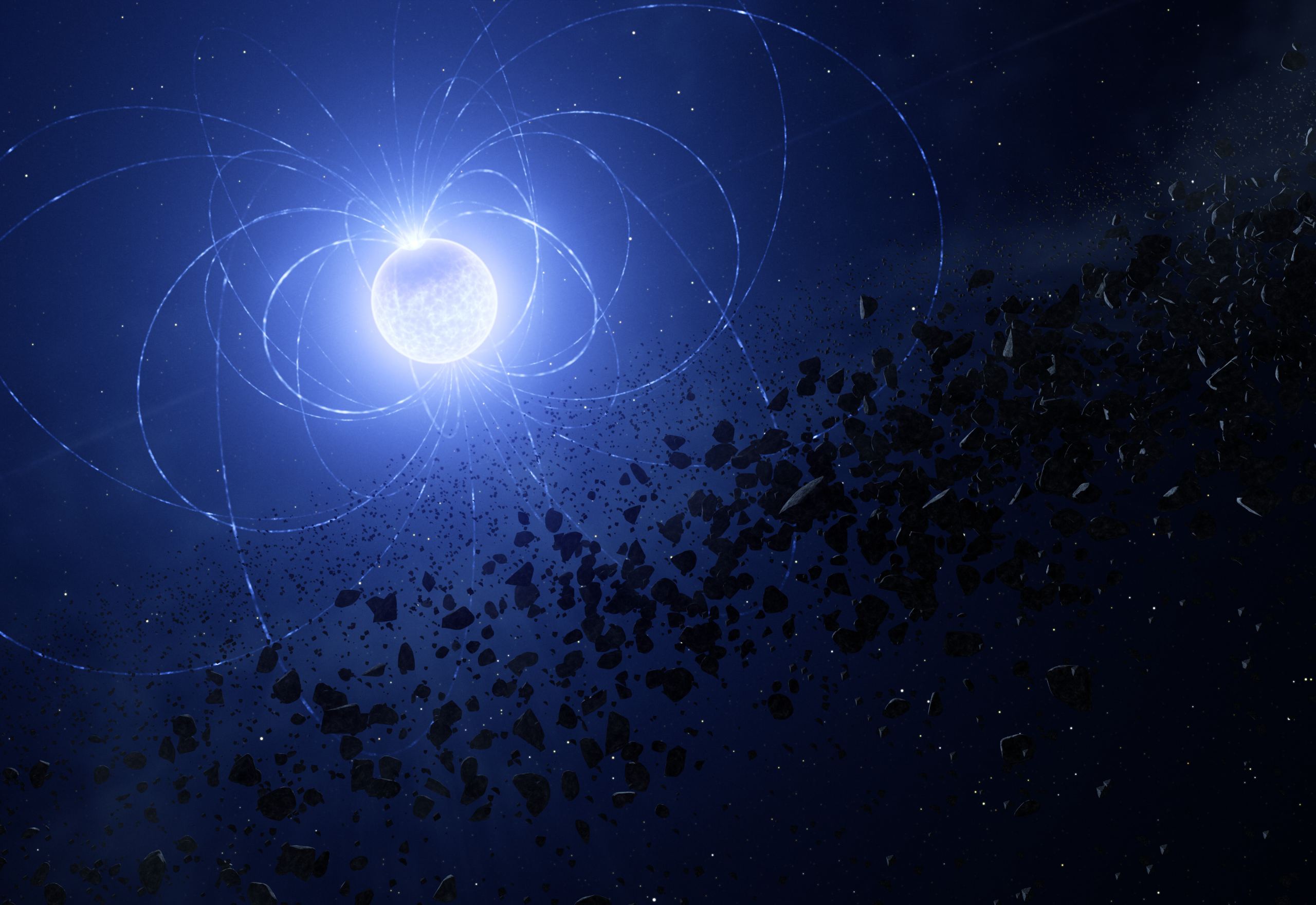
Astronomers have observed the impact site where an asteroid collided with a white dwarf star, providing insight into the fate of planetary systems. The study of a "polluted" white dwarf revealed a localized region of metallic elements, indicating a single impact event rather than gradual accretion. This suggests that planets can be dragged into a white dwarf during the red giant stage, potentially foreshadowing Earth's fate as the Sun evolves. The findings highlight the diverse outcomes for planetary systems, including rogue planets, exoplanets orbiting dead stars, and the scars of planetary impacts on white dwarfs.

space2 years ago

NASA's Astounding Asteroid Impact Captured in Jaw-Dropping Videos

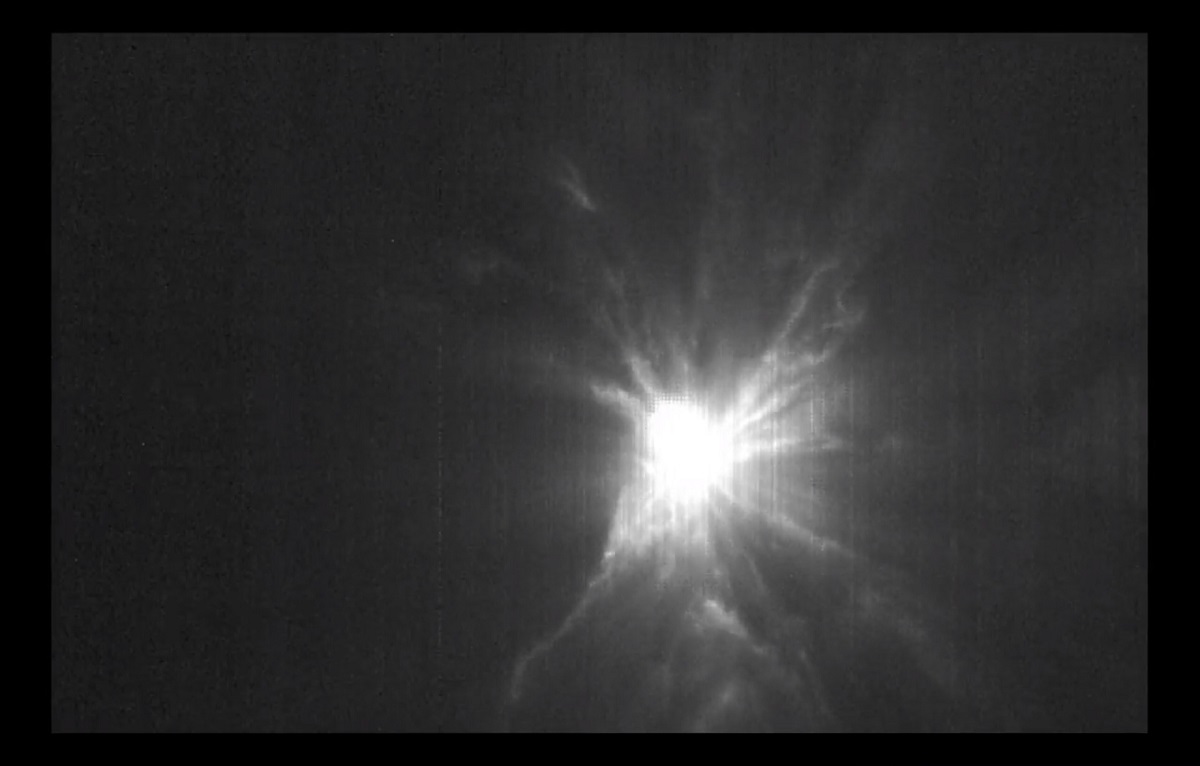
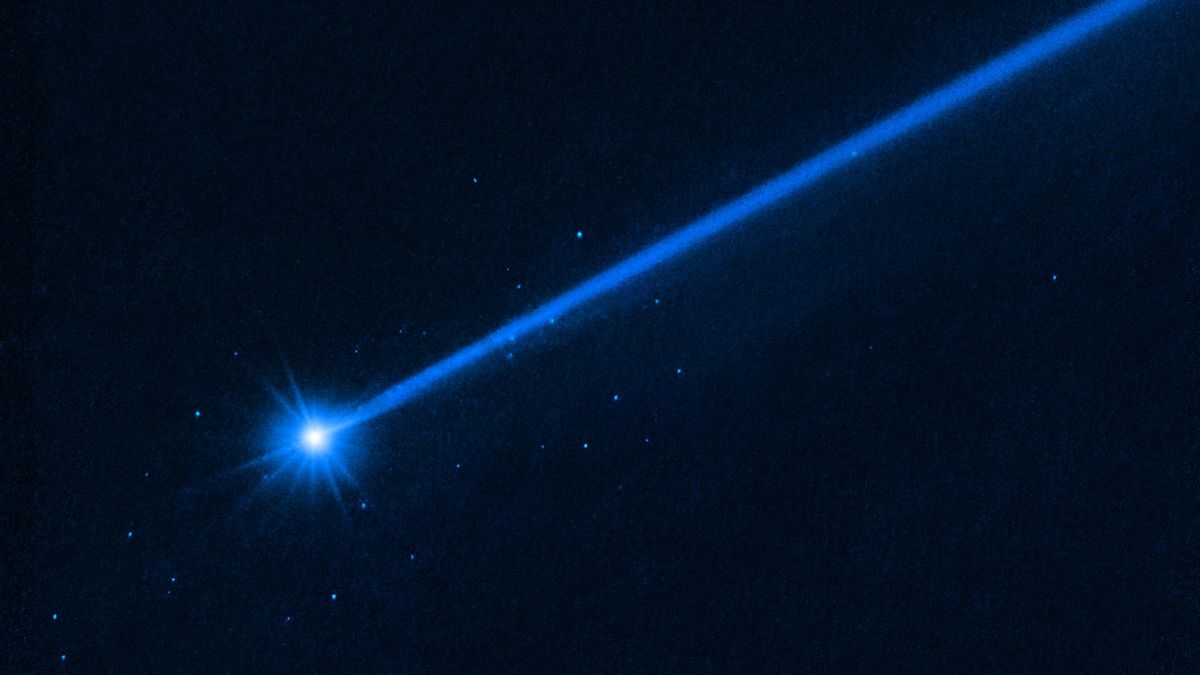
New footage from NASA's DART mission, which successfully deflected the asteroid Dimorphos last September, shows the impact had a larger and longer-lasting effect than expected. The footage, compiled by an amateur astronomer using images from the mission, reveals the moments leading up to, during, and after the collision. The impact resulted in a 6,214-mile debris tail trailing the asteroid for months, significantly altering its orbit. Scientists believe the displacement was not only caused by the impact but also by the massive debris tail. The mission aimed to test the ability to divert killer asteroids heading towards Earth, and the unexpected success provided stunning imagery of the collision.

science-and-technology2 years ago

"Earth's Catastrophic Fate: Unveiling the Consequences of a Massive Asteroid Impact"

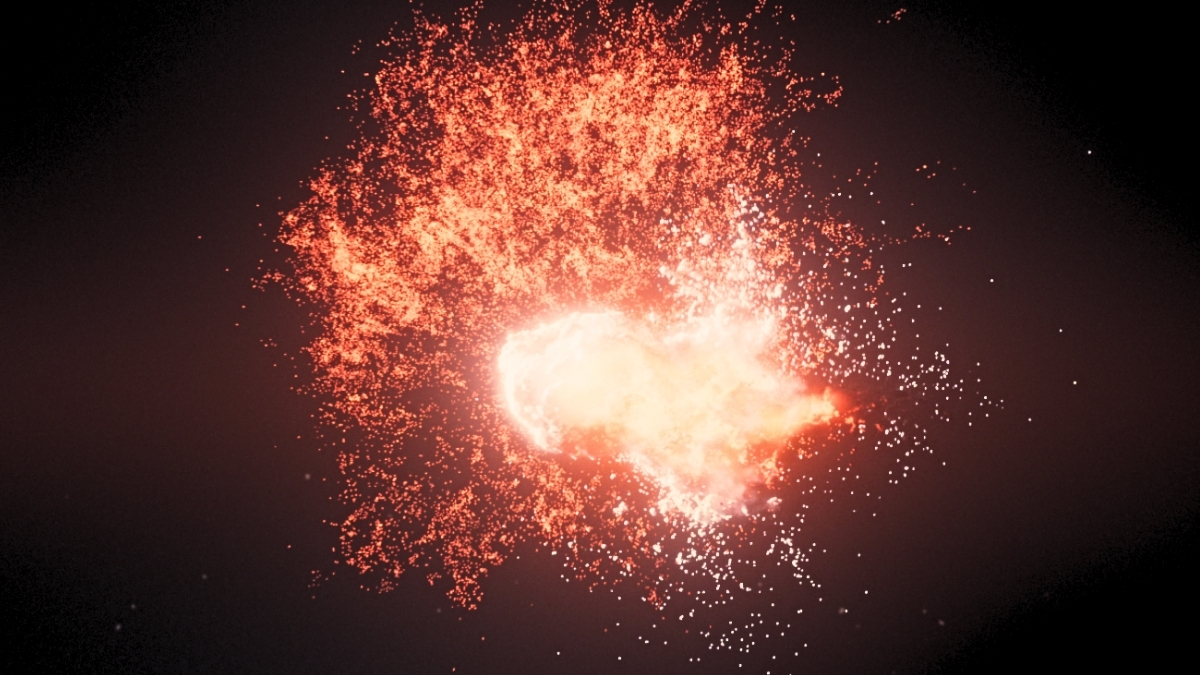
A simulation video posted on Twitter by 'Rin�n Curioso' shows the terrifying consequences of an asteroid collision with Earth, including a giant blast radius, fireball, and widespread destruction. While the chances of such an event are rare, the video highlights the potential catastrophic consequences and has sparked concerns among viewers.

space2 years ago

NASA's DART Mission Unleashes 'Swarm of Boulders' in Spectacular Space Show

The Hubble Space Telescope has captured images of the aftermath of NASA's DART mission, which intentionally collided with the asteroid Dimorphos. The impact resulted in a debris field of at least 37 boulders ranging from 3 to 22 feet in diameter being flung into space. The success of the mission demonstrates the potential for altering the trajectory of asteroids and preventing potential collisions with Earth. The observations provide valuable insights into the effects of asteroid impacts and could help refine future deflection strategies.