Tag

Gravitational Collapse

All articles tagged with #gravitational collapse

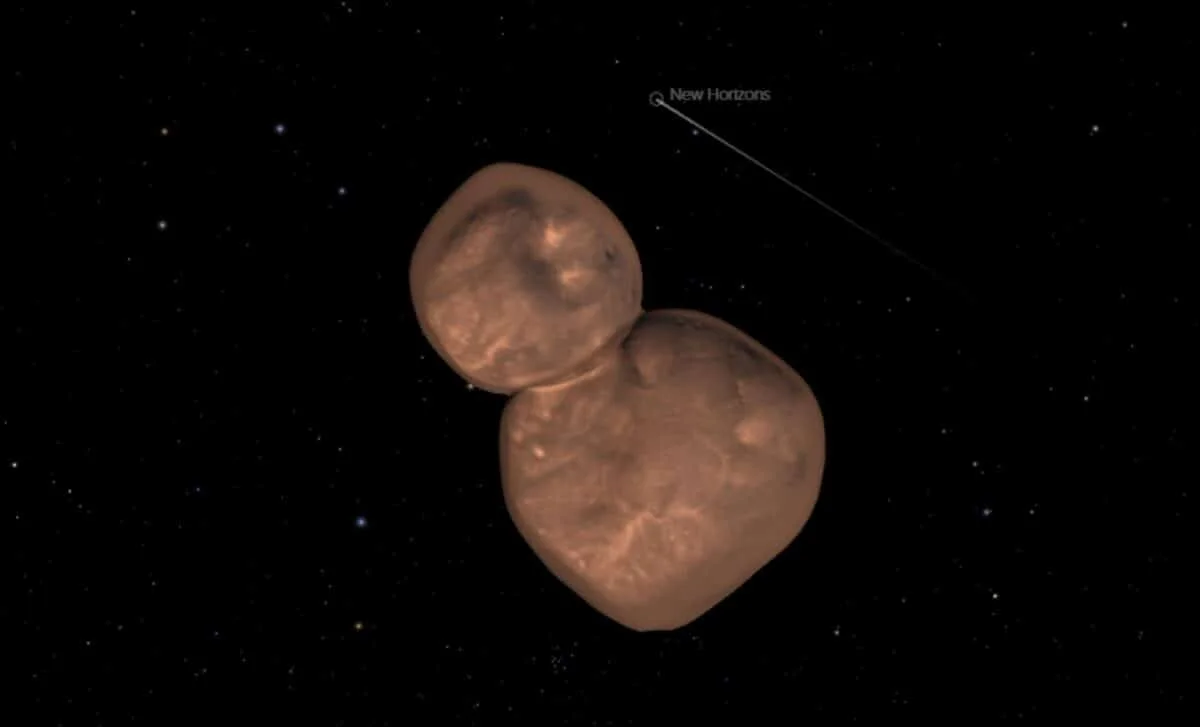
Snowman-Shaped Kuiper Belt Object Reveals a Quiet Route to Planet Formation
space3 days ago

Snowman-Shaped Kuiper Belt Object Reveals a Quiet Route to Planet Formation

A new study shows Arrokoth-like bilobed objects can form directly from the gravitational collapse of small pebbles in the early solar system, producing the snowman shape without violent mergers and suggesting such binaries may be more common in the Kuiper Belt; simulations found several instances of this outcome, supporting a calmer path to planet formation.
Gentle Gravity Shapes Peanut-Shaped Kuiper Belt Objects
science7 days ago

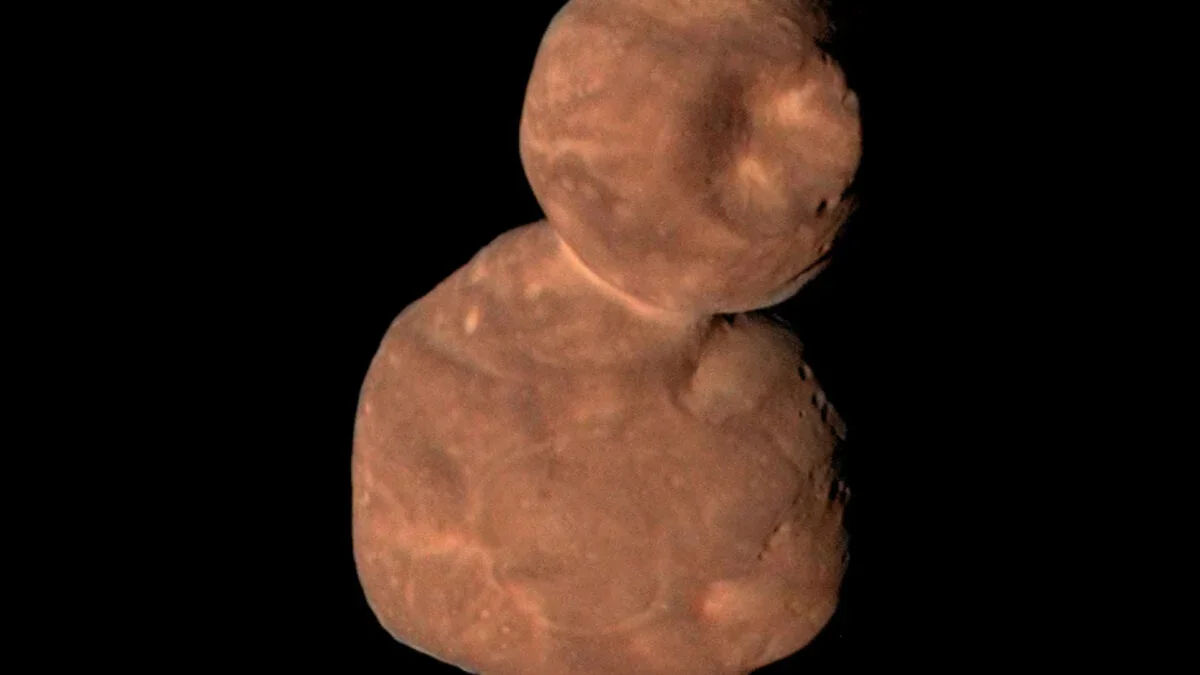
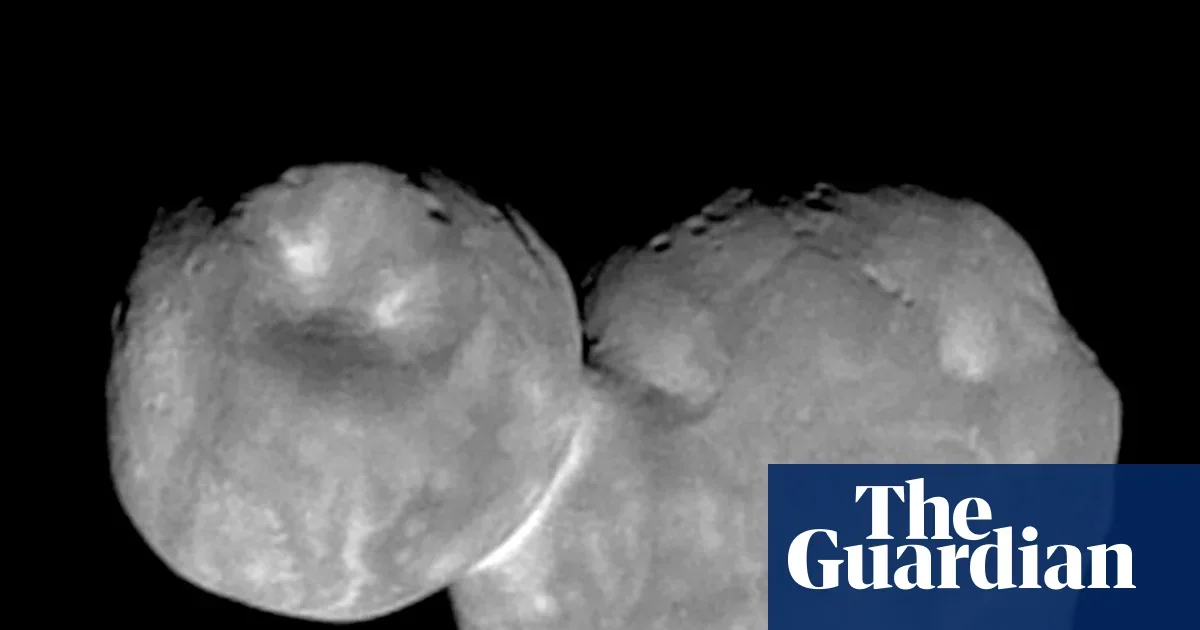
Gentle Gravity Shapes Peanut-Shaped Kuiper Belt Objects

A new study using 54 simulations of pebble clouds (each with 100,000 particles) shows that peanut-shaped Kuiper Belt objects like Arrokoth can form through gentle gravitational collapse rather than violent impacts. About 29 of the simulations produced Arrokoth-like contact binaries, supporting the idea that such objects arise from mild formation processes, though only about 3% of the planetesimals formed a contact binary in the model, indicating more work is needed.

Pebble-cloud collapse may forge Arrokoth’s snowman shape
space9 days ago

Pebble-cloud collapse may forge Arrokoth’s snowman shape

New computer simulations show that gentle gravitational collapse of pebble clouds in the early solar system can produce double-lobed, snowman‑like bodies such as Arrokoth, via two small planetesimals merging at about 5 meters per second to form a contact binary. The results support a gentle formation path for Kuiper belt objects, though the model predicts about 4% of objects form this way, while telescopic surveys suggest higher fractions, implying other formation routes may also contribute.

"Lonely Ageing Brown Dwarfs: Hubble's Surprising Discovery"
astronomy1 year ago

"Lonely Ageing Brown Dwarfs: Hubble's Surprising Discovery"

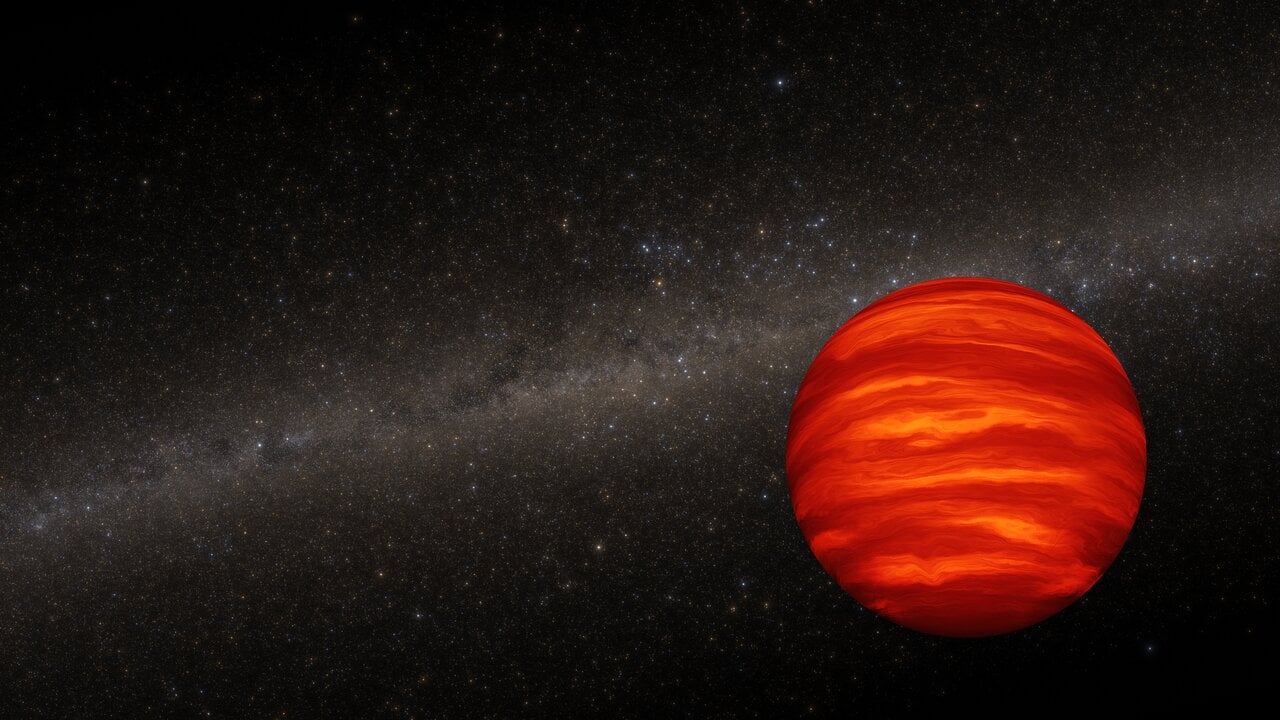
A recent survey using the Hubble Space Telescope has found that ageing brown dwarfs, which are larger than Jupiter but smaller than stars, are less likely to have companions as they get older. This suggests that binary pairs of brown dwarfs do not survive over time, likely due to the weak gravitational hold between them and the disruptive influence of passing stars. The survey provides evidence that most brown dwarfs remain single for the majority of their long existence, supporting the theory that they are born the same way as stars but do not have enough mass to sustain nuclear fusion.

Unraveling the Mysteries of Gravitational Wave Collapse
science2 years ago

Unraveling the Mysteries of Gravitational Wave Collapse

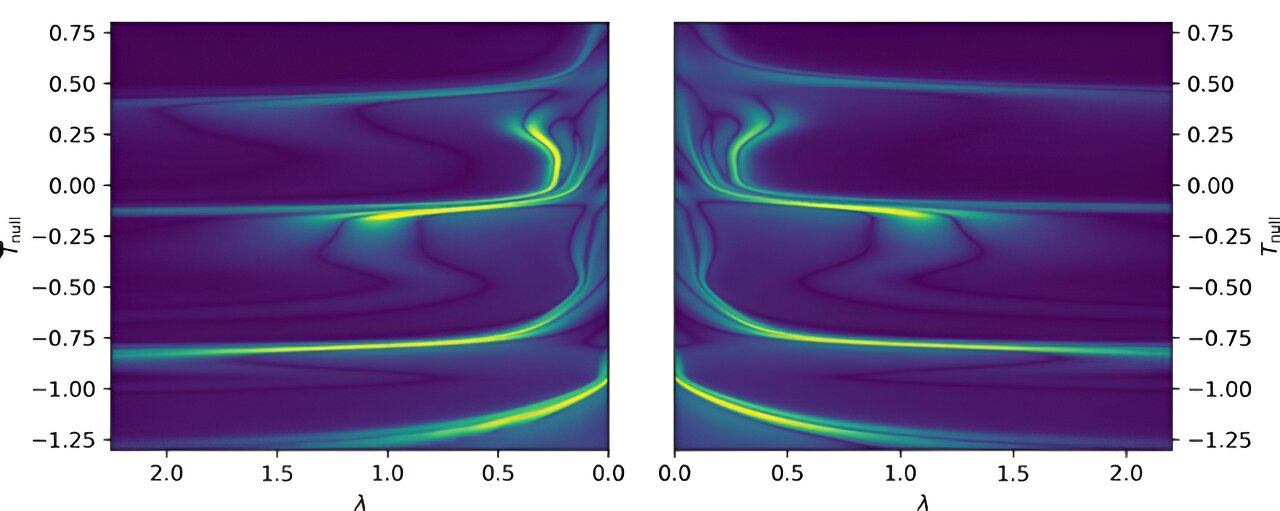
A recent study by an international research collaboration has resolved long-standing puzzles in the gravitational collapse of gravitational waves. The study found agreement among three independently conducted numerical simulations, shedding light on critical phenomena and the properties of general relativity. The researchers discovered that the collapse of gravitational waves does not exhibit universality, but approximate self-similarity. The findings could lead to further studies and a better understanding of the nature of critical collapse and the formation of black holes.

The Fate of the Sun: Black Hole or Eternal Star?
astronomy2 years ago

The Fate of the Sun: Black Hole or Eternal Star?

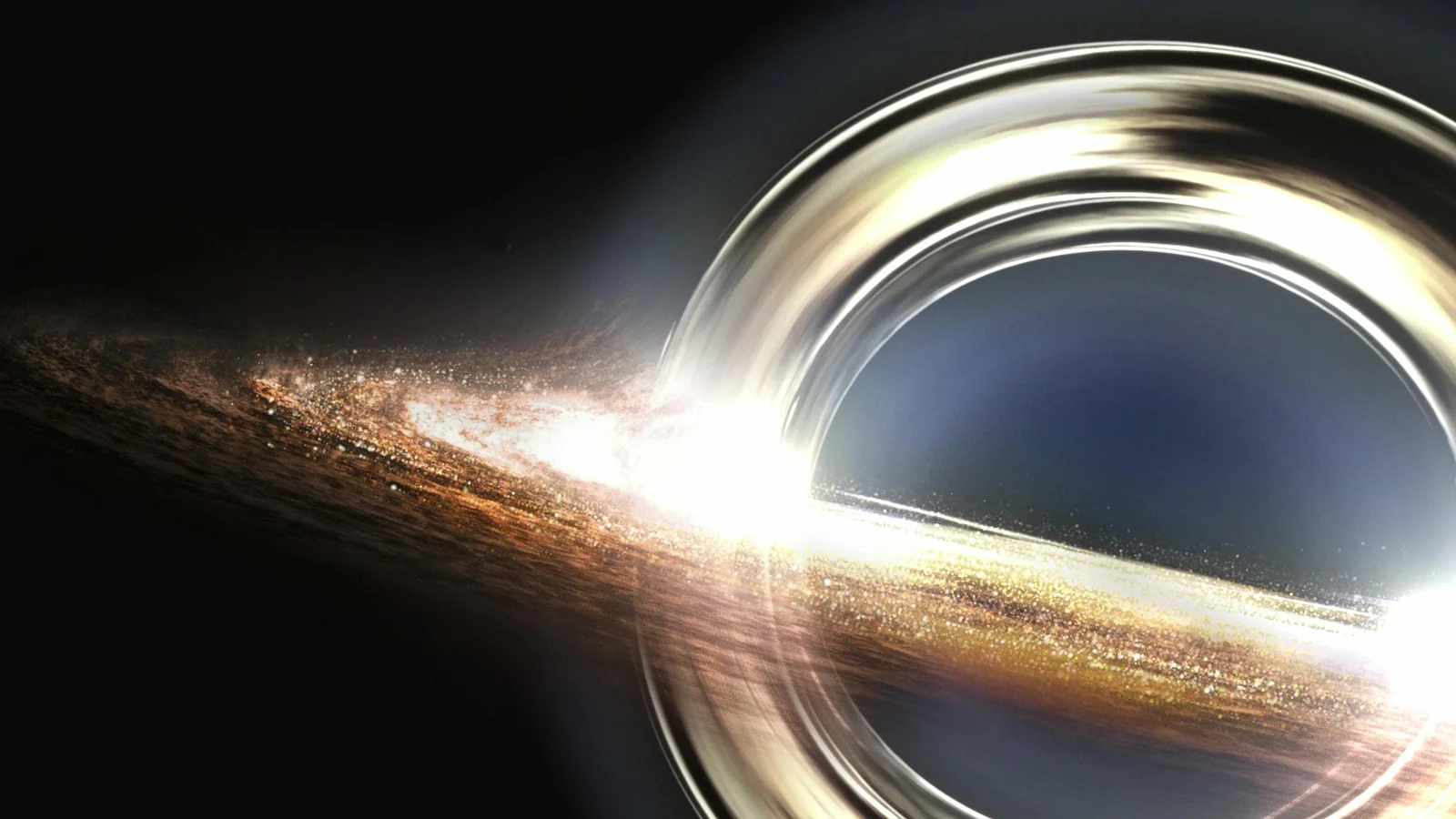
The sun will not become a black hole when it dies because it lacks the necessary mass. Stars with initial masses greater than 20 to 25 times that of the sun have the potential to undergo gravitational collapse and form black holes. The sun will instead become a white dwarf, a dense, Earth-size star. As it reaches the end of its life, the sun will expand into a red giant, possibly engulfing the inner planets, including Earth, before shedding its outer layers and leaving behind a smoldering core.