A study of Last Chance Lake in British Columbia suggests that shallow, phosphate-rich, volcanic lakes like it could have been the cradle of life on Earth, challenging the popular theory of life originating in deep-sea hydrothermal vents. The lake's unique chemical composition, including high levels of phosphate and the mineral dolomite, provides insight into the conditions that may have led to the emergence of life on Earth. This finding could also inform the search for life beyond Earth, as similar rock formations on planets like Mars suggest that life may have formed in a similar fashion elsewhere in the universe.
Enceladus, a moon that orbits Saturn, contains all six major ingredients for life, including phosphorous, according to a new study published in the journal Nature. Phosphate, the sixth element essential for all known life, was found buried deep in Enceladus' salty subsurface oceans. While the discovery doesn't necessarily mean that there's life currently on Enceladus, it means it could potentially host it, making it an even more compelling destination for future missions to search for alien life.
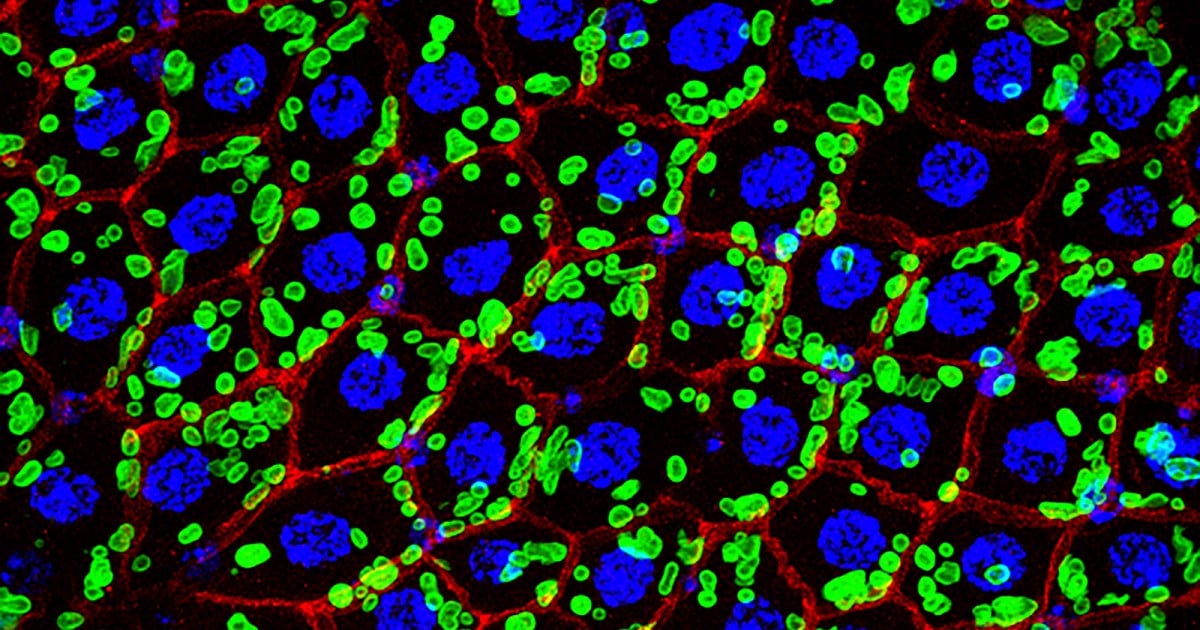
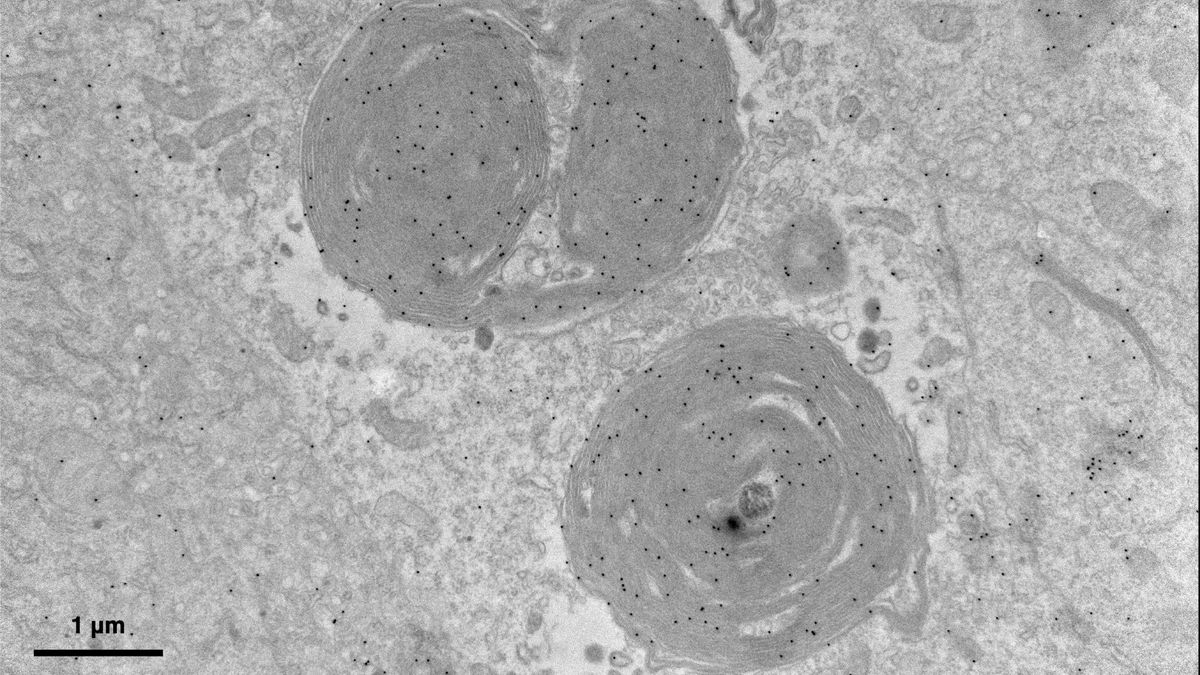
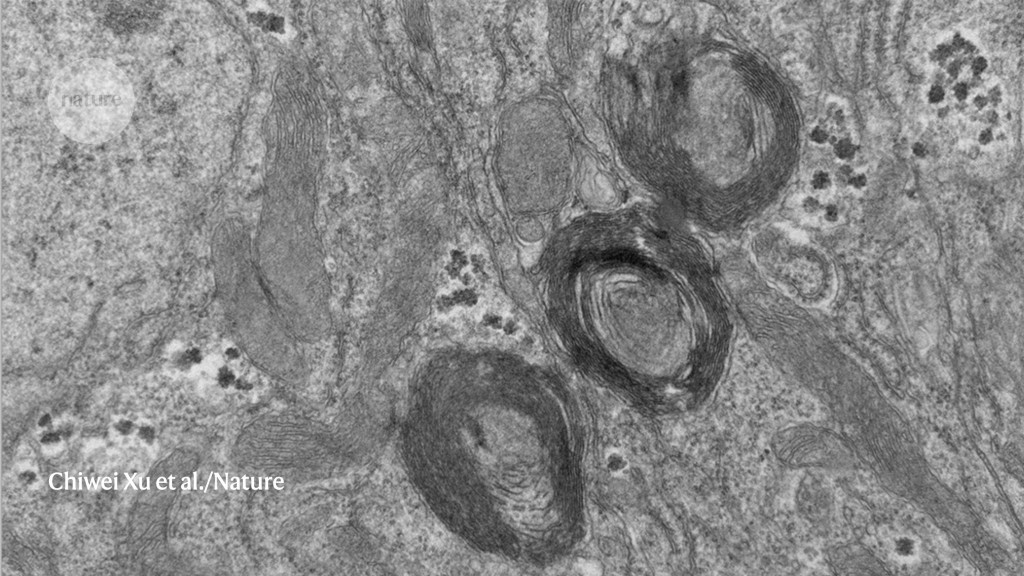
Researchers at Rockefeller University have discovered a new organelle inside the gut cells of fruit flies that stores phosphate, an electrolyte essential to life. The organelle, called PXo bodies, releases its reservoir in the form of phospholipids, which are a key component of the membrane structure of cells. The discovery may lead to a search for phosphate-storing organelles in other animals, including humans, and further research may help us understand how the organelle fits into the life of the cell and how it changes over time.
Scientists have discovered a new organelle in fruit flies, called PXo bodies, which regulate the availability of phosphate in the cell. Until now, only bacteria, yeast, and plants were known to have comparable features. The newfound organelle was discovered in the fruit fly gut and sequesters phosphate from food. Researchers are now taking a retrospective look at older data in search of these elusive cell parts.
Scientists have discovered that the golden hue of fossils embedded in Germany's Posidonia Shale is not due to pyrite, as previously thought, but rather phosphate minerals with yellow calcite. The fossils, which include ammonites, bivalves, and crustaceans, were found to be phosphatized or yellow calcite, with only a few framboids of pyrite present. The research revealed that while an anoxic seafloor set the stage for fossilization, it took a burst of oxygen to cause the chemical reactions necessary for fossilization to occur.
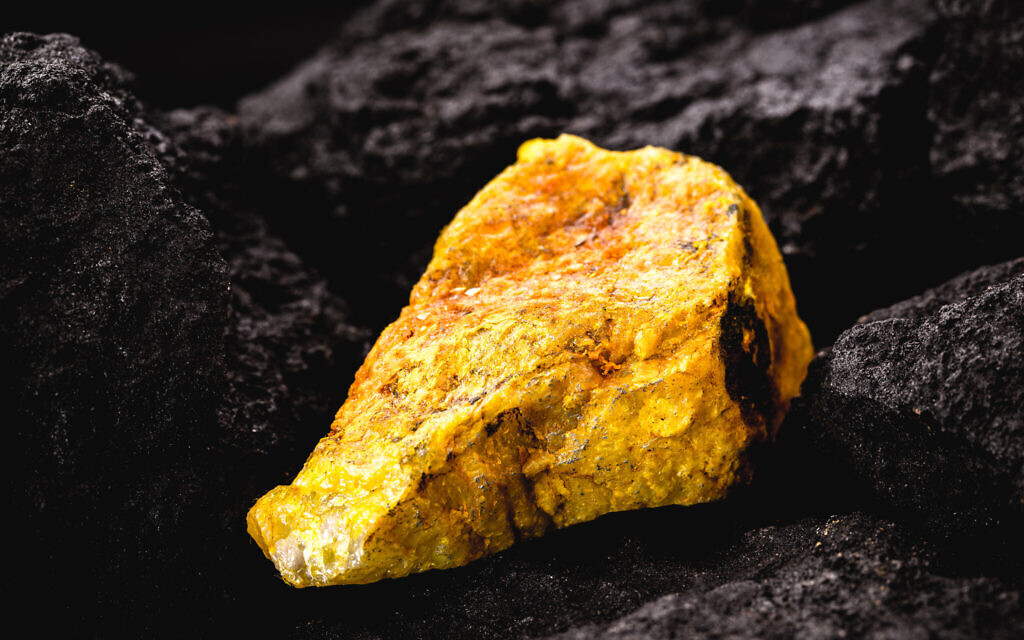
Documents suggest that Iran is interested in importing 800,000 tons of phosphate from Syria, which can be used as a source of uranium for its nuclear program. The Iranian Atomic Energy Agency has requested that the government cover the cost of the imports. Iran may be resorting to unconventional sources, such as phosphate, to extract uranium due to international sanctions. Iran is believed to have enough fissile material for five nuclear bombs and holds stockpiles of uranium enriched to 20% and 60% in violation of the 2015 accord limiting its nuclear program. Talks to reinstate the nuclear agreement between Iran and world powers have been stalled since last year as Iran forges ahead with its nuclear ambitions.
Researchers have discovered a new type of organelle in animal cells that acts as a reservoir of phosphate, a molecule essential to life. The organelle helps regulate levels of the nutrient inside cells and triggers processes that maintain tissues when it is in short supply. The discovery was made in fruit-fly intestinal cells, which are a useful model for studying how diseases affect cells in the human intestine. The findings lay the groundwork for exploring whether there are similar phosphate-storing organelles in other animals, including humans.