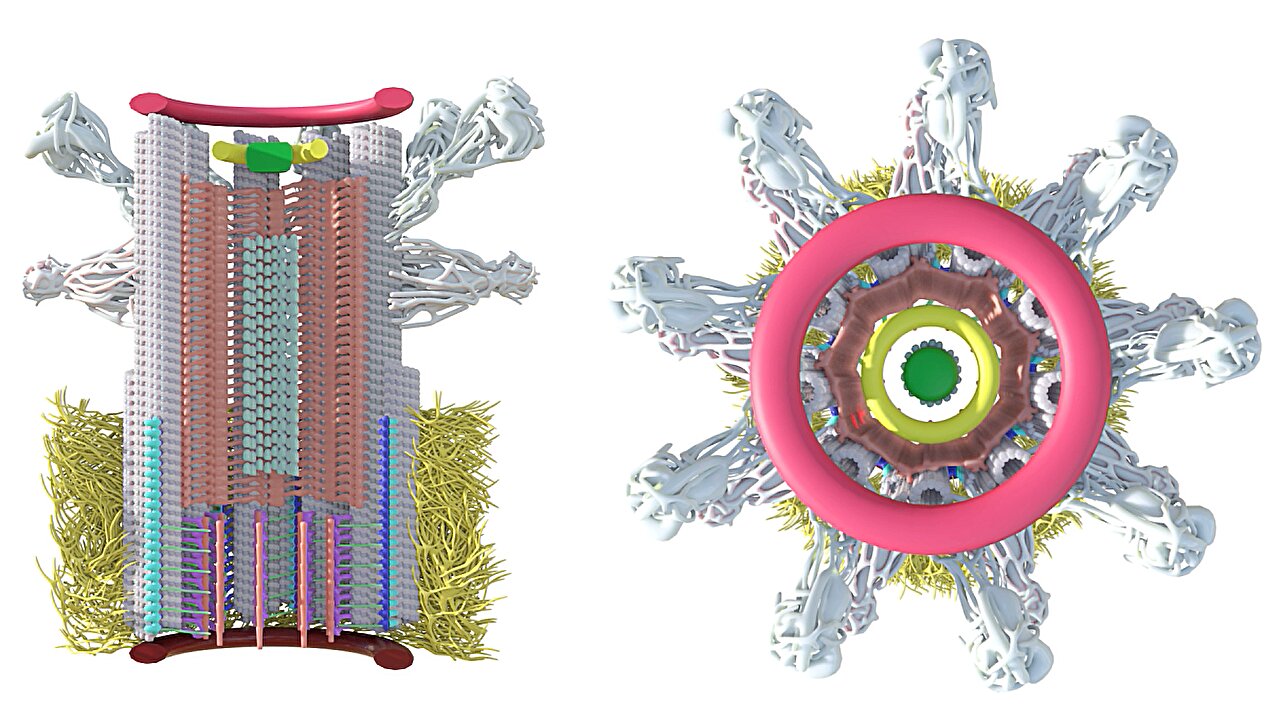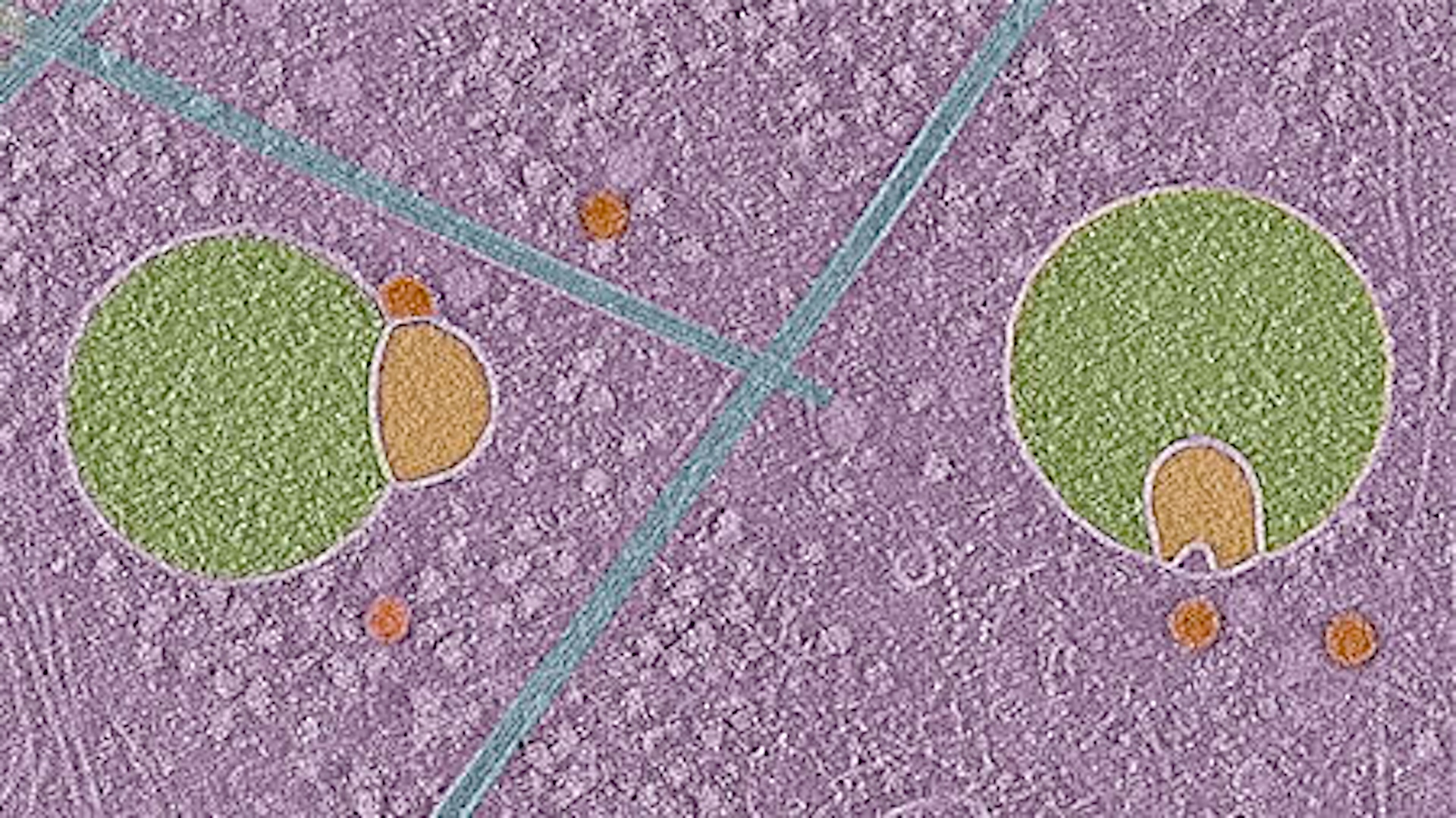
Scientists have discovered a new organelle in human cells called the hemifusome, which appears to be involved in protein sorting and recycling, observed using advanced cryo-electron tomography imaging. This tiny structure, resembling a snowman, could provide new insights into cellular processes and diseases like Alzheimer's.
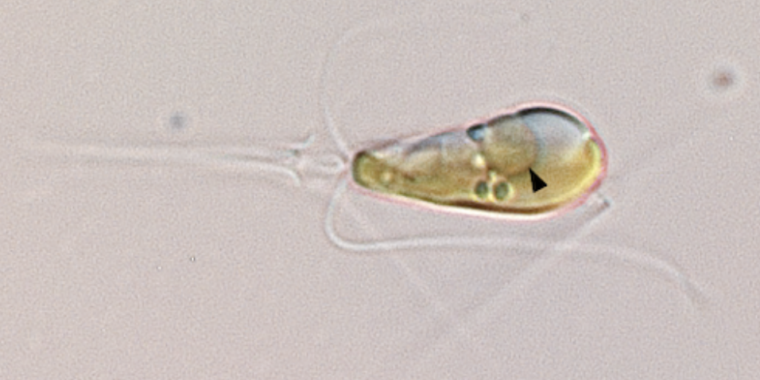
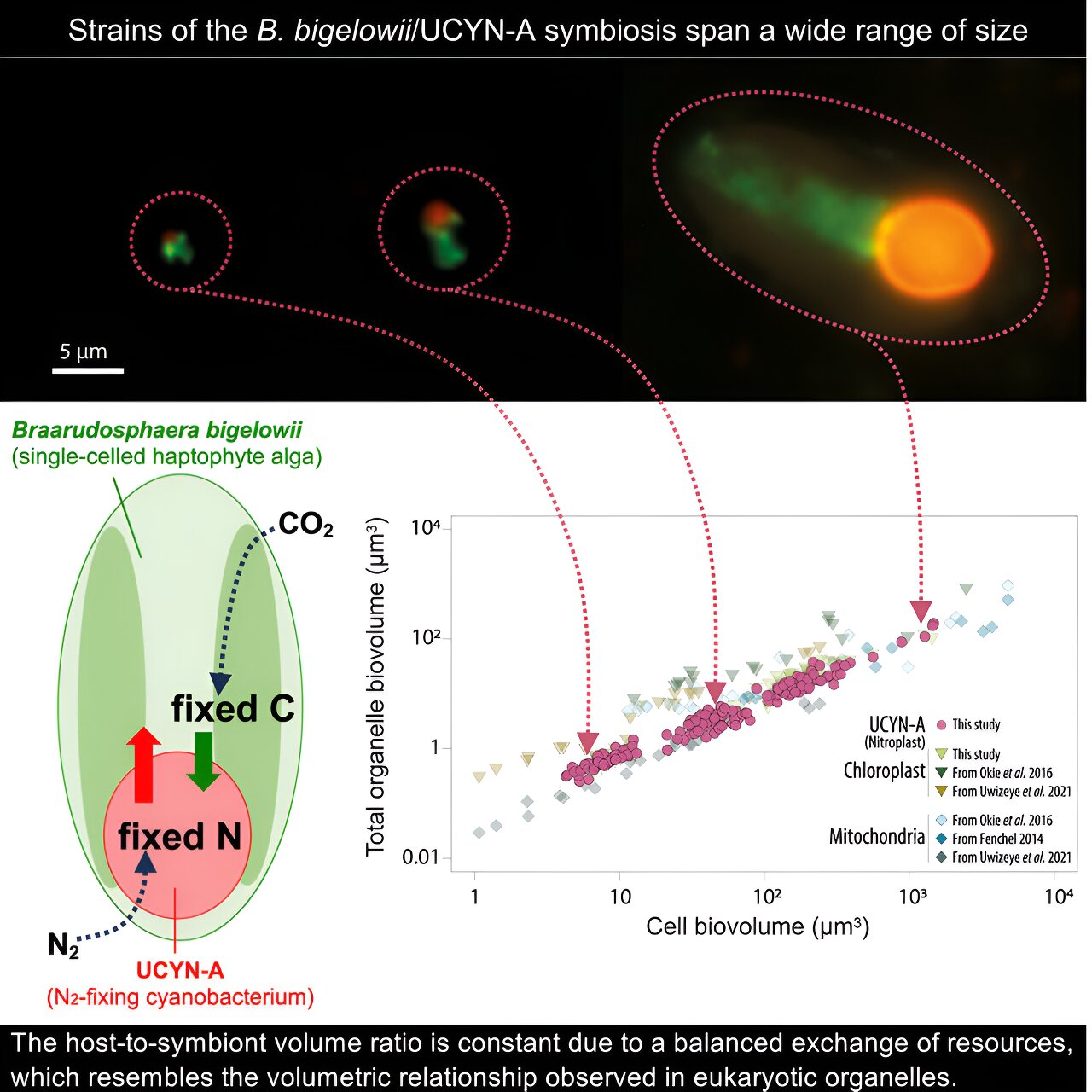
Researchers have discovered a potential new organelle, termed a nitroplast, which is evolving to fix nitrogen from the atmosphere. This process, known as endosymbiosis, is rare and has only been observed in a few cases, such as with mitochondria and chloroplasts. Nitrogen is essential for life, and the difficulty in obtaining it makes this discovery significant in understanding the evolution of complex cells and their specialized functions.
Scientists at the University of Geneva have used high resolution microscopy and kinematic reconstruction techniques to visualize the assembly of the human centriole, a crucial organelle in cell organization. By combining expansion microscopy and kinematic reconstruction, they reconstructed the first 4D assembly of the human centriole, shedding light on its formation and opening new possibilities for studying other cellular structures.
A new study published in the journal Cell suggests that nitrogen-fixing symbiotic organisms, specifically UCYN-A cyanobacteria, may be evolving organelle-like characteristics. These organisms live in a symbiotic relationship with marine algae and have lost the genes allowing regulation of nitrogen use, fixing nitrogen gas into ammonium even in nutrient-rich environments. Researchers found a size relationship between UCYN-A and their symbiotic partner cells, similar to the size relationships between other organelles and their hosts, indicating a potential evolutionary path toward developing into nitrogen-fixing organelles. Further study is needed to confirm this possibility.
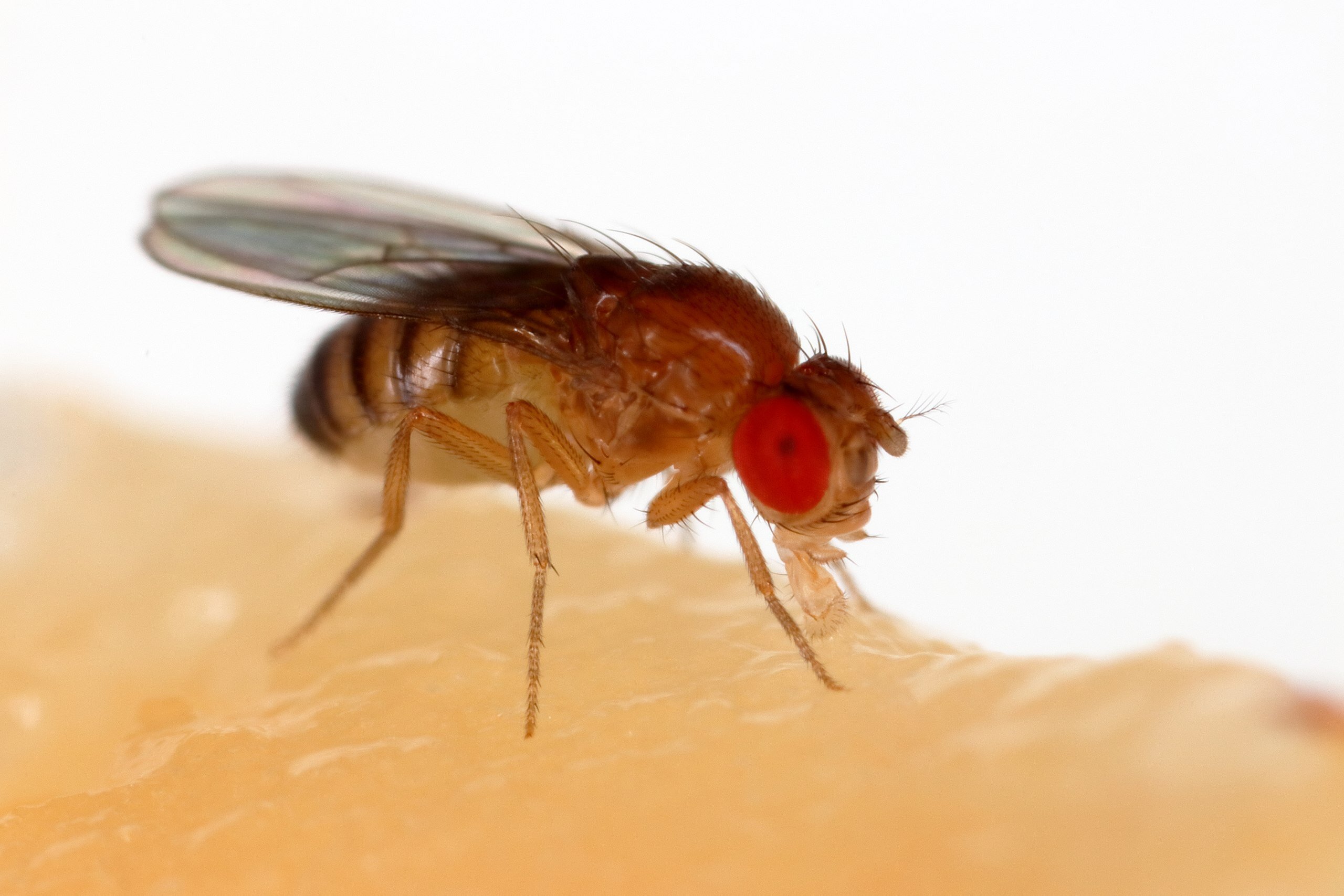
Scientists have discovered a new organelle in fruit flies, called PXo bodies, which regulate the availability of phosphate in the cell. Until now, only bacteria, yeast, and plants were known to have comparable features. The newfound organelle was discovered in the fruit fly gut and sequesters phosphate from food. Researchers are now taking a retrospective look at older data in search of these elusive cell parts.
Researchers from the Georgia Institute of Technology and Emory University have developed an intracellular toolkit to study organelle diversity and communication within stem cells, which includes rapid subcellular proteomic imaging and multiplexed immunofluorescence techniques. This toolkit allows for more accurate cell type classification and could lead to improved personalized cell therapies by identifying and isolating distinct stem cell subsets. The researchers also combined machine learning and spatial transcriptomics to analyze the spatial organization of multiple neighboring RNA molecules in single cells, providing insight into the importance of RNA-RNA proximity for accurate cell type classification.
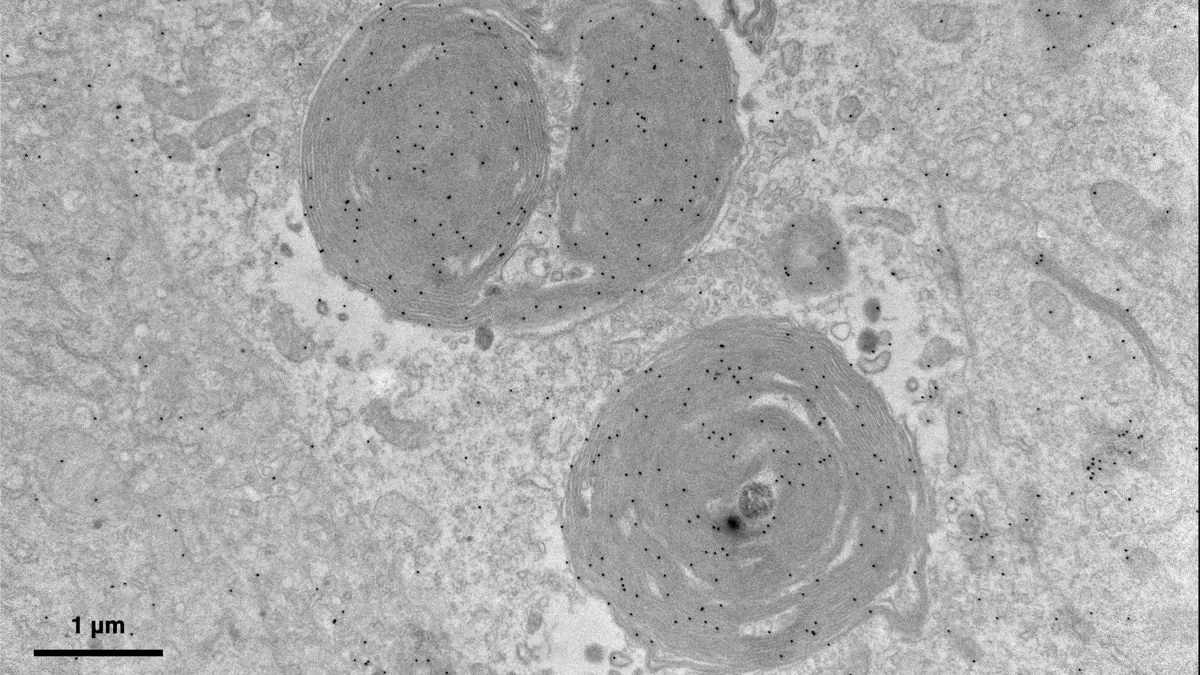
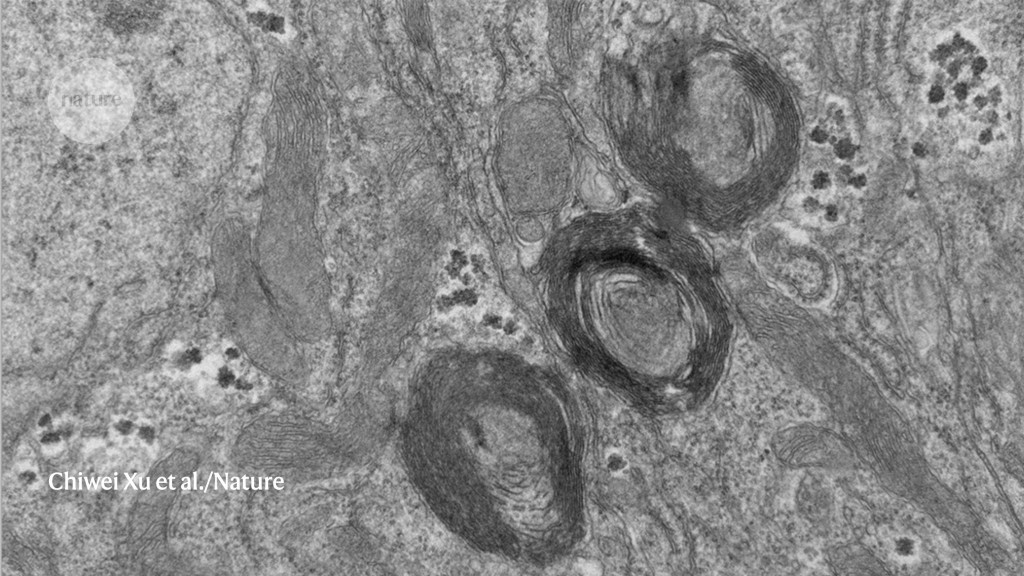
Scientists at Harvard Medical School studying phosphate transport in fruit fly intestines have discovered a new organelle, named PXo bodies, that stores phosphate. The organelle was found to be storing phosphate in a multilamellar membrane, and when the gene PXo was downregulated or missing, the PXo bodies degraded, releasing the backup storage of phosphate into the cell. The discovery could lead to further research into the organelle's functions and interactions in other life forms.
Researchers have discovered a new type of organelle in animal cells that acts as a reservoir of phosphate, a molecule essential to life. The organelle helps regulate levels of the nutrient inside cells and triggers processes that maintain tissues when it is in short supply. The discovery was made in fruit-fly intestinal cells, which are a useful model for studying how diseases affect cells in the human intestine. The findings lay the groundwork for exploring whether there are similar phosphate-storing organelles in other animals, including humans.