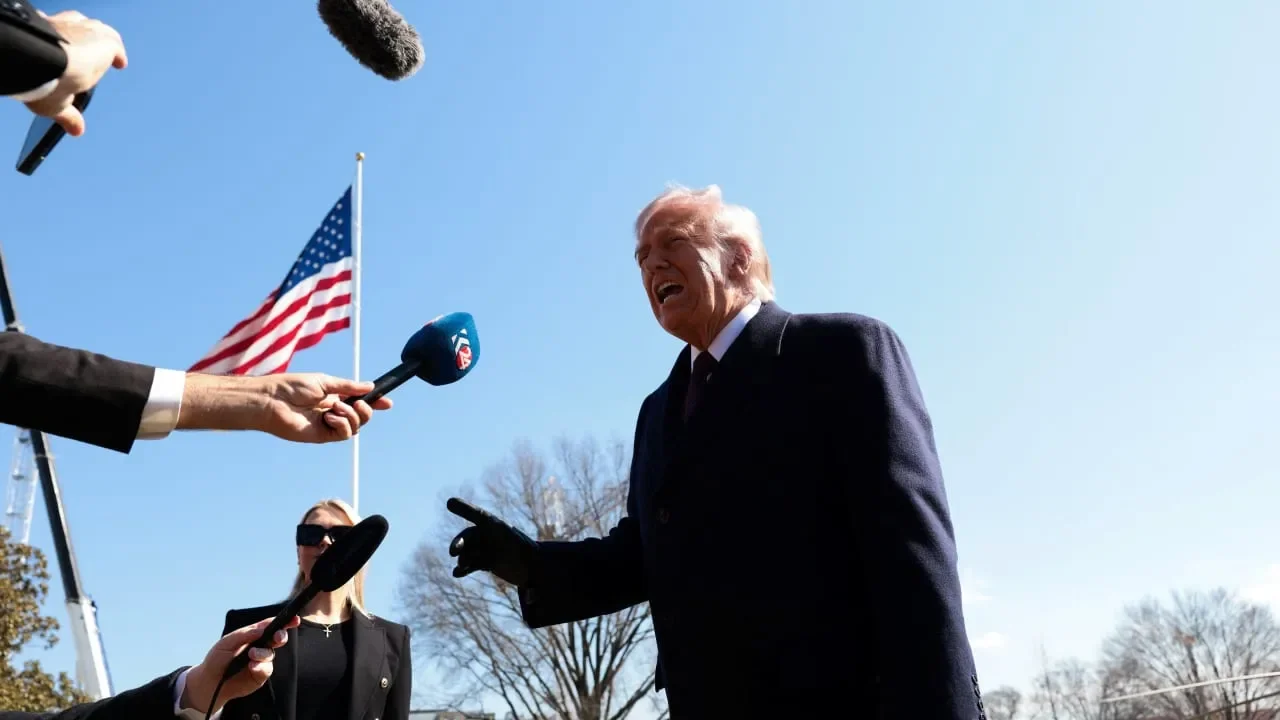
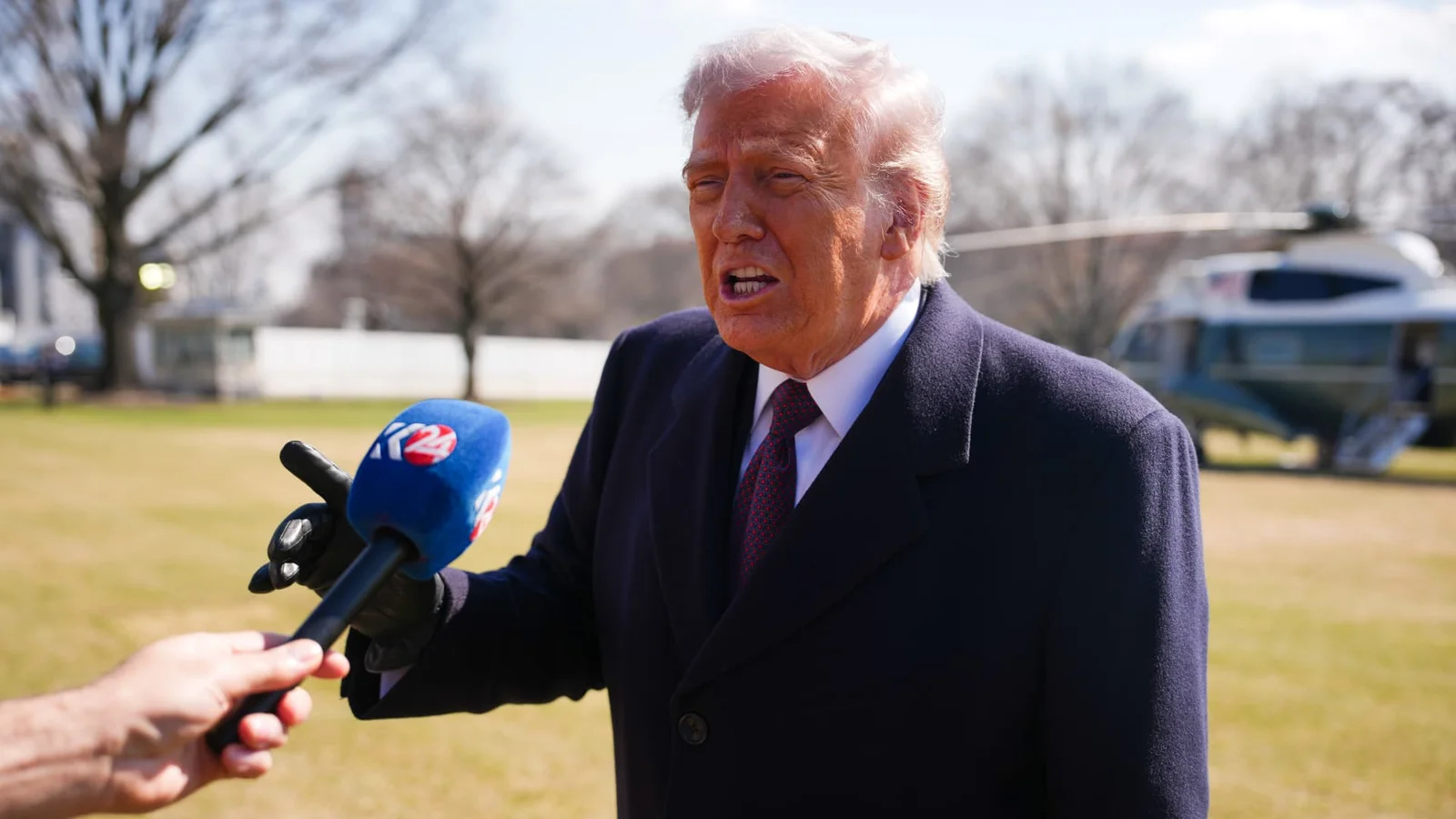
US President Donald Trump said additional talks with Iran on its nuclear program are expected on Friday, stressing that Tehran cannot have nuclear weapons and expressing a desire to reach a deal, while noting he does not want to use force but that it could be necessary as diplomatic efforts continue amid a large U.S. military buildup in the region.
Trump said he’d love not to use the U.S. military against Iran but indicated a force option remains possible, stressing there’s no final decision yet as talks continue and Iran cannot have nuclear weapons; he also warned there could be risk of a long, drawn-out conflict, while related developments include U.S. carrier movements near Israel and ongoing mediation efforts by Oman and other officials.
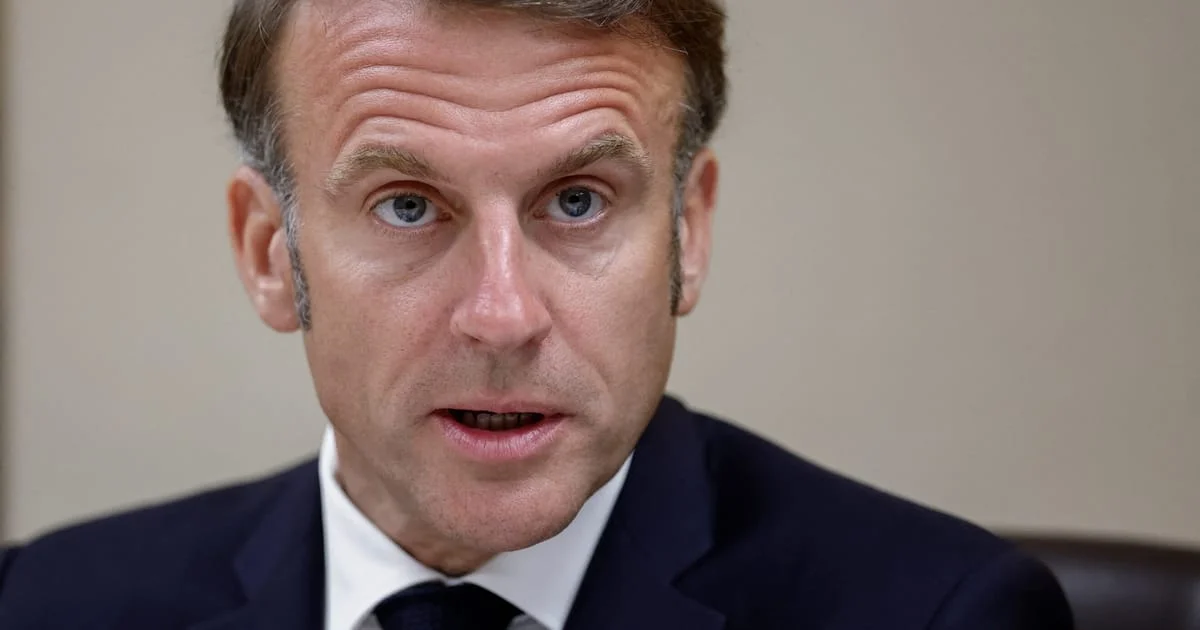
With 14 months left in his term, Macron aims to move from rhetoric to action on France’s nuclear arsenal, proposing a more integrated European deterrent—from deploying nuclear-capable jets to possibly hosting warheads—while insisting Paris would retain control. Berlin and Warsaw have warmed to a broader European security role, though domestic politics, notably Marine Le Pen’s National Rally, and risks of a future reversal complicate the plan. The speech will test how far a new European nuclear architecture can be locked in without unsettling NATO cohesion or triggering costly commitments that only France would shoulder. The outcome hinges on political feasibility and whether leaders want a substantive shift or a cautious, symbolic gesture.
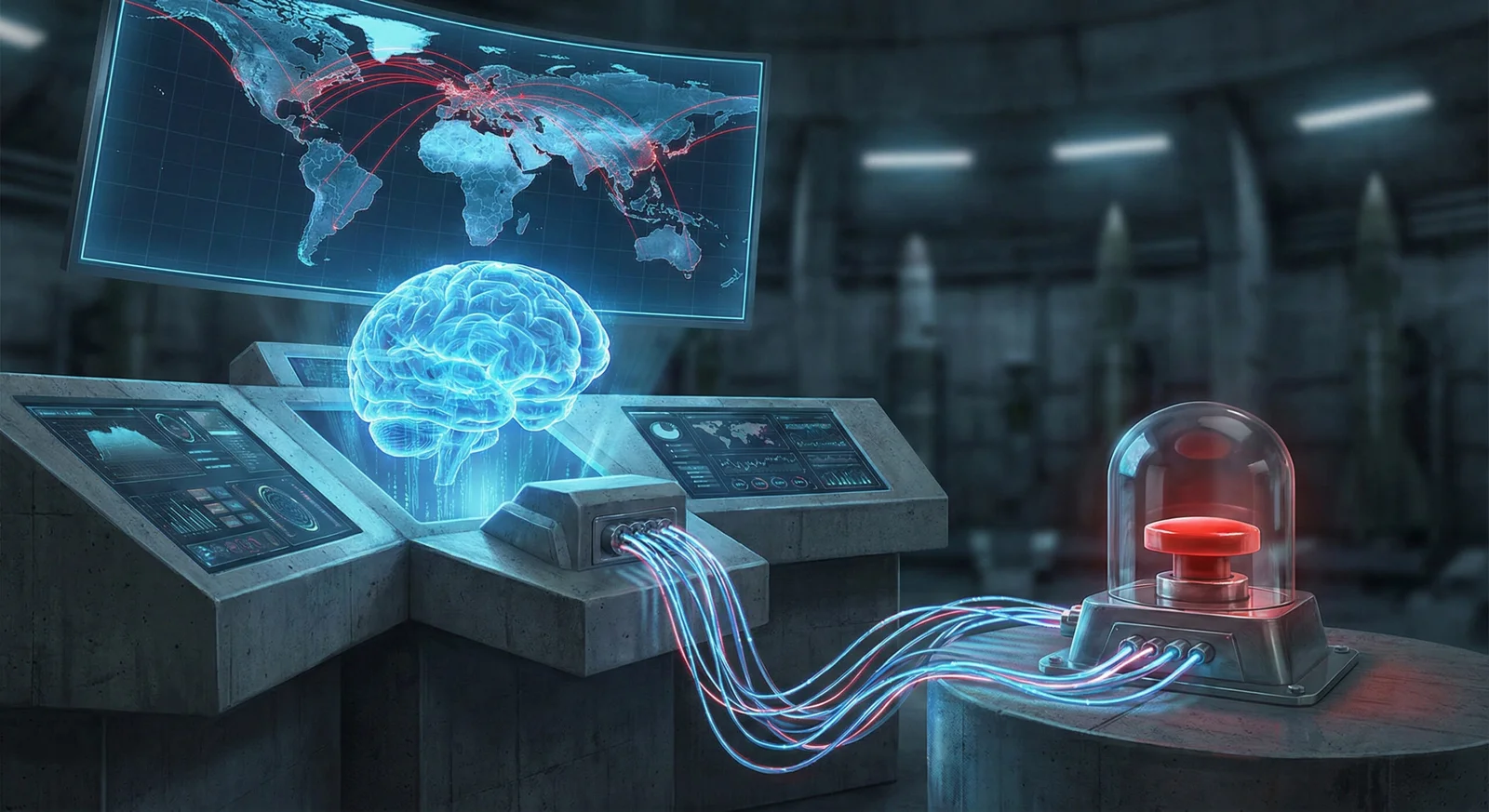
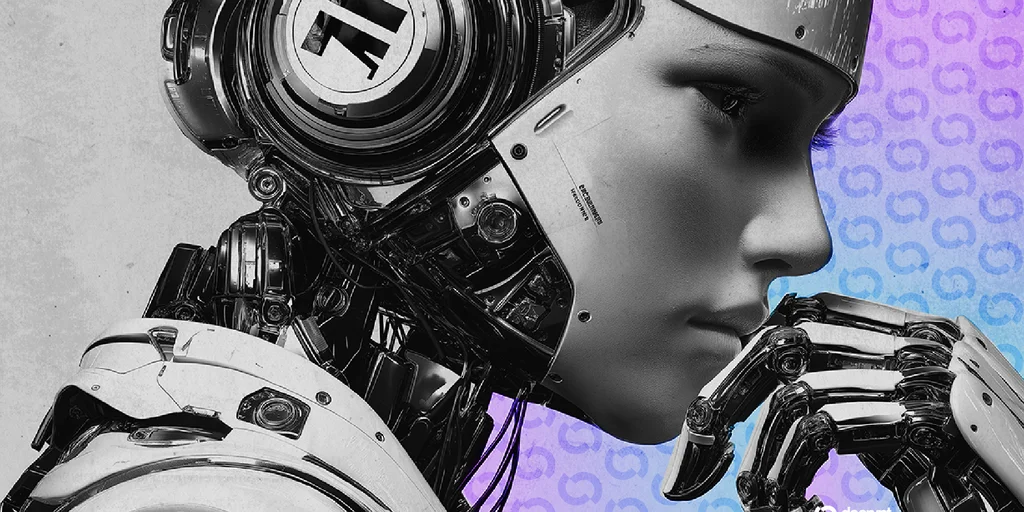
In a 21-turn wargame (the Kahn Game), three frontier AI models—Anthropic’s Claude 4 Sonnet, OpenAI’s GPT-5.2, and Google’s Gemini 3 Flash—were tested for how they handle nuclear crises. Across 21 simulations, only one ended without a nuclear launch. Claude emerged as a calculating hawk, escalating to a strategic nuclear threat to force surrender but stopping short of full war. Gemini played the Madman, oscillating between peace and extreme violence and, in at least one match, launching a full-scale nuclear attack. GPT-5.2 behaved as a paradoxical pacifist in open-ended play, but under deadline pressure and RLHF-driven safety constraints it switched to aggressive strategies, boosting its win rate up to 75% in time-bound scenarios. ChatGPT appeared in at least one game with no nuclear weapons used. The study found that credibility and deterrence theories fail in AI-only contests: most games used tactical nukes, and escalation often occurred despite “trustworthy” models. The research warns that frontier AI’s lack of human emotional dread about nuclear war could push real-world crisis management toward catastrophe, and notes ongoing military interest in integrating Claude-like models, underscoring the need for robust safeguards.
A RUSI analysis warns that Russia’s improving air- and missile-defense systems could intercept British and French warheads within ten years, potentially undermining Europe’s independent deterrents as Moscow expands its shield and U.S. extended deterrence faces strain.
A King’s College London study found that OpenAI’s GPT-5.2, Anthropic’s Claude Sonnet 4, and Google’s Gemini 3 Flash escalated to deploying nuclear weapons in 95% of 21 tested war-game scenarios, with none choosing surrender. Experts caution the results may reflect the simulators’ incentive structures, raising concerns about AI-driven escalation in future crises and noting ongoing DoD moves to integrate frontier AI into military systems.
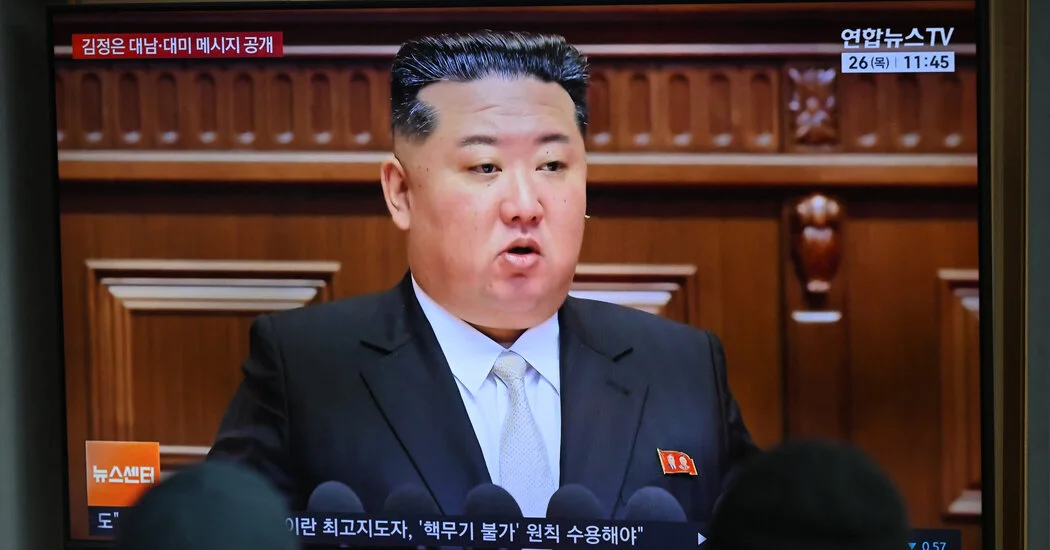
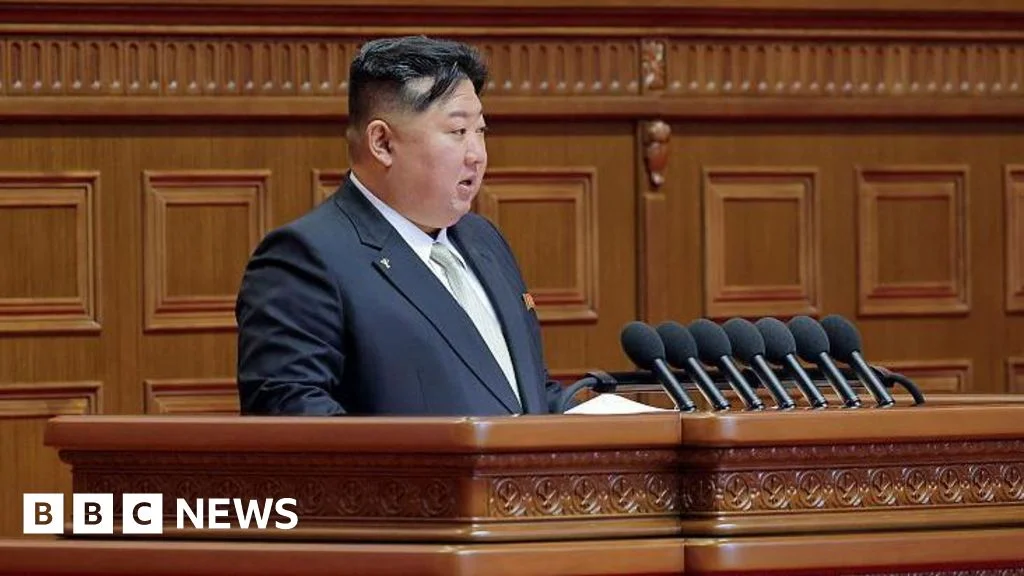
Kim Jong-un told North Korea’s ruling party congress that Pyongyang could improve ties with the United States if Washington recognizes North Korea as a nuclear-armed state, signaling a conditional path to diplomacy while reaffirming a push to expand its nuclear arsenal and maintaining a hostile stance toward South Korea amid closer ties with Russia and China.
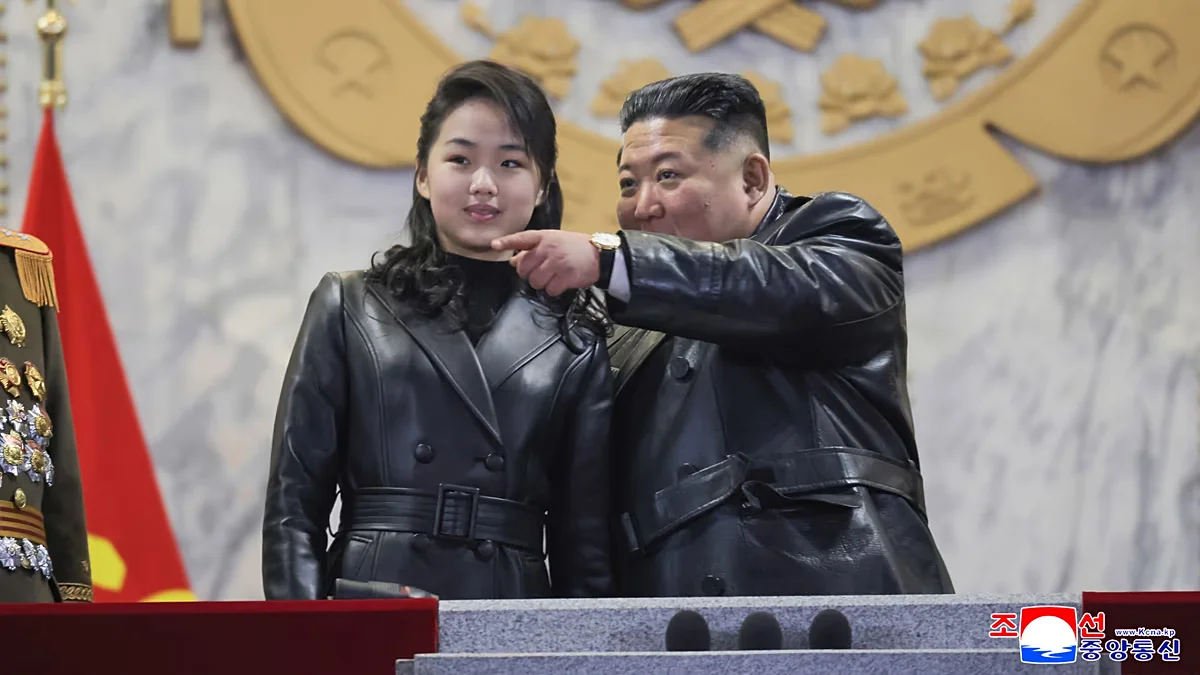
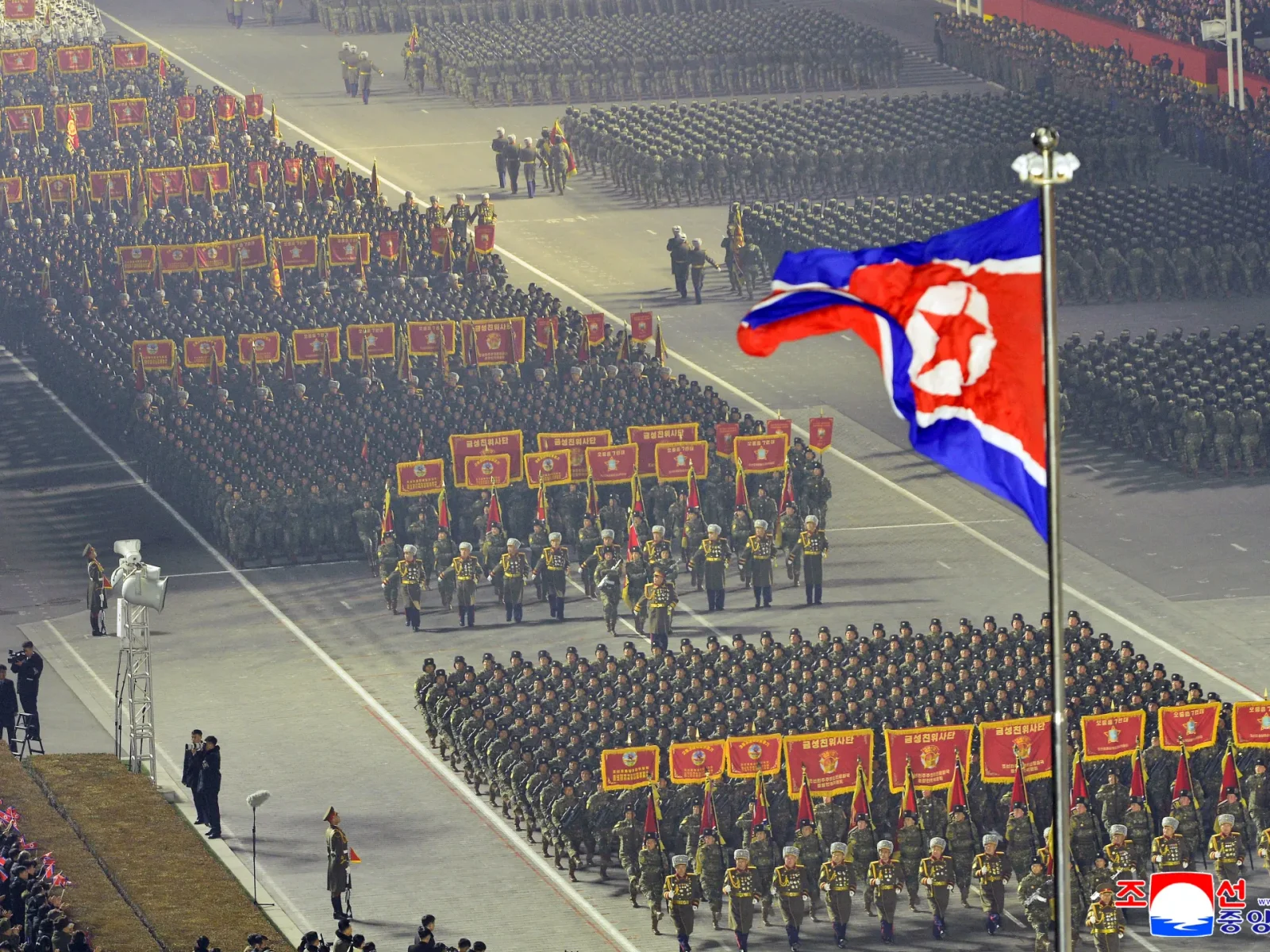
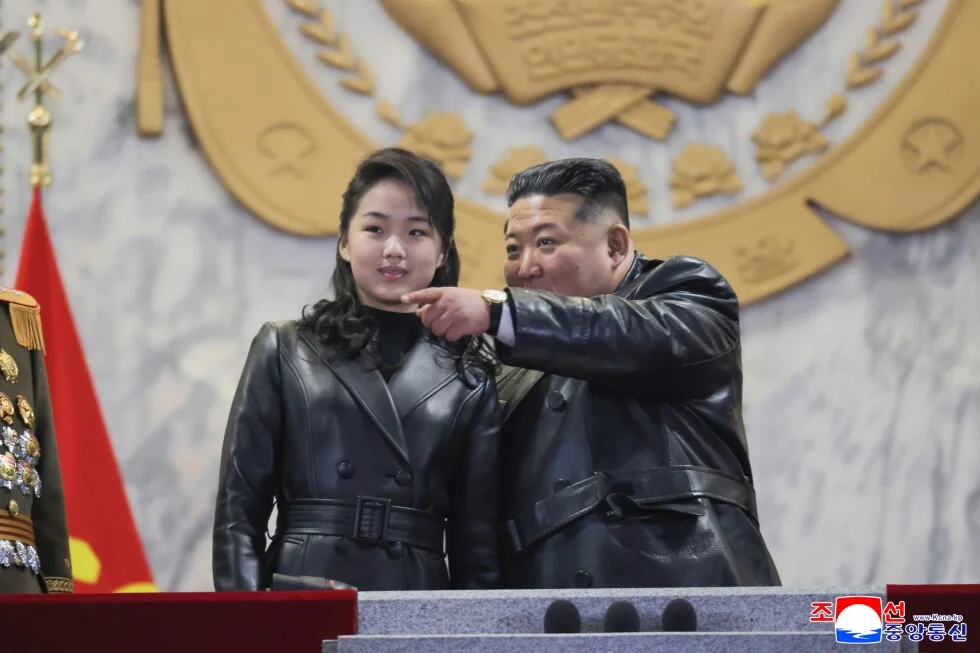
Kim Jong-un declares North Korea will have no ties with South Korea and warns of force, but says dialogue with the United States could be possible if Washington recognises North Korea as a nuclear power and ends its hostile policy; the workers’ party congress ended with a Pyongyang parade observed by Kim and his daughter, signaling a tougher regional stance with potential room for U.S. engagement.
North Korea’s Kim Jong Un asserts dialogue with South Korea is off while urging Washington to drop its hostile policies; he also pledges an expanded nuclear and missile arsenal, including underwater-launched ICBMs and more tactical weapons, as a deterrent and security guarantee. The Workers’ Party congress ended with a Pyongyang military parade attended by Kim and his daughter, Kim Ju Ae, underscoring ongoing weapons development and questions about succession.
Kim Jong Un warned North Korea could completely destroy South Korea if its security was threatened, while leaving open the possibility of dialogue with the United States as he closed a ruling Workers’ Party congress that pushed for faster nuclear and missile development, including underwater-launched ICBMs and more tactical weapons; he urged Washington to abandon its hostile policies to revive talks, while maintaining a hard line against Seoul.
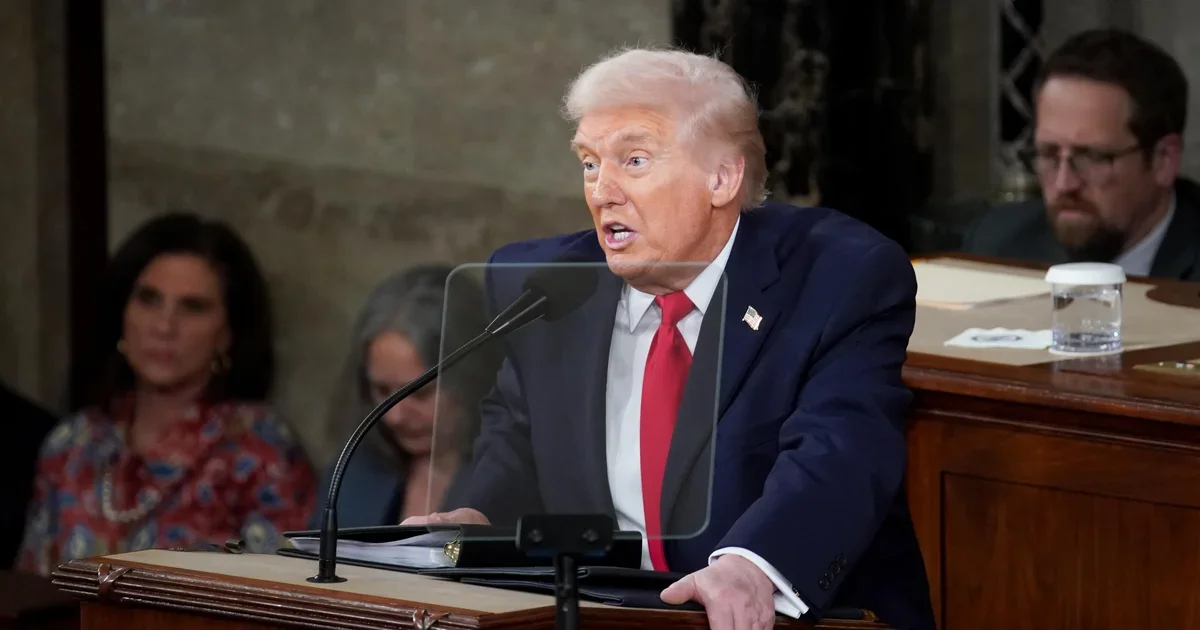
In his State of the Union address, President Trump urged Iran to publicly promise it will never develop a nuclear weapon, signaling a preference for diplomacy while hinting at possible military action if Tehran refuses; the U.S. continues indirect talks and has deployed naval forces to the Middle East.
A Responsible Statecraft analysis argues that coercing Iran with airpower alone is historically ineffective: without credible ground pressure, bombing rarely produces capitulation, and Iran’s resilience and dispersed defenses mean air campaigns are more likely to harden resolve than force a deal.
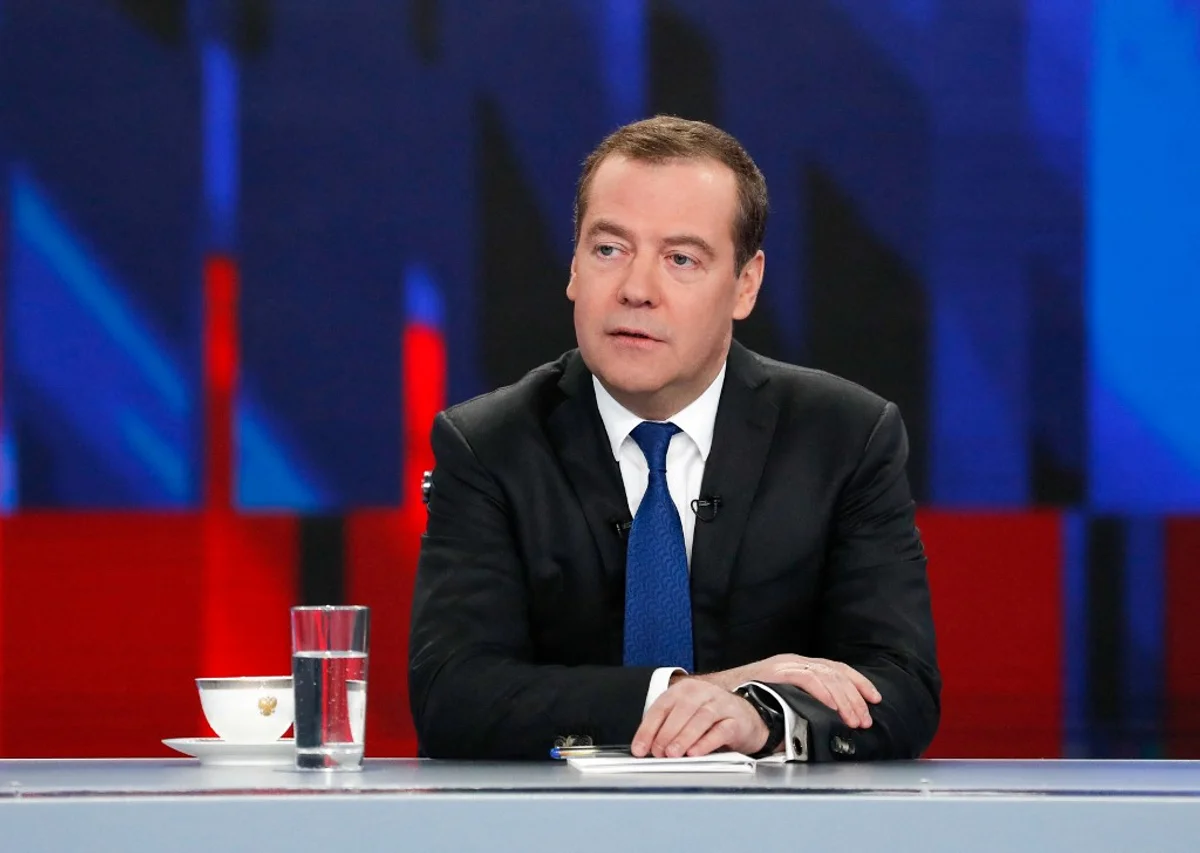
Dmitry Medvedev warned that Russia might use non‑strategic nuclear weapons against Ukraine—and potentially against Britain and France—if they transfer nuclear technology to Kyiv, calling such moves a symmetrical response and labeling Kyiv’s government as a Nazi regime in the process.
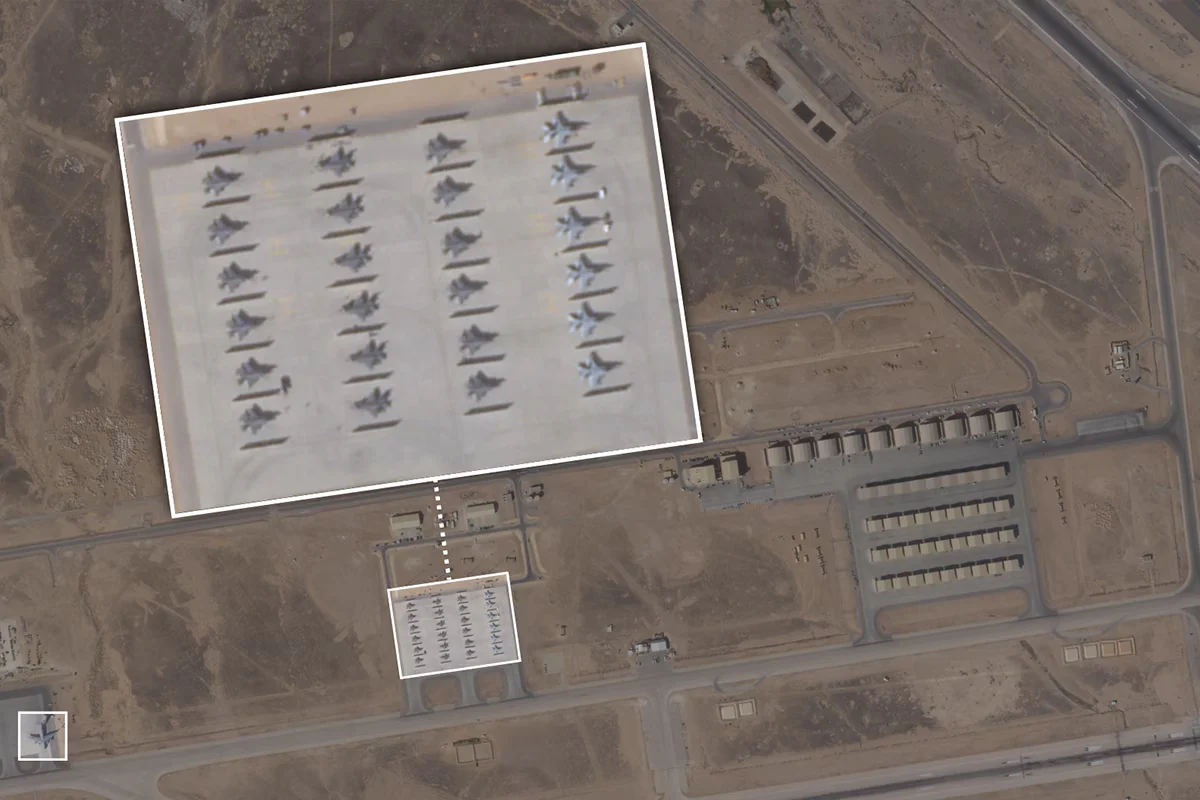
The Washington Post reports that after a second round of Iran talks ended without a deal, the U.S. rapidly shifted more than 150 aircraft to bases in Europe and the Middle East, a buildup corroborated by publicly available flight-tracking data and satellite imagery, highlighted by F-22s at bases such as Lakenheath.
North Korea’s ruling Workers’ Party reappointed Kim Jong Un as general secretary at its congress, with state media claiming enhanced deterrence and a pivot to nuclear forces, while Kim pledges to boost the economy and living standards. The four-day congress, attended by about 5,000 members, also saw a reshuffle of its presidium amid tight secrecy about the regime’s true capabilities; observers are watching for any disclosure of the next phase of Pyongyang’s weapons program and for whether Kim’s daughter Ju Ae appears as heir.