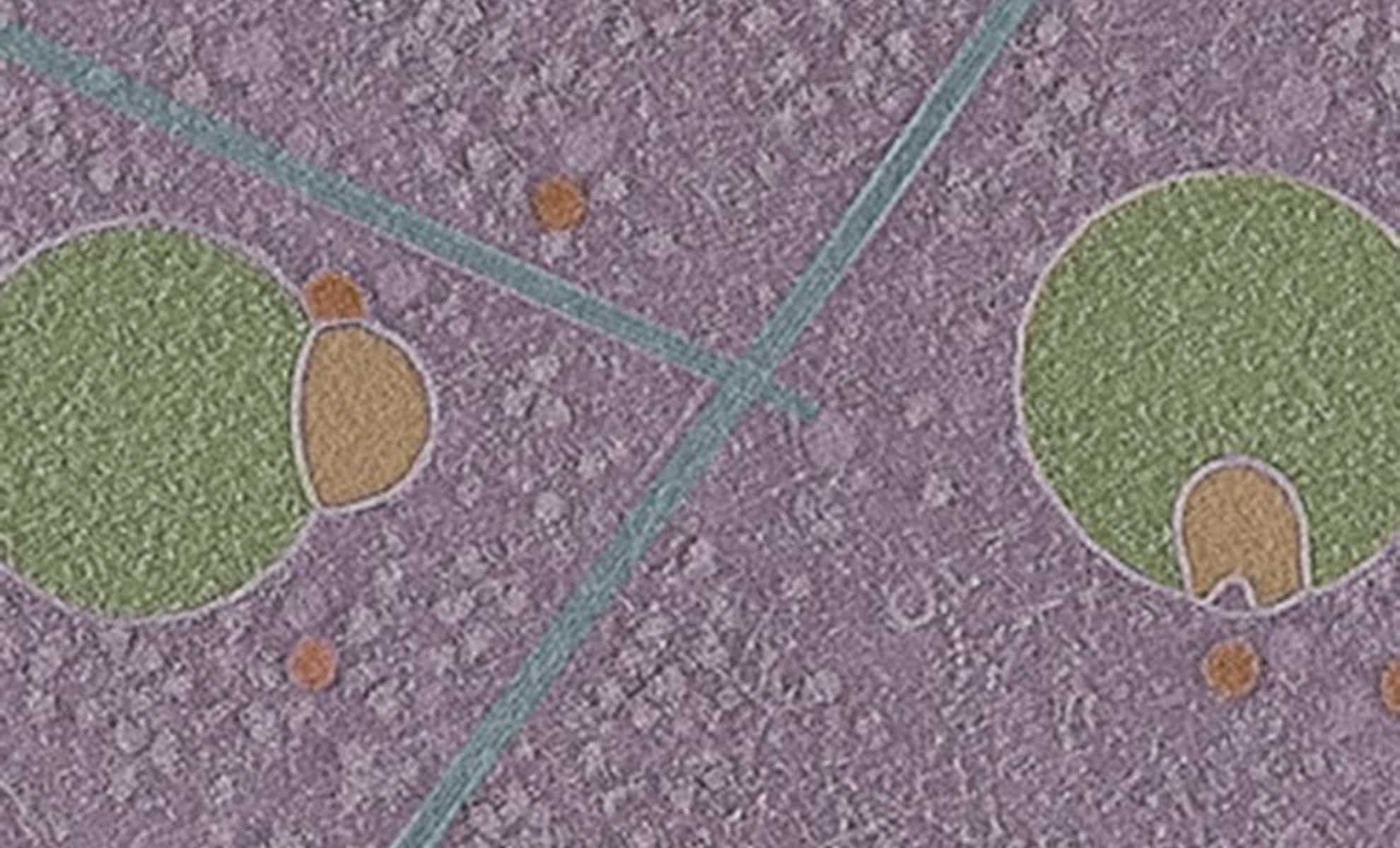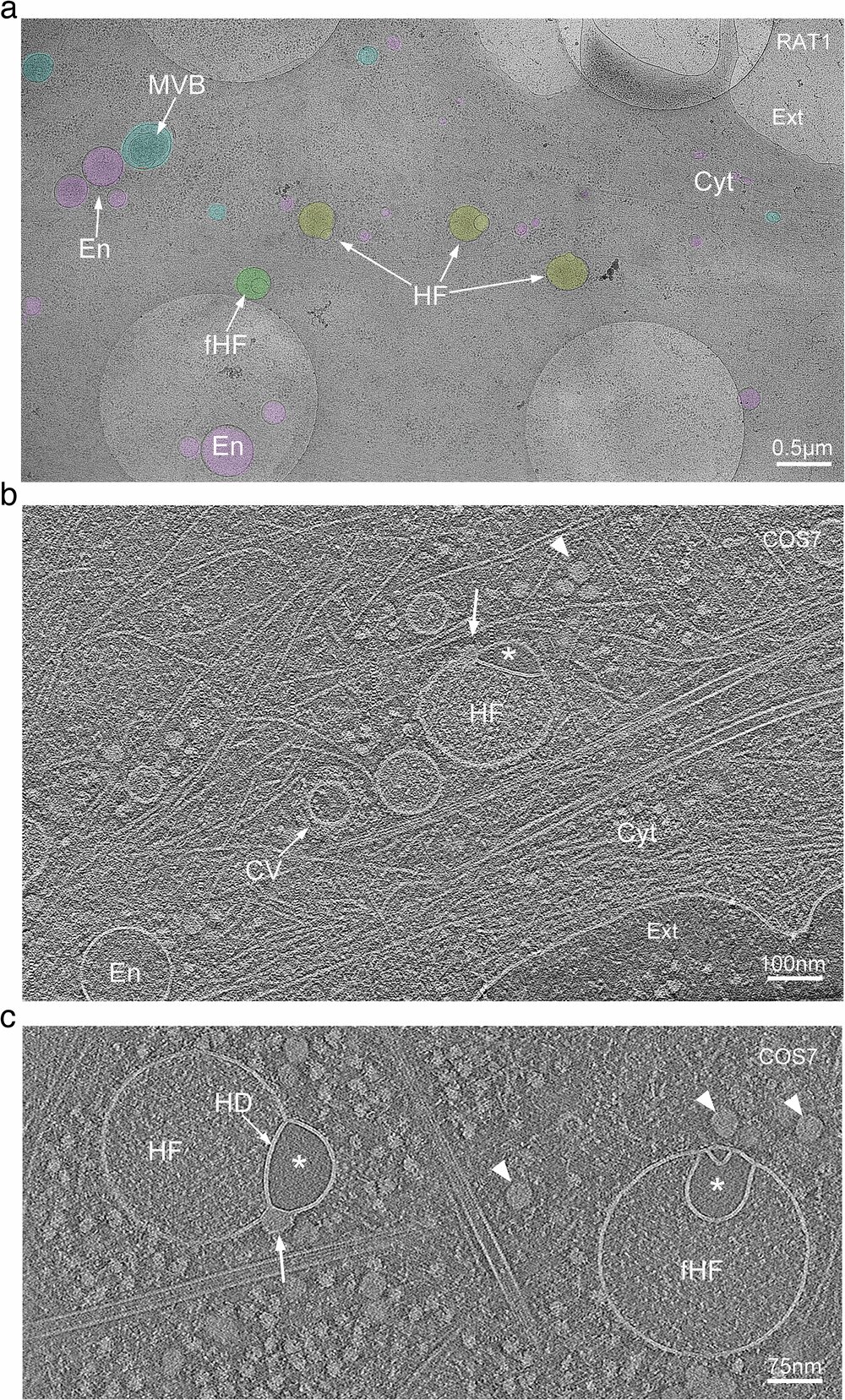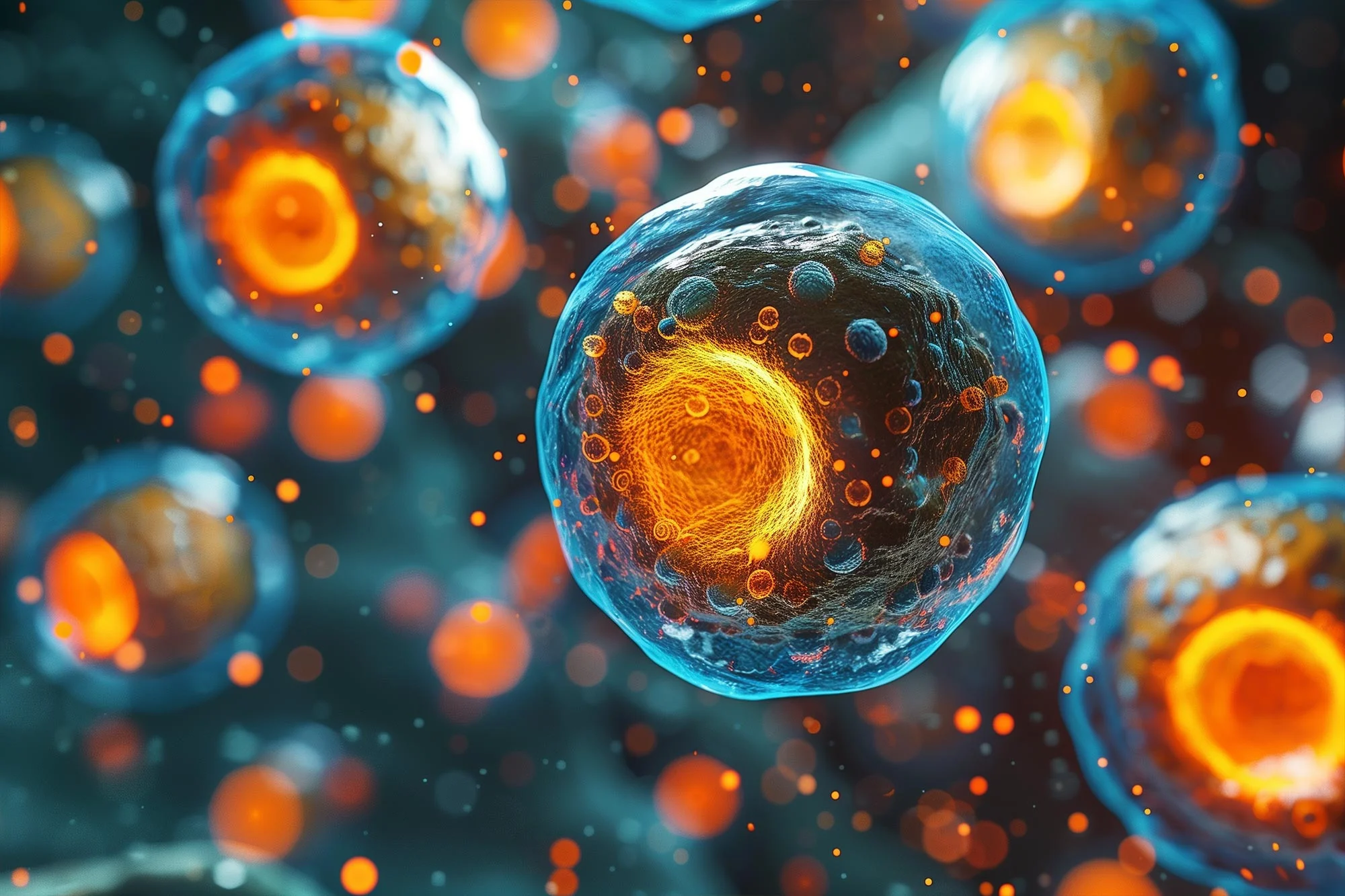
Scientists have discovered a new organelle called the hemifusome inside human cells, which plays a key role in cellular recycling and cargo management. This finding could provide new insights into genetic disorders like Hermansky-Pudlak syndrome and lead to novel treatments. The discovery was made using advanced cryo-electron tomography and opens new avenues for understanding cell health and disease.
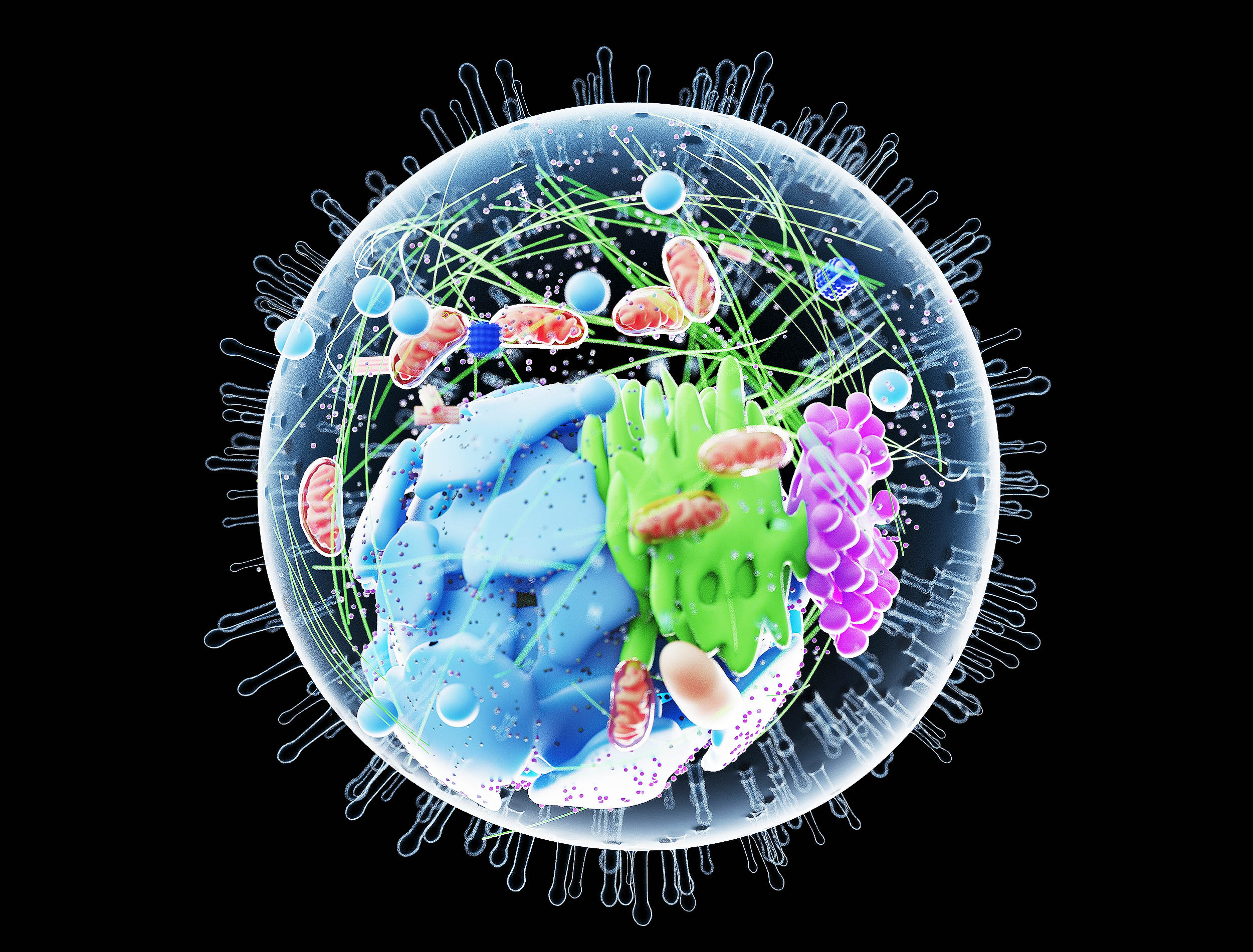
Scientists have discovered a new, temporary organelle called the hemifusome inside human cells, which plays a crucial role in sorting and recycling cellular cargo. Using advanced cryo-electron tomography, researchers observed that hemifusomes are common across various cell types and may represent a new pathway for vesicle formation, independent of traditional endocytic mechanisms. This discovery could have significant implications for understanding and treating diseases related to cellular waste management, such as Hermansky-Pudlak syndrome.
Scientists have discovered a new organelle called the hemifusome inside human cells, which acts as a cellular recycling center involved in cargo processing and vesicle formation. Using advanced cryo-electron tomography, researchers observed this fleeting structure, opening new avenues for understanding and potentially treating genetic diseases related to cellular cargo management.
Scientists have discovered a new organelle called the hemifusome inside human cells, which plays a crucial role in cellular sorting, recycling, and debris disposal, potentially impacting understanding and treatment of genetic diseases like Hermansky-Pudlak syndrome.
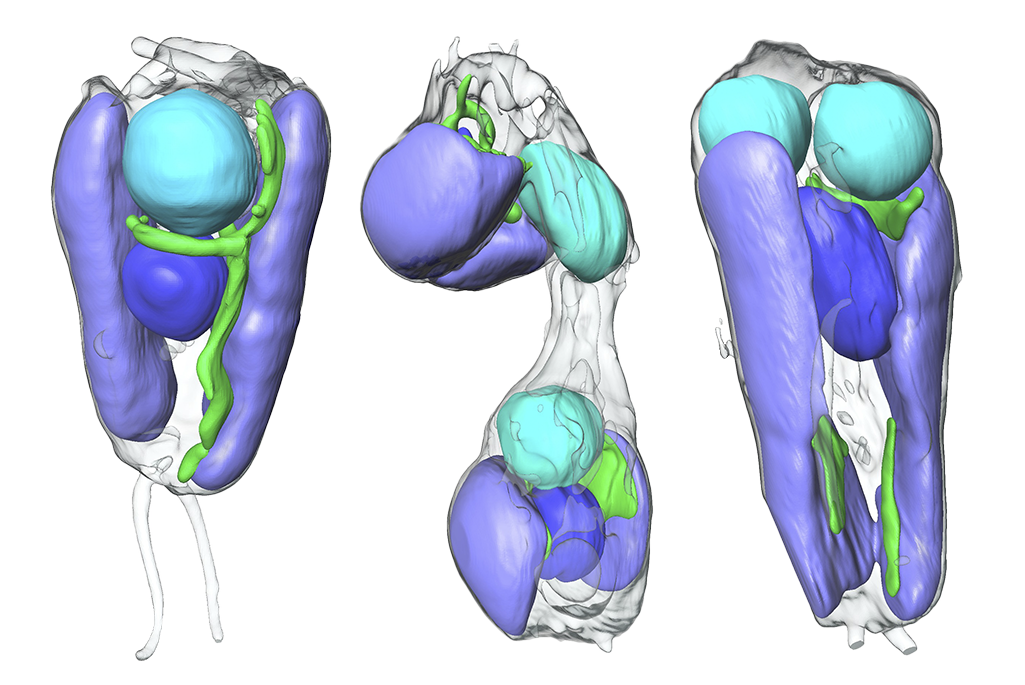
Scientists have discovered the first nitrogen-fixing organelle within a eukaryotic cell, challenging the belief that only bacteria can perform nitrogen fixation. Named a nitroplast, this organelle is the result of a rare process called primary endosymbiosis, where a prokaryotic cell is engulfed by a eukaryotic cell and evolves into an organelle. The discovery, involving decades of work and a bit of luck, sheds light on the evolution of organelles and has the potential to change perspectives on nitrogen fixation, agriculture, and ocean ecosystems. This research was funded by the Simons Foundation, National Institute of General Medical Sciences, and the Department of Energy (DOE) Office of Science Office of Biological and Environmental Research.
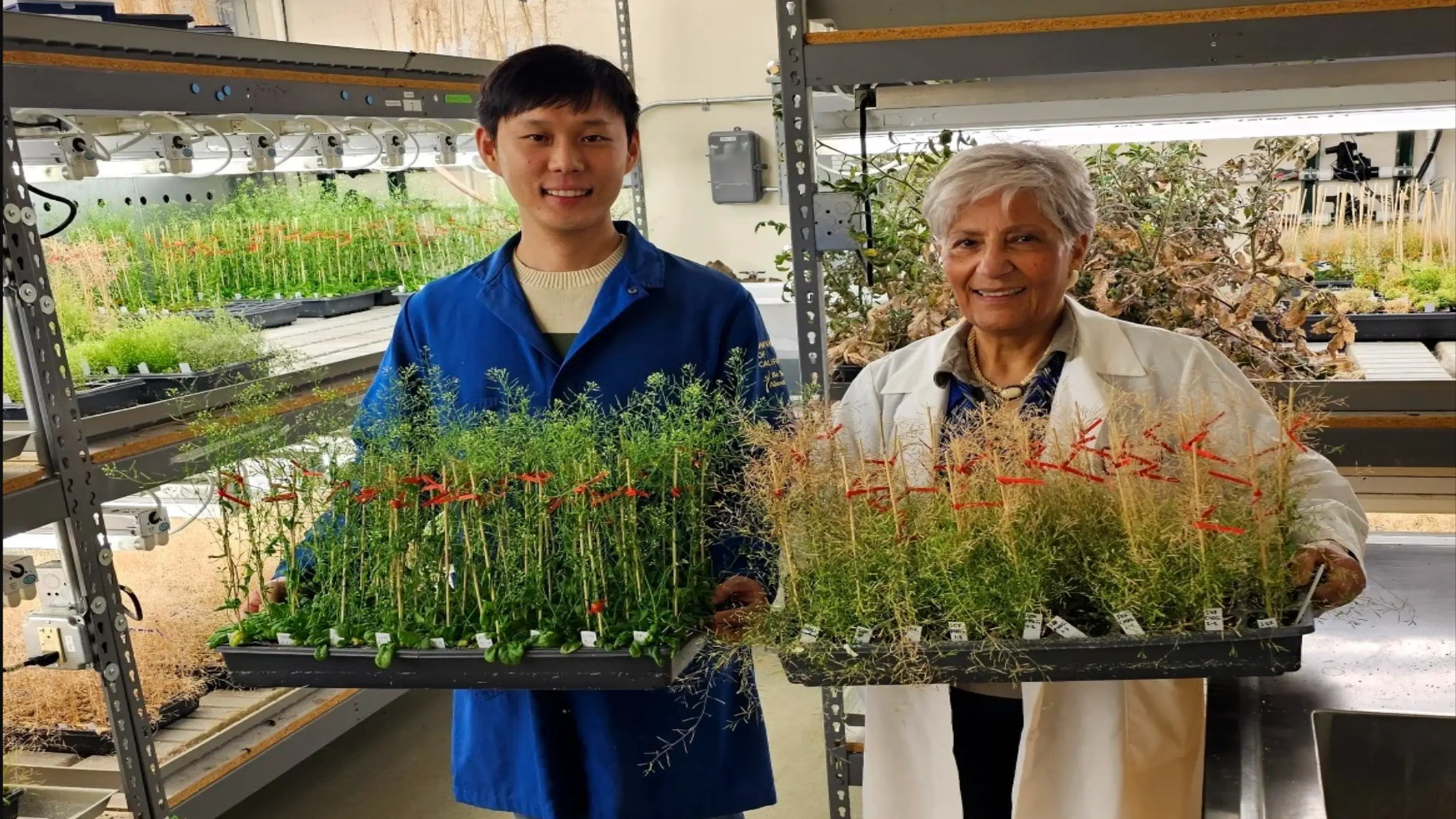
Scientists have discovered an understudied protein in plant cells that controls an organelle responsible for the plant's response to stress, such as lack of light or excessive salt. This finding could potentially contribute to understanding the aging process and may lead to advancements in reversing it.
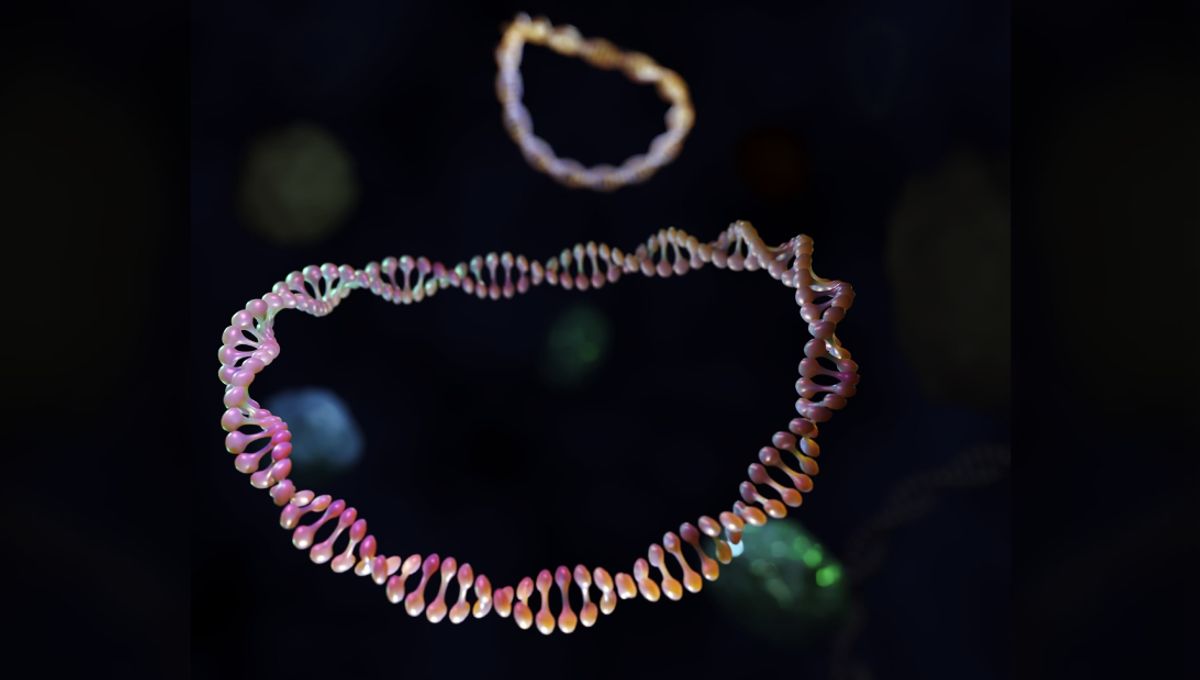
Scientists have discovered a new organelle called the exclusome within mammalian cells. The exclusome is made up of DNA rings called plasmids, which are usually found in bacteria and other microscopic organisms. It is believed that the exclusome may play a role in autoimmune disease and could provide insights into the evolution of nuclei in eukaryotic cells. The presence of plasmids in the exclusome suggests that cells can identify and remove foreign or unnecessary DNA from the nucleus, potentially protecting the cell's genetic integrity. Further research is needed to fully understand the functions and implications of this newly discovered organelle.
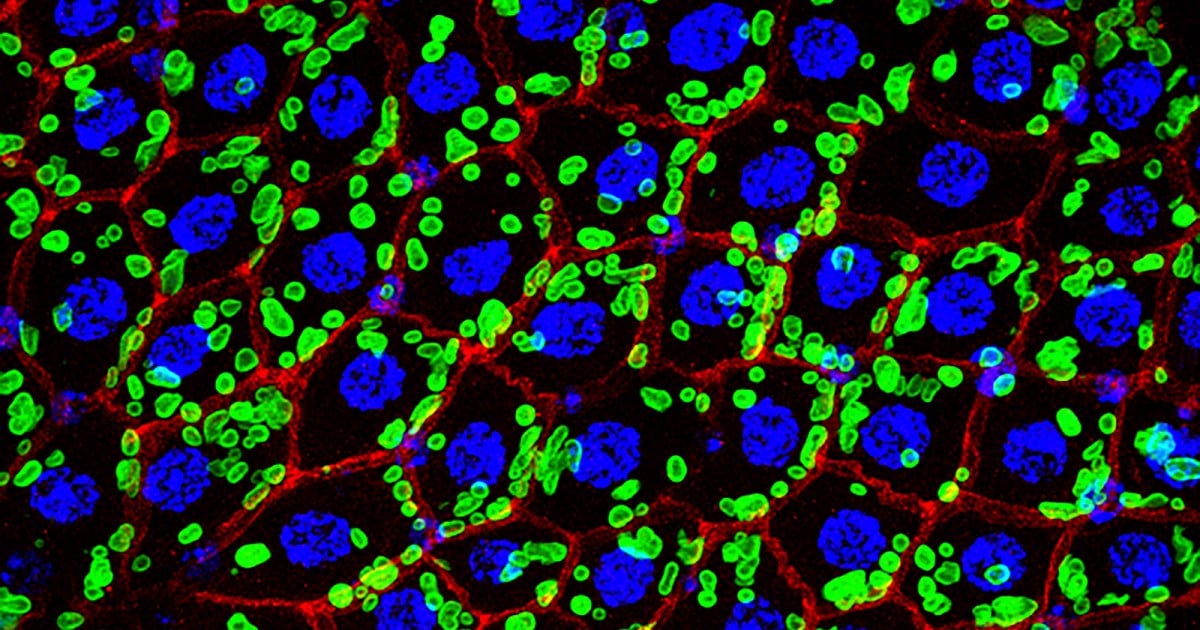
Researchers at Rockefeller University have discovered a new organelle inside the gut cells of fruit flies that stores phosphate, an electrolyte essential to life. The organelle, called PXo bodies, releases its reservoir in the form of phospholipids, which are a key component of the membrane structure of cells. The discovery may lead to a search for phosphate-storing organelles in other animals, including humans, and further research may help us understand how the organelle fits into the life of the cell and how it changes over time.