Three Chinese citizens were arrested in Tbilisi, Georgia, for attempting to illegally purchase 2 kilograms of uranium with plans to transport it to China via Russia, with a criminal group involved in the operation.

BWX Technologies secured a $1.5 billion contract to support the U.S. government's goal of increasing domestic uranium enrichment, fueling a rally in uranium-related stocks amid broader efforts by the Trump administration to boost U.S. nuclear capabilities and reduce reliance on imports.
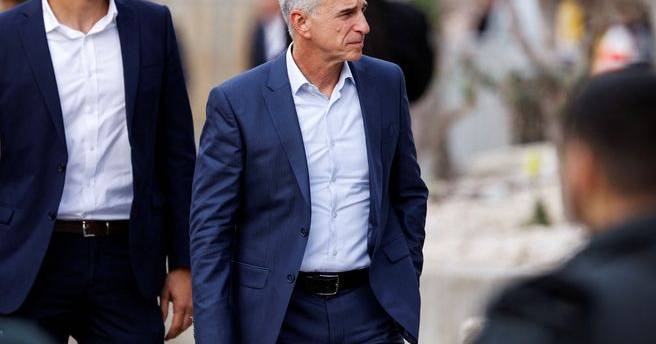
The Jerusalem Post reports that Mossad has knowledge of Iran's near-bomb-grade uranium stockpiles and could intervene if Tehran attempts to use them, with Israeli agents actively operating inside Iran to monitor and target nuclear facilities.
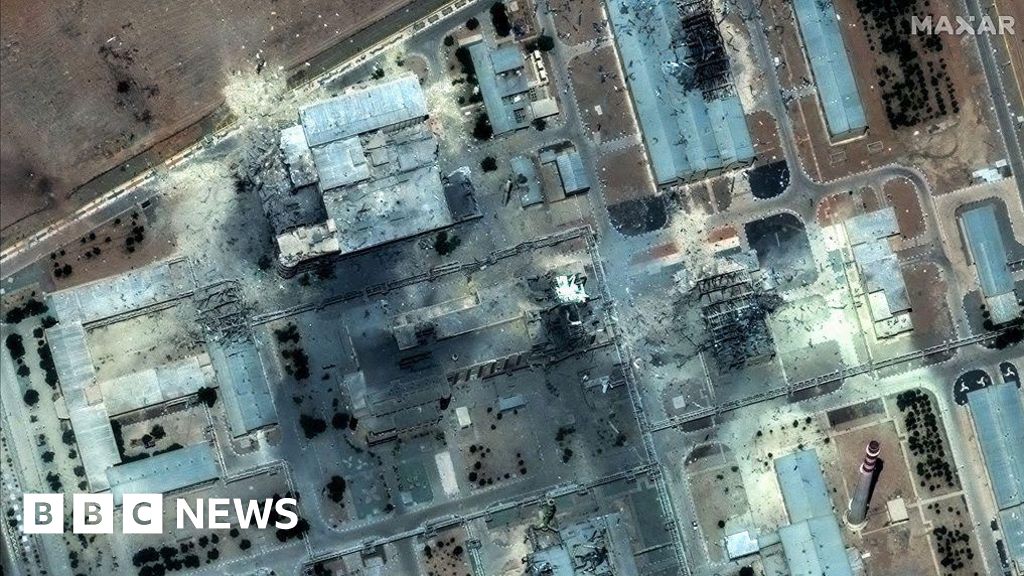
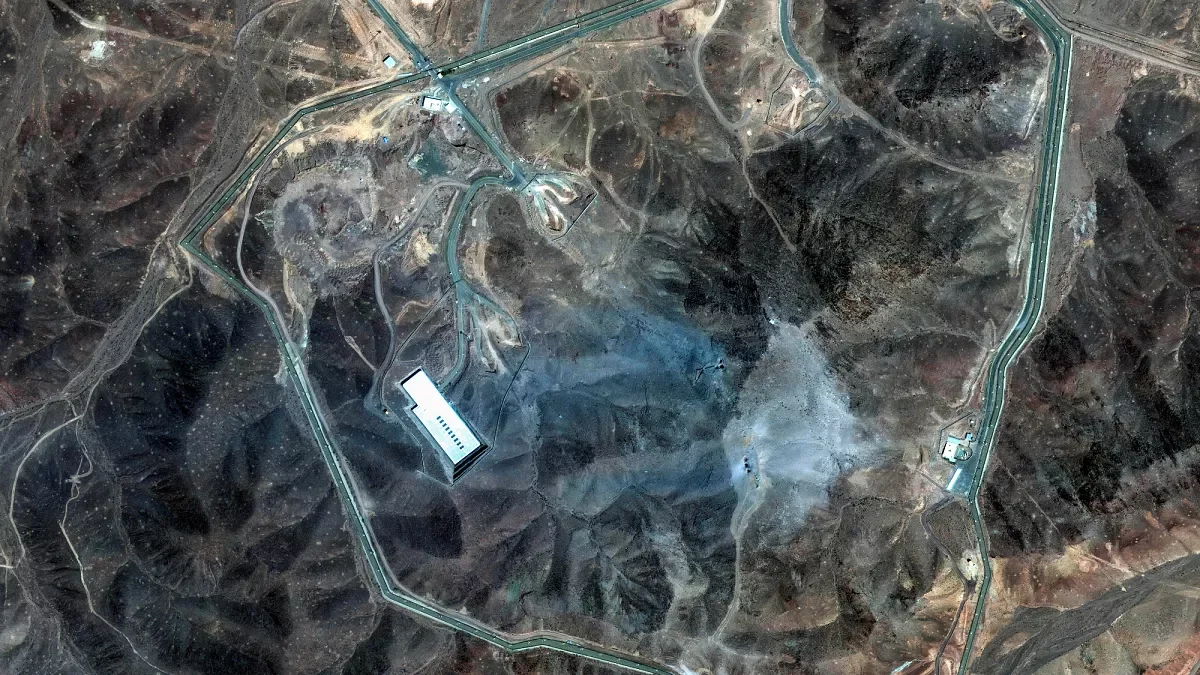
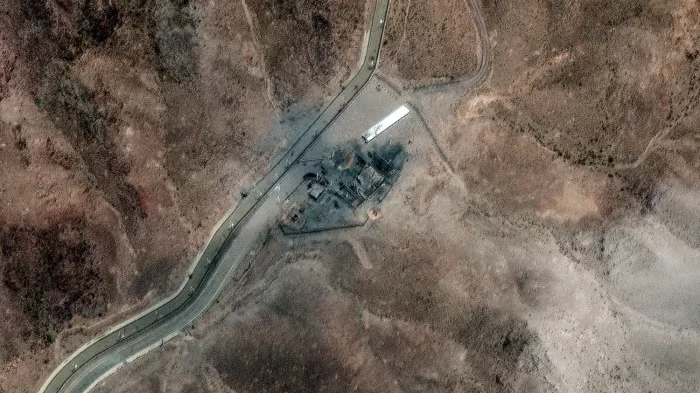
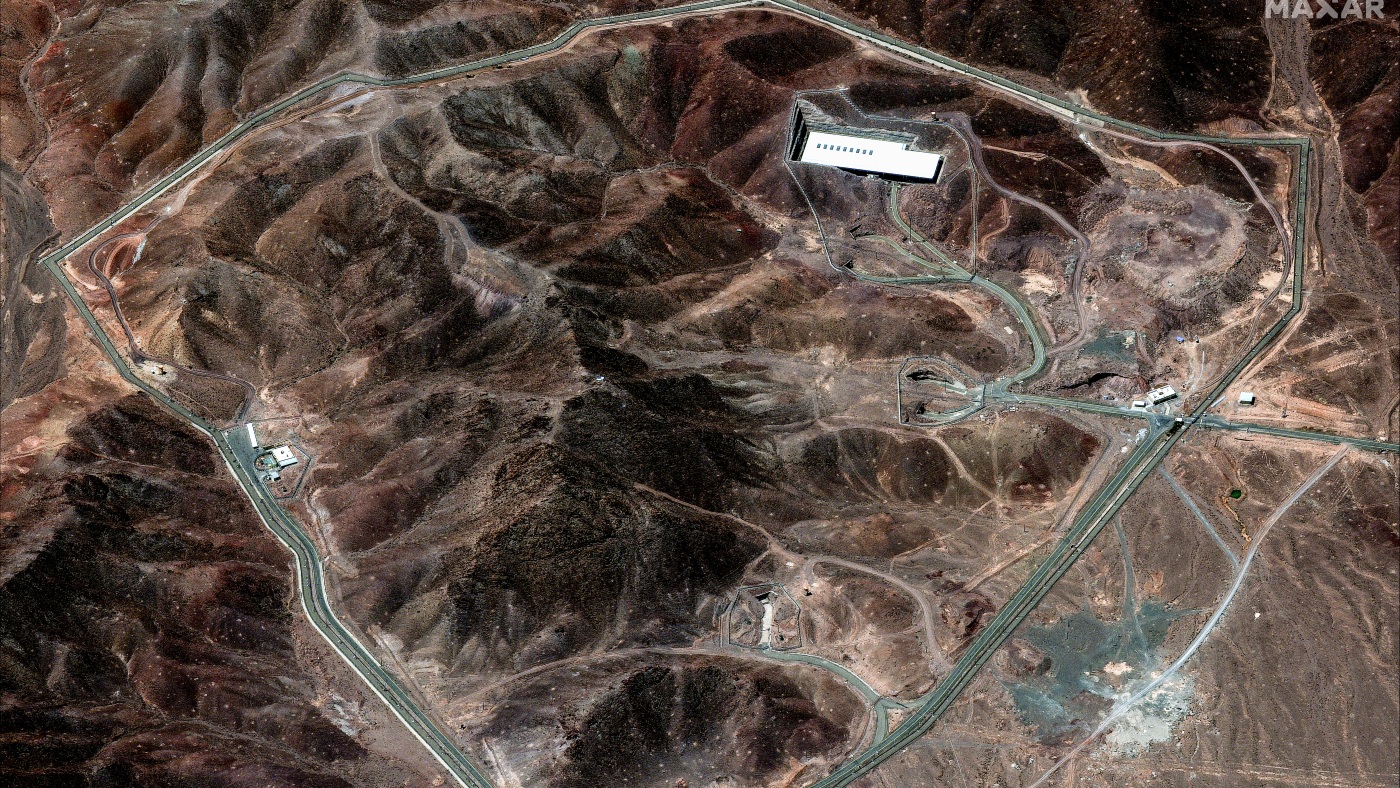
Israel believes Iran could recover some buried enriched uranium from facilities struck by US forces, though reaching it would be difficult and prompt Israeli retaliation. While US officials claim the strikes obliterated Iran's nuclear capabilities, intelligence suggests the damage was significant but not complete, and Iran's nuclear program has been set back by about two years.
Some of Iran’s near-bomb-grade enriched uranium survived recent Israeli and American attacks, with assessments indicating it remains accessible and Iran could potentially rebuild its nuclear capabilities, though significant damage has been inflicted on key facilities. The situation has heightened concerns about Iran's nuclear progress and the possibility of covert efforts to resume enrichment.
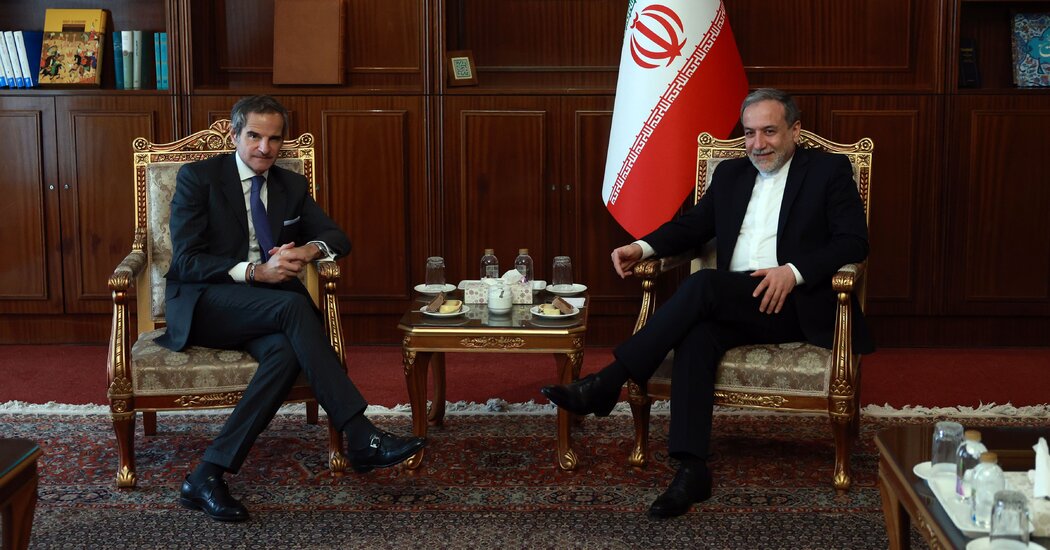
The head of the UN's nuclear watchdog warned that Iran could resume uranium enrichment within months despite recent Israeli and US attacks damaging its nuclear facilities, emphasizing that Iran still possesses the expertise and capacity to develop nuclear weapons, and that military action is unlikely to fully resolve the issue.
President Trump warned Iran against resuming high-level uranium enrichment, suggesting he would consider military action if necessary, but also indicated a willingness to negotiate and lift sanctions if Iran complies with inspections and limits its nuclear activities. Despite recent attacks on Iran's nuclear sites, Trump expressed confidence that Iran's nuclear ambitions are diminished and emphasized the importance of inspections and transparency.
European intelligence suggests Iran's uranium stockpile remains largely intact after US strikes on nuclear sites, with some assessments indicating key infrastructure damage but not complete destruction, amidst conflicting reports from US and Israeli officials and ongoing tensions over Iran's nuclear program.
Preliminary intelligence suggests Iran’s uranium stockpile remains largely intact after US strikes on its nuclear sites, raising questions about the extent of damage and the effectiveness of the attack, with EU and international officials awaiting further reports.
The article discusses Iran's uranium stockpile, which is approximately 400kg, and how the future of a potential strike depends on this quantity, highlighting ongoing geopolitical tensions.
U.S. officials admit they do not know the current location of Iran's near-bomb-grade uranium stockpile following recent strikes, with evidence suggesting Iran has moved equipment and some uranium, despite initial assessments indicating significant damage to key nuclear sites. The situation remains uncertain as international inspectors note Iran's transparency about protecting its nuclear material.
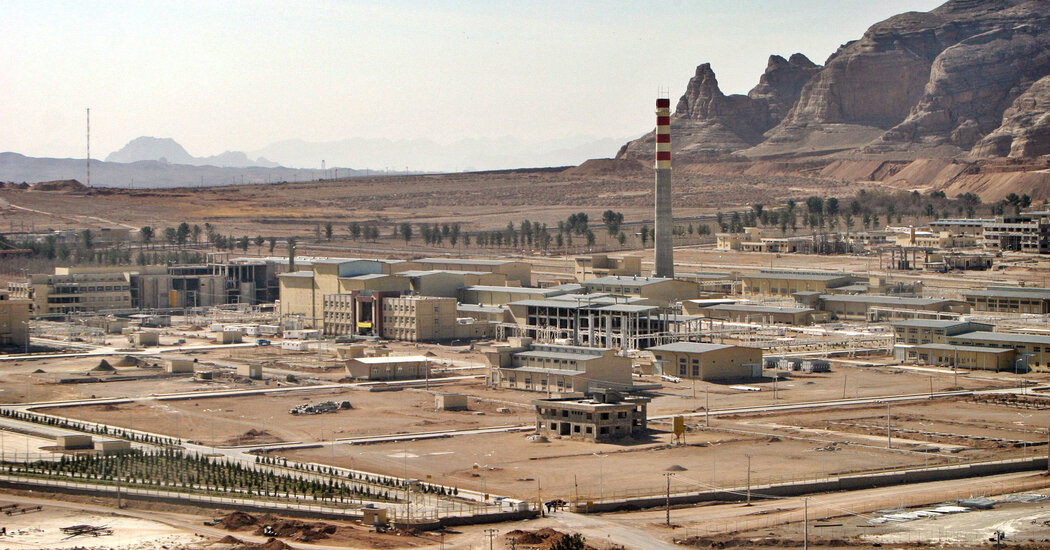
Experts suggest that if a U.S. bunker buster hits Iran's underground nuclear site, the risk of widespread radioactive contamination is low due to the site's construction and the nature of the materials involved, primarily uranium hexafluoride gas, which would likely stay localized and pose limited health risks outside the immediate area.
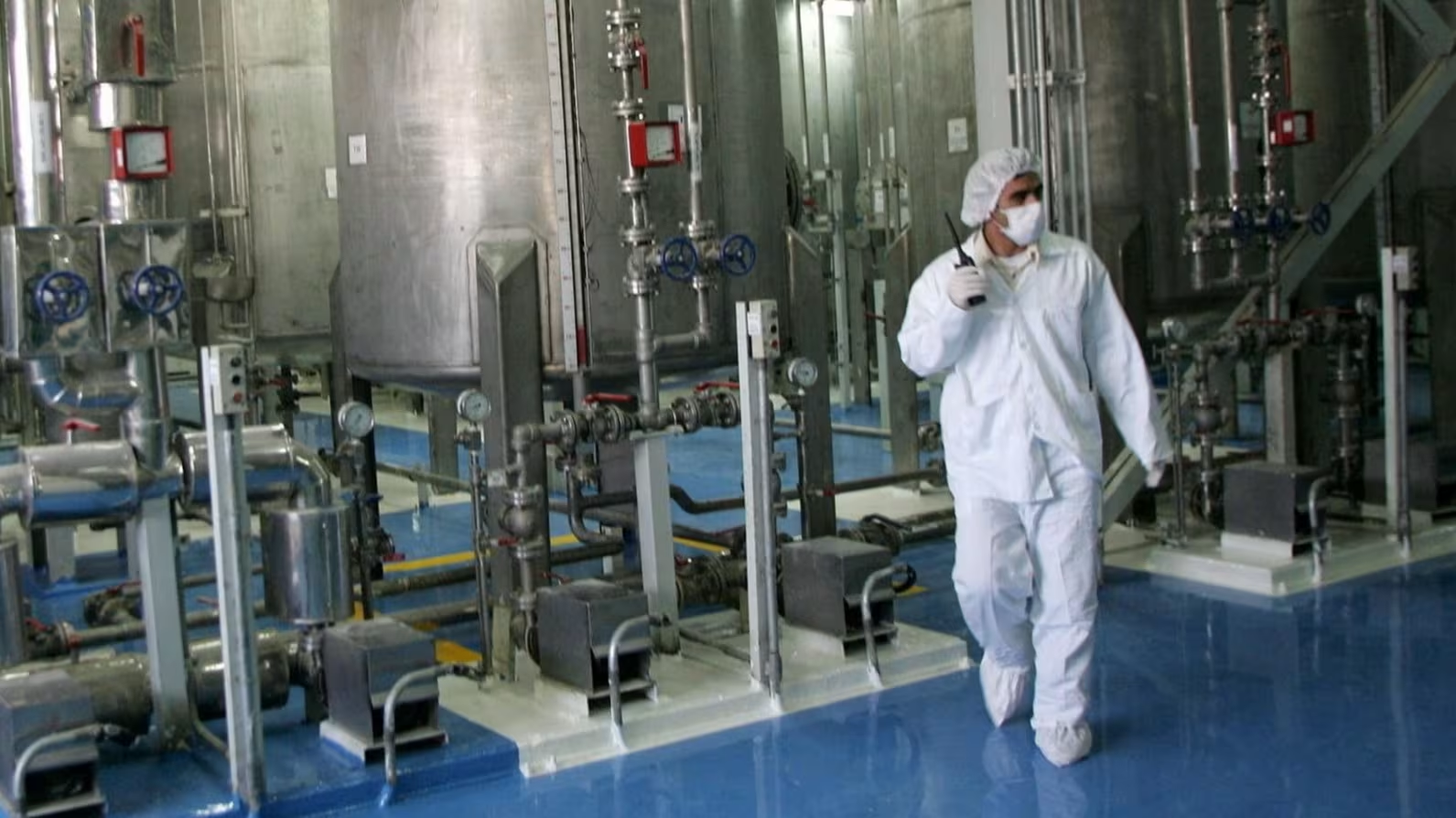
The International Atomic Energy Agency (IAEA) reports that Iran has accelerated its production of uranium enriched to near weapons-grade levels, raising international concerns about its nuclear intentions and potential violations of the 2015 nuclear deal.
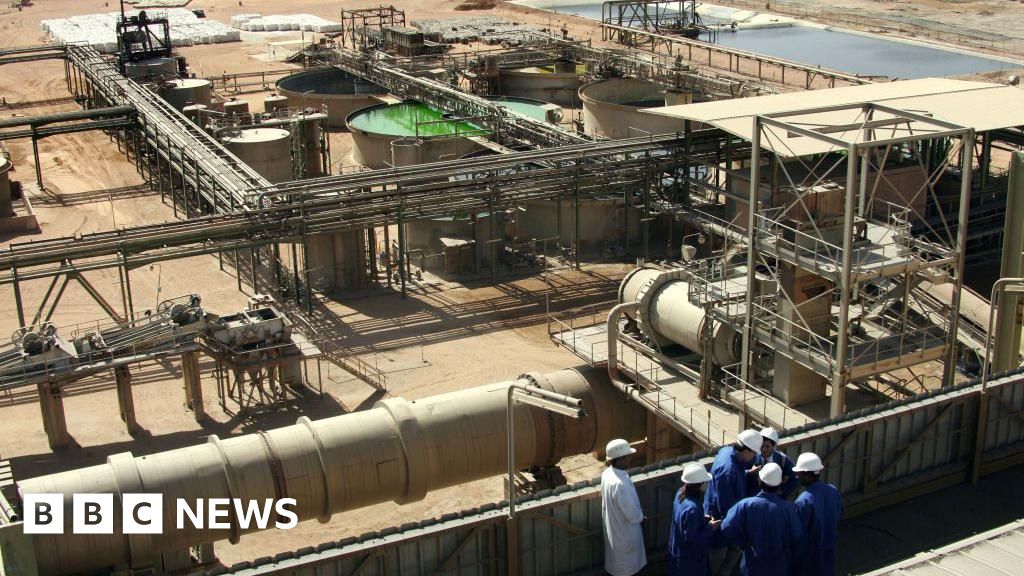
Niger's military junta has taken control of French nuclear firm Orano's uranium mining operations, following a coup in July last year. The junta had previously revoked Orano's mining permit, leading to a suspension of production. This move further strains relations between Niger and France, which has already seen the expulsion of French troops. Niger, a significant uranium producer, is seeking to renegotiate foreign mining agreements to benefit more from its resources. Orano plans to defend its rights but also aims to collaborate with stakeholders for a stable operation.
Over 2 billion years ago, a natural nuclear reactor formed in Oklo, Gabon, long before human-made reactors existed. Discovered in 1972, the site showed unusual uranium isotope ratios, indicating a sustained natural fission reaction had occurred. This ancient reactor operated under conditions that are unlikely today, requiring higher uranium-235 concentrations and groundwater to sustain the reaction, similar to modern reactors. The process eventually ceased after thousands of years.