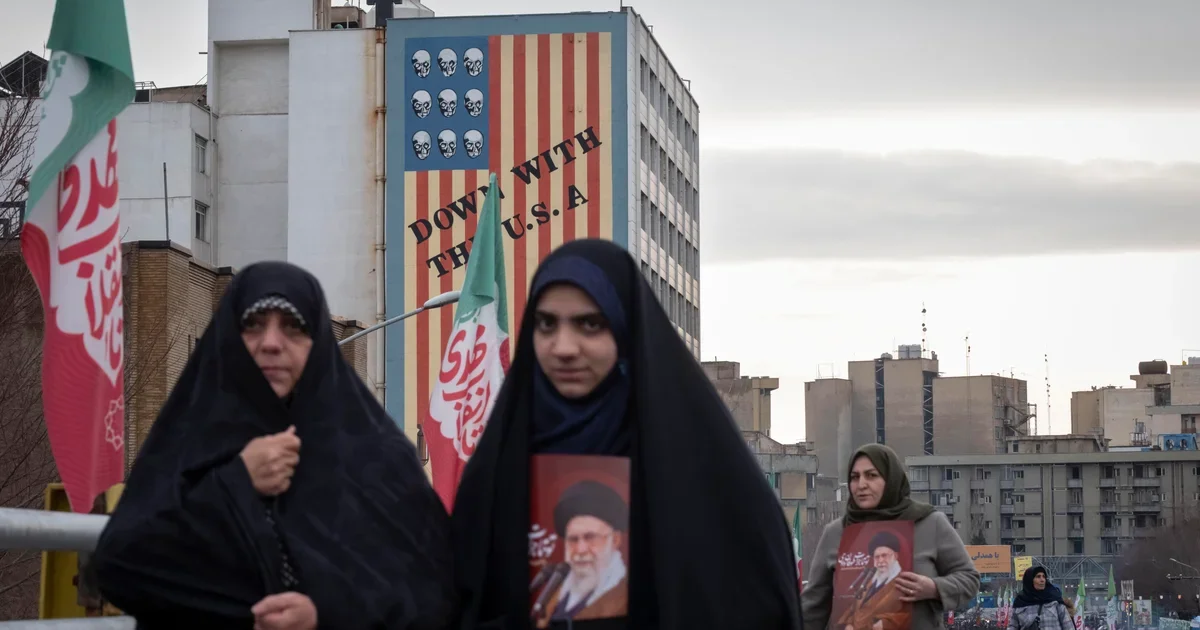
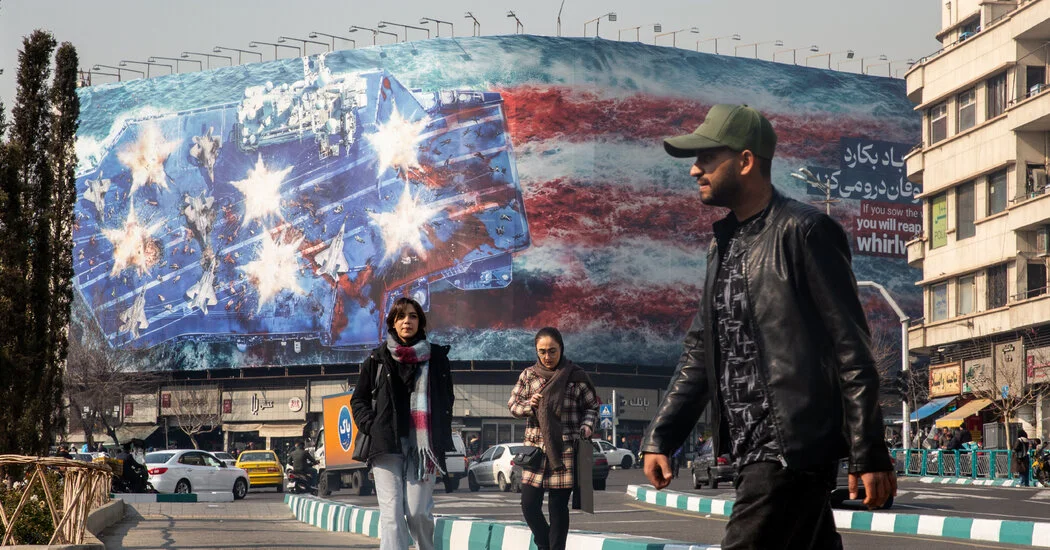
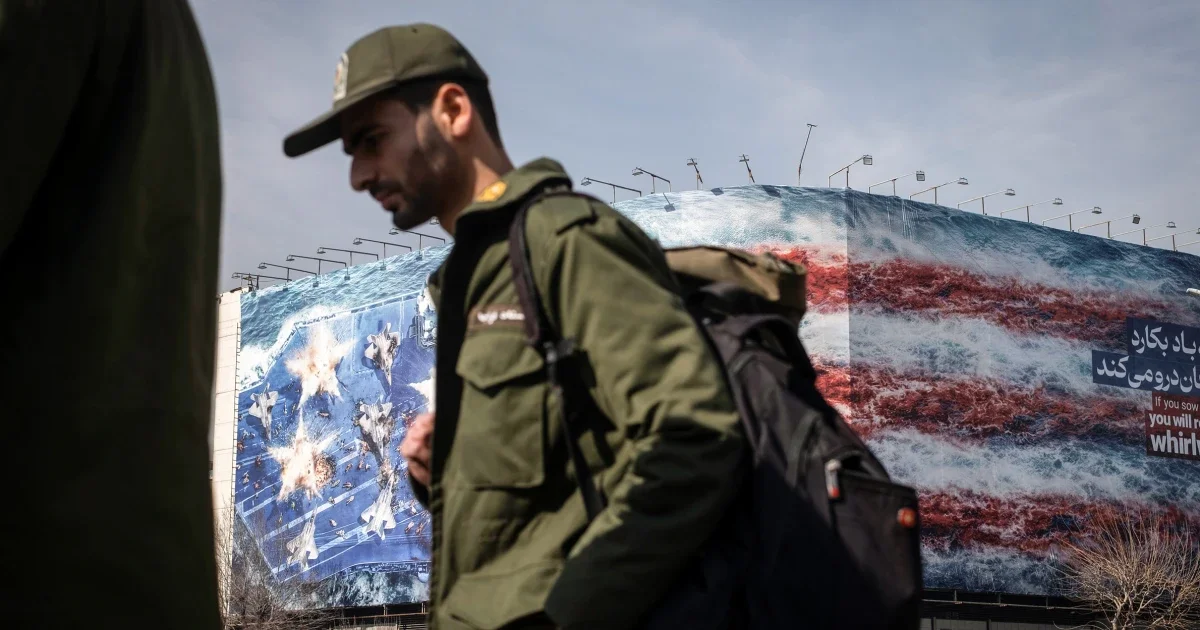
Nationwide protests in Iran, driven by economic hardship and political discontent, are challenging the theocratic government amid ongoing regional conflicts and international tensions over Iran's nuclear ambitions, with widespread unrest and significant geopolitical implications.
North Korea launched multiple ballistic missiles toward its eastern waters just before South Korea's president visited China, amid ongoing tensions over its nuclear program and recent weapons tests, while North Korea also condemned a US operation in Venezuela.
Widespread protests in Iran, driven by economic hardship and political unrest, are challenging the theocratic government amid ongoing regional conflicts and tensions over Iran's nuclear ambitions, with international and domestic pressures mounting.
North Korea launched multiple ballistic missiles toward the sea just before South Korea's president's visit to China, amid heightened tensions and ongoing weapons tests related to its nuclear ambitions, while regional and global powers monitor the situation closely.
North Korea launched multiple ballistic missiles into the sea amid heightened military activity and political tensions, just before South Korea's president's trip to China, as North Korea prepares for its upcoming party congress and continues to develop its nuclear arsenal.
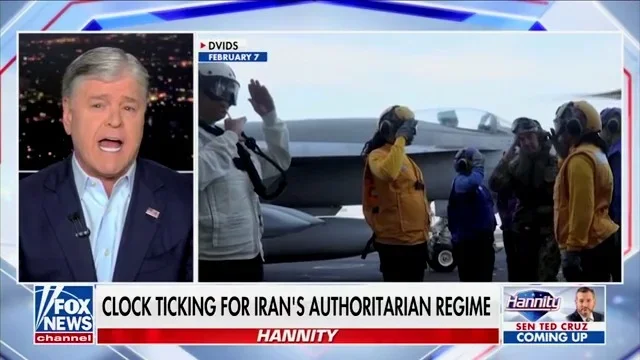
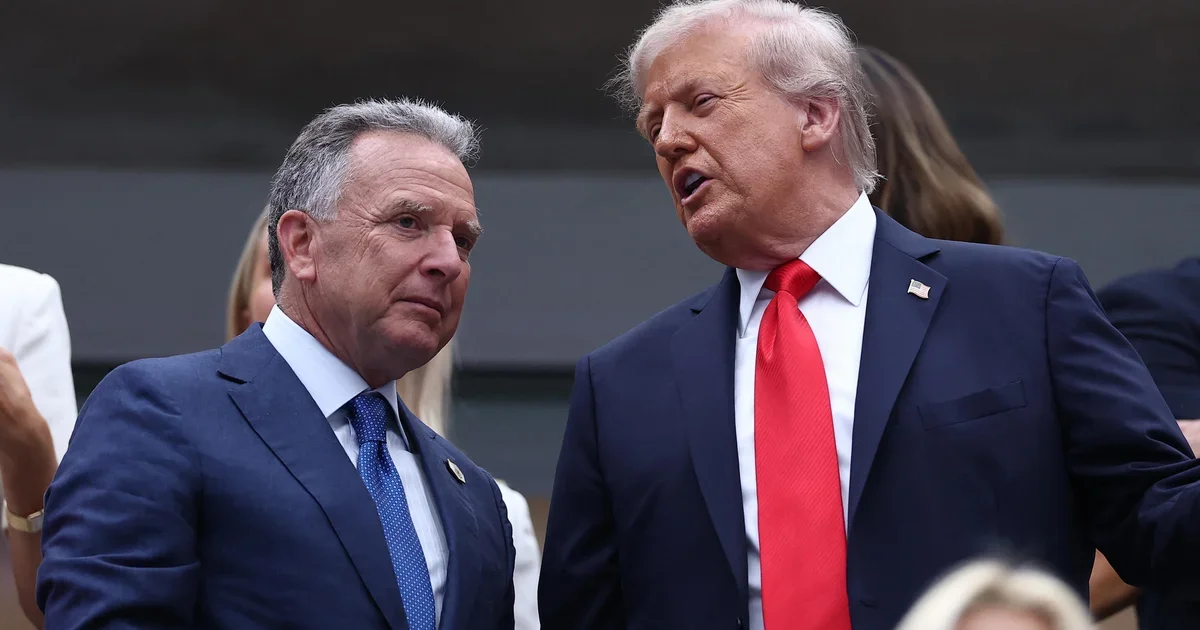
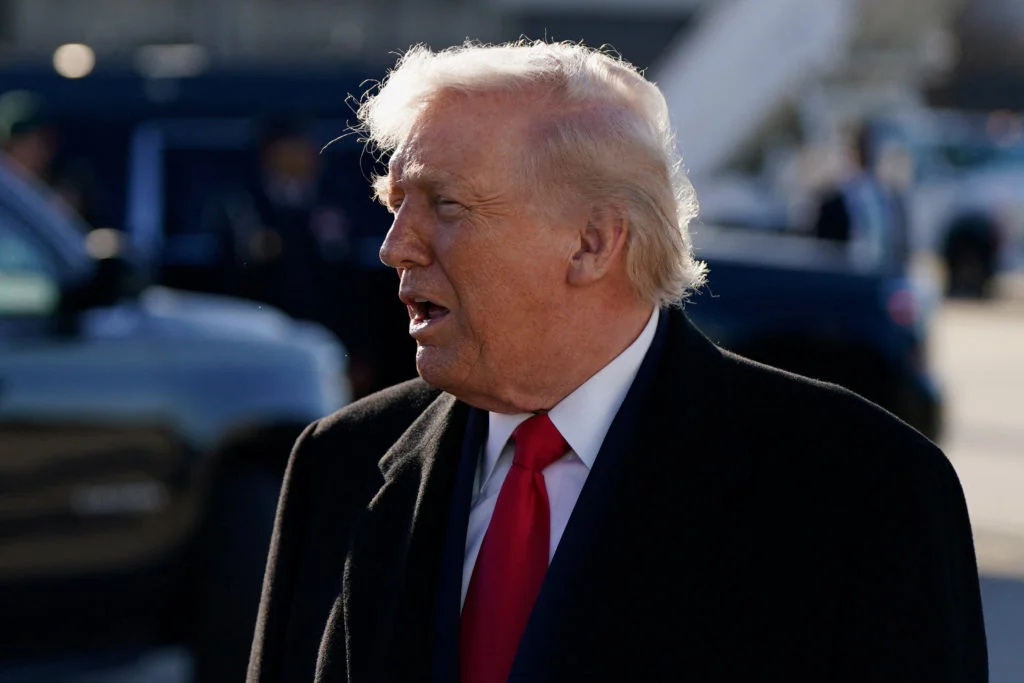
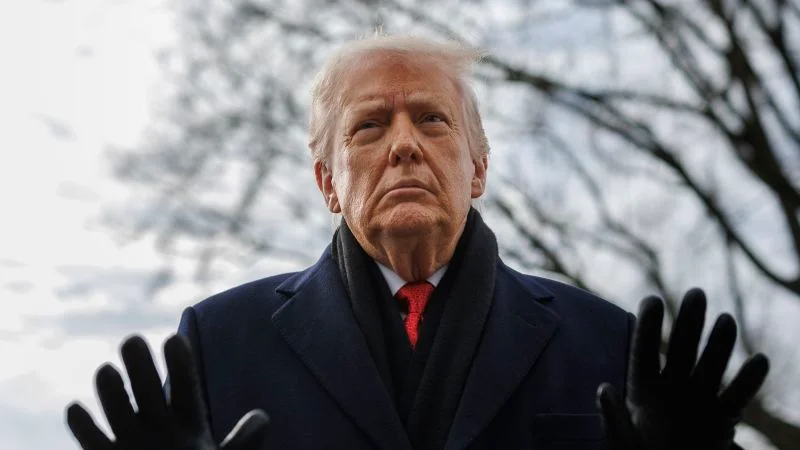
President Trump indicated a willingness to use military force against Iran if it attempts to rebuild its nuclear and missile capabilities, while also urging negotiations, amid rising tensions in the Middle East and discussions with Israeli Prime Minister Netanyahu.
Iran has increased its missile production and improved missile capabilities, aiming to overwhelm Israeli defenses in potential future conflicts, amid ongoing tensions over its nuclear program and regional security. The country is also receiving Chinese assistance in rebuilding its missile arsenal, while concerns about nuclear site developments persist, raising fears of another conflict with Israel.
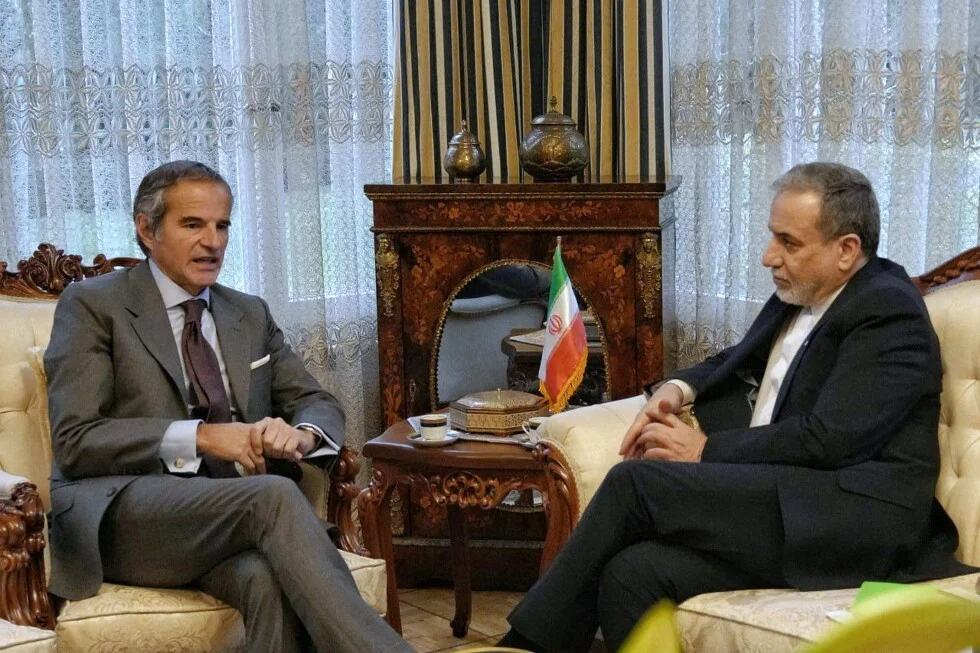
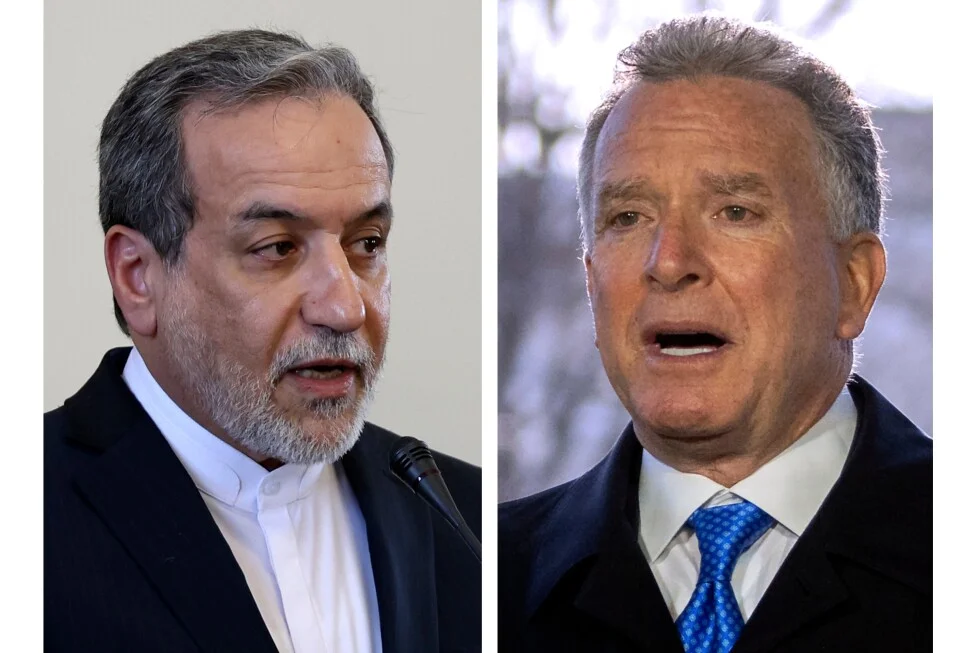
Iran's Foreign Minister downplays the impact of reimposed UN sanctions over its nuclear program, while the US and European nations impose measures and call for diplomacy, with uncertainties about Iran's response and concerns over potential escalation.
The UN has reimposed sanctions on Iran using the 'snapback' mechanism due to concerns over its nuclear program, exacerbating Iran's economic struggles, rising food prices, and internal repression amid fears of renewed conflict and increased nuclear capabilities.
Iran's economy, already suffering from high inflation, shortages, and sanctions, is expected to worsen as the UN Security Council reimposes harsher sanctions over its nuclear program, complicating Iran's diplomatic and economic situation amid regional tensions.
Iran faces 'snapback' sanctions reimposed by the UN due to alleged violations of the JCPOA nuclear deal, leading to potential increased isolation and reduced oversight, amid ongoing tensions and Iran's defiance.
The UN Security Council is set to reimpose large-scale sanctions on Iran after last-minute negotiations failed, with Russia pushing for a delay that is unlikely to succeed, amid disagreements over Iran's nuclear site access and uranium handling, signaling a deterioration in Iran-West relations and potential internal political repercussions in Iran.
Pakistan's defense minister announced that under a new defense agreement, Pakistan would make its nuclear capabilities available to Saudi Arabia if needed, marking the first explicit acknowledgment of the nuclear umbrella Pakistan provides to the kingdom amid regional tensions and recent conflicts involving Israel and Hamas.
European officials warned Iran that it has not yet taken the necessary steps to prevent the reimposition of UN sanctions over its nuclear program, with diplomatic efforts intensifying as the deadline approaches. Iran disputes the sanctions' legality and claims progress has been made, but uncertainties remain about compliance, risking a potential escalation in tensions with the West amid ongoing regional conflicts.
Iranians are bracing for the potential reimposition of UN sanctions, which could lead to severe economic hardship and increased tensions with Israel, amid internal political divisions and international negotiations over Iran's nuclear activities.