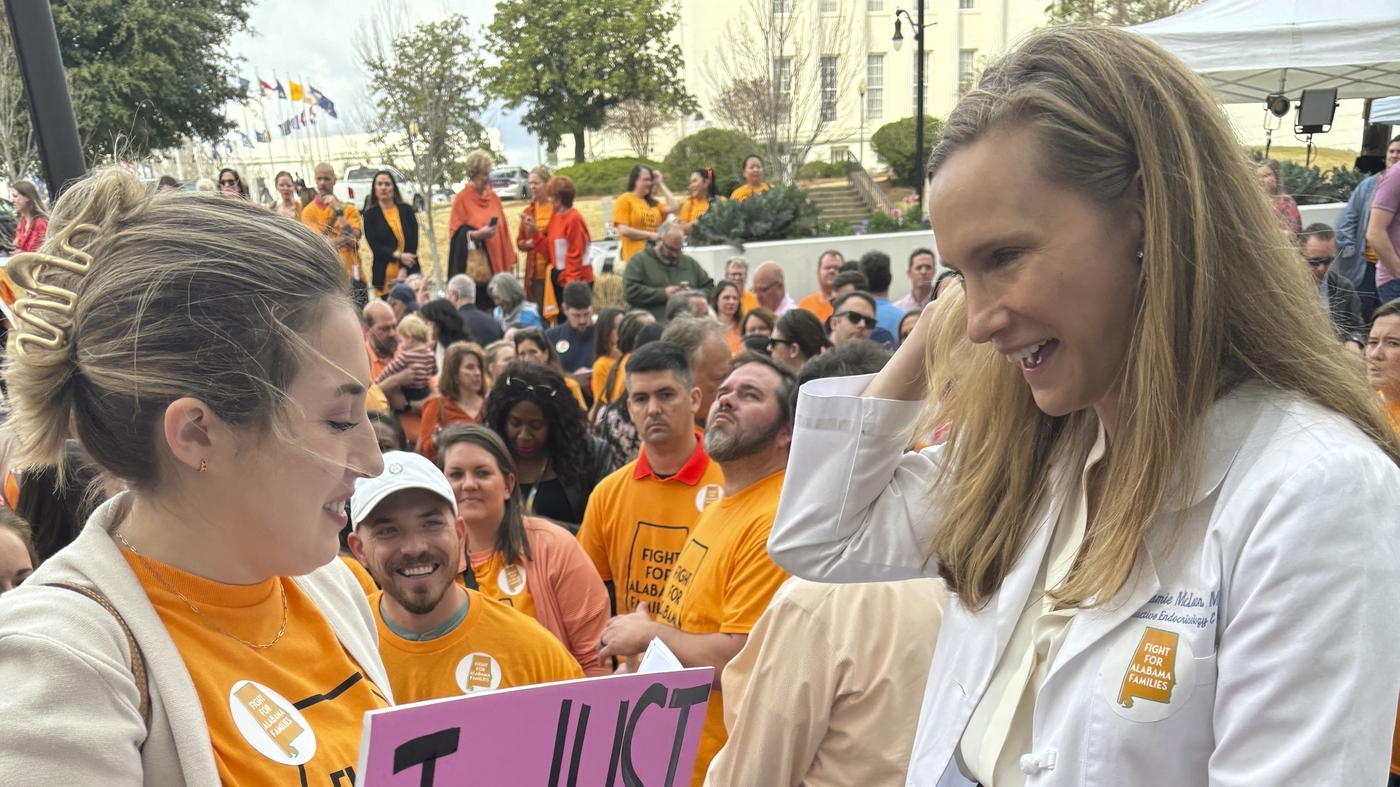
Alabama lawmakers passed a bill granting civil and criminal immunity for IVF service providers and receivers, allowing clinics to restart treatments without fear of legal repercussions after a state court ruling threw the procedure into uncertain legal territory. The legislation is a temporary measure to address the immediate concerns, but leaves many unanswered questions regarding embryonic personhood and related legal issues. Public pressure and outrage over the court ruling prompted swift action from lawmakers, with the bill's sponsors acknowledging the need for a long-term fix.
The Alabama Supreme Court's recent ruling that all embryos are "children" under state law has raised questions about the definition of "personhood" and could have legal ramifications for IVF doctors and patients. Medical and scientific consensus worldwide disagrees with this ruling, stating that embryos are cells capable of creating life rather than consisting of actual life. The determination of when personhood begins and what should be defined as an embryo has been evolving globally, with differing definitions and perspectives. The ruling has sparked concerns about the impact on access to fertility treatment, the destruction of unused embryos in IVF, and potential future legal and ethical implications.
The Alabama Supreme Court's recent ruling equating embryos created through IVF to people has caused chaos for healthcare providers and fertility clinics, with the University of Alabama at Birmingham pausing IVF treatments to assess potential legal risks. John Oliver highlighted the absurdity of the ruling, pointing out its impact on conservative politicians and the disconcerting implications for reproductive rights. The ruling stems from a case where a patient accidentally destroyed embryos, leading to the court considering embryos as "extrauterine children" and allowing clinics to be sued for wrongful death.
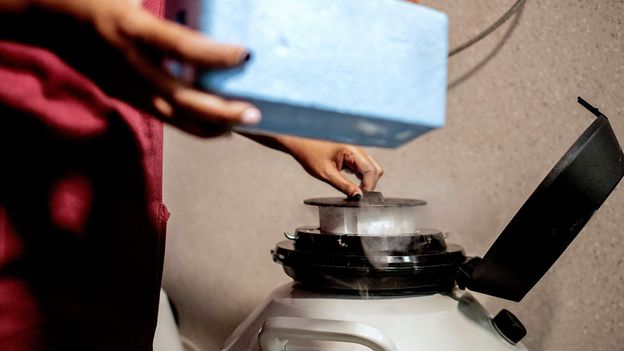
The Alabama Supreme Court ruled that frozen embryos are considered children and can be protected under the law, potentially impacting in vitro fertilization (IVF) and reproductive rights. The decision, which comes amid a broader push to define personhood at fertilization, could have far-reaching implications for fertility treatments and contraceptives. Critics argue that the ruling may lead to increased legal risks for health-care providers and patients, potentially affecting access to IVF and reproductive care.
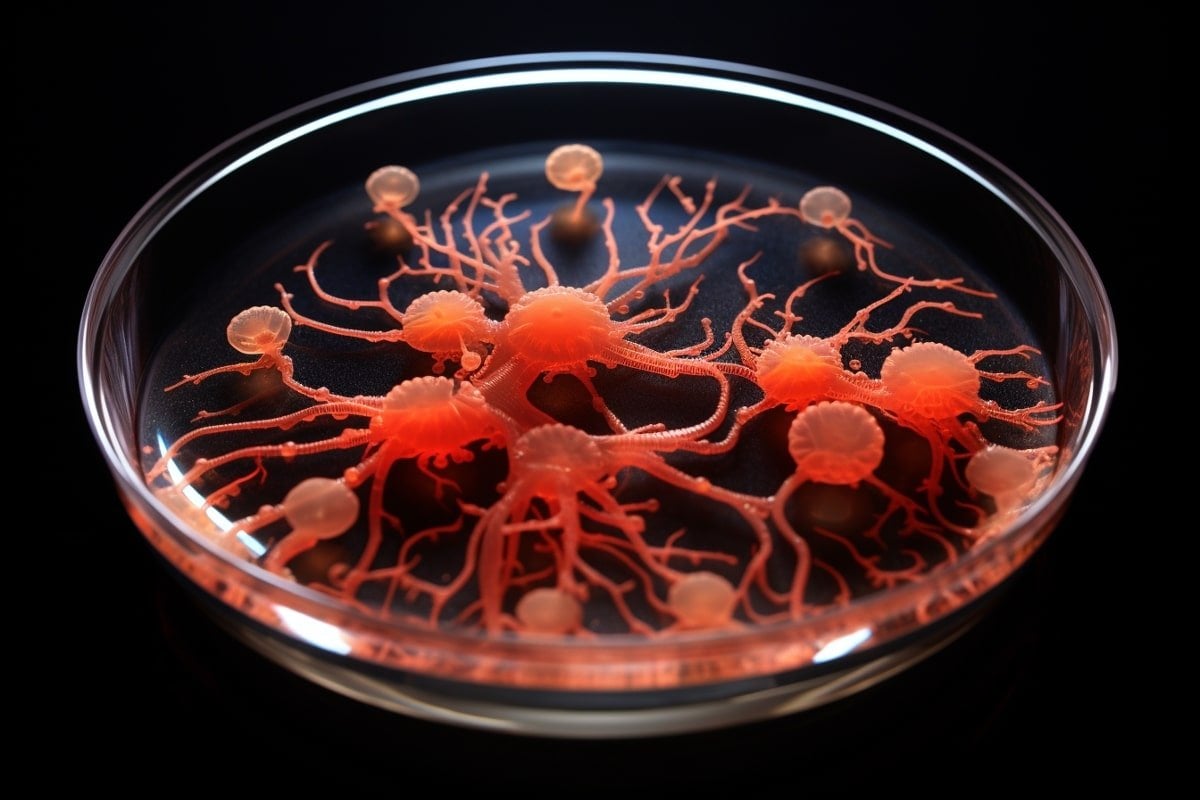
Researchers propose the need for a legal framework to guide the conversation on whether or not human brain organoids can be considered people. Brain organoids are grown from stem cells in a lab, mimicking the growth and structure of real brains. However, they do not fulfill the requirements to be considered natural persons, according to the researchers. The study explores the potential juridical personhood of human brain organoids, and whether they can be considered legal entities.