health-and-law14.295 min read
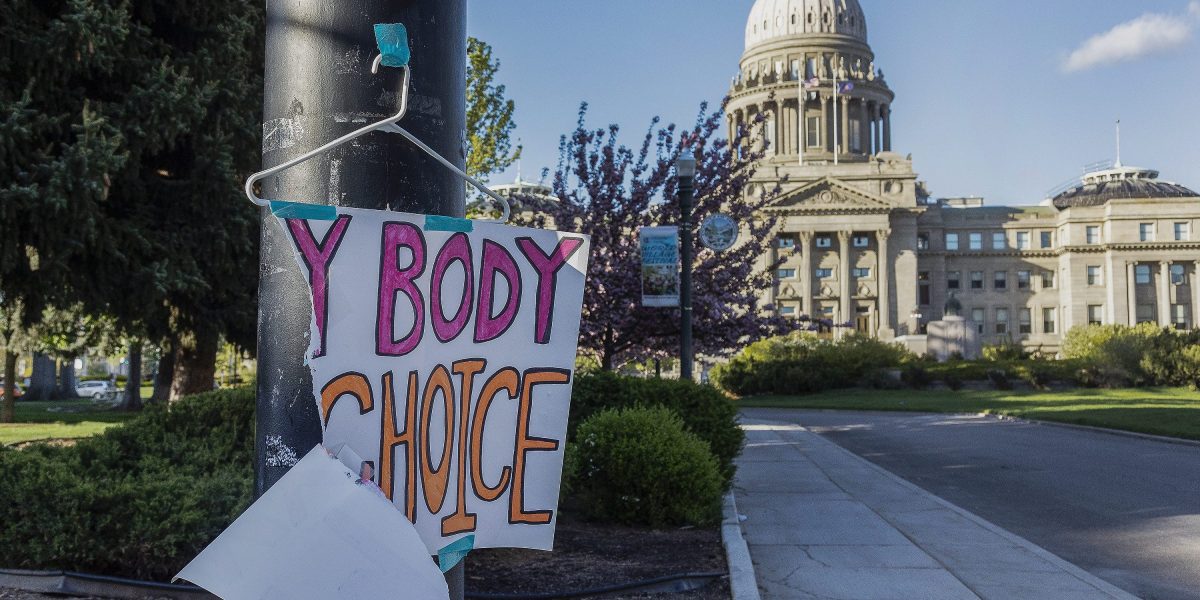
"Supreme Court Case Puts Spotlight on Pregnant People's Rights and Access to Emergency Abortions"
1 year ago•Source: The Intercept

The latest health and law stories, summarized by AI

A pharmacy professor's email complaint led to the retraction of three anti-abortion research papers, highlighting the use of poor-quality evidence by right-wing groups to influence abortion litigation and legislation. The upcoming US Supreme Court case, FDA v AHM, could reshape abortion access and the FDA's authority, with potential implications for other controversial drugs. The anti-abortion movement invests in research to produce evidence for litigation and legislation, often using fringe publications and academic journals. Despite efforts to challenge poor-quality evidence, the battle remains difficult, as journals can be reluctant to correct the scientific record.
CNN•2 years ago
KOMO News•2 years ago

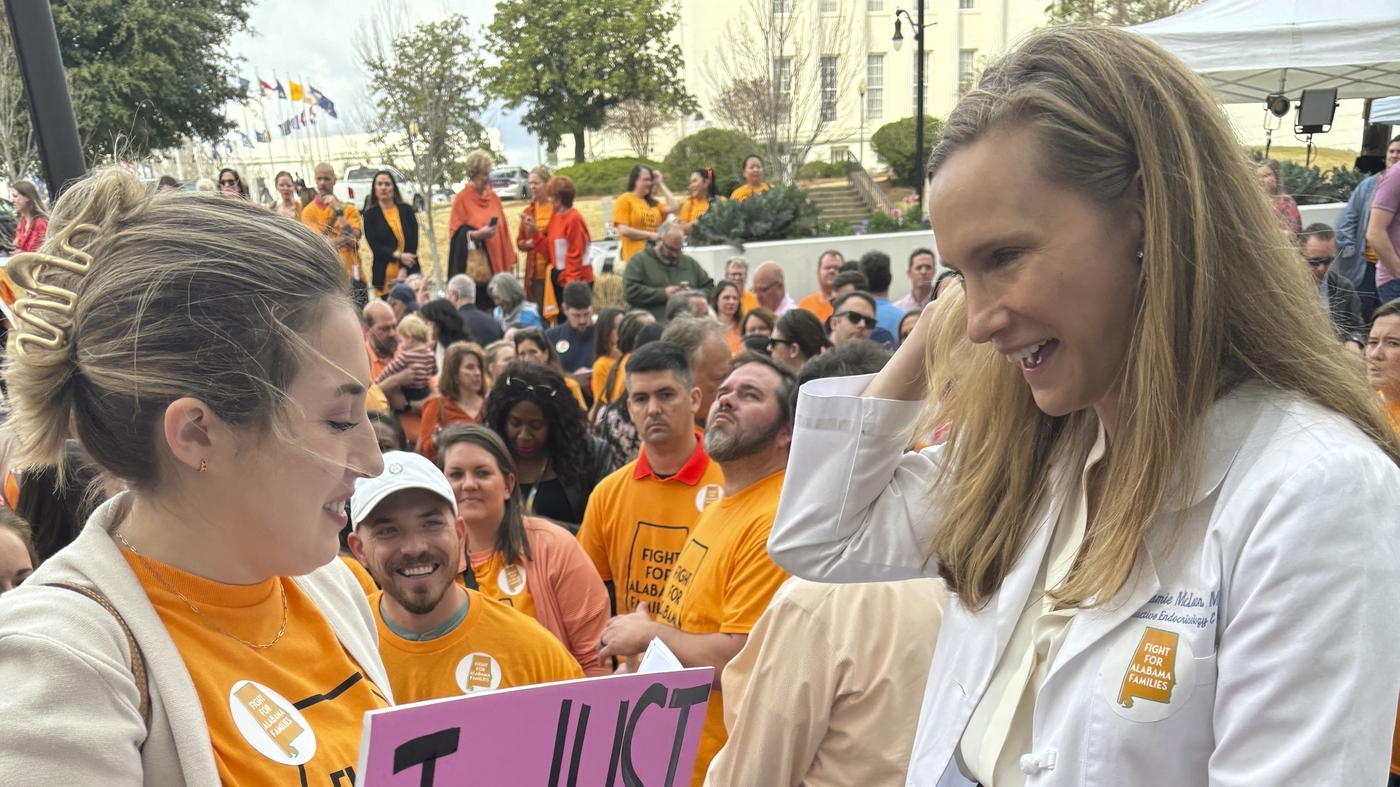
The Alabama Supreme Court's ruling that frozen embryos are legally children has thrown the future of over a million frozen eggs and embryos in the state into chaos, leading to clinics shutting down services and patients scrambling to ship their embryos elsewhere. The ruling has complicated options for families, with some lawmakers working to safeguard IVF while clinics have paused certain operations. The unprecedented decision raises questions about long-term storage, civil liability for fertility specialists, and the rights of embryo owners, leaving many individuals deeply frustrated and concerned about the future of their frozen embryos.

The Alabama Supreme Court's ruling that frozen embryos are considered children has led the state's largest hospital to pause its IVF services over fears of criminal prosecution. The decision has raised concerns about the legality of certain aspects of IVF and could impact fertility treatments in Alabama and beyond. The ruling ties into the US abortion debate and may influence legislation and lawsuits in other states, potentially affecting US politics as well.

Three years after decriminalizing drug possession and use in Oregon, concerns are rising over the effectiveness of the approach as fatal overdoses tripled in the state. While the decriminalization aimed to treat drug users as individuals in need of help, the lack of a robust public health system and the fentanyl epidemic have led to criticism and calls for potential reversal. Health professionals argue that the decriminalization was not effectively implemented due to a lack of infrastructure and services for addicts, despite significant funds being allocated. The debate continues over the best approach to address drug addiction and the opioid crisis in Oregon.
California has become the first state to ban the controversial diagnosis of "excited delirium," which has been used to justify deaths in police custody. The new law prohibits medical professionals from attributing deaths to excited delirium on death certificates or autopsy reports, and law enforcement is barred from using the term in incident reports or civil court testimony. The diagnosis has been criticized for disproportionately being applied to Black men and lacking scientific validity. Several national medical associations have already discredited excited delirium, and California's move is seen as a significant step towards holding police accountable for excessive force.