Tag

Fertility Clinics

All articles tagged with #fertility clinics

"Controversy Surrounds Alabama's New IVF Protection Law"

Originally Published 1 year ago — by Yahoo! Voices

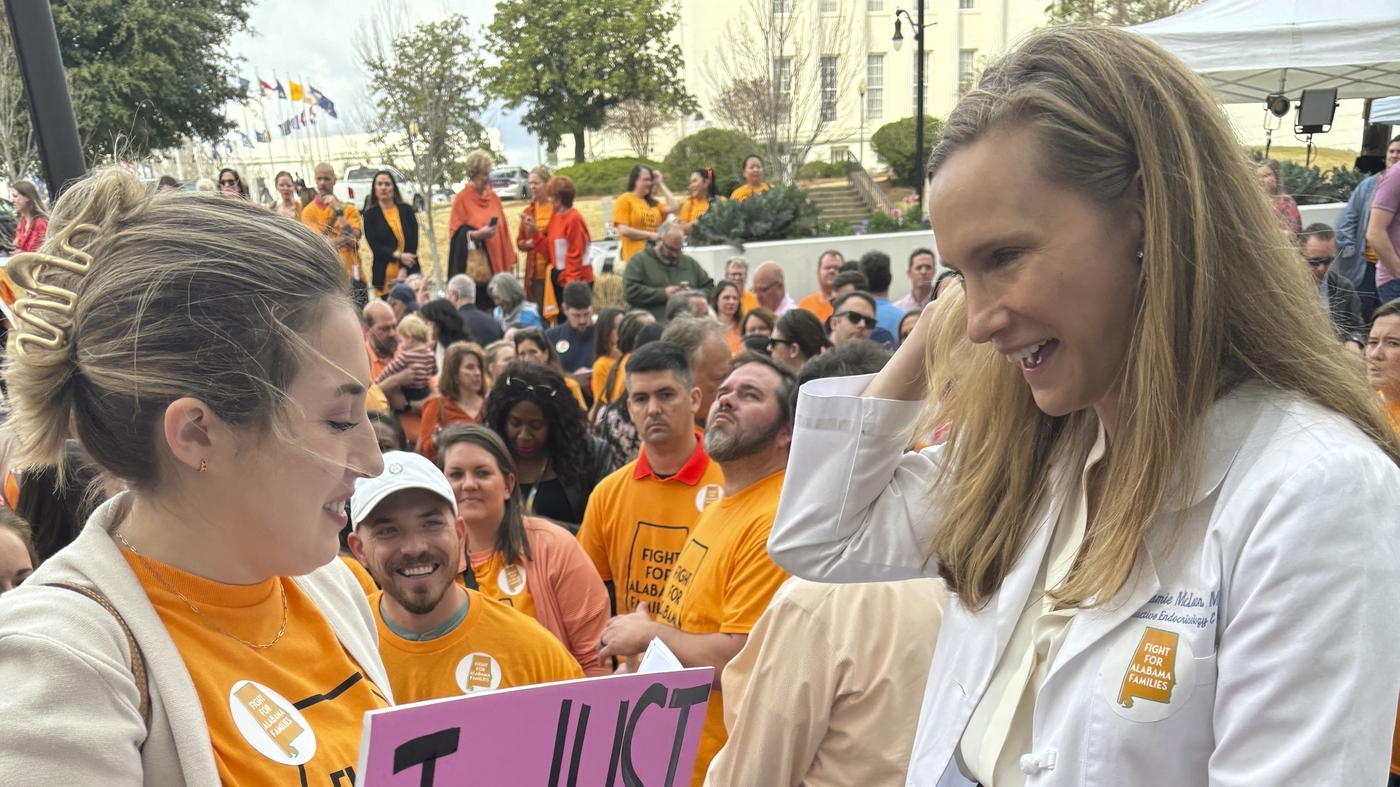
Featured image for "Controversy Surrounds Alabama's New IVF Protection Law"
Source: Yahoo! Voices

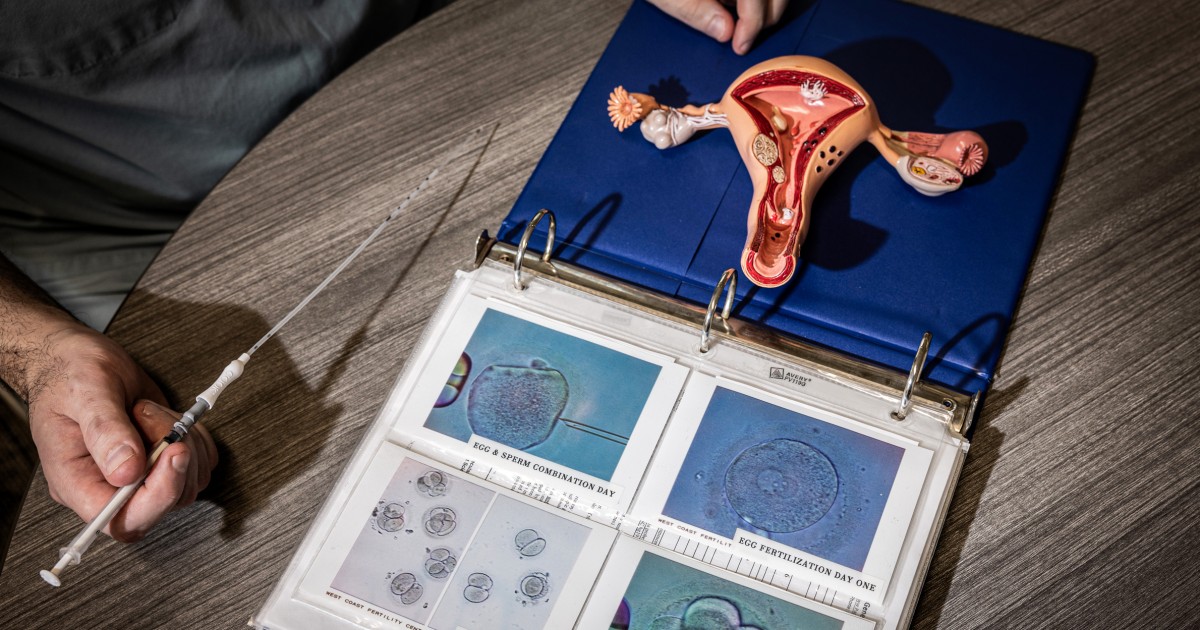
Alabama's new law protecting in vitro fertilization has raised concerns among legal experts, as it shields fertility doctors and patients from liability and prevents patients from suing for damages in cases of embryo destruction due to clinic negligence or product malfunction. Critics argue that the law overlooks the emotional and physical toll of such incidents and fails to provide adequate justice for affected individuals. The fertility industry's lack of federal or state oversight has led to mishaps, prompting calls for better regulation and accountability.
"Controversy Surrounds Alabama's IVF Legislation and Its Impact on Reproductive Rights"

Originally Published 1 year ago — by NBC News

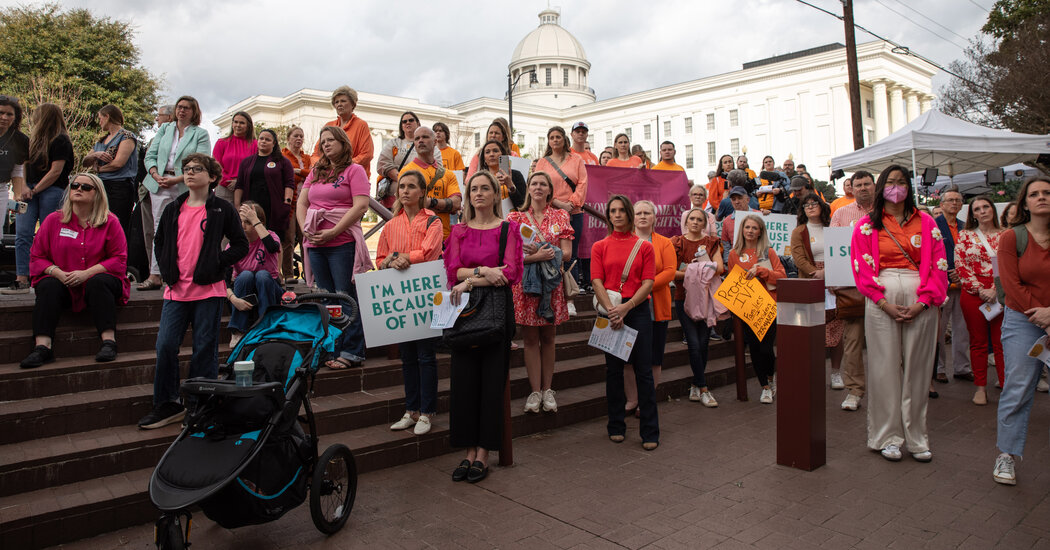
Featured image for "Controversy Surrounds Alabama's IVF Legislation and Its Impact on Reproductive Rights"
Source: NBC News

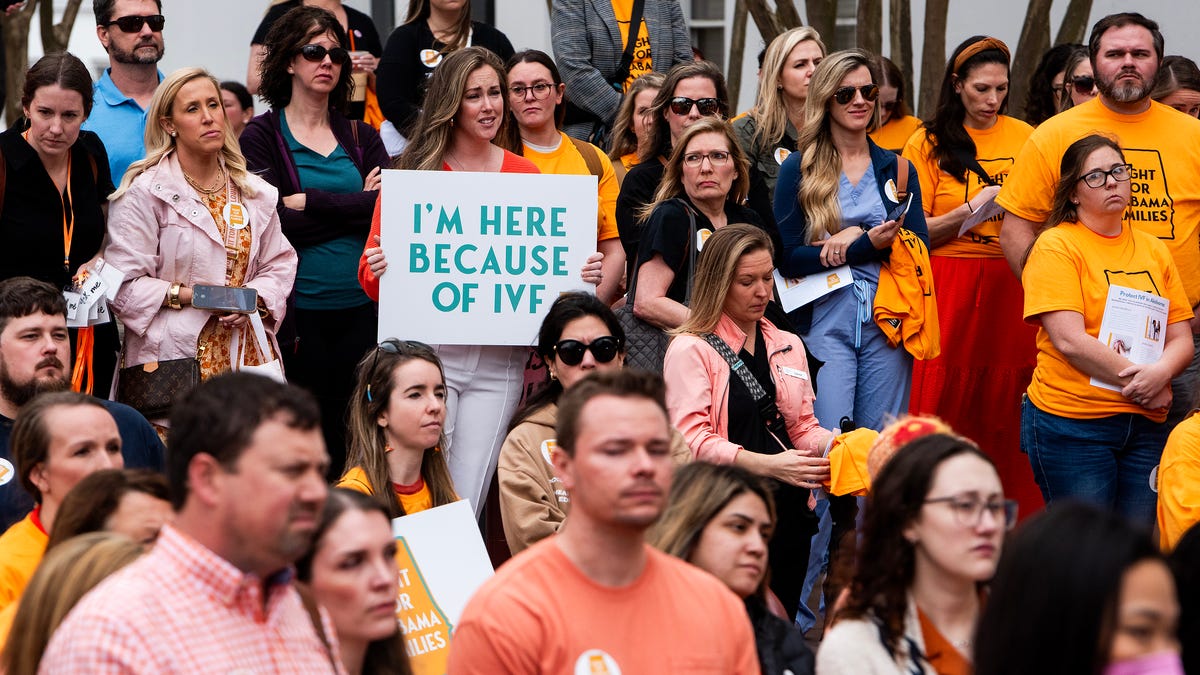
Alabama's new law protecting in vitro fertilization has raised concerns among legal experts, as it shields fertility doctors and patients from liability and prevents patients from suing for damages in cases of embryo destruction due to clinic negligence or product malfunction. Critics argue that the law overlooks the emotional and physical toll of such losses and fails to provide adequate justice for affected individuals. The fertility industry's lack of federal or state oversight has led to mishaps, prompting calls for better regulation and accountability.
"Alabama's IVF Protections: A Step Forward or Not Far Enough?"

Originally Published 1 year ago — by USA TODAY

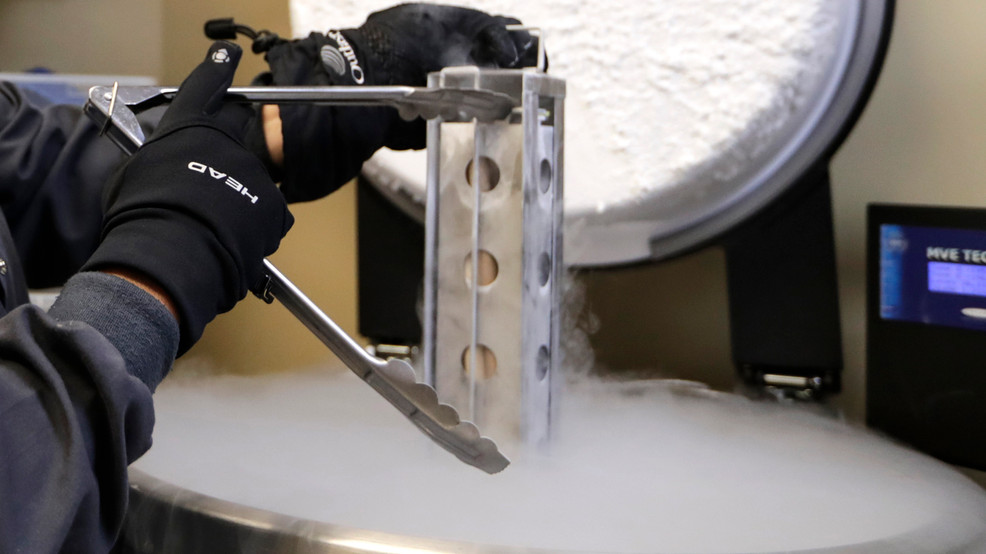
Featured image for "Alabama's IVF Protections: A Step Forward or Not Far Enough?"
Source: USA TODAY

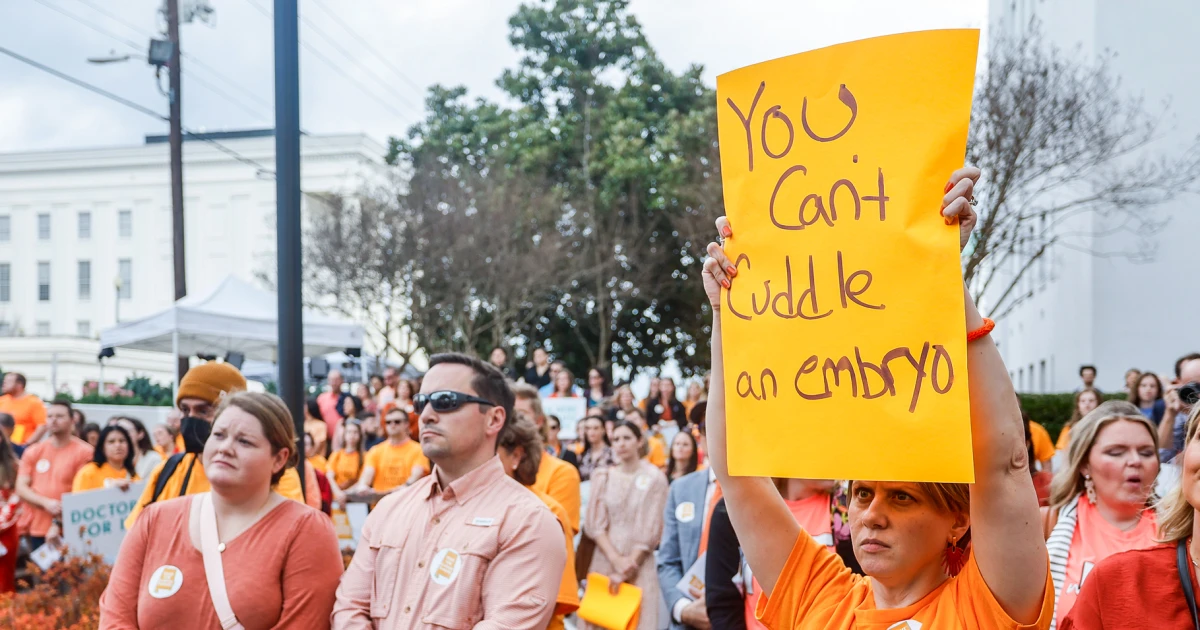
Alabama lawmakers passed legislation providing civil and criminal immunity to fertility clinics and doctors for damage to embryos during the IVF process, following a state Supreme Court ruling that frozen embryos are legally protected as children. The ruling had led to the temporary shutdown of several IVF providers, causing uncertainty for patients. Critics argue that the legislation creates a potentially dangerous environment for patients and gives complete immunity to the fertility industry, while some Democratic representatives claim it inconsistently applies the state's definition of a child.

"Alabama Fertility Clinics Resume IVF Services After New Protection Bill Passes"

Originally Published 1 year ago — by NBC News

Featured image for "Alabama Fertility Clinics Resume IVF Services After New Protection Bill Passes"
Source: NBC News

Two Alabama fertility clinics are set to resume in vitro fertilization (IVF) services after a bill providing legal protections for doctors and clinics that discard embryos as part of routine IVF procedures was passed. The bill offers civil and criminal immunity to healthcare personnel involved in IVF, but some worry it does not address the status of embryos under state law. Patients and providers are cautiously optimistic about the resumption of IVF services, but concerns remain about the long-term standard of care for IVF patients in Alabama.

"Alabama Enacts IVF Immunity Law to Protect Patients and Providers"

Originally Published 1 year ago — by NPR

Featured image for "Alabama Enacts IVF Immunity Law to Protect Patients and Providers"
Source: NPR

Alabama lawmakers passed a bill granting civil and criminal immunity for IVF service providers and receivers, allowing clinics to restart treatments without fear of legal repercussions after a state court ruling threw the procedure into uncertain legal territory. The legislation is a temporary measure to address the immediate concerns, but leaves many unanswered questions regarding embryonic personhood and related legal issues. Public pressure and outrage over the court ruling prompted swift action from lawmakers, with the bill's sponsors acknowledging the need for a long-term fix.

"Challenges and Controversies Surrounding IVF Legislation in Alabama"

Originally Published 1 year ago — by The New York Times

Featured image for "Challenges and Controversies Surrounding IVF Legislation in Alabama"
Source: The New York Times

The Alabama legislature is expected to pass a bill allowing fertility clinics to reopen without the threat of lawsuits, following a recent Alabama Supreme Court ruling that embryos are considered children. The bill creates legal immunity for providers of fertility services, preventing them from being sued or prosecuted if embryos are damaged or destroyed. However, this legislation has sparked debate as it limits patients' ability to sue in cases of mishaps with embryos, potentially making it vulnerable to court challenges.

"Alabama Court's IVF Ruling Sparks VP Harris Meeting and GOP Vulnerabilities"

Originally Published 1 year ago — by NBC News

Featured image for "Alabama Court's IVF Ruling Sparks VP Harris Meeting and GOP Vulnerabilities"
Source: NBC News

Lesbian couples in Alabama are facing uncertainty and fear after the state's highest court ruled that embryos are legally children, leading to major fertility clinics halting in vitro fertilization procedures due to potential legal liability. The ruling disproportionately affects LGBTQ parents, who rely on assisted reproductive technology more than heterosexual couples. Many are now scrambling to transport their embryos out of state, fearing legal implications. Critics argue that proposed legislation fails to address the core issue raised by the court ruling, and some LGBTQ advocates worry that the ruling reflects a broader anti-abortion agenda.

"Alabama Supreme Court Ruling Sparks Political Battle Over IVF Rights"

Originally Published 1 year ago — by KOMO News

Featured image for "Alabama Supreme Court Ruling Sparks Political Battle Over IVF Rights"
Source: KOMO News

A majority of Americans oppose the idea of in vitro fertilization (IVF) embryos being considered children, following an Alabama ruling that sparked concerns about legal issues for discarding embryos. The ruling has led to fertility clinics halting treatments, affecting individuals like Liz Goldman, who needs IVF for a second child due to medical reasons. While some argue for more regulation in the reproductive industry, others worry about the impact on those dealing with infertility. Federal and state lawmakers are now proposing legislation to protect IVF services, while some leaders advocate for measures to safeguard frozen embryos from malpractice.

"Unpacking the Controversy: Alabama's IVF Ruling and Global Perspectives"

Originally Published 1 year ago — by Rolling Stone

Featured image for "Unpacking the Controversy: Alabama's IVF Ruling and Global Perspectives"
Source: Rolling Stone

The Alabama Supreme Court's recent ruling equating embryos created through IVF to people has caused chaos for healthcare providers and fertility clinics, with the University of Alabama at Birmingham pausing IVF treatments to assess potential legal risks. John Oliver highlighted the absurdity of the ruling, pointing out its impact on conservative politicians and the disconcerting implications for reproductive rights. The ruling stems from a case where a patient accidentally destroyed embryos, leading to the court considering embryos as "extrauterine children" and allowing clinics to be sued for wrongful death.

"State IVF Battles: The Fight to Protect Embryos and Access"

Originally Published 1 year ago — by The Cut

Featured image for "State IVF Battles: The Fight to Protect Embryos and Access"
Source: The Cut

IVF patients in Alabama are facing a race against time to move their frozen embryos out of the state following a recent Alabama Supreme Court decision declaring frozen embryos as children under Alabama law. Fertility clinics are shutting down IVF services, leaving patients scrambling to gain access to their biological material and facing logistical challenges. Patients are dealing with uncertainty, emotional distress, and unexpected expenses as they navigate the impact of the court ruling on their fertility treatments.

Alabama Republicans Face Backlash Over IVF Ruling

Originally Published 1 year ago — by AL.com

Featured image for Alabama Republicans Face Backlash Over IVF Ruling
Source: AL.com

Alabama Republican lawmakers are considering legislation to protect in vitro fertilization following a recent Alabama Supreme Court ruling that frozen embryos are people. Some conservatives are urging fertility clinics to reopen, but the University of Alabama at Birmingham (UAB) has stated that it's not so simple due to the court's decision. Democratic lawmakers have filed a bill to protect in vitro fertilization, while Republicans are emphasizing their pro-life stance and commitment to supporting families grappling with infertility.

"Embryo Freezing Urged After Alabama IVF Ruling Sparks Controversy"

Originally Published 1 year ago — by NBC News

Featured image for "Embryo Freezing Urged After Alabama IVF Ruling Sparks Controversy"
Source: NBC News

Doctors warn that halting the use of frozen embryos in in vitro fertilization (IVF) due to a recent Alabama Supreme Court ruling could pose major health risks for women and babies, and hinder the fertility options of young cancer patients. Freezing embryos is essential for ensuring the health of women and pregnancies, reducing the risk of multiple births, and allowing time for the woman's body to recover before implantation. It also enables screening for genetic conditions and provides hope for cancer patients to preserve their fertility.

"Alabama Embryo Ruling Sparks GOP Struggle and IVF Patient Dilemma"

Originally Published 1 year ago — by NBC News

Featured image for "Alabama Embryo Ruling Sparks GOP Struggle and IVF Patient Dilemma"
Source: NBC News

Fertility clinics and shipping services are pausing embryo transfers out of Alabama following a court ruling that considers embryos as children, leaving IVF patients with limited options. Some providers have halted IVF services, and nationwide embryo shipping services have stopped transporting embryos to and from Alabama. Legal experts are uncertain about the broader implications of the ruling, and there are concerns about potential lawsuits and the financial burden on patients. Efforts are being made in the Alabama Legislature to clarify that embryos are not considered human lives until they are implanted in the uterus.

"Alabama Lawmakers' Plan to Protect IVF After Supreme Court Ruling"

Originally Published 1 year ago — by NPR

Featured image for "Alabama Lawmakers' Plan to Protect IVF After Supreme Court Ruling"
Source: NPR

Alabama's Supreme Court ruling classifying frozen embryos as "extrauterine children" has caused uncertainty for IVF patients and clinics in the state. State Senator Tim Melson plans to introduce a bill to protect IVF statewide, clarifying that embryos are not viable unless implanted in a uterus. Fertility clinics have halted IVF treatments due to potential legal risks, and the University of Alabama at Birmingham health system has also restricted services. President Biden and Vice President Harris have criticized the ruling, tying it to the U.S. Supreme Court's decision on abortion. Alabama Democrats have introduced a bill to clarify that an embryo outside a womb would not be considered a human child, but the Republican senator hopes his legislation will pass quickly to allow IVF clinics to continue operating.

"Alabama Supreme Court's IVF Ruling: Frozen Embryos Deemed Children, Sparks Concern and Fear"

Originally Published 1 year ago — by USA TODAY

Featured image for "Alabama Supreme Court's IVF Ruling: Frozen Embryos Deemed Children, Sparks Concern and Fear"
Source: USA TODAY

An Alabama court ruling treating IVF embryos as children has caused panic in the IVF community, leading to concerns about the future of IVF procedures and the fate of over 1 million frozen embryos stored nationwide. The decision has raised questions about the rights of donors and the potential criminal liability of doctors, leading to calls for legislative protection of the IVF process. Fertility clinics have paused operations, and patients are considering moving their embryos to states with more liberal reproductive laws.