reproductive-rights7.95 min read
"Arizona Abortion Debate: From Court Bans to Political Shifts"
1 year ago•Source: The Washington Post

The latest reproductive rights stories, summarized by AI

In response to increasing threats to abortion access in the U.S., a network of abortion pill providers, including Plan C, Aid Access, Hey Jane, and Just the Pill, has mobilized to ensure access to abortion medication through various means such as telemedicine, mailing pills, and setting up mobile clinics. Shield laws in six states protect providers who prescribe and ship abortion pills to patients in states with bans, and efforts are underway to expand international pill providers to help with telehealth prescription access in the U.S. The network is working together to navigate the changing abortion landscape and ensure access to reproductive healthcare for those in need.

NBC News•1 year ago
The Associated Press•1 year ago
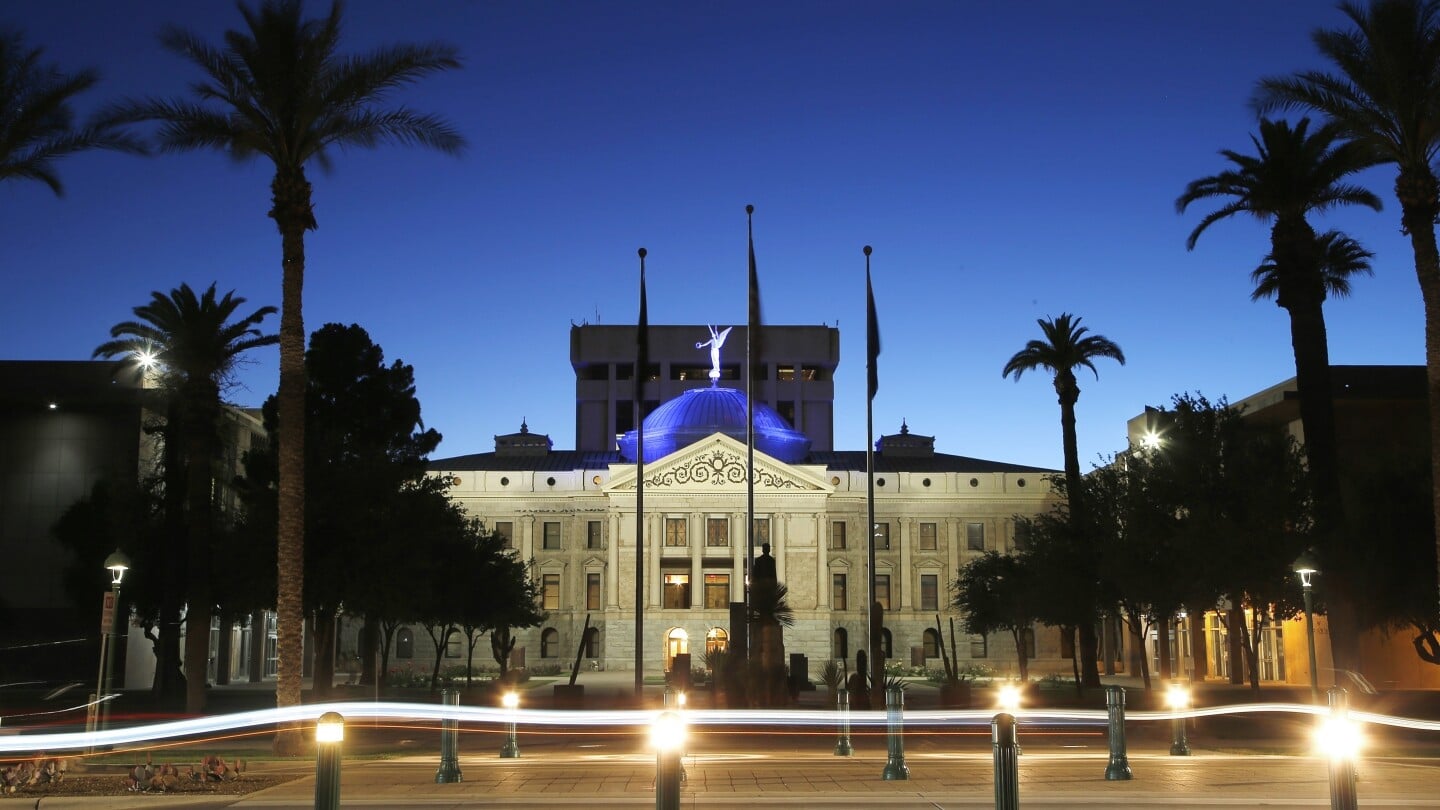
Arizona State Senator Eva Burch, a reproductive rights activist, announced her decision to have an abortion after learning that her pregnancy is not viable. She highlighted the challenges she faced with fertility and criticized state laws that interfered with her decision, calling for meaningful conversations and legislative action to ensure individuals can make decisions that are right for them. The Arizona Supreme Court is considering the fate of a pre-statehood law criminalizing nearly all abortions, while a signature drive is underway to add a constitutional right to abortion in Arizona.
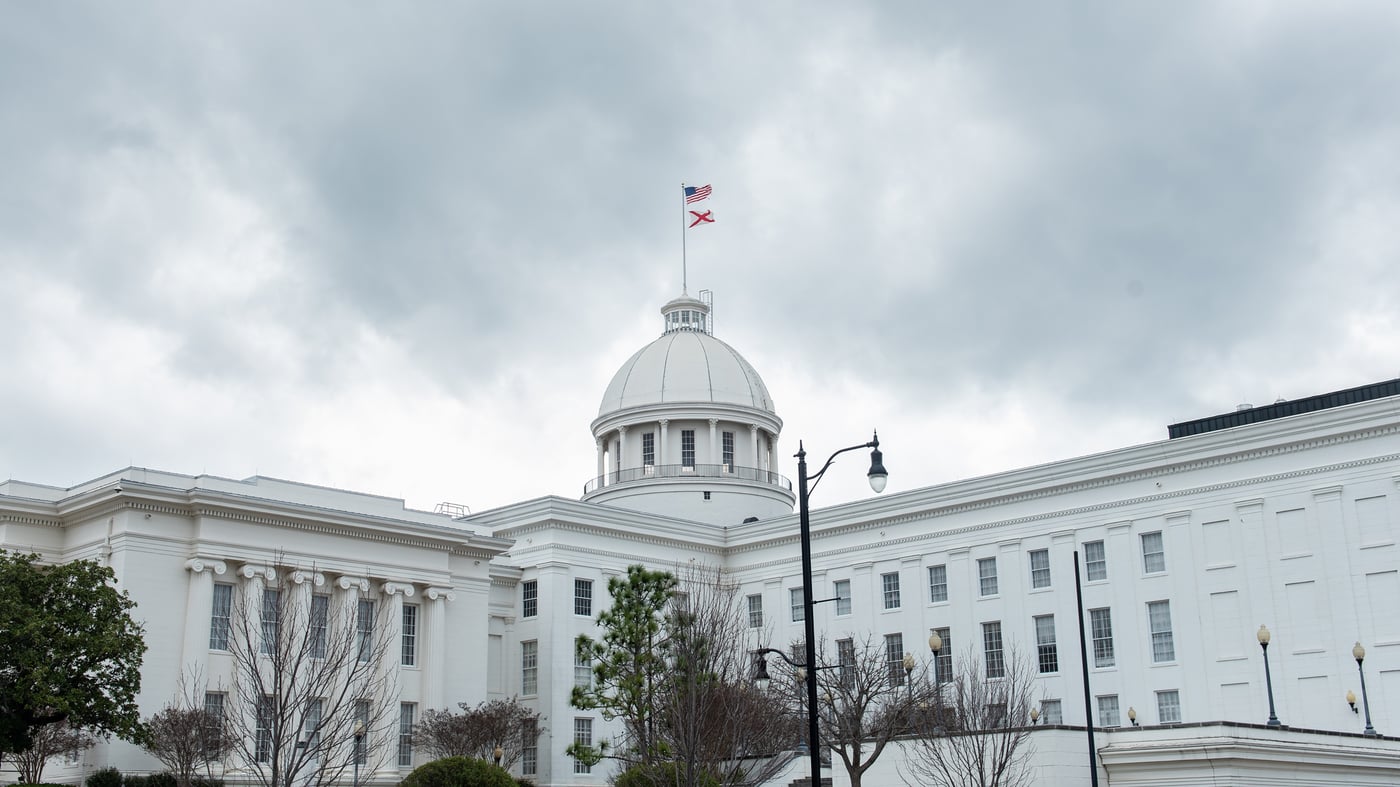
The Alabama Supreme Court's ruling that frozen embryos have the same rights as children reflects the evolution of the once-fringe notion of "fetal personhood" into mainstream legal determinations, with roots in the anti-abortion movement's narrative. Moral panic over "crack babies" in the late 80s and early 90s played a significant role in normalizing the concept of fetal personhood, leading to laws that allowed pregnant women to be charged with criminal child abuse for exposing their fetuses to illicit substances. This has raised concerns about potential criminalization of self-managing abortion, pregnancy loss, and behavior during pregnancy, as well as its impact on IVF services.

A political scientist in Alabama shares his personal experience after the state's Supreme Court ruled that frozen embryos used for in vitro fertilization are children, turning him into an activist for reproductive rights. The ruling caused uncertainty and panic for him and his wife, leading them to flee the state to continue their IVF process in Texas. The experience mobilized them and other affected individuals, highlighting the intersection of personal experiences and state politics in shaping activism and engagement.
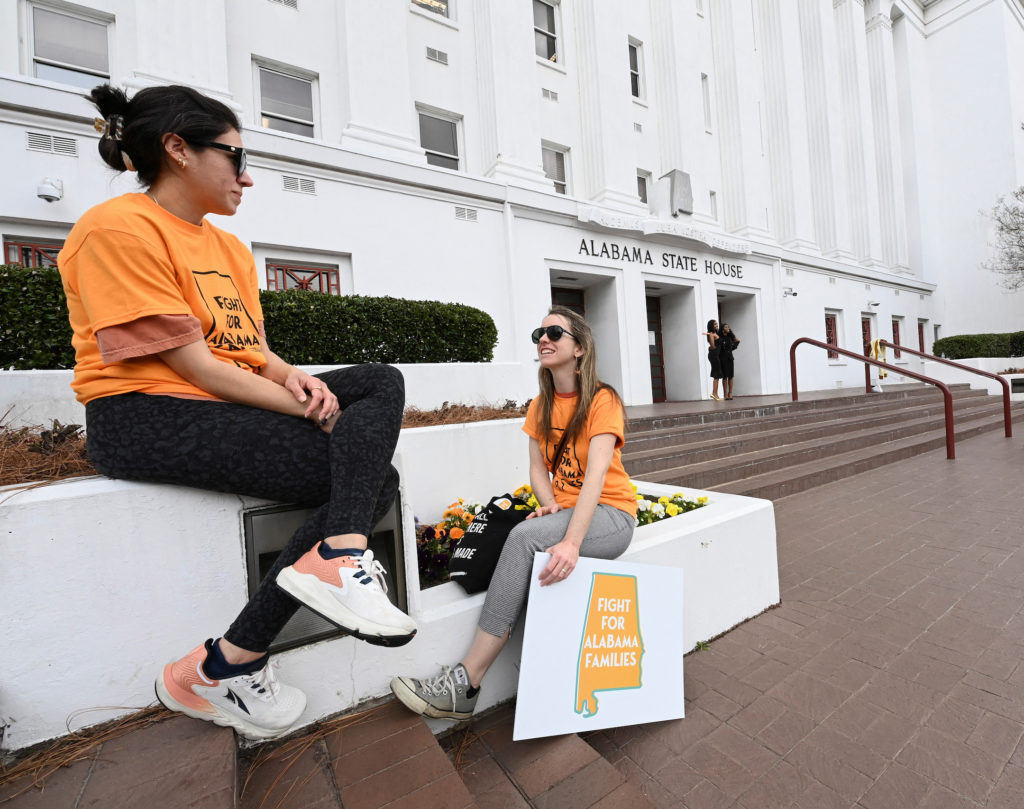
The all-Republican Alabama Supreme Court's ruling in February that embryos created through in-vitro fertilization are legally children has been celebrated by the anti-abortion movement. Julie F. Kay, a human rights attorney, discusses the recent legislative efforts to grant fetuses the legal rights of a person, shedding light on the ongoing debate surrounding fetal personhood and its implications for reproductive rights.
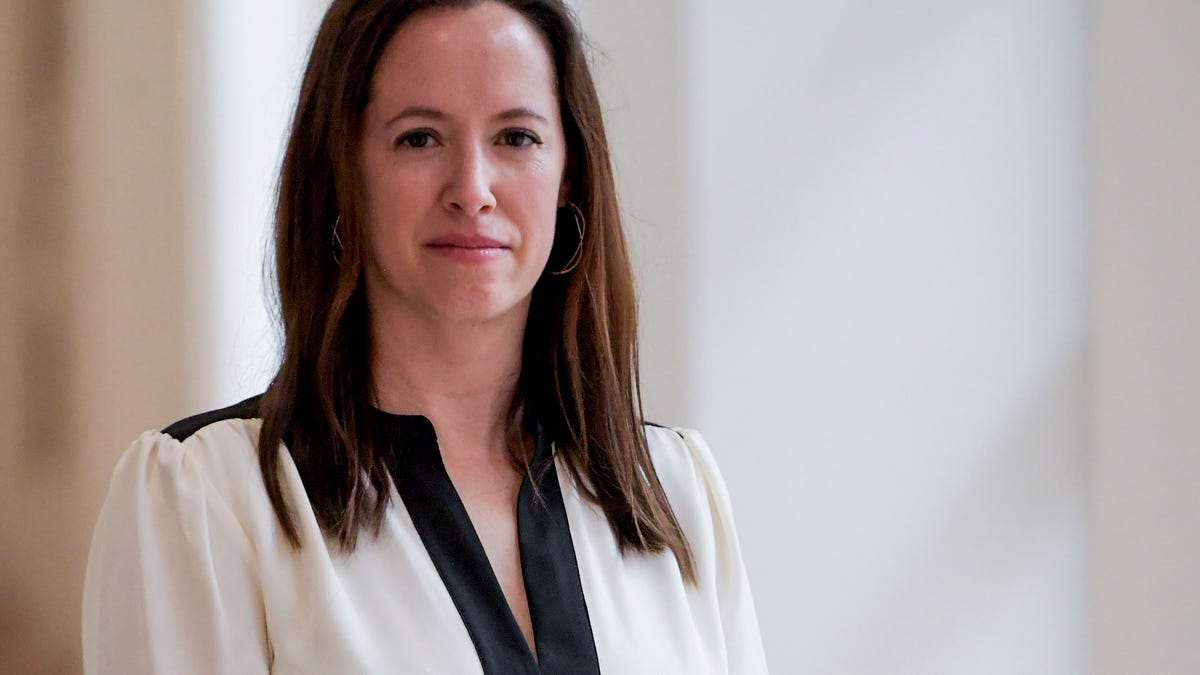
Alabama's recent Supreme Court ruling that frozen embryos created during IVF are considered "extrauterine children" has sparked controversy and motivated voters ahead of Super Tuesday. The ruling has led to a pause in IVF services at some clinics and has become a focal point in the fight over abortion and reproductive rights. While some voters feel empowered to vote based on this issue, others believe it won't affect their voting decisions. Grassroots efforts are underway to counter the ruling and protect IVF treatment in Alabama.
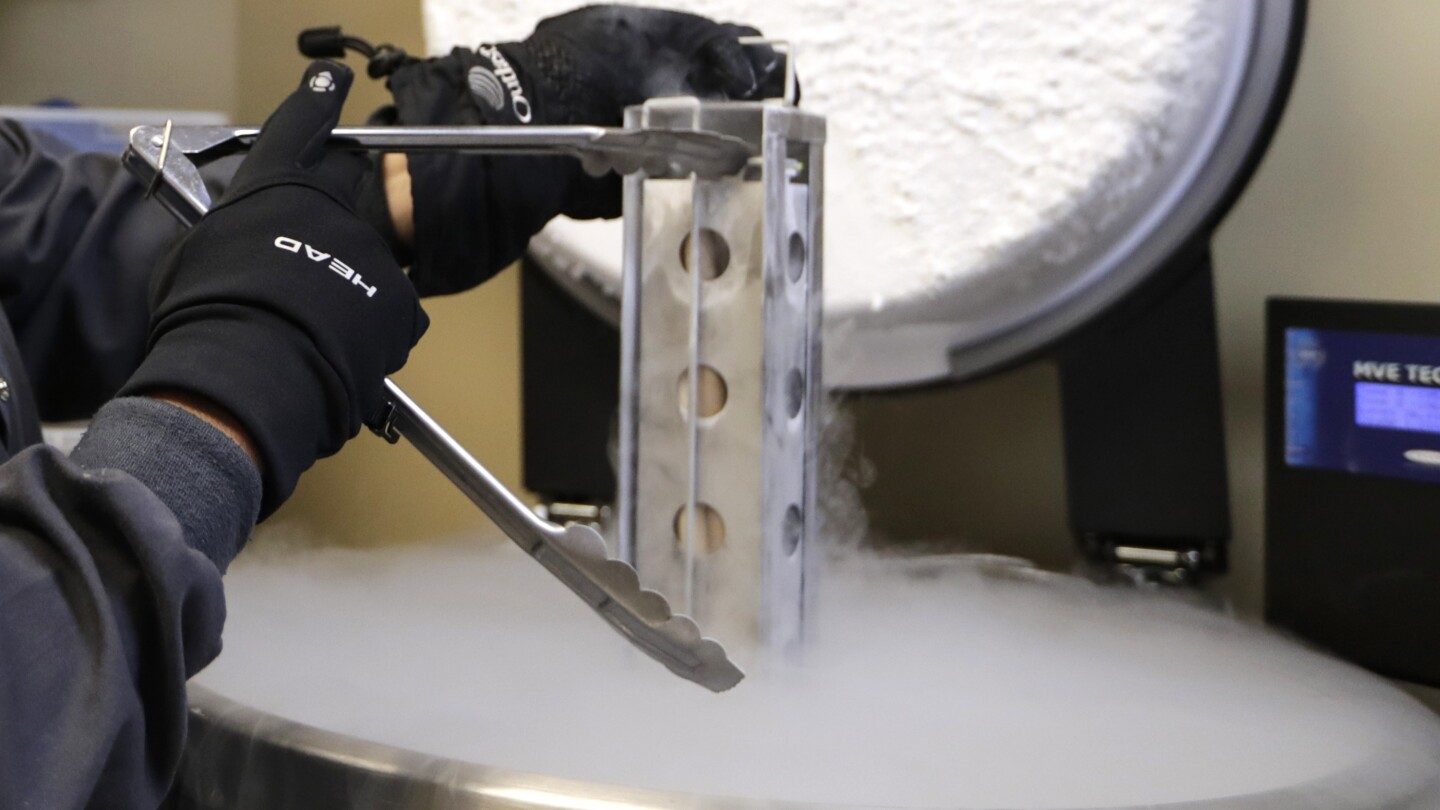
Alabama lawmakers are fast-tracking legislation to protect in vitro fertilization clinics from lawsuits following a state Supreme Court ruling that granted frozen embryos the rights of children under the wrongful death law. The bills aim to shield IVF providers from civil lawsuits and criminal prosecution, but do not address the legal status of embryos outside the body. The legislation has drawn attention due to its potential implications for abortion rights, and is strongly supported by Republican lawmakers, with former President Donald Trump expressing his support. The measures are expected to be approved and sent to the governor for signing.
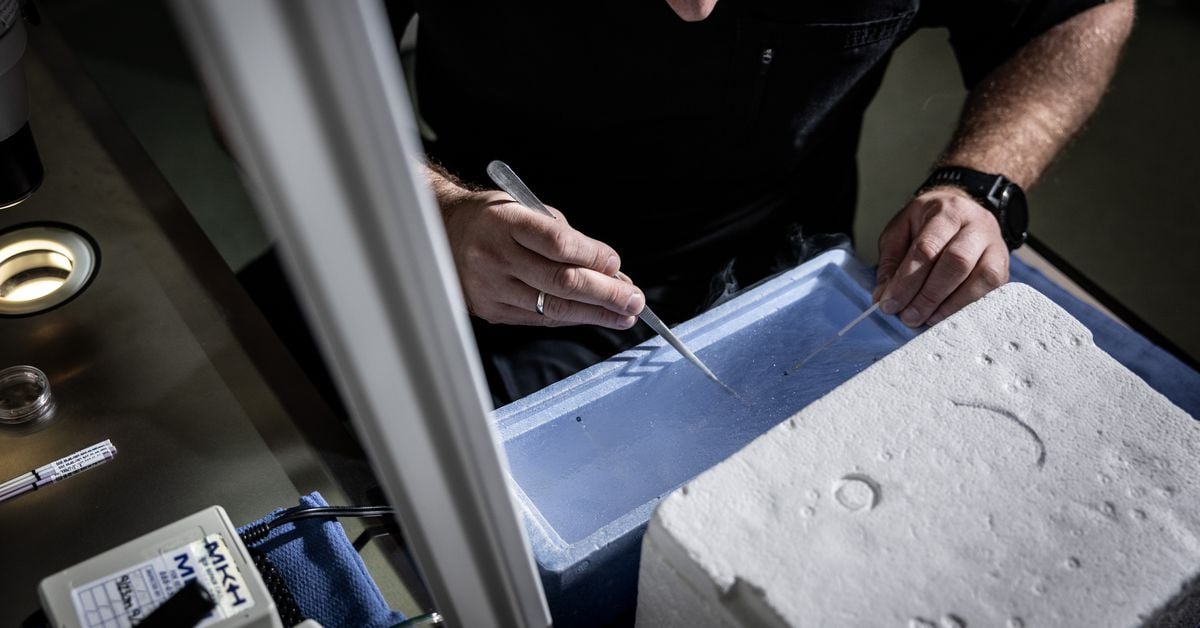
The Alabama Supreme Court's ruling that frozen, fertilized embryos legally count as "children" has reignited concerns over "fetal personhood" laws, which grant legal rights to fetuses and embryos. These laws, present in over a third of states, have worried reproductive rights advocates due to potential prosecution of pregnant individuals for miscarriages or necessary medical procedures. The ruling's impact on IVF treatments and the broader implications of personhood laws have sparked nationwide debate, with concerns about access to reproductive health care and potential legal consequences for pregnant individuals.
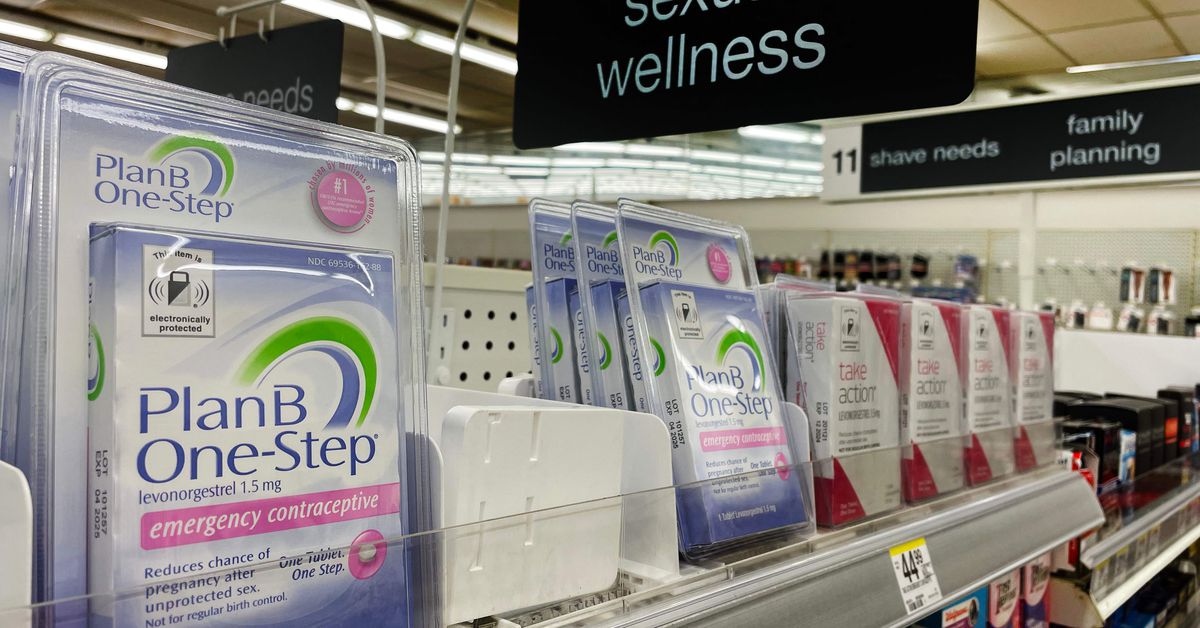
The anti-abortion movement has long aimed to restrict access to birth control, viewing it as encouraging sex outside of marriage and weakening families. While there is no proposed legislation to ban contraception, anti-abortion leaders have been quietly laying the groundwork to curtail access for decades. They aim to blur the line between birth control and abortion, with some Republican lawmakers and religious groups endorsing the idea that birth control is a form of abortion. Secular "wellness" influencers have also joined in, spreading misinformation about the risks of hormonal birth control. As the national debate over reproductive rights continues, attention to efforts to expand or restrict access to birth control will be crucial.
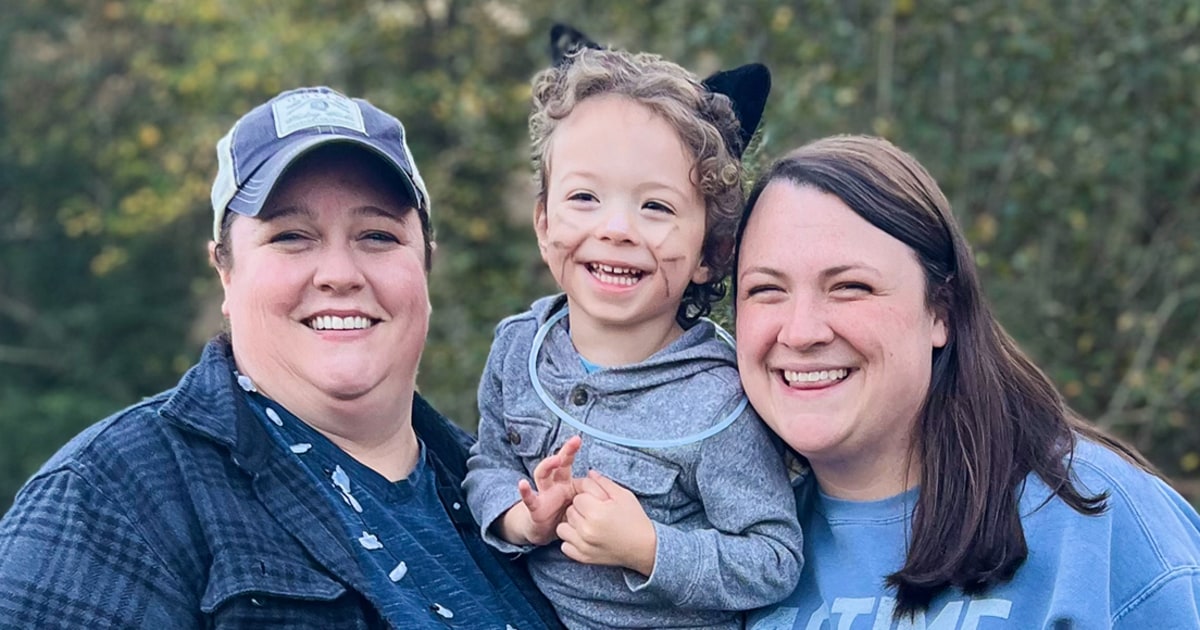
Lesbian couples in Alabama are facing uncertainty and fear after the state's highest court ruled that embryos are legally children, leading to major fertility clinics halting in vitro fertilization procedures due to potential legal liability. The ruling disproportionately affects LGBTQ parents, who rely on assisted reproductive technology more than heterosexual couples. Many are now scrambling to transport their embryos out of state, fearing legal implications. Critics argue that proposed legislation fails to address the core issue raised by the court ruling, and some LGBTQ advocates worry that the ruling reflects a broader anti-abortion agenda.
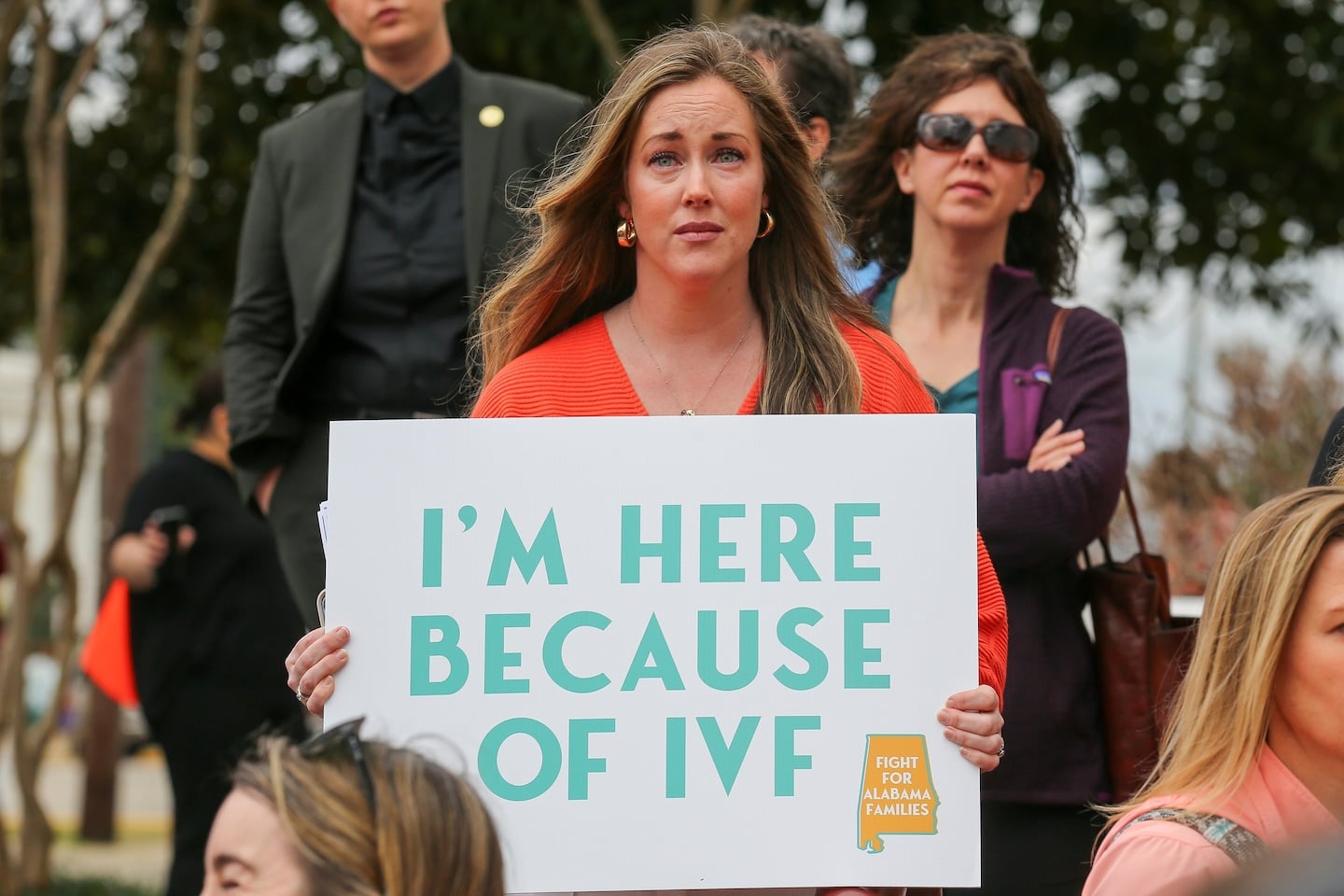
Alabama lawmakers passed legislation to protect IVF providers and patients from criminal or civil liability if embryos are damaged or destroyed, following a state Supreme Court ruling that gave fertilized eggs the same protection as babies. The bills, which provide legal immunity for death or damage to embryos related to IVF, must be reconciled before being sent to Gov. Kay Ivey for approval. The legislation sparked heated debate about women's reproductive rights and when life begins, with some arguing that the bills are a necessary protection for IVF patients and providers, while others criticized them as insufficient and potentially problematic.