Tag

Health And Law

All articles tagged with #health and law

health-and-law1 year ago

"Supreme Court Case Puts Spotlight on Pregnant People's Rights and Access to Emergency Abortions"

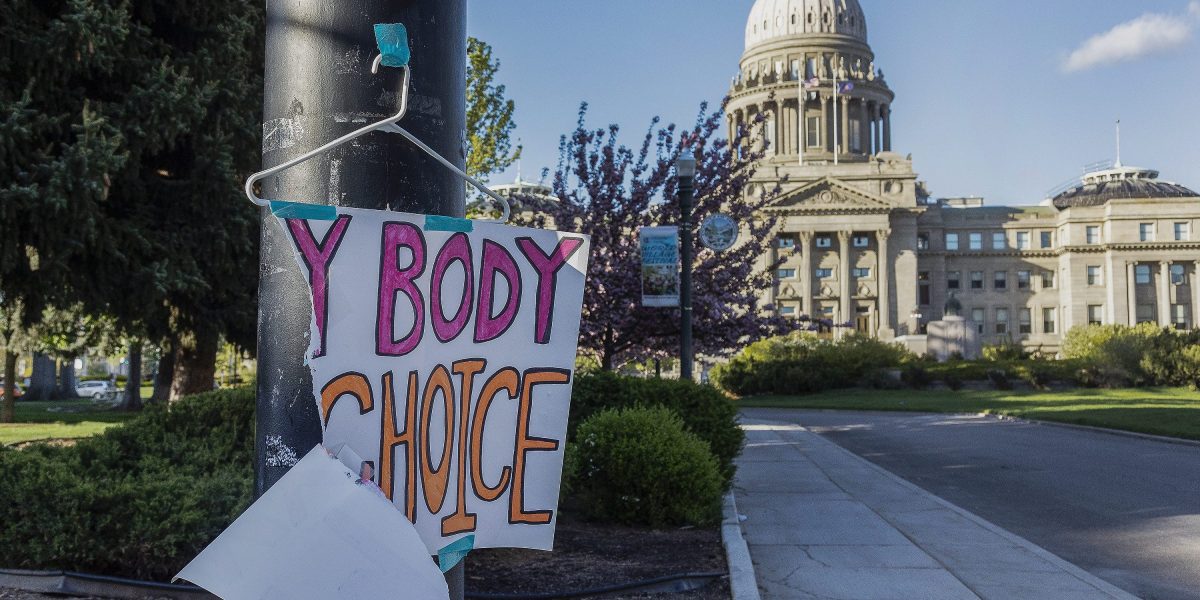
Idaho is arguing before the Supreme Court that abortion is not protected under the Emergency Medical Treatment and Active Labor Act (EMTALA), claiming that the federal government is interfering with the state's ability to ban the procedure. If the court were to accept Idaho's argument, it could nullify the safety-net law meant to eliminate discrimination in emergency medical care, singling out pregnant people as a separate and unequal class of patients. The case has significant implications for the rights of pregnant individuals and the obligations of healthcare providers in emergency situations.

health-and-law1 year ago

"Supreme Court's Review of Mifepristone Suit: The Far Right's Influence on Abortion Access"

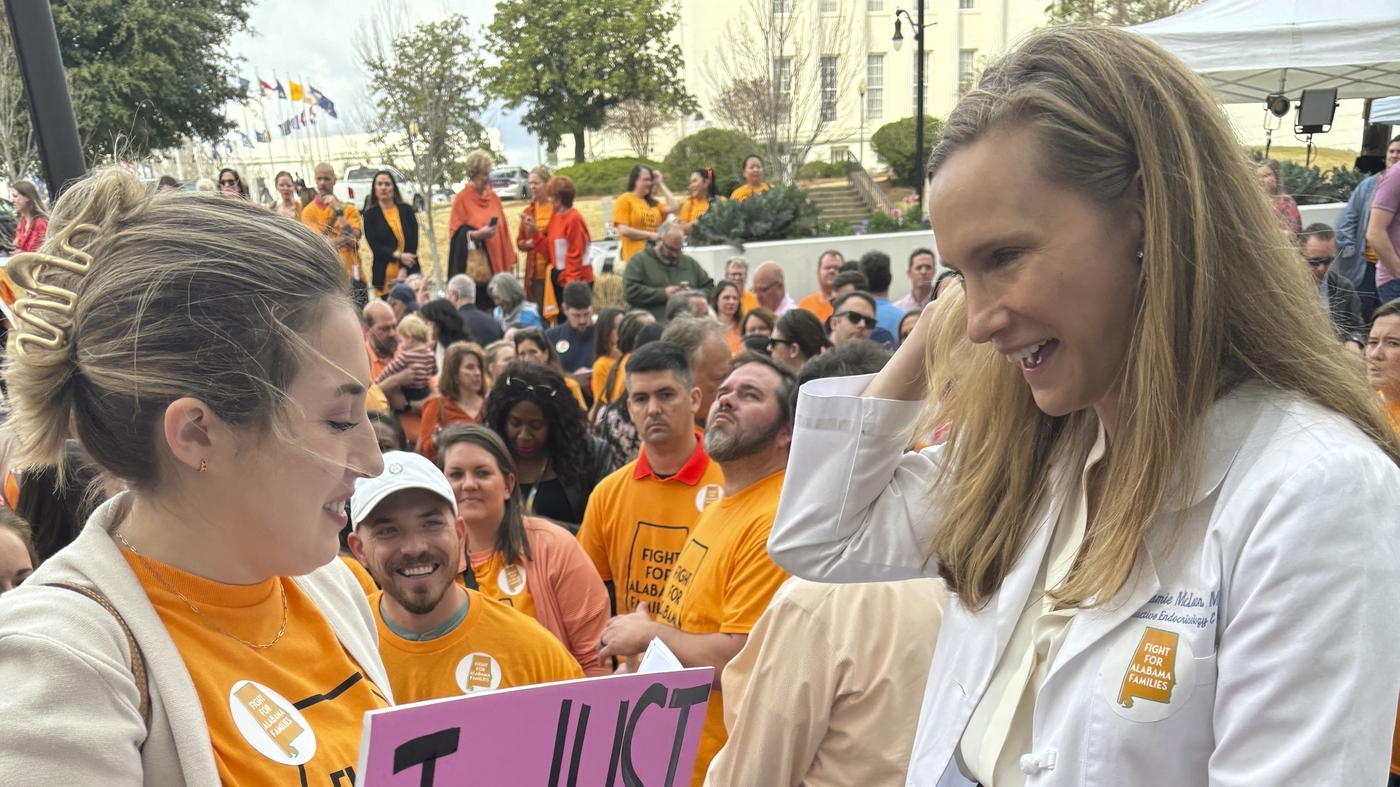
A pharmacy professor's email complaint led to the retraction of three anti-abortion research papers, highlighting the use of poor-quality evidence by right-wing groups to influence abortion litigation and legislation. The upcoming US Supreme Court case, FDA v AHM, could reshape abortion access and the FDA's authority, with potential implications for other controversial drugs. The anti-abortion movement invests in research to produce evidence for litigation and legislation, often using fringe publications and academic journals. Despite efforts to challenge poor-quality evidence, the battle remains difficult, as journals can be reluctant to correct the scientific record.

health-and-law1 year ago

"Alabama Enacts IVF Immunity Law to Protect Patients and Providers"

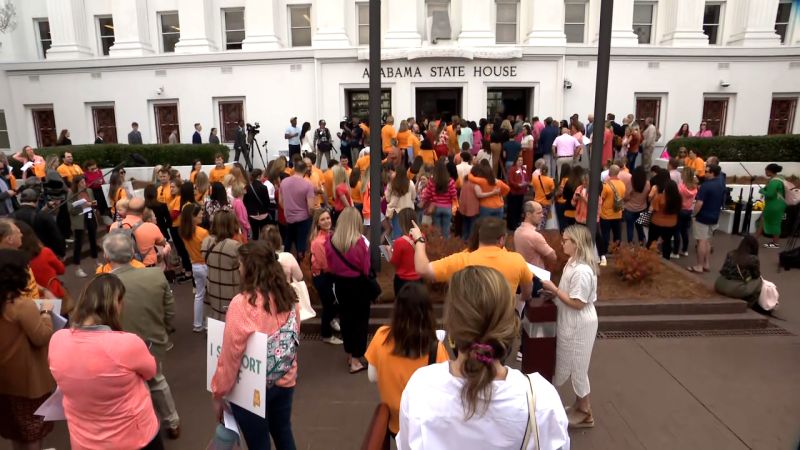
Alabama lawmakers passed a bill granting civil and criminal immunity for IVF service providers and receivers, allowing clinics to restart treatments without fear of legal repercussions after a state court ruling threw the procedure into uncertain legal territory. The legislation is a temporary measure to address the immediate concerns, but leaves many unanswered questions regarding embryonic personhood and related legal issues. Public pressure and outrage over the court ruling prompted swift action from lawmakers, with the bill's sponsors acknowledging the need for a long-term fix.

health-and-law1 year ago

"Alabama Legislature's Battle Over IVF Protection"

The Alabama House and Senate have passed bills aimed at protecting in vitro fertilization (IVF) treatments following a state Supreme Court ruling that classified frozen embryos as children. The bills, sponsored by Rep. Terri Collins and Sen. Tim Melson, seek to provide civil and criminal immunity to those involved in IVF services and are intended to prompt IVF clinics to reopen. The ruling has caused concern among patients, healthcare providers, and reproductive rights advocates, and the legislation is now awaiting approval from Republican Gov. Kay Ivey.

health-and-law1 year ago

"Alabama Supreme Court Ruling Sparks Political Battle Over IVF Rights"

A majority of Americans oppose the idea of in vitro fertilization (IVF) embryos being considered children, following an Alabama ruling that sparked concerns about legal issues for discarding embryos. The ruling has led to fertility clinics halting treatments, affecting individuals like Liz Goldman, who needs IVF for a second child due to medical reasons. While some argue for more regulation in the reproductive industry, others worry about the impact on those dealing with infertility. Federal and state lawmakers are now proposing legislation to protect IVF services, while some leaders advocate for measures to safeguard frozen embryos from malpractice.

health-and-law1 year ago

"Alabama Supreme Court's Ruling on Frozen Embryos Sparks Controversy and Concern"

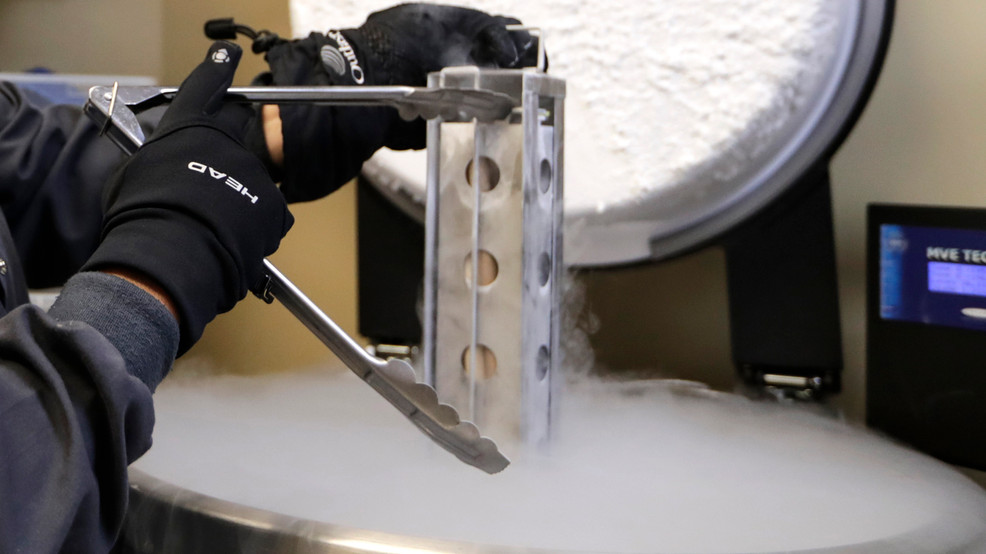
The Alabama Supreme Court's ruling that frozen embryos are legally children has thrown the future of over a million frozen eggs and embryos in the state into chaos, leading to clinics shutting down services and patients scrambling to ship their embryos elsewhere. The ruling has complicated options for families, with some lawmakers working to safeguard IVF while clinics have paused certain operations. The unprecedented decision raises questions about long-term storage, civil liability for fertility specialists, and the rights of embryo owners, leaving many individuals deeply frustrated and concerned about the future of their frozen embryos.

health-and-law1 year ago

"Alabama Hospital Halts IVF Program Following Court Ruling on Frozen Embryos"

The Alabama Supreme Court's ruling that frozen embryos are considered children has led the state's largest hospital to pause its IVF services over fears of criminal prosecution. The decision has raised concerns about the legality of certain aspects of IVF and could impact fertility treatments in Alabama and beyond. The ruling ties into the US abortion debate and may influence legislation and lawsuits in other states, potentially affecting US politics as well.

health-and-law1 year ago

"Oregon's Ongoing Battle: Addressing the Drug Crisis in Portland"

Three years after decriminalizing drug possession and use in Oregon, concerns are rising over the effectiveness of the approach as fatal overdoses tripled in the state. While the decriminalization aimed to treat drug users as individuals in need of help, the lack of a robust public health system and the fentanyl epidemic have led to criticism and calls for potential reversal. Health professionals argue that the decriminalization was not effectively implemented due to a lack of infrastructure and services for addicts, despite significant funds being allocated. The debate continues over the best approach to address drug addiction and the opioid crisis in Oregon.

health-and-law2 years ago

California Takes Stand Against Controversial 'Excited Delirium' Diagnosis

California has become the first state to ban the controversial diagnosis of "excited delirium," which has been used to justify deaths in police custody. The new law prohibits medical professionals from attributing deaths to excited delirium on death certificates or autopsy reports, and law enforcement is barred from using the term in incident reports or civil court testimony. The diagnosis has been criticized for disproportionately being applied to Black men and lacking scientific validity. Several national medical associations have already discredited excited delirium, and California's move is seen as a significant step towards holding police accountable for excessive force.