Tag

Brain Organoids

All articles tagged with #brain organoids

science15 days ago

Mini-Brains Uncover Brain Signals Linked to Schizophrenia and Bipolar Disorder

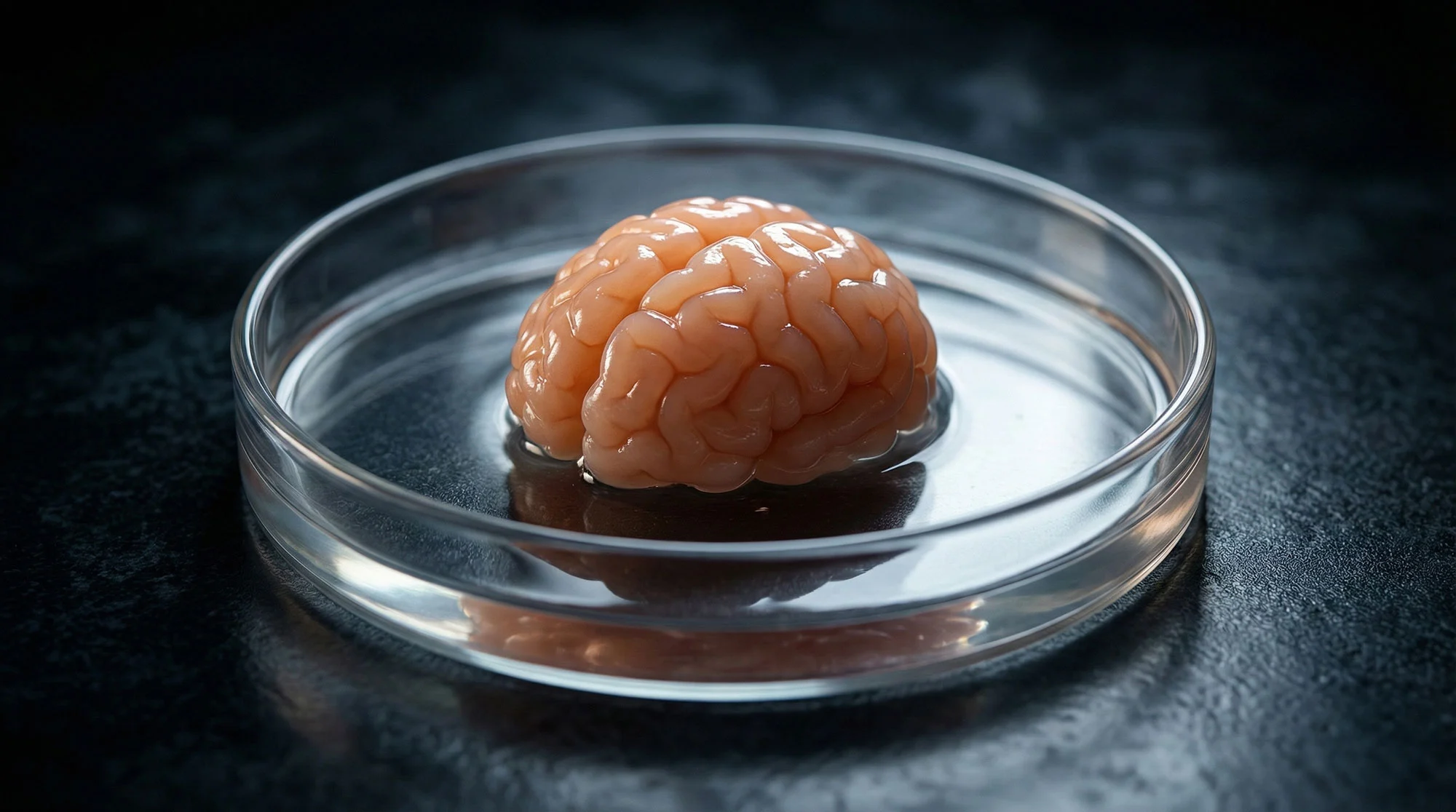
Scientists at Johns Hopkins have used lab-grown 'mini-brains' or organoids to identify neural signatures associated with schizophrenia and bipolar disorder, achieving up to 92% accuracy in distinguishing these conditions through electrical activity patterns, which could lead to more objective diagnoses and targeted treatments in the future.

science20 days ago

Mini Brains Mimic Kindergarten Neural Wiring, Raising Ethical Questions

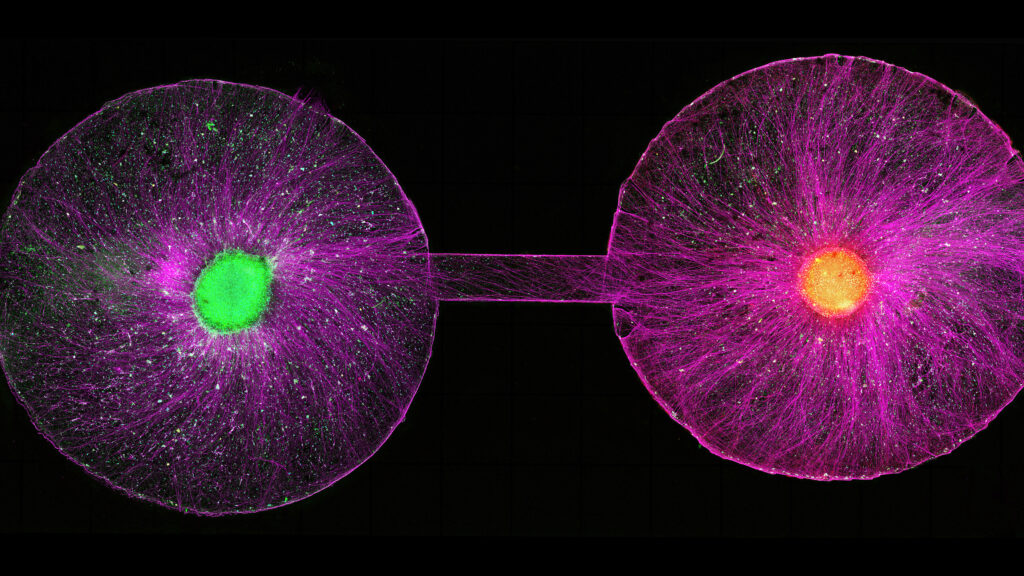
Scientists have developed complex brain organoids that mimic a kindergartner's neural wiring, raising ethical concerns about their potential to develop sensations or consciousness. Experts advocate for global regulation to oversee research, especially as these mini brains could lead to breakthroughs in treating neurological disorders, but also pose moral questions about their use and treatment.

science-and-technology1 year ago

Mini-Brains Unlock Secrets of Mitochondrial Disorders

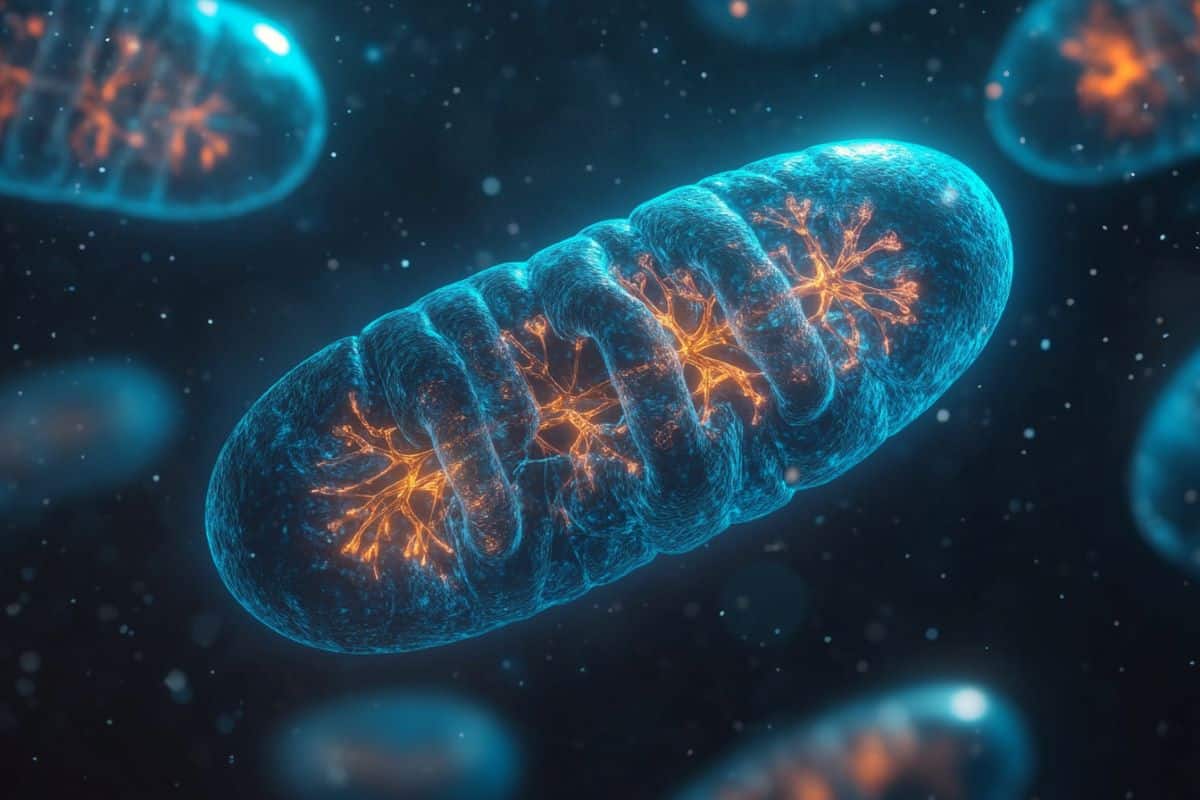
Researchers at the University of Bergen have developed mini-brains, or brain organoids, to study mitochondrial dysfunction in brain cells, offering new insights into treating conditions like epilepsy, Alzheimer's, and Parkinson's diseases. These organoids mimic disease processes, allowing for real-time observation and testing of potential treatments, potentially revolutionizing the understanding and treatment of mitochondrial brain disorders.

science-and-technology1 year ago

Space-Grown Brain Organoids Offer Hope for Neurological Cures

Scientists have successfully grown human brain organoids in space aboard the International Space Station, significantly speeding up the process compared to Earth. This advancement allows for more accurate testing of new gene therapy treatments for neurological diseases like Alzheimer's and Parkinson's. The research, conducted by Axonis Therapeutics, uses reprogrammed viruses to deliver beneficial genes to central nervous system cells, potentially offering new treatments for currently untreatable conditions.

technology1 year ago

"World's First Energy-Efficient 'Living Computer' Created Using 16 Lab-Grown Human Brain Cells"

Researchers are developing the world's first "living processor" using human brain organoids, which could significantly reduce the energy demands of large artificial neural networks. The project, led by Swiss startup FinalSpark, is in its early stages and aims to achieve this ambitious goal through international collaboration. The platform allows universities to conduct long-term experiments on biological neural networks, with the potential to revolutionize energy-efficient computing.

neuroscience1 year ago

"Gene Linked to Autism Social Difficulties"

Researchers at the University of California San Diego have identified the gene GTF2I as a key factor in social behavior, shedding light on its role in Williams syndrome and autism spectrum disorders. Using brain organoids, they found that the absence of GTF2I led to neural development issues and synaptic defects, offering potential insights into social behavior variations and the development of treatments for social impairments associated with autism. The study also contributes to our understanding of human social evolution and cooperation, highlighting the gene's central role in fetal brain development and its impact on socialization.

science-and-technology1 year ago

"Breakthrough: 3D-Printed Mini Brains Mimic Human Functionality"

Scientists at the University of Wisconsin–Madison have successfully created the first 3D-printed brain organoids that function like natural brain tissue, allowing neurons to communicate, send signals, and form networks with support cells. This breakthrough could revolutionize neuroscience research, offering new opportunities to study diseases, test drugs, and understand how brain cells and parts of the brain communicate in humans. The researchers hope that their technique will be adopted by other labs and could lead to significant advancements in stem cell biology, neuroscience, and the understanding of neurological and psychiatric disorders.

science-and-technology2 years ago

"Revolutionizing Neuroscience: Mini-Brains Grown from Fetal Tissue for Groundbreaking Research"

Scientists have developed brain organoids from human fetal brain tissue, offering new insights into brain development and disease modeling. These 3D mini-organs could revolutionize research in neurology and oncology, as they closely mimic the complexity of the brain and can be used to study brain development and diseases, including brain tumors. The organoids were grown from small pieces of fetal brain tissue, self-organizing into complex 3D structures containing various brain cells. They also showed potential for modeling brain cancer and responding to cancer drugs, providing a valuable tool for studying the human brain and its diseases.

neuroscience2 years ago

"Self-Organizing Mini-Brains Grown from Fetal Tissue Show Huge Potential"

Scientists have developed 3D brain organoids from human fetal tissue that self-organize, closely resembling the human brain and offering a new way to study brain development, neurodevelopmental diseases, childhood brain cancer, and drug responses. These mini-brains contain various brain cell types and extracellular matrix, and have shown potential for cancer research and drug testing. The study was part-funded by the Dutch Research Council and was published in the journal Cell.

technology2 years ago

Scientists Create Hybrid Biochip for Speech Recognition Using Human Brain Cells

Brain organoids, clusters of human brain cells grown in a dish, have been successfully connected to an electronic chip and used to carry out simple computational tasks, including rudimentary speech recognition. Researchers at Indiana University Bloomington developed a brain organoid from stem cells and connected it to an AI tool through their setup called Brainoware. The hybrid system demonstrated the ability to process, learn, and remember information, although with lower accuracy compared to artificial neural networks. While the study showcases the potential of brain organoids for biocomputing, challenges remain in terms of long-term information processing and learning capabilities, as well as the complex task of generating and maintaining brain cell cultures.

technology2 years ago

Scientists Successfully Merge AI and Living Brain Tissue to Create Advanced Hybrid Computer

Scientists have combined machine learning with a 3D model of the brain, known as a "minibrain" or cerebral organoid, to boost the computing power of artificial intelligence (AI). By inputting electrical data into the organoid and deciphering its activity, the researchers were able to create a hybrid computer system. While this method is far from replicating the true structure and function of the brain, it could be a step towards creating more powerful and energy-efficient biocomputers. Additionally, this research could provide insights into how the human brain operates and how it is affected by neurodegenerative conditions.