COP30, the 30th UN climate conference, is underway in Brazil with a focus on implementing climate solutions, increasing climate finance, and meeting the Paris Agreement goals, amid concerns about rising global temperatures and emissions.
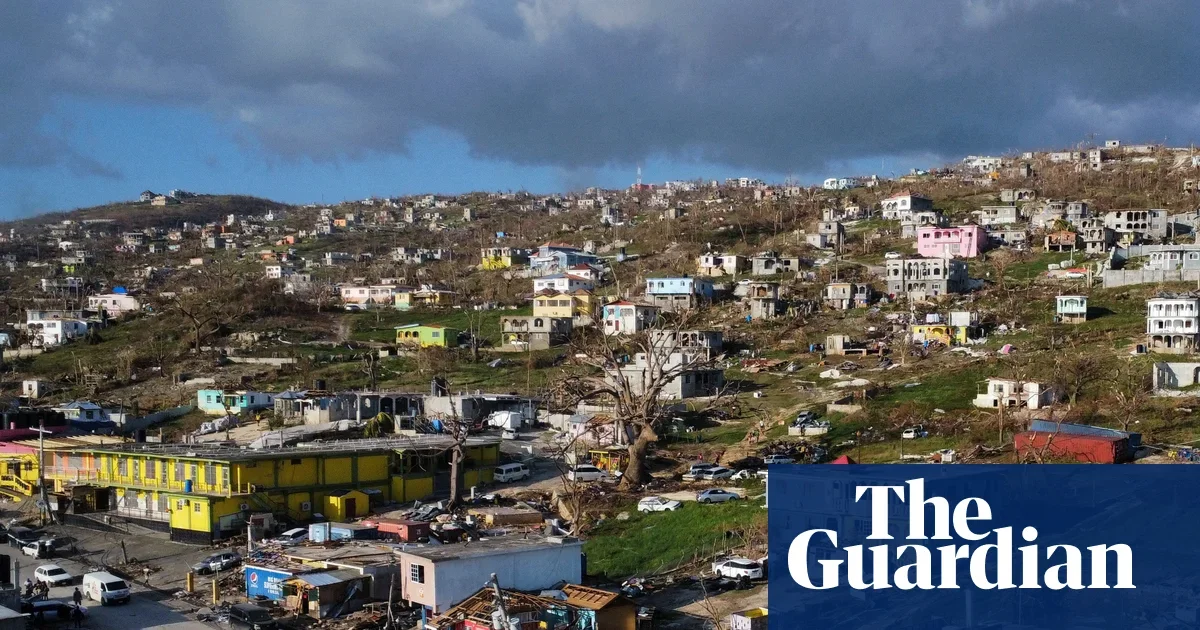
A study links Hurricane Melissa, the most powerful storm to hit Jamaica, to climate change, showing that global warming has increased the storm's strength, rainfall, and rapid intensification, highlighting the urgent need for climate action and finance to support vulnerable nations.
Less than 3% of international climate aid supports just transition efforts for workers and communities, highlighting a significant gap in equitable climate action, with calls for increased funding and policy reforms at upcoming UN climate negotiations.
The State of Climate Action 2025 report highlights that global efforts to meet the Paris Agreement targets are significantly lagging, with none of the assessed indicators on track to limit warming to 1.5°C by 2030. Despite some progress, such as increased private climate finance and rising electric vehicle sales, critical areas like deforestation, coal phase-out, and climate finance require urgent and substantial acceleration to avoid severe climate impacts.
JPMorgan Chase & Co. is distancing itself from the transition-finance trend, which involves allocating capital to activities aimed at reducing carbon emissions. While other major banks like Wells Fargo and Citigroup are developing frameworks for such investments, JPMorgan's Linda French argues that labeling assets as 'transition' does not necessarily attract capital, as investors prioritize economic viability over definitions. This stance comes amid challenges in the climate finance sector, where green investments have underperformed compared to broader market indices.
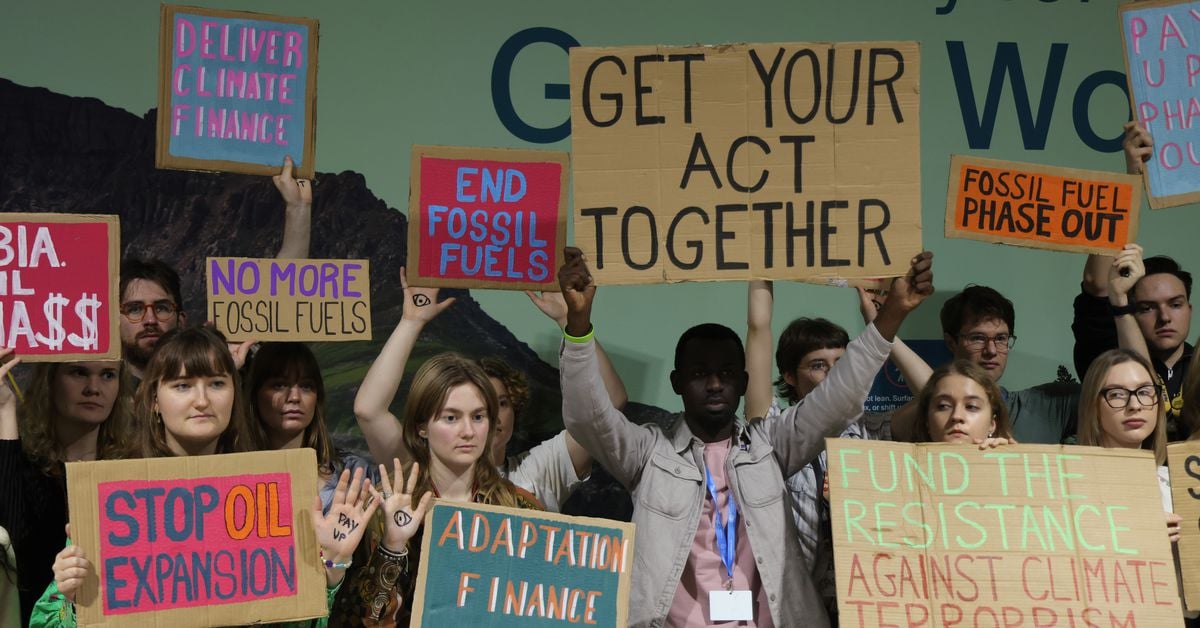
The recent UN climate summit in Azerbaijan was marked by disappointment and frustration, particularly from nations most vulnerable to climate change. Despite an agreement to triple climate financing to $300 billion annually by 2035, many delegates criticized the lack of substantial aid and the influence of fossil fuel interests, with 1,700 lobbyists attending the conference. The re-election of a US president dismissive of climate change further clouded negotiations, highlighting the need for a reevaluation of the COP process to effectively address global warming challenges.
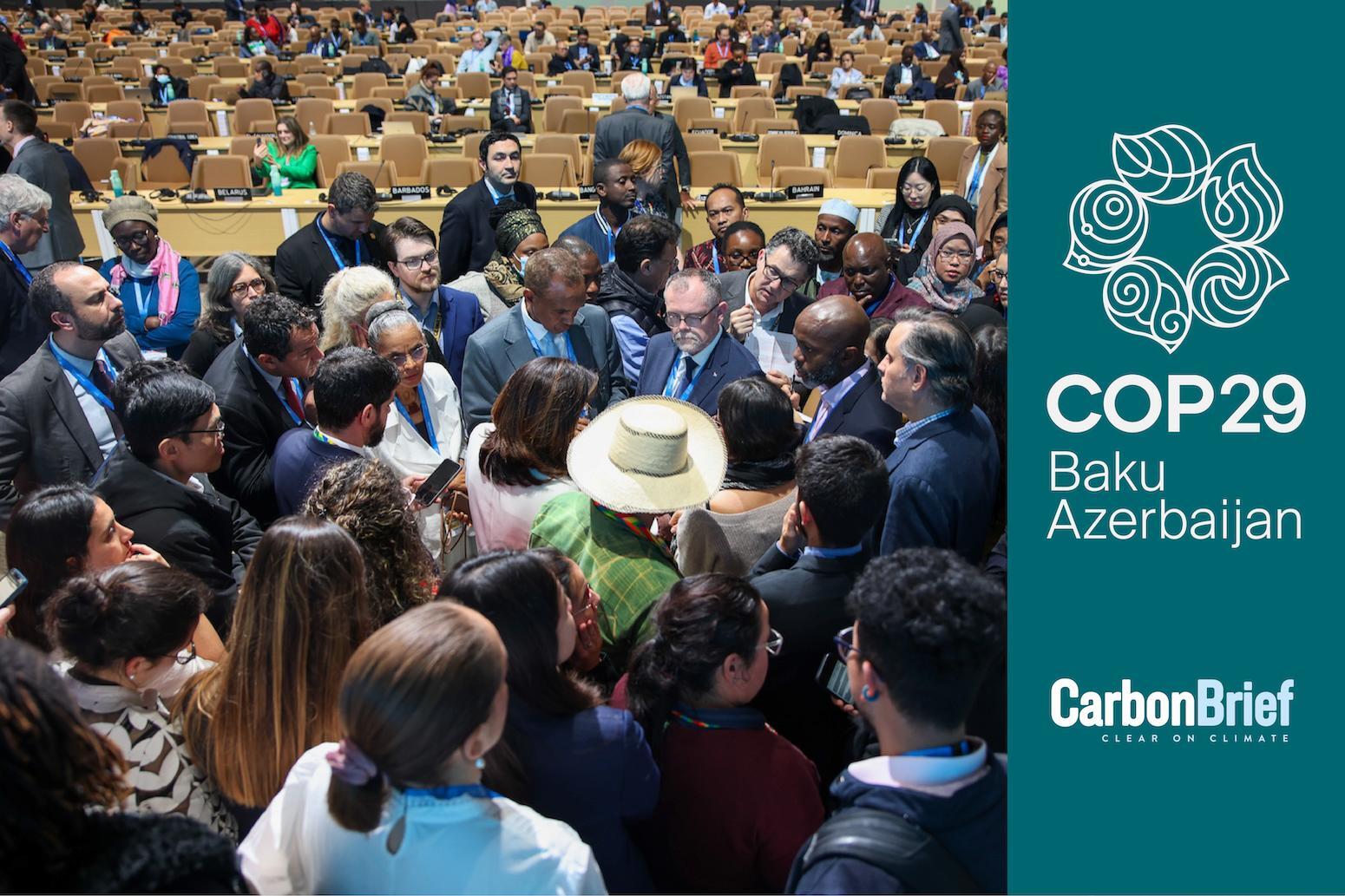
At the COP29 climate summit in Baku, developed nations agreed to channel at least $300 billion annually into developing countries by 2035 to combat climate change, a decision that left many developing nations dissatisfied as they had called for $1.3 trillion. The summit also finalized Article 6 on carbon markets, completing the Paris Agreement's framework. However, key issues like transitioning away from fossil fuels were deferred to COP30. The event was overshadowed by Donald Trump's reelection, which could impact future climate negotiations, and accusations of conflict of interest against Azerbaijan, the host nation.
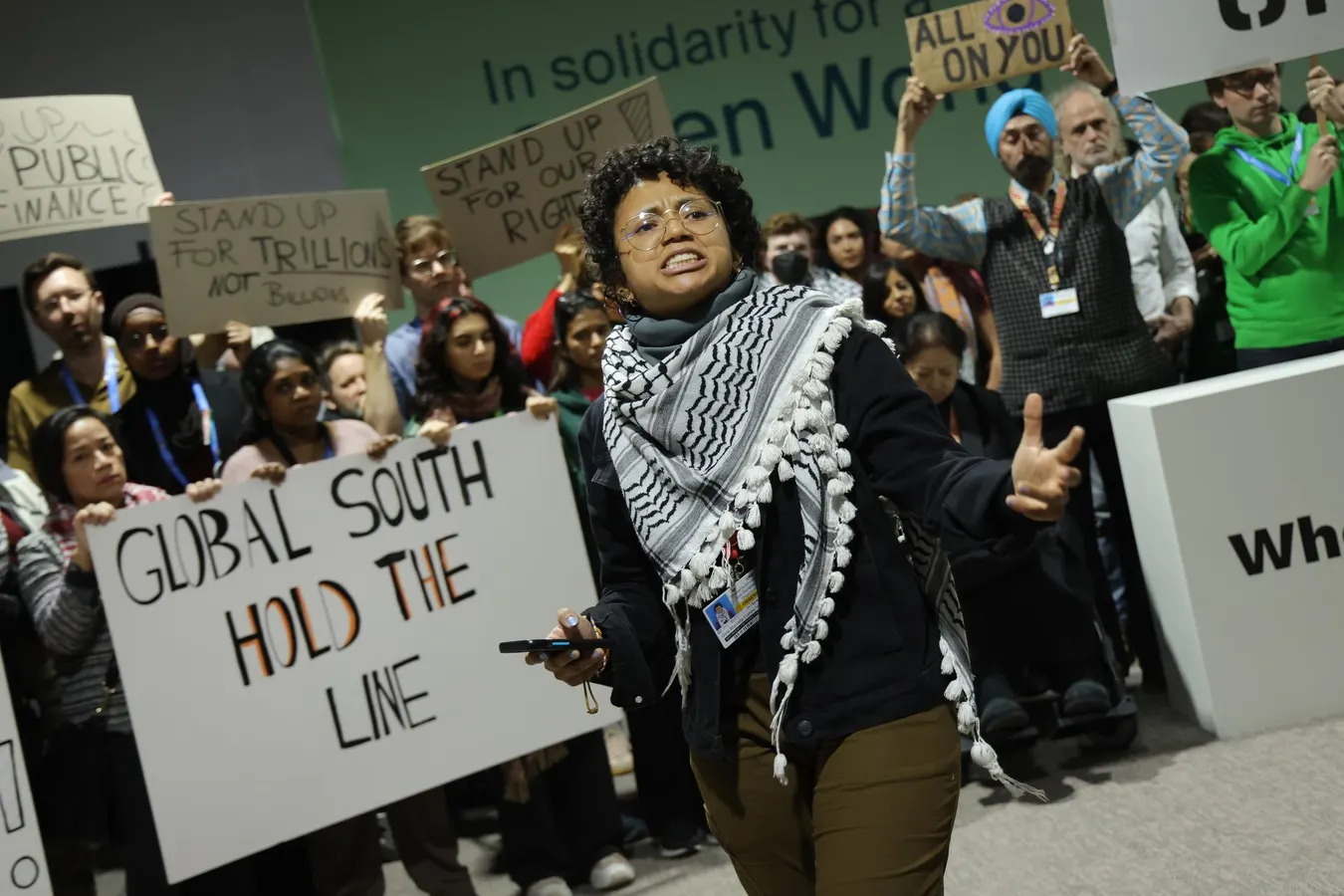
COP29 concluded with a contentious $300 billion annual climate finance deal for developing countries by 2035, which many deemed insufficient. The conference highlighted deep divisions between rich and poor nations, with developing countries criticizing the mix of grants and loans. The event also saw increased activism and concerns over the influence of authoritarian host nations. China's emerging role in climate leadership was noted, especially as the US's future involvement remains uncertain due to potential political changes. The conference underscored the need for reform and more effective climate action.
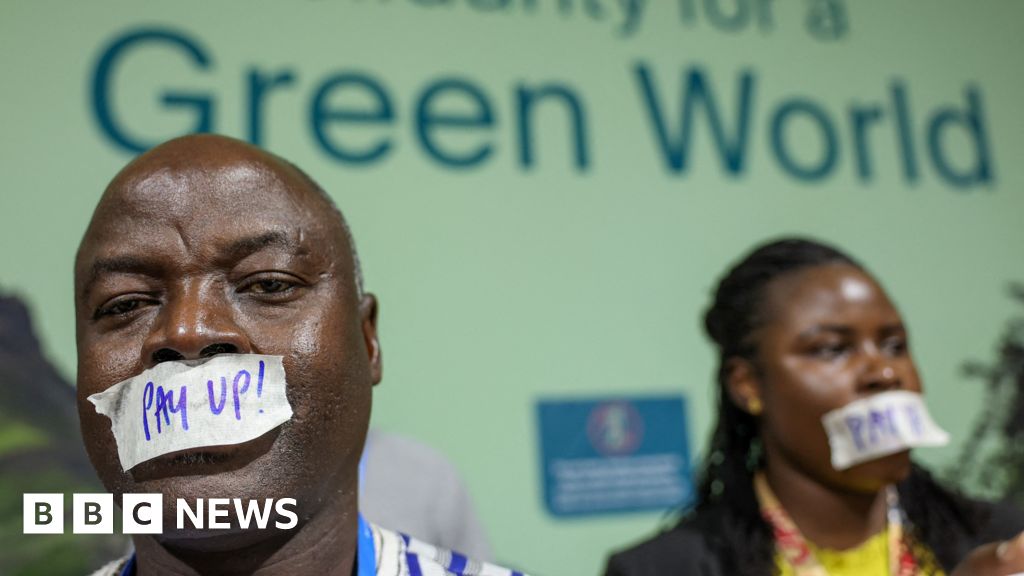
The COP29 climate conference in Baku ended in disarray as developing nations and NGOs rejected a $300 billion climate finance deal proposed by wealthy countries, demanding at least $1.3 trillion in grants instead. Key nations like India, Nigeria, and Bolivia opposed the agreement, criticizing it as insufficient and laden with loans rather than grants. Civil society groups labeled the outcome a betrayal, highlighting the failure of developed countries to meet their historical responsibilities. The controversy has sparked calls for reforming the COP process amid growing climate urgency.
The COP29 climate conference in Baku ended in disarray as developing nations and nonprofits rejected a $300 billion climate finance deal proposed by wealthy countries, demanding at least $1.3 trillion in grants instead. Key nations like India, Nigeria, and Bolivia opposed the agreement, citing insufficient funds and unmet promises. Civil society groups criticized the deal as a betrayal, highlighting the burden of debt it imposes on poorer countries. The conference faced additional controversies, prompting calls for reforming the COP process amid urgent climate challenges.
The COP29 climate talks resulted in a US$300 billion climate finance deal aimed at supporting developing countries in their climate efforts, but fell short in establishing a comprehensive global carbon trading system. The conference highlighted the ongoing challenges in reaching consensus on key climate issues, despite some progress in financial commitments.
A recent climate summit concluded with a contentious agreement where developed nations, including the U.S. and EU members, pledged at least $300 billion in climate finance to developing countries, though the latter had sought more substantial support. The negotiations highlighted tensions, with representatives from vulnerable island nations expressing dissatisfaction. Meanwhile, China's dominance in clean energy technology has bolstered its influence over developing nations, overshadowing efforts by the U.S. and Europe. The agreement's future is uncertain, especially with potential policy shifts in the U.S. under a new Trump era.
At the COP29 climate conference in Baku, Azerbaijan, negotiators reached a contentious agreement for wealthy nations to provide $300 billion annually to help developing countries combat climate change, far short of the $1.3 trillion requested. The deal, criticized for its inadequacy, was brokered amid tensions and walkouts by developing nations. The conference also faced pushback on fossil fuel phase-out commitments and saw criticism over carbon market rules and insufficient health funding. Some countries announced new climate targets, but the overall outcome left many dissatisfied.
Negotiators at the COP29 climate summit in Baku are finalizing a deal to provide $300 billion annually by 2035 to help poorer nations combat climate change. This agreement comes as China positions itself as a leader in climate action, following the re-election of climate-change skeptic Donald Trump as U.S. president.
The UN's COP29 climate summit is facing potential collapse after representatives from 80 small island states and vulnerable nations walked out over insufficient climate finance proposals from wealthy countries. The G77 group demanded at least $500 billion, but the latest offer was only $300 billion. Tensions are high as accusations fly that fossil fuel-producing nations, backed by the summit's host Azerbaijan, are obstructing progress. The walkout highlights a significant trust deficit in the negotiation process, with calls for more inclusive and fair discussions.