Tag

Carbon Storage

All articles tagged with #carbon storage

science4 months ago

Limited Underground Space Challenges Carbon Storage Goals

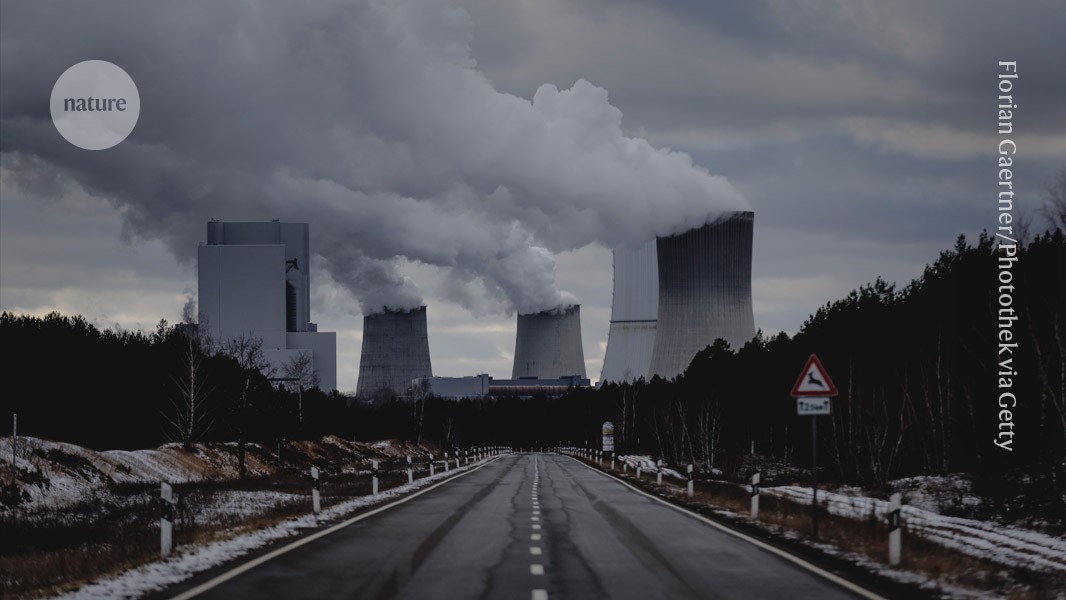
A study published in Nature reveals that Earth's capacity to store carbon dioxide in rock formations is much lower than previously thought, estimated at around 1,460 gigatonnes, which could be exhausted by 2200. This limited capacity poses challenges for meeting climate goals, as current and planned CO2 capture efforts are far below the levels needed to significantly reduce global warming, and even full utilization of storage would only modestly reverse temperature rise.

science4 months ago

New Study Reveals Limited Capacity for Underground Carbon Storage

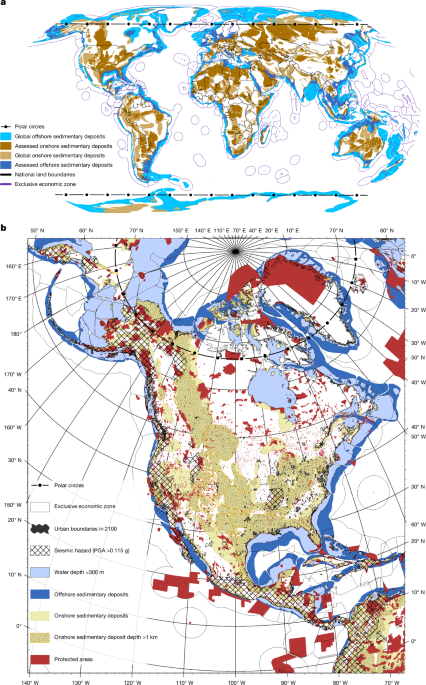
Storing carbon in geologic formations is crucial for achieving net-zero emissions and limiting global warming, but the potential is limited by technical, environmental, seismic, policy, and geopolitical risks. A spatially explicit analysis estimates a prudent planetary limit of about 1,460 GtCO2, emphasizing the need for careful, strategic deployment of this finite resource to support climate goals without exceeding safe and sustainable boundaries.

environment6 months ago

Zooplankton: The Unexpected Climate Change Ally

Zooplankton, including copepods, krill, and salps, play a crucial role in mitigating climate change by consuming phytoplankton and transporting carbon to the deep ocean, effectively acting as a biological pump that reduces atmospheric CO2 levels. However, climate change and industry activities threaten these vital species, potentially undermining their climate-regulating functions.

earth-sciences2 years ago

"Unveiling Paratethys: Earth's Enormous Ancient Lake"

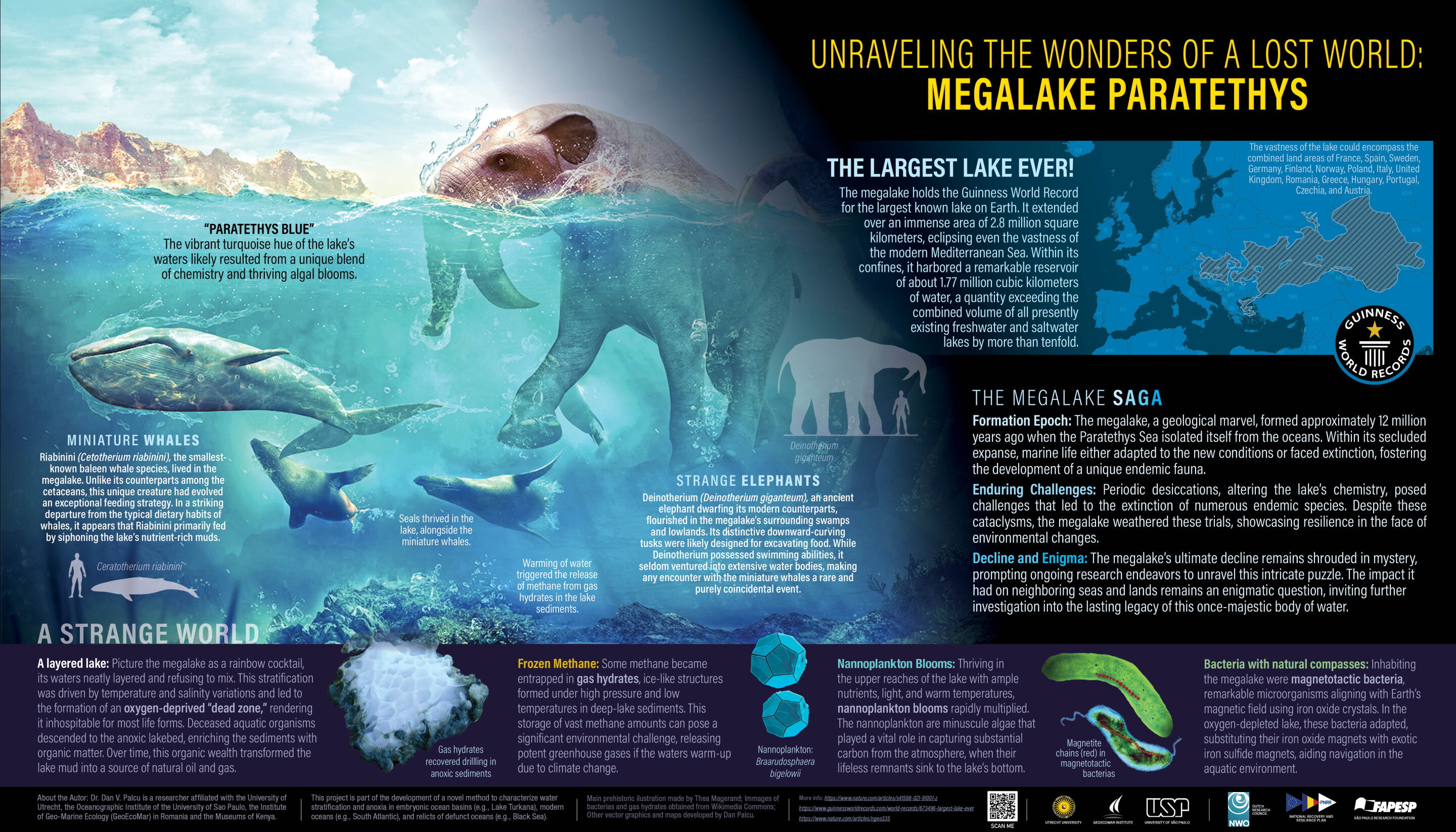
The Paratethys, a megalake that existed around 11 million years ago, has been recognized by the Guinness World Records as the largest lake ever on Earth. Spanning an area of 2.8 million square kilometers and containing 1.77 million cubic kilometers of water, the Paratethys surpassed the size and volume of all current freshwater and saltwater lakes combined. Research led by Dr. Dan Palcu from Utrecht University used magnetostratigraphy to determine the lake's dimensions and revealed its tumultuous history marked by hydrological crises and desiccation periods. Understanding the Paratethys provides insights into climate fluctuations and offers hope for addressing current and future environmental crises.

environment2 years ago

Unlocking the Power of Forests in Combating Climate Change

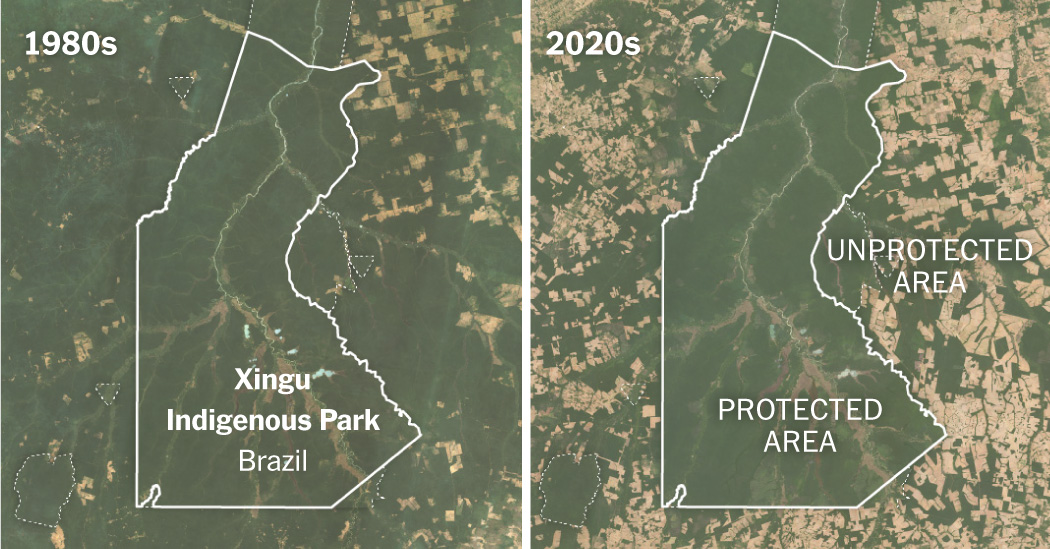
A new NASA program called the Global Ecosystem Dynamics Investigation (GEDI) is using laser technology to measure the biomass of forests around the world, allowing researchers to calculate how much carbon these protected areas are storing. The study found that protected areas have helped prevent deforestation and kept as much as a year's worth of fossil fuel emissions from being released into the atmosphere. However, these reserves are facing increasing pressure as boundaries are disregarded and deforestation continues. The GEDI program, which provides precise 3D measurements of vegetation, offers a new way to understand the carbon storage potential of forests and highlights the importance of protecting these ecosystems in the fight against climate change.

environment2 years ago

Impact of Reservoir Construction on Ocean Sediment Carbon Storage

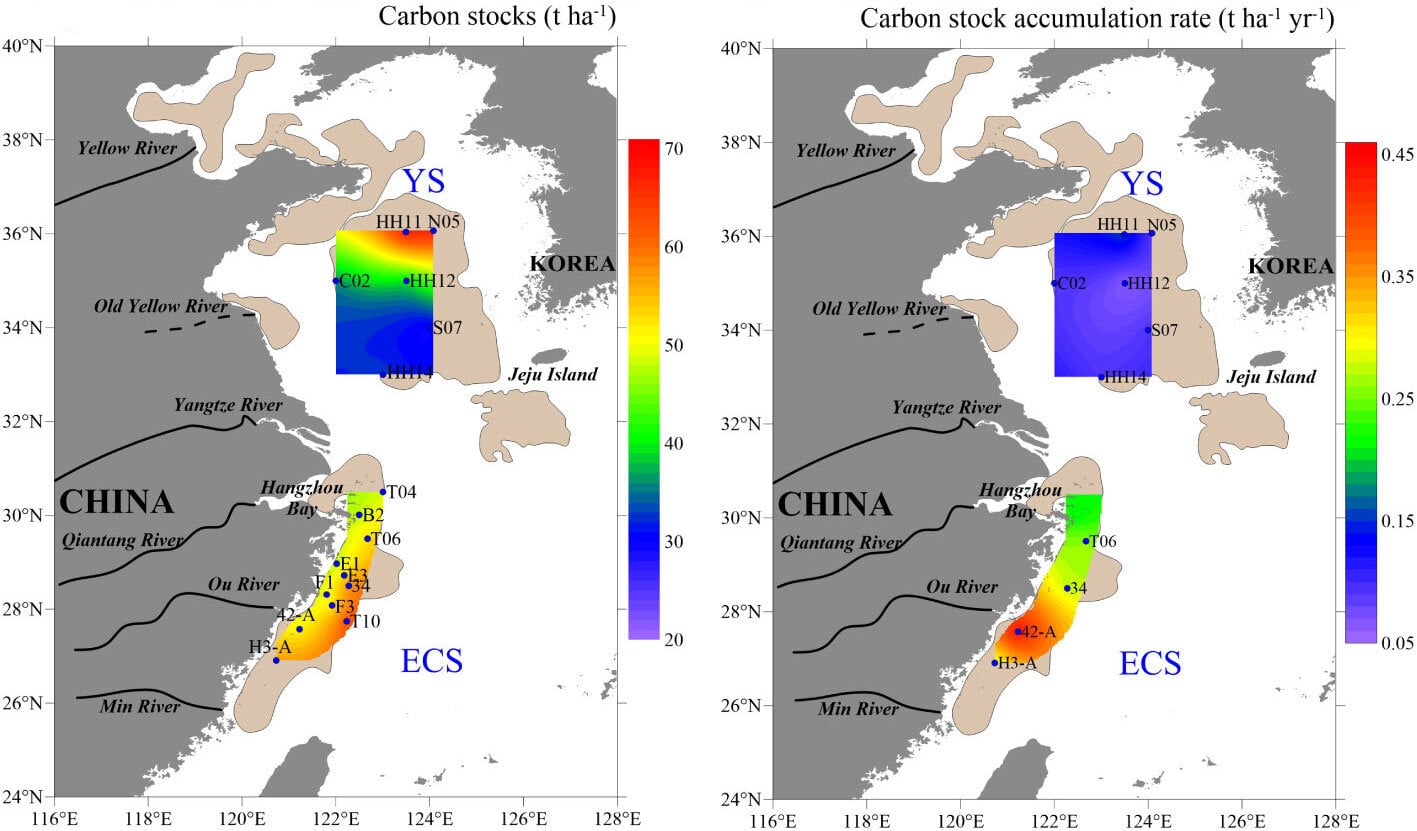
New research suggests that reservoir construction is reducing carbon storage in ocean sediments. The study analyzed sediment cores from the South Yellow Sea and East China Sea and found that carbon stocks declined between 1855 and 1950 due to flooding, increased post-1950 due to sediment transport, and reduced since 1990 due to lower sediment transport caused by reservoirs and dams built upstream. The global average carbon stocks in marine sediments were calculated to be 66.6 tons per hectare, while the South Yellow Sea saw a reduction of 32% to 45.2 tons per hectare. This interference in the carbon cycle highlights the need for considering the negative impact on carbon stocks when siting dams and reservoirs.

environment2 years ago

The Powerful Role of Trees in Combating Climate Change

A new study published in the journal Nature suggests that restoring global forests to their natural state could potentially capture an additional 226 gigatons of carbon, equivalent to about a third of the carbon released since the Industrial Era began. However, there are important caveats to consider, such as the need to cut greenhouse gas emissions and the potential loss of forest carbon due to fire, drought, and pests. The study emphasizes that forests are crucial for addressing both the climate and biodiversity crises, but caution is needed to avoid misusing nature as an excuse to continue relying on fossil fuels.

environment2 years ago

Rethinking Tree Planting: A More Effective Solution for Saving the Planet

Planting trillions of trees alone won't solve climate change, according to an updated analysis by over 200 scientists. The study combines satellite data with on-the-ground biodiversity measures to estimate that preserving existing forests and allowing them to regrow would capture over 220 gigatons of carbon, equivalent to all global energy-related CO2 emissions from 2015 to 2021. The researchers emphasize the need for emissions reductions and diverse, healthy ecosystems to achieve the full carbon-storing potential of forests. Mass tree planting is not the solution; instead, various initiatives like empowering local communities, agroforestry, and connecting forest fragments are necessary. Forest restoration is a long-term process that requires community involvement and simultaneous emissions reduction efforts.

environment2 years ago

"Multi-Species Forests: 70% More Efficient at Carbon Storage"

A study has found that forests with multiple tree species are 70% more effective as carbon sinks than monoculture forests. Mixed forests not only store more carbon but also exhibit greater resilience to pests, diseases, and climatic disturbances. They provide higher levels of biodiversity and deliver other ecosystem services. However, despite the known benefits, many countries' restoration commitments focus on monoculture plantations. The study highlights the need to prioritize diversification in tree planting efforts to enhance carbon storage and promote sustainable forest management.