Tag

Carbon Neutrality

All articles tagged with #carbon neutrality

Swiss Ski Resorts Innovate Amid Declining Snowfall

Originally Published 26 days ago — by BBC

Featured image for Swiss Ski Resorts Innovate Amid Declining Snowfall
Source: BBC

Laax, a Swiss ski resort, is pioneering sustainability efforts with projects like CO2-neutral lifts and eco-friendly infrastructure to combat the impacts of climate change on winter sports, including innovative on-demand gondolas and habitat preservation initiatives, and has co-founded a global alliance to promote sustainable ski tourism.
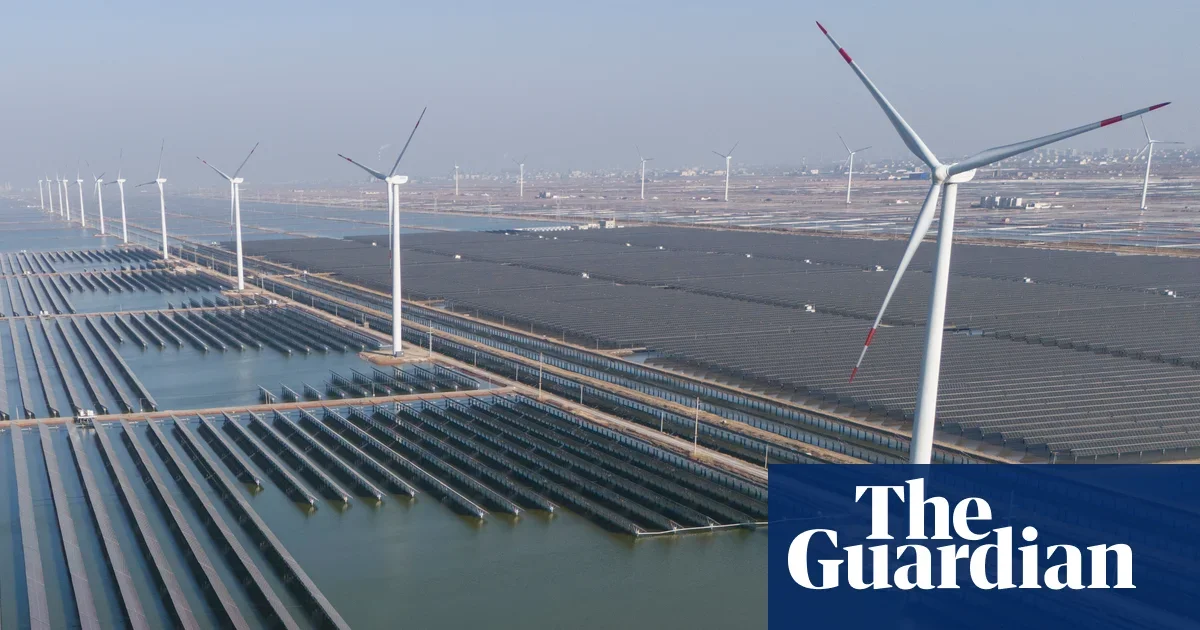

China’s Emissions Stabilize as Clean-Energy Shift Gains Momentum

Originally Published 2 months ago — by The Guardian

Featured image for China’s Emissions Stabilize as Clean-Energy Shift Gains Momentum
Source: The Guardian

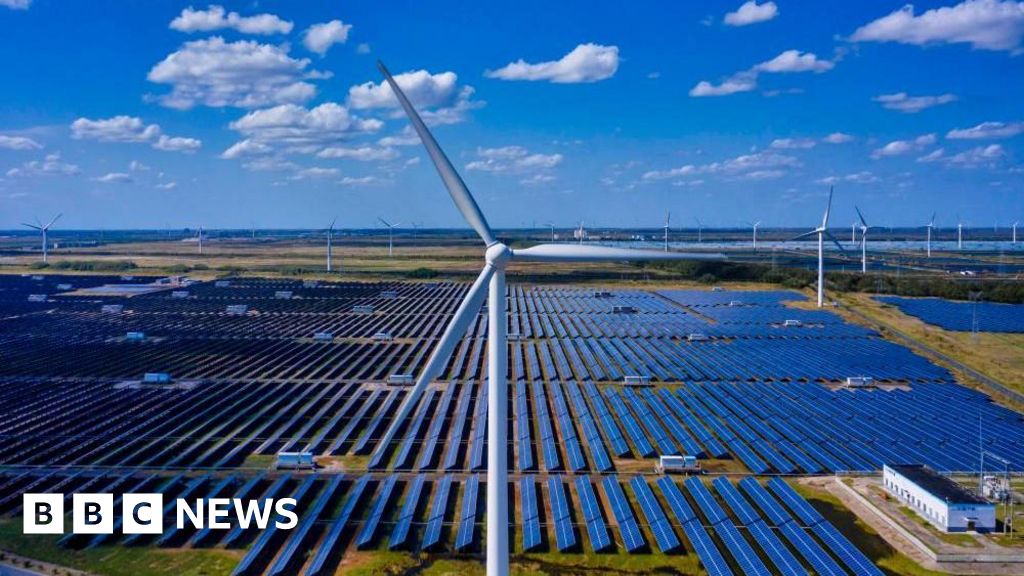
China's CO2 emissions have remained flat or decreased over the past 18 months due to rapid growth in solar and wind power, suggesting the country may reach its peak emissions ahead of schedule, although some sectors still lag in decarbonization. The country continues to pursue its dual goals of peak emissions by 2030 and net neutrality by 2060, with recent climate targets seen as modest but potentially surpassed, especially with upcoming policy plans.

Ocean's 'Burp' Threatens Catastrophic Impact

Originally Published 2 months ago — by Yahoo

Featured image for Ocean's 'Burp' Threatens Catastrophic Impact
Source: Yahoo

A new study suggests that even after achieving a net-negative carbon future, the ocean could release stored heat in a 'burp' that causes temporary global warming, especially affecting the southern hemisphere. This highlights the importance of urgent emission reductions and understanding long-term climate feedbacks, as the ocean's role in climate regulation is complex and not immediate in reversing warming effects.

Global Climate Goals: Progress and Challenges in 2025

Originally Published 2 months ago — by World Resources Institute

Featured image for Global Climate Goals: Progress and Challenges in 2025
Source: World Resources Institute

The State of Climate Action 2025 report highlights that global efforts to meet the Paris Agreement targets are significantly lagging, with none of the assessed indicators on track to limit warming to 1.5°C by 2030. Despite some progress, such as increased private climate finance and rising electric vehicle sales, critical areas like deforestation, coal phase-out, and climate finance require urgent and substantial acceleration to avoid severe climate impacts.

China commits to significant greenhouse gas reductions amid global climate concerns

Originally Published 3 months ago — by The Guardian

Featured image for China commits to significant greenhouse gas reductions amid global climate concerns
Source: The Guardian

Experts criticize China's announced plans to cut emissions by only 7-10% by 2035, arguing they are too weak to prevent global catastrophe, despite China's significant investments in clean energy and ongoing reliance on coal. The plans fall short of the 30% reduction deemed necessary, raising concerns about global climate leadership and the effectiveness of upcoming international climate negotiations.

Korean Scientists Develop Efficient Method to Convert CO₂ into Methanol

Originally Published 6 months ago — by SciTechDaily

Featured image for Korean Scientists Develop Efficient Method to Convert CO₂ into Methanol
Source: SciTechDaily

Researchers at GIST in South Korea developed a highly efficient electrochemical method to convert CO2 into allyl alcohol, achieving a new global benchmark with a Faraday efficiency of 66.9%, which could significantly impact sustainable chemical production and support carbon neutrality efforts.

Toyota, Mazda, Subaru Double Down on Alternative Combustion Engines

Originally Published 1 year ago — by Fortune

Featured image for Toyota, Mazda, Subaru Double Down on Alternative Combustion Engines
Source: Fortune

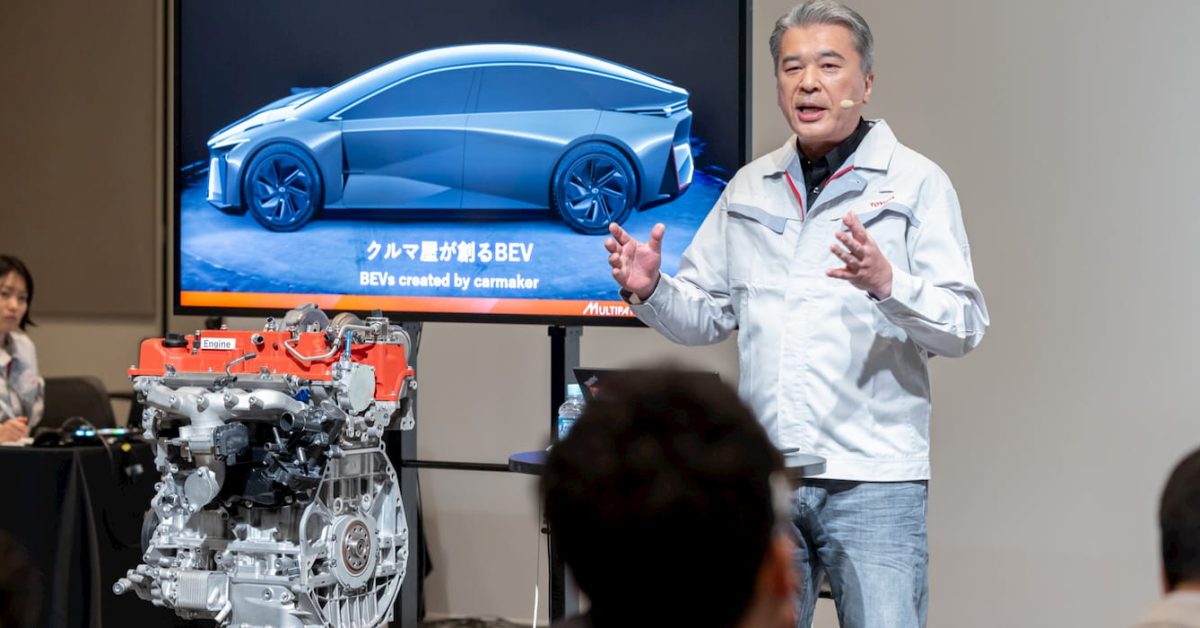
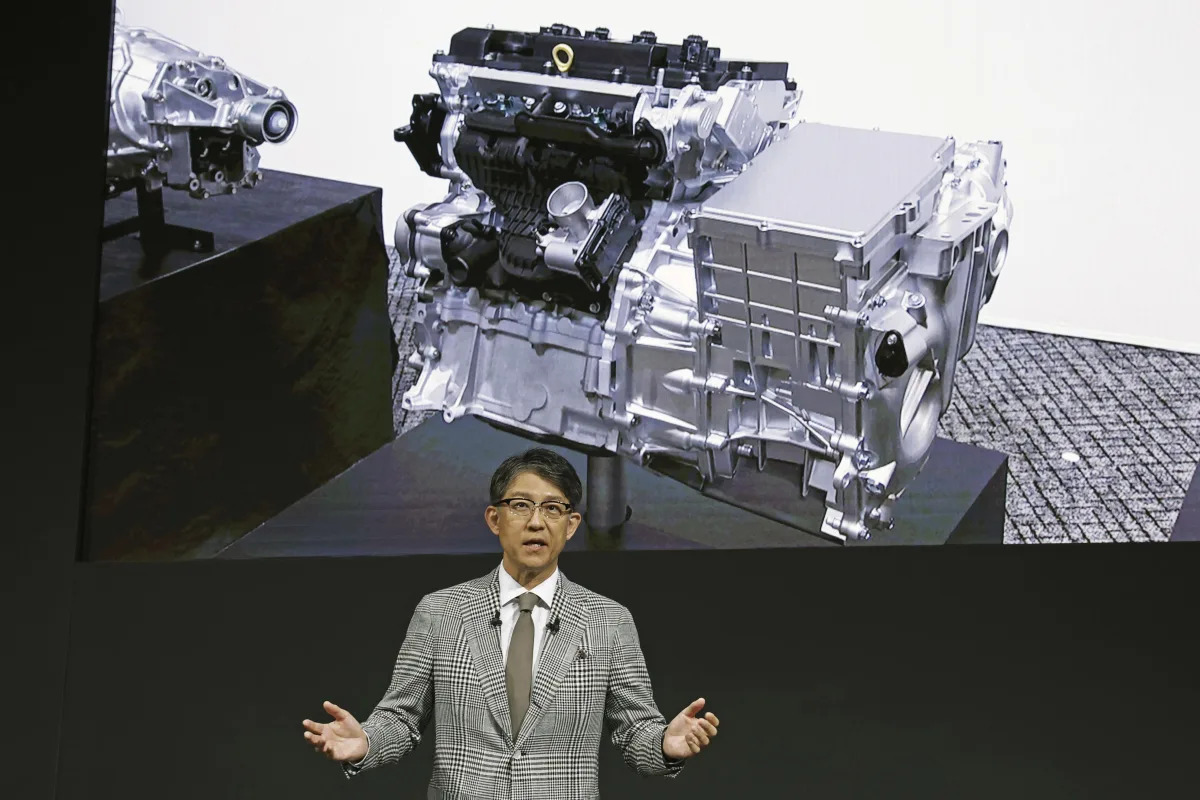
Toyota, having been vindicated for its focus on hybrids over fully electric vehicles, is now developing smaller, more efficient internal combustion engines optimized for hybrids and capable of using alternative fuels. This move is part of Toyota's "multi-pathway" approach to reducing emissions, offering diverse options beyond just EVs. Despite initial criticism, Toyota's strategy has proven successful as global EV sales stagnate, leading to strong hybrid sales and a significant profit increase.

Toyota and Japanese Automakers Innovate Efficient, Fuel-Adaptable Engines Amid EV Shift

Originally Published 1 year ago — by Electrek

Featured image for Toyota and Japanese Automakers Innovate Efficient, Fuel-Adaptable Engines Amid EV Shift
Source: Electrek

Despite the global shift towards electric vehicles, Toyota, Subaru, and Mazda are committed to developing next-generation internal combustion engines (ICE) integrated with EV components. These engines aim to be more efficient and support carbon neutrality through a multi-pathway approach, including e-fuel and biofuels. However, this strategy may cause these automakers to lag behind competitors who are more aggressively pursuing fully electric vehicles.

Toyota Unveils Next-Gen Green Engines Amid EV Surge

Originally Published 1 year ago — by The Associated Press

Featured image for Toyota Unveils Next-Gen Green Engines Amid EV Surge
Source: The Associated Press

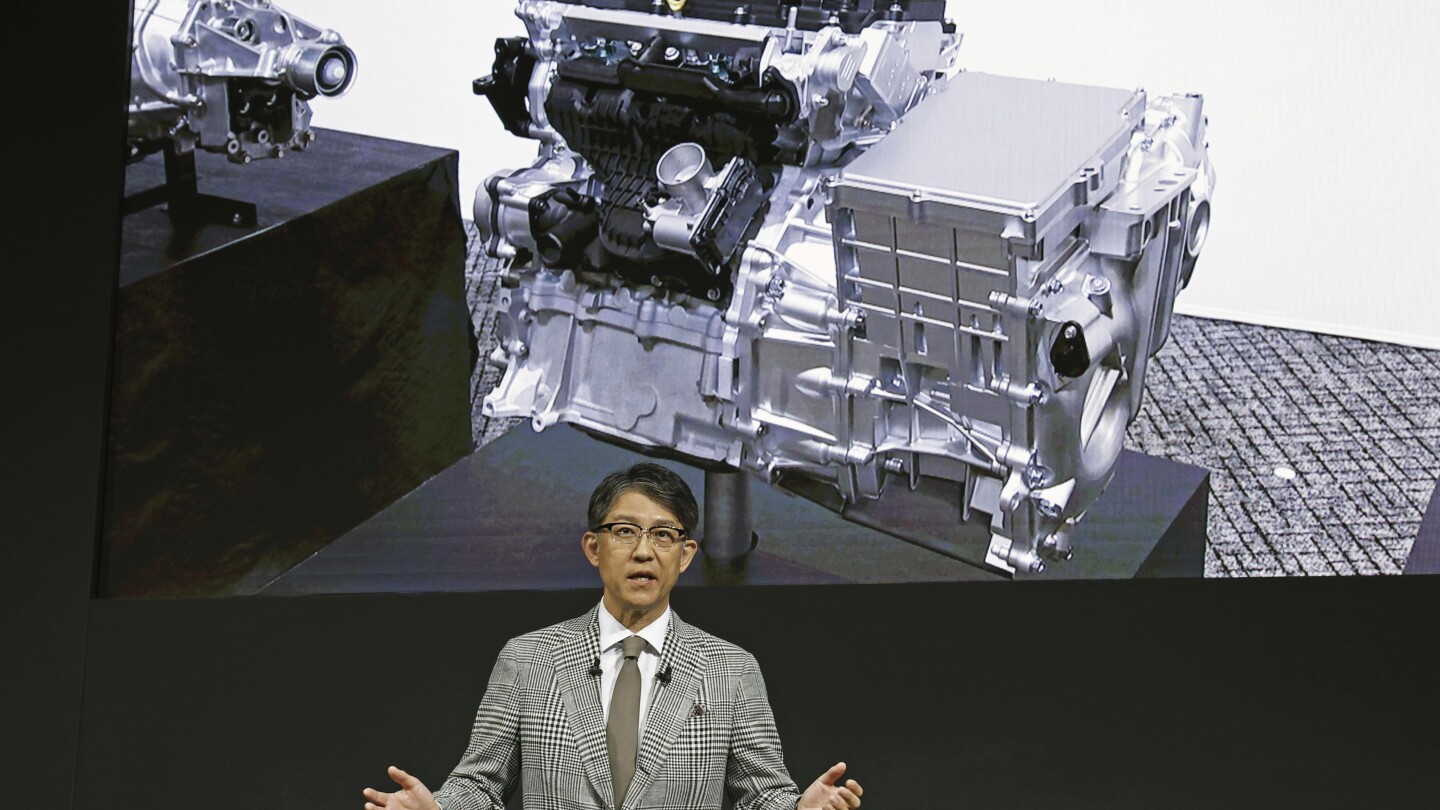
Toyota has unveiled plans to innovate the traditional internal combustion engine by using green fuels like hydrogen and bioethanol, and integrating them with electric motors in hybrids. This move comes as many automakers push for fully electric vehicles. Toyota's new engines aim to support the transition to carbon neutrality while addressing the economic and social impacts of a sudden shift to electric cars. Domestic allies Subaru and Mazda also showcased their ecological engine advancements. However, details on market availability were not disclosed.

Toyota, Mazda, Subaru Innovate with Biofuel Engines Amid EV Surge

Originally Published 1 year ago — by Yahoo! Voices

Featured image for Toyota, Mazda, Subaru Innovate with Biofuel Engines Amid EV Surge
Source: Yahoo! Voices

Toyota announced plans to develop compact engines running on green fuels like hydrogen and bioethanol, alongside electric motors in hybrids, as part of its strategy to achieve carbon neutrality. Despite the global push for fully electric vehicles, Toyota emphasizes a multi-pathway approach, collaborating with Subaru and Mazda to meet diverse energy needs and maintain economic stability. The company highlighted the challenges and uncertainties in the transition to electric vehicles, including the environmental impact of battery production and the need for gradual change.

"Experts Skeptical of Tyson's Marketing of 'Climate-Friendly' Burgers"

Originally Published 2 years ago — by The Washington Post

Featured image for "Experts Skeptical of Tyson's Marketing of 'Climate-Friendly' Burgers"
Source: The Washington Post

Meat and dairy companies are making bold claims about producing climate-friendly products, sparking a heated debate. While some companies are promoting eco-friendly agricultural techniques and making audacious claims about carbon neutrality, the extent to which these claims are true is hotly disputed. Critics argue that the data supporting these claims is poor and that regulators are not adequately addressing misleading marketing. The fight over how to calculate carbon footprints has shifted to an organization called the GHG Protocol, and new laws in California are requiring companies to be more transparent about emissions. However, there are concerns that the introduction of carbon-neutral branding may invite other companies to make similar claims at a time when regulators are ill-equipped to assess them.

Rivian expands beyond Amazon, partners with AT&T for commercial EVs and CO2 reduction

Originally Published 2 years ago — by The Verge

Featured image for Rivian expands beyond Amazon, partners with AT&T for commercial EVs and CO2 reduction
Source: The Verge

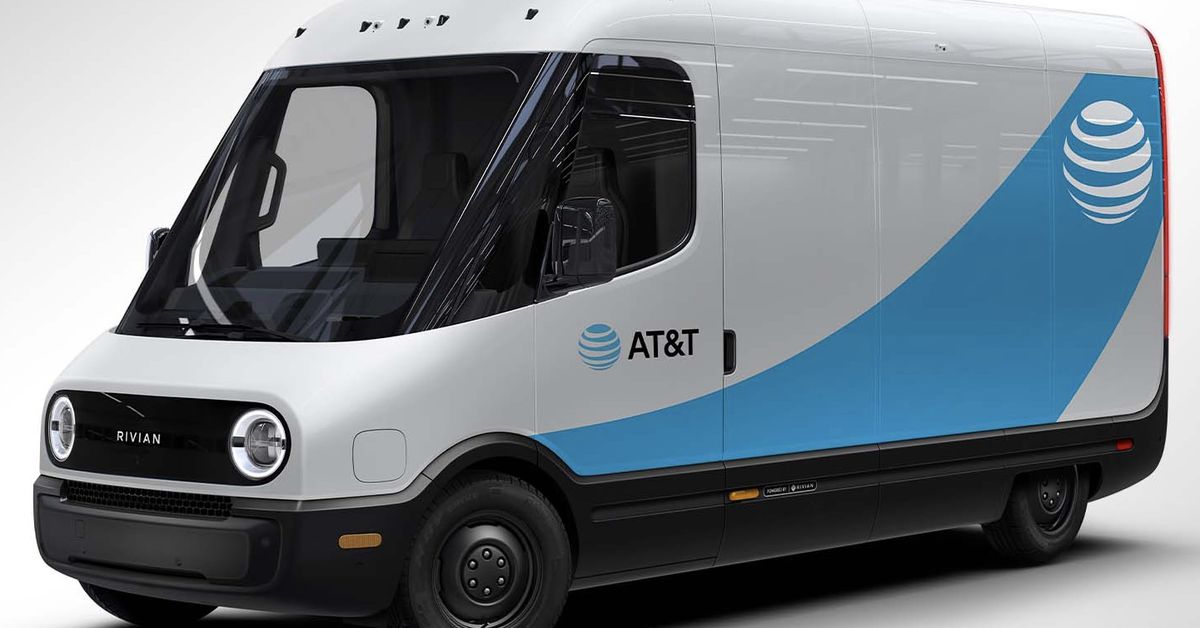
AT&T has become Rivian's latest customer for electric vehicles (EVs) following the automaker's exclusive deal with Amazon. AT&T will pilot Rivian-made fleet EVs, including commercial vans and trucks, starting in 2024. This move is part of AT&T's goal to achieve carbon neutrality by 2035. In return, Rivian has agreed to use AT&T as the exclusive in-car connectivity provider for its vehicles in the US and Canada. Despite tensions between Rivian and Amazon, the retail giant remains a major investor in the company.

Study predicts rise in extreme weather events by 2050 due to carbon neutrality

Originally Published 2 years ago — by Phys.org

Featured image for Study predicts rise in extreme weather events by 2050 due to carbon neutrality
Source: Phys.org

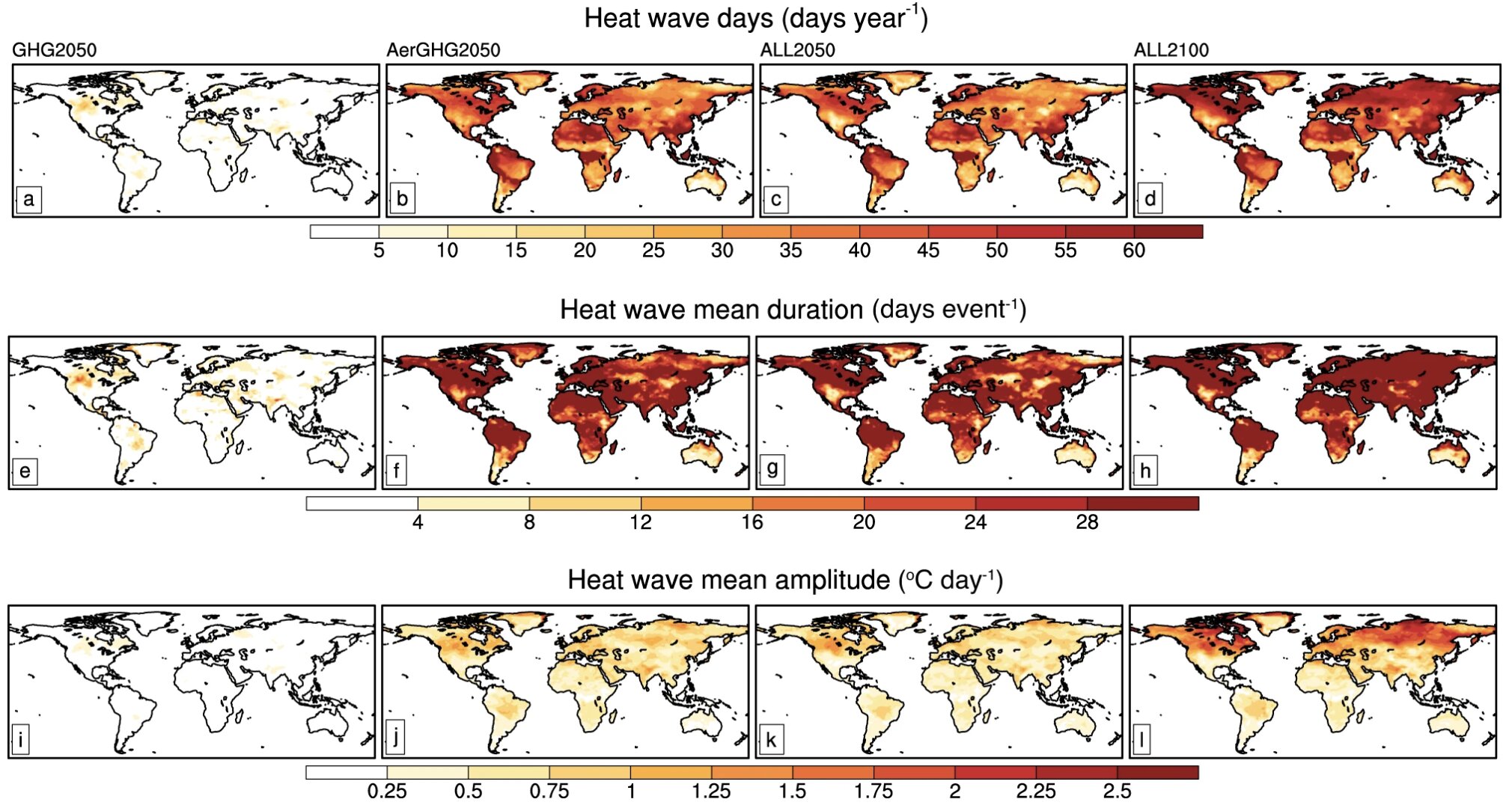
A study published in Nature Communications warns that achieving carbon neutrality by 2050 may lead to an increase in extreme weather events by that same year. The research highlights the negative impact of declining atmospheric aerosols on global climate, exacerbating the occurrence of extreme weather more than changes in greenhouse gases or the tropospheric ozone layer. The study emphasizes the need to find sustainable solutions to reduce greenhouse gas emissions and associated pollutants to mitigate the environmental, economic, and social impacts of global warming.

"Volvo EX30: A Charming, Eco-Friendly EV with Power and Affordability"

Originally Published 2 years ago — by Ars Technica

Featured image for "Volvo EX30: A Charming, Eco-Friendly EV with Power and Affordability"
Source: Ars Technica

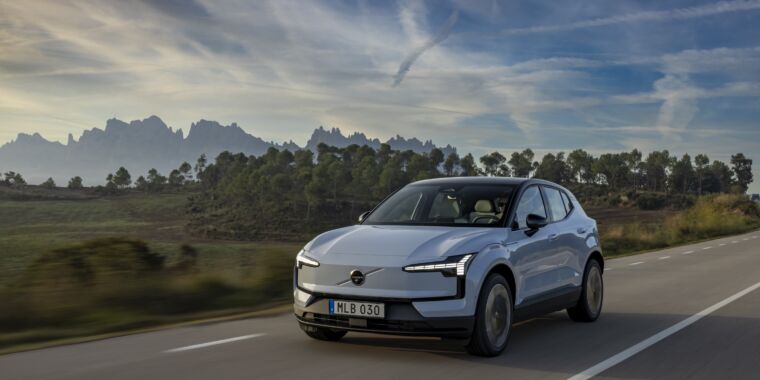
Volvo's new EX30 EV is a small crossover that prioritizes sustainability and carbon neutrality. The vehicle is built using recycled materials, including 25% recycled aluminum, 17% recycled steel, and 17% recycled plastics. The interior features eco-friendly materials such as denim, flax, and blended wool made from recycled polyester. The EX30 has a smaller carbon footprint compared to Volvo's larger electric crossovers, and it offers a range of up to 275 miles. With a starting price of $36,245, the EX30 is Volvo's least-expensive car and represents the company's commitment to becoming a fully electric carmaker by 2030 and carbon-neutral by 2040.