Scientists warn that 'dimming the sun' through stratospheric aerosol injections is unsafe, impractical, and carries unpredictable risks due to logistical, material, and geopolitical challenges, making it an unreliable climate change mitigation strategy.
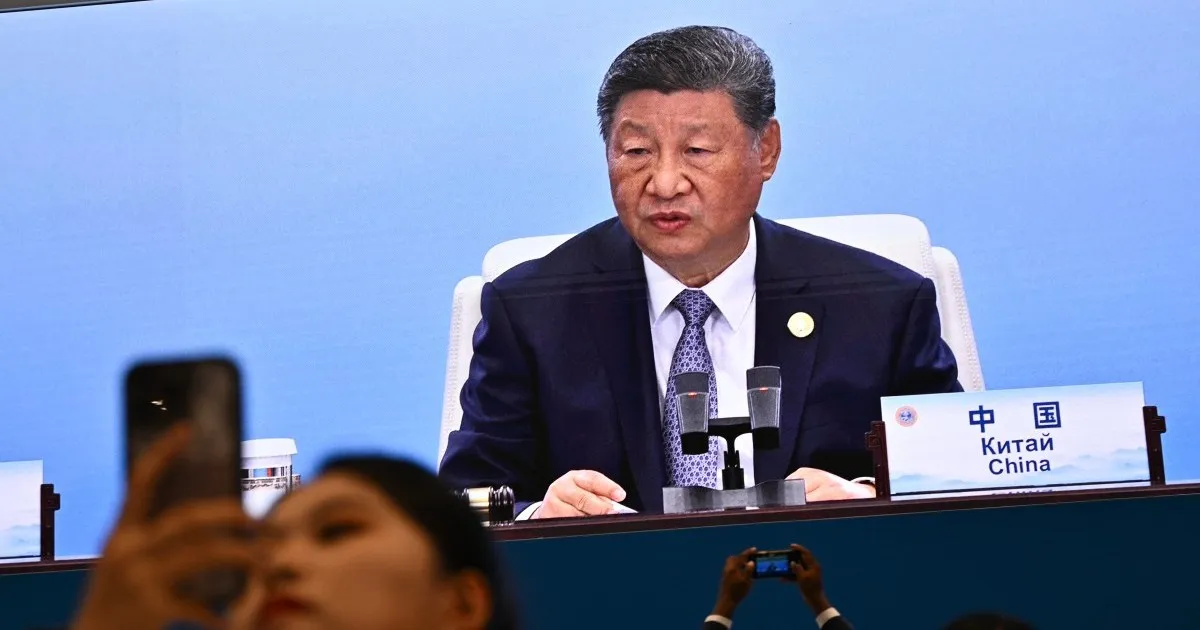
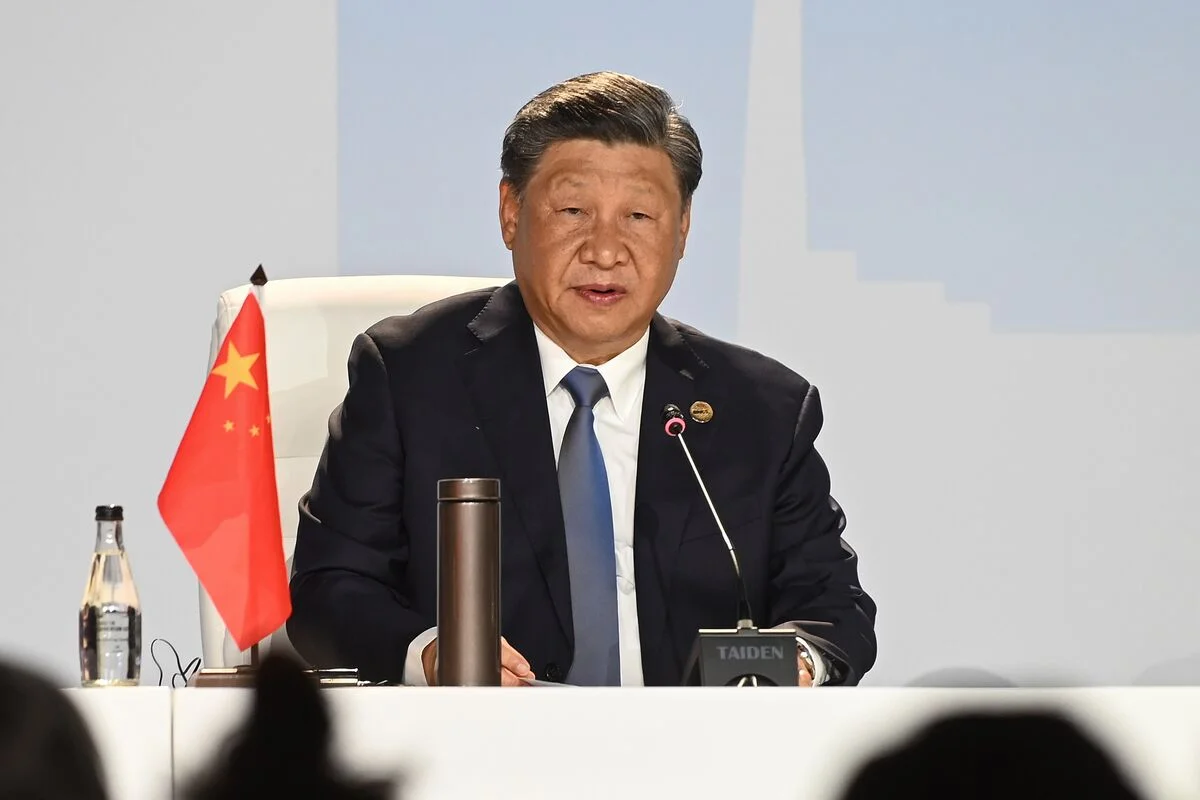
Chinese President Xi Jinping urged SCO member states to oppose 'Cold War mentality' and promote a multipolar world, pledging $280 million in aid and emphasizing the importance of multilateral cooperation amid global turbulence. The summit also saw discussions on regional security, with leaders like Putin and Modi engaging in bilateral talks.
Xi Jinping is convening a major SCO summit to bolster China's influence and present a united front against US dominance, with key discussions on regional security, energy cooperation, and geopolitical alignments involving Russia, India, Iran, and others, amid ongoing global tensions and US-China competition.
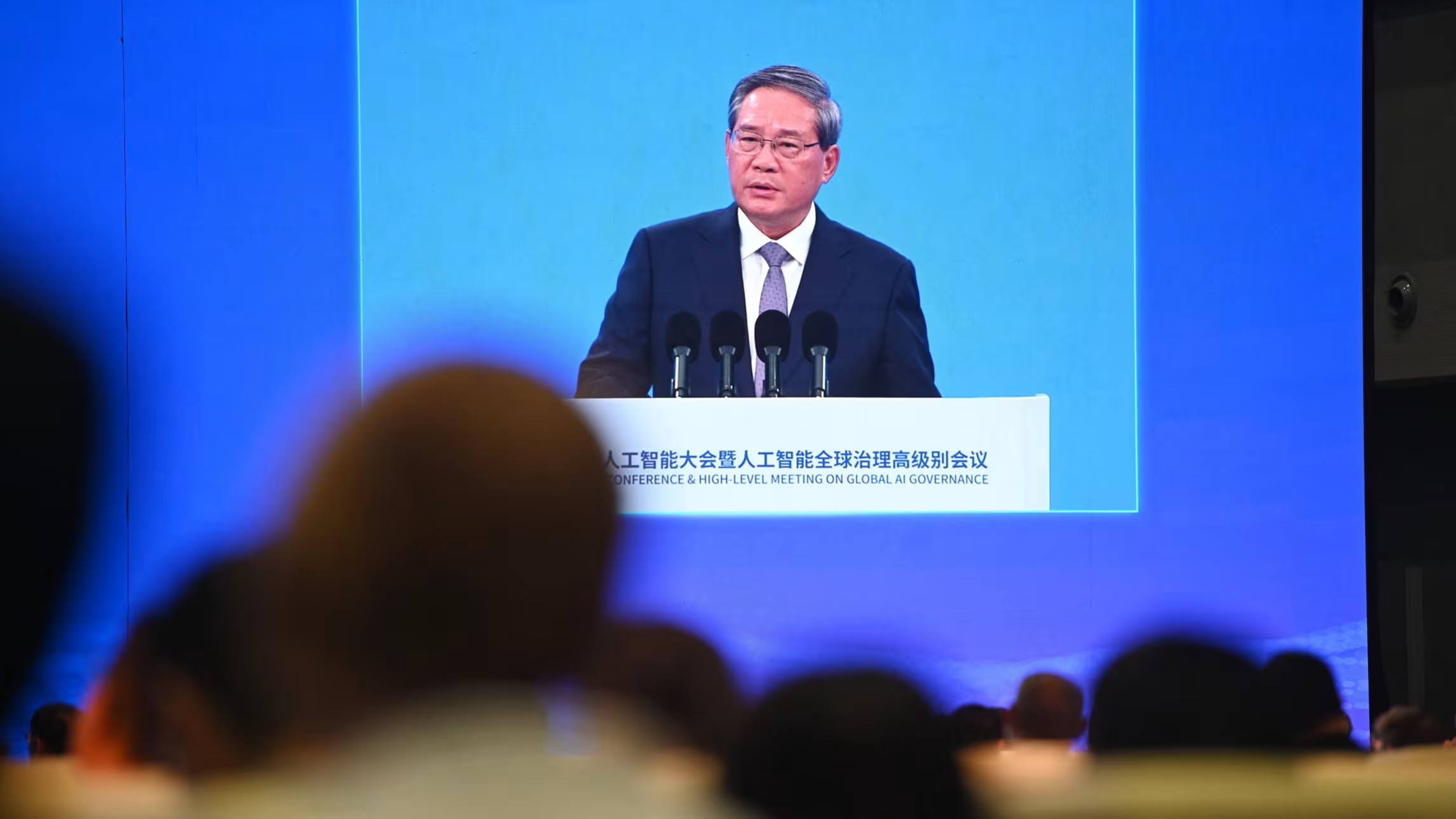
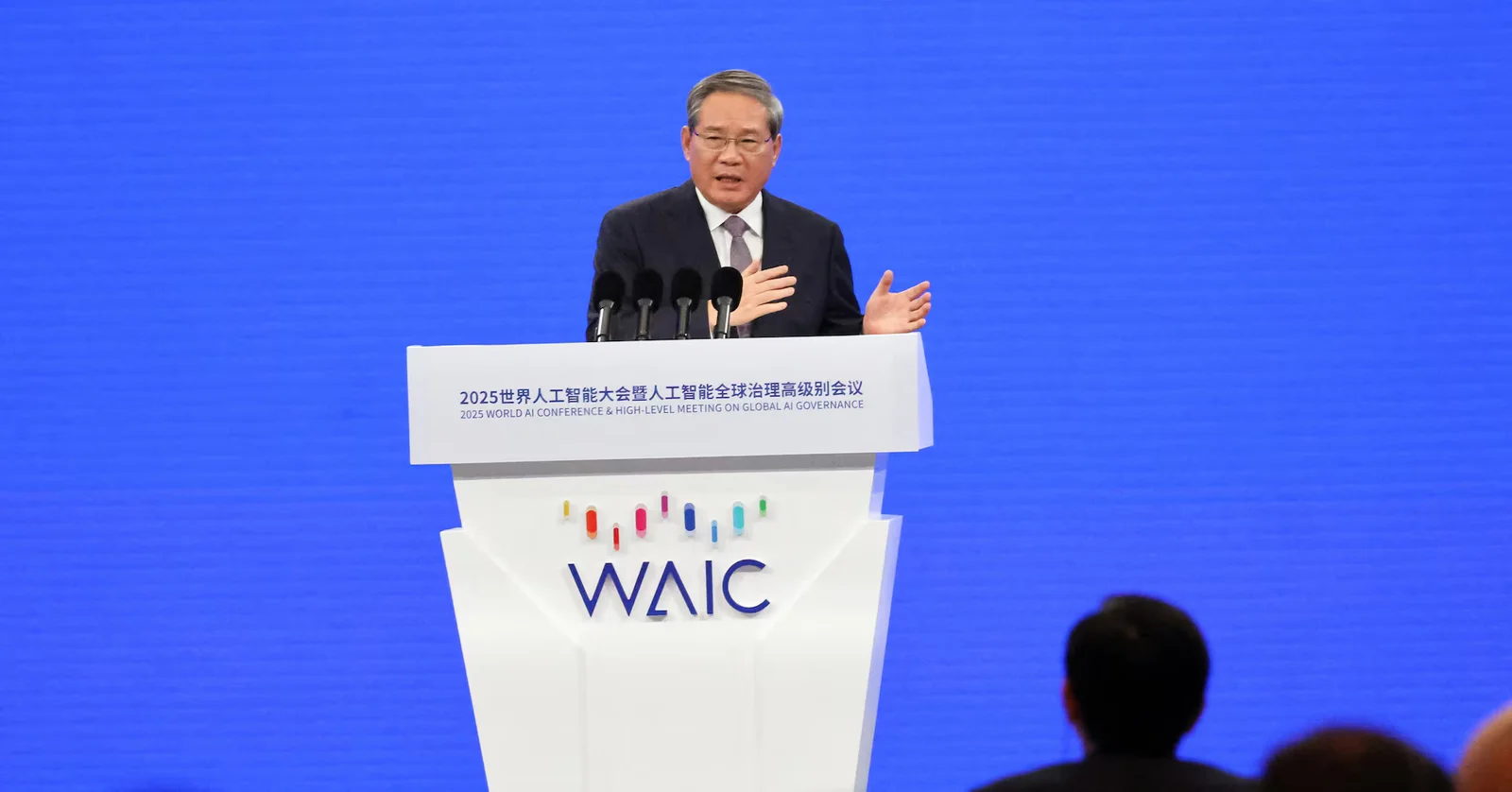
China has proposed the creation of a global body to oversee artificial intelligence development and regulation, aiming to establish international standards and cooperation in the rapidly advancing technology sector.
China proposes establishing a global AI cooperation organization to promote shared development and regulation, positioning itself as an alternative to the US amid escalating technological rivalry, with a focus on inclusive sharing and addressing governance fragmentation.
The article discusses the BRICS summit in Rio de Janeiro, highlighting its efforts to reform global governance, promote multipolarity, and challenge US economic and political dominance, which has caused concern for the US, especially regarding de-dollarization and the push for a more equitable international system.
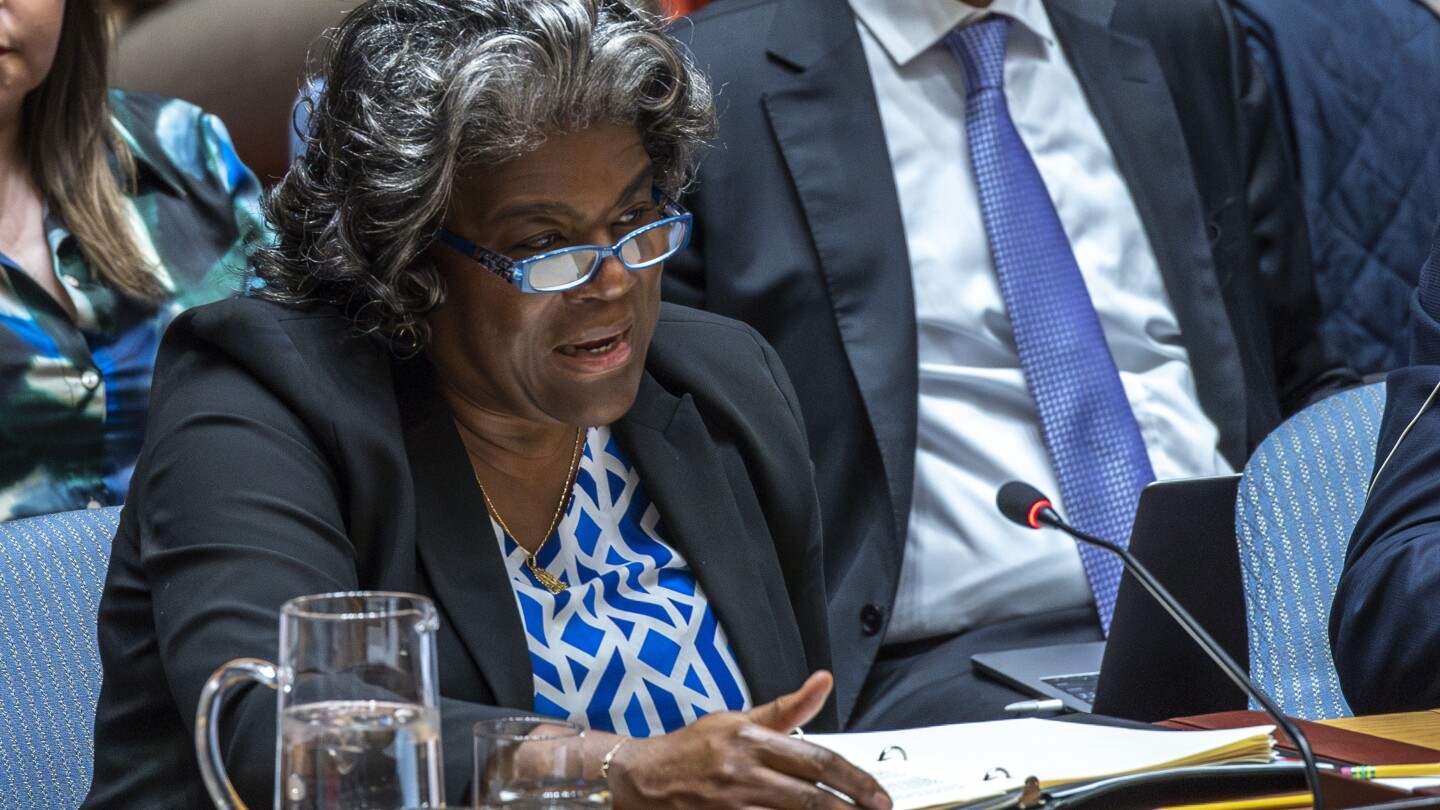
The United Nations General Assembly has unanimously adopted a resolution on artificial intelligence, backed by 123 countries including the United States, to ensure the safe, secure, and trustworthy development and use of AI. The resolution aims to bridge the digital divide between developed and developing nations, promote global consensus on AI governance, and harness AI for achieving UN development goals. It also encourages the development of regulatory frameworks and warns against improper use of AI systems, emphasizing the importance of respecting human rights and fundamental freedoms throughout the AI life cycle.
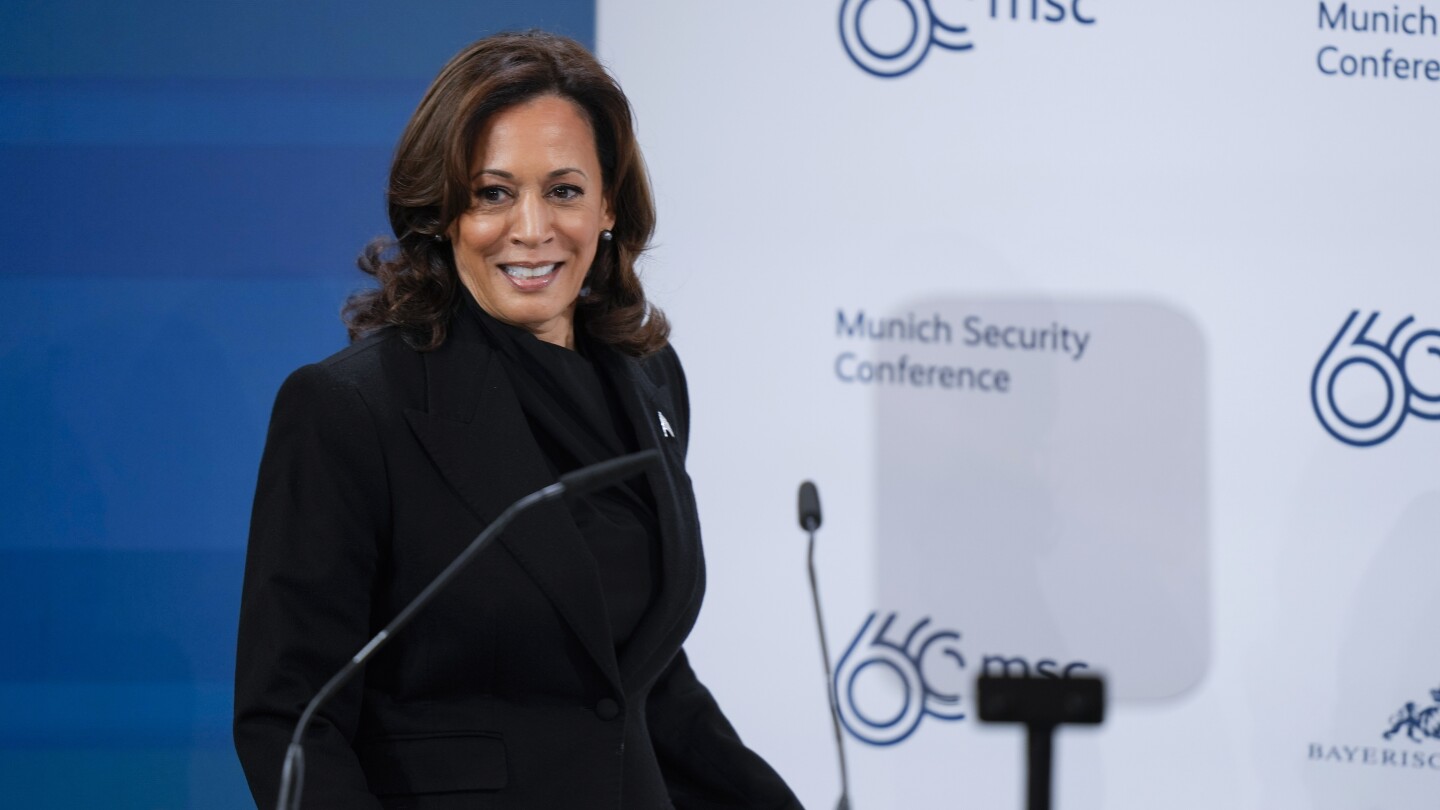
Vice President Kamala Harris, speaking at the Munich Security Conference, repudiated Trump's worldview and emphasized the Biden administration's commitment to supporting Ukraine and defending NATO allies. She warned against isolationism and authoritarianism, stating that the US will not back down on its support for democracy and multilateralism. UN chief Antonio Guterres also expressed concerns about the current state of the world, highlighting the war in Ukraine and the situation in Gaza.
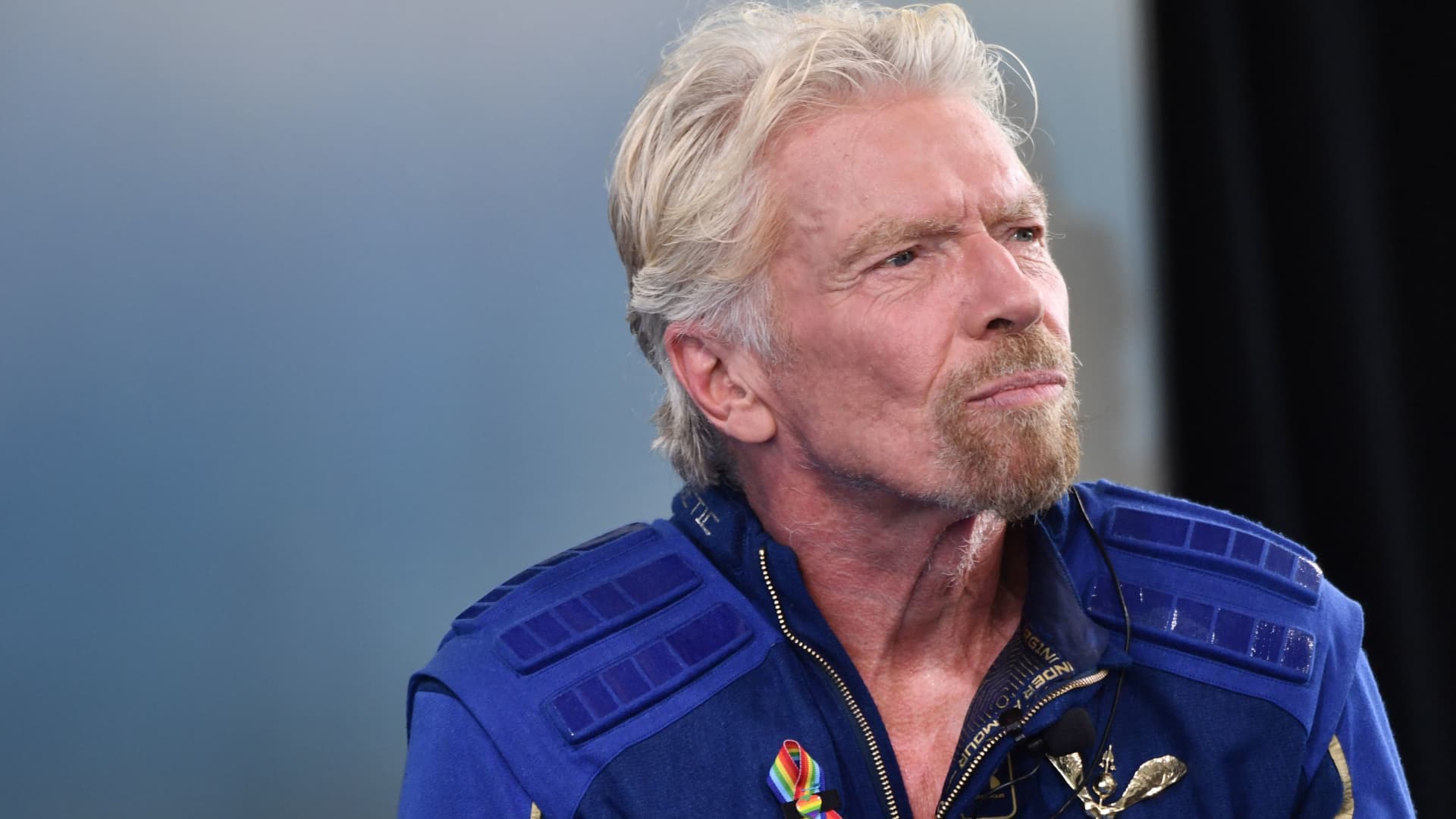
Richard Branson, Ban Ki-moon, and Charles Oppenheimer, among others, have signed an open letter urging world leaders to address the existential risks of artificial intelligence and the climate crisis, emphasizing the need for urgent multilateral action to combat threats such as the rapidly changing climate, pandemics, nuclear weapons, and ungoverned AI. The letter, released by The Elders and backed by the Future of Life Institute, calls for a long-view strategy, financing the transition away from fossil fuels, an equitable pandemic treaty, restarting nuclear arms talks, and building global governance for AI. The message also advocates for safety engineering in the development of transformative technologies like AI to avoid dire consequences.
A new study led by the University of Maine suggests that human evolutionary traits, particularly cultural adaptation, could hinder efforts to address global environmental challenges like climate change. The research highlights the need for innovative global governance strategies and further exploration of how human evolution may impede environmental sustainability. The study emphasizes the necessity of understanding the drivers of cultural evolution and finding ways to reduce global environmental competition, as well as the potential for modifying adaptive change among corporations and nations as a powerful approach to addressing global environmental risks.
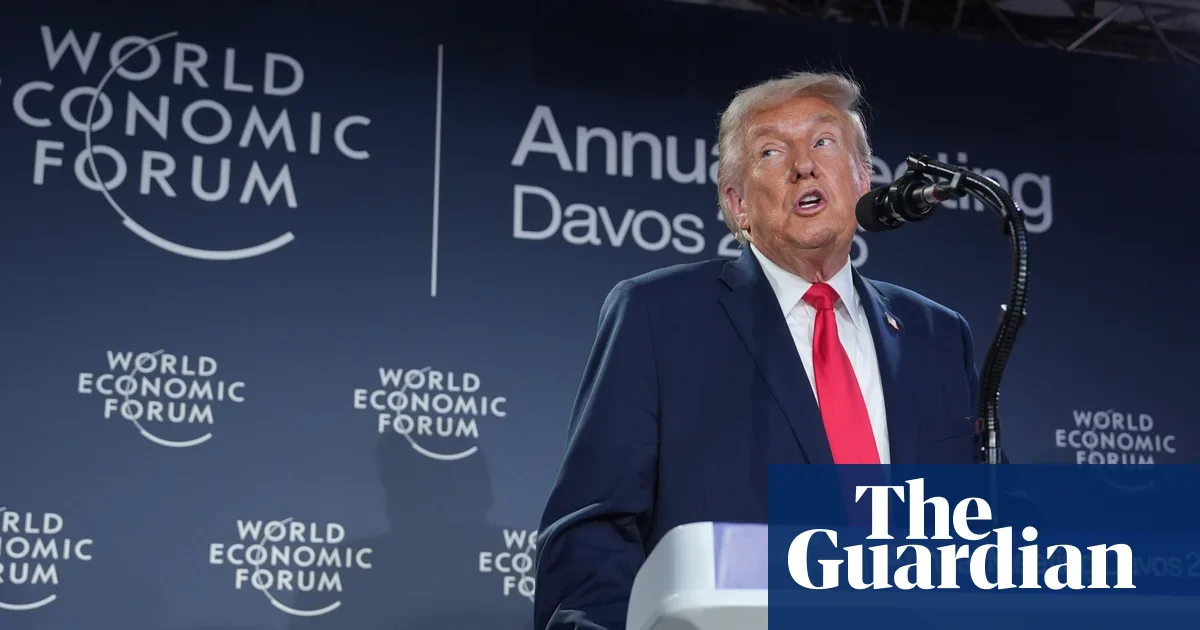
At the World Economic Forum in Davos, leaders are expressing growing concerns about the risks of AI, including its potential to supercharge misinformation, displace jobs, and widen economic disparities. The debate over AI's perils has taken center stage, with calls for global governance and responsible regulation. However, geopolitical tensions and competing interests among countries are hindering efforts to coordinate a unified approach. Despite the mounting anxieties, tech companies are forging ahead with AI investments, signaling its increasing influence in 2024, while policymakers and lawmakers are pushing for measures to address the social implications and potential abuses of AI technology.
Developing countries have secured a larger role in international tax discussions at the United Nations, marking a shift away from the dominance of developed nations. This move aims to address economic inequality and ensure a more inclusive global governance system.
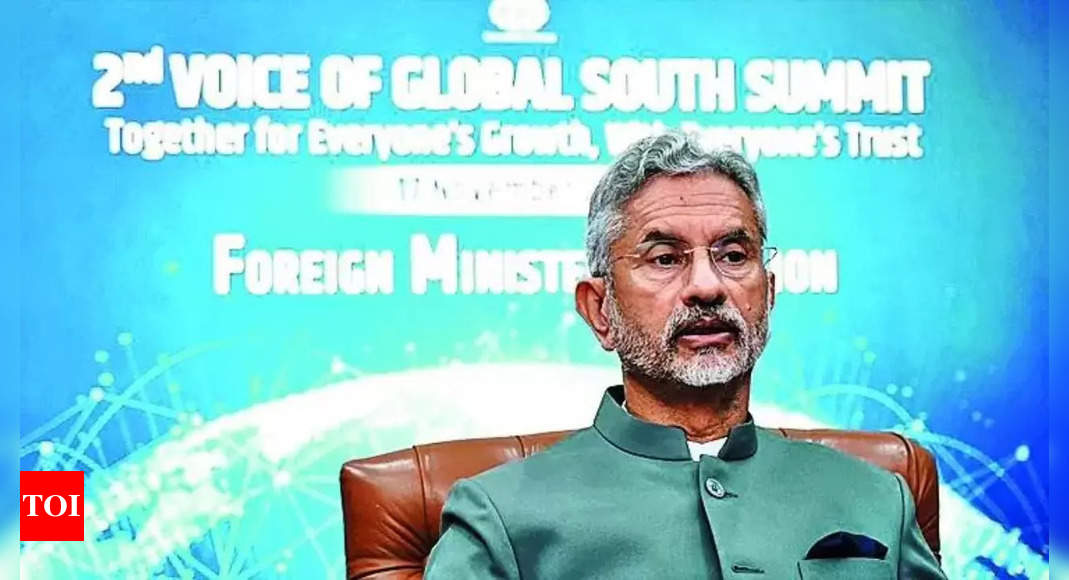
Indian External Affairs Minister S Jaishankar called for greater self-reliance and a stronger role for the Global South in shaping solutions to key global issues at the second Global South summit. He emphasized the need to democratize and diversify production, build resilient supply chains, and promote local solutions to secure the future of the Global South. The summit, attended by around 130 countries, discussed various topics including development, finance, health, education, environment, and ways to combat terrorism. Indian Prime Minister Narendra Modi inaugurated the Global South Centre of Excellence and proposed an annual international conference to address the priorities of the Global South.
Governments are struggling to keep up with the rapid development of artificial intelligence (AI) as tech companies drive innovation and control the industry. AI has the potential to impact democracies, autocracies, and warfare, but its development is largely shrouded in corporate secrecy. While some tech leaders are calling for limits on AI, they continue to push forward with their own advancements. Efforts for global governance and regulation are underway, but they are still in their early stages and voluntary in nature. The lack of government control has left the industry to self-police, raising concerns about the risks and moral implications of AI. Governments are now seeking ways to balance the opportunities presented by AI with national security concerns, but face challenges in funding and staffing government institutions responsible for AI regulation.
The United Nations (UN) is facing a slow and lingering death as it struggles to maintain its relevance and effectiveness in a changing global landscape. With the rise of nationalist movements and the erosion of multilateralism, the UN's ability to address global challenges and promote international cooperation is being undermined. Critics argue that the organization is plagued by bureaucracy, inefficiency, and a lack of accountability, while others question its ability to adapt to emerging issues such as climate change and cybersecurity. As the UN's influence wanes, the future of global governance hangs in the balance.