Tag

Christopher Columbus

All articles tagged with #christopher columbus

science-and-astronomy1 year ago

"The Divine Fury: Unveiling Ancient Eclipse Folklore"

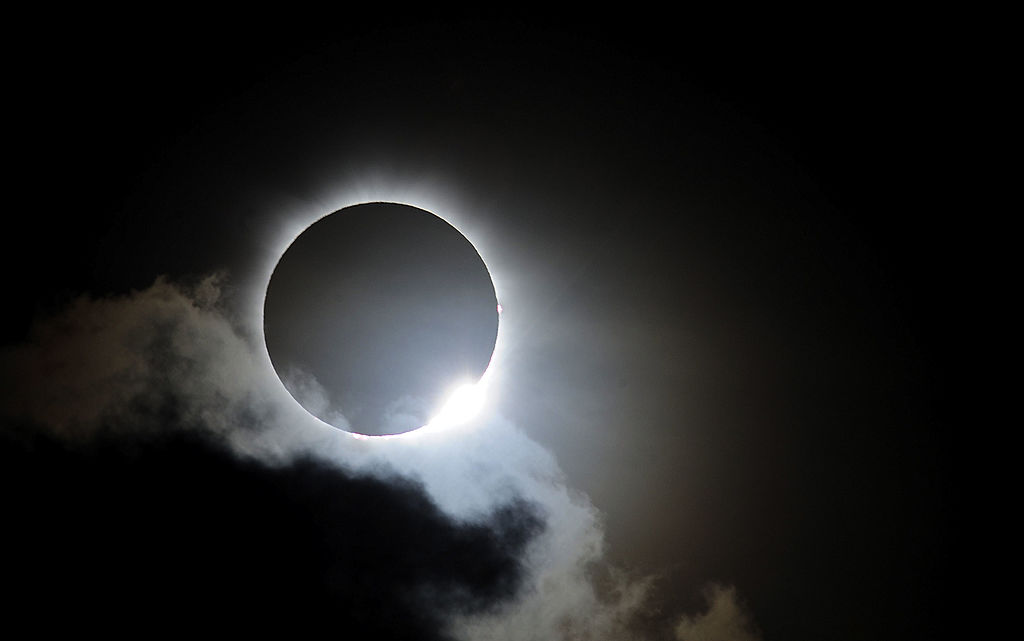
Research astronomer Jay Reynolds discusses the historical significance of solar eclipses, including Christopher Columbus's use of an almanac to predict an eclipse and secure provisions. Various ancient cultures interpreted eclipses through superstition and mythology, with common themes of animals or mythic figures consuming the sun. The upcoming total solar eclipse on April 8 in Northeast Ohio is expected to last about 4 minutes, providing a rare spectacle. The article also delves into the historical and cultural significance of eclipses, from ancient Chinese beliefs to the experiences of different civilizations.
archaeologyhistory1 year ago

"Revisiting the Origins of Syphilis: Insights from Ancient Brazilian Genomes and 2000-Year-Old Bones"

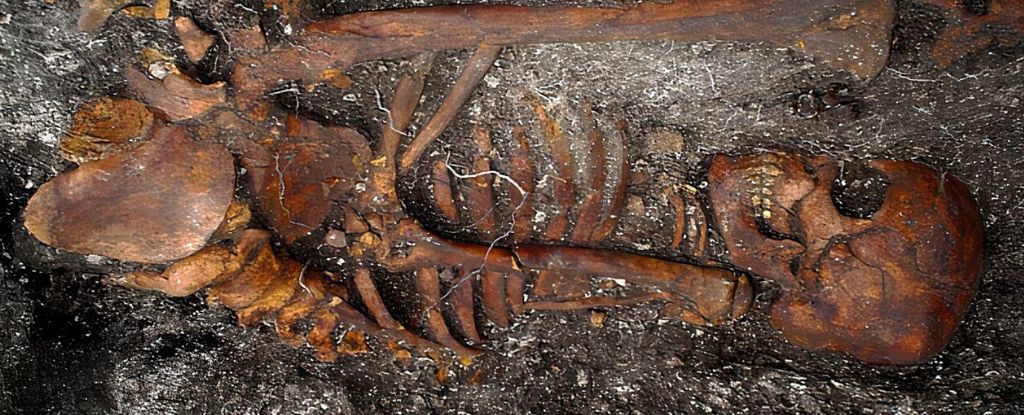
Researchers have discovered the oldest case of a syphilis-like disease in 2,000-year-old bones found in Brazil, undermining the theory that Christopher Columbus brought syphilis to Europe. The ancient bacterial subspecies of syphilis, closely related to a modern pathogen causing a disease called bejel, suggests that treponemal diseases existed in South America long before Columbus' arrival but were not the same as the venereal disease that later struck Europe. The findings challenge the long-held Columbian hypothesis and indicate that the origins of syphilis may not be confined to just one place or time.

health-history1 year ago

"Revisiting the Origins of Syphilis: Insights from Ancient DNA"

A new study published in the journal Nature challenges the long-held belief that Christopher Columbus brought syphilis to Europe. DNA evidence from 2,000-year-old human remains in Brazil suggests that some form of syphilis was already present in the Americas before Columbus' arrival. While the study doesn't definitively rule out Columbus' fleet as a potential source, it does indicate that the bacteria causing syphilis was widespread across both continents before his time, shedding new light on the origins of the disease.

science-and-health1 year ago

"Revisiting the Columbus Syphilis Theory: Ancient DNA Unveils New Evidence"

New research published in Nature challenges the long-standing belief that Christopher Columbus brought syphilis to Europe from the New World. Analysis of ancient DNA from 2,000-year-old bones in Brazil suggests that the bacteria responsible for syphilis and its closely related cousin, Bejel, may have been present in the Americas long before Columbus' arrival. This finding complicates the theory that the disease was introduced to Europe by Spanish conquistadors, shedding light on the complex history of disease transmission and the evolution of syphilis and related bacteria. The study provides valuable insights into the origins and spread of these pathogens, with potential implications for understanding and combating antibiotic resistance.

science-and-history2 years ago

"Revisiting the Origins of Syphilis: New Insights from Ancient Brazilian DNA"

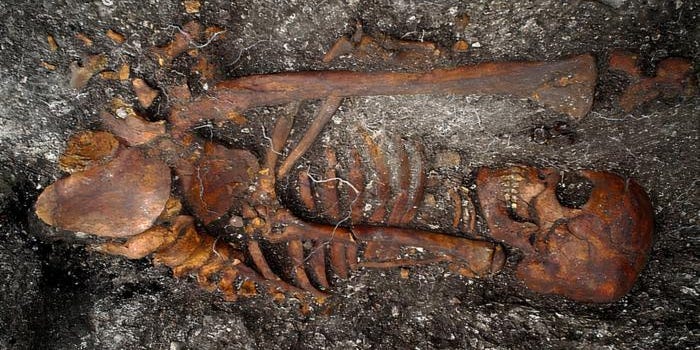
A new study using DNA evidence has revealed that treponematosis, an age-old syphilis-like disease, existed in Brazil more than 2,000 years before Columbus arrived in the Americas. The disease was found in the remains of four individuals in Brazil, indicating that it was running rampant long before Columbus's arrival. This challenges the historical belief that Columbus brought syphilis-like diseases to the Americas. The findings suggest that treponemal diseases were already prevalent globally before Columbus sailed to the Americas, and the discovery may lead to a better understanding of the origins and history of syphilis and other treponemal diseases.

science-and-history2 years ago

Eclipses: A Historical Game Changer and Must-See Phenomenon

Eclipses have had a significant impact on human history, influencing decisions, changing the outcome of battles, and shaping our understanding of the universe. Examples include a solar eclipse in 585 BC that ended a war between the Lydians and the Medes, an eclipse that saved Christopher Columbus and his crew from starvation in 1504, and a lunar eclipse in 1806 that solidified the influence of Native American leaders Tecumseh and his brother. The most historically consequential eclipse occurred in 1919 when a solar eclipse confirmed Albert Einstein's theory of general relativity. Eclipses continue to captivate and shape human history.

cultural-heritage2 years ago

"Stolen Christopher Columbus letter returned to Italy by U.S."

A 15th-century letter written by Christopher Columbus to King Ferdinand and Queen Isabella has been returned to Italy after being stolen from a Venice library in the 1980s and resurfacing in Delaware. The letter, describing Columbus' findings in the Americas, is a rare printing of the first edition and is valued at over $1.3 million. U.S. Immigration and Customs Enforcement repatriated the letter to Rome following a multifaceted international investigation. Italian officials plan to enhance the document with a traveling exhibition to contextualize its historical significance.

cultural-heritage2 years ago

Stolen Christopher Columbus Letter Finally Returns to Italy

The United States has returned a rare 15th-century letter written by Christopher Columbus to Italy. The letter, valued at over $1.3 million, was stolen between 1985 and 1988 from the Biblioteca Nazionale Marciana in Venice. It was recovered in 2020 from a private collector in Texas and voluntarily relinquished. The letter, one of 30 surviving first editions, was delivered to Italian officials by the US Immigration and Customs Enforcement agency. This is the fourth original edition of the letter stolen in recent decades, and its return has been celebrated as the right thing to do.

politics2 years ago

Lawsuit filed against Philadelphia officials over Columbus statue removal.

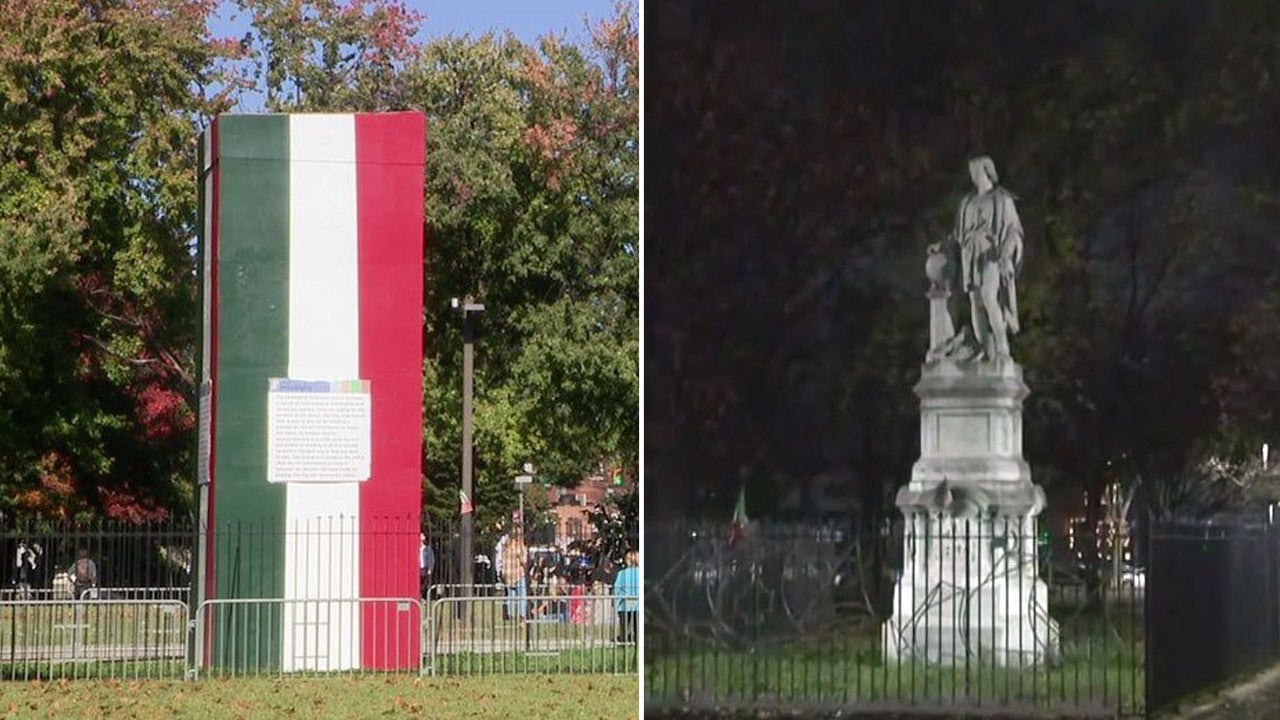
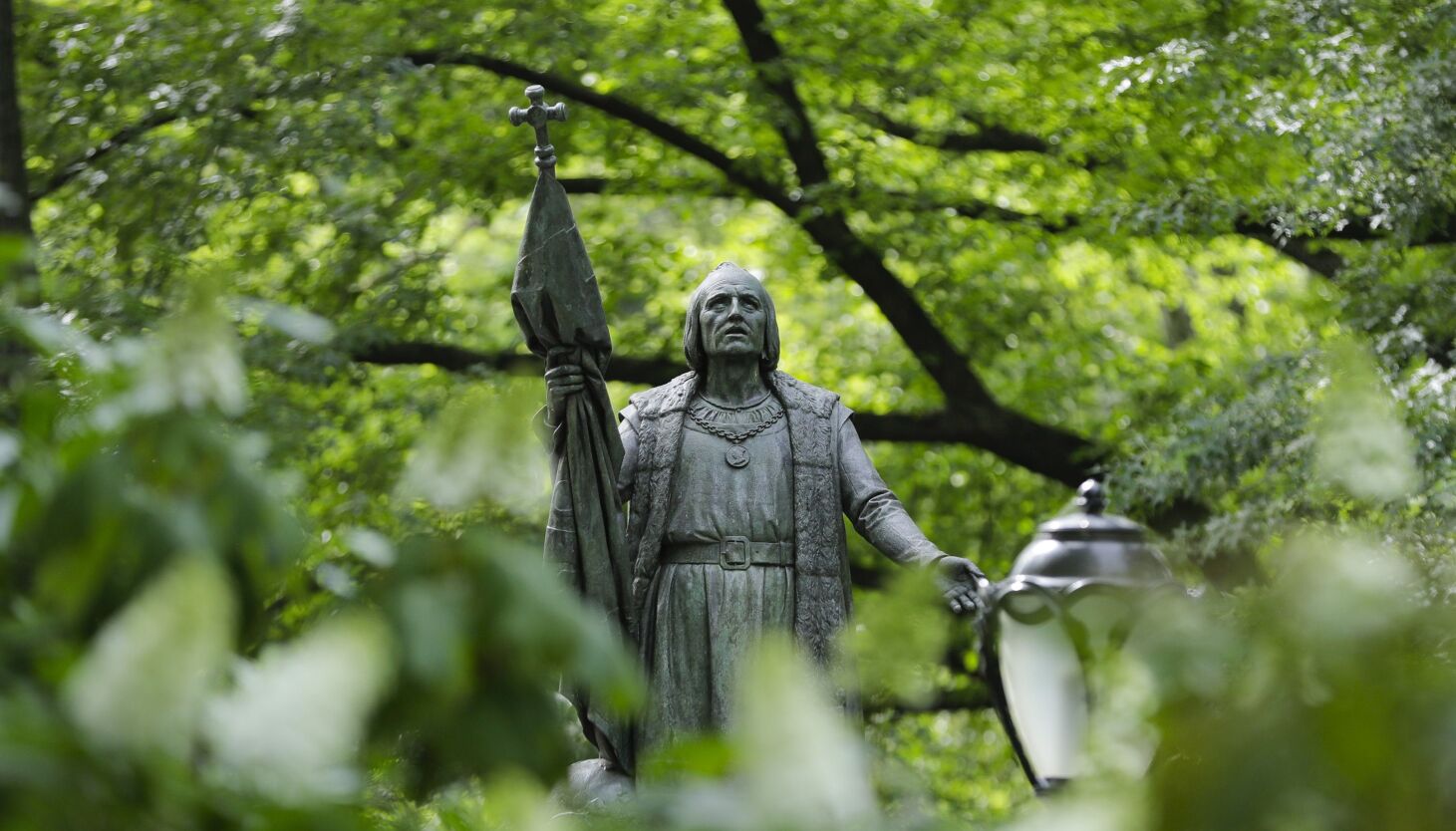
A group in Philadelphia has filed a lawsuit against the city's mayor and members of the historical commission for threatening to remove a Christopher Columbus statue. The defendants are accused of voting with malice to remove the statue and engaging in misconduct by following instructions from the mayor. The statue was covered up for two years after violence broke out between those who wanted it removed and those who protected it. A judge recently allowed for the statue to be uncovered again. The statue was donated by the Italian-American community in 1876 to celebrate the country's 100-year anniversary and pay homage to Columbus' discovery of the new world.

history2 years ago

Vikings' Early Presence in America Revealed by Timber Find.

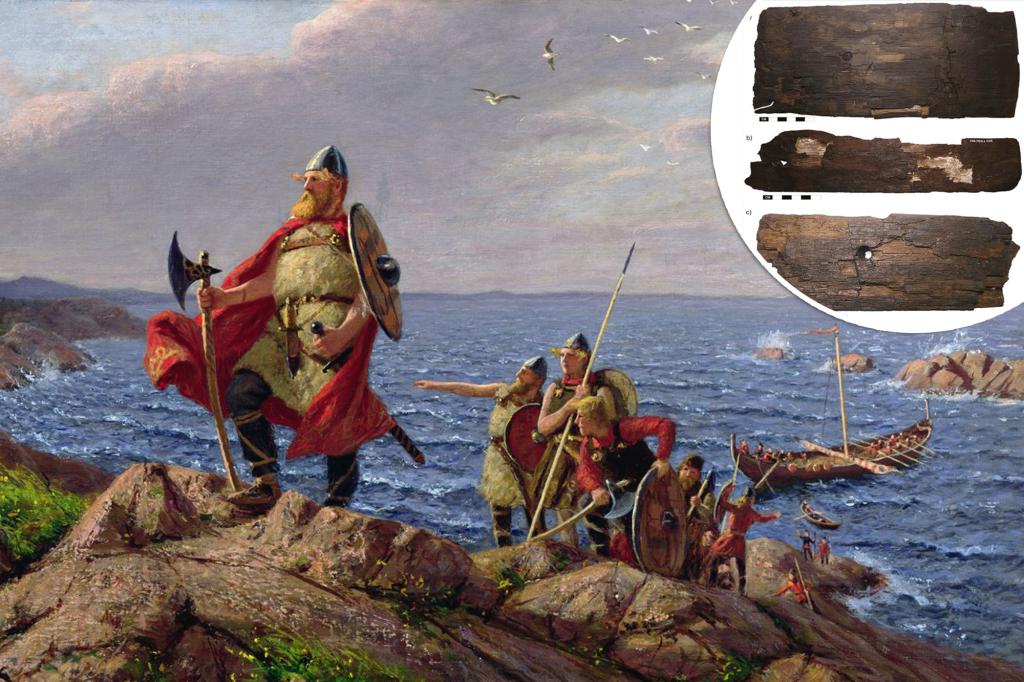
A recent study published in the journal "Antiquity" revealed that Vikings arrived in the Americas 500 years before Christopher Columbus. Archaeologists from the University of Iceland examined wood samples from five northern sites in western Greenland and found that the Vikings who occupied Greenland between 985 and 1450 relied upon timber and other materials imported from Europe and the Americas. The findings corroborated historical Viking sagas and confirmed that the Vikings had established multiple trade routes across the Northwest Atlantic possibly a half-millennium before Columbus sailed the ocean blue.