
"Revisiting the Columbus Syphilis Theory: Ancient DNA Unveils New Evidence"
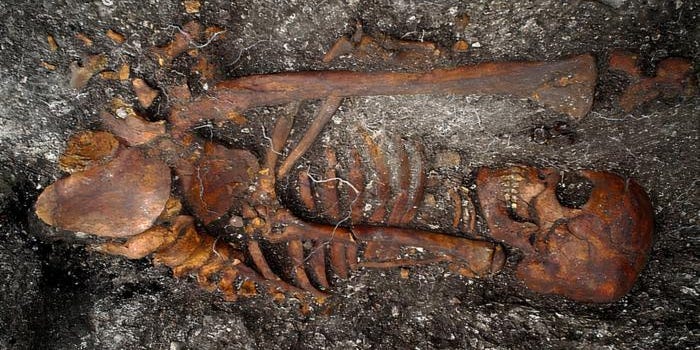
New research published in Nature challenges the long-standing belief that Christopher Columbus brought syphilis to Europe from the New World. Analysis of ancient DNA from 2,000-year-old bones in Brazil suggests that the bacteria responsible for syphilis and its closely related cousin, Bejel, may have been present in the Americas long before Columbus' arrival. This finding complicates the theory that the disease was introduced to Europe by Spanish conquistadors, shedding light on the complex history of disease transmission and the evolution of syphilis and related bacteria. The study provides valuable insights into the origins and spread of these pathogens, with potential implications for understanding and combating antibiotic resistance.
- Columbus likely didn't bring syphilis to Europe, ancient DNA suggests Business Insider
- Ancient DNA offers new evidence in long-standing syphilis theory CNN
- Did Christopher Columbus bring syphilis to Europe? Deseret News
- Ancient DNA reveals syphilis-like disease in pre-Columbian America News-Medical.Net
- Oldest DNA evidence of syphilis relative discovered in 2000-year-old skeletons in Brazil Livescience.com
Reading Insights
0
6
4 min
vs 5 min read
88%
891 → 107 words
Want the full story? Read the original article
Read on Business Insider