Scientists have identified the origin of a powerful fast radio burst (FRB) from outer space, using the new CHIME Outrigger telescope, shedding light on these high-energy space signals that last only milliseconds but carry vital information about energetic cosmic phenomena.
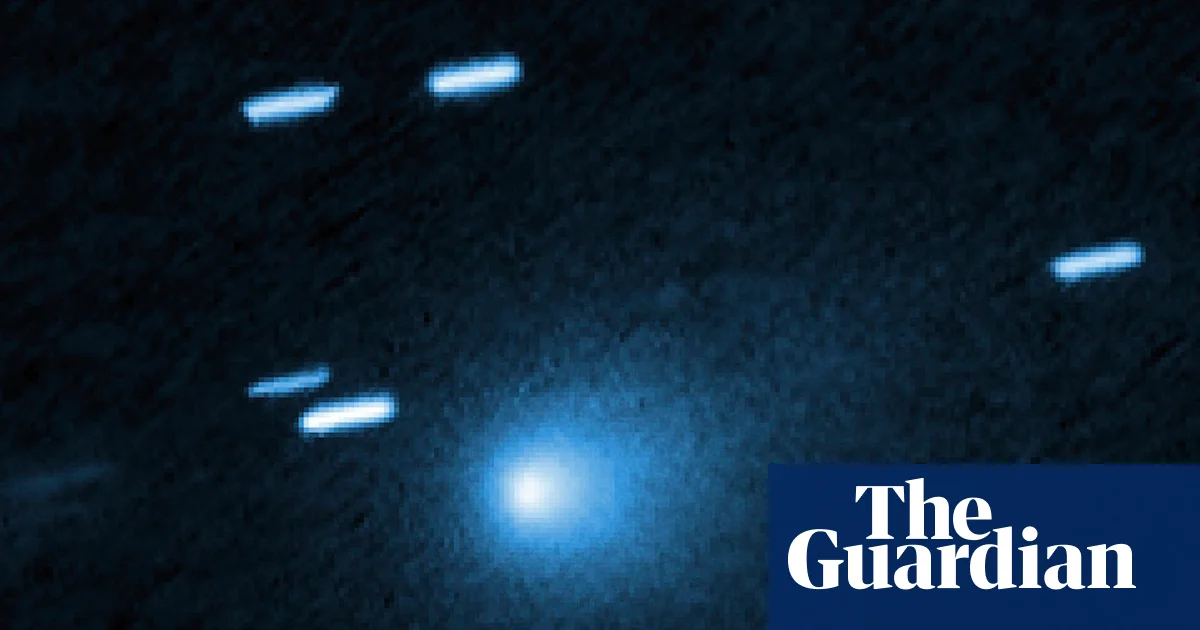
A rare interstellar object, 3I/Atlas, is passing through our solar system, offering scientists a unique opportunity to study its composition and origin, with expectations of it being a comet from outside our solar system, and it will make a close approach to the sun between October and December.
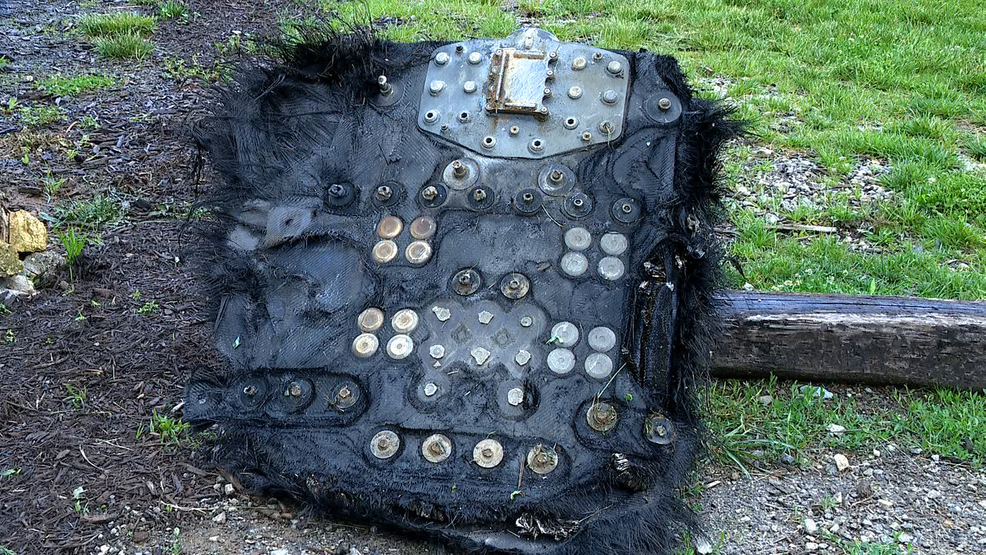
A North Carolina man, Justin Clontz, discovered a mysterious, heavy object covered in burnt carbon fiber and metal plates while working on grounds maintenance in Haywood County. The object's origin is unknown, and it has sparked speculation that it may be from outer space. The owner of Glamping Collective plans to consult aerospace experts to identify the object, which remains a local mystery.
A grounds maintenance worker in Haywood County, NC, discovered a mysterious, heavy object along a remote trail that may be from outer space. The object, about three feet high and covered in burnt carbon fiber and metal plates, has yet to be inspected by aerospace experts. The discovery has left many puzzled, and the owner of the property plans to consult experts to identify the object.
A grounds maintenance worker in Haywood County, NC, discovered a mysterious, heavy object along a remote trail that may be from outer space. The object, about three feet high and covered in burnt carbon fiber and metal plates, has yet to be inspected by aerospace experts. The Glamping Collective, which owns the property, plans to reach out to experts to identify the object and determine its origin.
A grounds maintenance worker in Haywood County, NC, discovered a mysterious, heavy object along a remote trail that may be from outer space. The object, about three feet high and covered in burnt carbon fiber and metal plates, has yet to be inspected by aerospace experts. The Glamping Collective, which owns the property, plans to consult with experts to identify the object and determine its origin.
Scientists using the ALMA observatory have discovered an immense presence of water vapor surrounding the young star HL Tauri, located 450 light-years away, which amounts to three times the volume of Earth's oceans. This finding could enhance the potential habitability of planets forming in this region, as it mirrors the conditions present during Earth's formation. The discovery underscores the fundamental role of water in various recent scientific breakthroughs, including the detection of water leaking towards Earth's core and the identification of the oldest water on the planet.
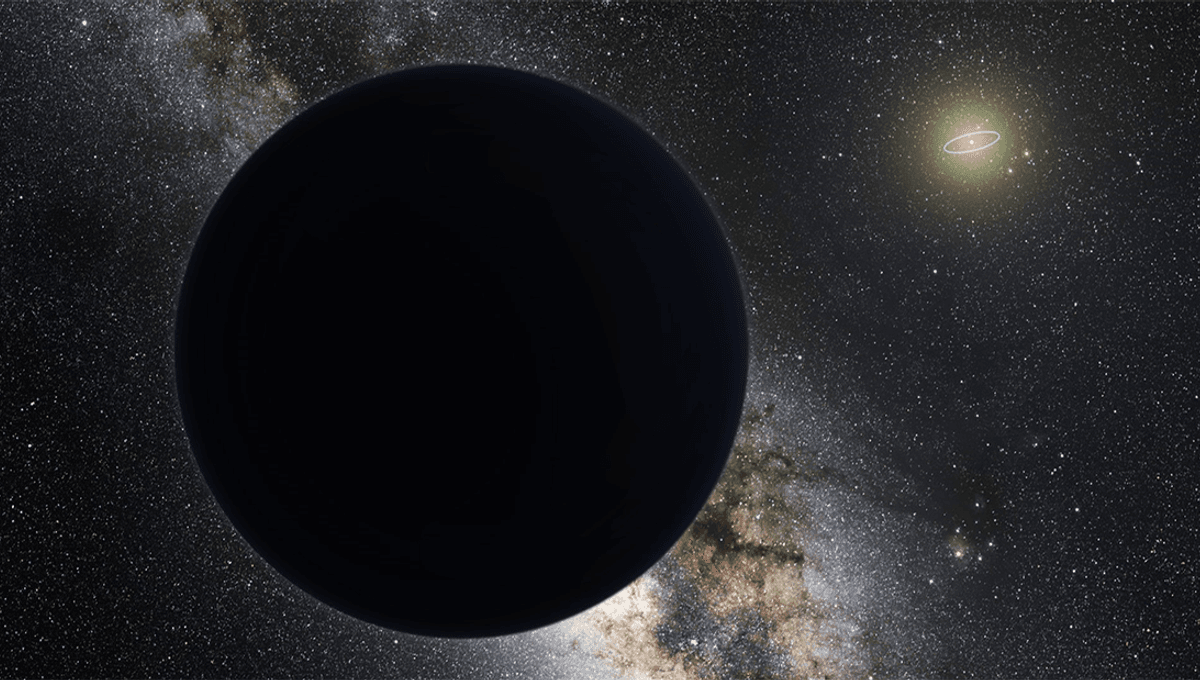
Astronomers have narrowed down potential locations for the elusive "Planet Nine" in our Solar System, using data from the Pan-STARRS1 survey to eliminate 78 percent of previously identified areas. The hypothetical planet, believed to be two to four times the radius of Earth, was proposed in 2015 to explain the unusual clustering of objects beyond Neptune. While its existence is still uncertain, researchers continue to regard Planet Nine as the most likely hypothesis, citing its potential to explain observed phenomena in the outer Solar System.
The new trailer for the upcoming sci-fi video game "Judas" was revealed during the State of Play stream, showcasing a dystopian setting in outer space. Developed by Ken Levine's Ghost Story Games, the game features a conflicted woman in a deteriorating spaceship named Mayflower, where she claims to be "liberating" the inhabitants. With a retro aesthetic and familiar gameplay elements reminiscent of BioShock and System Shock, "Judas" aims to offer a strong focus on player choice and emergent narrative elements. The game is set to release on PC, Xbox Series X/S, and PS5, but an official release date has yet to be announced.
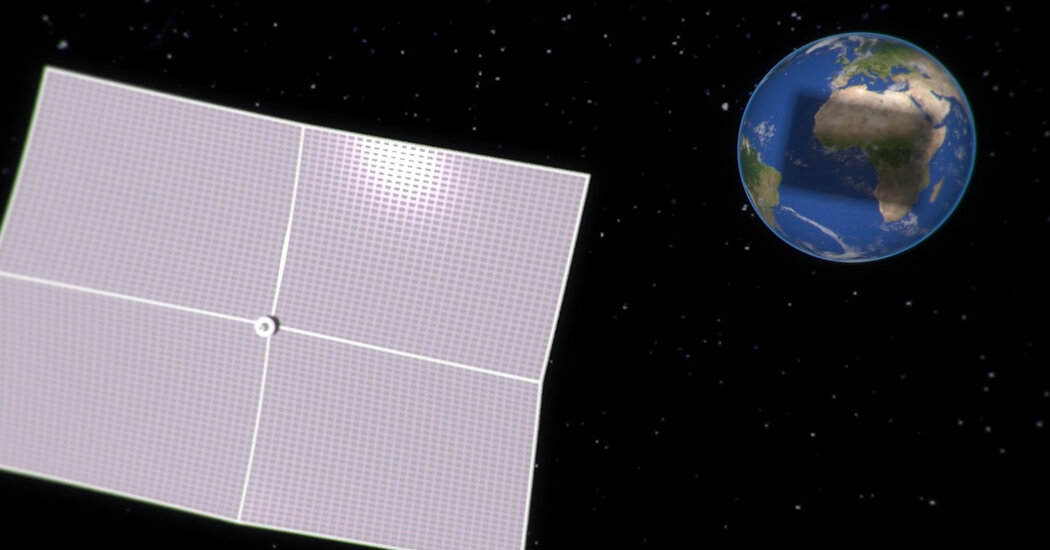
Scientists are proposing the idea of deploying a giant sunshade in outer space to block a small but crucial amount of solar radiation, enough to counter global warming. Interest in sun shields has been gaining momentum as the climate crisis worsens, with various research teams exploring different approaches such as scattering dust deep into space and creating shields made of "space bubbles." A team of scientists led by Yoram Rozen from the Asher Space Research Institute at Technion-Israel Institute of Technology is ready to build a prototype shade to demonstrate the feasibility of the concept, which would involve a series of smaller shades casting slightly diffused shade onto Earth.
New research suggests that up to five Earth-like rocky planets may be present in the outer reaches of the solar system, potentially captured by the sun during its infancy. These free-floating planets, which could be as big as Mars, are theorized to reside in the Oort Cloud, a distant region of the solar system. While their habitability remains uncertain, future space missions may target these exoplanets, and the Vera C Rubin Observatory in Chile could potentially identify them when it goes live in 2025.
In New York City, illegal tunnels beneath the Chabad headquarters were found to be structurally unsound, heavy rain led to a retaining wall collapse in the Bronx, Chris Christie dropped out of the Republican presidential race, a Facebook page for NYC food delivery cyclists has become a memorial for those who died on the job, and astronauts have described the smell of outer space as resembling burnt meat, smoky rum, farts, and urine.
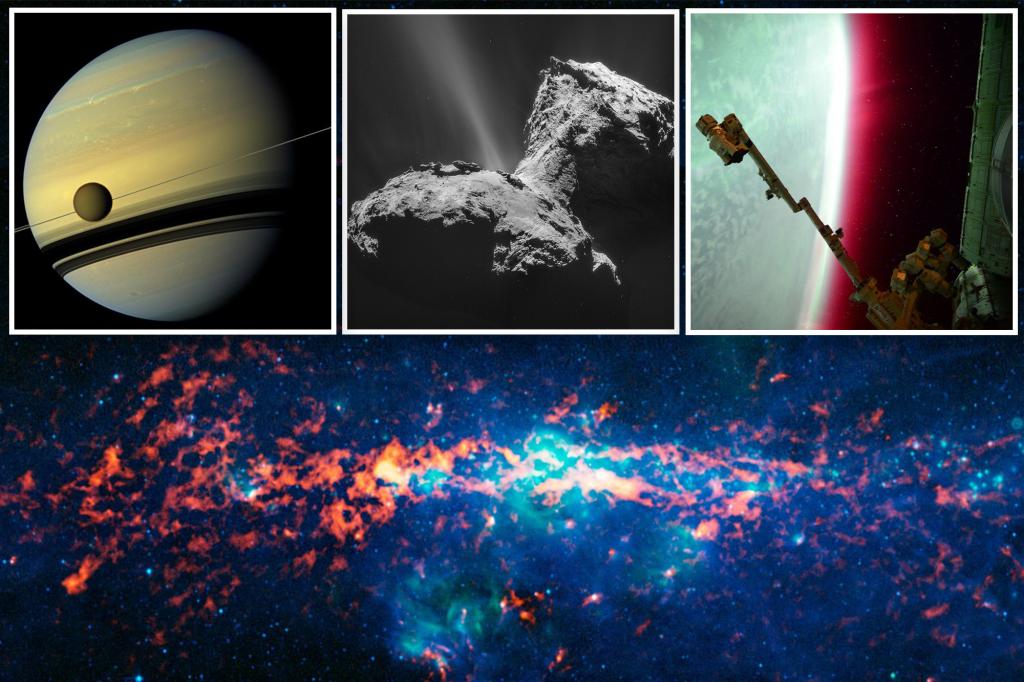
Space has a variety of smells, including metallic, burnt meat odors attributed to Polycyclic aromatic hydrocarbons, a boozy scent linked to a dust cloud at the center of the galaxy, and the putrid smell of flatulence on Uranus. Comets emit a stench of rotten eggs and urine, while Saturn's moon Titan has a gasoline-like aroma due to its hydrocarbon-rich atmosphere.
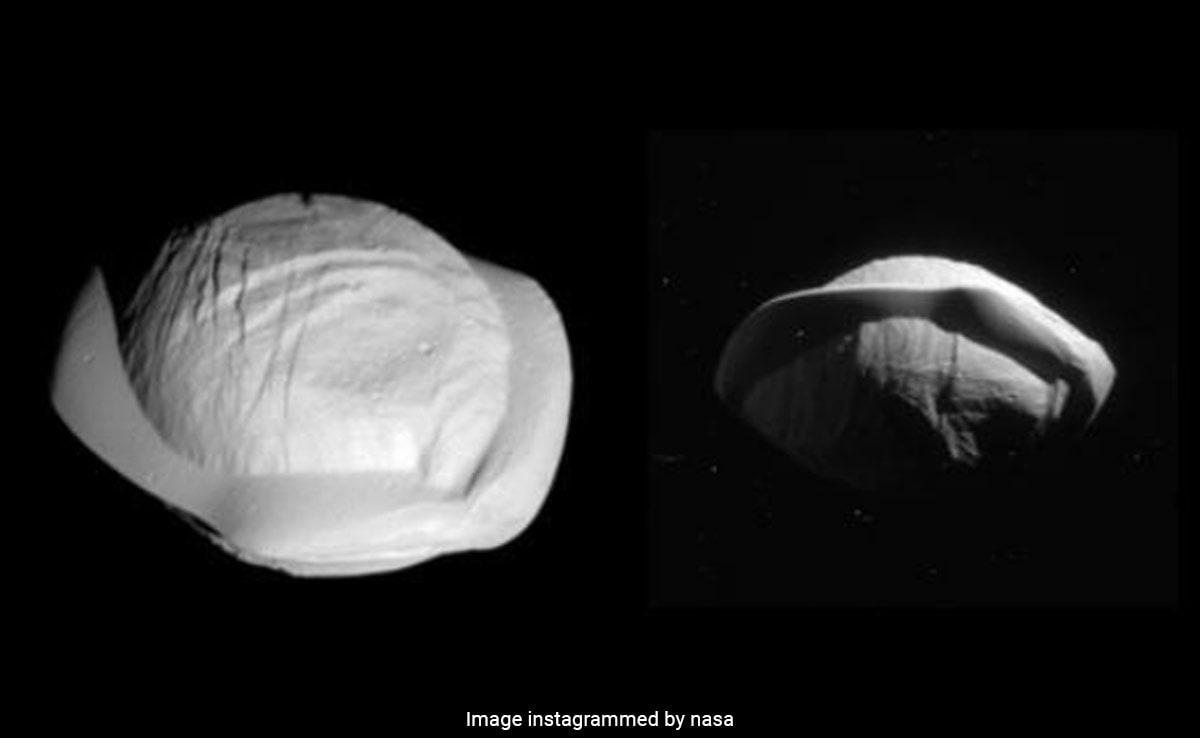
NASA shared a captivating image of a "dumpling shape" object in outer space, which turned out to be Saturn's innermost moon called Pan. The image was taken from different perspectives, revealing a flat ridge and scraped lines on the moon's surface. Pan orbits Saturn from inside a gap in one of its rings and completes an orbit every 13.8 hours. The post garnered over 273,000 likes and various amusing comments from netizens.
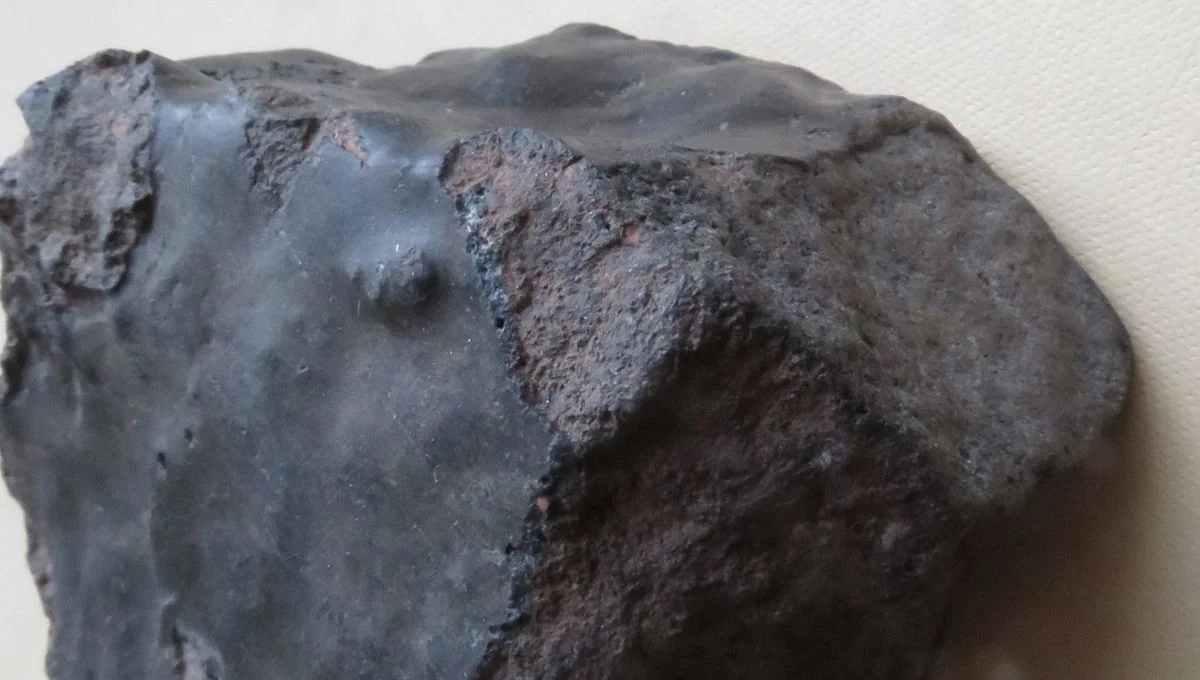
Scientists have discovered a peculiar rock, designated Northwest Africa 13188, that appears to be a meteorite but has a composition similar to rocks found deep in the ocean. They propose a radical explanation that the rock was knocked off Earth, traveled through space for thousands of years, and then returned. The rock's chemical composition and isotopic analysis suggest it originated from Earth, but its well-developed fusion crust and isotopic concentrations of beryllium, helium, and neon consistent with exposure to cosmic rays for 10,000 years support its classification as a meteorite. Further isotopic analysis is being conducted to understand how it left Earth and returned.