Tag

Isotopic Analysis

All articles tagged with #isotopic analysis

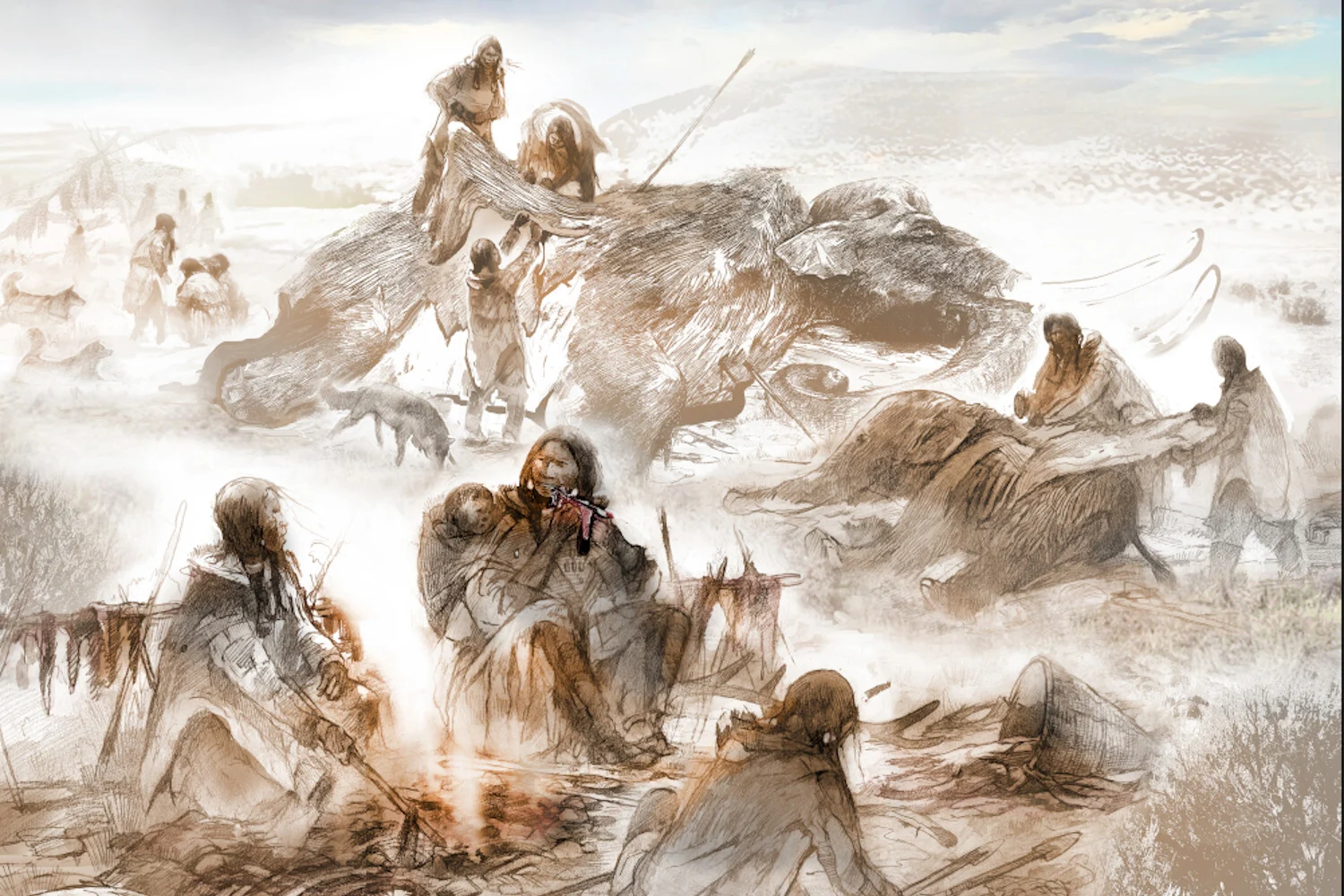
Ice Age Diet: Mammoth Meat Was a Staple for Early Americans
science-and-archaeology1 year ago

Ice Age Diet: Mammoth Meat Was a Staple for Early Americans

A study led by researchers from McMaster University and the University of Alaska Fairbanks provides direct evidence that Clovis people, early inhabitants of North America, primarily consumed large animals like mammoths. Isotopic analysis of a Clovis infant's remains revealed that 40% of the diet came from mammoths, supporting the theory that these prehistoric humans were big-game hunters. This dietary preference may have contributed to the rapid spread of Clovis people across the continent and possibly played a role in the extinction of large mammals at the end of the last Ice Age.

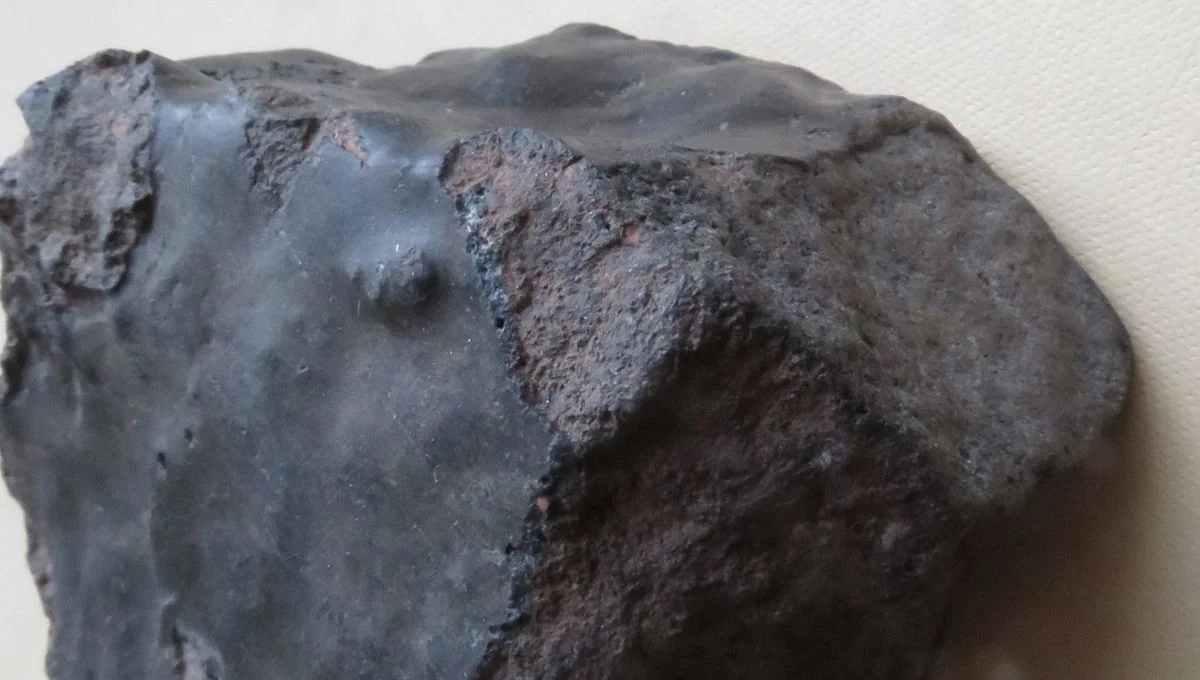
"Earth's Boomerang Meteorite: A Return Journey After Millennia"
space-science2 years ago

"Earth's Boomerang Meteorite: A Return Journey After Millennia"

Scientists have discovered a peculiar rock, designated Northwest Africa 13188, that appears to be a meteorite but has a composition similar to rocks found deep in the ocean. They propose a radical explanation that the rock was knocked off Earth, traveled through space for thousands of years, and then returned. The rock's chemical composition and isotopic analysis suggest it originated from Earth, but its well-developed fusion crust and isotopic concentrations of beryllium, helium, and neon consistent with exposure to cosmic rays for 10,000 years support its classification as a meteorite. Further isotopic analysis is being conducted to understand how it left Earth and returned.

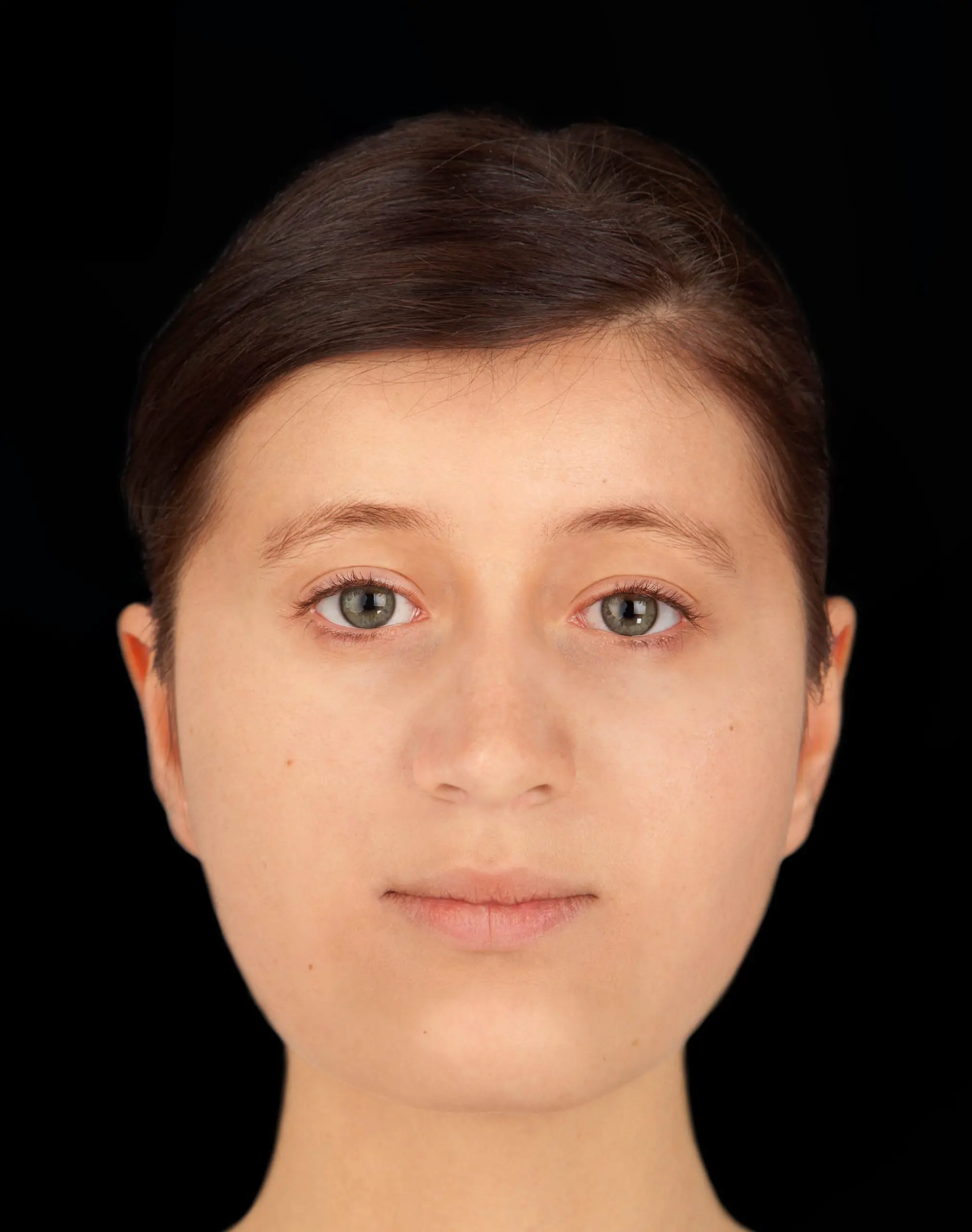
Ancient Secrets Unveiled: The Face of a Teen VIP from Trumpington Cross
archaeology2 years ago

Ancient Secrets Unveiled: The Face of a Teen VIP from Trumpington Cross

The face of a 16-year-old girl buried near Cambridge in the 7th century, along with her unique gold and garnet cross known as the Trumpington Cross, has been reconstructed using her skull. New scientific evidence suggests that she migrated from Central Europe to England as a young girl, resulting in a change in her dietary habits. The artifacts from her burial, including the cross, will be displayed in an exhibition at Cambridge's Museum of Archaeology and Anthropology. Isotopic analysis of her bones and teeth indicates that she likely came from southern Germany and was part of an elite group of women who may have been involved in early Christianity.