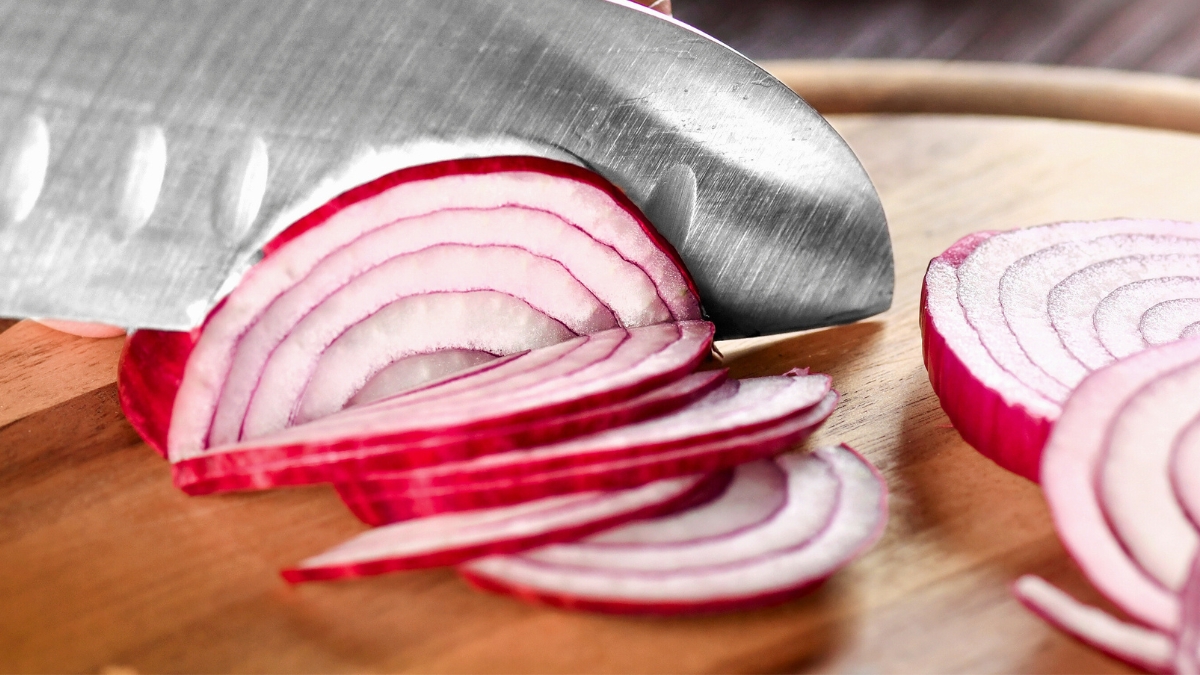
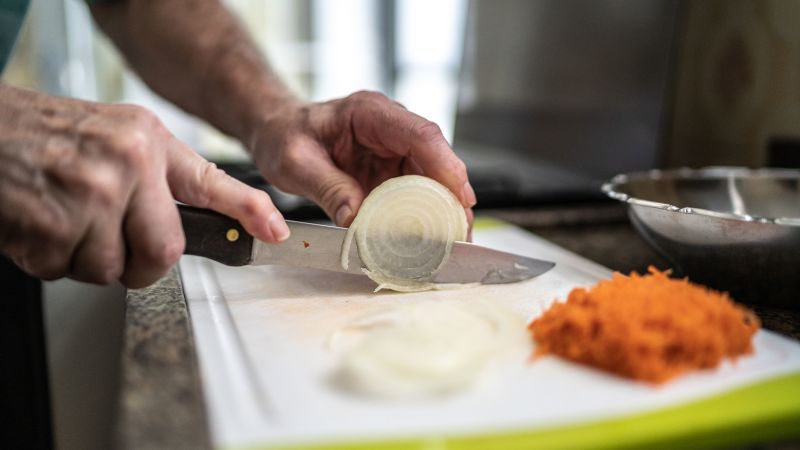
Scientists from Cornell University discovered that using sharper knives and cutting onions more gently significantly reduces the release of mist and droplets that cause tears, with implications for both kitchen safety and food hygiene.
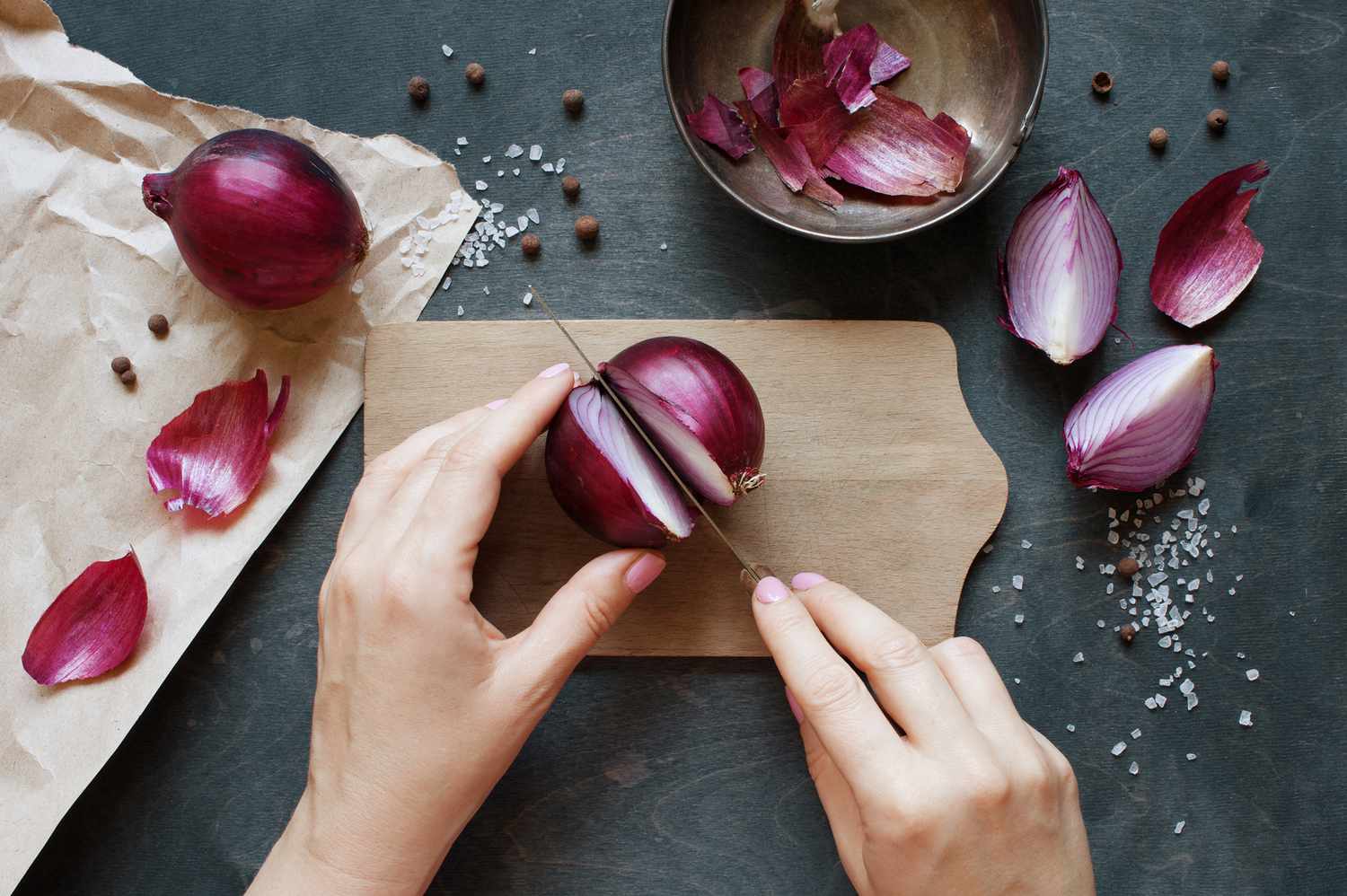
Scientists from Cornell University have discovered that using a sharp knife and cutting onions slowly significantly reduces tear-inducing chemicals released during chopping, offering a simple, effective method for tear-free onion preparation that benefits both home cooks and professional kitchens.
Dr. Poonam Desai, an emergency medicine physician, claims that eating raw onions, particularly red onions, can lower disease risk due to their high quercetin content, which provides powerful antioxidant and anti-inflammatory benefits. Quercetin is known to reduce the risk of heart disease, high cholesterol, and prostate cancer. Eating onions raw and choosing outer layers with more quercetin is recommended to maximize health benefits. Additionally, quercetin can also be found in other foods such as red wine, green tea, berries, and apples, which also offer various health benefits including fiber and probiotics.
Experts explain that the stinging sensation when cutting onions is a defense mechanism of the plant, and offer various methods to reduce tears, such as using a fan, wearing goggles, chilling the onion, microwaving it, adding acids, and even lighting a candle. While some methods may work for some people, there is no guaranteed way to completely avoid tearing up while cutting onions.
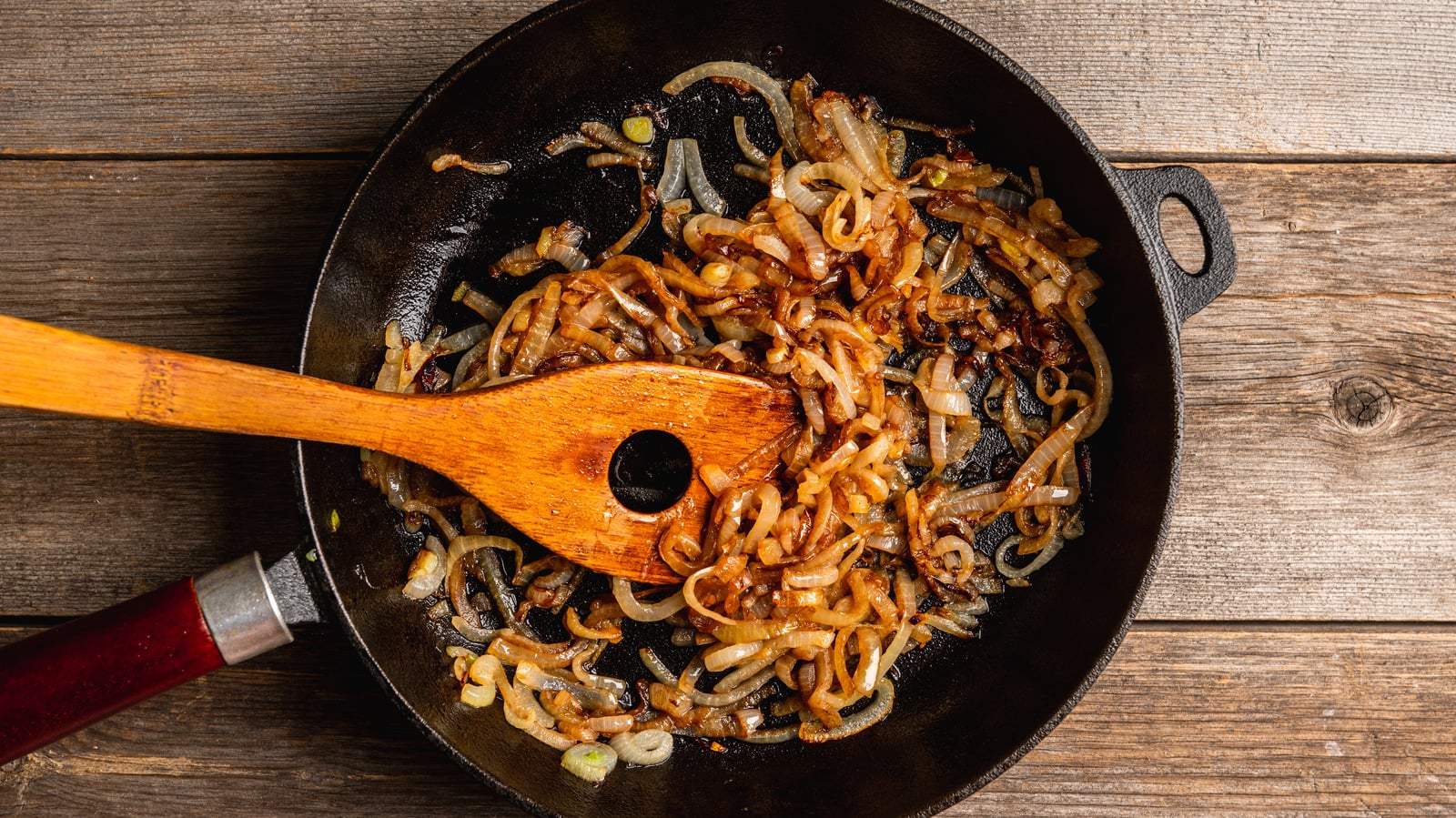
Caramelizing onions can transform their flavor from sharp to sweet and complex, but it's important to avoid common mistakes. Choosing the right type of onion, using low heat, slicing onions evenly, deglazing the pan, and being patient are crucial for successful caramelization. Adding salt and sugar, using the right skillet, and avoiding stirring too often are also important factors to consider when caramelizing onions.
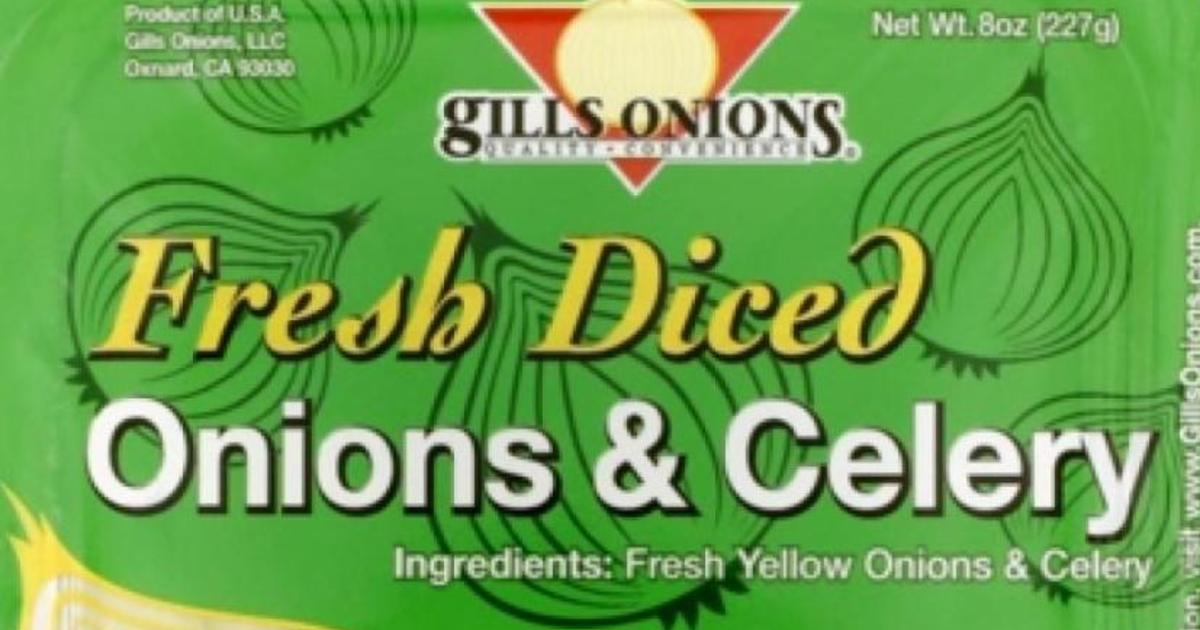
A salmonella outbreak linked to bagged, precut onions has sickened at least 73 people in 22 states, with 15 hospitalized. Gills Onions of Oxnard, California, has recalled packages of diced yellow onions, red onions, onions and celery, and a mix of onions, celery, and carrots. The products were sold to food service providers and retailers in several states. Consumers are advised not to eat, sell, or serve the affected onions or foods made with them. Health officials are investigating the outbreak to determine the source and potential additional products tied to the illnesses.
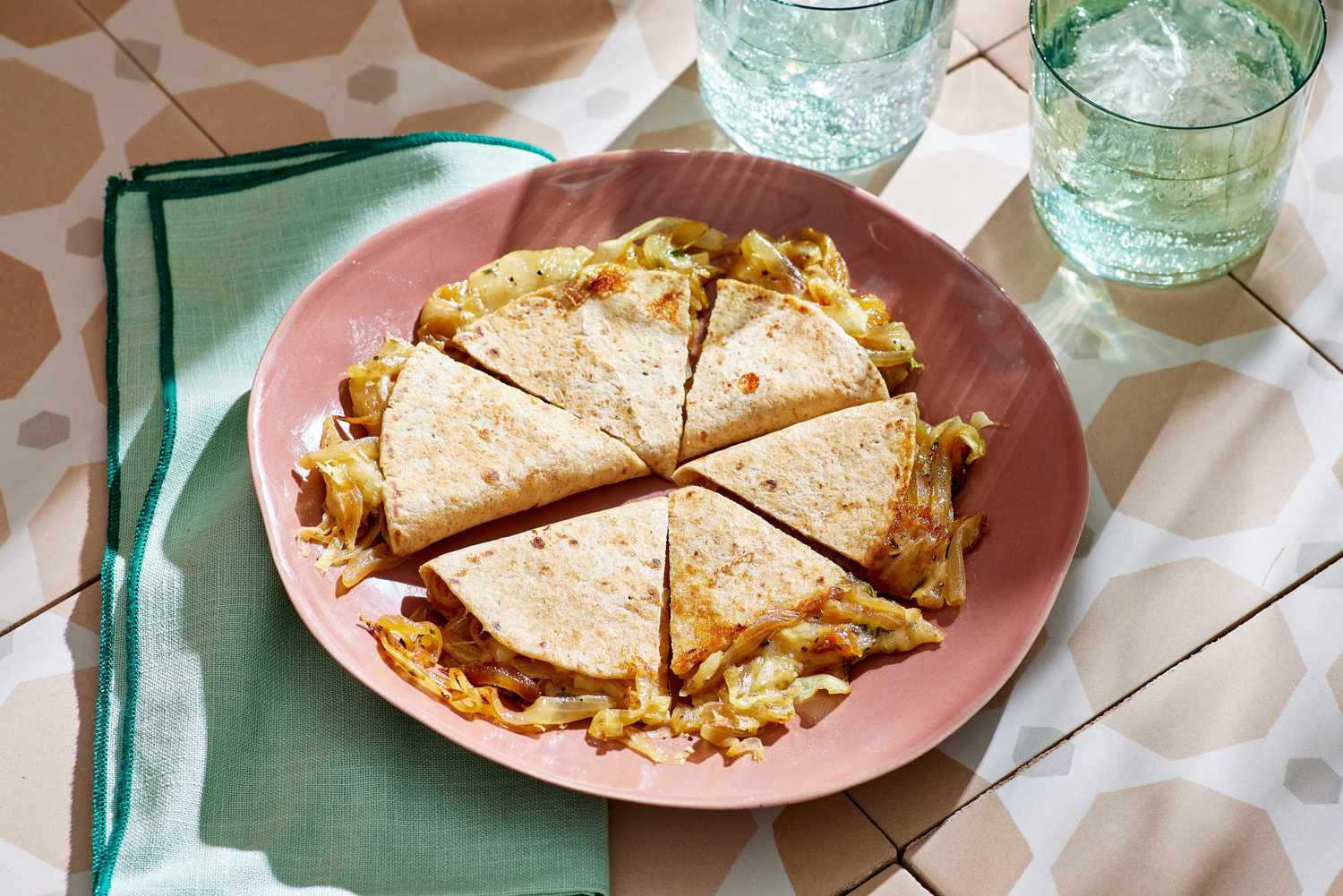
This recipe for French Onion Quesadilla involves caramelizing onions, adding vinegar and broth, and combining the mixture with cheese. The tortillas are filled with the onion mixture, cooked until golden, and then cut into wedges for serving. It's a delicious twist on the classic French onion soup.
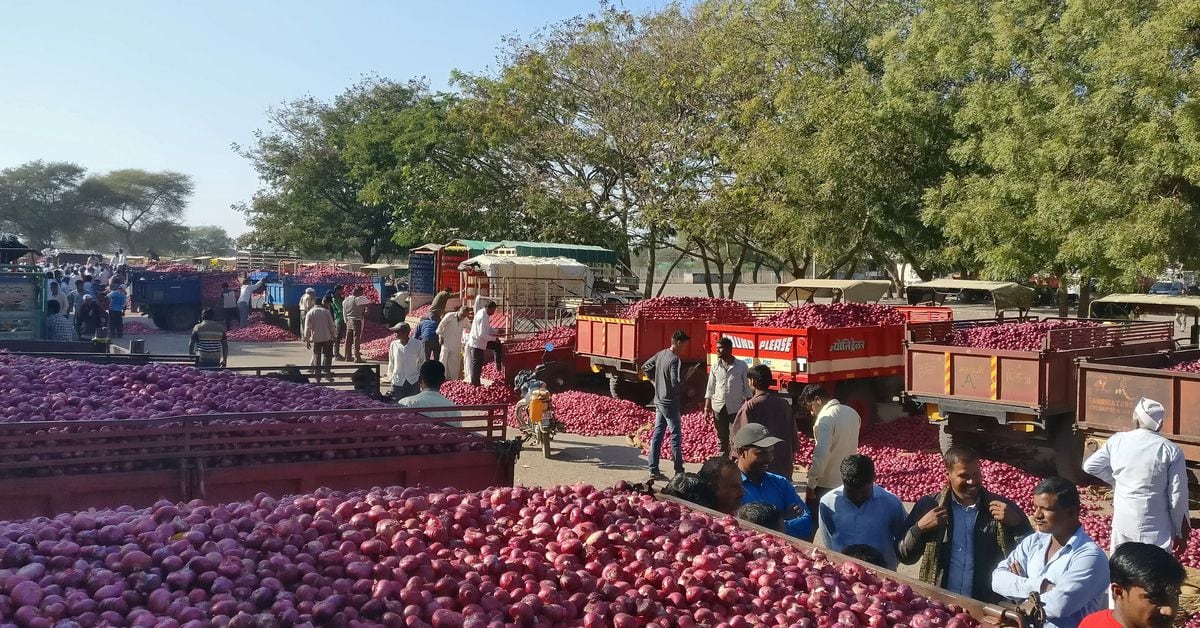
India has imposed a 40% export duty on onions until December 31 in an effort to increase the availability of the vegetable domestically and curb rising prices. The move is expected to make Indian onions more expensive than those from Pakistan, China, and Egypt, reducing exports and helping to lower local prices. Erratic weather conditions and a dry August have raised concerns about lower onion yields, prompting the government to take precautionary measures. The export duty may lead to price increases in other Asian countries that rely on Indian onion shipments.
The Institute of Culinary Education shares a recipe for Oklahoma-style smash burgers, where sliced onions are pressed directly into the beef patty. As the meat cooks, the onions crisp up, adding texture and flavor to the burger. The recipe calls for cooking the burgers on a flat surface, such as a cast iron pan, and topping them with cheddar cheese and steamed buns. The result is a quick and delicious burger that can be customized with condiments of your choice.
An 18-wheeler carrying 80,000 pounds of onions crashed into a dump truck on I-35 northbound near O’Connor Road in San Antonio, causing the highway to shut down. The driver of the dump truck was taken to the hospital as a precaution, while the driver of the 18-wheeler was unharmed. The cleanup process is expected to take several hours, involving unloading the onions and detaching the trailer from the big rig, followed by a clean-up of the oil and debris from the roadway.
Cut, raw onions are not poisonous or dangerous to eat. Onions contain compounds that have antibacterial properties and their low pH and low protein content make them an unfavorable breeding ground for germs, viruses, or other pathogens. The myth that cut onions become poisonous comes from a folk belief from the 1919 influenza epidemic and a 2008 blog post that has since been debunked. Like any other type of food grown in soil, there is a rare potential for onions to have E.coli, salmonella, or other viruses that can be spread via toxic fertilizer. Safe food practices should be followed, and cut onions can be stored in the refrigerator in a sealed container for up to 7 days.
Onions emit a gas called propanethial S-oxide when cut, which becomes sulfuric acid when it reaches the watery top layer of the eyes, causing them to water and making people cry. To prevent crying while chopping onions, one can place a wet paper towel by the chopping station or cut the onions root to stem instead of orbitally or through the center.
Prebiotics are nondigestible carbohydrates that feed the good bacteria in your gut and have been linked to improved gut health, reduced inflammation, and weight loss. Jerusalem artichokes and onions are prebiotics that are rich in fiber and can help reduce visceral fat. It's important to balance your diet with other healthy foods and stay active for effective weight loss.
Prebiotics are nondigestible carbohydrates that feed the good bacteria in your gut and have been linked to improved gut health, reduced inflammation, and weight loss. Jerusalem artichokes and onions are prebiotics that are rich in fiber and can help reduce visceral fat. It's important to balance your diet with other healthy foods and stay active for effective weight loss.
Farmers in Maharashtra, India are protesting for higher prices for onions as the vegetable's prices suddenly crashed over the past few weeks. The protests have prompted the authorities to announce some financial relief for onion growers, but farmers have rejected the proposal and said they would continue their protest. Onions are a staple part of the cuisine in most Indian states, and its perishability means it can't be stored for too long.