French farmers protested in Paris against the EU's free trade deal with South American nations, driving tractors into the city to express concerns over the deal's impact on their livelihoods and demanding stronger government opposition, amid broader discontent over agricultural policies and sanitary measures.
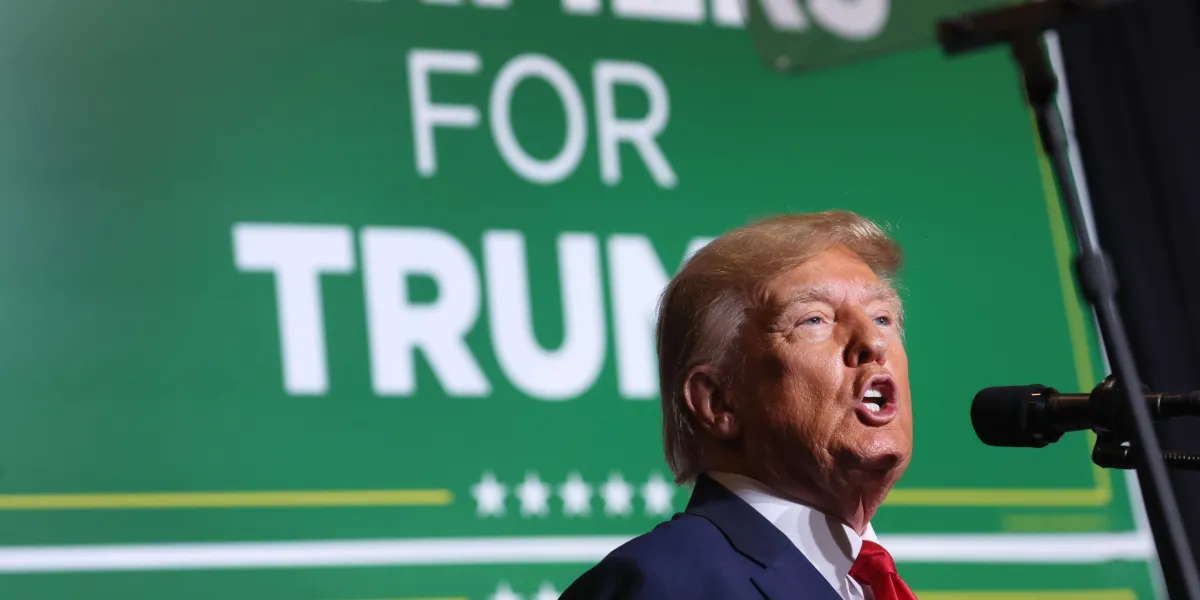
The article discusses the strained relations between Donald Trump, farmers, and China, highlighting how Trump has failed to support farmers and how China has also not fulfilled its commitments, amidst ongoing trade tensions.
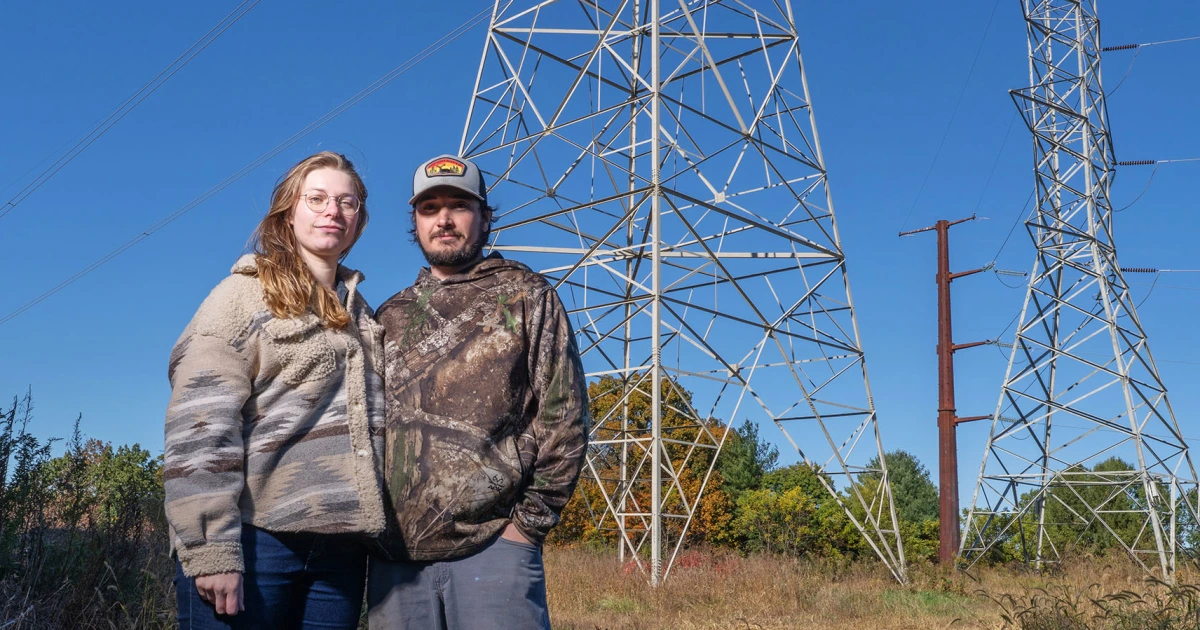
Farmers in Maryland are fighting against a proposed 67-mile transmission line intended to support data centers and address power demand, fearing it will devastate their land, impact local tourism, and threaten their livelihoods, amid broader national conflicts over infrastructure and tech industry expansion.
The article criticizes Idaho's political leaders for their lack of response to President Trump's policies that harm American farmers, particularly in beef and soybean industries, highlighting a historical contrast with past politicians who defended local interests.
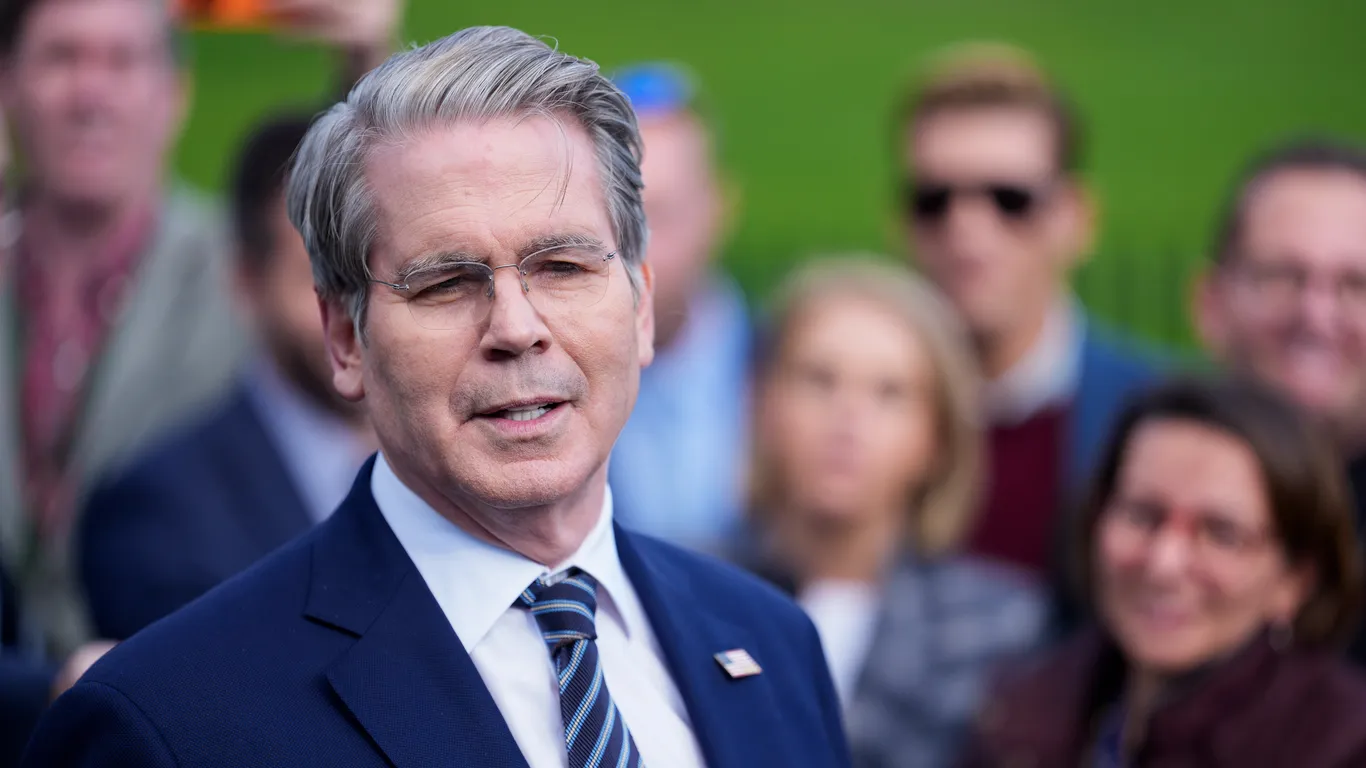
Treasury Secretary Scott Bessent, also a soybean farmer, expressed his shared pain with farmers affected by China's halt on U.S. soybean purchases due to the trade war, and discussed a potential deal with China that could include relief for farmers.
Farmers in the U.S. are frustrated with President Trump's decision to aid Argentina through a soybean and beef bailout, which they see as conflicting with his 'America First' policies and harming domestic agriculture interests, despite some support for his broader trade negotiations with China.
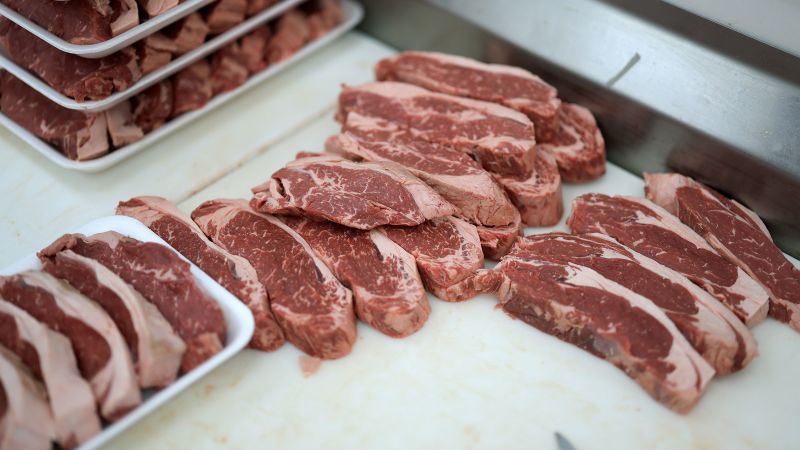
The GOP is pushing back against President Trump's suggestion to buy beef from Argentina, citing concerns from American farmers and ranchers about market impacts and hypocrisy regarding 'America First' policies. Many Republicans on Capitol Hill are publicly questioning the move, fearing it could harm domestic beef prices and livelihoods, while Trump defends his tariff policies and plans to discuss the initiative further.
The USDA is reopening about 2,100 county offices nationwide during the government shutdown to assist farmers in accessing $3 billion in aid, reflecting President Trump's commitment to support farmers despite ongoing political disagreements and the shutdown's impact on federal services.
President Trump promised to help farmers affected by trade wars, but efforts are complicated by legal and funding issues, with officials working to allocate up to $50 billion in aid amid political and legislative hurdles.
The Trump administration's plan to use tariff revenue for a $15 billion farmer bailout is hindered by the ongoing government shutdown, making the logistics and funding of the aid complex and delayed, while the agricultural sector continues to suffer from tariffs and global market shifts.
The US government is planning to provide billions of dollars in aid to farmers, especially soybean growers hurt by China's reduced purchases due to Trump's tariffs, amid broader concerns from other industries about the economic impact of trade policies. While farmers see relief as necessary, many other businesses and critics argue that the aid is politically motivated and fails to address underlying economic issues, raising questions about fairness and the long-term effects of such trade measures.
President Trump is considering a bailout of $10-14 billion for American farmers affected by his trade war, tariffs, and labor shortages, with discussions focusing on using tariff revenue or a 'slush fund' to provide aid, especially to soybean farmers suffering from China's embargo and global trade tensions.
The ongoing government shutdown is negatively impacting farmers by closing USDA offices that provide essential services, despite assurances that crop insurance will remain operational. Key GOP figures acknowledge the pain caused, but political disagreements and strategic moves, including potential layoffs and budget cuts, continue to complicate efforts to resolve the shutdown. Meanwhile, negotiations over expiring Obamacare subsidies and other funding issues are ongoing, with some bipartisan efforts emerging to find a resolution.
Treasury Secretary Scott Bessent announced that the Trump administration will reveal details next week about substantial support for American farmers, especially soybean farmers, affected by the U.S.-China trade war and tariff policies, with funds expected to come from tariff revenue.
The upcoming federal government shutdown will delay payments to farmers and halt many USDA activities, furloughing thousands of employees and suspending various agricultural programs, which could worsen farmers' financial uncertainty.