The article explores eight marine animals, including octopuses and sea cucumbers, that have blood of colors other than red, highlighting the diversity of blood pigments in the animal kingdom.
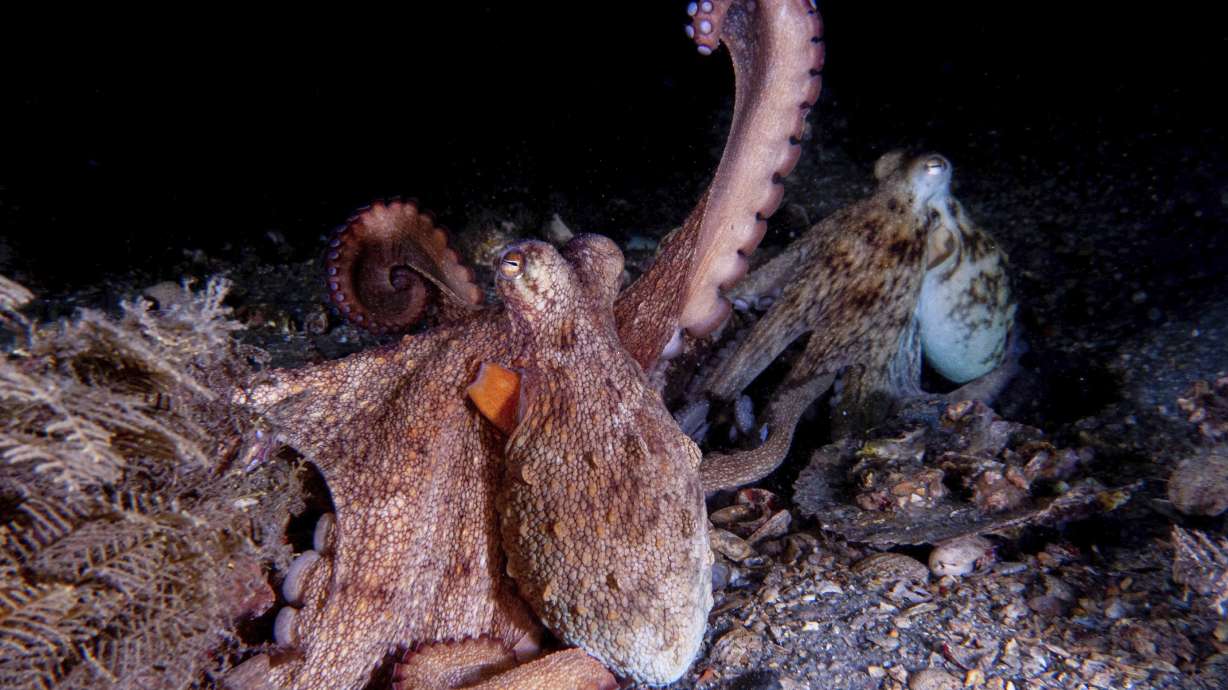
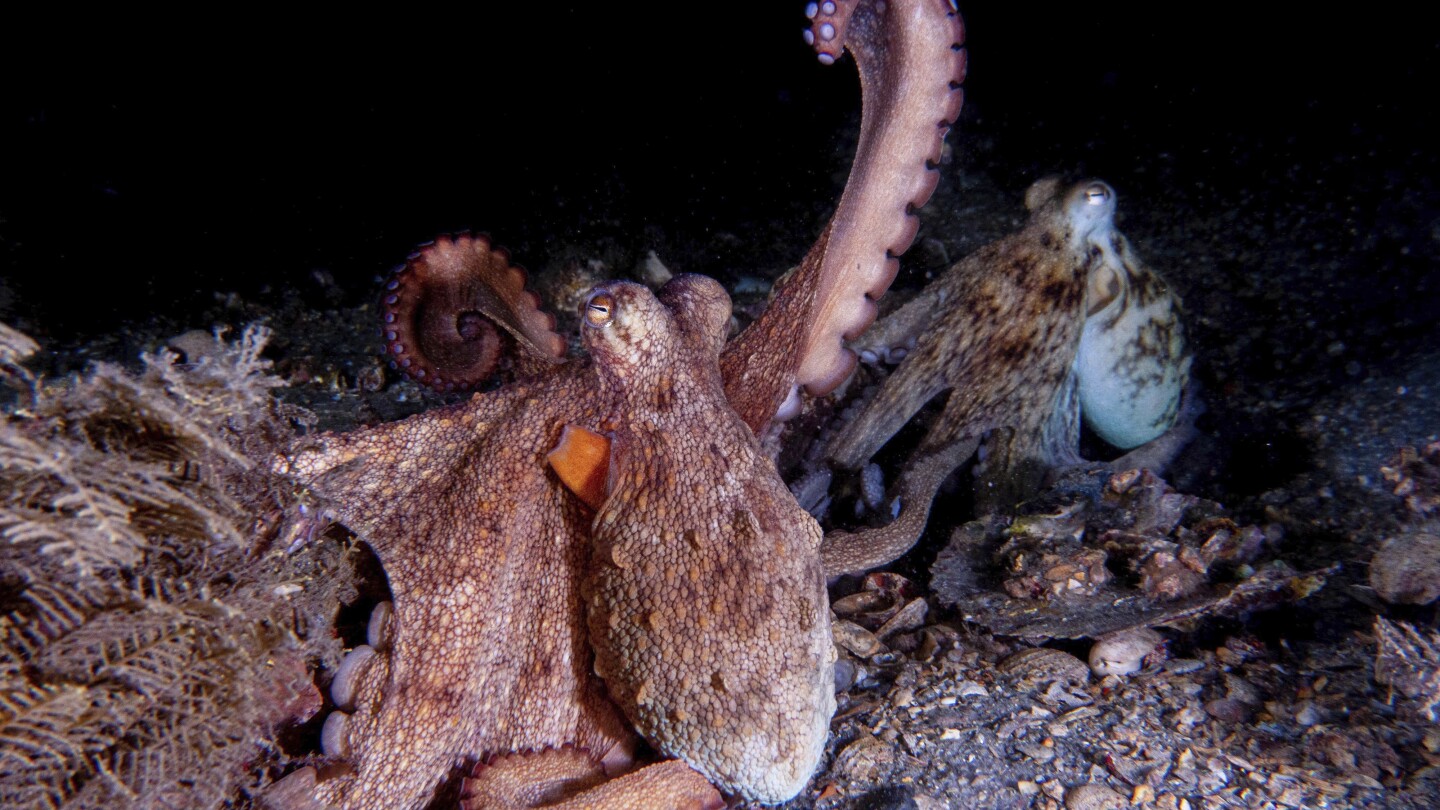
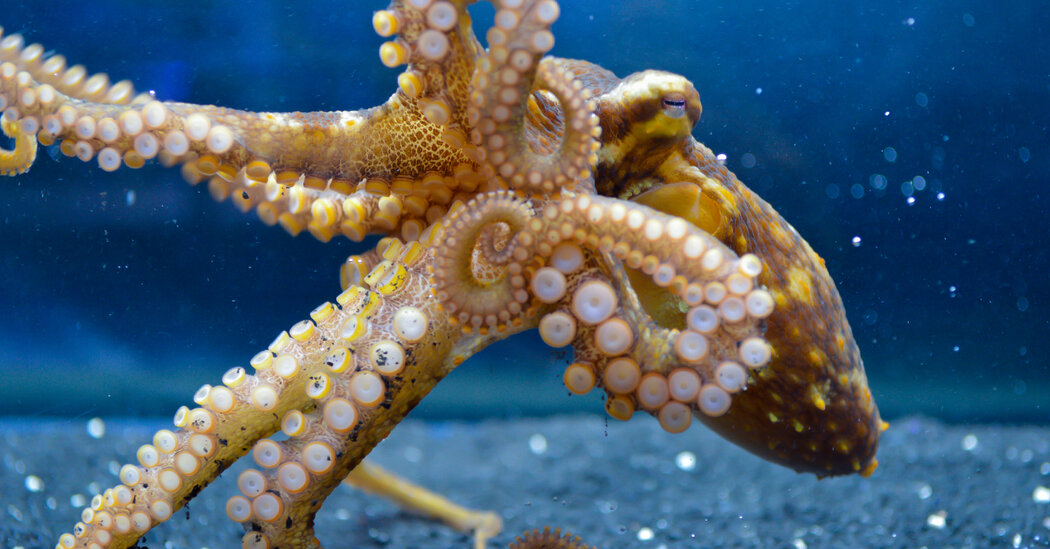
Research shows that octopuses do not have a dominant arm but tend to use their front limbs more for exploring and their back limbs for movement, with no preference for right or left in the wild, highlighting their limb versatility and redundancy.
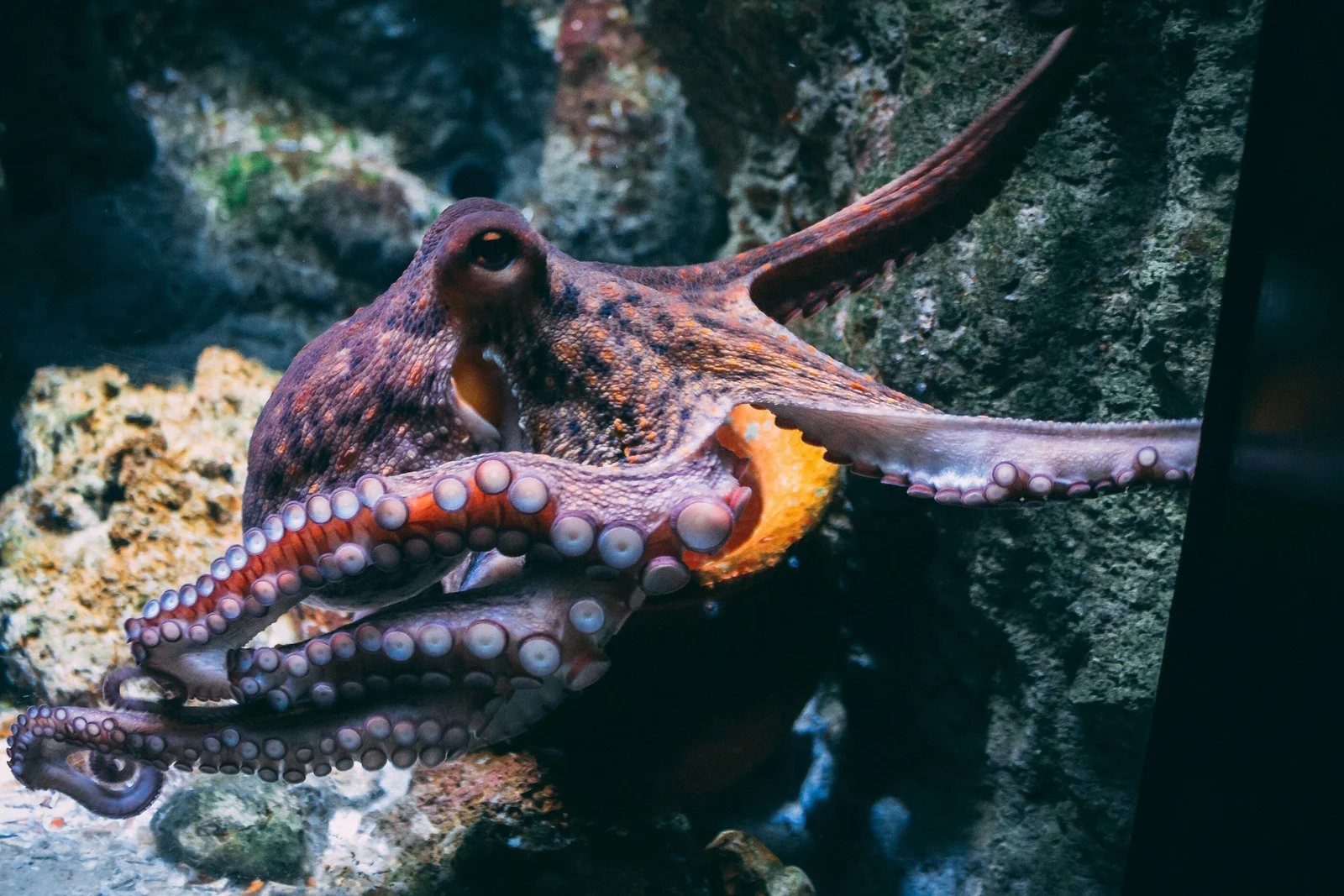
Scientists conducted the most comprehensive study to date on octopus limb use, finding that while they do not prefer one side over the other, they tend to use their front arms more for tasks like reaching and curling, and their rear arms for locomotion, demonstrating high flexibility and task-specific limb coordination.
A study analyzing videos of wild octopuses reveals they do not have a dominant arm but prefer using their front arms for exploration and their back arms for movement, with no preference for right or left in natural settings, highlighting their complex limb functionality and adaptability.
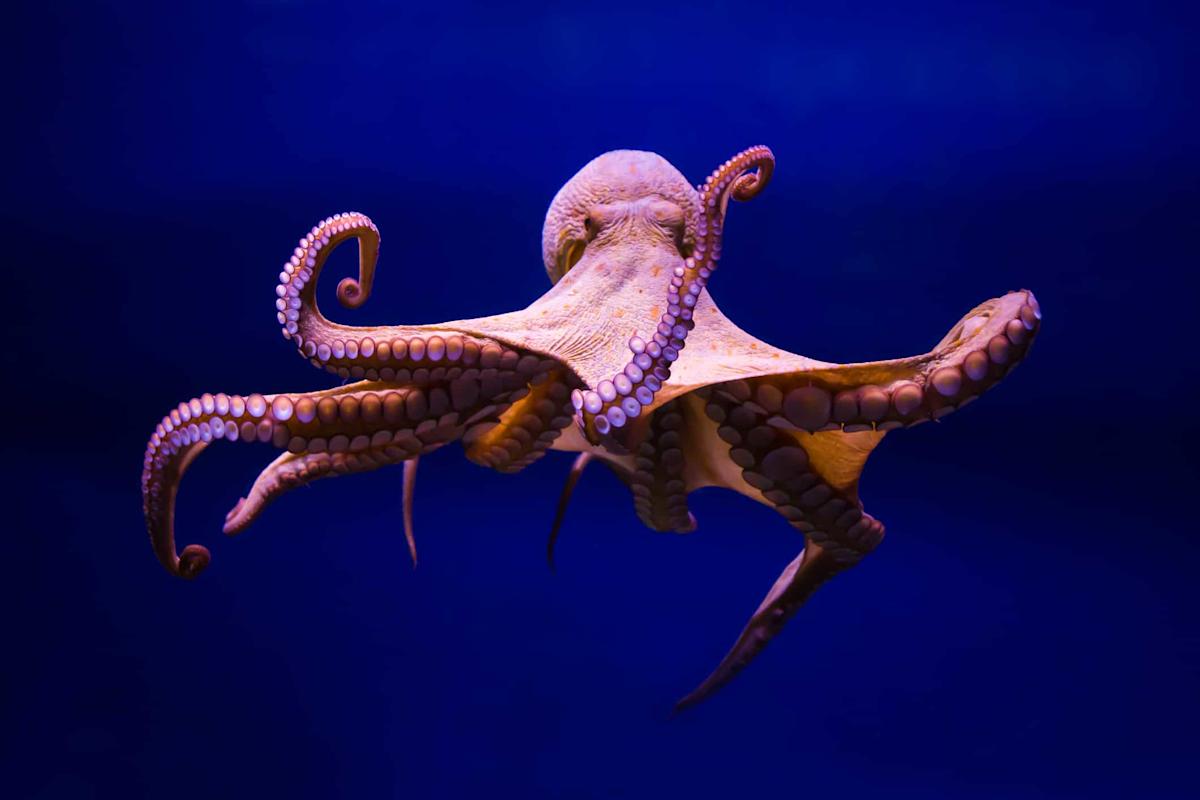
Octopuses are generally solitary but can form groups called a consortium, especially in shared habitats like the underwater city Octlantis off Australia, showcasing complex social behaviors. The term 'octopus' derives from Greek, meaning 'eight foot,' and while 'octopi' is commonly used, 'octopuses' is the correct plural in English.
Scientists in Japan discovered that octopuses can be fooled into thinking a fake arm is their own, responding defensively as if hurt, which suggests they possess a multisensory sense of body ownership similar to humans and mammals. This finding highlights the complex and independent development of their nervous system and offers insights into the evolution of body perception.
A recent study shows that octopuses, like humans, can be tricked by the rubber hand illusion, suggesting they possess a form of body awareness and self-modeling despite their vastly different neural architecture, challenging assumptions about consciousness in animals.
Research shows that octopuses can experience the rubber hand illusion, indicating they have a sense of body ownership similar to humans, which could provide insights into the evolution of self-perception and have applications in robotics and understanding neurological disorders.
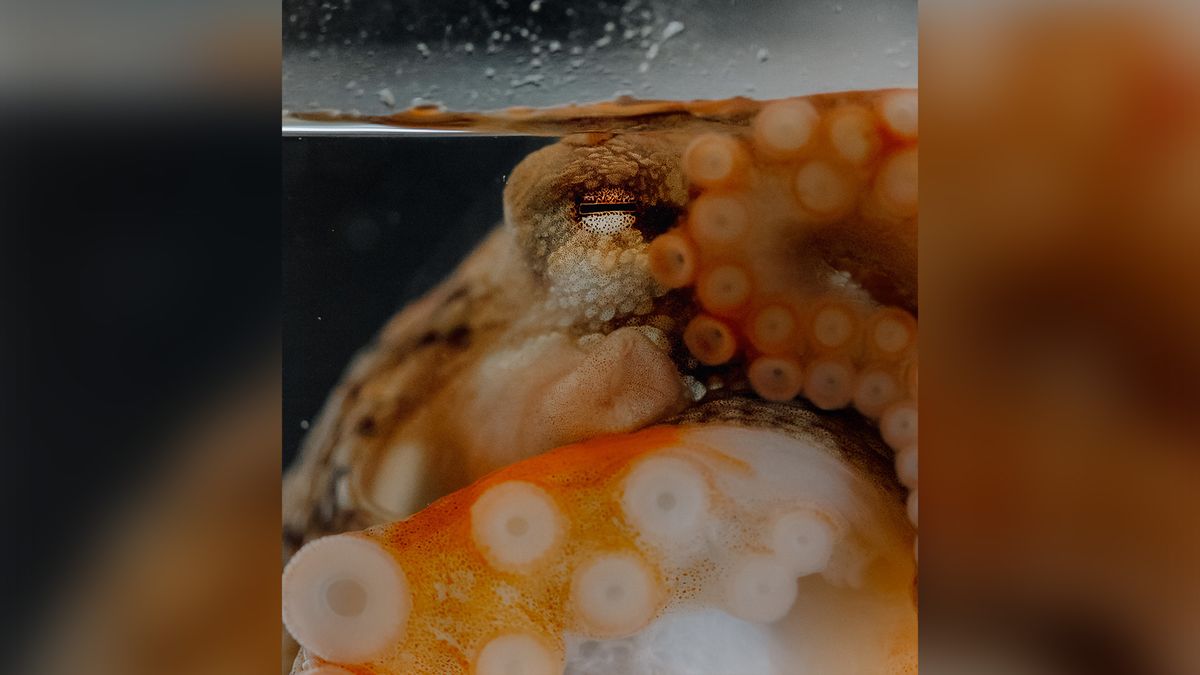
A study reveals that octopuses can taste chemical cues from microbes on surfaces like prey and eggs, which helps them decide what to hunt or nurture, highlighting the role of microbiomes in animal behavior.
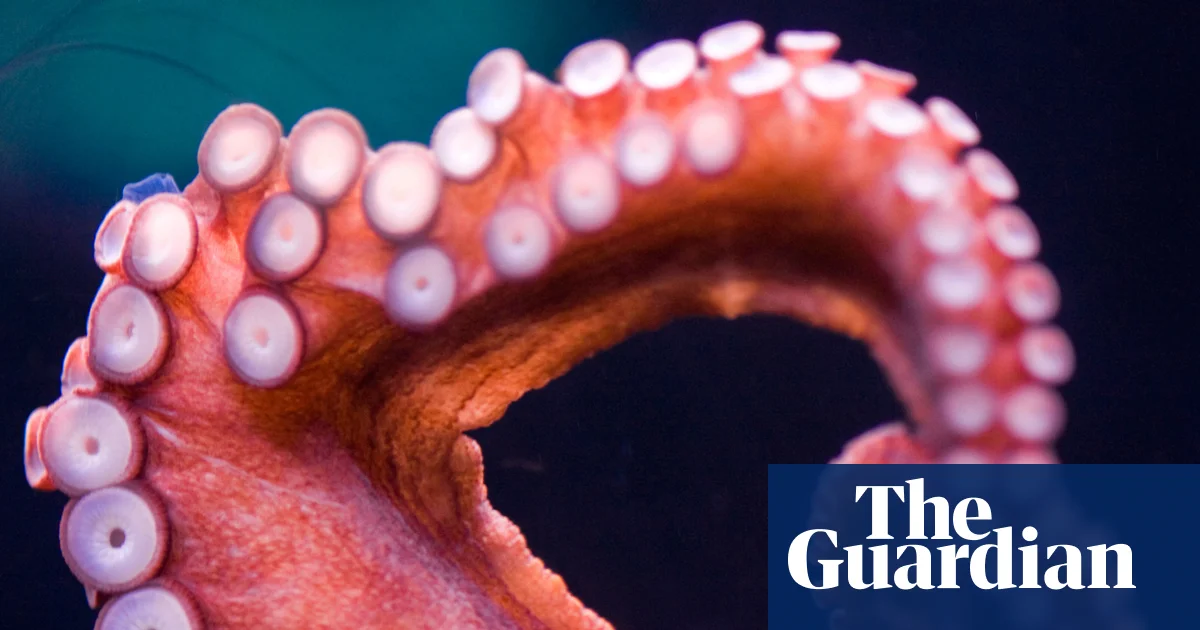
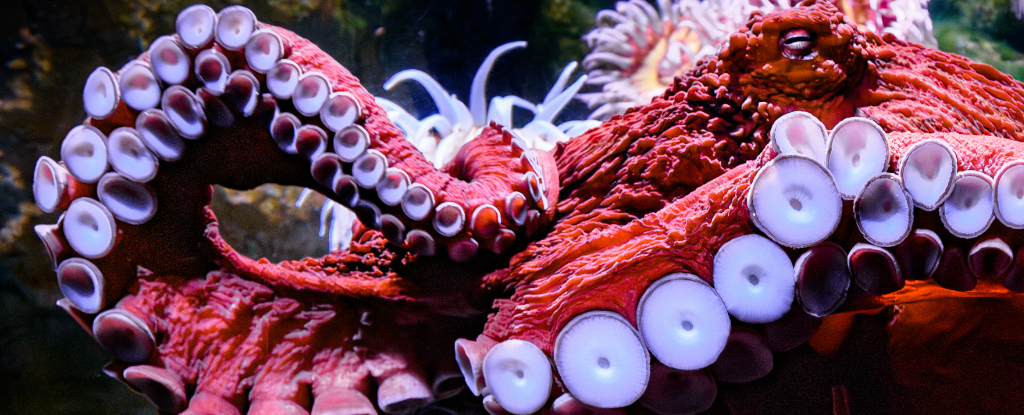
Scientists discovered that octopuses use their arms to taste and detect microbiomes on surfaces, helping them identify prey and assess their environment, revealing a sophisticated microbial sensing ability that influences their behavior and interactions.
New research reveals that octopuses expend significant energy when changing color, comparable to a human's calorie burn during a 30-minute jog. This study, using ruby octopuses, measured oxygen consumption during color changes, highlighting the energetic cost of their sophisticated camouflage system. The findings provide insights into the biological trade-offs octopuses make for survival, as their color-changing ability is more energy-intensive than similar adaptations in other animals like chameleons.
Scientists suggest that octopuses could become the dominant species on Earth if humans were to go extinct due to their intelligence, adaptability, and dexterity. Professor Tim Coulson from the University of Oxford argues that octopuses possess the necessary attributes to evolve into a civilisation-building species, potentially creating underwater cities and developing methods to hunt on land. While this is speculative, octopuses' advanced problem-solving skills and ability to adapt to changing environments make them a strong contender for future dominance in a post-human world.
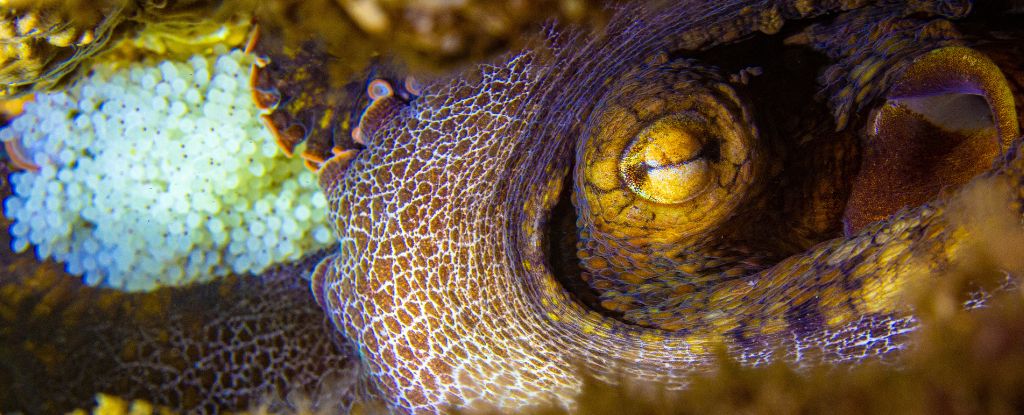
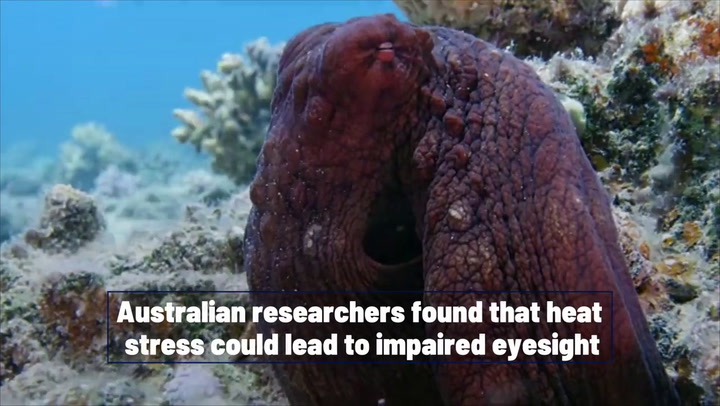
Researchers from the University of Adelaide warn that global warming could cause octopuses to lose their vision, impacting their survival and reproductive success. Heat stress from climate change may lead to increased deaths of pregnant octopus mothers and their unborn young, posing significant ramifications for the species, despite their high adaptability.
Researchers have discovered that octopuses may have the oldest sex chromosomes in the animal kingdom, with evidence of a ZW sex-determination system found in their genome. This unique chromosome pair, present in the California two-spot octopus, suggests an ancient origin dating back between 455 and 248 million years ago. The discovery challenges previous assumptions about sex determination in animals and highlights the need for further research into the evolution of sex chromosomes.
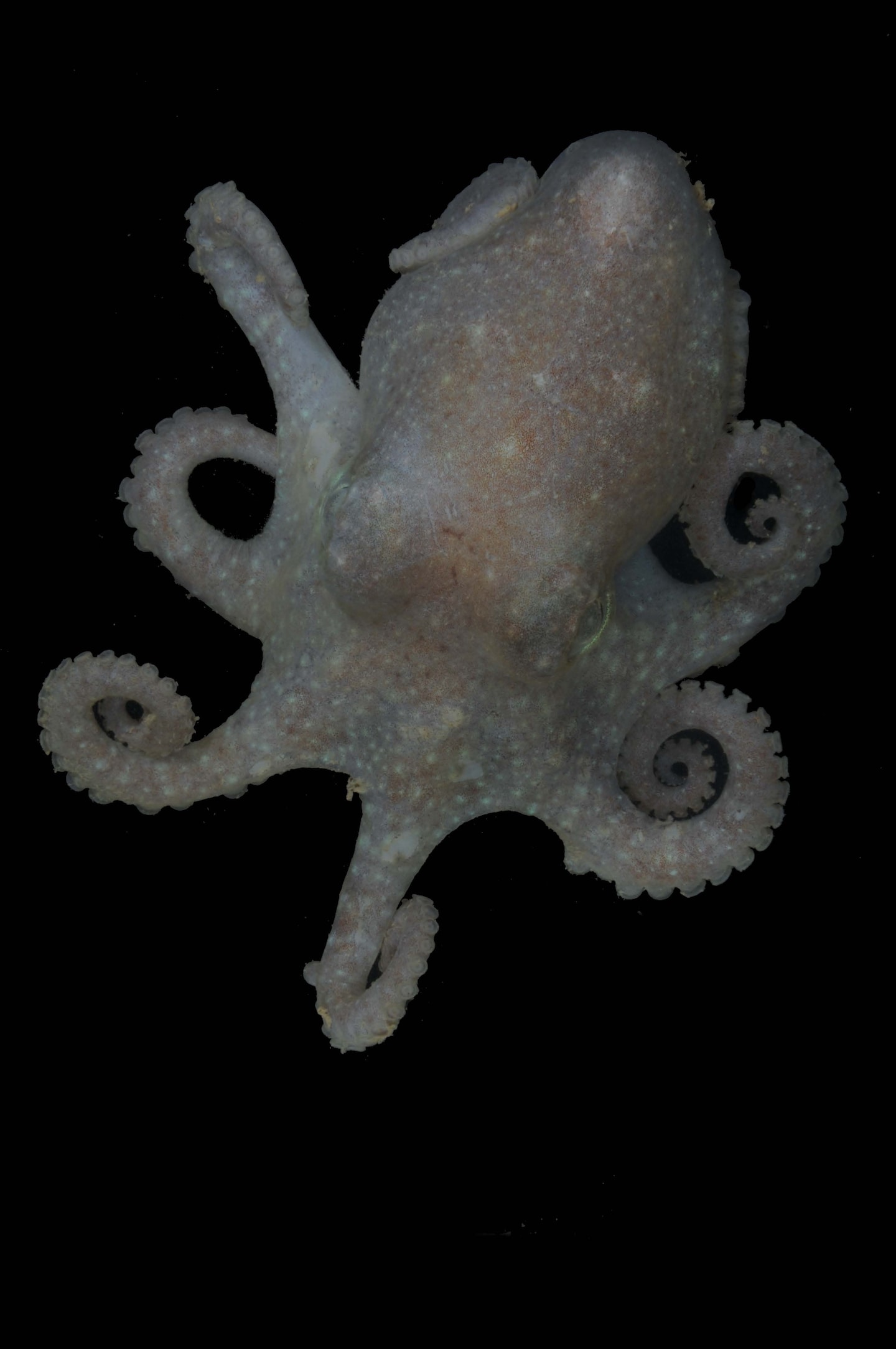
Turquet's octopuses, a species found in the Southern Ocean, have provided new insights into the collapse of the West Antarctic Ice Sheet. Genetic analysis of octopuses from different regions revealed that they were genetically similar despite being physically separated by the ice sheet. This suggests that the octopuses migrated between the seas after the ice sheet melted during the Last Interglacial period, which occurred about 125,000 years ago. The findings raise concerns about the stability of the West Antarctic Ice Sheet in the face of current global warming, as temperatures today are already similar to those during the Last Interglacial period. If the ice sheet were to collapse, it could lead to a significant rise in global sea levels.