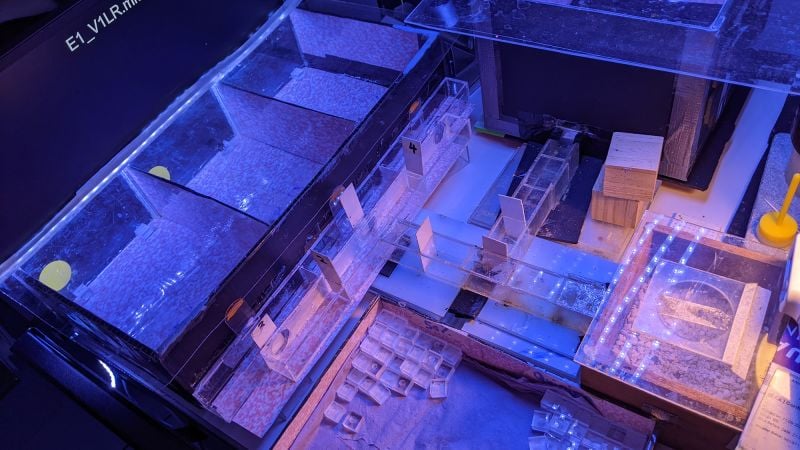
Research from Washington State University shows that rats with higher baseline stress hormone levels are more likely to self-administer cannabis, suggesting that long-term stress biology may influence cannabis-seeking behavior, similar to patterns observed in humans.

New research suggests that the gut microbiome may play a role in social anxiety disorder, with transplant experiments in rats showing that bacteria from adolescents with social anxiety induce anxiety-like behaviors and brain changes, highlighting a potential biological link via the gut-brain axis.
Scientists have discovered that bumblebees can process the duration of light flashes to make foraging decisions, marking the first evidence of such complex time perception in insects, which challenges previous beliefs about insect simplicity and highlights their cognitive abilities.
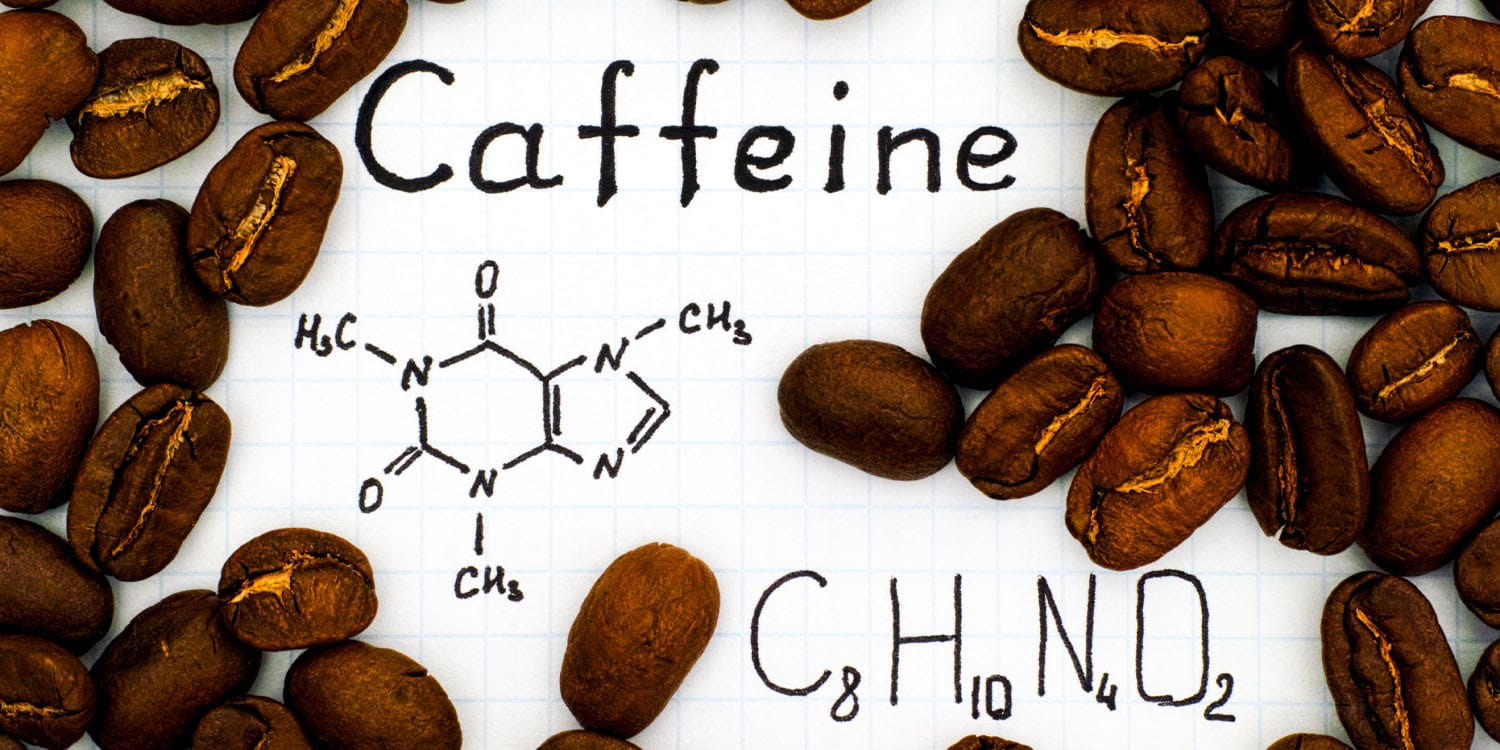
A study found that caffeine, especially under stress, can increase task persistence in humans, with effects varying based on dose and context, suggesting caffeine promotes active coping behaviors.
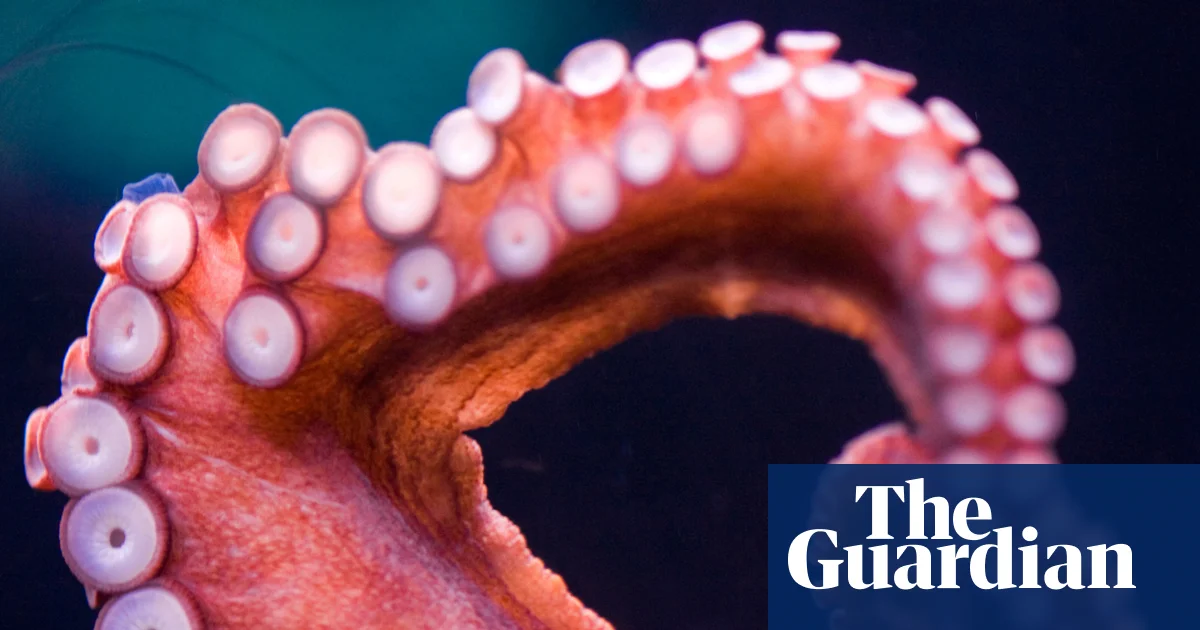
Scientists conducted the most comprehensive study to date on octopus limb use, finding that while they do not prefer one side over the other, they tend to use their front arms more for tasks like reaching and curling, and their rear arms for locomotion, demonstrating high flexibility and task-specific limb coordination.
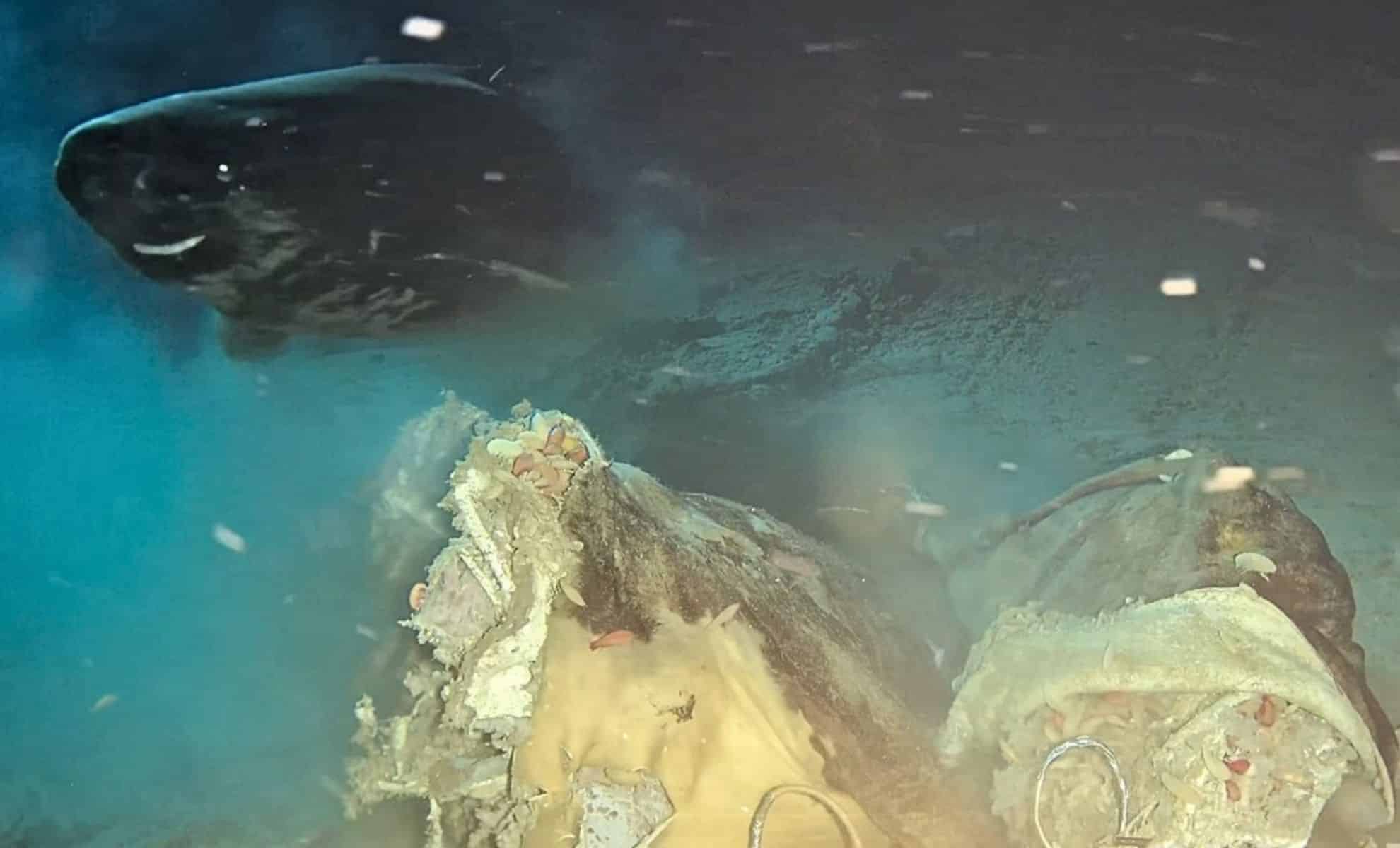
Scientists conducting a deep-sea experiment in the South China Sea observed eight Pacific sleeper sharks, marking the first recorded presence of this species in the region. The sharks displayed complex feeding behaviors, including queueing and size-based aggression, and exhibited unique eye retraction as a protective adaptation. This discovery suggests a broader and more complex range for the species than previously known, raising new questions about deep-sea predator behaviors and distribution.
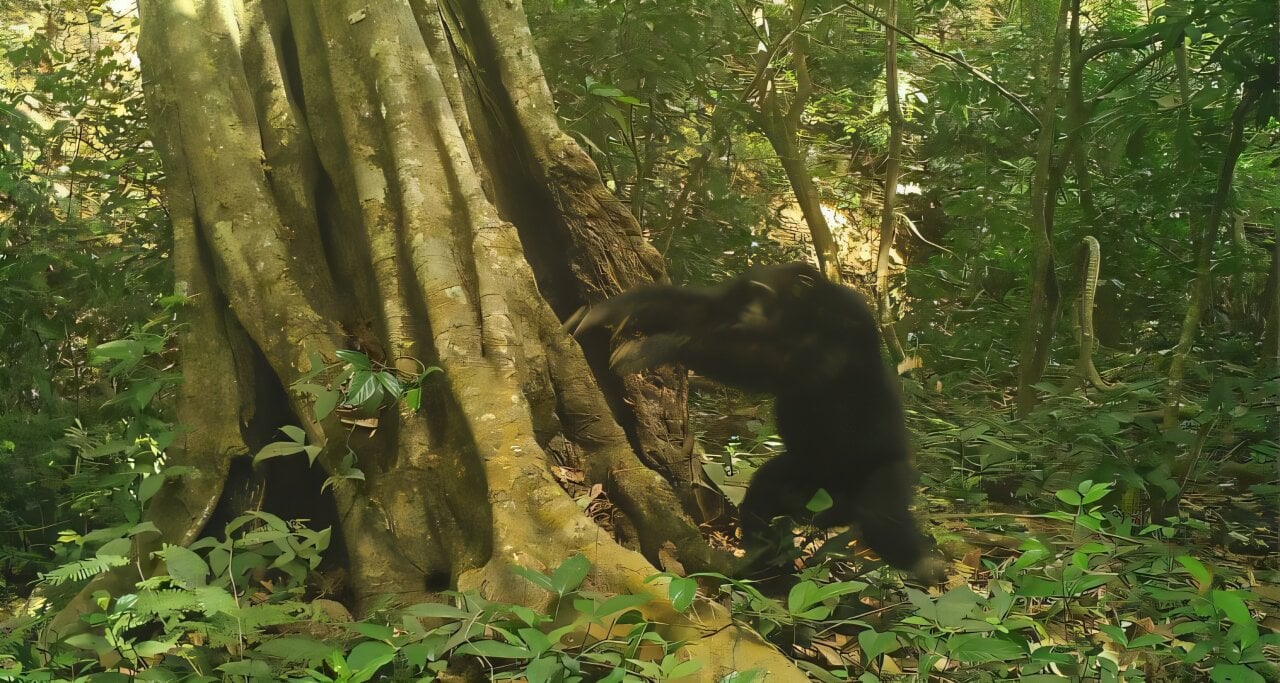
A five-year study in Guinea-Bissau found that wild chimpanzees use stones to produce sounds by striking them against trees, likely as a form of communication, with young chimpanzees learning this behavior socially, indicating cultural transmission among primates.
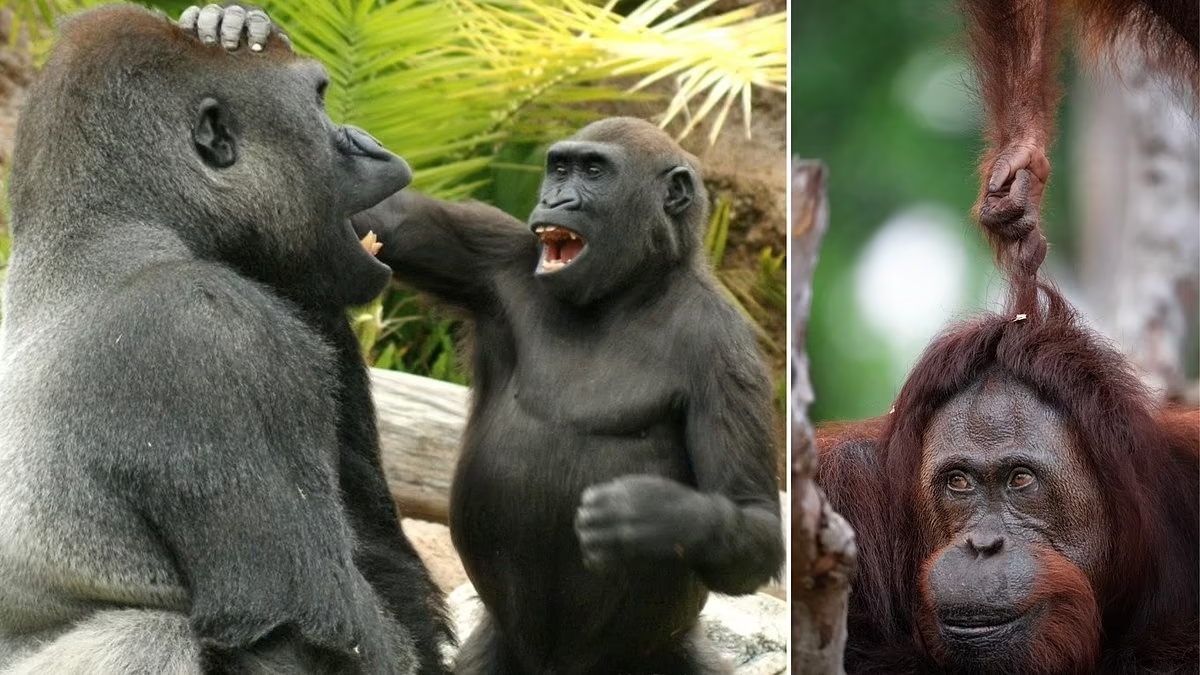
A study has found that great apes, including chimpanzees, bonobos, gorillas, and orangutans, engage in playful teasing behavior similar to humans, with the intention of provoking a response or attracting attention. The research suggests that this behavior may have evolved in human ancestors around 13 million years ago. By analyzing videos of juvenile apes engaging in teasing behaviors, the study provides insights into the evolutionary origins of playful teasing and its cognitive prerequisites.
A new study by researchers at the Paris Brain Institute explores how individual preferences influence the speed and creativity of idea generation. Using a behavioral study and computational modeling, the researchers found that the subjective evaluation of ideas plays a crucial role in creativity. The study also revealed that individuals inclined towards original ideas tend to suggest more inventive concepts. The findings challenge the notion that creative thinking is a mysterious process and suggest the possibility of precisely describing the mechanisms of creativity at a neurocomputational level. The researchers aim to further investigate different creativity profiles and explore how environments can foster or inhibit creativity.