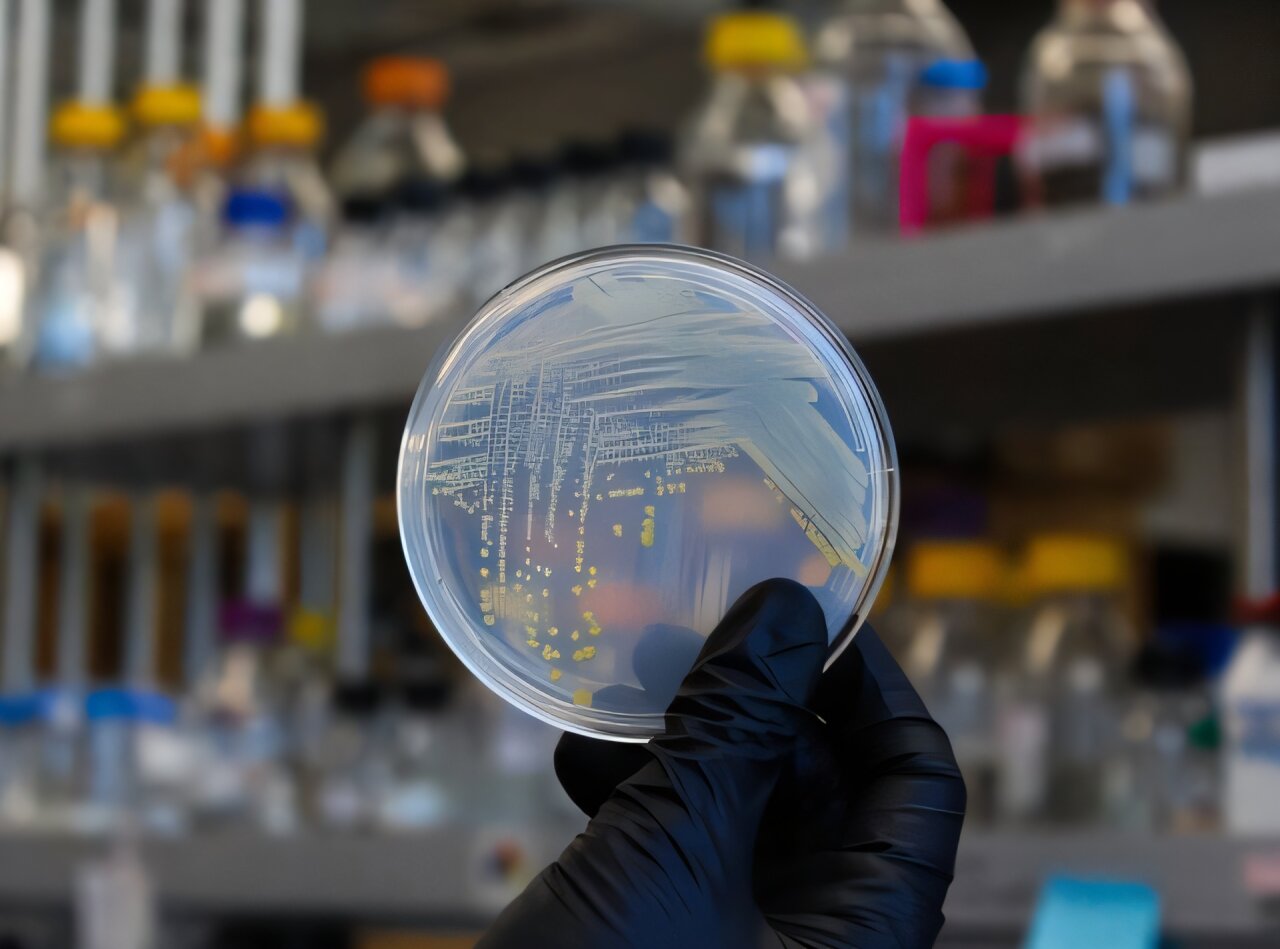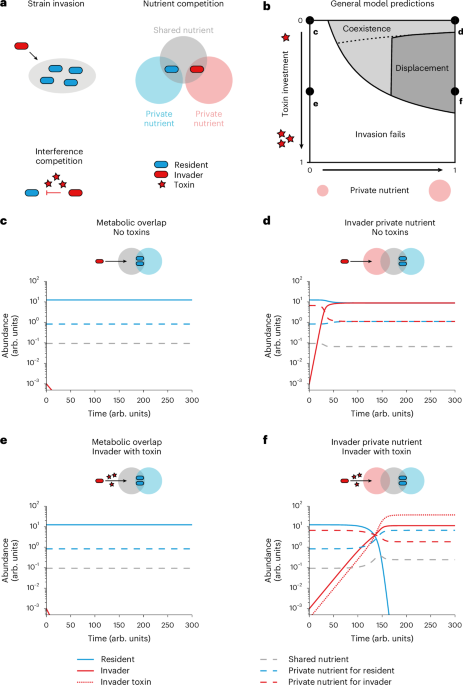
The article explores how ecological competition, including nutrient and interference competition via bacterial toxins, influences strain displacement in microbiomes, supported by mathematical modeling and experiments with engineered and natural E. coli strains, highlighting the importance of private nutrients and interference mechanisms for successful invasion and displacement within diverse bacterial communities.
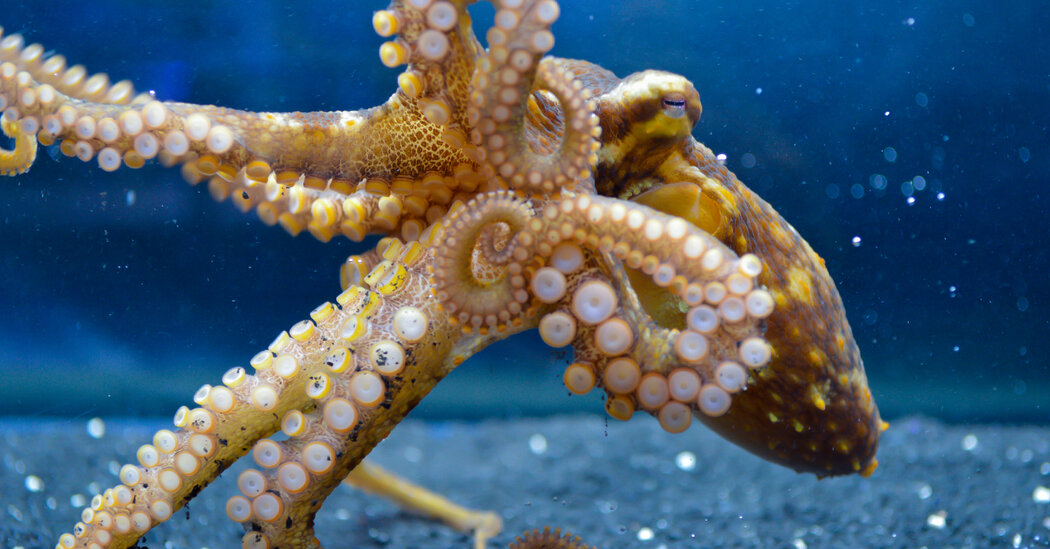
Scientists discovered that octopuses use their arms to taste and detect microbiomes on surfaces, helping them identify prey and assess their environment, revealing a sophisticated microbial sensing ability that influences their behavior and interactions.
Recent research published in The ISME Journal highlights the significant role of corrinoids, a family of vitamin B12 nutrients, in influencing microbial growth and soil microbiomes. The studies revealed that while many soil bacteria can produce corrinoids, only a few release them, impacting microbiome assembly and activity. Additionally, the presence of corrinoids in soil, often exceeding levels needed for microbial growth, can transiently alter microbiome structures. These findings suggest potential strategies for manipulating soil microbiomes to enhance soil health and ecosystem functions.
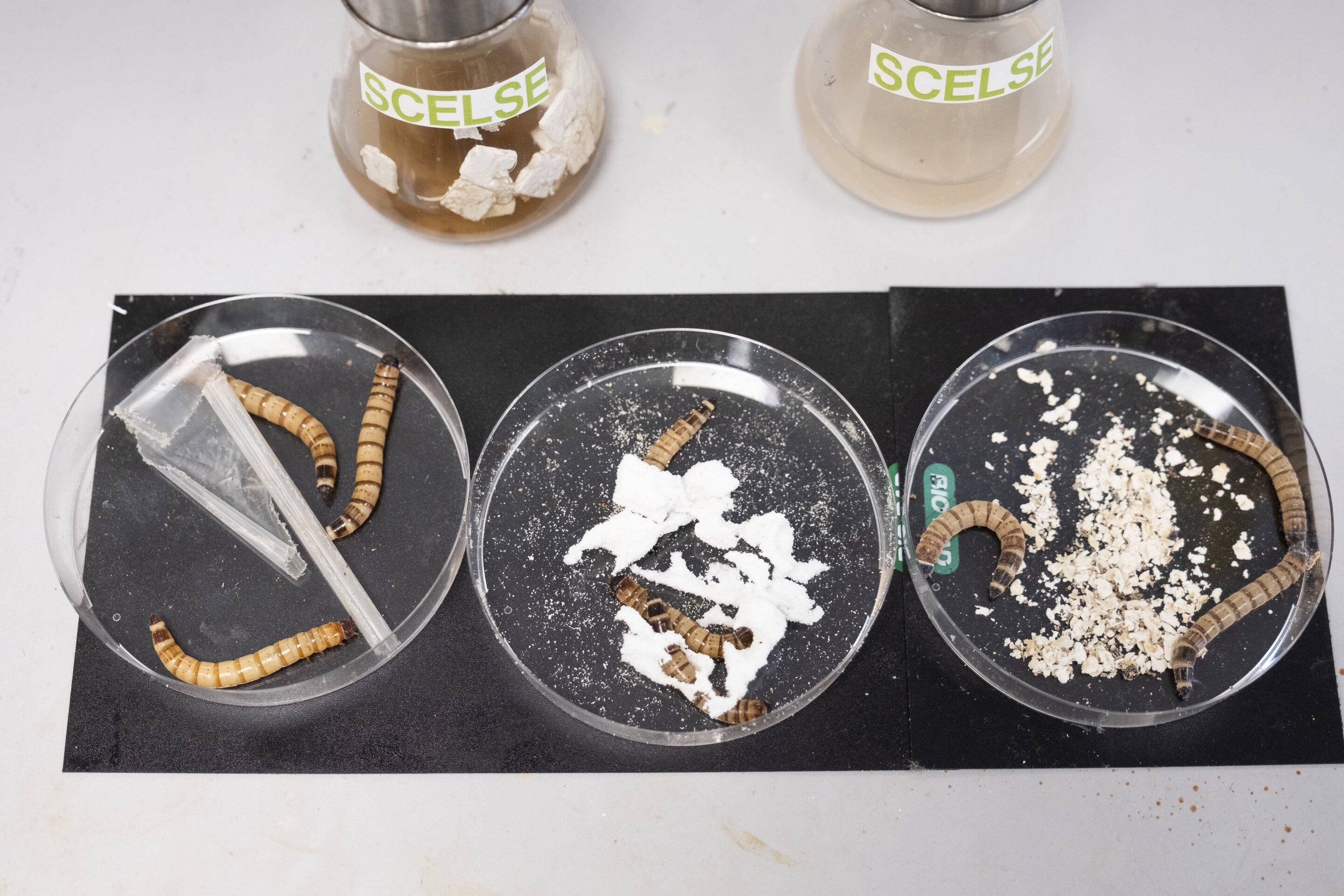
Scientists from Nanyang Technological University, Singapore, have developed an artificial worm gut to break down plastics by isolating the gut bacteria of superworms and using them to accelerate plastic biodegradation. By feeding worms with different plastic diets and incubating their gut microbiomes in flasks, the researchers demonstrated a method to boost plastic-degrading bacteria, potentially offering a nature-inspired solution to the global plastic pollution problem. This study lays the foundation for developing biotechnological approaches that use worms' gut microbiomes to process plastic waste, with future research aimed at understanding the molecular mechanisms of plastic degradation.
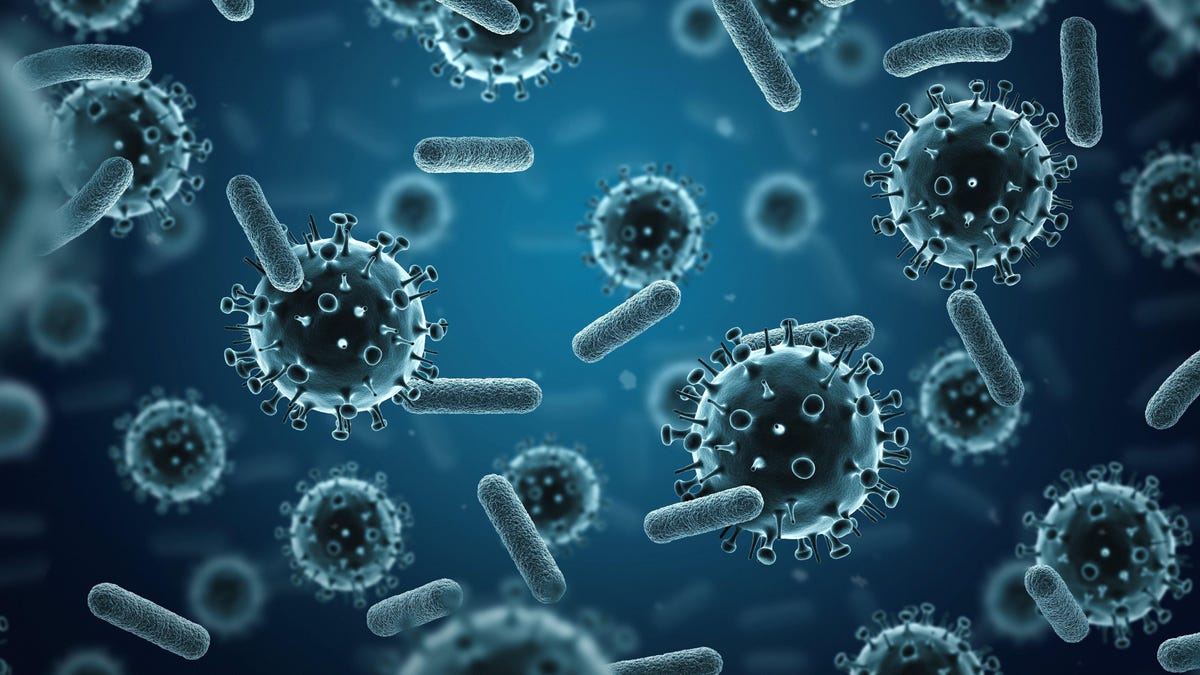
Researchers have discovered virus-like structures called "obelisks" in the microbiomes of human mouths and guts, which are distinct from traditional viruses and viroids. These obelisks, composed of unique RNA sequences, were found in about 7% of gut bacteria and half of mouth bacteria microbiomes analyzed. The findings, though preliminary, suggest a previously unknown layer of the microbial world and raise questions about their origins, potential effects on human health, and evolutionary relationship to viruses.
A new study suggests that the dietary and hygienic changes brought about by the Black Death in the 1300s may be the reason why people today have a fondness for junk food. Researchers from Penn State University analyzed dental plaque from skeletons dating back to 2200 BC to 1835 AD and found that the bacteria in their mouths had changed significantly. The bacteria found in the samples were linked to low-fiber, high-carbohydrate diets, similar to additives commonly found in fast food. The study suggests that the Black Death may have triggered changes in people's diets, leading to the composition of their oral microbiomes and potentially influencing their preference for junk food.
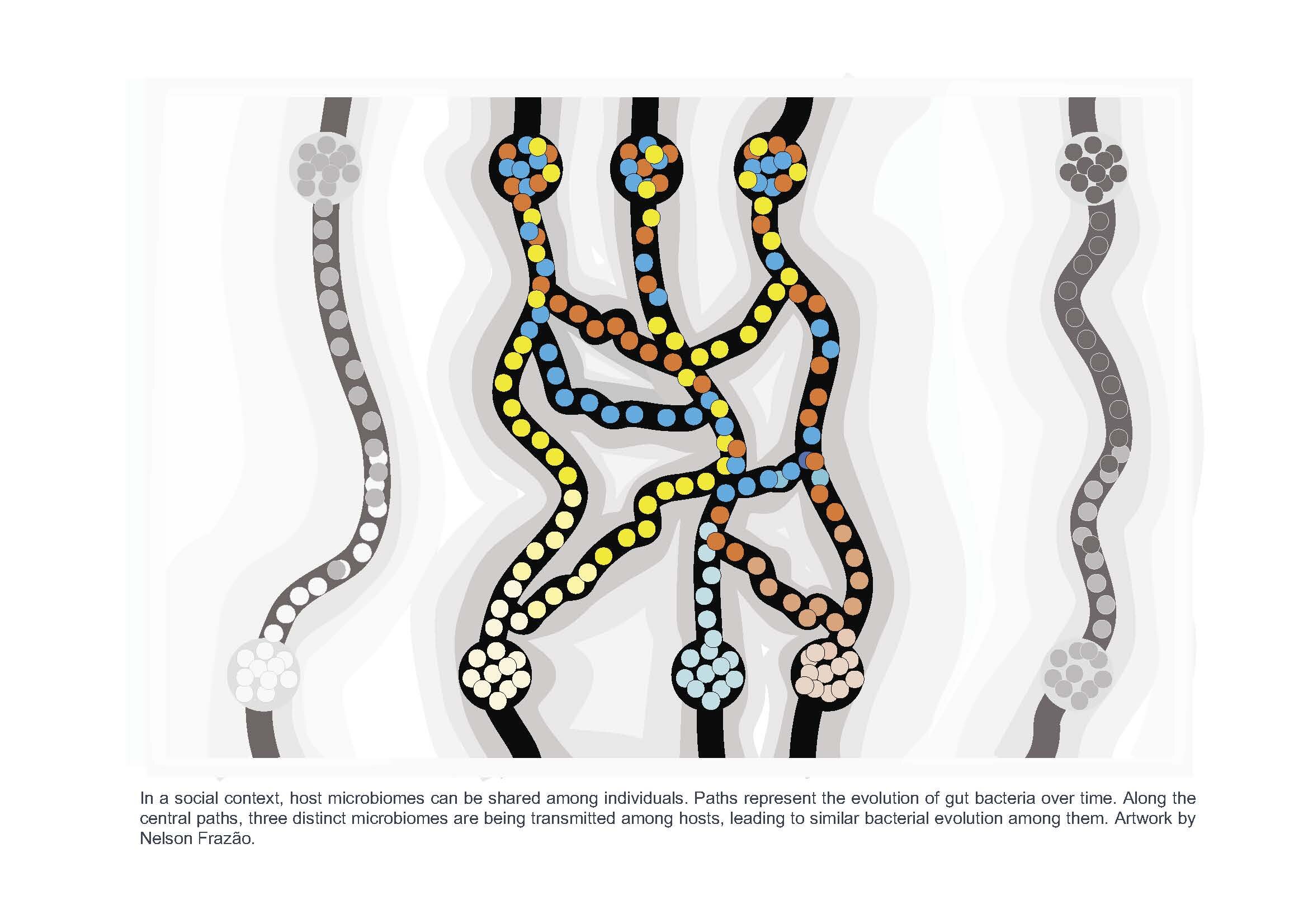
A new study published in Molecular Biology and Evolution reveals that hosts sharing the same space and social interactions have a more similar composition of gut bacteria. Researchers used an innovative experimental evolution approach and found a high rate of microbial transmission between co-housed mice, leading to shared evolutionary events. The study highlights the significant role of bacterial transmission in shaping the adaptive evolution of gut microbiomes and sheds light on the complex relationship between social interactions, intestinal bacteria, and human health.