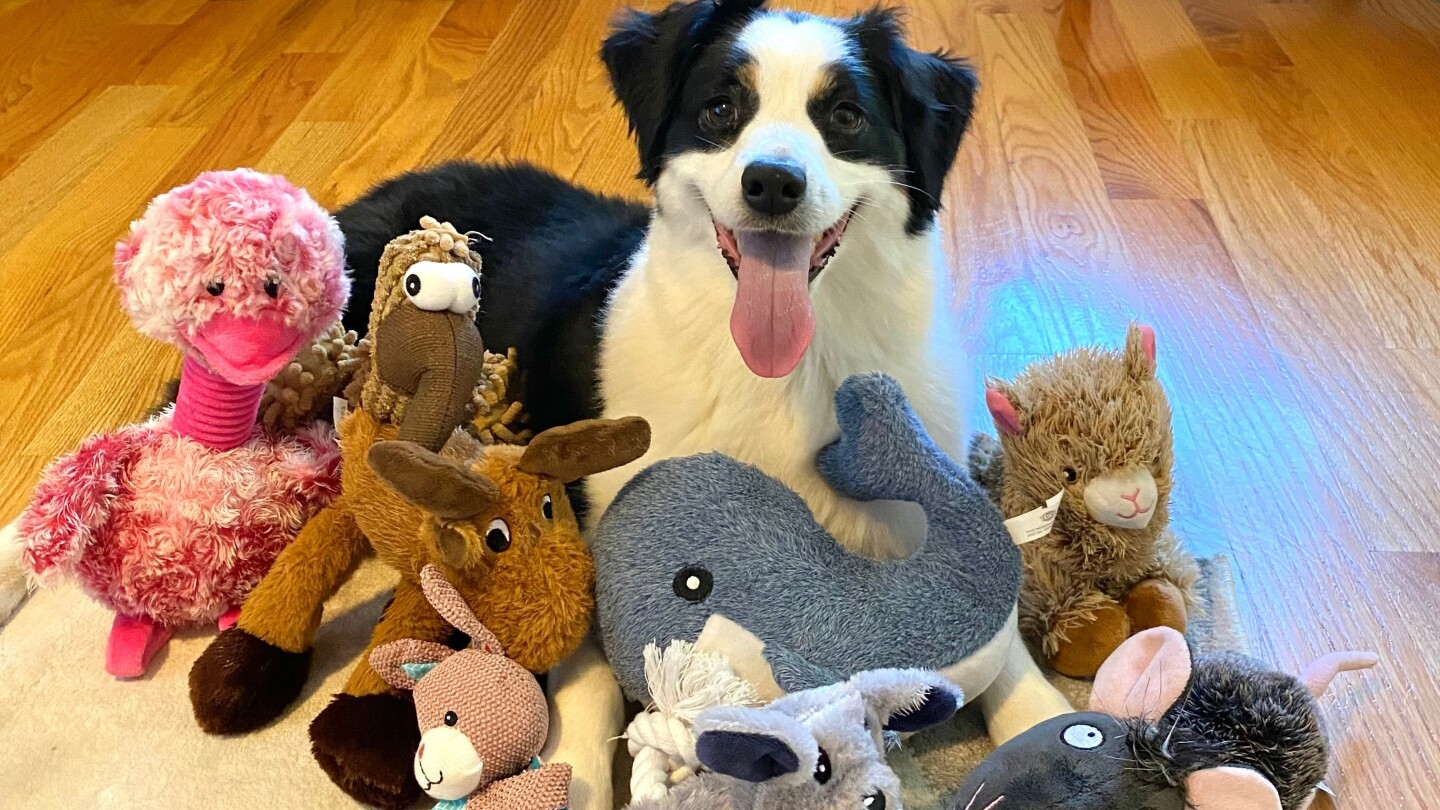
Scientists have discovered that a select group of gifted dogs can learn the names of new toys by overhearing their owners talk about them, demonstrating advanced cognitive abilities similar to those seen in humans and some other animals.
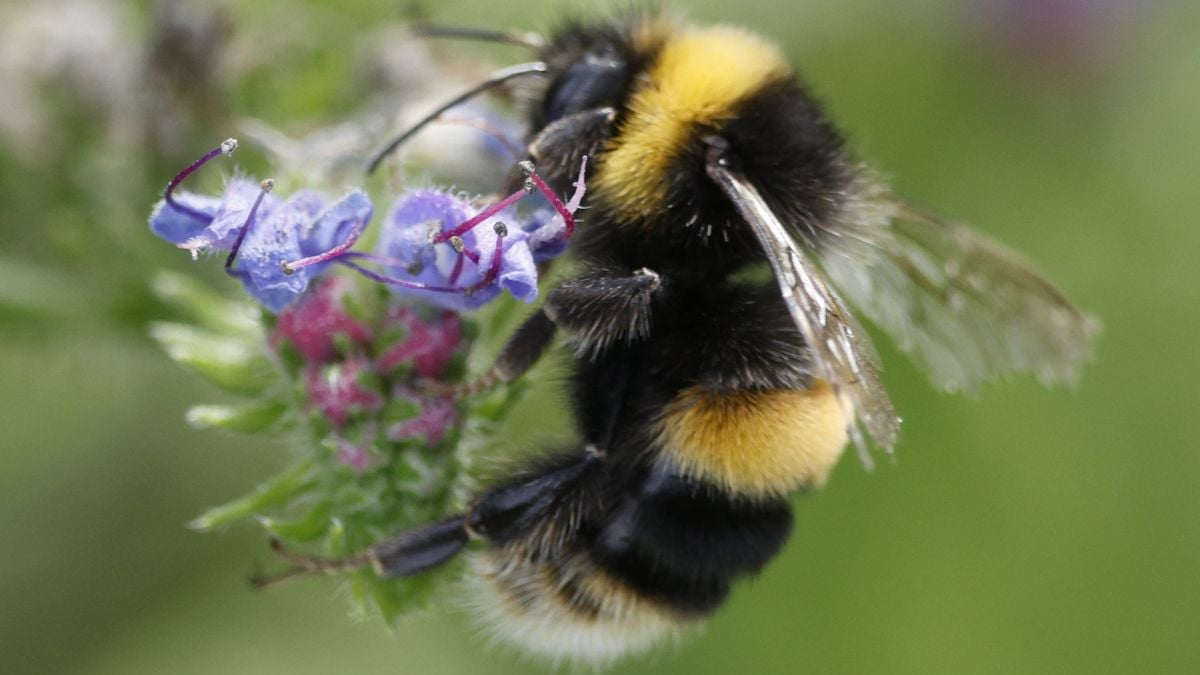
Scientists trained bumblebees to distinguish between different durations of light patterns, similar to Morse code, demonstrating their ability to process temporal information and make decisions based solely on visual cues, revealing complex cognitive abilities in insects.
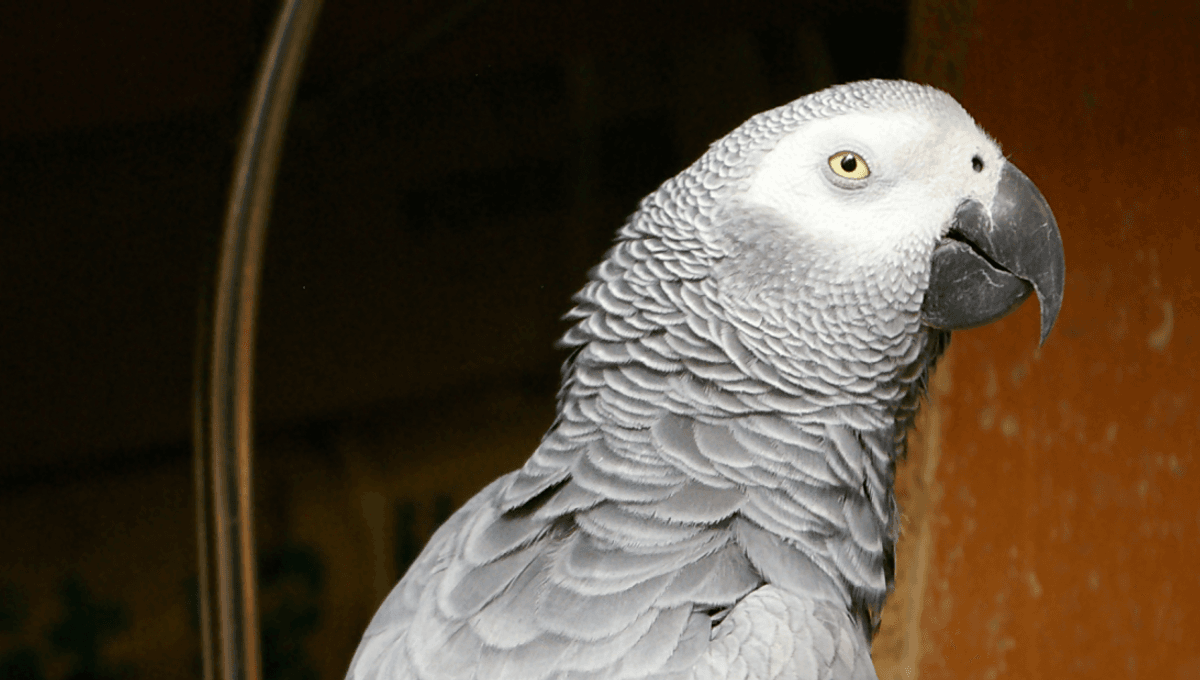
Alex the parrot, an African gray, revolutionized our understanding of animal intelligence through his ability to use words, ask questions, and demonstrate self-awareness, challenging previous beliefs about animal cognition and consciousness.
Jim Al-Khalili's 'Secrets of the Brain' explores 600 million years of brain evolution, highlighting the similarities between human and animal brains, and questioning what truly separates humans from other primates, emphasizing the importance of social complexity and consciousness.
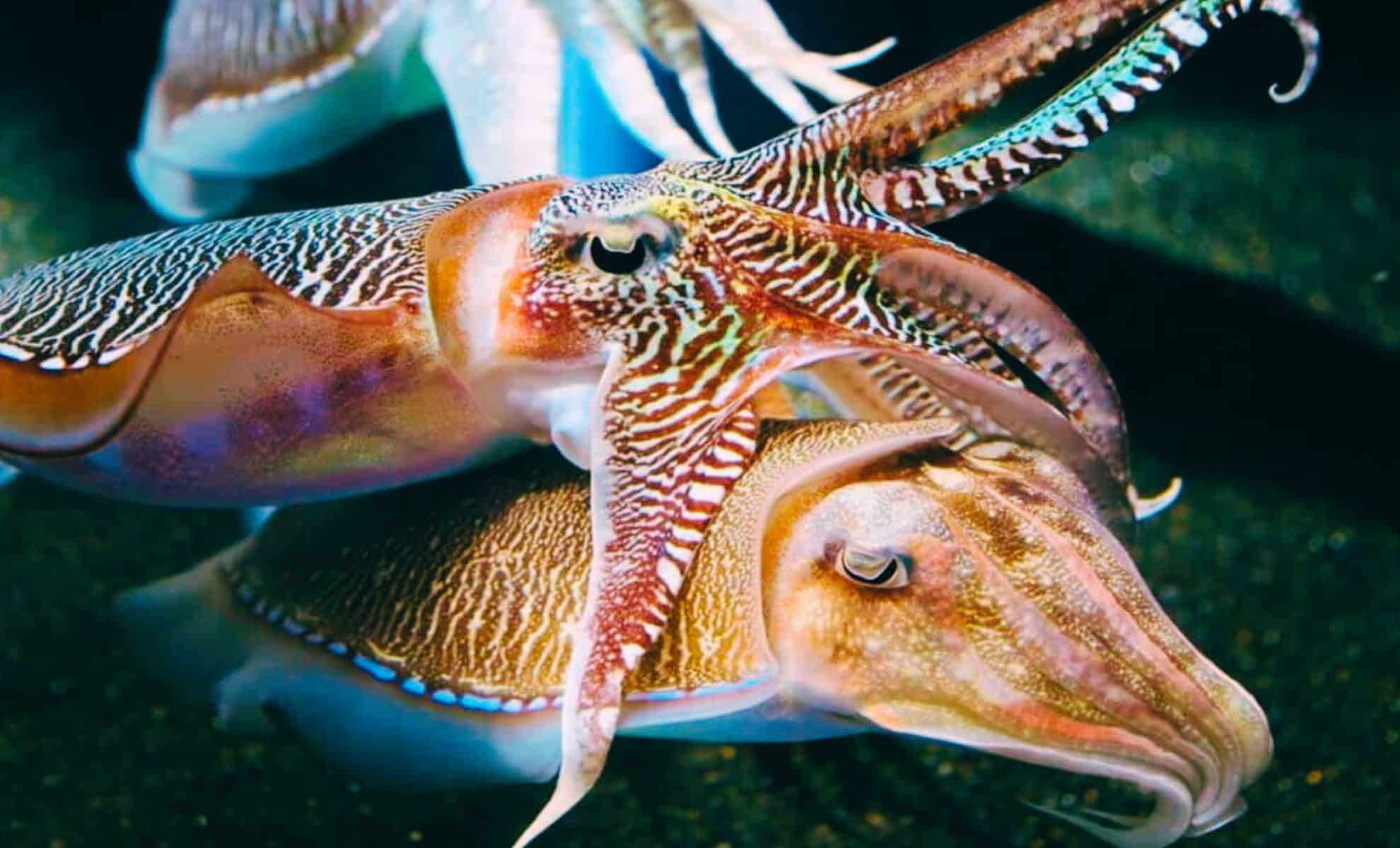
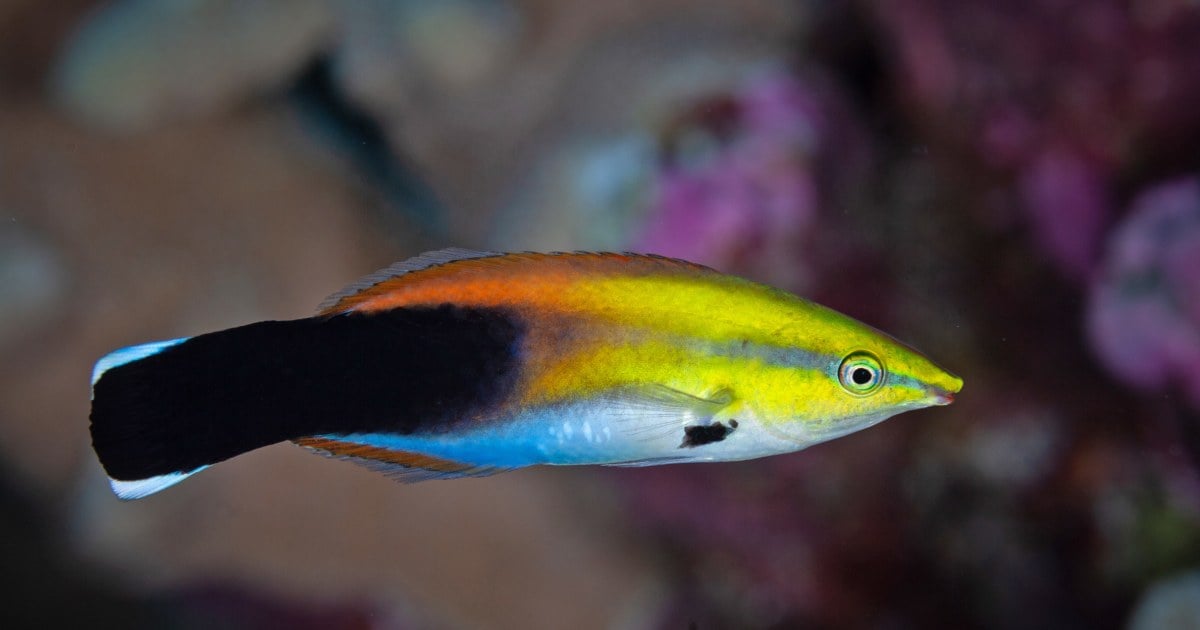
A study shows that common cuttlefish can pass a delayed gratification test similar to children, indicating advanced cognitive abilities and behavioral flexibility, likely evolved due to their ambush hunting strategy, challenging previous assumptions about invertebrate intelligence and emphasizing the importance of conservation efforts.
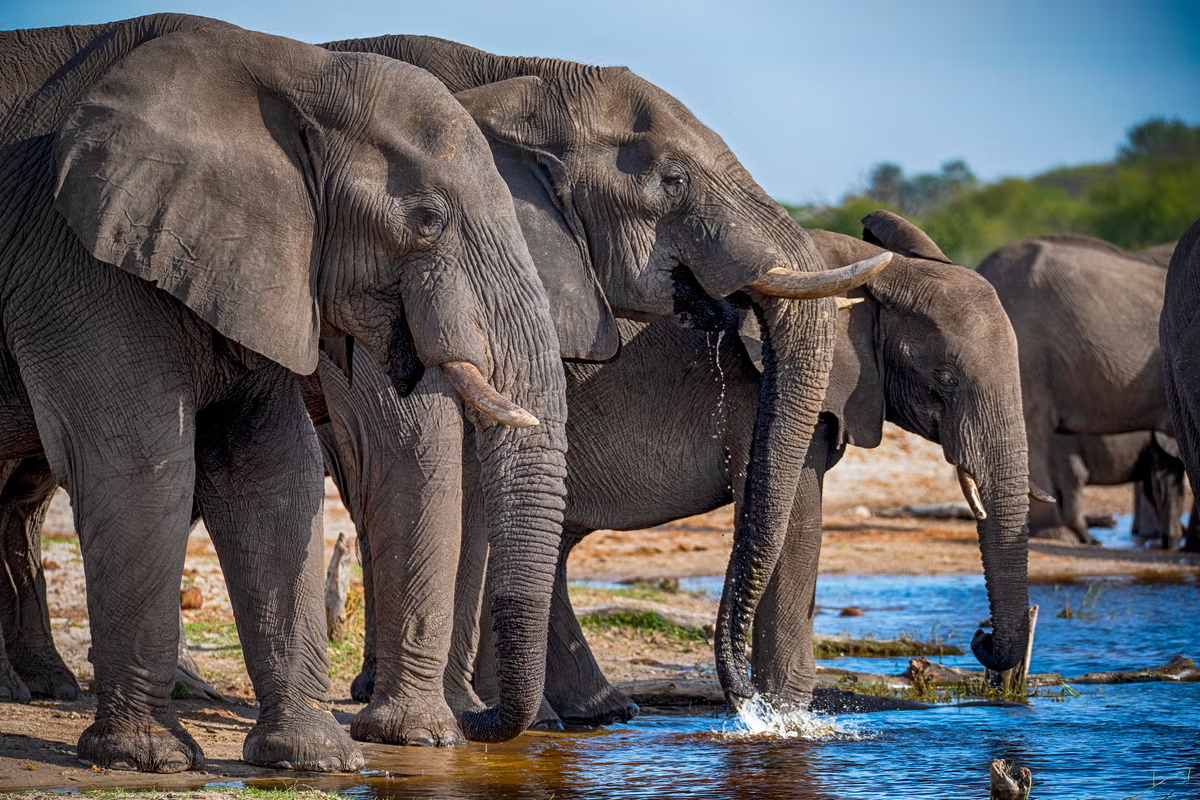
A new study shows that semi-captive elephants use 38 different gestures intentionally to communicate with humans, suggesting they have goal-directed communication skills similar to primates, which may help them navigate complex social lives and offers insights into animal cognition and evolution.
A recent study shows that octopuses, like humans, can be tricked by the rubber hand illusion, suggesting they possess a form of body awareness and self-modeling despite their vastly different neural architecture, challenging assumptions about consciousness in animals.
Many animal species, including birds, insects, mammals, and reptiles, can discriminate quantities and perform basic numerical tasks, often using an innate approximate number system (ANS). While some animals like parrots and chimpanzees can approach true counting, most are limited to quick comparisons and simple estimations rather than complex arithmetic. The ability to do actual math, involving symbols and operations like addition and subtraction, appears to be rare and mostly observed in trained animals.
Scientists are studying the complex calls of mountain chickadees to understand how these social birds use vocalizations to convey detailed information, including food sources and social status, with their calls following systematic rules similar to grammar in human language.
Researchers at the University of Richmond have trained rats to drive tiny cars, discovering that the rodents not only learn to drive but also enjoy the experience. This experiment, led by neuroscientist Kelly Lambert, provides insights into animal cognition and stress, showing that the anticipation and process of driving can be as rewarding as the outcome. The study suggests that such activities may enhance cognitive functions in rats, offering a lesson for humans about savoring the journey rather than just the destination.
A new study by researchers at the University of Tübingen has found that crows can count up to four and match the number of calls they make when shown a numeral. This discovery, published in the journal Science, highlights the advanced numerical thinking and planning abilities of crows, challenging the notion that animals are merely stimulus-response machines. The findings add to the growing body of evidence on crow intelligence and their ability to understand abstract numbers.
A group of top researchers on animal cognition have published "The New York Declaration on Animal Consciousness," stating that there is strong scientific support for conscious experience in birds and mammals, and a realistic possibility of consciousness for all vertebrates, including reptiles, amphibians, fish, insects, and crustaceans. Recent findings have shown evidence of conscious thought or experience in a surprising range of creatures, prompting a shift in how scientists and society view and care for animals. This changing understanding of animal sentience could have implications for U.S. law and animal welfare.
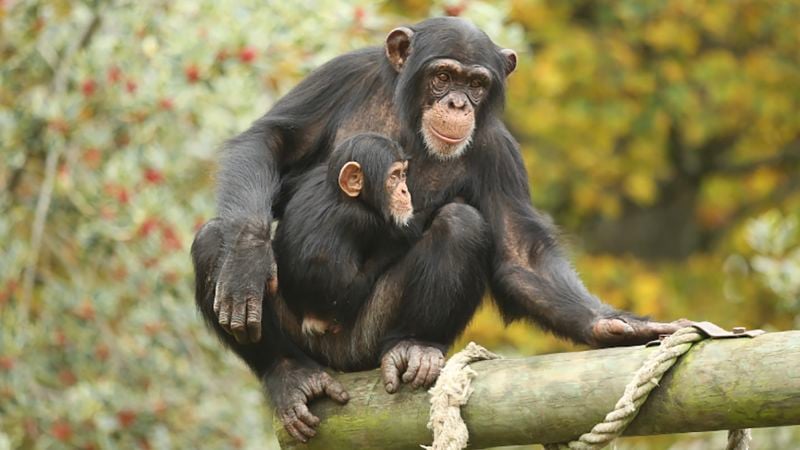
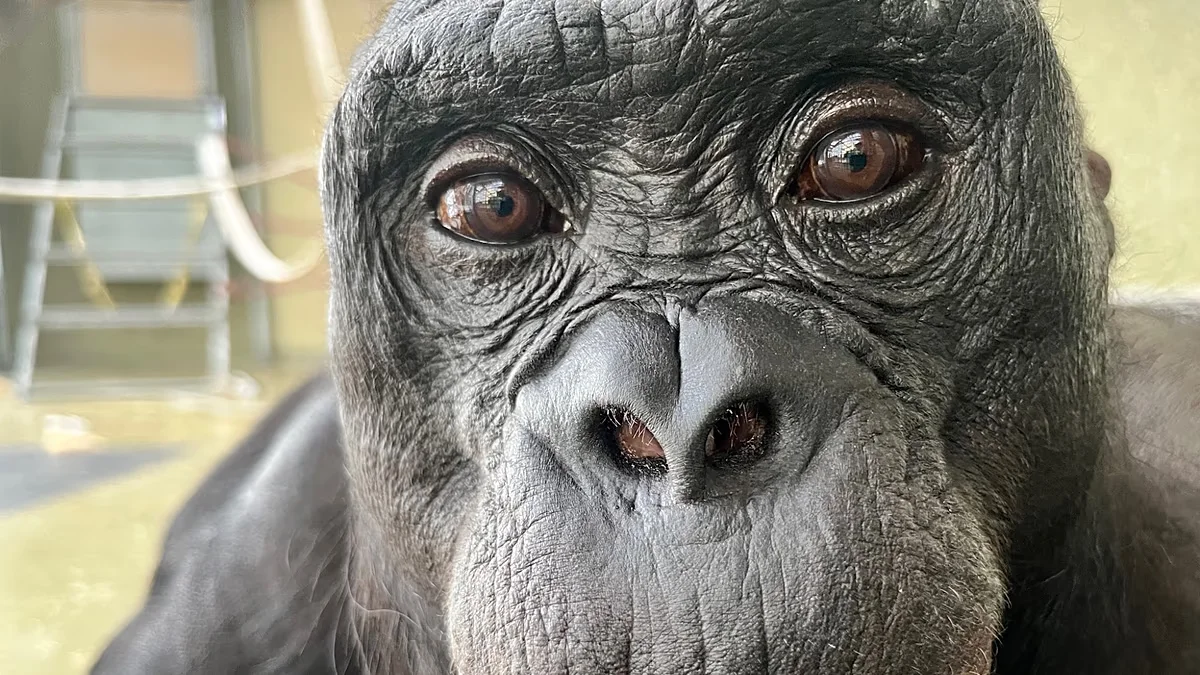
New research has found that apes, including chimpanzees and bonobos, can recognize old friends they haven't seen for decades, marking the longest-lasting social memory documented outside of humans. The study used photographs of deceased or departed apes and found that the participating apes looked significantly longer at those they knew, regardless of the time that had passed since their last interaction. The research suggests that apes' social memory could extend beyond 26 years and may be comparable to humans. The study highlights the importance of conservation efforts and raises questions about the possibility of apes missing their loved ones. Future research will explore if apes can recognize former friends in their current appearance and investigate social memory in other primates.
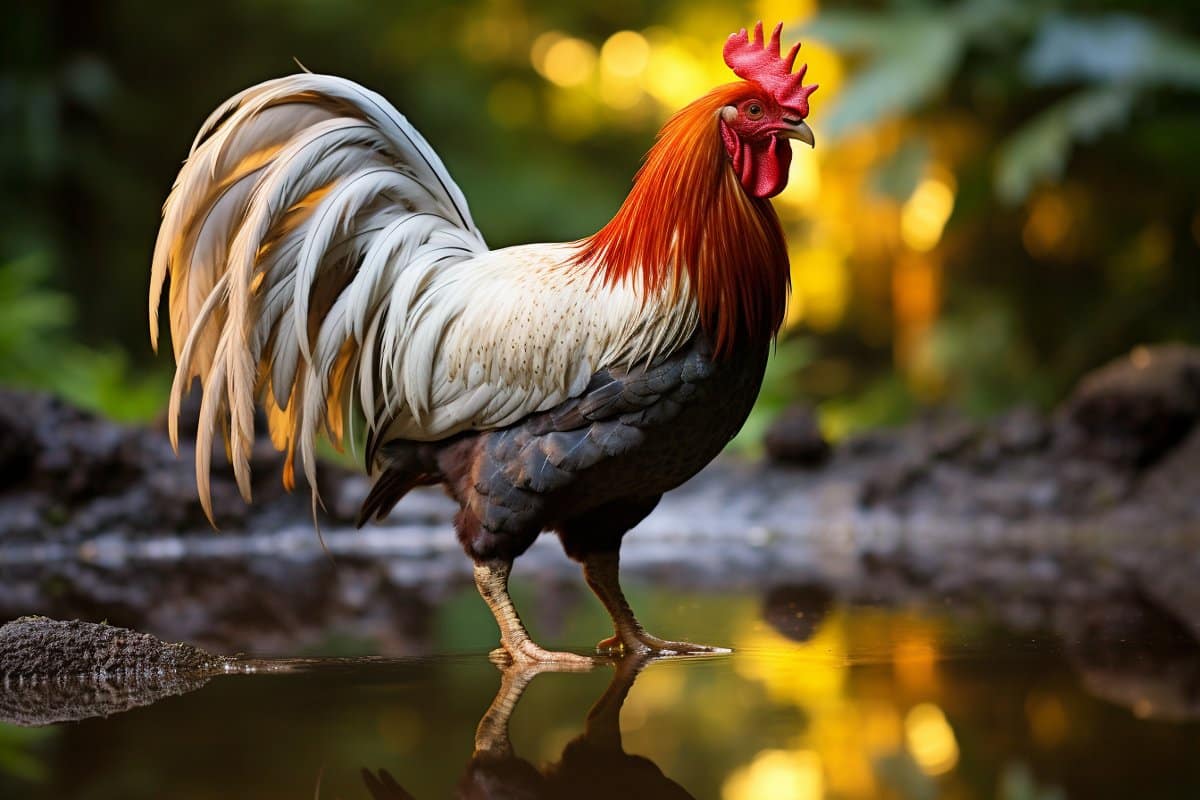
Roosters may have the ability to recognize themselves in mirrors, indicating a potential level of self-awareness. However, the success of this recognition depends on the experimental conditions, challenging the traditional "mark test" for self-recognition. Researchers found that roosters emit alarm calls in the presence of a conspecific when a predator is present, but remain silent when alone. When confronted with their own reflection and a predator, the roosters emitted fewer alarm calls, suggesting they may recognize themselves. This study highlights the importance of conducting ecologically relevant experiments to understand animal self-awareness.
A study conducted at the Salakpra Wildlife Sanctuary in Thailand observed wild Asian elephants interacting with puzzle boxes to access food. The researchers found that individual elephants displayed varying levels of innovation and problem-solving abilities. Elephants who interacted with the puzzle boxes more frequently and persistently were more successful in retrieving food from different compartments. The study highlights the importance of understanding animal cognition and innovation in the face of human-induced environmental changes and can inform conservation management and human-elephant conflict mitigation efforts.